Plant These Yellow Perennials In Texas Once And Enjoy Them Forever
Yellow has a way of making a garden feel alive in a way that other colors just don’t quite manage.
It’s warm, it’s optimistic, it catches light beautifully in the early morning and late afternoon, and a well-placed grouping of yellow blooms can make an entire garden bed look like it was professionally designed.
It’s one of those colors that works almost everywhere and almost always gets it right. Now add the fact that these are perennials, and the whole thing gets even better.
Plant them once and they come back every year, spreading slowly, establishing deeper roots, and often producing more blooms as they mature than they did in their first season.
In Texas, where summers are brutal and gardeners need plants that can handle the pressure, finding yellow perennials that genuinely thrive rather than just survive is the kind of discovery worth getting excited about. Your garden is about to get a whole lot sunnier.
1. Esperanza / Yellow Bells
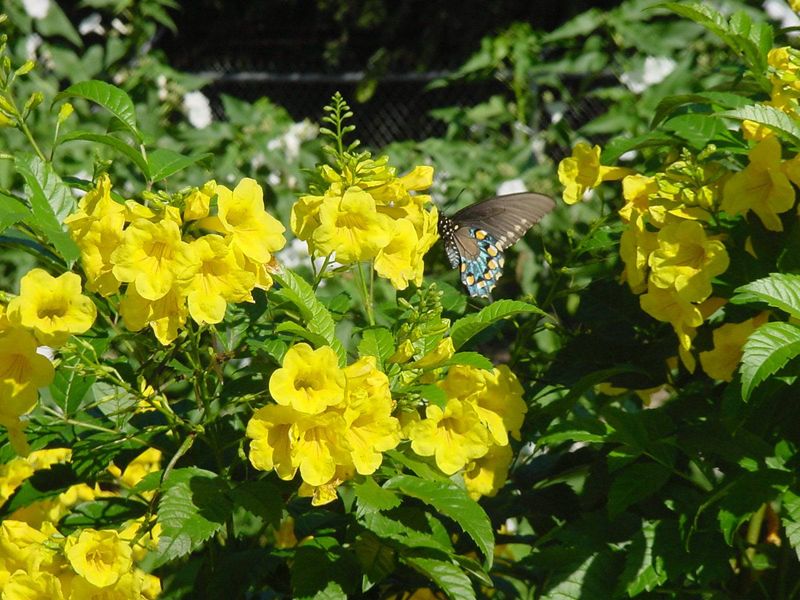
If Texas had an official summer flower, Esperanza would be a strong contender. Known by many as Yellow Bells, this bold beauty bursts into bloom right when the heat gets intense.
It keeps producing clusters of bright yellow trumpet-shaped flowers from late spring all the way through fall, without skipping a beat.
Esperanza is a true Texas favorite for a reason. It handles extreme heat and drought like a champion, asking for very little once it gets established.
Plant it in full sun and give it well-drained soil, and it will reward you with nonstop color for months. Hummingbirds and butterflies absolutely love it too.
In the warmest parts of Texas, like South Texas and the Rio Grande Valley, Esperanza can grow into a large woody shrub and behave almost like a small tree. In cooler zones, it may freeze back in winter but will return from the roots each spring.
That resilience is exactly what makes it so popular across the state. Pruning is easy and optional. Many gardeners cut it back in late winter to encourage fresh, bushy growth.
It grows fast, so do not worry if it looks bare after a trim. Within weeks, new stems and leaves will fill in quickly.
Esperanza is widely available at Texas nurseries and garden centers. Plant it along a fence, near a patio, or as a colorful focal point in a sunny bed. Once it is settled in, it practically takes care of itself all season long.
2. Coreopsis
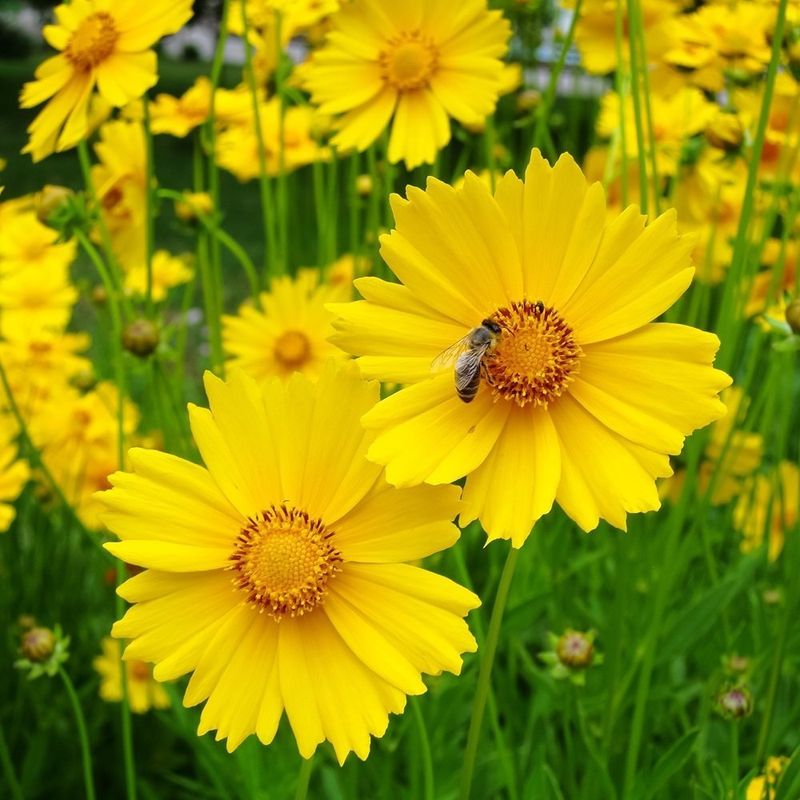
Some plants just make you smile the moment you see them. Coreopsis is one of those plants.
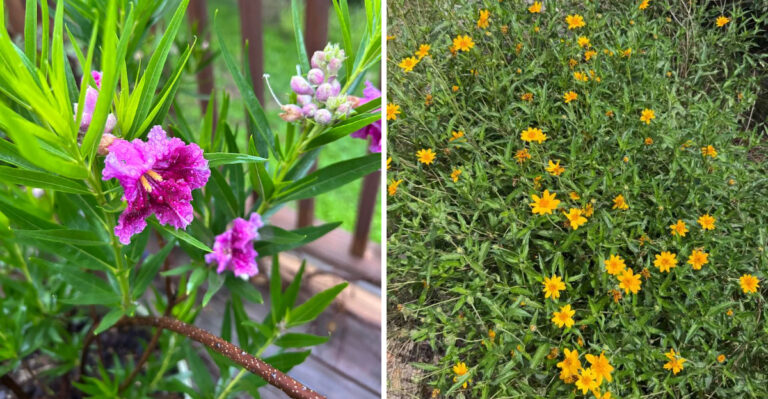
Its cheerful yellow daisy-like flowers pop up in abundance and keep coming back season after season, making it one of the most rewarding perennials you can grow in Texas.
What makes Coreopsis especially great for Texas gardeners is its toughness. It handles poor soil, heat, and drought without complaint.
You do not need to fertilize it heavily or water it constantly. In fact, too much pampering can actually make it less productive. Give it full sun and decent drainage, and it will thrive on its own.
Your Texas Garden Changes Every Week. Your Plan Should Too.
Gardening in Texas changes quickly throughout the season. Every Friday you’ll receive a simple weekly plan showing exactly what to plant, prune, fertilize, harvest, and protect so you never miss the right timing.
Coreopsis lanceolata is a true perennial that returns reliably each year. Coreopsis tinctoria is often grown as an annual but reseeds itself so freely that it behaves just like a perennial in Texas gardens.
Either way, once you plant it, you will likely have it around for a very long time. Deadheading, which means removing spent blooms, encourages even more flowers throughout the season.
It is a simple task that only takes a few minutes and keeps the plant looking tidy and full. Even without deadheading, Coreopsis puts on a great show.
Coreopsis also works beautifully in wildflower meadows and naturalistic garden designs. It mixes well with other Texas natives like Blackfoot Daisy and Goldenrod.
Pollinators, especially bees and butterflies, visit it constantly. Across Texas, it is a reliable and beloved garden staple that earns its place every single year.
3. Blackfoot Daisy
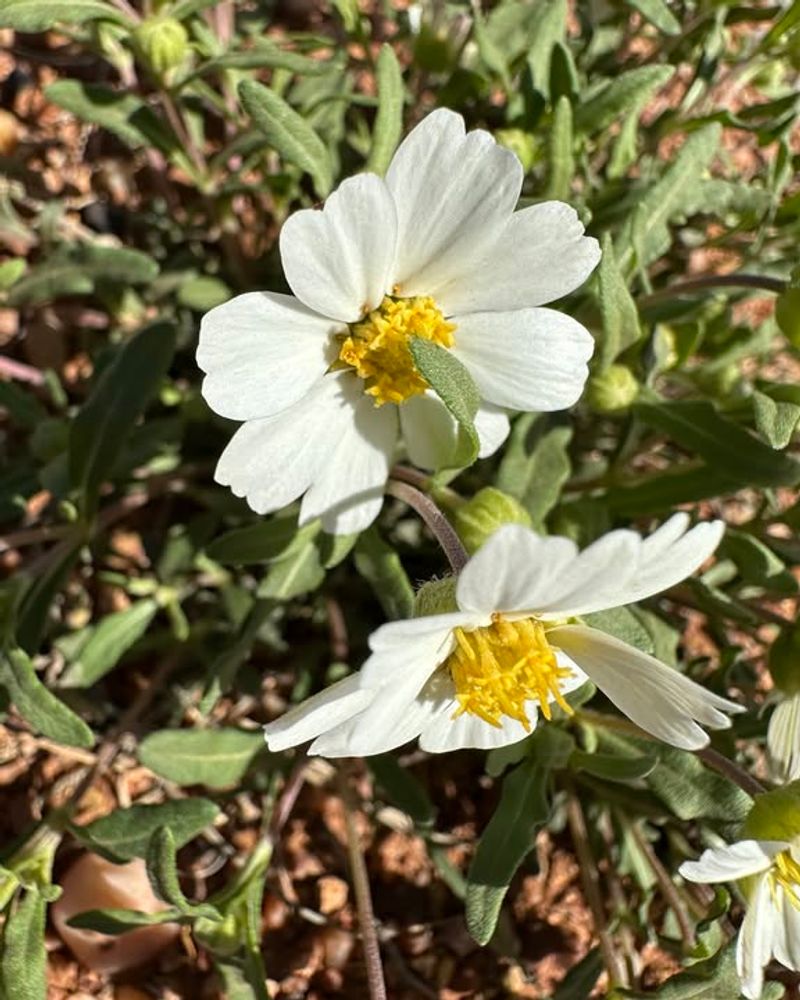
There is something quietly magical about the Blackfoot Daisy. It does not shout for attention with giant blooms or bold foliage.
Instead, it quietly covers itself in dozens of small white petals surrounding bright yellow centers, creating a soft and cheerful carpet of color that lasts for months on end.
Native to Texas and the Southwest, this compact little plant is perfectly adapted to the harsh conditions found across much of the Lone Star State. Rocky, alkaline, well-drained soil?
No problem. Intense summer heat with very little rain? It barely notices. Blackfoot Daisy is one of those plants that actually looks better the tougher things get.
The blooms appear almost nonstop from early spring through late fall, and in mild Texas winters, you might even catch a few flowers in December. That kind of long bloom season is rare and incredibly valuable in a garden.
Few plants offer that level of consistent color with so little effort required. Plant Blackfoot Daisy in full sun and make sure the soil drains well. It does not tolerate soggy roots, so raised beds and rocky slopes are ideal spots.
Once established, it needs almost no supplemental watering. It stays compact and tidy, rarely needing much pruning or maintenance.
This native gem also attracts a wide variety of pollinators, including native bees and butterflies. It pairs beautifully with other Texas natives like Four-Nerve Daisy and Damianita.
For a low-maintenance, high-reward garden in Texas, Blackfoot Daisy is absolutely worth planting.
4. Goldenrod
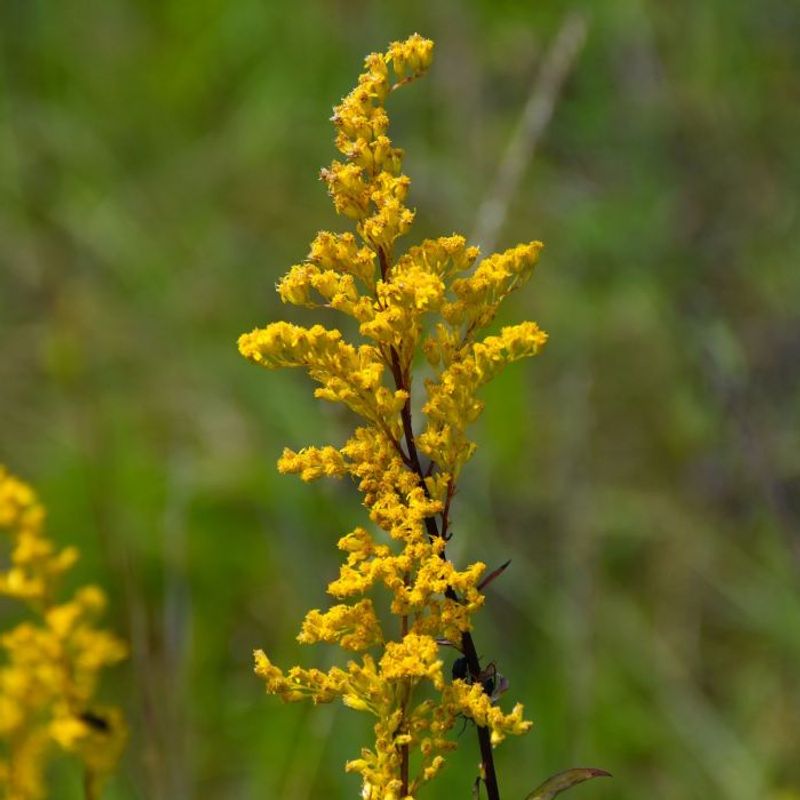
Goldenrod gets a bad reputation it does not deserve. Many people blame it for fall allergies, but the real culprit is ragweed, which blooms at the same time.
Goldenrod is actually a wonderful native perennial that brings vivid yellow color to Texas gardens right when most summer plants start fading out.
In late summer and early fall, Goldenrod produces tall plumes of tiny golden-yellow flowers that look stunning in the landscape.
The blooms are rich in nectar and pollen, making them a favorite stop for monarch butterflies, native bees, and countless other pollinators passing through Texas on their seasonal migrations.
Several Solidago species grow naturally across Texas, and all of them are tough and adaptable. They handle heat, humidity, and drought with ease.
Most prefer full sun to partial shade and are not picky about soil quality. Once established, they spread slowly by rhizomes and can form attractive colonies over time.
Goldenrod works well in wildflower gardens, meadow plantings, and naturalistic landscape designs. It pairs beautifully with other fall bloomers like Blackfoot Daisy and native grasses.
Cut stems can even be brought indoors to create gorgeous fall arrangements that brighten up any room.
One thing to keep in mind is that some species can spread aggressively. Choosing a well-behaved variety or simply dividing the clumps every few years keeps things under control.
For Texas gardeners who want big color, wildlife value, and zero fuss, Goldenrod delivers on every promise it makes.
5. Four-Nerve Daisy
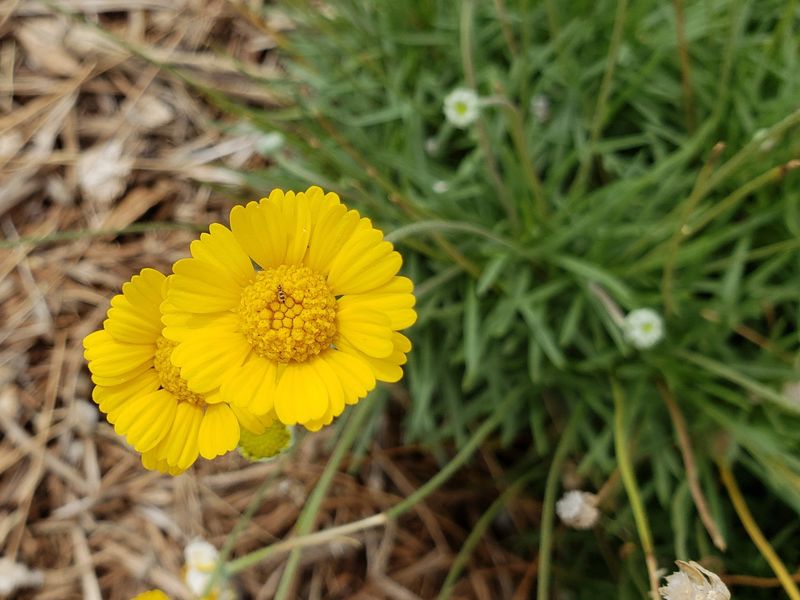
Do not let its small size fool you. The Four-Nerve Daisy is one of the toughest little plants you will ever grow in a Texas garden.
This compact native perennial produces cheerful bright yellow daisy-like flowers almost continuously throughout the warm months, making it one of the longest-blooming plants available to Texas gardeners.
Native to rocky, dry soils across central and west Texas, this plant is built for survival in extreme conditions. It is extraordinarily drought-tolerant and thrives in full sun with excellent drainage.
Sandy or rocky soil is actually ideal. Overwatering or heavy clay soil can cause problems, so good drainage is the most important thing to get right when planting it.
The flowers rise on slender stems above a tight rosette of narrow, silver-green leaves. Each bloom has four distinct veins on its petals, which is exactly how the plant got its name.
The flowers close at night and reopen each morning, creating a charming daily display in the garden.
Four-Nerve Daisy is a fantastic choice for rock gardens, xeriscape designs, and dry slopes across Texas. It stays neat and tidy without much pruning and rarely needs fertilizing.
Once established, it is remarkably self-sufficient and will reward you with blooms from early spring all the way into fall.
Pollinators adore it. Bees and butterflies visit the flowers regularly, adding even more life to your outdoor space.
For a sunny, dry spot in a Texas yard where other plants struggle, Four-Nerve Daisy is the perfect answer every single time.
6. Damianita
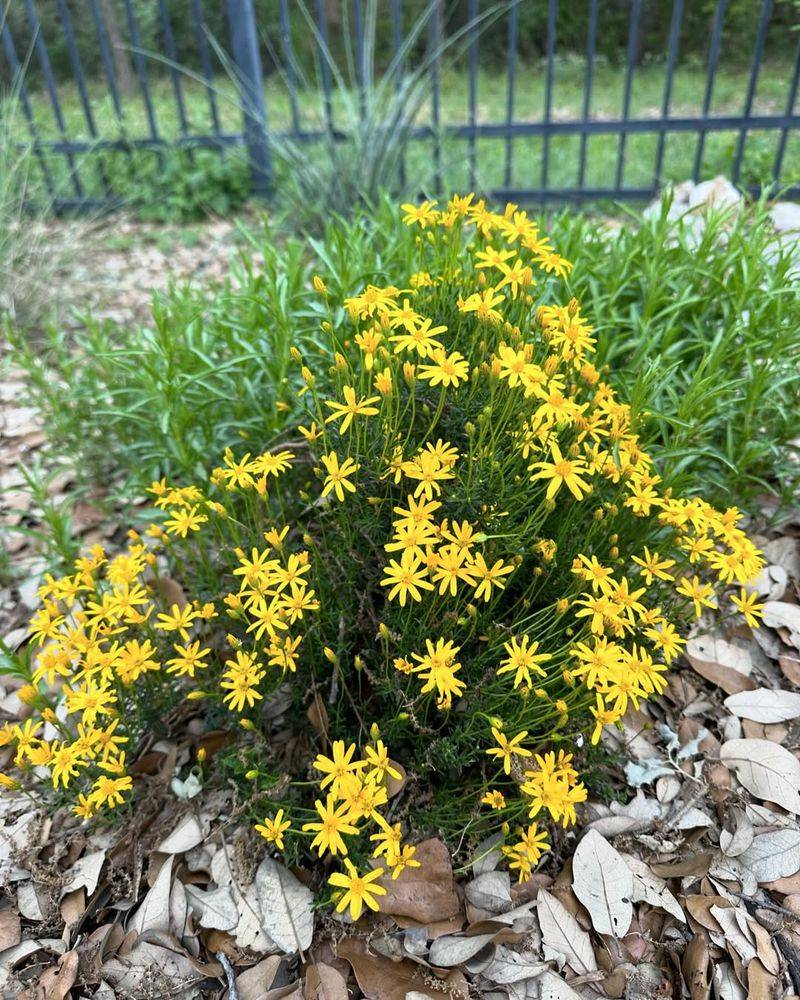
Walk past a blooming Damianita on a warm Texas afternoon and you will notice two things right away: a blanket of tiny golden-yellow flowers and a wonderfully aromatic scent rising from the foliage.
This small, shrub-like perennial is one of the most underused gems in Texas gardening, and it absolutely deserves more attention.
Native to the Chihuahuan Desert and the rocky hills of west Texas, Damianita is perfectly suited to hot, dry conditions. It thrives in full sun and well-drained soil, especially rocky or gravelly ground where other plants refuse to grow.
Once established, it is remarkably drought-tolerant and needs very little supplemental water, even during the driest Texas summers.
The plant forms a tidy, rounded mound of dark green, needle-like foliage that stays attractive even when it is not in bloom.
Flowers appear in spring and again in fall, sometimes continuing through mild winters in the warmer parts of Texas. The blooms attract bees and butterflies, adding welcome pollinator activity to the garden.
Damianita is a great fit for xeriscape landscapes, rock gardens, and dry borders across Texas. It pairs well with other drought-tolerant natives like Four-Nerve Daisy and Blackfoot Daisy.
Light pruning after each bloom cycle helps keep the plant looking full and encourages the next round of flowers.
One fun fact: the leaves and flowers have long been used in traditional herbal medicine in Mexico and the Southwest. It is a plant with both beauty and history, making it even more special to grow in a Texas garden.
7. Yellow Columbine
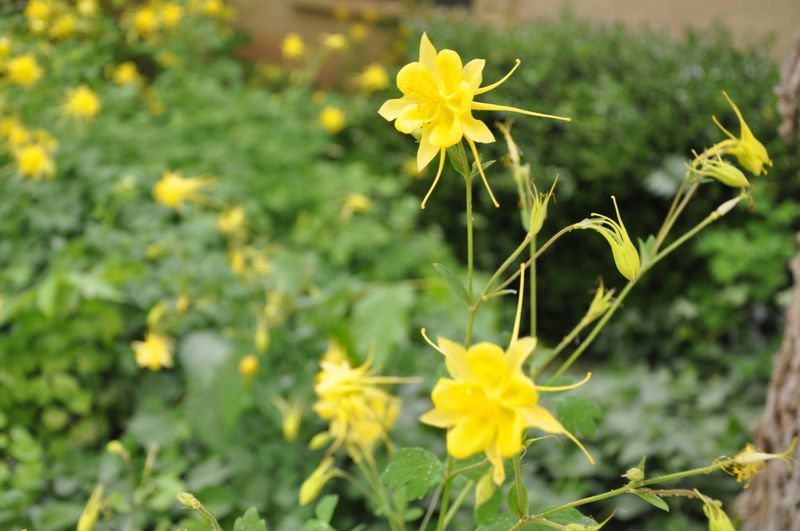
Every garden needs at least one plant that feels a little magical, and Yellow Columbine fills that role beautifully. Unlike the bold, sun-loving plants on this list, Yellow Columbine brings a softer, more graceful energy to the garden.
Its nodding golden-yellow flowers have long, elegant spurs that give them an almost fairy-tale quality.
Native to the mountains of the American Southwest and parts of Texas, Aquilegia chrysantha is one of the most heat-tolerant Columbines available. It prefers partial shade, especially in the hot Texas afternoon sun, and does best with well-drained, moist soil.
A spot beneath a canopy of trees or along a shaded garden wall is ideal for keeping it happy. Bloom time typically runs from spring into early summer. The flowers are a magnet for hummingbirds, who visit them constantly in search of nectar.
Long-tongued bees and certain butterfly species also love them. Watching a hummingbird hover beside a Yellow Columbine is one of those simple, joyful moments that makes gardening so rewarding.
Yellow Columbine reseeds itself readily, which means that once you plant it in a suitable spot, it will continue to pop up and spread naturally over the years.
Allowing some seedheads to mature and drop is the easiest way to encourage this natural spreading process throughout your garden.
For Texas gardeners with shaded beds or woodland-style gardens, Yellow Columbine is a standout choice. It brings elegance, wildlife value, and reliable seasonal color to spots where most yellow perennials simply would not survive.