Texas Gardeners Should Never Plant These Plants Near Rosemary
Rosemary is one of those plants that seems to get along with everyone until it doesn’t. It’s tough, it’s drought tolerant, it smells incredible, and it earns its spot in Texas gardens without asking for much in return.
Most gardeners assume that because rosemary is so easygoing, it’ll happily coexist with just about anything they decide to plant nearby. That assumption gets a lot of rosemary plants into trouble.
The truth is that rosemary has some very specific preferences when it comes to neighbors, and pairing it with the wrong plants creates problems that aren’t always obvious until real damage has already been done.
Competition for water, incompatible soil moisture needs, chemical interference, and pest attraction are all real consequences of bad plant pairings that show up more often than most Texas gardeners realize.
Knowing which plants to keep away from your rosemary before you design your beds could be the difference between a thriving herb and a struggling one.
1. Basil
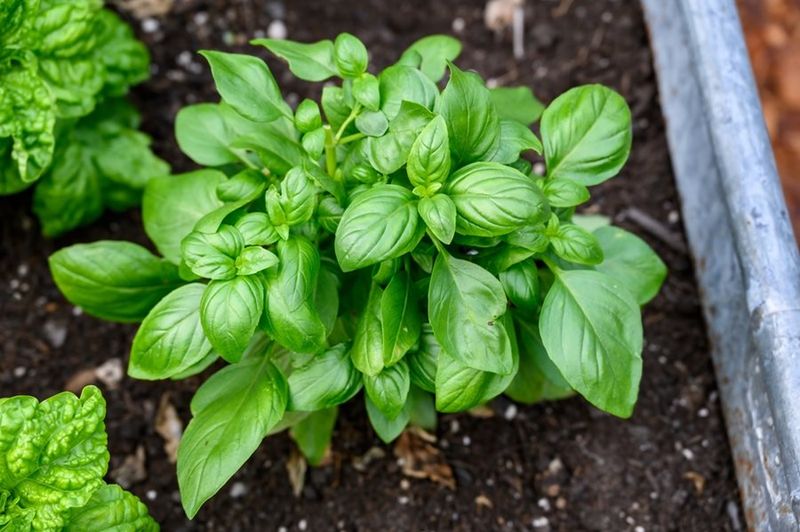
Basil is one of the most popular herbs in any kitchen garden, and it is easy to see why. The rich aroma, the glossy green leaves, and the way it transforms a simple dish into something special make it a favorite for Texas home gardeners everywhere.
But here is the thing: basil and rosemary are not exactly best friends in the garden bed. Basil loves consistently moist, rich soil. It needs regular watering to stay healthy and produce those flavorful leaves you want for cooking.
Rosemary, on the other hand, is built for dry conditions. In Texas, where summer temperatures regularly climb past 100 degrees, rosemary actually thrives with minimal water and fast-draining soil.
These two plants have completely opposite watering needs. When you plant basil next to rosemary, you face a tough choice every time you reach for the hose. Water enough to keep your basil happy, and you risk root rot in your rosemary.
Pull back on the water to protect your rosemary, and your basil will start to wilt and struggle in the Texas heat.
Beyond watering, basil also prefers nutrient-rich soil that has been amended with compost or fertilizer. Rosemary prefers leaner soil with fewer nutrients.
Giving rosemary too much fertilizer can actually reduce its flavor and make it more vulnerable to pests. Keeping these two herbs in separate areas of your Texas garden is the smartest move.
Plant your basil in a raised bed or container where you can control the moisture levels independently, and let your rosemary enjoy its sunny, dry spot without any competition.
2. Mint
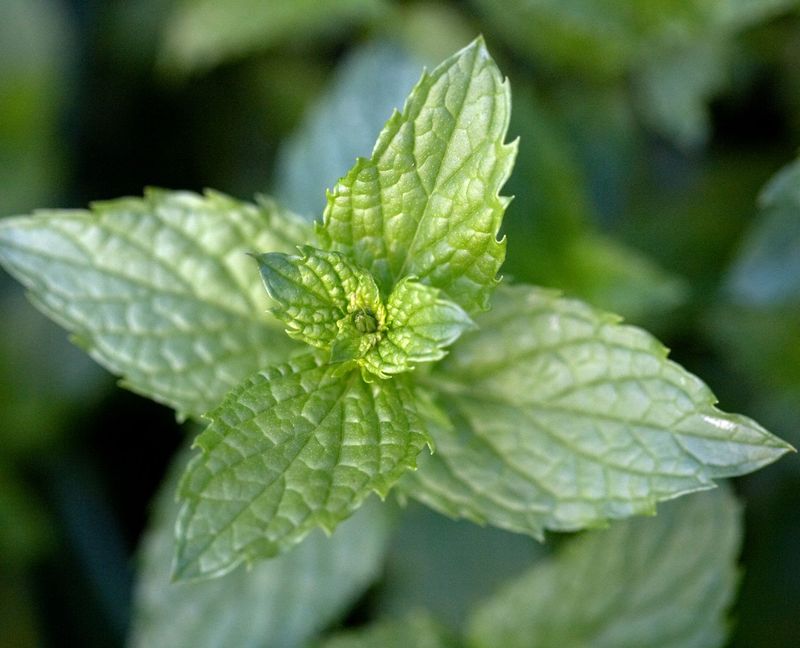
Few herbs are as enthusiastic about growing as mint. Give it a little water and some space, and mint will take over your entire garden before you know what happened.
Texas gardeners often learn this lesson the hard way, especially when mint is planted anywhere near other herbs like rosemary.
Mint is a moisture-loving plant that spreads through underground runners called rhizomes. These runners travel quickly through the soil, popping up new plants several inches or even feet away from the original.
Your Texas Garden Changes Every Week. Your Plan Should Too.
Gardening in Texas changes quickly throughout the season. Every Friday you’ll receive a simple weekly plan showing exactly what to plant, prune, fertilize, harvest, and protect so you never miss the right timing.
In a Texas garden, where space is often limited and soil conditions need to be carefully managed, mint can become a serious problem in no time at all.
Rosemary prefers dry, well-drained soil with very little water. Mint wants the exact opposite.
When these two plants share a bed, the watering schedule becomes a constant battle. Too much water to satisfy the mint will leave your rosemary sitting in soggy soil, which can cause root rot and eventually weaken the plant significantly.
On top of the watering conflict, mint will aggressively compete with rosemary for space and nutrients. Its spreading root system can crowd out rosemary’s roots, making it harder for the herb to absorb the nutrients it needs to stay healthy and flavorful.
In the warm Texas climate, mint grows even faster than it does in cooler regions, making the problem worse.
The best solution for Texas gardeners is to grow mint in a container. A pot with drainage holes keeps the mint contained and lets you water it separately, protecting your rosemary from the competition.
3. Cilantro
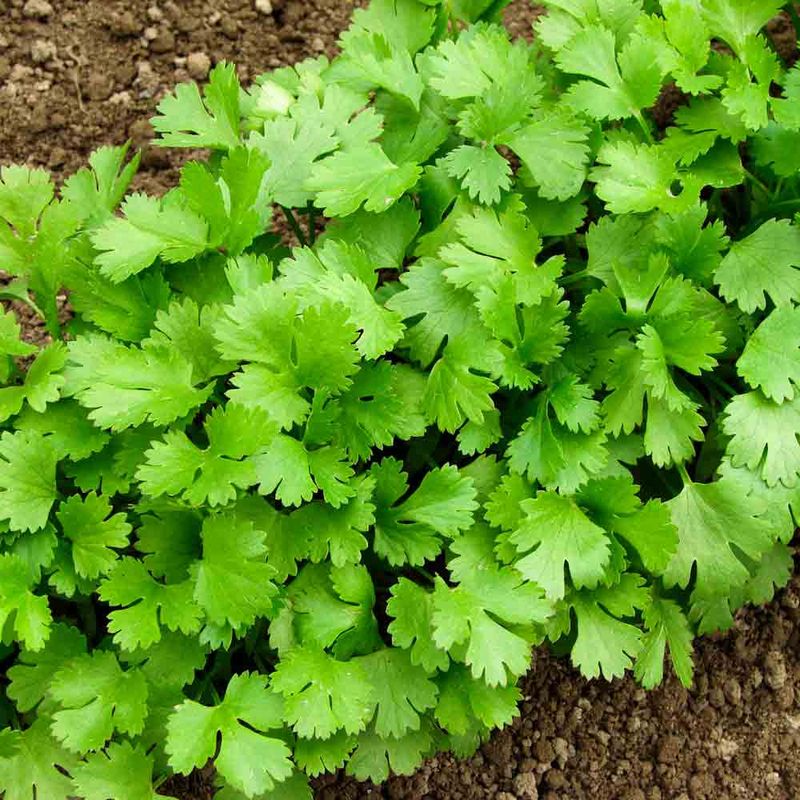
Cilantro is a staple herb in Texas cooking, especially in Tex-Mex dishes and fresh salsas. But as much as Texas gardeners love growing it, cilantro is one of the trickiest herbs to keep happy in the Texas climate.
And placing it next to rosemary only makes things harder. Cilantro is a cool-season herb. It grows best in temperatures between 50 and 85 degrees Fahrenheit.
Once the Texas heat kicks in during late spring and summer, cilantro bolts quickly, meaning it rushes to produce seeds and stops putting energy into leaf growth. To slow down this process, cilantro needs consistent moisture and some shade during the hottest parts of the day.
Rosemary, as any experienced Texas gardener knows, thrives in full sun and dry conditions. Planting cilantro right next to rosemary creates an immediate conflict.
The cilantro will need more water and some afternoon shade, while the rosemary will suffer if it gets either of those things in excess.
There is also the issue of soil temperature. Cilantro prefers cooler soil, which is almost impossible to maintain in a Texas summer, especially in a sunny, dry spot where rosemary feels most at home.
Trying to create the right conditions for both plants at the same time will likely leave both of them struggling.
Smart Texas gardeners plant cilantro in a separate container or raised bed where it can get the moisture, cooler soil, and partial shade it needs.
This way, you protect your rosemary from overwatering while also giving your cilantro the best possible chance of producing a good harvest before the summer heat takes over.
4. Parsley
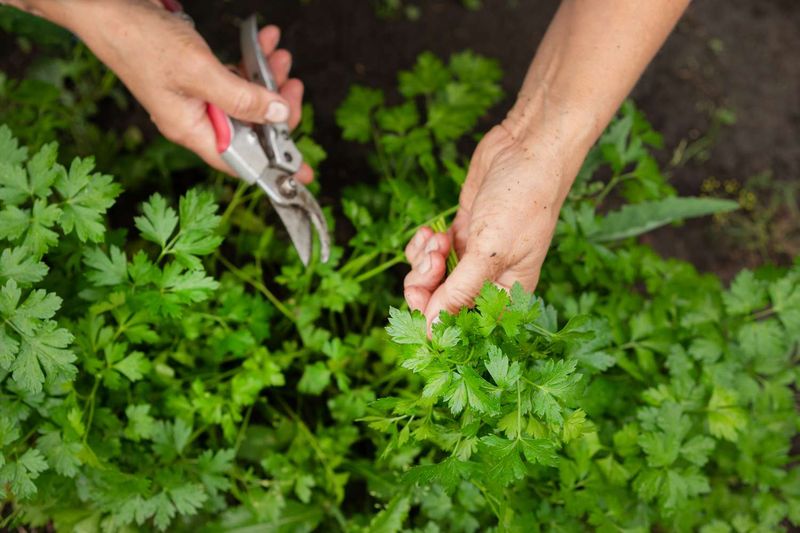
Parsley might look like a tough, no-fuss herb, but it actually has some pretty specific growing requirements that put it at odds with rosemary.
Many Texas gardeners assume that since both are popular culinary herbs, they must grow well together. Unfortunately, that is not the case at all.
Parsley needs rich, well-amended soil packed with organic matter. It also requires regular, consistent watering to keep its roots moist and its leaves tender.
In Texas, where the sun beats down intensely for much of the year, parsley needs extra attention to stay hydrated and healthy. Without enough water and nutrients, parsley leaves turn yellow and the plant becomes bitter and tough.
Rosemary, by contrast, is practically built for neglect. It evolved in the dry, rocky Mediterranean region, and it has brought that same drought-tolerant toughness to Texas gardens across the state.
Rich soil and frequent watering actually work against rosemary, making it more susceptible to fungal diseases and root problems.
When parsley and rosemary share a garden bed in Texas, one of them is always going to suffer. If you water and fertilize enough to keep the parsley thriving, your rosemary will likely develop root rot or fungal issues.
If you hold back to protect the rosemary, your parsley will be dry, stressed, and unproductive.
Give parsley its own dedicated space in your Texas garden, ideally in a raised bed or large container with rich compost-amended soil. Water it separately and keep it away from rosemary.
Both herbs will reward you with better flavor and stronger growth when they are not forced to compete for incompatible growing conditions.
5. Chives
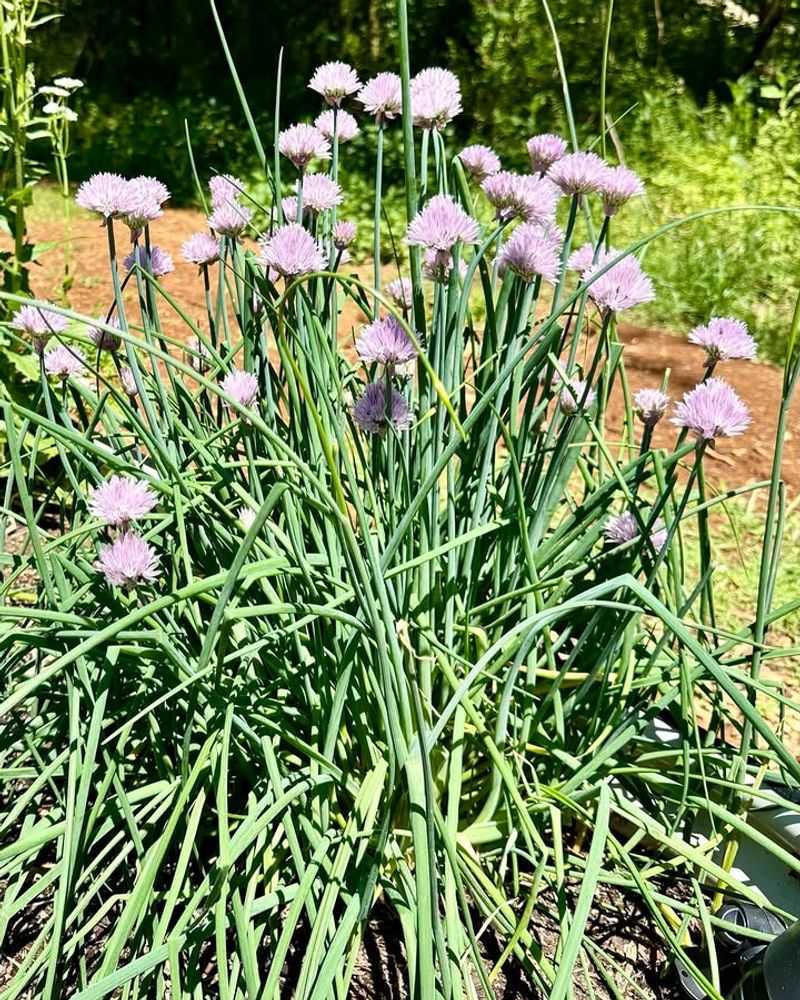
Chives are a fun and easy herb to grow, and they add a mild onion flavor to all kinds of dishes. Texas gardeners often love planting them because they come back year after year and require minimal fuss.
But planting chives right next to rosemary is a combination that tends to cause more headaches than it is worth. The core issue is moisture. Chives prefer soil that stays consistently moist and fertile.
They do not handle long dry spells well, and in the blazing Texas summer heat, they need regular watering to keep their slender stalks from turning brown and droopy.
Rosemary, meanwhile, is perfectly content going long stretches without a drop of water. In fact, overwatering rosemary is one of the most common mistakes Texas gardeners make.
When chives and rosemary share the same garden space in Texas, you end up in a watering dilemma. Water frequently to keep the chives looking good, and you risk waterlogging the soil around your rosemary.
The standing moisture creates the perfect environment for root rot and fungal infections, both of which can seriously weaken a rosemary plant over time.
Chives also prefer fertile soil enriched with compost, while rosemary does better in leaner, sandier conditions. Trying to satisfy both plants with the same soil type is nearly impossible without compromising one or the other.
The practical fix for Texas gardeners is simple: grow your chives in a separate container or a different section of the garden where you can water and fertilize them on their own schedule.
Your rosemary will stay healthier, and your chives will produce more flavorful stalks without the competition.
6. Lettuce
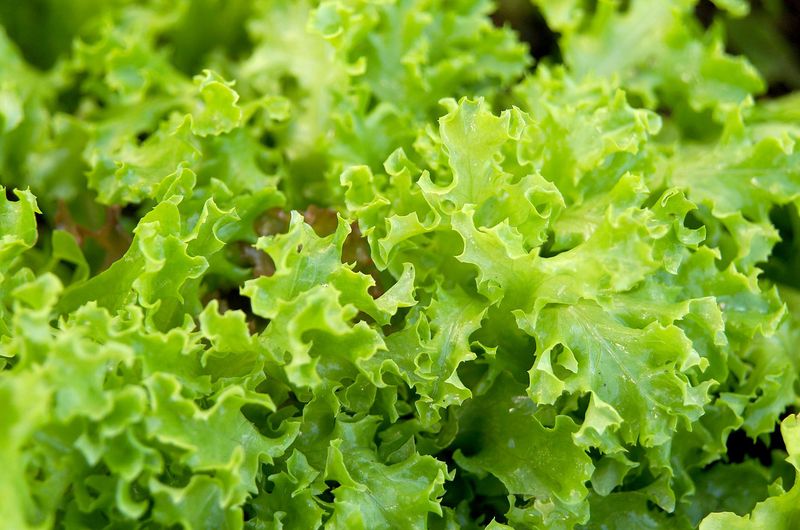
Lettuce is one of those plants that Texas gardeners rush to grow in the cooler months of fall and early spring. It is refreshing, quick to harvest, and incredibly satisfying to grow at home.
But if you are thinking about tucking some lettuce seedlings in next to your rosemary, you will want to reconsider that plan entirely.
Lettuce has very different needs compared to rosemary. It craves consistent moisture, and its shallow roots dry out quickly in the Texas heat.
Lettuce also does much better with some afternoon shade, especially during the warmer parts of the growing season. Without shade and regular watering, lettuce wilts fast, turns bitter, and bolts prematurely, ending your harvest much sooner than you planned.
Rosemary, as any seasoned Texas gardener can tell you, is a full-sun plant. It soaks up the intense Texas sunshine and actually produces more flavorful oils when it experiences some drought stress.
The dry, sun-drenched conditions that make rosemary so happy are almost exactly the wrong conditions for lettuce.
Planting lettuce next to rosemary in a Texas garden puts both plants in a tough spot. If you water enough to keep the lettuce from wilting, the rosemary sits in overly moist soil.
If you hold back the water to protect the rosemary, the lettuce suffers quickly in the heat and sun.
Texas gardeners get the best results by growing lettuce in a separate raised bed or container that can be positioned in a spot with partial shade. Use moisture-retaining soil and water consistently.
Keep it well away from your rosemary, and both plants will grow stronger and produce better all season long.