The One Flower Pennsylvania Butterflies Can’t Live Without
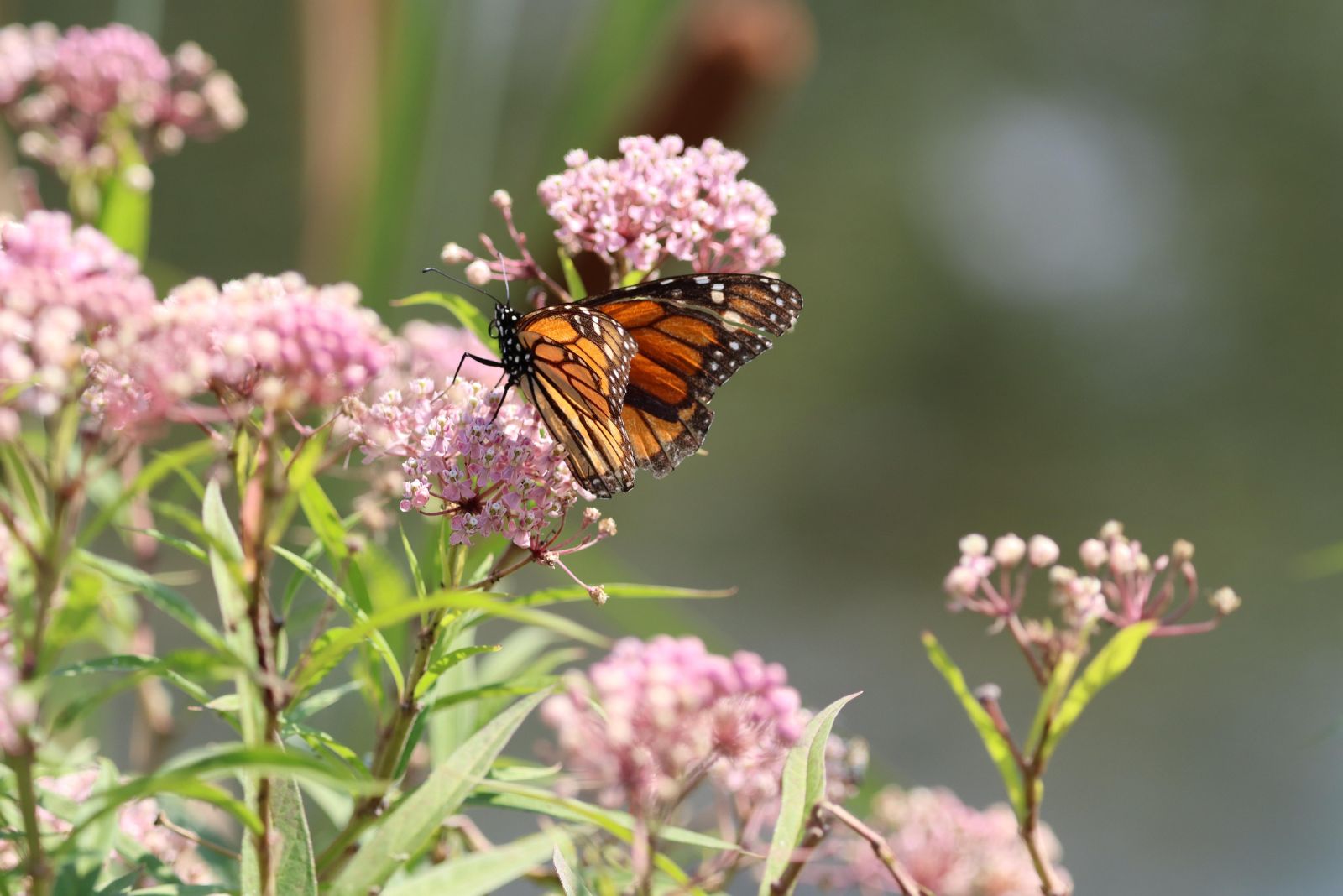
Pennsylvania’s butterfly population has a problem, and it’s been quietly getting worse for years. Habitat loss, development, and the widespread removal of certain native plants from the landscape have put serious pressure on species that depend on very specific plants to complete their life cycles.
Monarch butterflies in particular have seen dramatic population declines that have pushed them toward endangered status, and the reason comes back to one plant more than any other.
There is a single flower growing across Pennsylvania that butterflies don’t just prefer – they genuinely cannot complete their life cycle without it.
Monarchs lay their eggs exclusively on this plant, their caterpillars eat only its leaves, and without it the species has nowhere to go.
Other butterfly species rely on it heavily too, using it for nectar, shelter, and reproduction in ways that make it irreplaceable in the Pennsylvania landscape.
Getting this plant into more Pennsylvania gardens isn’t just good gardening. At this point, it’s genuinely important.
Meet The Must-Have Flower: Milkweed
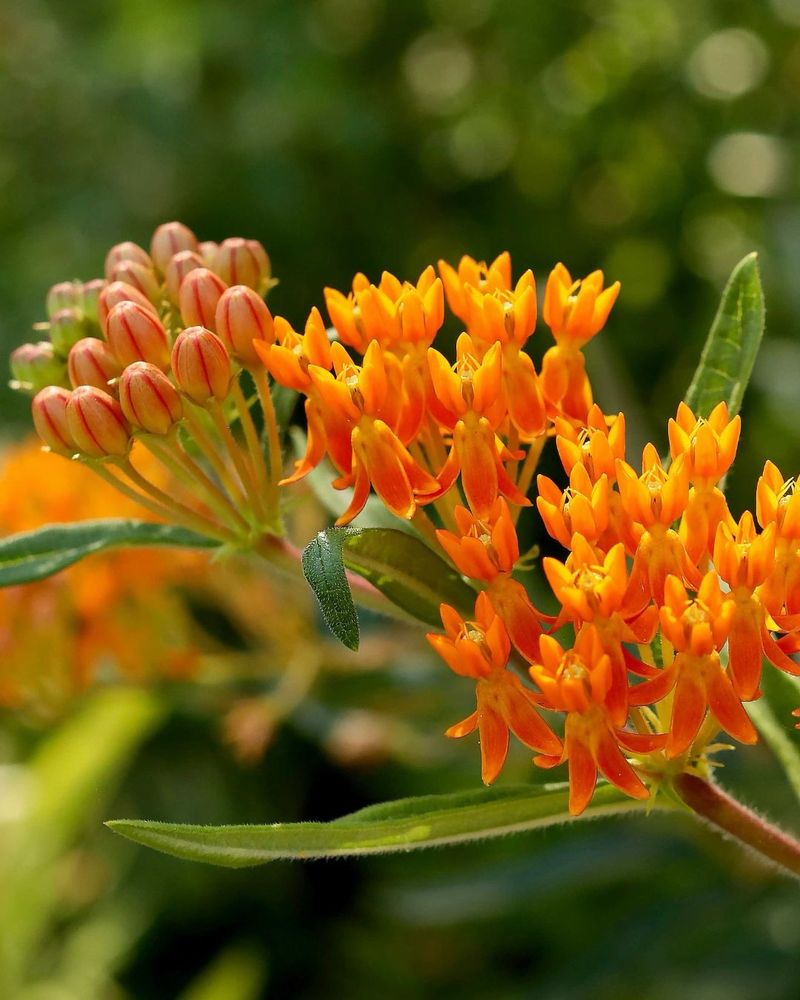
Milkweed might not sound glamorous, but to a monarch butterfly, it is everything. Scientifically known as Asclepias spp., milkweed is a group of flowering plants native to North America, and it plays a role unlike any other plant in the butterfly world.
Monarchs have evolved alongside milkweed for thousands of years, creating one of the most fascinating relationships in nature.
What makes milkweed so special? For starters, it is the only plant where monarch butterflies will lay their eggs.
Without it, reproduction simply cannot happen. The plant also produces nectar that adult butterflies feed on, making it both a nursery and a dining spot wrapped into one.
Pennsylvania is home to several milkweed species that grow naturally across the state. You can find them in meadows, along roadsides, and near streams.
Common milkweed, swamp milkweed, and butterfly weed are the three most popular types for Pennsylvania gardeners, and each one has its own personality and preferred growing conditions.
Milkweed plants also contain a natural chemical called cardiac glycosides. When monarch caterpillars eat milkweed leaves, those chemicals build up in their bodies.
This actually makes the caterpillars and adult butterflies taste terrible to predators like birds, giving them a built-in defense system. It is a brilliant survival strategy that starts with this one humble plant.
If you have ever wanted to make a real difference for wildlife in Pennsylvania, growing milkweed is a great place to start. It is not just a flower. It is a lifeline for one of the most beloved butterflies on the planet.
Why Butterflies Need Milkweed
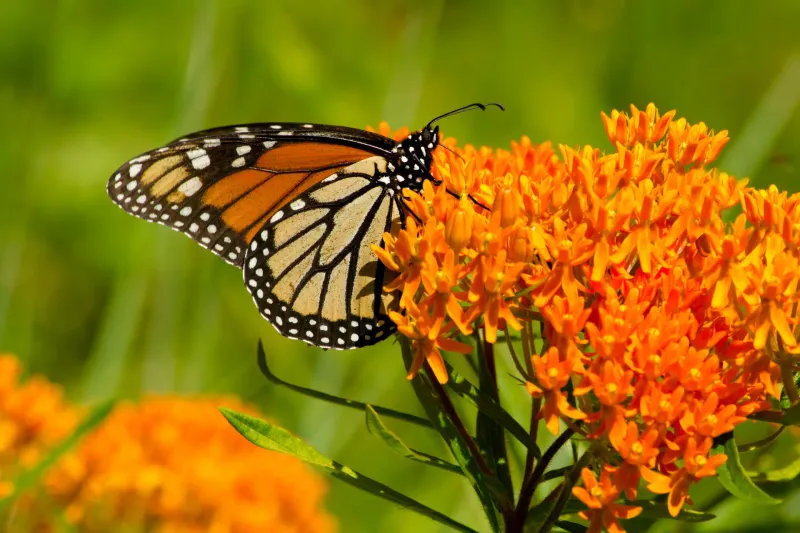
Monarch butterflies and milkweed share a bond so strong that one truly cannot survive without the other. Female monarchs will search far and wide to find milkweed before laying their tiny eggs on the undersides of its leaves.
No other plant will do. Scientists call this kind of relationship obligate, meaning it is not optional. It is absolutely necessary.
Once the eggs hatch, the caterpillars begin eating milkweed leaves right away. The leaves provide all the nutrients a growing caterpillar needs to develop properly.
Your Pennsylvania Garden Changes Every Week. Your Plan Should Too.
Gardening in Pennsylvania changes quickly throughout the season. Every Friday you’ll receive a simple weekly plan showing exactly what to plant, prune, fertilize, harvest, and protect so you never miss the right timing.
Without milkweed, newly hatched caterpillars would have nothing to eat and could not survive long enough to form a chrysalis.
Adult monarchs also benefit from milkweed because the flowers produce rich nectar. When butterflies are building up energy for their long migration south, every nectar source counts.
Pennsylvania sits along the eastern monarch migration path, so local milkweed patches give traveling butterflies a much-needed energy boost before they continue their journey.
Here is something that surprises many people: monarch butterflies can actually identify milkweed using sensors in their feet.
When a female lands on a leaf, she can taste it instantly to confirm it is the right plant. Nature packed a lot of smart features into these delicate creatures.
Planting milkweed in Pennsylvania is not just about decoration. It is about creating habitat that supports a complete life cycle, from the first tiny egg to the fully grown butterfly that floats away on the breeze.
Every milkweed plant you add to your yard becomes part of something much bigger than your garden.
Best Milkweed Types For Pennsylvania Gardens
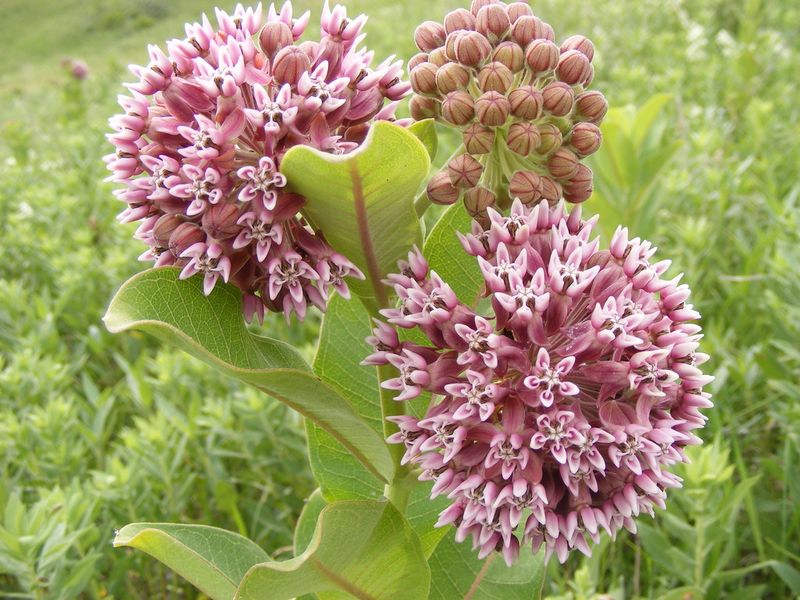
Not all milkweed is created equal, and choosing the right type for your Pennsylvania garden can make a big difference. Three native varieties stand out as the best choices for local gardeners: common milkweed, swamp milkweed, and butterfly weed.
Each one thrives in different conditions, so there is likely a perfect match for whatever space you have available.
Common milkweed, or Asclepias syriaca, is probably the one you have seen growing wild along Pennsylvania roadsides. It spreads easily through underground roots and produces large clusters of pinkish-purple flowers that smell sweet and attract all kinds of pollinators.
This type does best in dry to average soil with full sun and can handle a fair amount of neglect once it gets established.
Swamp milkweed, known as Asclepias incarnata, is a great pick if your yard tends to stay wet or you have a rain garden. It grows taller than common milkweed, reaching up to four feet, and produces beautiful deep pink blooms.
Butterflies absolutely love it, and it pairs nicely with other moisture-loving native plants found across Pennsylvania.
Butterfly weed, or Asclepias tuberosa, is the showstopper of the group. Its bright orange flowers are hard to miss and look stunning in any garden bed.
It prefers dry, well-drained soil and handles drought well once it is established. Unlike its relatives, butterfly weed does not spread aggressively, making it easier to manage in smaller spaces.
Growing any of these three native varieties in Pennsylvania gives monarch butterflies exactly what they need while also supporting bees, beetles, and other helpful insects throughout the season.
Where To Plant Milkweed For Best Results
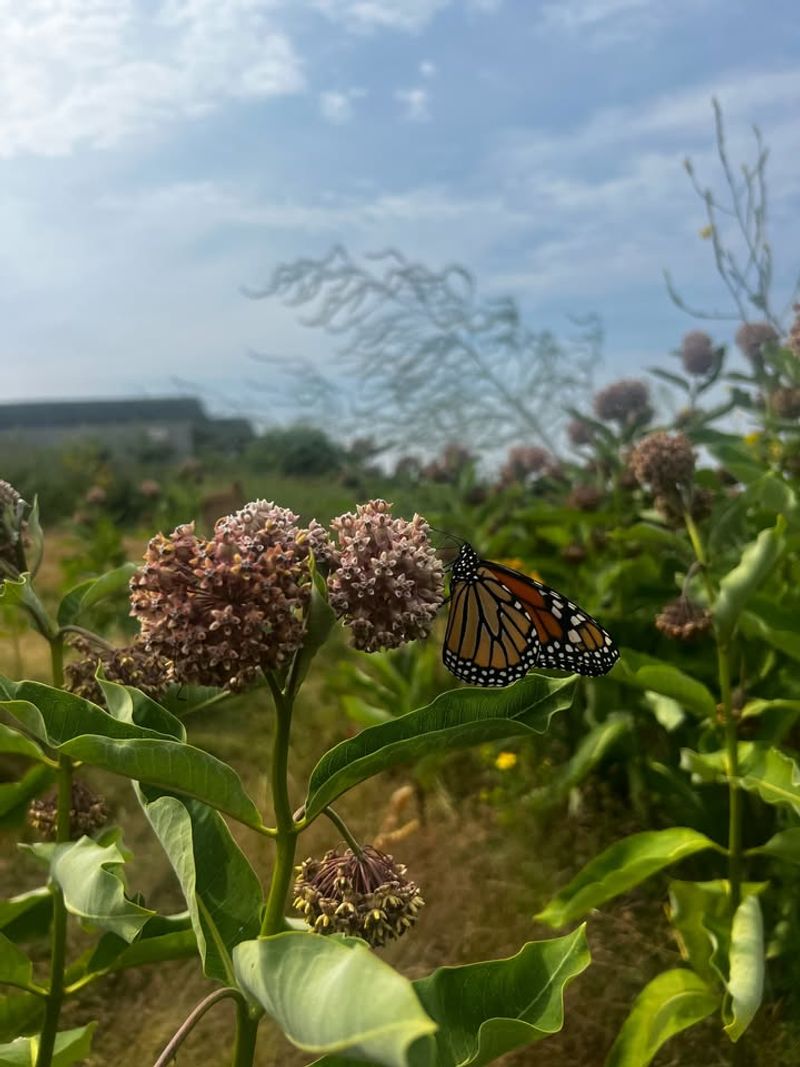
Location matters a lot when it comes to growing milkweed successfully in Pennsylvania. Getting the placement right from the start means healthier plants, more flowers, and a much better chance of attracting monarch butterflies to your yard.
The good news is that milkweed is not overly picky, but there are a few key things to keep in mind.
Sun is the most important factor. All three of the top Pennsylvania milkweed varieties grow best in full sun, meaning at least six hours of direct sunlight per day.
A south-facing garden bed, an open meadow area, or even a sunny strip along a fence line can work well. Shaded spots tend to produce weaker plants with fewer flowers and less nectar.
Matching your milkweed type to your soil conditions also helps a lot. If your yard has dry or sandy soil, butterfly weed and common milkweed are your best bets.
If your soil stays moist or you have a low-lying area that collects rainwater, swamp milkweed will feel right at home. Forcing the wrong plant into the wrong soil leads to frustration for both you and the butterflies.
One more tip that many Pennsylvania gardeners overlook: plant milkweed in a low-traffic, undisturbed area. Monarch caterpillars are slow-moving and vulnerable.
If your garden gets a lot of foot traffic, pets running through, or frequent maintenance, caterpillars can get knocked off the plants before they have a chance to grow. A quiet corner of your yard can become a surprisingly productive butterfly nursery.
Even a small, sunny patch of Pennsylvania ground can support several milkweed plants and welcome dozens of monarch butterflies over a single growing season.
Common Milkweed Growing Mistakes To Avoid
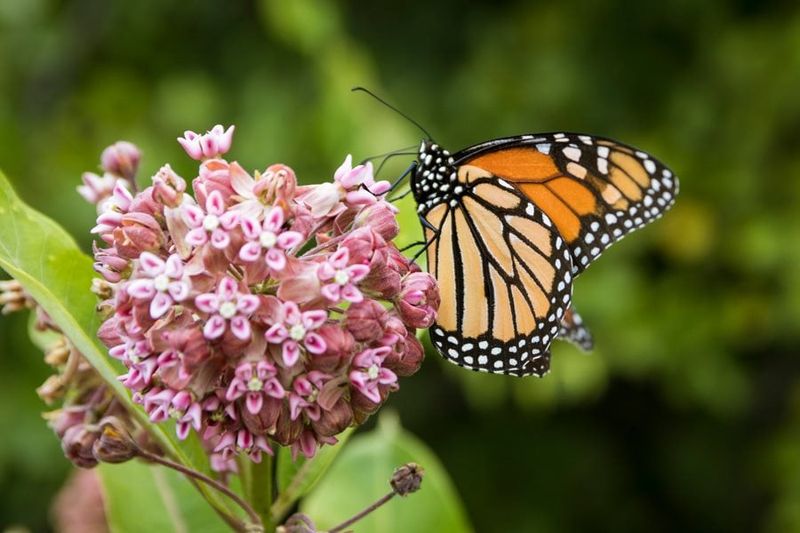
Growing milkweed sounds simple, and honestly, it mostly is. But a few common mistakes can seriously reduce how helpful your plants are for Pennsylvania’s monarch butterflies.
Knowing what to avoid ahead of time saves you a lot of trouble and makes your garden a much safer place for butterflies to thrive.
Using pesticides near milkweed is one of the biggest mistakes gardeners make. Even products labeled as safe for plants can harm or wipe out caterpillars and butterfly eggs.
If you must treat other plants in your yard, keep pesticides far away from any milkweed. Better yet, try to go pesticide-free in your whole butterfly garden area.
Some gardeners spot caterpillars on their milkweed and panic, thinking something is wrong. Removing caterpillars from milkweed is a mistake that cuts the whole process short.
Those caterpillars are supposed to be there. They are doing exactly what they are meant to do. Let them eat and grow without interference.
Planting non-native milkweed varieties is another issue worth mentioning. Tropical milkweed, which is commonly sold at garden centers, can actually confuse monarch migration patterns when it grows year-round in warmer climates.
In Pennsylvania, the cold winters naturally keep this less of a problem, but sticking with native species is always the smarter and safer choice.
Finally, cutting milkweed plants down too early in the season can interrupt the butterfly life cycle at a critical moment.
Wait until late fall, after the growing season has fully ended and any caterpillars have long since moved on. Patience is one of the best tools a butterfly gardener in Pennsylvania can have.
How Planting Milkweed Helps Save Butterflies In Pennsylvania
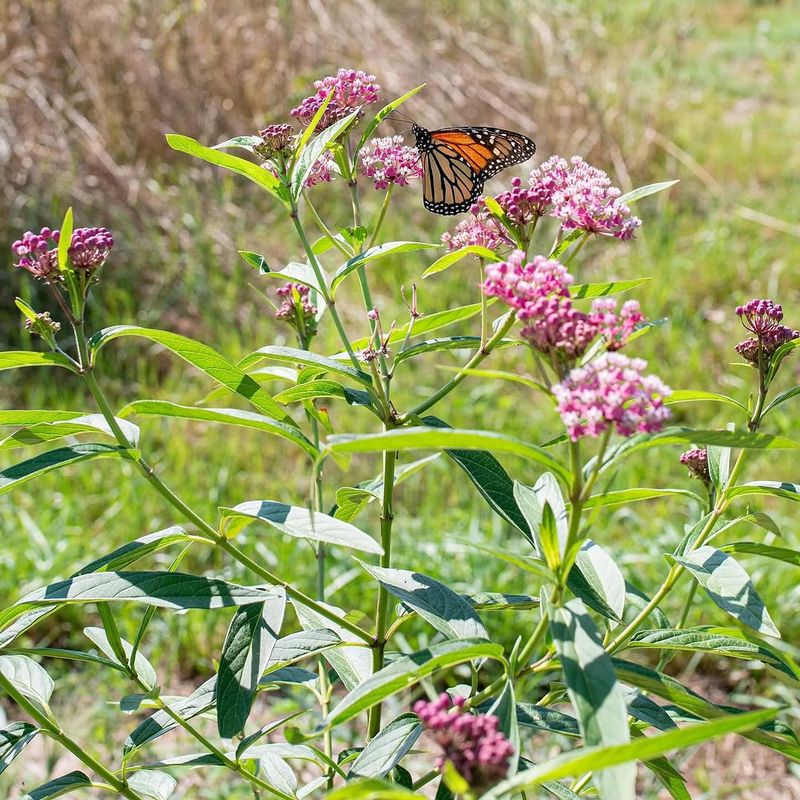
Monarch butterfly populations have dropped dramatically over the past few decades, and habitat loss is one of the biggest reasons why. As natural meadows and wild areas disappear across the country, so does the milkweed that monarchs depend on.
Pennsylvania gardeners who plant milkweed are doing something genuinely meaningful to push back against that trend.
Every milkweed plant supports the full monarch life cycle. A single plant can host multiple egg clutches during one season.
Those eggs become caterpillars, caterpillars become chrysalises, and chrysalises become the adult butterflies that continue the migration. Planting milkweed in Pennsylvania means you are not just growing a flower. You are hosting an entire biological process in your yard.
Small plantings really do add up. Researchers and conservation groups have found that even modest backyard habitats contribute to monarch population recovery when enough people participate.
Pennsylvania is located along a critical migration corridor, which means milkweed planted here directly supports butterflies traveling from Canada all the way to Mexico each year.
Community efforts across Pennsylvania have already shown promising results. Schools, neighborhoods, and local parks have joined milkweed planting initiatives that connect individual gardens into larger patches of usable habitat.
The more connected these green spaces become, the stronger the benefit for migrating monarchs.
Getting started does not require a lot of space, money, or gardening experience. A few milkweed plants tucked into a sunny corner of your Pennsylvania yard can attract monarchs within the first season.
Watching a butterfly emerge from a chrysalis you helped create is one of those experiences that stays with you for a long time.