10 Smart Tricks Pennsylvania Gardeners Should Use To Prevent Weeds In Gravel
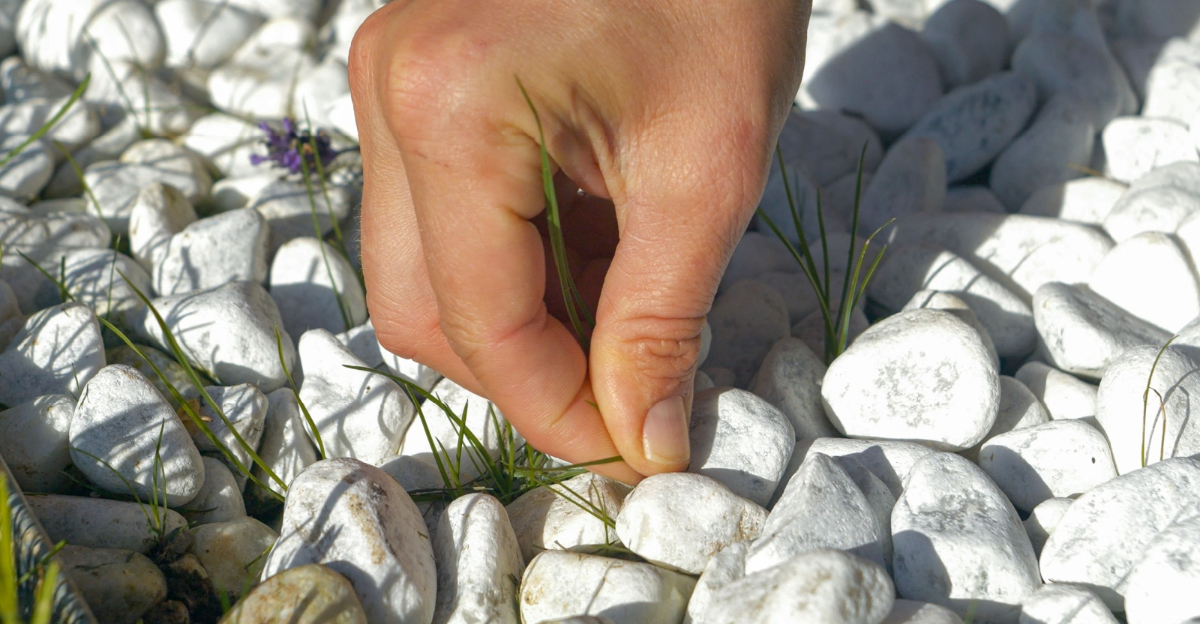
Gravel paths, driveways, and garden beds are a popular choice across Pennsylvania, adding a clean, low-maintenance look to any outdoor space. However, as any local homeowner knows, weeds have a sneaky way of showing up uninvited.
Pennsylvania’s generous rainfall, heavy autumn leaf fall, and the gradual buildup of soil between stones create surprisingly ideal conditions for weed seeds to take hold and thrive. Fortunately, keeping your gravel areas tidy and weed-resistant is very much within reach.
With the right approach and a little consistent effort, any Pennsylvania gardener can maintain a pristine landscape that stays crisp and beautiful throughout the seasons.
1. Install A High-Quality Landscape Fabric First
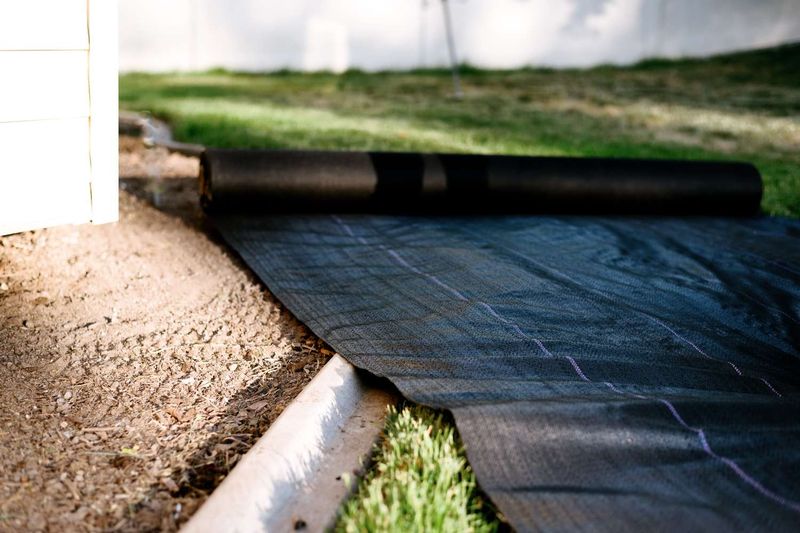
Before a single stone goes down, the foundation you create beneath your gravel will determine how much weeding you do for years to come.
Landscape fabric acts as a physical barrier between the soil and the gravel above, blocking sunlight from reaching weed seeds that settle near the surface.
Woven polypropylene fabric tends to hold up better than the thin, paper-like alternatives you might find at discount stores.
In Pennsylvania, where spring rain is frequent and the ground goes through repeated freeze-thaw cycles, a durable fabric is especially important. Cheaper materials can tear, shift, or degrade faster than expected, leaving gaps that weeds exploit quickly.
Look for a fabric rated for heavy-duty outdoor use and check that it allows water to drain through freely so moisture does not pool beneath your gravel.
Overlap the edges of the fabric by at least six inches wherever two pieces meet, and secure the edges with landscape staples every foot or so. Pay close attention to borders and corners, since those spots tend to lift first.
Taking the time to install fabric properly from the start saves a significant amount of maintenance effort down the road.
2. Use A Thick Layer Of Gravel For Better Coverage
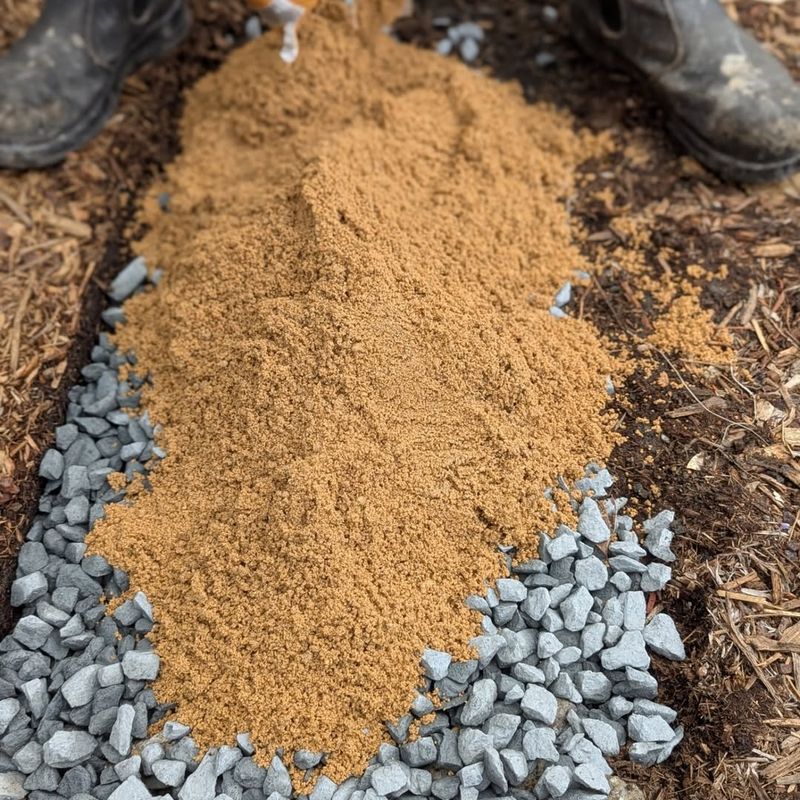
Gravel depth matters far more than most people realize when it comes to keeping weeds at bay. A thin layer of stone might look fine at first, but once it settles and spreads, light starts reaching the soil beneath and weed seeds find their opportunity.
A layer of at least three inches is generally recommended for solid coverage in most residential gravel areas.
Pennsylvania summers bring plenty of sunlight, and any gaps in a shallow gravel layer can warm the soil enough to encourage germination.
Thicker coverage not only reduces that light penetration but also makes it physically harder for young weed seedlings to push through the weight of the stone above them.
When calculating how much gravel to order, it helps to add a little extra to account for settling over the first season. Gravel naturally shifts with foot traffic, rain runoff, and the ground movement that comes with Pennsylvania’s cold winters.
Starting with a generous depth means that even after natural settling occurs, you still have adequate coverage doing its job. Consistent depth across the entire area, including edges and low spots, gives you the most reliable weed suppression over time.
Your Pennsylvania Garden Changes Every Week. Your Plan Should Too.
Gardening in Pennsylvania changes quickly throughout the season. Every Friday you’ll receive a simple weekly plan showing exactly what to plant, prune, fertilize, harvest, and protect so you never miss the right timing.
3. Choose Crushed Stone To Limit Weed Growth
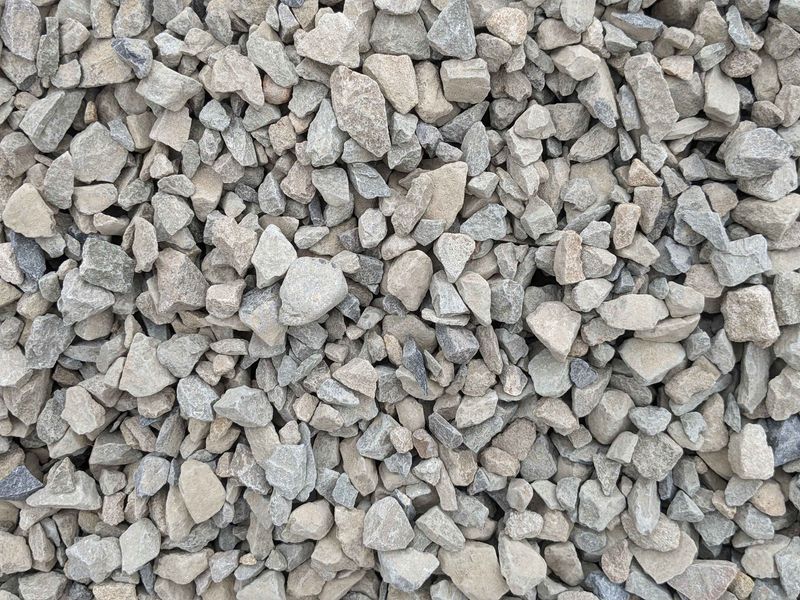
Not all gravel is created equal, and the shape of the stone you choose plays a surprising role in how well it resists weeds.
Rounded river pebbles look attractive, but their smooth surfaces allow them to shift and roll, creating gaps and pockets where windblown soil and organic debris collect. That loose material quickly becomes a seedbed for weeds looking to establish themselves.
Crushed stone, by contrast, has angular, irregular edges that interlock when compacted. This interlocking action creates a more stable surface that resists movement under foot traffic and during heavy Pennsylvania rainstorms.
Less movement means fewer gaps, and fewer gaps means fewer opportunities for weeds to anchor their roots.
Crushed limestone, crushed granite, and similar angular materials are widely available from Pennsylvania landscaping suppliers and are commonly used for driveways, walkways, and garden beds.
Beyond weed suppression, crushed stone tends to drain better than rounded gravel, which is a real advantage in areas that receive the kind of steady seasonal rainfall Pennsylvania regularly sees.
Choosing the right material from the beginning is one of the simplest ways to reduce long-term maintenance without adding any extra steps to your routine.
4. Edge Gravel Areas To Keep Grass From Spreading
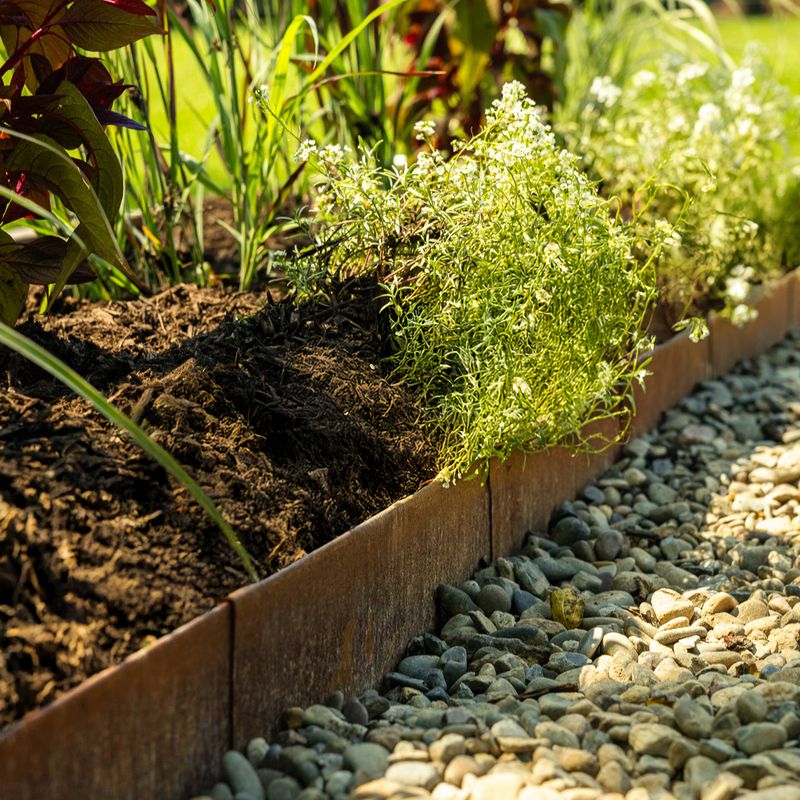
Grass has a determined way of creeping into gravel areas from the sides, sending runners and roots beneath the stone before you even notice it happening.
Without a physical barrier at the edges, even a well-installed gravel bed can be overtaken by encroaching turf within a season or two. Edging is one of the most effective long-term solutions for keeping that boundary clean and defined.
Metal edging tends to be the most durable option for Pennsylvania landscapes, holding its shape through freeze-thaw cycles without cracking or warping the way some plastic alternatives can.
Stone or brick edging is another attractive choice that adds a decorative element while still providing a functional barrier.
Whatever material you choose, the key is to install it deep enough so that grass roots cannot easily tunnel underneath.
Plan to check your edging at least once a year, ideally in early spring before the growing season picks up. Pennsylvania winters can shift edging slightly as the ground heaves and thaws.
Resetting or reinforcing any sections that have moved keeps the barrier effective and prevents grass from finding a way through. A well-maintained edge also gives your gravel area a polished, intentional look that enhances the overall appearance of your yard.
5. Remove Existing Weeds Before Adding Gravel
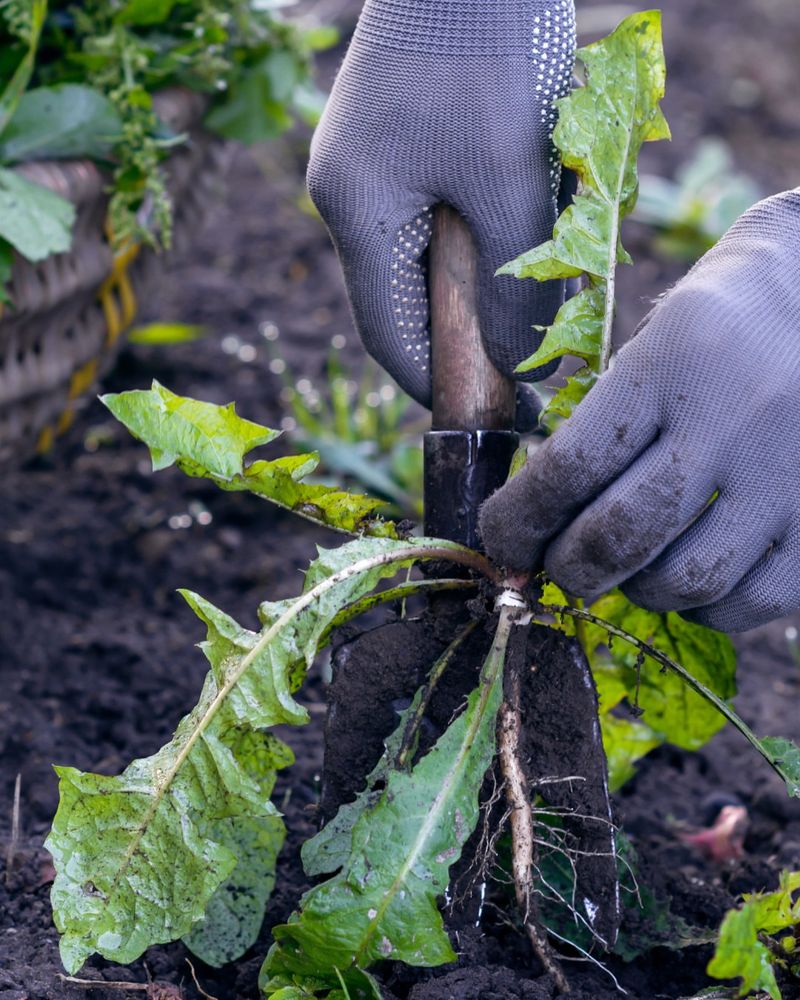
Laying gravel over an area that still has weeds growing in it is one of the most common mistakes homeowners make, and it leads to frustration quickly. Weeds buried under gravel do not simply go away.
Many of them continue growing, pushing up through the stone and becoming harder to remove once they are rooted beneath the surface.
Before any gravel goes down, take the time to clear the area thoroughly. Hand-pulling works well for smaller spaces, especially when the soil is moist after a Pennsylvania rain shower.
For larger areas or deeply rooted weeds, a hoe or weeding fork can help loosen the roots without leaving fragments behind that might regrow.
Pay particular attention to perennial weeds like dandelions and bindweed, which have deep taproots that can regenerate from even a small piece left in the soil. Getting as much of the root system out as possible gives you a much cleaner starting point.
If the area has a heavy weed presence, consider waiting a few weeks after clearing to see if any stragglers emerge before laying the fabric and gravel. That extra patience at the beginning can mean significantly less weeding throughout the rest of the season.
6. Top Up Gravel To Maintain Proper Depth
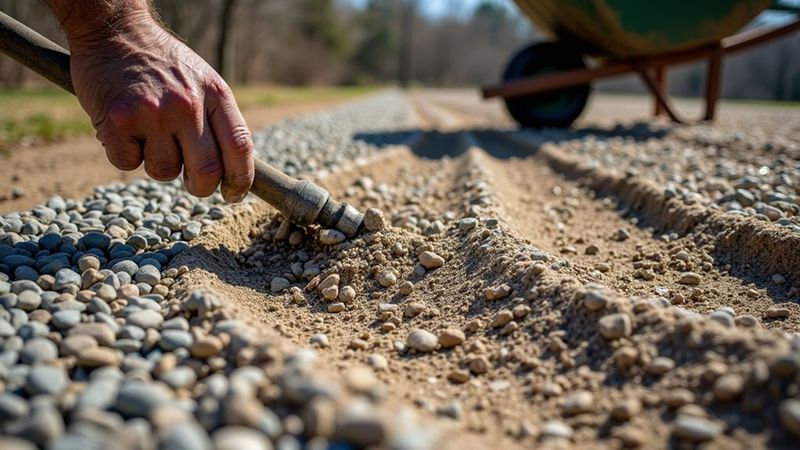
Over time, gravel naturally thins out. Rain washes some of it toward low spots or off the edges of paths.
Foot traffic pushes it aside. Pennsylvania’s freeze-thaw cycles can cause gravel to shift downward into the soil.
What started as a solid three-inch layer can become patchy and thin in just a couple of seasons, leaving the ground beneath exposed to sunlight and weed seeds.
Topping up gravel periodically is one of the easiest maintenance steps you can take to keep weed suppression working effectively. Walking the area in early spring is a good habit, since that is when any thinning from winter tends to be most visible.
Low spots or areas where the fabric is starting to show are clear signs that a top-up is overdue.
When adding fresh gravel, try to match the same type and size of stone already in place. Mixing different stone sizes can cause uneven settling and affect drainage.
Spreading the new gravel evenly with a rake and tamping it lightly helps it integrate with the existing layer.
Keeping the depth consistent across the whole area, rather than just patching the worst spots, gives you more uniform weed protection and keeps the surface looking well-maintained throughout the year.
7. Rake Gravel Regularly To Disrupt New Growth
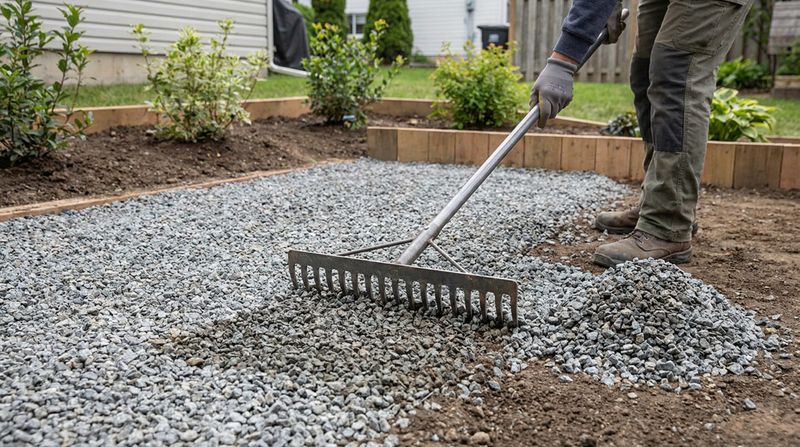
Young weed seedlings are remarkably fragile in their earliest stage of growth, and something as simple as regular raking can set them back significantly before they ever get established.
When gravel sits undisturbed for weeks at a time, fine soil particles and organic debris settle between the stones, creating a thin growing medium that weed seeds are quick to take advantage of.
Running a metal landscape rake across your gravel paths or beds every few weeks keeps the surface disturbed and makes it harder for seedlings to anchor their roots. It also redistributes the gravel more evenly, which helps maintain consistent depth across the area.
Think of it as a quick reset that removes the conditions weeds need to get started. In Pennsylvania, late summer and early fall are particularly important times for raking, since falling leaves and seasonal debris begin accumulating on gravel surfaces around that time.
Raking in the fall before the ground freezes also means you are starting the following spring with a cleaner, better-prepared surface.
It does not take long, and making it a regular part of your outdoor routine, perhaps every two to three weeks during the growing season, keeps small problems from turning into larger ones.
8. Pull Weeds Early Before They Spread
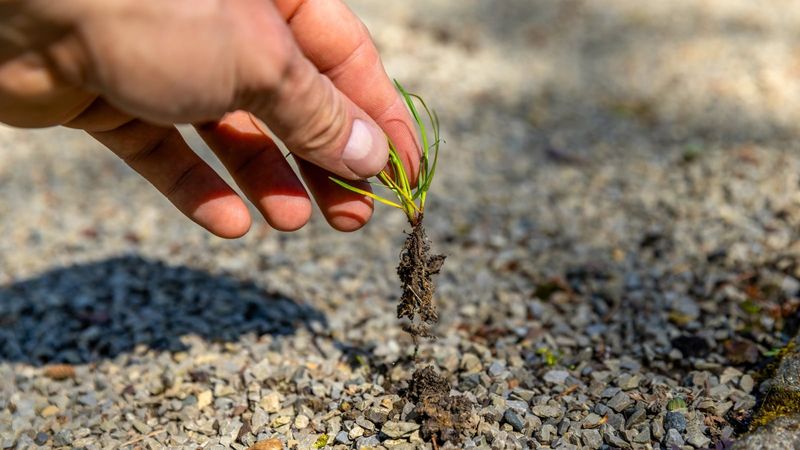
Catching weeds when they are small makes an enormous difference in how much effort you spend managing them over the course of a season. A tiny seedling with shallow roots takes seconds to remove.
That same plant left for another two weeks might have roots several inches deep and may already be producing seeds, turning one weed into dozens before you know it.
Pennsylvania’s warm, wet summers create conditions where weeds can go from seedling to seed-producing plant surprisingly fast.
Making a habit of walking your gravel areas every week or so, especially during the peak growing season from late spring through August, lets you catch new growth before it gets out of hand.
A quick scan while you are already outside doing other yard work takes very little time. When pulling weeds from gravel, try to grip them as low and close to the base as possible to get the root out along with the top growth.
Leaving roots behind often means the weed regrows within days. For weeds that have worked their way between stones, a narrow weeding tool can help dislodge the root without disturbing too much of the surrounding gravel.
Consistent early action is one of the most straightforward ways to stay ahead of the problem all season long.
9. Clear Leaves And Debris To Prevent Soil Build-Up
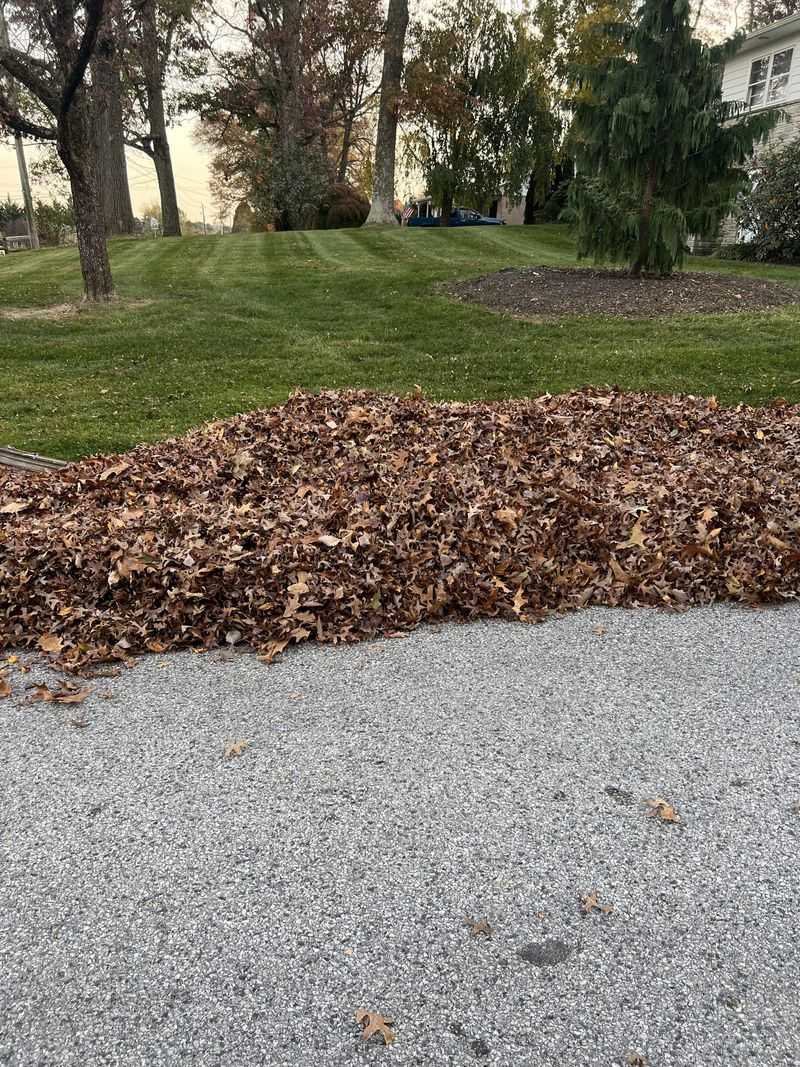
Pennsylvania is well known for its spectacular fall foliage, but all those beautiful leaves eventually land somewhere, and gravel areas tend to collect them in abundance.
Leaves that sit on gravel for any length of time begin to break down, and that decomposing organic matter gradually forms a thin layer of nutrient-rich material right on top of the stone. It is essentially free fertilizer for any weed seed that happens to land there.
Clearing leaves and debris regularly throughout autumn is one of the most impactful habits you can develop as a Pennsylvania gardener.
A leaf blower works quickly on gravel without disturbing the stones much, and a flexible rake can handle damp or matted leaves that the blower misses. Staying on top of it every week or two during peak leaf-fall keeps the buildup minimal.
Beyond autumn, grass clippings from nearby mowing and wind-blown debris from neighboring properties can accumulate on gravel year-round.
A quick pass with a blower or rake after mowing takes only a minute or two and prevents that material from settling and decomposing between the stones.
Keeping the gravel surface as clean as possible is one of the most effective long-term strategies for reducing the organic matter that supports weed establishment throughout every season.
10. Spot Treat Problem Areas When Needed
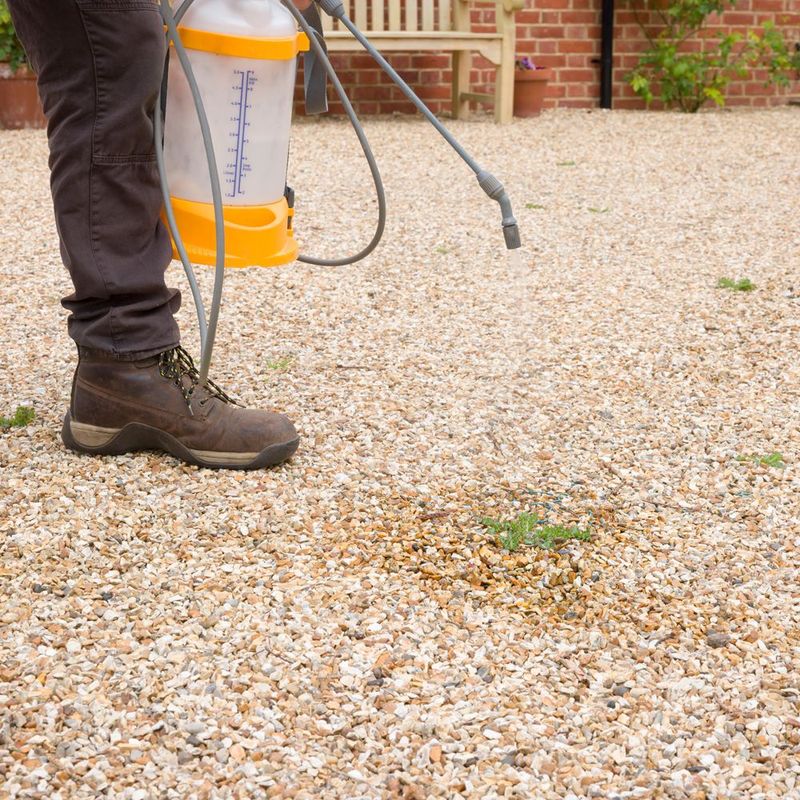
Even with landscape fabric, proper depth, and regular maintenance, a few weeds will likely find their way through from time to time. That is simply the reality of gardening in a climate as active as Pennsylvania’s.
When hand-pulling is not practical, or when weeds have taken hold in a particularly stubborn patch, spot treating with a targeted product can be a reasonable option.
Horticultural vinegar, which has a higher acetic acid concentration than standard kitchen vinegar, is a popular choice among gardeners who prefer to avoid synthetic herbicides.
Applied directly to weed foliage on a dry, sunny day, it can be effective on young weeds, though it works best when the plant is small and has not yet developed deep roots. Use it carefully around any desirable plants, since it affects vegetation indiscriminately.
For persistent or deep-rooted weeds, a spot application of a selective or non-selective herbicide may be worth considering, following the product label instructions closely.
Whatever approach you choose, treating only the affected area rather than broadcasting widely across the gravel reduces any impact on surrounding soil and plants.
Targeted action on problem spots, combined with all the preventive steps already in place, keeps your gravel looking clean without requiring excessive effort throughout the Pennsylvania growing season.