What Oregon Gardeners Should Feed Hydrangeas In May For Bigger Summer Blooms
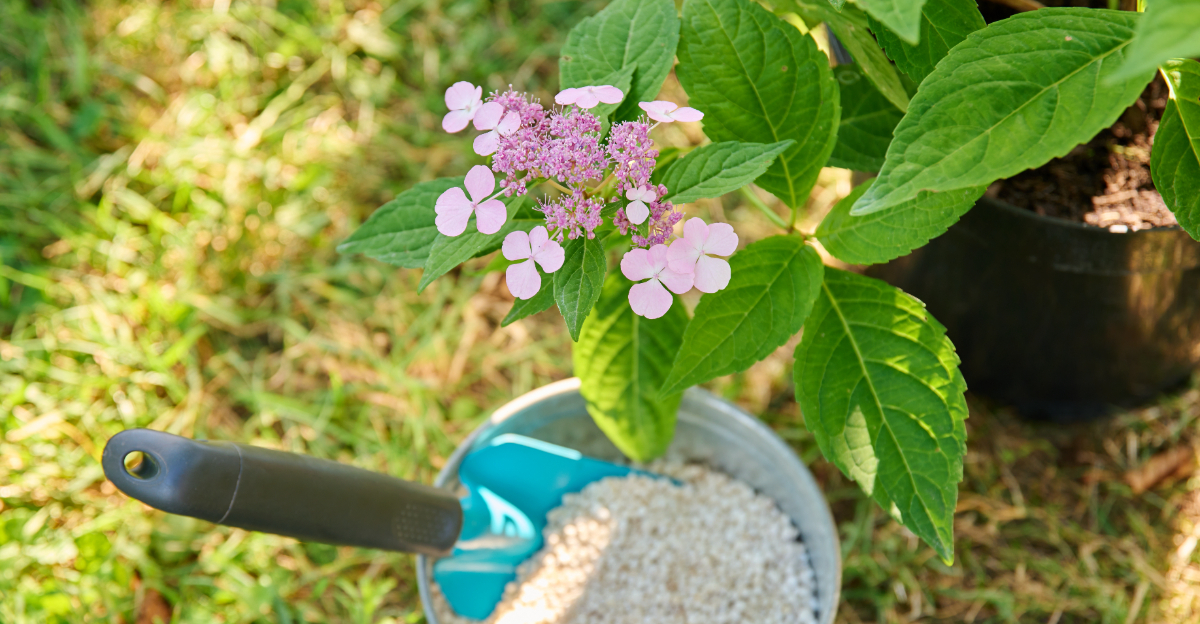
Hydrangeas in May are basically standing backstage in Oregon gardens, fluffing their leaves and preparing for their big summer entrance.
This is the moment when a smart feeding can make the difference between “cute little flower clusters” and “hello, who invited the giant pom-poms?” And honestly, we are always rooting for the pom-poms.
After spring growth kicks in, hydrangeas need the right kind of fuel to support strong stems, healthy leaves, and those dreamy blooms everyone waits for.
A balanced, slow-release fertilizer is often a great choice, while compost can help improve soil texture and give roots a gentle nutrient boost.
Just don’t go wild with nitrogen, unless you want leafy green drama with very few flowers. Classic hydrangea behavior. For Oregon gardeners, May is a great time to feed before summer blooming gets underway.
Give them steady moisture, rich soil, and a little thoughtful nutrition now, and your hydrangeas can reward you with the kind of big, showy blooms that make the whole yard feel fancy.
1. Feed Hydrangeas Lightly In May
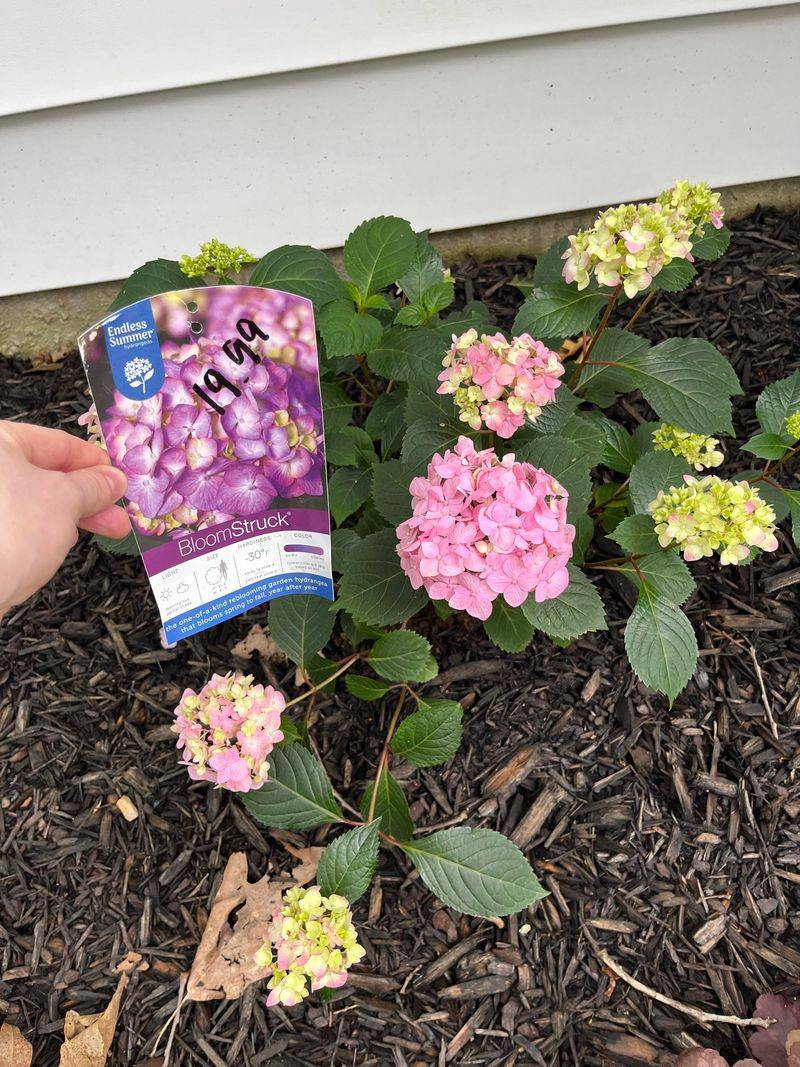
May is the sweet spot for feeding hydrangeas in Oregon. The soil has warmed just enough, and the plants are pushing out new growth fast.
A light feeding now gives roots exactly what they need without overwhelming the plant.
Think of it like breakfast before a big day. You want enough fuel to get going, but not so much that you feel sluggish.
Hydrangeas work the same way. Too much fertilizer at once can actually slow down bloom production or cause leafy green growth instead of flowers.
Oregon’s mild, wet spring weather means nutrients move through soil quickly. A small dose of balanced fertilizer in early May works better than one heavy application.
Look for a fertilizer labeled 10-10-10 or something close to that ratio. Apply it lightly around the base of each plant, keeping it a few inches away from the main stem.
This gentle approach encourages strong root development and sets the stage for a stunning summer show. Oregon gardeners who feed lightly and consistently in May tend to see the best results come July and August.
2. Choose Slow-Release Fertilizer
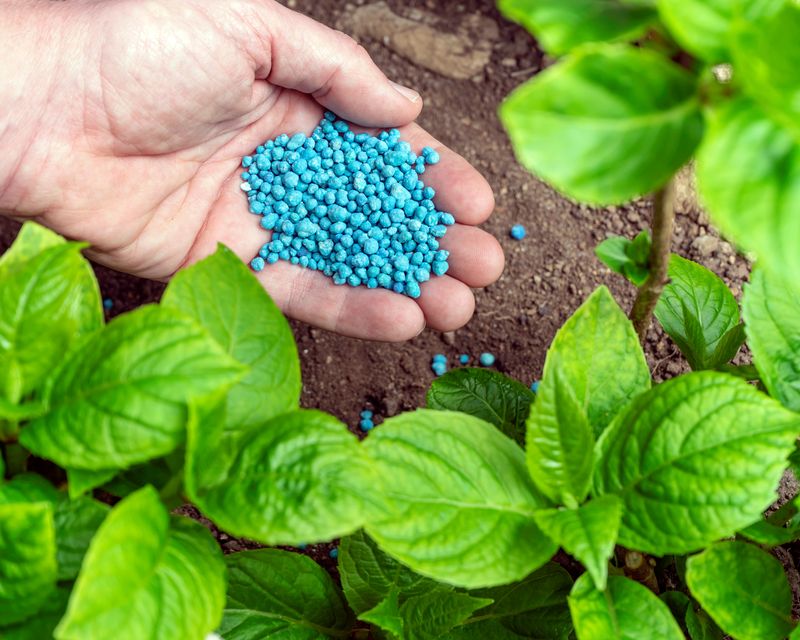
Not all fertilizers work the same way, and choosing the right type in May can make a huge difference for your hydrangeas. Slow-release fertilizers are a top choice for Oregon gardeners because they feed plants gradually over several weeks instead of all at once.
Here is why that matters. Oregon’s spring weather can bring unexpected rain even in May.
A fast-release fertilizer can wash away quickly in wet conditions, leaving your hydrangeas without the nutrients they need. Slow-release granules stay in the soil longer and keep feeding the roots steadily.
Brands like Osmocote or similar slow-release products are easy to find at local garden centers throughout Oregon. You simply sprinkle the granules around the drip line of the plant, which is the outer edge of the branches, and water them in.
One application can last anywhere from three to six months. This means less work for you and more consistent nutrition for your hydrangeas.
Your Oregon Garden Changes Every Week. Your Plan Should Too.
Gardening in Oregon changes quickly throughout the season. Every Friday you’ll receive a simple weekly plan showing exactly what to plant, prune, fertilize, harvest, and protect so you never miss the right timing.
Slow-release fertilizer also reduces the risk of burning roots, which can happen when too many nutrients hit the soil at once. For busy Oregon gardeners, it is truly a low-effort, high-reward choice.
3. Use Acid-Loving Plant Food
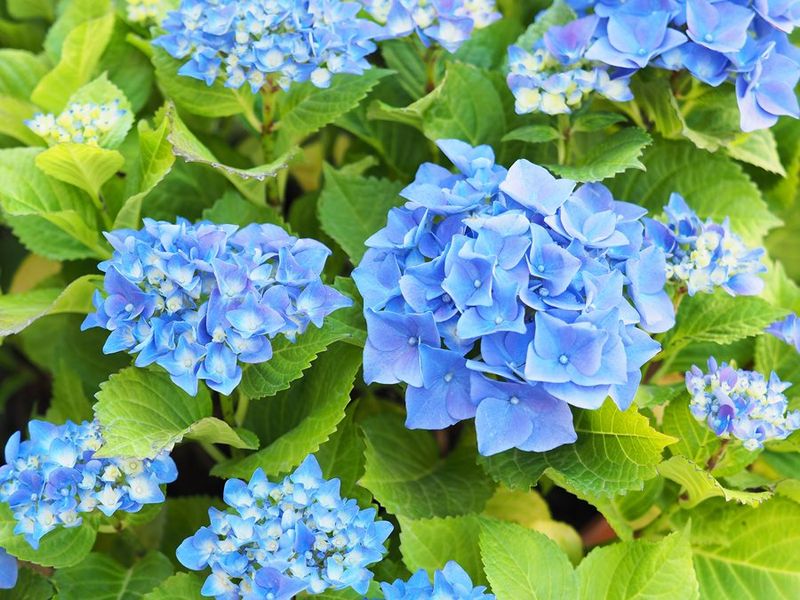
Oregon’s native soil tends to lean slightly acidic, which is actually great news for hydrangea growers. Hydrangeas thrive in acidic conditions, and using a plant food designed for acid-loving plants can boost both the health and the color of your blooms.
Did you know that soil pH directly affects the color of certain hydrangea varieties? In more acidic soil, bigleaf hydrangeas often produce striking blue flowers.
In more alkaline soil, those same plants may turn pink or even purple. Oregon gardeners who want true blue blooms should pay close attention to soil acidity and choose fertilizers that support it.
Look for fertilizers labeled for azaleas, rhododendrons, or acid-loving plants. These products are widely available at garden stores across Oregon and contain the right blend of nutrients to keep hydrangeas healthy and happy.
They often include sulfur or other acidifying ingredients that help maintain the ideal soil pH range of 5.5 to 6.5. Feeding with acid-loving plant food in May gives your hydrangeas a strong nutritional foundation right before their biggest growth push of the year.
The results by midsummer can be truly impressive.
4. Spread Fertilizer Around Roots
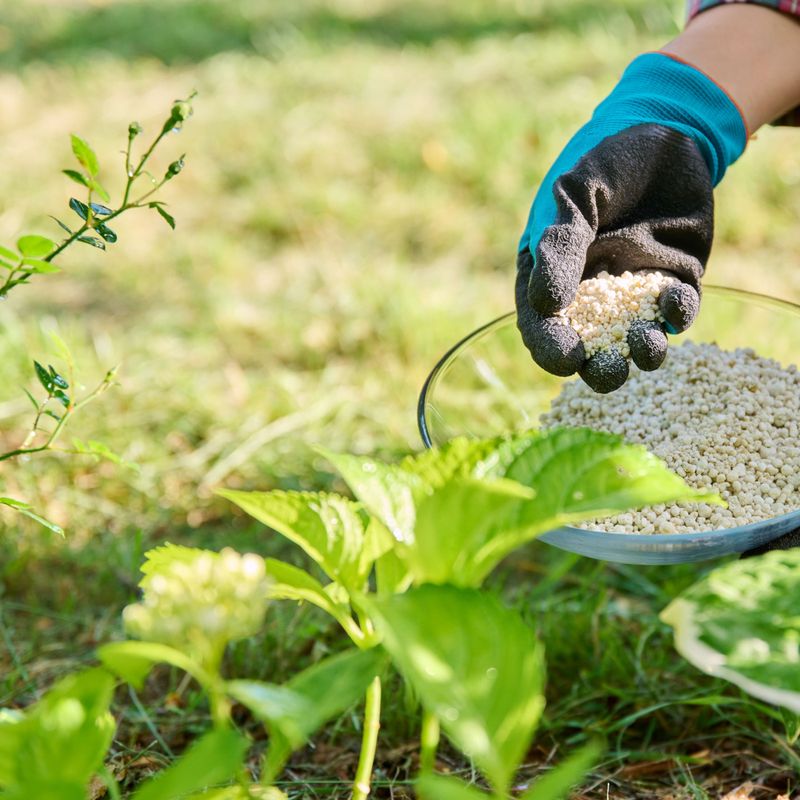
Where you put the fertilizer matters just as much as what kind you use. Many gardeners make the mistake of piling fertilizer right up against the main stem of the plant.
This can actually damage the base and prevent nutrients from reaching where they are needed most.
Hydrangea roots spread wide, often extending out as far as the tips of the branches. Spreading fertilizer in a ring around the outer edge of the plant, called the drip line, puts nutrients right where the feeder roots can absorb them.
These smaller roots are the ones doing the real work of pulling in water and food from the soil.
To do this right, use a measuring cup or a small scoop to apply an even layer of fertilizer around the entire plant. In Oregon, where spring soil can still be moist and clumpy in May, lightly raking the fertilizer into the top inch of soil helps it make better contact with the root zone.
Avoid piling it in one spot or letting it touch the stem directly. A wide, even application gives every part of the root system access to nutrients, which leads to more balanced growth and bigger, fuller blooms across the whole shrub.
5. Water Deeply After Feeding
Fertilizer sitting on dry soil does not help your hydrangeas at all. After you apply any kind of plant food in May, watering deeply is the next essential step.
Water carries the nutrients down through the soil and puts them within reach of the roots.
In Oregon, May can still bring some rainy days, but it is not always enough. If you are going through a dry spell, which does happen in parts of the Willamette Valley and southern Oregon in late spring, you need to water manually after feeding.
Aim to soak the soil around the plant to a depth of at least six inches.
Slow, deep watering works much better than a quick sprinkle. A soaker hose or a slow trickle from a regular hose left running for fifteen to twenty minutes does the job well.
Deep watering also encourages roots to grow downward instead of staying near the surface, which makes plants stronger and more drought-tolerant later in summer. Oregon summers can get surprisingly dry, especially east of the Cascades, so building deep root systems in May pays off big when the heat arrives.
Always water after fertilizing, no exceptions.
6. Add Mulch To Hold Moisture
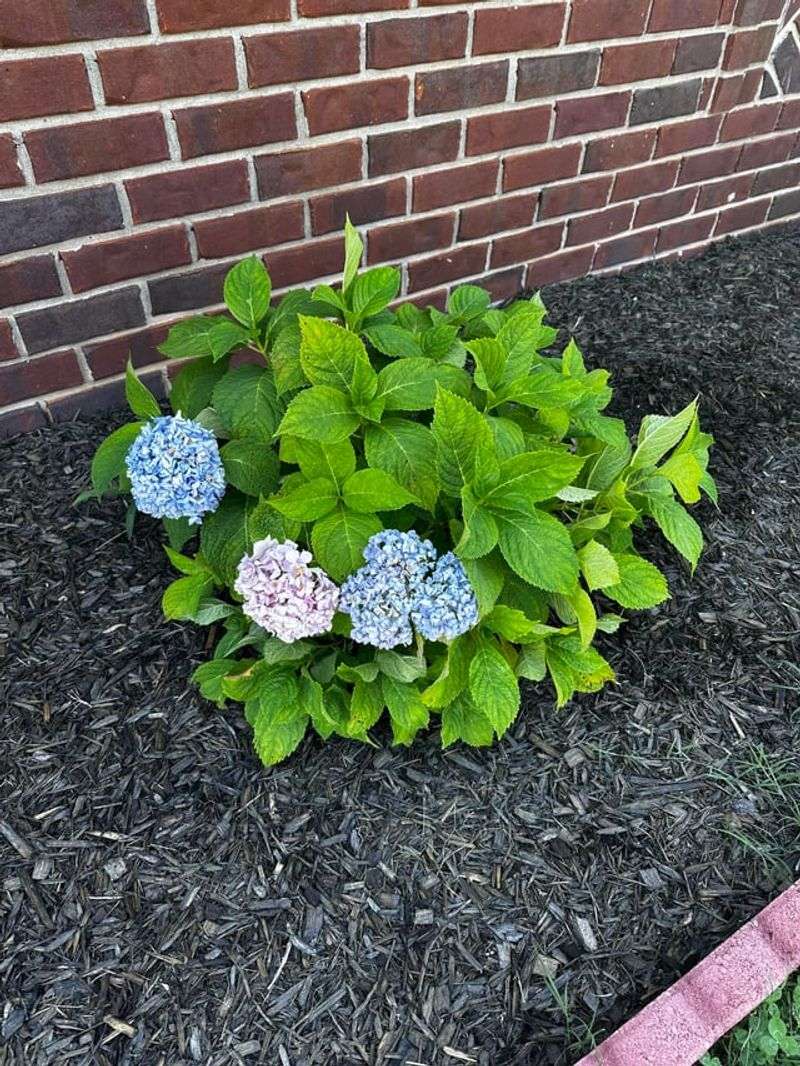
After feeding and watering your hydrangeas, adding a layer of mulch is one of the smartest things an Oregon gardener can do in May. Mulch acts like a blanket over the soil, holding in moisture and keeping roots at a stable temperature as the weather warms up.
Oregon summers can shift from rainy to dry faster than you might expect, especially by June. Without mulch, the soil around your hydrangeas can dry out quickly between waterings.
Dry roots mean stressed plants, and stressed plants produce fewer and smaller blooms. A two to three inch layer of organic mulch solves this problem beautifully.
Wood chips, shredded bark, or leaf compost all work well for hydrangeas. Bark mulch is especially popular in Oregon because it breaks down slowly and adds organic matter to the soil over time.
Spread the mulch in a wide circle around the plant, keeping it a few inches away from the main stem to allow for airflow. Mulch also helps suppress weeds, which compete with hydrangeas for water and nutrients.
Adding mulch right after a May feeding locks in all that goodness and gives your hydrangeas the best possible start heading into summer bloom season.
7. Avoid Overfeeding Before Summer
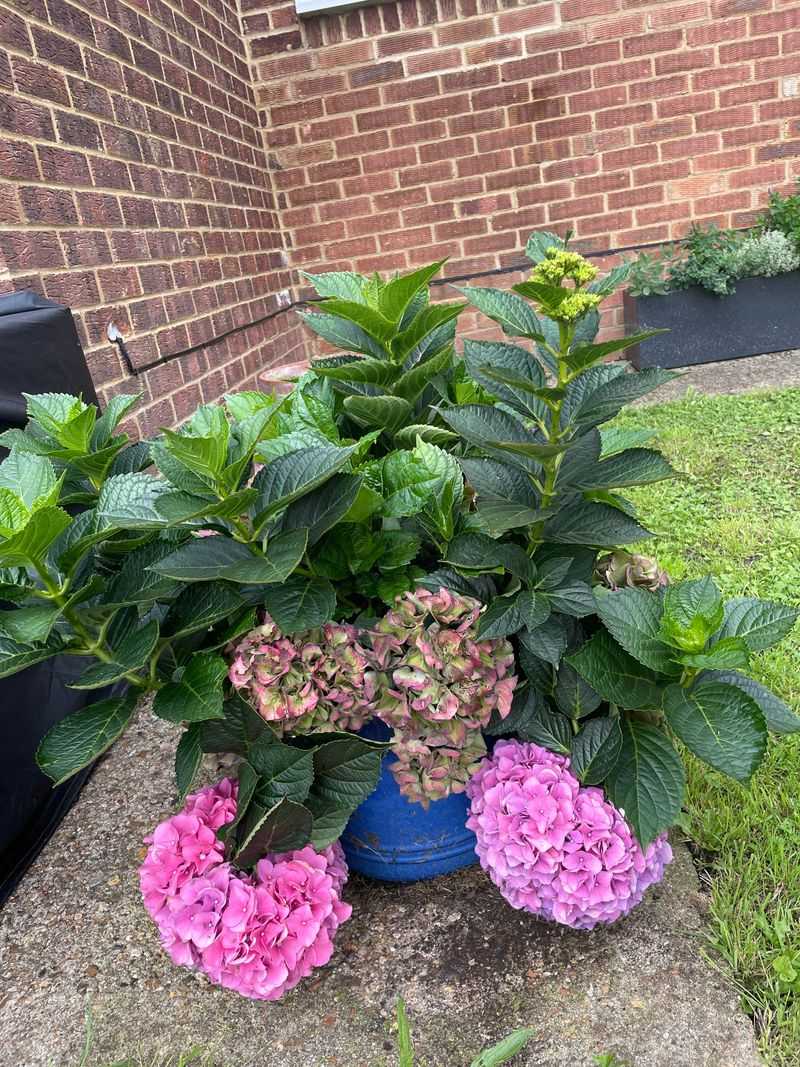
More is not always better when it comes to feeding hydrangeas in Oregon. Overfeeding is one of the most common mistakes gardeners make in spring, and it can lead to disappointing results all summer long.
Too much nitrogen, in particular, pushes the plant to grow lots of big, leafy stems instead of putting energy into flowers.
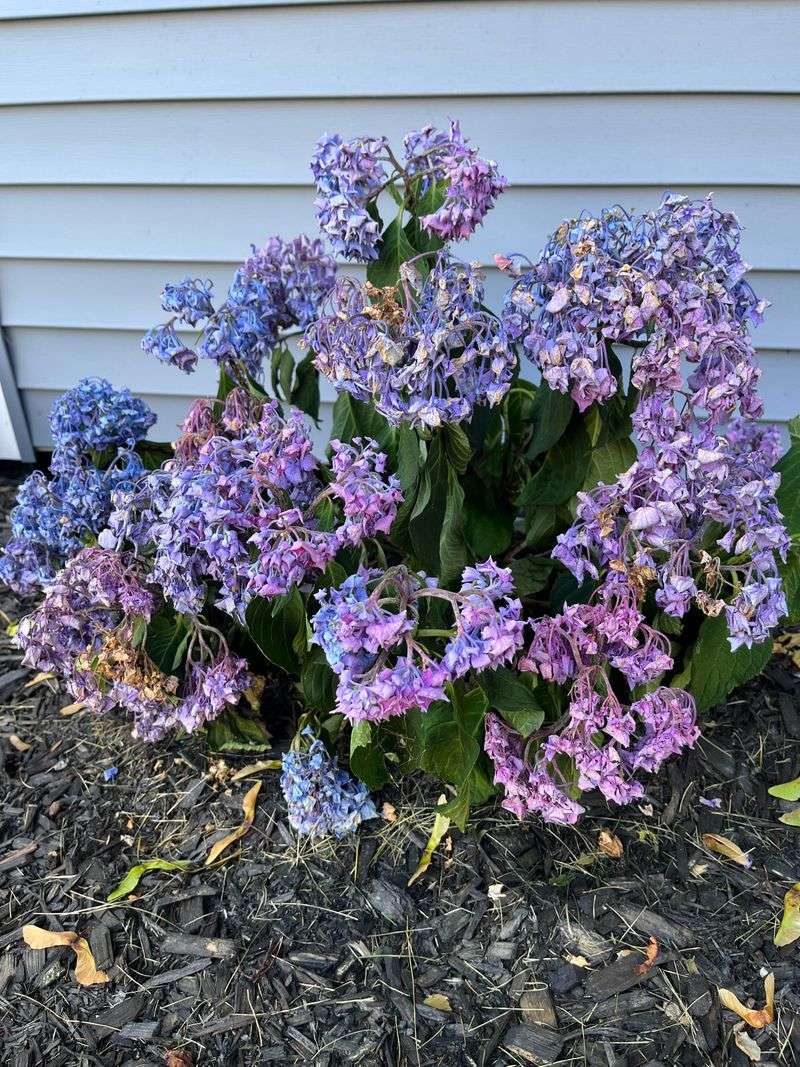
Signs of overfeeding include leaves that look unusually dark green, soft and floppy stems, and very few flower buds forming by early summer. If you notice these signs, ease up on the fertilizer right away and give the plant extra water to help flush some of the excess nutrients out of the soil.
In Oregon, the goal in May is to give hydrangeas a gentle nutritional boost, not a heavy dose. One light application of slow-release fertilizer in early May is usually all a healthy, established plant needs before summer.
Young plants or those recently transplanted may need even less. Resist the urge to feed again in late May unless the plant looks pale or clearly nutrient-deficient.
Trusting the process and keeping feeding light gives Oregon hydrangeas the best shot at producing those full, gorgeous blooms that make summer gardens so stunning and satisfying.