7 Fragrant Plants Texas Gardeners Use To Help Keep Ticks Away
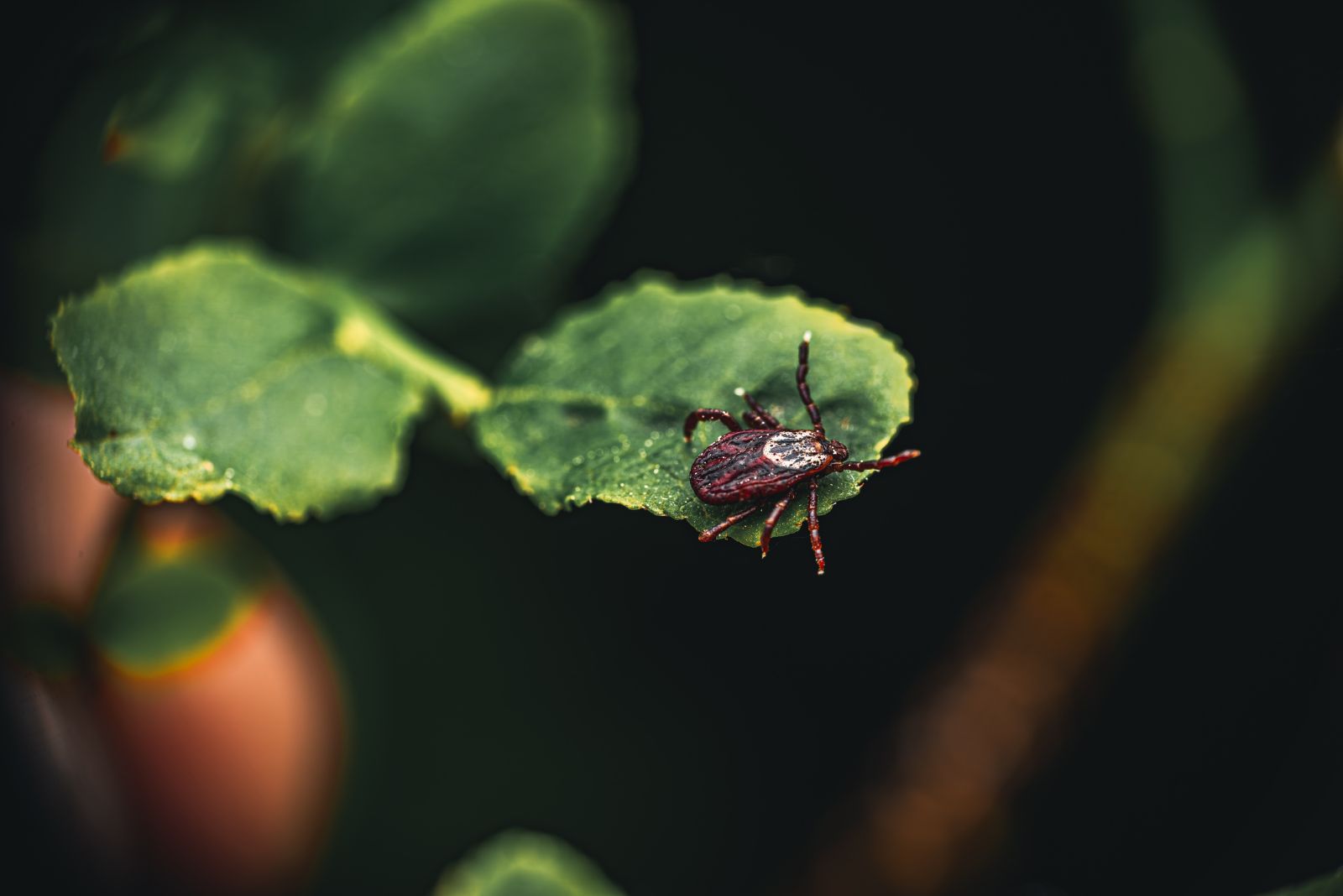
Texas outdoor living comes with a lot of perks and a few genuine drawbacks, and ticks sit firmly in the drawback column.
They’re active for a long stretch of the year, they show up in yards that back up to any kind of natural vegetation, and the health risks they carry make them more than just an annoyance.
For a lot of Texas families, tick awareness becomes a background concern that never fully goes away from spring through fall.
Chemical treatments have their place, but covering your entire yard and garden in pesticides on a regular basis isn’t something everyone is comfortable with, especially in spaces where children and pets spend real time.
What a lot of Texas gardeners have started paying closer attention to is the role that certain fragrant plants play as a natural deterrent.
The same aromatic compounds that make these plants smell incredible to us are exactly what ticks want nothing to do with, which makes them a genuinely smart addition to any Texas outdoor space.
1. Lavender
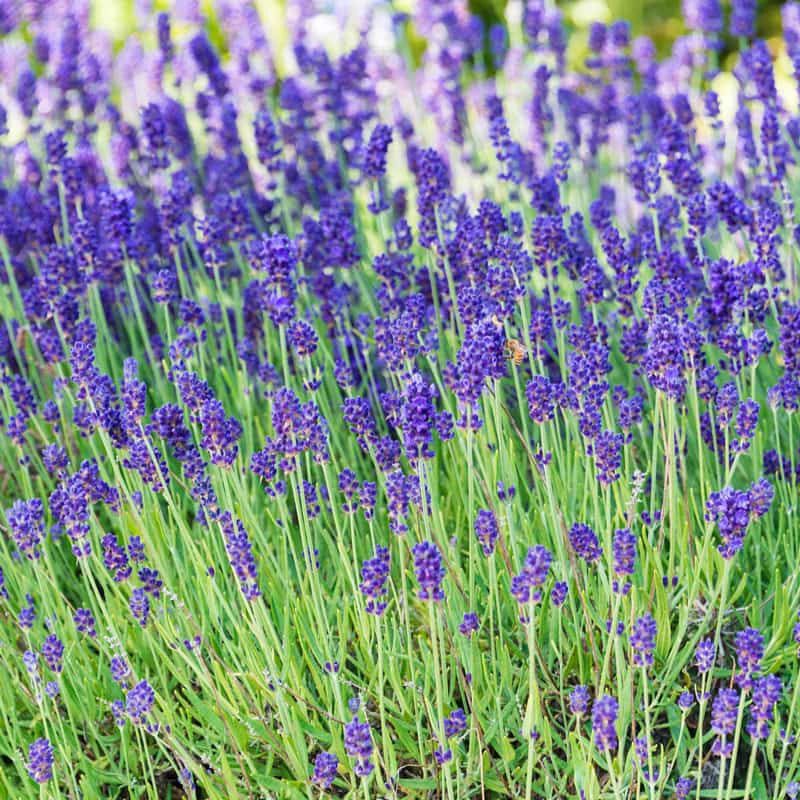
Walk through a lavender field and you will instantly understand why people love it. That sweet, calming scent that humans enjoy so much?
Ticks absolutely cannot stand it. Lavender contains natural oils like linalool and linalyl acetate, and these compounds are known to repel many pests, including ticks.
In Texas, lavender is a surprisingly tough plant. It loves the heat and thrives in well-drained soil, which makes it a great fit for many parts of the Lone Star State.
Spanish lavender and Phenomenal lavender are two varieties that handle Texas summers especially well. Plant it along walkways, near patios, or around garden borders where ticks might lurk.
One great thing about lavender is that it requires very little water once it is established. That is a big plus for Texas gardeners dealing with hot, dry summers.
You do not need to fuss over it too much, and it will reward you with beautiful purple blooms year after year.
Beyond its pest-discouraging properties, lavender attracts pollinators like bees and butterflies, which is always a bonus for any garden. You can also cut the stems and dry them to use indoors.
Some gardeners even rub crushed lavender leaves on their skin before heading outside as a natural bug deterrent. It smells amazing and may help keep ticks from finding you in your Texas garden.
2. Rosemary
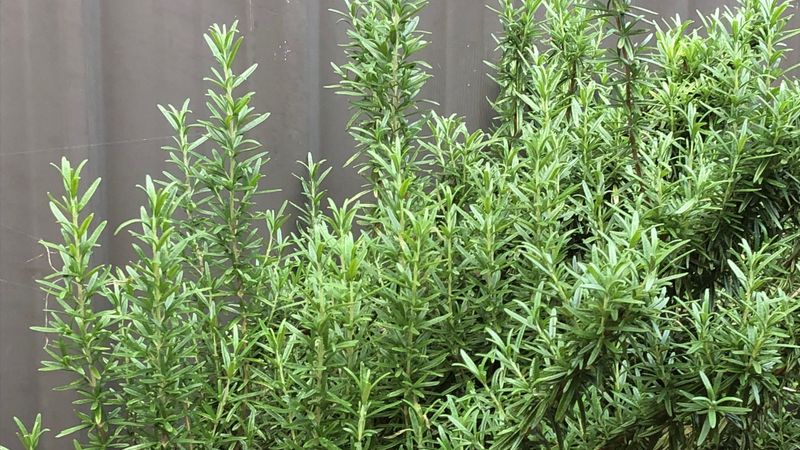
Rosemary is one of those plants that earns its place in the garden ten times over. Most people know it as a cooking herb, but Texas gardeners have long appreciated it for another reason: its powerful, piney scent that many insects, including ticks, tend to avoid.
The aromatic oils in rosemary act as a natural deterrent, making it a smart border plant for yards and garden edges.
What makes rosemary especially appealing for Texas is its toughness. It is drought-tolerant, heat-loving, and can handle the intense summers that come with living in the South.
Once established, rosemary needs very little care. It grows into a full, bushy shrub that can reach several feet tall, creating a natural barrier along fences or pathways.
Your Texas Garden Changes Every Week. Your Plan Should Too.
Gardening in Texas changes quickly throughout the season. Every Friday you’ll receive a simple weekly plan showing exactly what to plant, prune, fertilize, harvest, and protect so you never miss the right timing.
Planting rosemary near your outdoor seating area or along garden walkways is a smart move. As you brush past it, the plant releases its fragrant oils into the air, which may help discourage ticks from hanging around.
Some Texas gardeners also crush a few sprigs and tuck them near entry points to outdoor spaces.
Did you know rosemary has been used for centuries as both a culinary herb and a natural pest repellent? Ancient cultures burned it to ward off insects.
Today, it shows up in many natural insect-repellent sprays and candles. Growing it fresh in your Texas yard gives you all those benefits while adding a lovely, evergreen look to your landscape.
3. Lemongrass
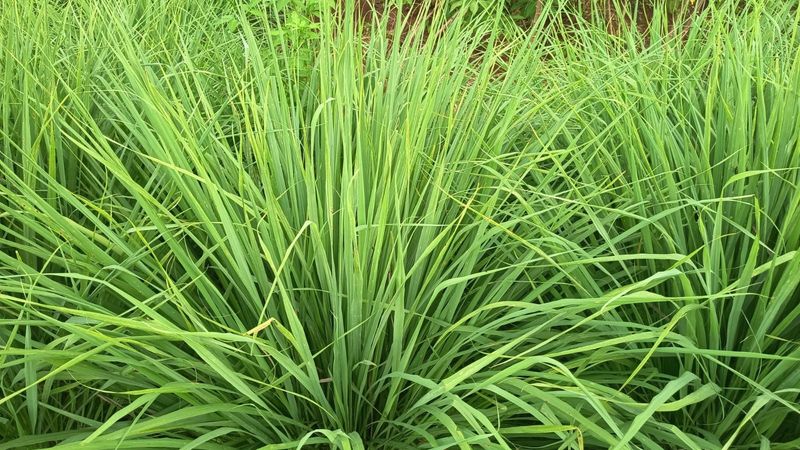
If you have ever used a citronella candle at an outdoor cookout, you already know the power of lemongrass. Citronella, the compound found in lemongrass, is one of the most widely recognized natural insect repellents in the world.
It is used in sprays, lotions, and candles for a reason: it works. And growing lemongrass right in your Texas garden puts that power to work around the clock.
Lemongrass is a tropical plant that absolutely loves the Texas climate. It grows fast, reaches impressive heights, and creates a thick, grassy clump that also adds a nice visual element to garden borders.
In Texas, it often comes back year after year in warmer regions, though it may need some protection during rare cold snaps in northern parts of the state.
Planting lemongrass around your patio, along fences, or near garden entrances can help create a natural buffer zone. The citronella scent is released when the plant is touched or brushed, so placing it where foot traffic occurs makes good sense.
Some Texas gardeners even crush the lower stalks to release more of the fragrance when they are spending time outside.
Beyond tick deterrence, lemongrass is useful in the kitchen too. The stalks are used in Thai and Vietnamese cooking and add a bright, citrusy flavor to soups and teas.
So you get a plant that is practical, beautiful, and fragrant all at once. That is a hard combination to beat in any Texas garden.
4. Mint
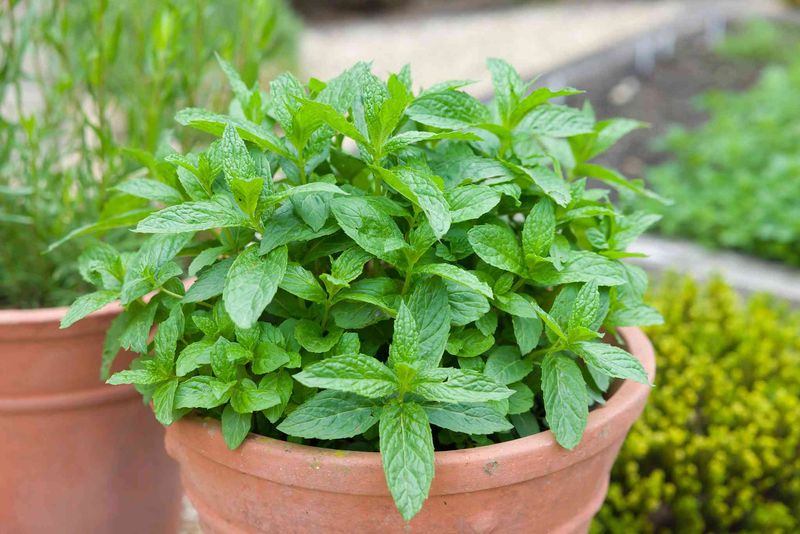
Few plants smell as instantly recognizable as mint. That sharp, cool, refreshing scent is one that ticks seem to find very unpleasant.
Many Texas gardeners use mint as a natural pest deterrent, planting it around garden beds, near doorways, and along paths where ticks might travel. The strong fragrance appears to confuse and repel a wide range of insects, and ticks are no exception.
Here is the thing about mint though: it is a bit of a garden bully. Left unchecked, it spreads aggressively through underground runners and can take over a large area in just one growing season.
In Texas, where warm soil temperatures help plants grow quickly, mint can spread even faster than expected. That is why most experienced gardeners recommend planting it in containers rather than directly in the ground.
You can sink a pot into the ground to keep the roots contained while still letting the plant look natural in your garden. This way, you get all the tick-discouraging benefits without the headache of an out-of-control mint patch.
Peppermint and spearmint are both excellent choices for Texas gardens and are easy to find at local nurseries.
Mint is also incredibly versatile. Fresh leaves can be added to water, tea, salads, and desserts.
Crushed mint leaves rubbed on exposed skin may also offer some temporary protection against pests when you are working outside. With so many uses and such a bold scent, mint earns its spot in the Texas tick-deterrent garden lineup.
5. Sage
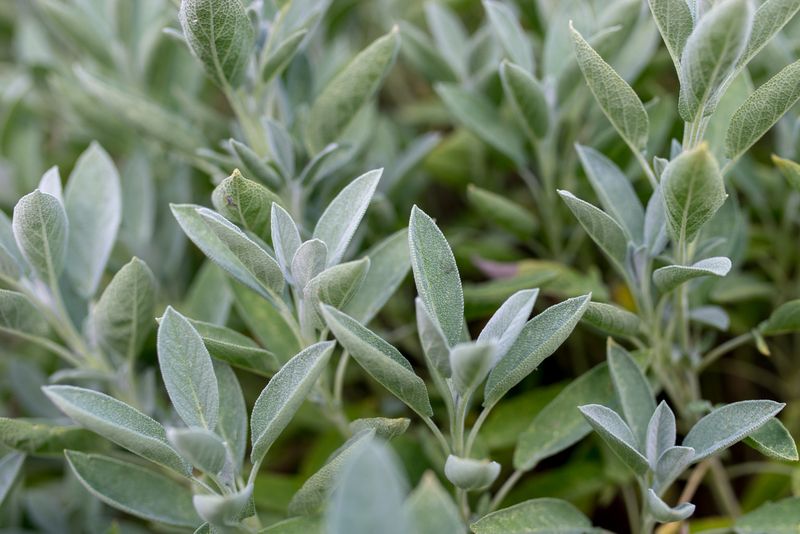
There is something almost ancient about sage. Humans have been burning it, cooking with it, and using it medicinally for thousands of years.
But Texas gardeners have another reason to appreciate this hardy herb: its bold, earthy, pungent aroma is something that many insects simply cannot tolerate. Ticks, which rely heavily on scent to locate hosts, tend to avoid areas where sage is present.
Sage is perfectly suited for the Texas climate. It loves full sun, handles drought without complaint, and grows well in the kind of sandy or rocky soil that is common in many parts of the state.
Once established, it is a low-maintenance plant that comes back reliably year after year. Garden sage, white sage, and Texas sage are all varieties worth considering, though Texas sage is technically a different shrub that also carries a pleasant scent.
Plant sage near seating areas, around garden borders, or alongside other pest-discouraging herbs for a layered approach to tick management.
Burning dried sage is also a traditional method of clearing insects from outdoor spaces, and it creates a pleasant, smoky aroma that many people enjoy during backyard gatherings.
Sage also plays well with other plants in the garden. It pairs nicely with rosemary and lavender, both in terms of growing conditions and pest-deterring properties.
Together, these herbs create a fragrant, functional garden zone. And of course, fresh sage leaves are wonderful in the kitchen, making this plant as tasty as it is useful for Texas outdoor living.
6. Marigold
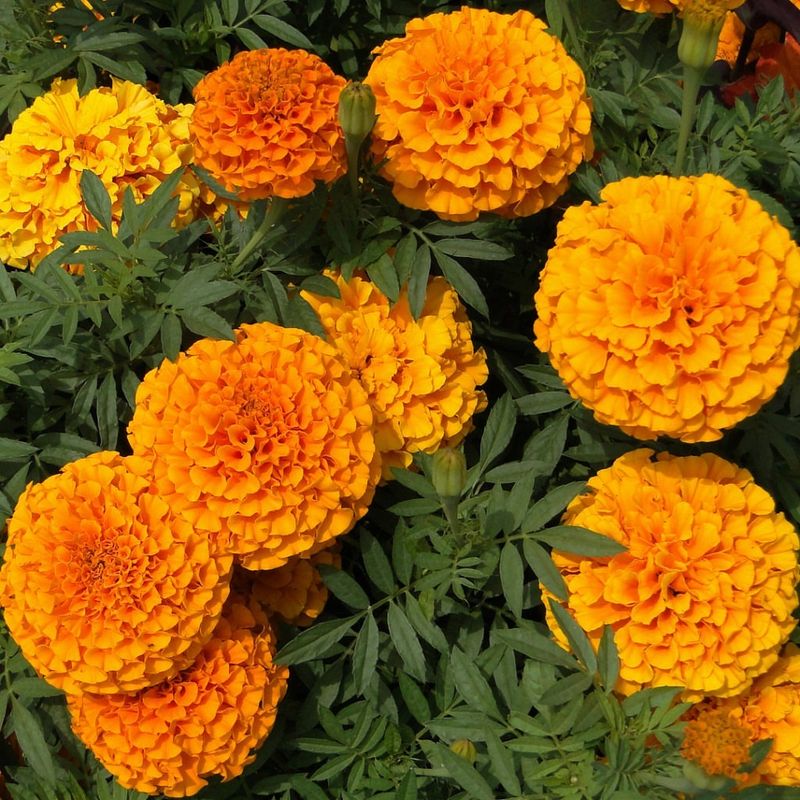
Marigolds are the workhorses of the pest-repelling garden world. These cheerful, bright flowers have been used by gardeners for generations to help protect other plants from a wide range of pests.
Their distinct, slightly bitter scent comes from natural compounds called thiophenes, which many insects find off-putting. For Texas gardeners looking to reduce tick pressure, marigolds are a colorful and effective addition to any yard.
What makes marigolds especially appealing is how easy they are to grow in Texas. They love the sun, tolerate heat well, and bloom prolifically from spring through fall.
You can find them at virtually any garden center in the state, and they are affordable enough to plant in large numbers along garden borders, around vegetable beds, or near outdoor seating areas where ticks might be a concern.
The scent of marigolds is most potent when you brush against the leaves or flowers, so planting them in high-traffic areas of your yard makes a lot of sense.
Many Texas gardeners plant them in rows along the edges of their property or around the perimeter of garden beds to create a fragrant barrier.
The blooms also attract beneficial insects like ladybugs, which help control other garden pests.
Beyond pest deterrence, marigolds are simply beautiful. Their vivid orange, yellow, and red blooms add a warm pop of color to any Texas landscape.
They are also edible, with petals used in salads and as garnishes. A plant that looks good, helps deter pests, and ends up on your dinner plate is hard to argue with.
7. Garlic
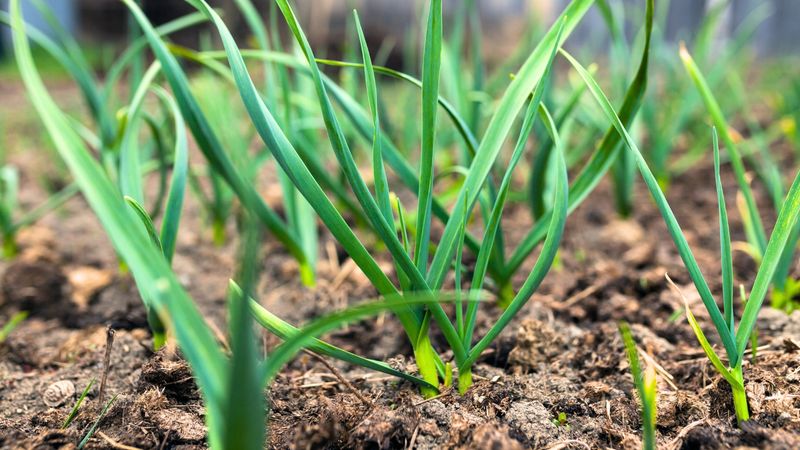
Garlic might be the most surprising entry on this list, but do not underestimate it. The same sulfur compounds that give garlic its unmistakable smell in the kitchen are also what make it so effective at discouraging ticks and other pests in the garden.
These sulfur-based compounds are released through the plant’s leaves and roots, creating an invisible but powerful scent barrier that ticks tend to avoid.
Planting garlic around the borders of your Texas garden is a simple and affordable strategy. It grows well in Texas soil and can be planted in fall for a spring harvest, making it a practical crop as well as a pest deterrent.
Hardneck and softneck varieties both perform well in Texas, and garlic is generally easy to grow even for beginner gardeners.
Some Texas gardeners also make a homemade garlic spray by blending garlic cloves with water and a little dish soap, then applying it to garden beds and lawn edges.
This liquid spray can help extend the pest-discouraging effect beyond where the plants are physically growing. It is a simple, natural approach that costs almost nothing to make.
Garlic also benefits the overall health of your garden. It is known to help protect neighboring plants from fungal issues and certain harmful insects.
Planting it alongside vegetables and flowers creates a mutually beneficial environment. And at the end of the season, you get to harvest and eat what you grew. In Texas, where big gardens are a point of pride, garlic truly pulls its weight.