These Pennsylvania Plants Fill Every Gap Without Taking Over
Bare soil in a garden bed is basically an open invitation for weeds, and Pennsylvania gardeners know better than most how quickly that invitation gets accepted.
You spend time getting your beds looking exactly right, and within a few weeks the gaps between your established plants are filled with things you definitely didn’t choose or plant.
It’s one of those garden maintenance cycles that feels like it never fully resolves. The obvious answer is gap-filling plants, but choosing the wrong ones trades one problem for another.
Plenty of plants will happily fill empty space in a Pennsylvania garden, but a good number of them will keep right on going past the gaps and into everything else around them before you’ve had a chance to appreciate what they were supposed to be doing.
The plants on this list found the right balance. They cover ground beautifully, look intentional all season long, and actually respect the boundaries of the space you give them.
1. Foamflower
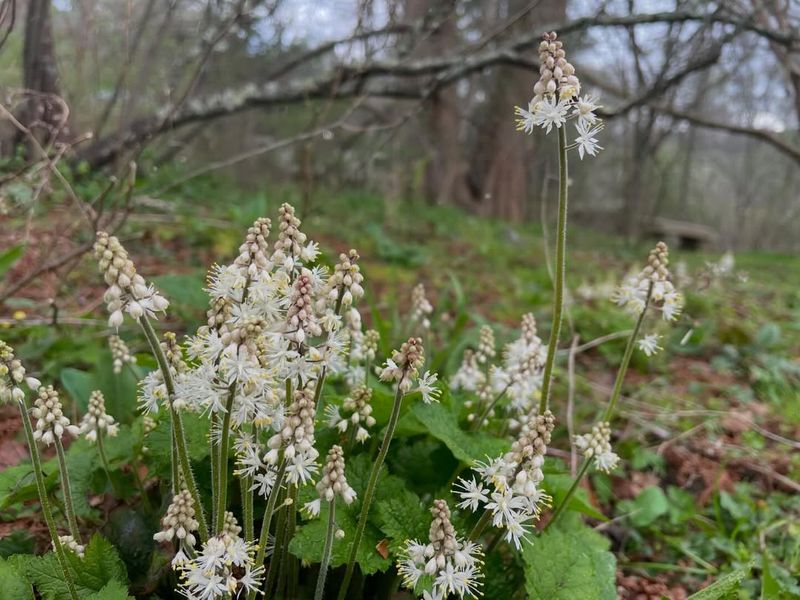
Walk through a Pennsylvania woodland in spring, and you might spot a carpet of delicate white flowers rising just above a mat of heart-shaped leaves. That’s Foamflower, and it’s one of the most charming native groundcovers you can grow.
Its name comes from the frothy look of its tiny blooms, which appear in April and May and last for several weeks.
Foamflower thrives in shaded areas where other plants struggle. It loves moist, rich soil and grows beautifully under trees and along shaded pathways.
Once established, it slowly spreads by sending out short runners, creating a soft, tidy carpet that fills gaps without crowding out neighboring plants.
Pennsylvania gardeners love it because it requires almost no maintenance after planting. It stays low to the ground, usually reaching only six to twelve inches tall, making it perfect for edging or underplanting shrubs.
The foliage often takes on beautiful reddish tones in fall, adding seasonal interest long after the flowers fade.
Pollinators like bees and butterflies visit the blooms, making Foamflower a wildlife-friendly choice too. If you have a shady corner that feels bare and uninviting, this plant can transform it into something truly lovely without any aggressive spreading behavior.
2. Wild Ginger
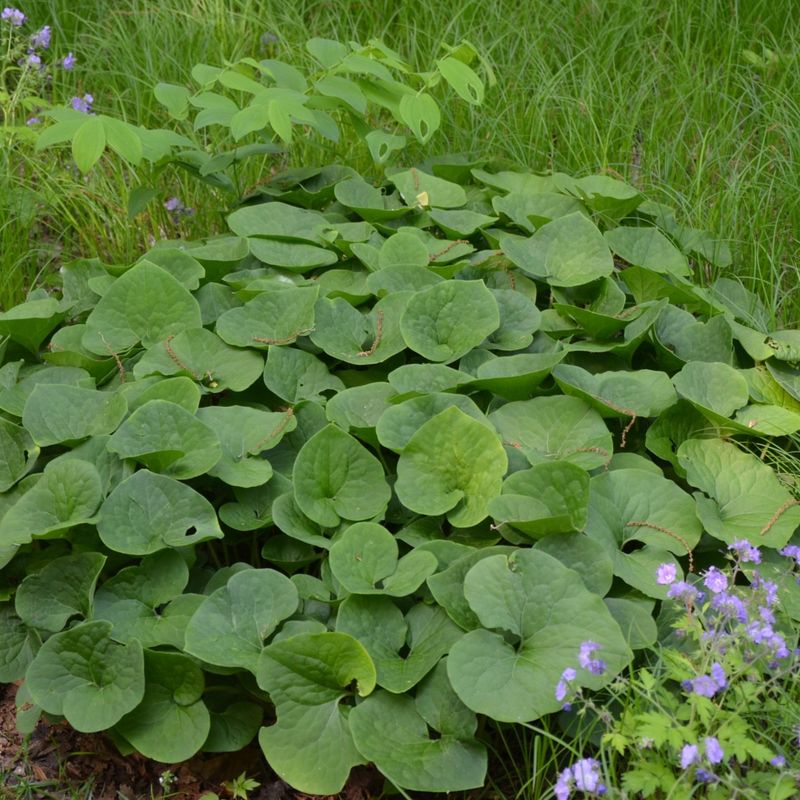
Most people have never heard of Wild Ginger, but Pennsylvania gardeners who discover it tend to fall in love fast. It’s one of those quiet, hardworking plants that never asks for much attention but always delivers.
The broad, heart-shaped leaves form a rich, dense mat that looks like something straight out of a fairy tale forest.
Wild Ginger grows naturally across Pennsylvania’s woodland areas, preferring shaded spots with moist, well-drained soil.
It spreads slowly through underground rhizomes, filling in gaps steadily over the years without ever becoming aggressive. You’ll never wake up one morning to find it has swallowed your garden.
One fun fact: the roots smell and taste like culinary ginger, though Wild Ginger isn’t the same plant used in cooking. Native Americans historically used the plant for medicinal purposes, which makes it a plant with a genuinely interesting backstory.
Your Pennsylvania Garden Changes Every Week. Your Plan Should Too.
Gardening in Pennsylvania changes quickly throughout the season. Every Friday you’ll receive a simple weekly plan showing exactly what to plant, prune, fertilize, harvest, and protect so you never miss the right timing.
Because it stays low, usually under six inches tall, Wild Ginger works perfectly as a woodland groundcover beneath taller shrubs and trees. It keeps weeds down naturally, which means less work for you.
Pennsylvania’s humid summers and cold winters suit it perfectly, and it comes back reliably each spring with fresh, lush foliage that brightens even the darkest shaded corners of your yard.
3. Pennsylvania Sedge
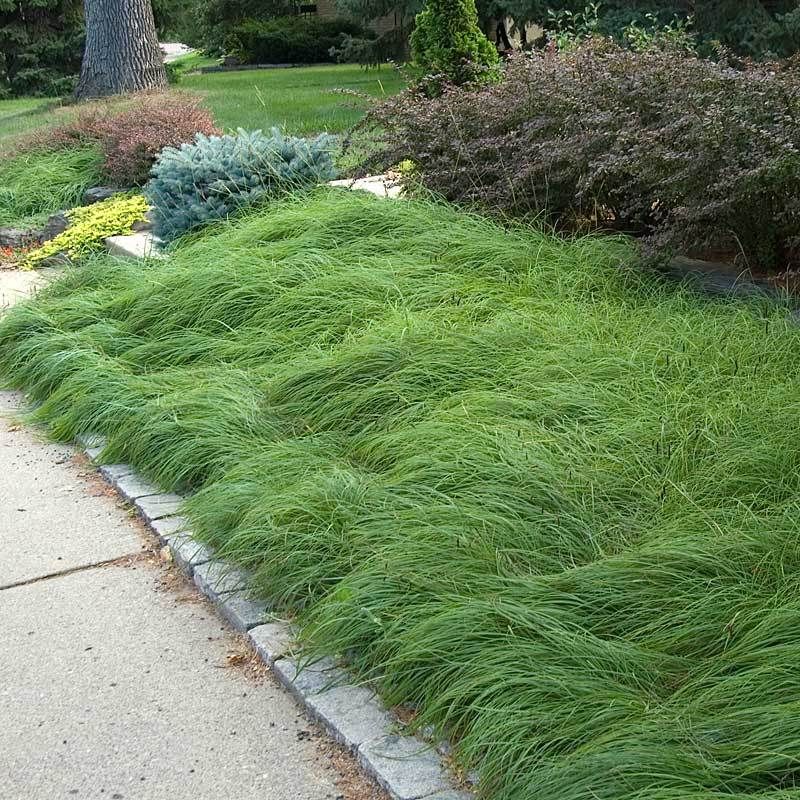
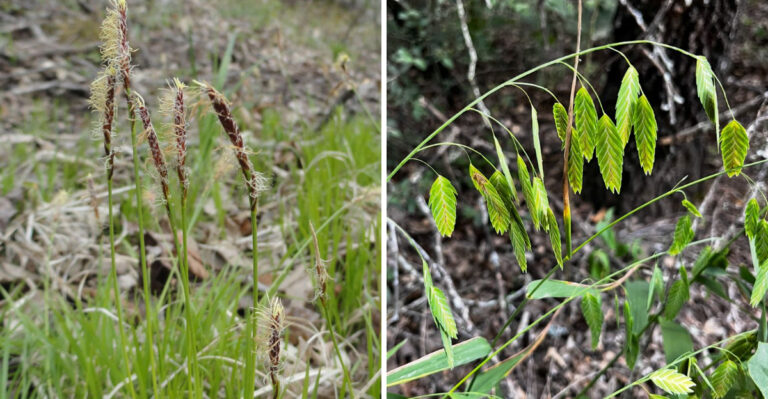
If you’ve ever wished for a lawn that practically takes care of itself, Pennsylvania Sedge might be your answer. This native grass-like plant forms tidy, arching clumps of fine, dark green foliage that stays attractive through most of the year.
It’s not a true grass, but it looks enough like one to work beautifully as a low-maintenance lawn alternative in shaded areas.
Pennsylvania Sedge is native to the eastern United States, including Pennsylvania, where it grows naturally along forest edges and under tree canopies.
It handles shade far better than most traditional lawn grasses, making it a smart solution for those frustrating spots where grass just won’t grow. It also tolerates dry soil once established, which is a huge bonus for busy gardeners.
The plant spreads slowly by underground rhizomes, gradually filling in bare patches without running out of control. It stays low, usually under a foot tall, and rarely needs mowing.
Many Pennsylvania homeowners use it under large trees where traditional turf struggles, and the results look surprisingly polished and natural.
It also supports local insects and birds, adding ecological value alongside its visual appeal. For anyone wanting a neat, low-effort groundcover that genuinely belongs in Pennsylvania’s landscape, this sedge is a reliable and rewarding choice worth planting sooner rather than later.
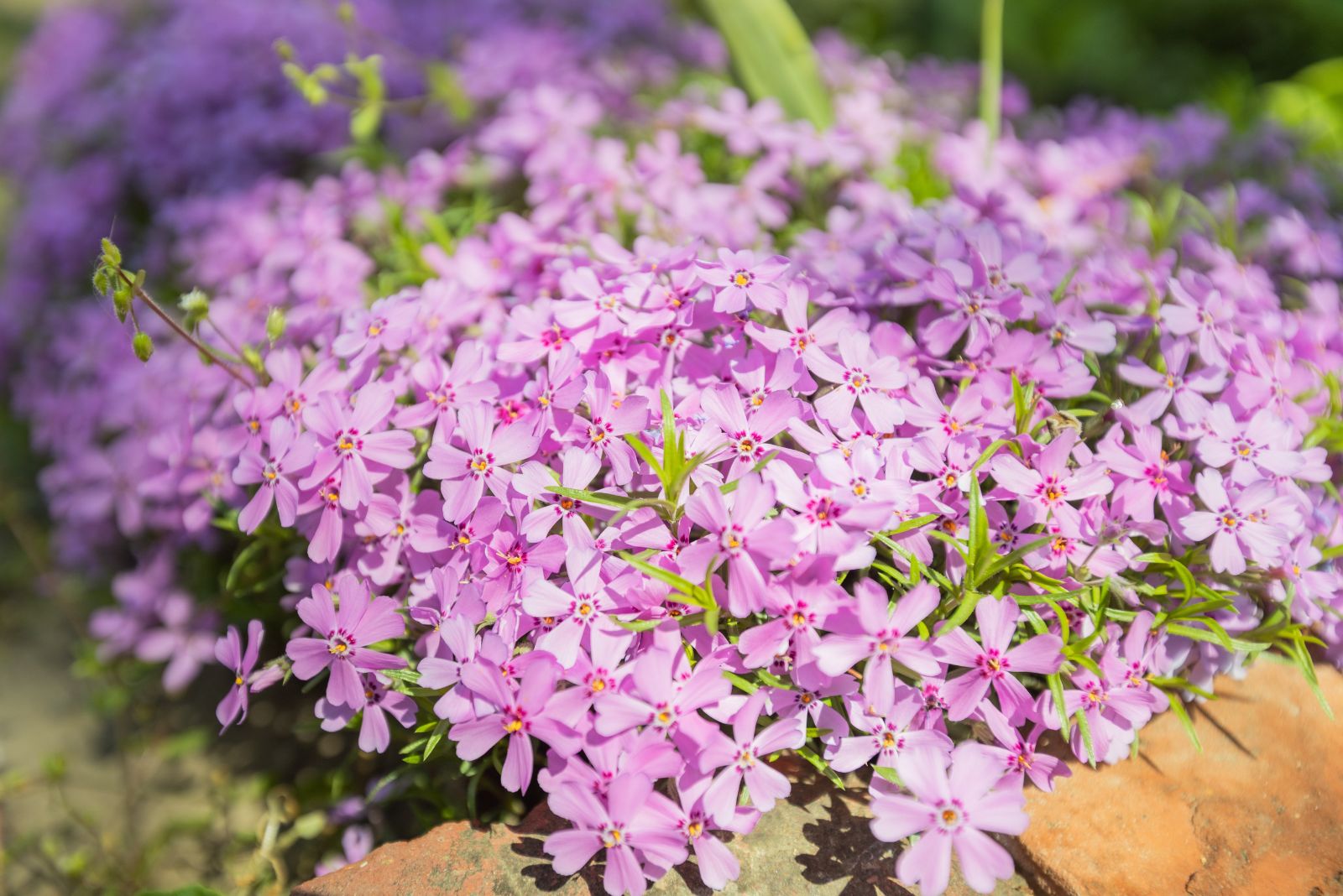
4. Creeping Phlox
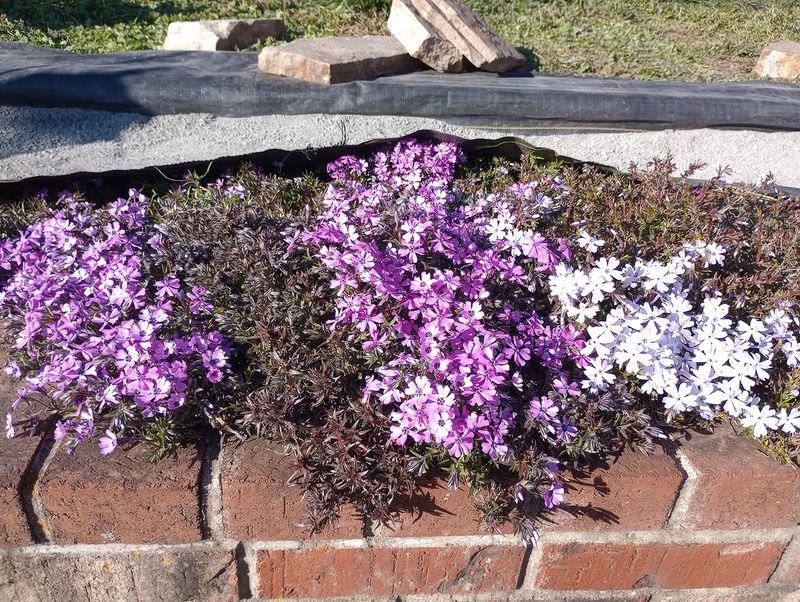
Every spring, Creeping Phlox puts on a show that stops people in their tracks. Imagine a wave of bright pink, purple, or white flowers rolling across a sunny slope or spilling over a garden wall.
That’s exactly what this cheerful native plant does, and it does it reliably year after year in Pennsylvania gardens.
Creeping Phlox loves sunny spots with well-drained soil. It’s a perfect solution for slopes, rock gardens, and garden edges where erosion can be a problem.
The plant forms a dense, mat-like cover that stays evergreen through winter, meaning your garden looks tidy even when nothing else is blooming.
After the spring flowers fade, the foliage remains attractive and continues to suppress weeds without spreading aggressively into areas where it isn’t wanted. It grows slowly and predictably, making it easy to manage even for beginner gardeners.
Trimming it back lightly after blooming keeps it looking its best and encourages fuller growth.
Pollinators absolutely adore Creeping Phlox. Butterflies and bees flock to the flowers during peak bloom, making it a fantastic choice for anyone trying to support local wildlife in Pennsylvania.
Planting it along sunny garden borders or at the top of retaining walls creates a stunning, natural-looking cascade of color that requires very little effort to maintain season after season.
5. Wild Geranium
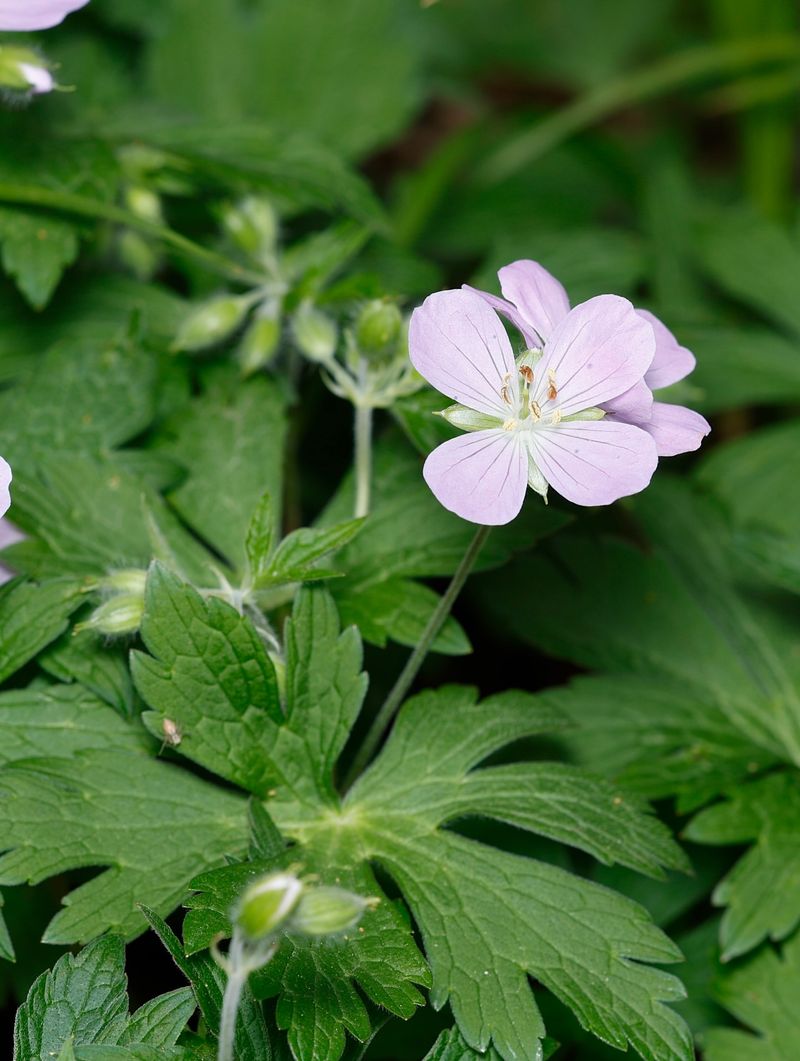
There’s something wonderfully dependable about Wild Geranium. It shows up every spring without fail, filling garden spaces with soft, lobed leaves and pretty pink-purple flowers that bloom from April through June.
Pennsylvania gardeners who plant it once rarely need to think about it again because it takes care of itself so well.
Wild Geranium grows naturally throughout Pennsylvania in open woodlands, meadow edges, and shaded roadsides. It adapts to a range of soil types and handles both partial shade and full sun, giving it impressive flexibility for different garden situations.
The foliage turns attractive shades of red and orange in fall, extending its seasonal interest well beyond the spring bloom period.
One thing that makes Wild Geranium especially appealing is its self-seeding habit. It drops seeds that sprout nearby, gradually filling in gaps over time without ever becoming overwhelming.
If seedlings pop up somewhere you don’t want them, they’re easy to move or remove. Bees, butterflies, and other pollinators regularly visit the flowers, and the plant provides good habitat for beneficial insects throughout the growing season.
For Pennsylvania gardeners looking for a plant that earns its place in the garden through sheer reliability and charm, Wild Geranium delivers every single year without demanding much in return. It’s a true workhorse of the native plant world.
6. Blue Star
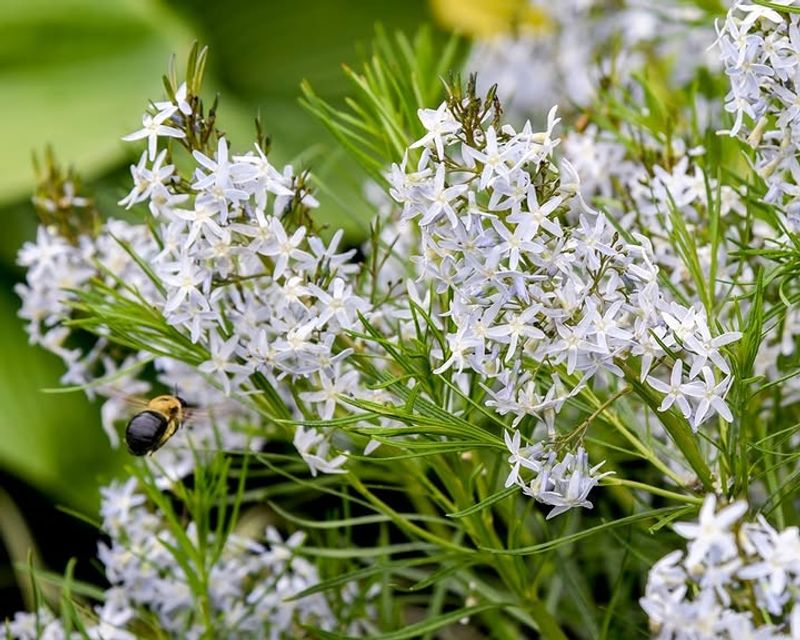
Blue Star is the kind of plant that earns admiration in every season, not just when it’s blooming. In spring, clusters of pale blue, star-shaped flowers cover the plant in a soft, airy display.
By summer, the fine, willow-like foliage adds beautiful texture to the garden. Come fall, the whole plant turns a brilliant golden yellow that rivals any ornamental shrub.
Native to the eastern United States, Blue Star grows naturally in Pennsylvania along stream banks and moist meadows. In garden settings, it adapts well to average soil and tolerates both full sun and partial shade.
It forms a tidy, rounded clump that grows slowly and steadily without spreading into neighboring plants or becoming a management problem.
The plant typically reaches two to three feet tall and wide, making it a great mid-border plant that adds structure without overwhelming smaller neighbors.
It’s also deer-resistant, which is a real advantage for Pennsylvania gardeners dealing with heavy deer pressure in suburban and rural areas.
Blue Star requires very little care once established. It rarely needs dividing, doesn’t require staking, and has no serious pest or disease issues in Pennsylvania’s climate.
For gardeners who want a well-behaved, four-season perennial that looks polished and purposeful without constant attention, Blue Star is genuinely hard to beat in any Pennsylvania garden setting.
7. Jacob’s Ladder
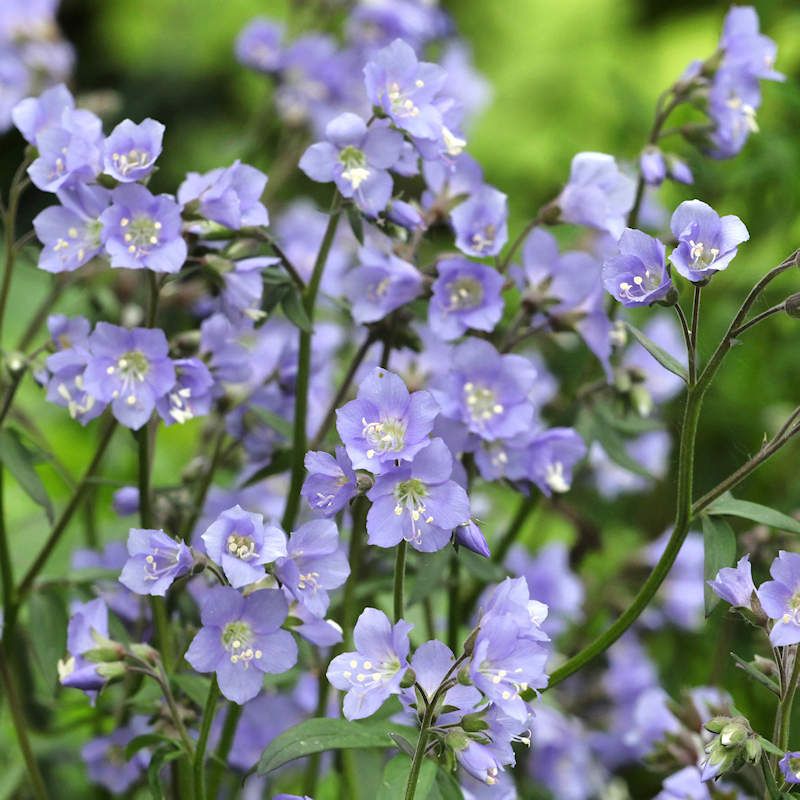
Named for the way its leaves are arranged in neat, ladder-like rows along each stem, Jacob’s Ladder is one of Pennsylvania’s most elegant native wildflowers. The blue-purple, bell-shaped flowers appear in spring and attract a variety of native bees and other pollinators.
Up close, the blooms are genuinely beautiful, with a delicate quality that makes them look almost too perfect to be real.
Jacob’s Ladder prefers shaded to partially shaded spots with moist, rich soil, making it a wonderful companion for ferns, Wild Ginger, and other woodland natives. It forms compact clumps that slowly expand over time but never run out of bounds.
Pennsylvania gardeners appreciate how well-mannered it stays, even after several years in the ground.
The plant typically grows about twelve to eighteen inches tall, which makes it useful for filling mid-level gaps in shaded borders and woodland gardens. After blooming, the attractive foliage remains in good shape through summer before dying back in late fall.
It self-seeds modestly, adding a few new plants nearby each year without creating a weedy mess.
One quirky detail: the plant gets its common name from the biblical story of Jacob’s dream about a ladder reaching to heaven. That bit of history gives it a personality that goes beyond its good looks.
For shaded Pennsylvania gardens that need structure without aggression, Jacob’s Ladder is a thoughtful, beautiful choice.
8. Golden Ragwort
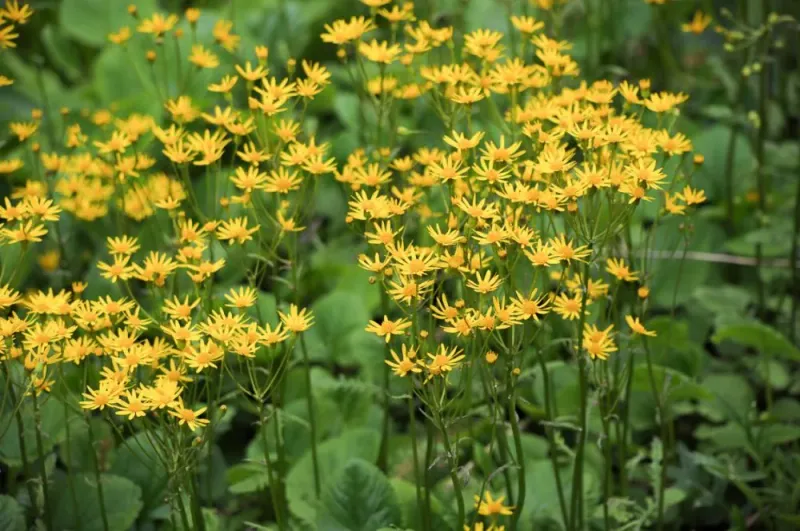
Golden Ragwort doesn’t get nearly enough credit. This semi-evergreen native is one of Pennsylvania’s hardest-working groundcovers, forming a dense, low mat of dark green leaves that stays attractive through most of winter.
When spring arrives, it sends up bright yellow, daisy-like flowers on tall stems that create a cheerful burst of color in shaded areas.
It grows naturally across Pennsylvania in moist woodlands, meadows, and stream banks, which means it’s perfectly suited to the state’s varied climate and soil conditions.
In garden settings, it adapts to a wide range of conditions, tolerating everything from deep shade to full sun as long as it gets adequate moisture.
Once established, it spreads steadily by runners and self-seeding, filling gaps efficiently without becoming a problem plant.
The flowers are a valuable early-season food source for native bees and other pollinators that emerge in early spring when not much else is blooming yet.
That ecological role makes Golden Ragwort a standout choice for Pennsylvania gardeners who care about supporting local wildlife alongside maintaining a beautiful yard.
Managing it is straightforward. Simply pull unwanted plants if it spreads beyond where you want it, which takes only a few minutes each season.
For challenging shaded spots under trees or along slopes where other plants struggle, Golden Ragwort steps in and delivers reliable, low-maintenance coverage that looks natural and intentional throughout the entire growing season.