The Yard Mistakes Making Tick Problems Worse In Pennsylvania This Spring
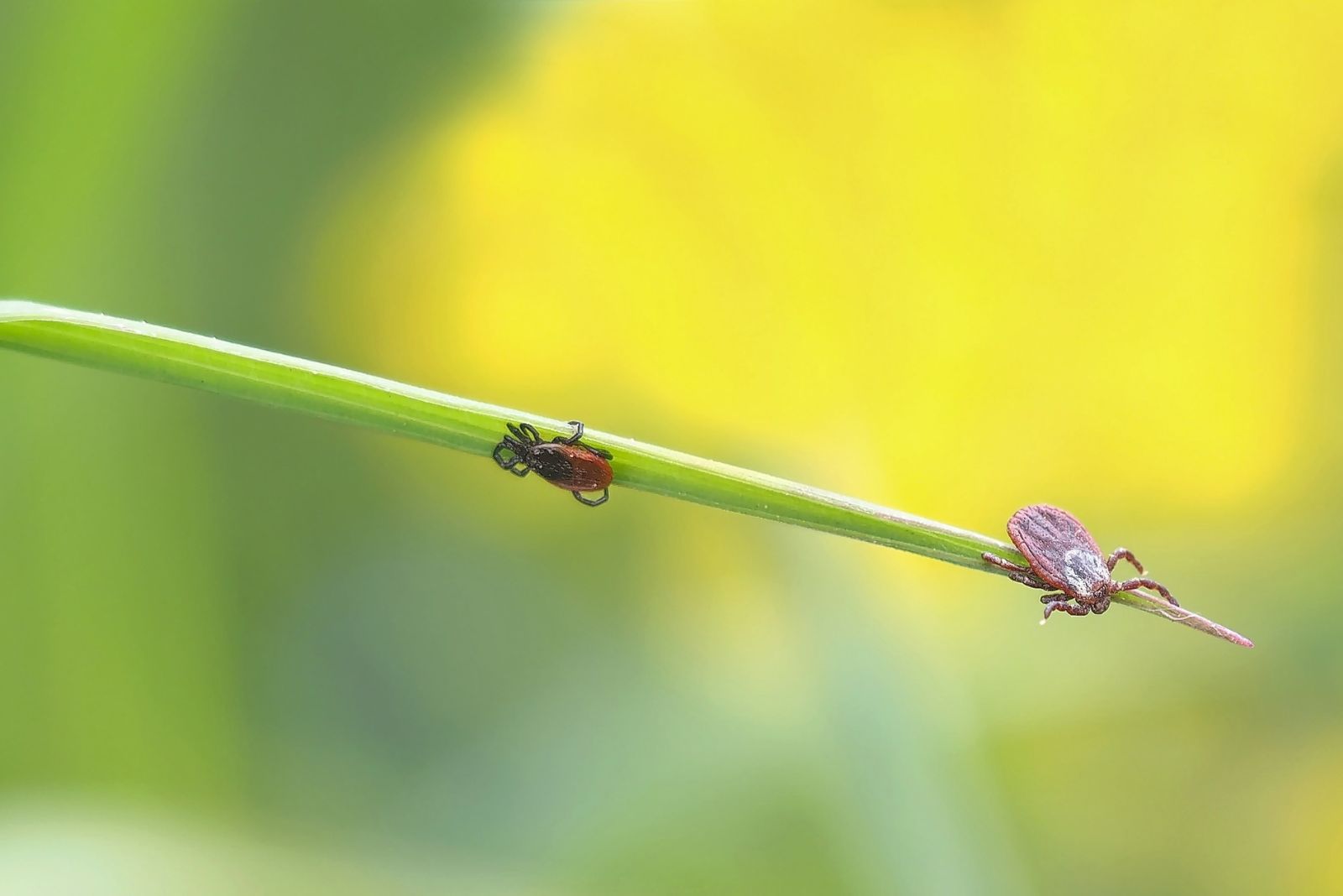
Are you accidentally making your Pennsylvania yard a five-star destination for ticks this spring without even realizing it?
It’s more common than most homeowners want to admit, and the frustrating part is that the mistakes driving the problem are often things that seem completely harmless or even good for the yard on the surface.
Pennsylvania springs are already prime tick season. The combination of warming temperatures, increased wildlife activity, and people spending more time outside creates the perfect conditions for tick encounters to spike, and certain yard habits make that situation significantly worse without anyone connecting the dots.
The thing about tick problems is that they’re rarely random. Ticks need specific conditions to thrive, specific environments to hunt in, and specific features to move through a yard effectively.
When your yard is accidentally providing all of those things at once, the problem compounds quickly and becomes genuinely difficult to manage with surface-level solutions alone.
1. Letting Grass Grow Too Tall
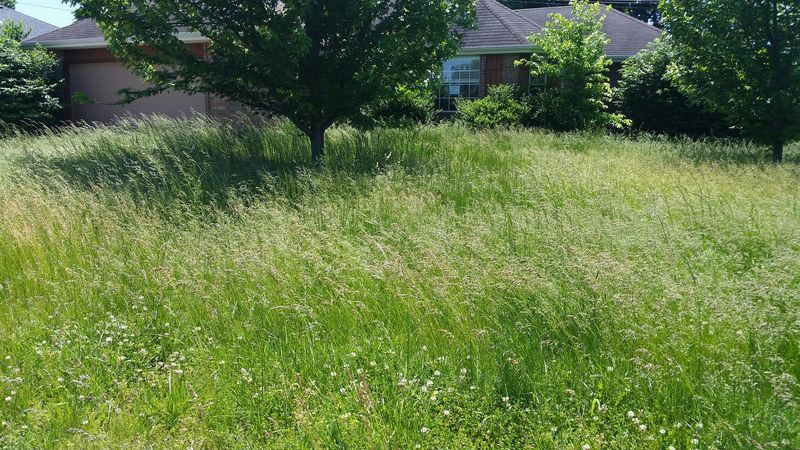
Walk through a yard with knee-high grass in Pennsylvania and you are practically inviting ticks to hitch a ride. Ticks love tall, moist grass because it gives them the perfect place to wait for a passing host, whether that is a dog, a child, or you.
They position themselves near the tips of grass blades and latch on the moment something brushes past.
Most tick activity happens in the first few inches of vegetation, so keeping your lawn trimmed short is one of the smartest things you can do. Experts recommend mowing your lawn to no taller than three to four inches during peak tick season.
In Pennsylvania, that season kicks off in early spring and runs all the way through fall, so staying on top of mowing is a must.
A lot of homeowners let their grass go for a couple of weeks without thinking about it, especially during a busy spring schedule. But even a short stretch of neglect can create a tick-friendly environment fast.
Grass that gets long also holds onto morning dew and rainwater longer, which adds the moisture that ticks need to survive.
Set a regular mowing schedule and stick to it. Mow the edges of your yard near wooded areas or fence lines especially carefully, since those spots tend to get overlooked.
Bagging your clippings instead of leaving them on the lawn also helps remove any extra organic material that could hold moisture.
A well-trimmed lawn is not just good for curb appeal in Pennsylvania. It is one of your first lines of defense against ticks this spring.
2. Ignoring Leaf Litter And Brush Piles
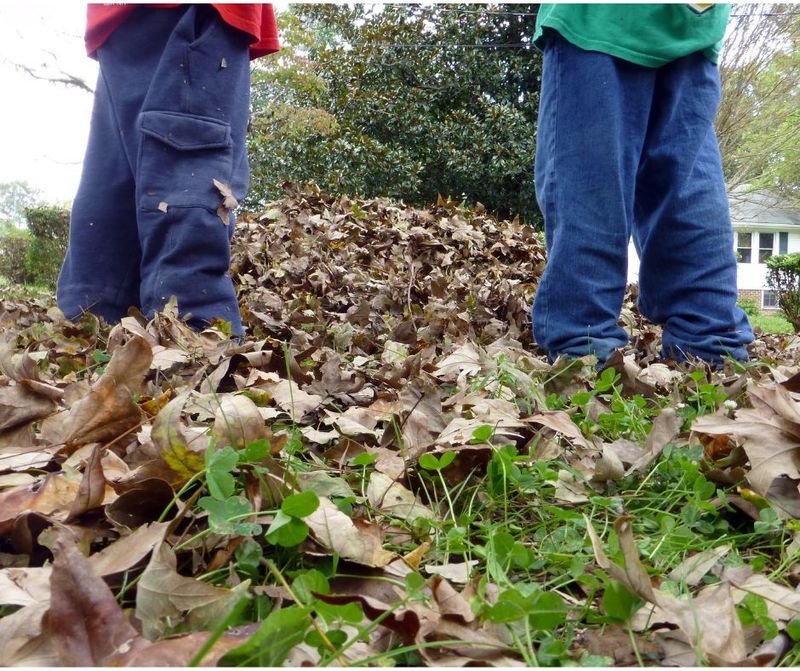
Most people rake their leaves in the fall and then forget about them. But if those leaves ended up piled in a corner of your yard and stayed there all winter, you may have created a prime tick habitat right outside your back door.
Leaf litter and brush piles are some of the most tick-friendly spots in any Pennsylvania yard.
Ticks need moisture and shade to survive. A thick pile of damp, decomposing leaves checks both of those boxes perfectly.
Your Pennsylvania Garden Changes Every Week. Your Plan Should Too.
Gardening in Pennsylvania changes quickly throughout the season. Every Friday you’ll receive a simple weekly plan showing exactly what to plant, prune, fertilize, harvest, and protect so you never miss the right timing.
These piles also attract small rodents like mice and voles, which are some of the most common tick hosts around. When mice nest in your leaf piles, they bring ticks with them, and those ticks eventually spread into the rest of your yard.
Clearing out old leaf litter is one of the simplest and most effective steps you can take this spring. Rake up any leftover leaves from fall, bag them, and get them off your property.
Do the same with any brush piles, old wood stacks, or debris that has been sitting around through the winter months.
If you have wooded areas near your yard in Pennsylvania, pay extra attention to the transition zones where the woods meet your lawn. Leaves tend to collect in those spots and create a damp, sheltered corridor that ticks use to travel from the woods into your yard.
Keeping those areas clean and clear disrupts that pathway. It takes a little effort each spring, but removing leaf litter and brush piles can noticeably reduce the number of ticks you encounter throughout the season.
3. Planting Dense Groundcover Without Maintenance
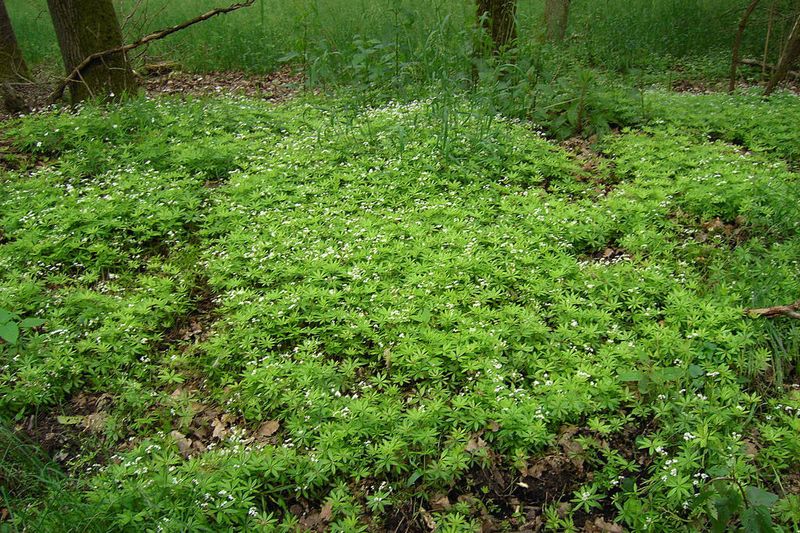
Groundcover plants like pachysandra, English ivy, and vinca are popular choices for shady spots in Pennsylvania yards. They look lush and full, and they help prevent weeds from taking over.
But when these plants get overgrown and go without regular maintenance, they can quietly become one of the best tick habitats in your entire yard.
Dense, low-growing groundcovers trap humidity close to the soil. They block sunlight and airflow, which keeps the ground underneath them cool and moist.
That is exactly the kind of environment where ticks thrive. The thick mat of leaves and stems also gives ticks a protected place to hide and wait for a host to wander through.
Keeping your groundcover trimmed and thinned out is key. Do not let it grow into a thick, tangled mass.
Periodically pulling out sections that have become too dense allows more air and sunlight to reach the ground, which dries things out and makes the area far less welcoming to ticks.
Edging the borders of your groundcover beds also helps keep it from spreading into lawn areas where people and pets spend time.
Another smart move is to avoid planting dense groundcovers right next to your home or along paths where your family walks regularly.
In Pennsylvania, where tick populations have been growing in recent years, placing these plants away from high-traffic areas reduces the chance of accidental contact.
Groundcovers can still be a beautiful part of your landscaping. They just need regular attention to make sure they are not secretly sheltering a tick population right in your own backyard this spring.
4. Skipping Mulch Barriers Near Wooded Areas
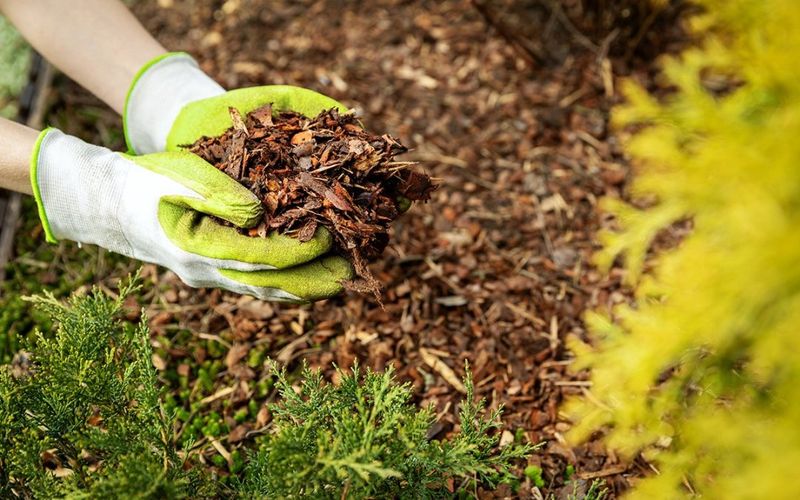
One yard feature that many Pennsylvania homeowners overlook is the transition zone between their lawn and any nearby wooded areas. Without some kind of dry barrier in place, ticks can walk right from the woods into the spaces where your family plays and relaxes.
A simple mulch or gravel barrier can make a real difference in slowing that movement down.
Ticks prefer moist, shaded environments and tend to avoid crossing hot, dry surfaces. A wide strip of wood chip mulch or coarse gravel placed along the edge of wooded areas acts as a physical deterrent.
Most tick experts recommend making this barrier at least three feet wide to be effective. It creates a dry zone that ticks are reluctant to cross, giving your yard a natural buffer.
Skipping this step is a common mistake in Pennsylvania yards, especially in neighborhoods that back up to forests or parks. People often assume that ticks only live deep in the woods, but the truth is that the woodland edge is where tick activity tends to be highest.
That is where deer, mice, and other wildlife travel most frequently, dropping ticks along the way.
Installing a mulch border does not have to be expensive or complicated. A bag or two of wood chip mulch spread along the tree line can get the job done.
Just make sure to refresh it each spring since old mulch breaks down and loses its effectiveness.
Pair the barrier with regular lawn maintenance and you have a solid two-pronged approach to keeping ticks from making the journey from the woods into your Pennsylvania yard this season.
5. Overwatering The Lawn And Garden
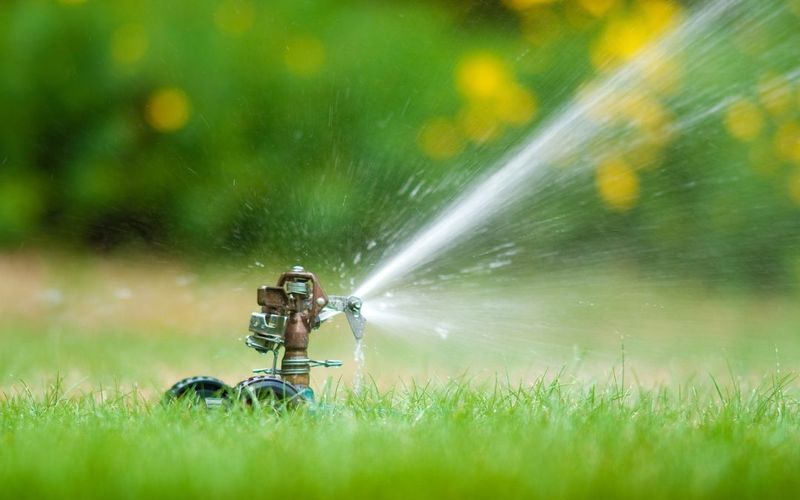
Plenty of Pennsylvania homeowners take great pride in keeping a lush, green lawn all spring and summer long. But there is a point where too much watering stops being good for your grass and starts being good for ticks.
Overwatering creates the moist, humid conditions that ticks need to stay active and reproduce, especially in shaded corners of your yard.
Ticks cannot survive in dry conditions for very long. They need humidity to keep from drying out, which is why you rarely find them in open, sunny, well-drained areas.
When you water your lawn or garden too frequently, you are essentially keeping the ground moist enough for ticks to stay comfortable and active for longer periods of time. Shaded garden beds that get watered daily can become surprisingly tick-dense spots.
A good rule of thumb is to water your lawn deeply but less often, allowing the soil to dry out somewhat between waterings. Most lawns in Pennsylvania only need about one inch of water per week, including rainfall.
Watering in the morning rather than the evening also helps because the sun can dry things out during the day instead of leaving everything damp overnight.
Check your garden beds and any areas under trees or along fences where shade keeps the ground wet. These are the spots most likely to harbor ticks if they stay consistently moist.
Improving drainage in low-lying areas of your yard can also help reduce moisture buildup. Cutting back on overwatering is a small habit change that can have a surprisingly big impact on tick activity in your Pennsylvania yard this spring and beyond.
6. Attracting Deer Without Realizing It
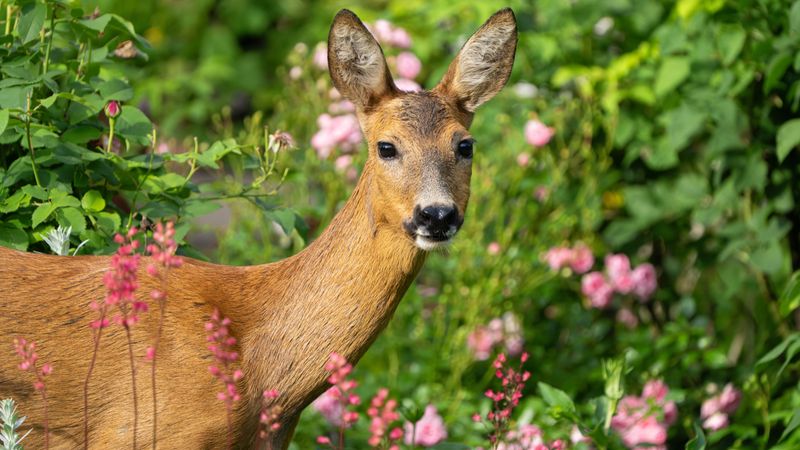
Deer are a common sight in many parts of Pennsylvania, and while they can be beautiful to watch from a window, having them visit your yard regularly is a serious tick risk.
Deer are one of the primary hosts for adult black-legged ticks, also known as deer ticks, which are the species responsible for spreading Lyme disease. Where deer go, ticks follow.
Many homeowners attract deer without even realizing it. Certain popular landscaping plants like hostas, tulips, daylilies, and arborvitae are like a buffet for deer.
Bird feeders that drop seeds on the ground also draw deer in, especially in spring when food sources are still limited. Every time a deer visits your yard in Pennsylvania, it can drop dozens of ticks into your lawn and garden beds.
Swapping out deer-favorite plants for deer-resistant varieties is a practical way to make your yard less appealing. Plants like lavender, catmint, Russian sage, and yarrow are far less attractive to deer and can still add color and texture to your landscaping.
Installing motion-activated lighting or sprinklers near garden beds can also discourage deer from lingering.
Fencing is another option for Pennsylvania homeowners who deal with frequent deer visits. A sturdy fence that is at least eight feet tall can keep deer out of a garden area effectively.
Even a simple barrier around your most-visited garden beds can help. Reducing deer traffic through your yard is not just about protecting your plants.
It is one of the most direct ways to lower the tick population in your outdoor space this spring and keep your family safer all season long.