Plant This And Hummingbirds Will Find Your North Carolina Yard Every Single Summer
Hummingbirds have a reputation for being hard to attract, but experienced North Carolina gardeners know the real secret has very little to do with feeders.
These birds are highly motivated by plants, and the right combination in your yard can turn a random sighting into a reliable summer presence you can count on year after year.
North Carolina sits along a well traveled hummingbird corridor, and the Ruby throated hummingbird passes through and nests here in numbers that give gardeners a genuine opportunity to build a yard these birds genuinely prefer.
The plants that bring them in are not rare or hard to find, but they do need to be chosen with intention.
Bloom timing, flower shape, and color all factor into what hummingbirds notice and keep coming back to. Once the right plants are established and producing, the birds find them on their own and return to the same spots with impressive consistency every summer.
1. Native To North Carolina And Built For It
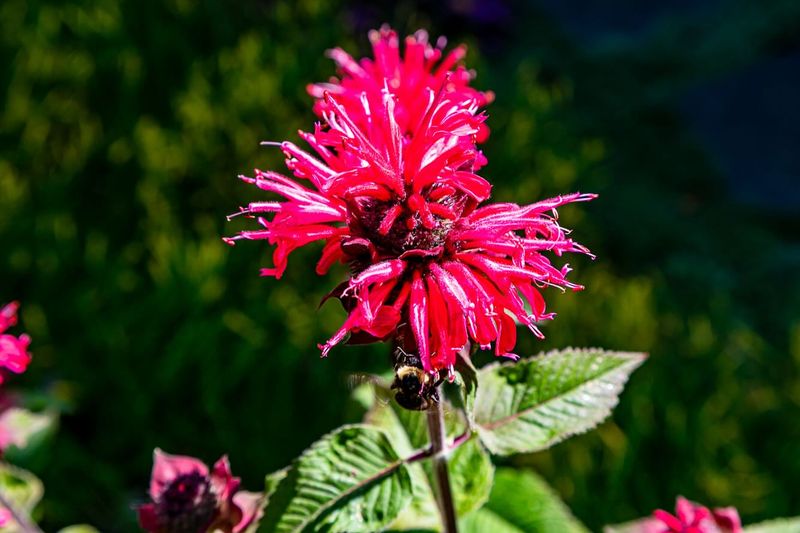
Bee balm did not need to be imported or coaxed into growing here. Monarda didyma is genuinely native to the eastern United States, including North Carolina, which means it already knows how to thrive in local soil, humidity, and seasonal shifts.
That natural fit makes a real difference for gardeners who want reliable plants without constant fussing.
Because it evolved here, bee balm handles North Carolina summers with surprising ease. It understands the wet springs, the hot July afternoons, and the occasional dry spells that catch other plants off guard.
You are not forcing it to adapt to a new environment. You are simply giving it space to do what it already does well.
Native plants also tend to support local wildlife in ways that non-native species simply cannot match. Bee balm has deep roots in this ecosystem, and the insects, birds, and pollinators in your yard recognize it immediately.
Gardeners across the Piedmont, mountains, and coastal plain of North Carolina have all found it performs consistently.
Starting with a plant that belongs here is one of the smartest choices any gardener can make for a low-maintenance, high-reward summer garden.
2. Bright Red Tubular Flowers Hummingbirds Cannot Resist
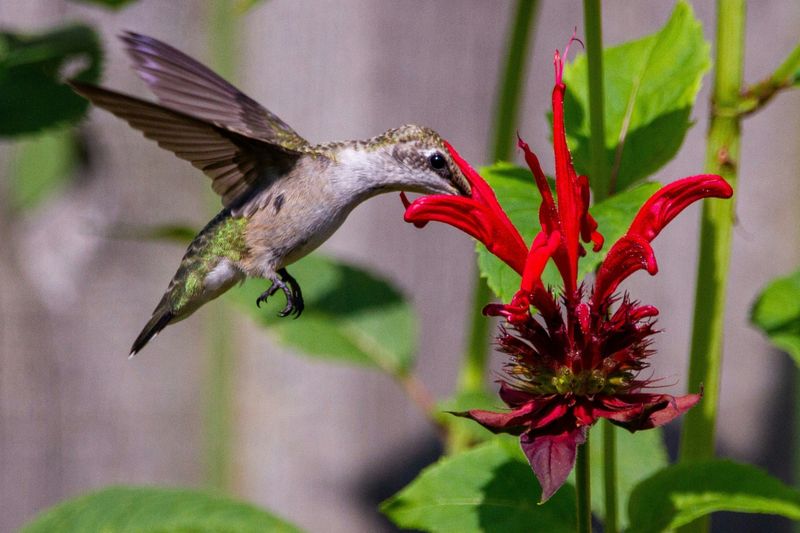
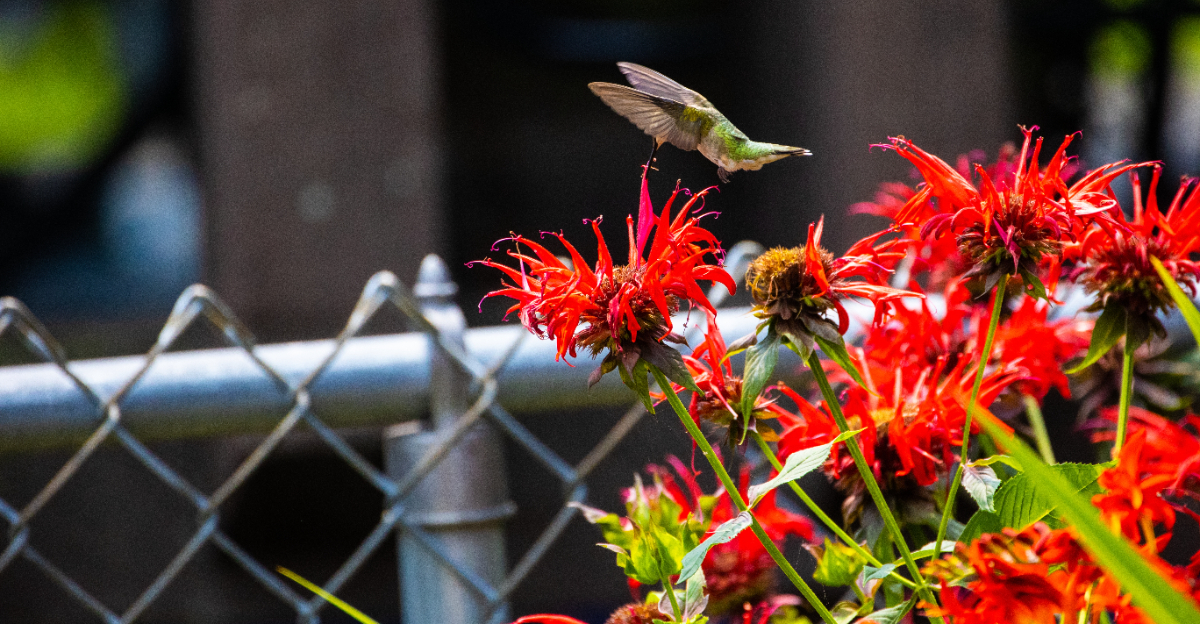
Hummingbirds are not random about which flowers they visit. Their eyesight is tuned to bright reds and oranges, and the tubular shape of bee balm blooms fits their long, slender beaks almost perfectly.
Nature basically designed these two for each other, and once you see a ruby-throated hummingbird hovering at a bee balm cluster, you will understand exactly what that means.
The ruby-throated hummingbird is the most common species visiting North Carolina gardens, and it arrives right when bee balm hits its peak bloom. That timing is not a coincidence.
The plant produces a generous amount of nectar inside each tube-shaped flower, giving hummingbirds a reliable and satisfying food source.
They tend to return to the same feeding spots summer after summer, so once your garden earns a visit, it usually keeps earning them.
Beyond hummingbirds, the visual impact of those scarlet blooms is genuinely stunning. A mature patch of Monarda didyma in full flower turns heads and draws compliments from anyone walking past.
Your North Carolina Garden Changes Every Week. Your Plan Should Too.
Gardening in North Carolina changes quickly throughout the season. Every Friday you’ll receive a simple weekly plan showing exactly what to plant, prune, fertilize, harvest, and protect so you never miss the right timing.
North Carolina gardeners who grow it often say the combination of wildlife activity and flower color makes it one of the most rewarding plants in the whole yard. Red blooms and hummingbird wings make for a summer show worth every bit of effort.
3. Blooms Right When Hummingbirds Are Passing Through
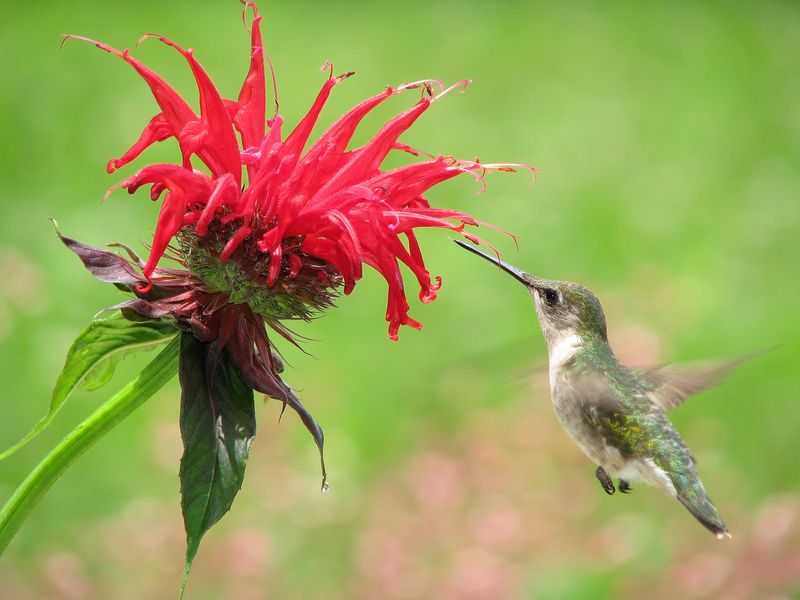
Timing matters more than almost anything else when you want to attract hummingbirds consistently.
Ruby-throated hummingbirds typically arrive in North Carolina around late April or early May, and they stay active through the summer before heading south again in September.
Bee balm blooms from roughly late June through August, which lines up beautifully with the height of hummingbird season in the state.
That overlap is not something you have to engineer or plan around. Monarda didyma simply does it naturally.
When hummingbirds are most active and most hungry, the flowers are fully open and loaded with nectar.
Gardeners across North Carolina report that their bee balm patches become the busiest spots in the yard during those mid-summer weeks, with hummingbirds making multiple visits every single day.
You can extend the bloom window slightly by deadheading spent flowers, which encourages the plant to keep producing new ones. Removing old blooms signals the plant to redirect its energy into fresh flower production rather than seed development.
Even without deadheading, most healthy Monarda didyma plants in North Carolina will stay in bloom for four to six weeks.
That is a generous window of activity that keeps your yard lively and your hummingbird visitors coming back reliably throughout the whole summer season.
4. Full Sun To Part Shade Suits Most Yards
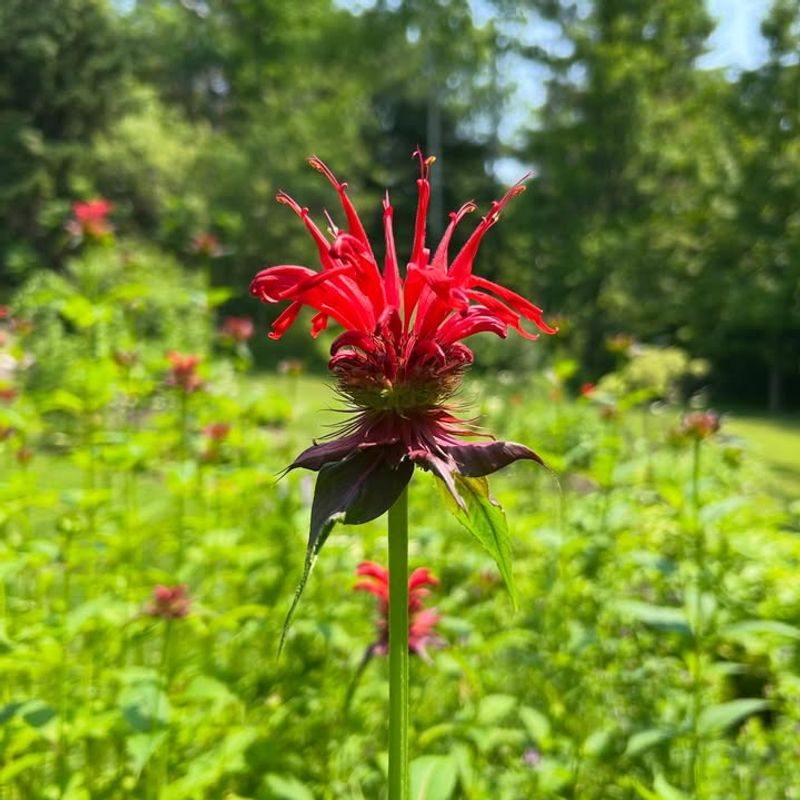
Not every yard in North Carolina gets wall-to-wall sunshine, and that is perfectly fine when you are growing bee balm.
Monarda didyma performs best with at least six hours of direct sunlight each day, but it can handle some afternoon shade without losing its ability to bloom well.
That flexibility makes it a practical choice for yards with trees, fences, or structures that create pockets of shade.
In the hotter parts of the state, like the Piedmont or the coastal plain, a bit of afternoon shade can actually help the plant stay hydrated and looking fresh during the peak of summer heat.
Morning sun combined with some relief in the late afternoon often produces healthy, full plants with strong flower production.
The key is making sure the plant gets enough light to fuel good blooming without baking in relentless afternoon heat.
Mountain regions of North Carolina tend to have cooler summers, so full sun is usually a better choice there for maximum bloom performance.
Wherever you garden in the state, take a close look at how light moves across your yard throughout the day before choosing a planting spot.
A location that gets strong morning light and gentle afternoon shade is often the sweet spot for bee balm, producing lush foliage and a steady supply of those hummingbird-friendly red blooms all season long.
5. Good Airflow Keeps Powdery Mildew Away
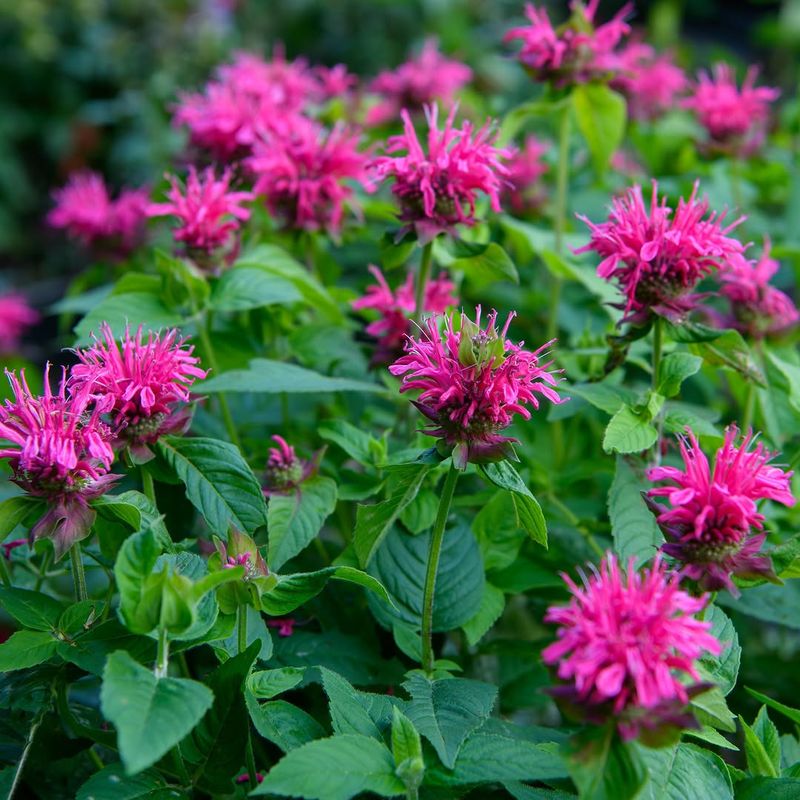
North Carolina summers are famous for their humidity, and while bee balm handles heat well, that thick, moist air creates one real challenge: powdery mildew.
This fungal issue shows up as a white or gray coating on the leaves and can spread quickly through a densely planted patch.
The good news is that preventing it is straightforward once you understand what the plant needs.
Spacing is the most effective tool you have. Planting Monarda didyma at least 18 to 24 inches apart allows air to circulate freely between stems and leaves, which keeps the foliage drier and less inviting to fungal growth.
Avoid overhead watering if possible, and water at the base of the plant in the morning so moisture evaporates before evening. These simple habits make a noticeable difference across the growing season.
Several newer bee balm varieties have also been bred specifically for mildew resistance, which is worth knowing when you shop for plants or seeds. Varieties like Jacob Cline and Raspberry Wine tend to hold up better in humid conditions than older heirloom types.
North Carolina gardeners who choose mildew-resistant varieties and give their plants proper spacing often report lush, healthy foliage all the way through late summer. A little planning at planting time saves a lot of frustration later in the season when humidity peaks.
6. Spreads By Rhizomes And Fills Your Garden Beautifully
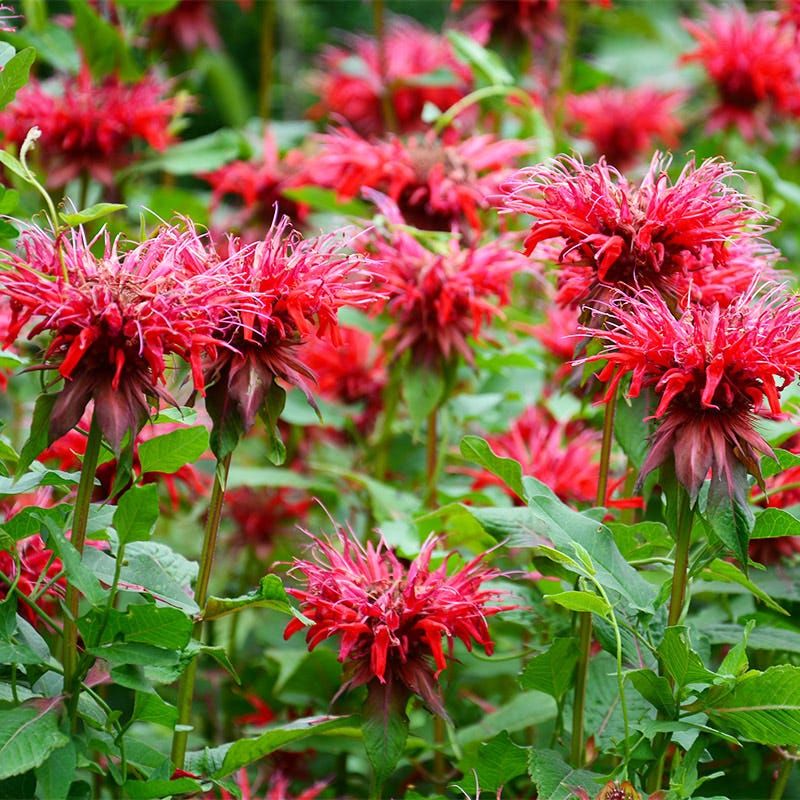
Bee balm is one of those plants that rewards patience in the most satisfying way. Monarda didyma spreads underground through rhizomes, which are horizontal root-like stems that send up new shoots each season.
Over a few years, a single plant can grow into a generous, full colony that fills an entire garden bed with color and life. That natural spreading habit is one of the reasons gardeners in North Carolina love it so much for pollinator gardens.
The spreading behavior is predictable and manageable with a little attention. Every two to three years, dividing the clumps keeps the plant healthy and prevents it from crowding out neighboring plants.
Division is simple: dig up a section of the colony in early spring, split it into smaller clumps with a shovel or garden fork, and replant them with proper spacing. You end up with more plants for free, which you can spread around the yard or share with neighbors.
Using bee balm as a mass planting in a dedicated pollinator bed is one of the smartest ways to take advantage of its spreading nature. A large colony creates a visual statement that also functions as a habitat hub for hummingbirds and insects.
North Carolina gardeners who let bee balm spread into a full patch often say it becomes the anchor of the whole garden, drawing wildlife activity from early summer straight through to the end of the season.
7. Bees, Butterflies, And More Love It Too
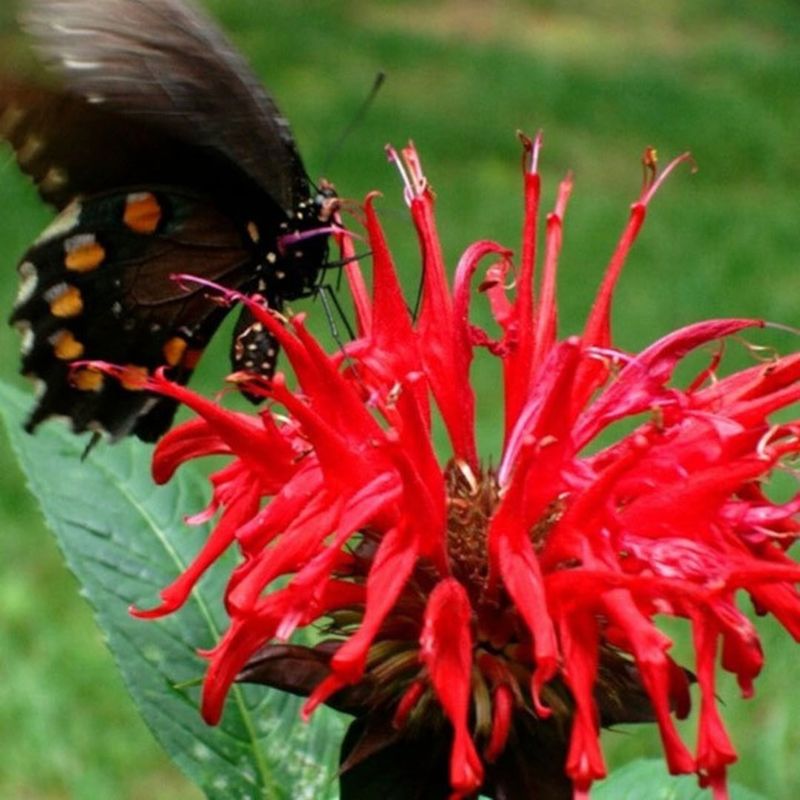
Hummingbirds get most of the attention when bee balm comes up in conversation, but the plant is really a full-service destination for an impressive range of wildlife.
Bumblebees absolutely love it, visiting the flowers repeatedly throughout the day to collect both nectar and pollen.
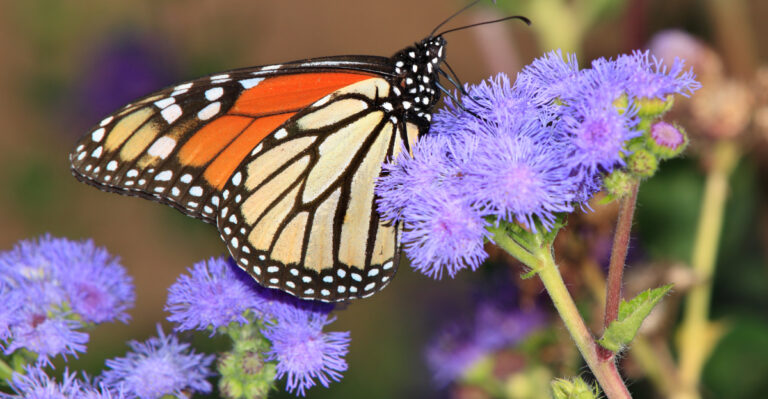
Eastern tiger swallowtail butterflies and other native butterfly species are also frequent visitors, drifting from bloom to bloom in a way that turns your North Carolina garden into something genuinely alive with movement.
Native bees, including several solitary species that rarely get noticed, also benefit from bee balm plantings.
These smaller bees are important pollinators for vegetables, fruits, and other garden plants nearby, so supporting them has practical benefits beyond just the visual appeal.
A patch of Monarda didyma essentially functions as a community gathering spot for beneficial insects throughout the summer months.
The ecological value of bee balm extends beyond what you can see on any given afternoon. Healthy pollinator populations in your yard support the broader garden ecosystem, improving fruit set on vegetable plants and helping wildflowers reproduce nearby.
North Carolina gardens that include bee balm as part of a diverse planting tend to feel more balanced and productive overall.
Growing one plant that serves hummingbirds, bees, butterflies, and other beneficial insects all at once is about as efficient as gardening gets, and it makes every summer in the yard genuinely worth looking forward to.