These 9 Easy Crops Regrow Again And Again In Michigan Without Replanting
Replanting the same vegetables every spring takes time, money, and effort that adds up faster than most gardeners stop to calculate.
There is a category of crops that operates completely differently, coming back on their own each year from the same roots or by reseeding themselves reliably without any help from the gardener.
In Michigan, where the growing season has a hard beginning and end, plants that survive winter and return stronger are genuinely valuable. Some of these crops are perennial by nature, dying back in fall and pushing new growth up the moment the soil warms in spring.
Others drop seeds that overwinter successfully and germinate on their own schedule. Either way, the result is food in the garden without the annual replanting cycle.
These nine crops all perform that way in Michigan’s climate, and once you have them established, they become one of the most low maintenance and consistently productive parts of the entire garden.
1. Asparagus (Asparagus officinalis)
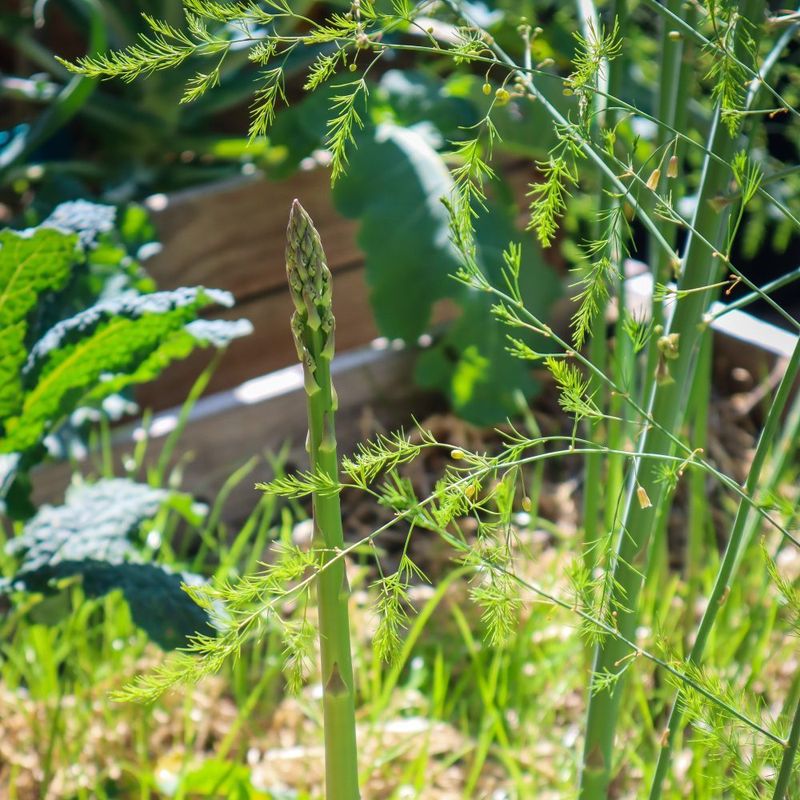
Plant asparagus once, and it might just outlive your vegetable garden plan by twenty years. Asparagus is one of the most rewarding perennial vegetables you can grow in Michigan, producing tender green spears every spring without any replanting.
It takes a little patience in the beginning, but once it gets established, it becomes one of the most dependable crops in your yard.
Michigan’s cold winters actually work in asparagus’s favor. The plant needs a period of cold dormancy to reset and produce a strong harvest the following season.
Well-drained soil is key, since waterlogged roots can cause problems for the crowns over winter. Sandy loam soil, which is common in many parts of Michigan, works beautifully for asparagus beds.
Plant asparagus crowns in a sunny spot with good drainage, and give them at least two full seasons before harvesting. This wait allows the root system to grow strong and deep.
After that, expect spears to pop up every April or May for decades. A bed of twenty to thirty crowns can easily feed a family throughout the spring harvest window, making it one of the smartest long-term investments any Michigan gardener can make in their backyard.
2. Rhubarb (Rheum x hybridum)
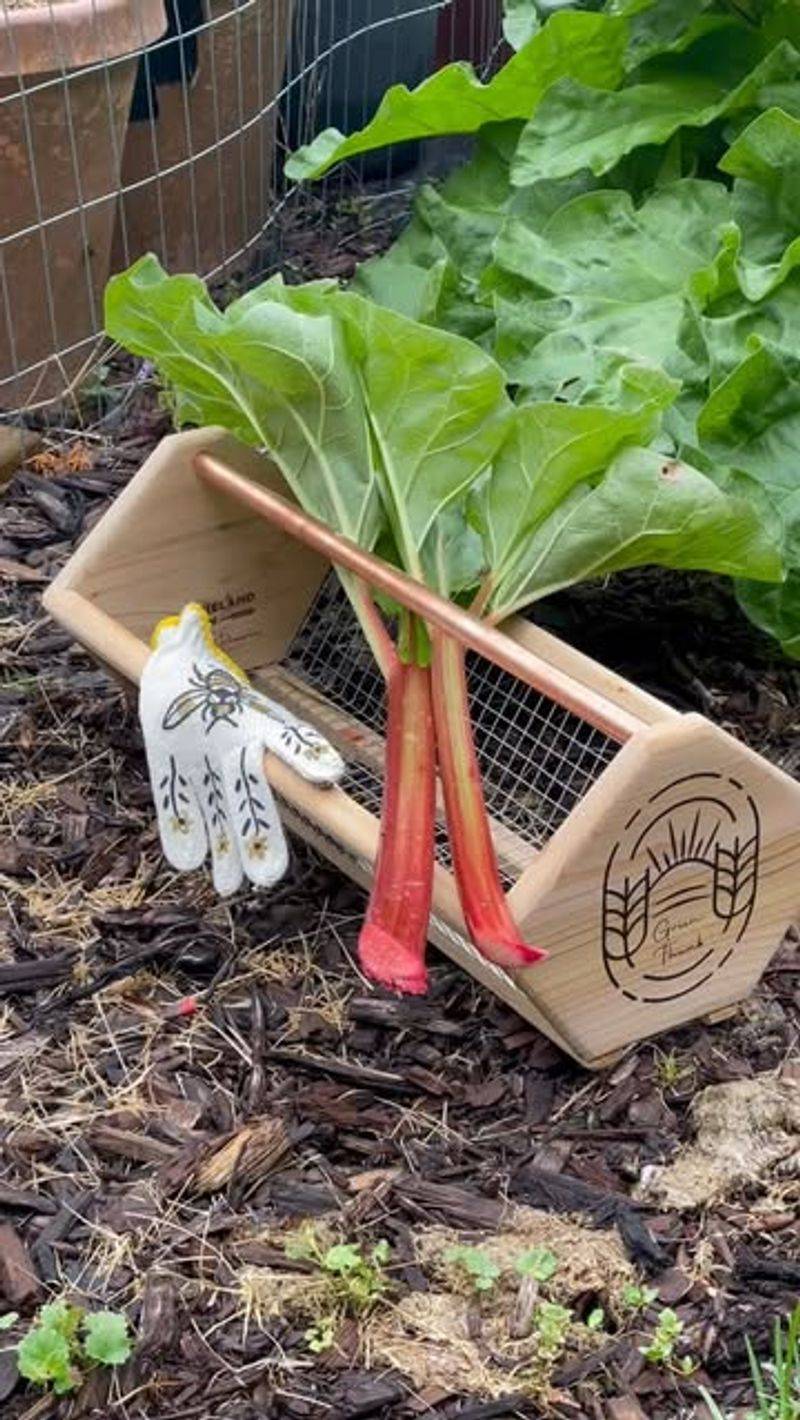
Few plants scream Michigan springtime quite like rhubarb. Those bold, ruby-red stalks pushing up through the soil are a sure sign that the growing season has officially arrived.
Rhubarb is incredibly cold-hardy, which makes it a natural fit for Michigan’s sometimes brutal winters, and it comes back stronger year after year with almost no extra effort from the gardener.
Rhubarb thrives in full sun and loves rich, well-amended soil packed with organic matter. Once established, a single rhubarb plant can spread into a generous clump that produces an impressive amount of stalks each season.
Most Michigan gardeners plant it once and then simply divide the crowns every few years to keep the plant vigorous and productive.
The stalks are tart and packed with flavor, making them perfect for pies, jams, sauces, and even savory dishes. Only the stalks are edible, so always leave the leaves behind since they contain oxalic acid.
Your Michigan Garden Changes Every Week. Your Plan Should Too.
Gardening in Michigan changes quickly throughout the season. Every Friday you’ll receive a simple weekly plan showing exactly what to plant, prune, fertilize, harvest, and protect so you never miss the right timing.
Harvest begins in the second year after planting, and from that point forward, the plant rewards you generously every spring.
Rhubarb grows well across Michigan, from the Thumb region all the way up to the northern Lower Peninsula, making it one of the most reliable perennial crops in the state.
3. Chives (Allium schoenoprasum)
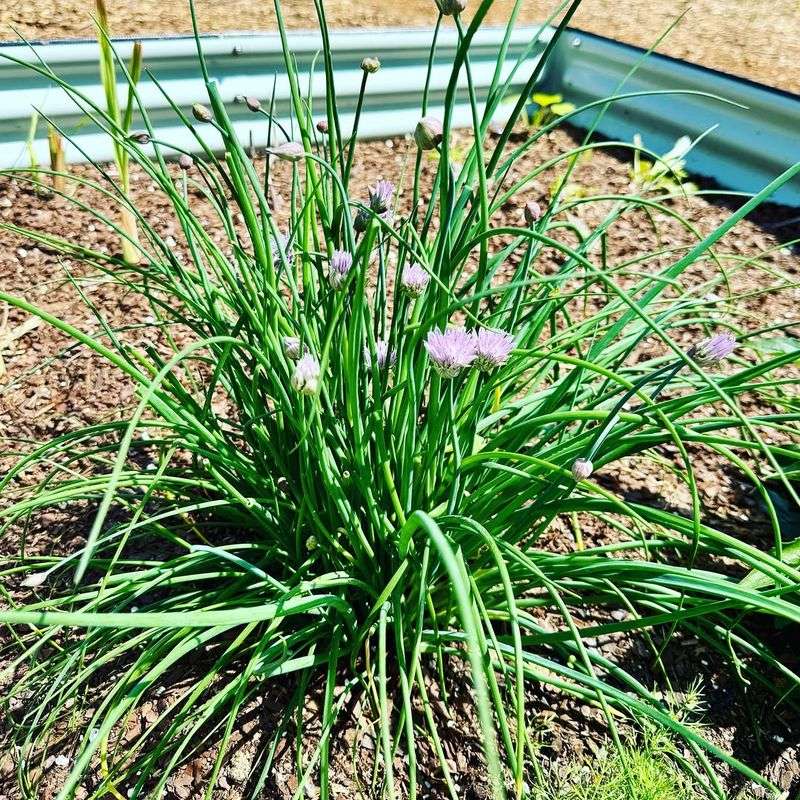
Chives might be small, but they punch way above their weight in the garden. These slender, grass-like herbs pop back up every spring in Michigan without any fuss, spreading slowly into fuller, more productive clumps over time.
They are one of the earliest herbs to emerge after winter, often showing up while there is still a chill in the Michigan air.
Growing chives is about as easy as it gets for a perennial herb. They prefer full sun but tolerate partial shade, and they are not picky about soil as long as it drains well.
Regular watering during dry spells keeps them looking lush and green, and occasional division every few years helps them stay productive. Chives rarely need fertilizing if your soil has decent organic content.
The real bonus with chives is how useful they are in the kitchen. Snip them fresh over eggs, soups, salads, baked potatoes, and cream cheese for an instant burst of mild onion flavor.
The pretty purple flowers that bloom in late spring are also edible and look beautiful sprinkled over dishes.
Michigan gardeners love chives because they take up very little space, ask for almost nothing in return, and deliver fresh flavor from May all the way through October. Planting them once truly is all it takes.
4. Egyptian Walking Onion (Allium x proliferum)
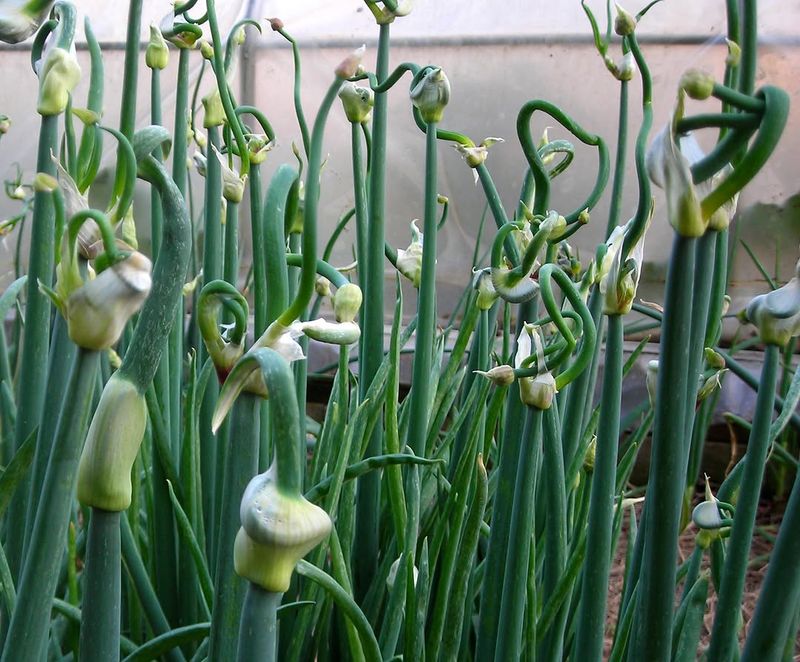
Egyptian Walking Onions have one of the most fascinating tricks in the plant world. Instead of producing flowers that turn to seeds, these unusual onions grow clusters of small bulblets right at the tops of their stalks.
When those bulblets get heavy enough, the stalk bends toward the ground, and the bulblets plant themselves, which is exactly how the plant earns its quirky name.
This self-replanting habit makes Egyptian Walking Onions a dream crop for Michigan gardeners who want a hands-off approach. They are extremely cold-tolerant, surviving Michigan winters without any protection or special care.
Once you plant a few, they slowly walk and spread across your garden bed, multiplying on their own season after season without you lifting a finger.
Every part of the plant is edible and useful. The green tops work just like scallions and can be harvested throughout the growing season.
The underground bulbs have a stronger, more pungent flavor similar to regular onions and can be used in cooking just the same way. The top bulblets are also edible and great pickled or roasted.
For Michigan gardeners looking for a truly self-sufficient crop that never needs replanting, this ancient and clever plant is one of the most rewarding additions you can make to your perennial food garden.
5. Horseradish (Armoracia rusticana)
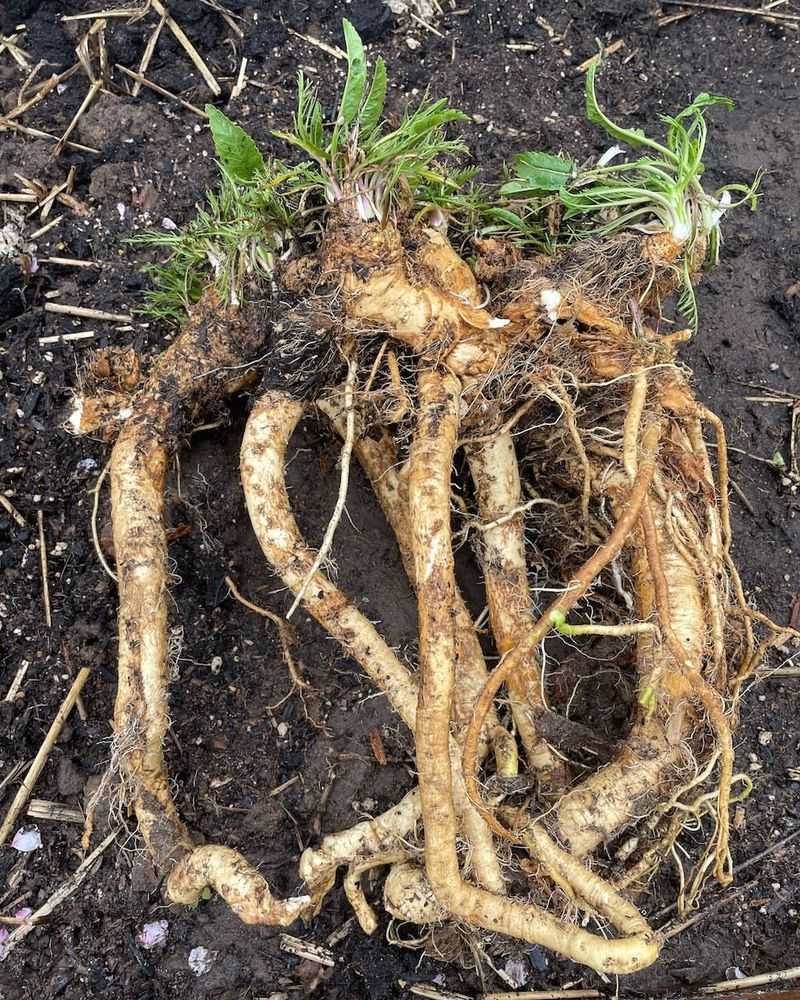
Horseradish is the kind of plant that means business. Once you put it in the ground, it is there to stay, sending down thick, pungent roots that return every single year with remarkable determination.
Michigan’s climate suits it perfectly, since horseradish is tough enough to handle cold winters and bounces back vigorously each spring with minimal care from the gardener. The key thing to know before planting horseradish is that it spreads.
Every small piece of root left in the soil can sprout a new plant the following season, so most experienced Michigan gardeners grow it in a raised bed, a large container, or a clearly defined area with barriers to keep it from taking over the garden.
That said, its enthusiasm is also what makes it so reliable and productive. Harvest horseradish roots in late fall after the first frost, which actually improves the flavor and sharpens that signature heat.
Freshly grated horseradish root is intensely spicy and fragrant, far more powerful than anything from a jar at the grocery store.
It pairs wonderfully with roast beef, fish, and creamy dips. A single planting in your Michigan garden will keep producing for years, giving you a fresh, fiery condiment every autumn without ever needing to buy or replant a thing. It is one seriously low-maintenance perennial.
6. Sorrel (Rumex acetosa)
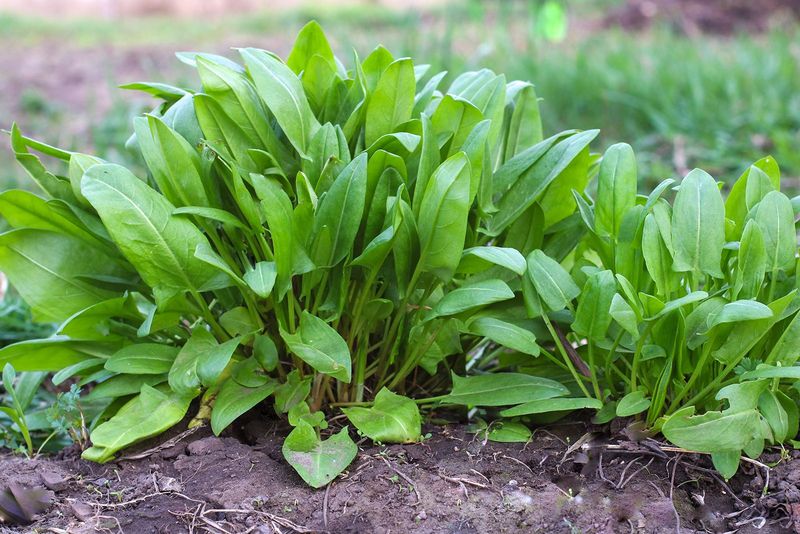
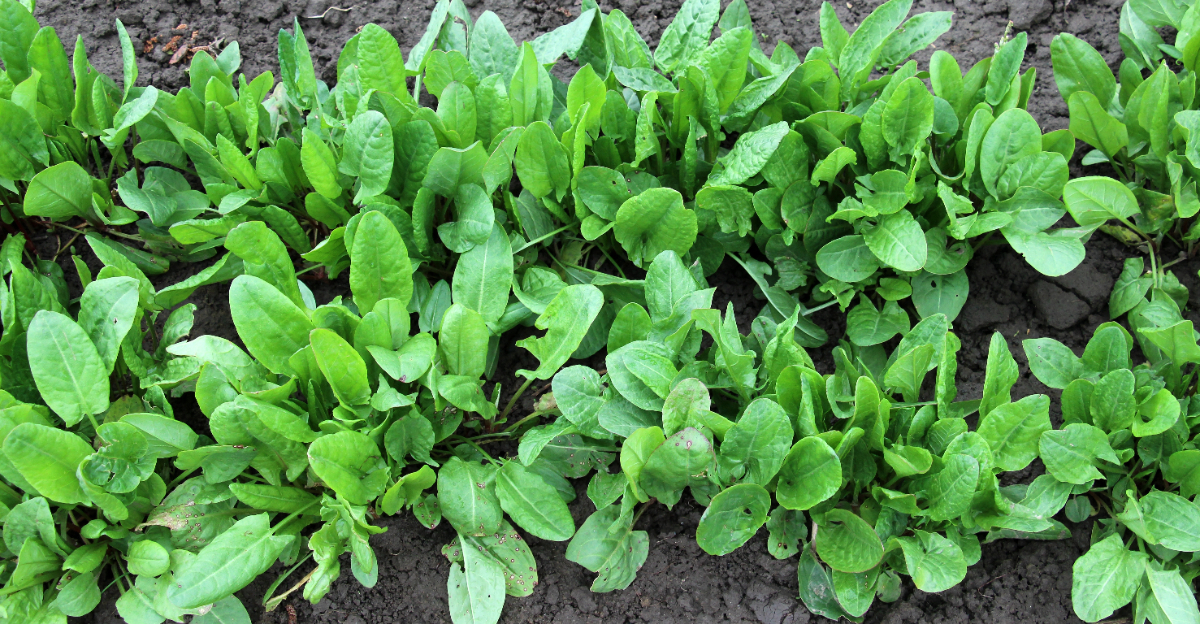
Sorrel is one of those underappreciated gems that experienced gardeners quietly love. It is one of the very first greens to appear in a Michigan garden each spring, pushing up bright, arrow-shaped leaves while most other plants are still dormant.
That early arrival makes it especially valuable when fresh garden produce is still weeks away from being ready.
The flavor of sorrel is bright, lemony, and slightly tangy, which makes it a fantastic ingredient in soups, salads, sauces, and egg dishes.
French sorrel soup is a classic for good reason, and Michigan home cooks who grow it quickly find themselves reaching for it throughout the season.
The more you harvest, the more the plant produces, making it one of the most generous cut-and-come-again perennials you can grow.
Sorrel handles Michigan’s climate with ease, tolerating both cold springs and hot summers without complaint. It prefers full sun to partial shade and grows well in average garden soil with consistent moisture.
Established plants develop deep roots that help them survive winter and return reliably the following spring. Over time, sorrel clumps grow larger and more productive, rewarding gardeners who simply let them settle in.
For anyone wanting a nutrient-rich leafy green that comes back year after year across Michigan, sorrel is an easy and delicious choice worth adding right away.
7. Jerusalem Artichoke (Helianthus tuberosus)
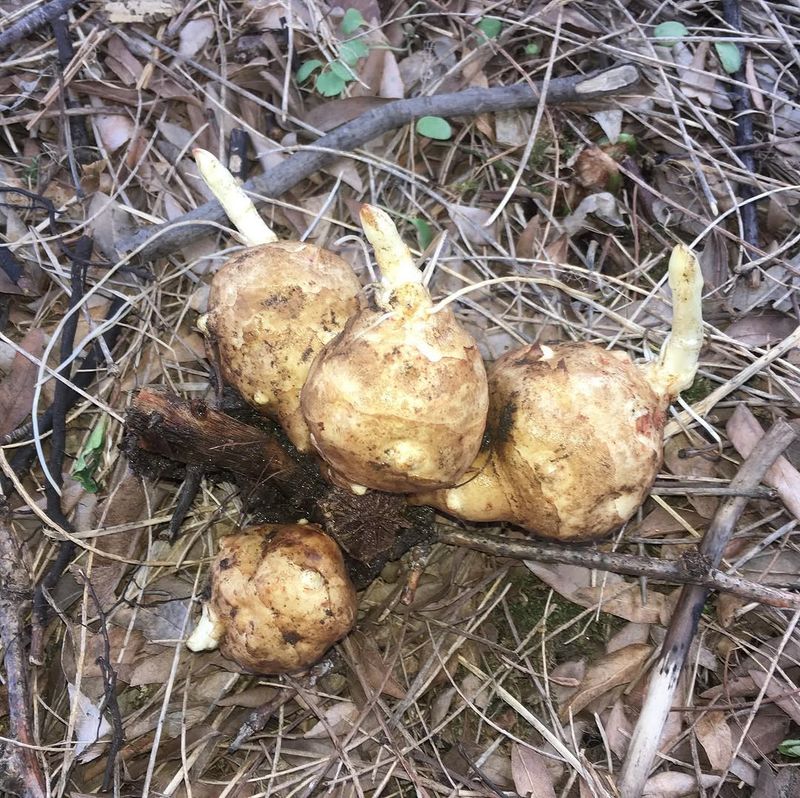
Here is a fun fact that surprises most people: Jerusalem artichokes are not from Jerusalem, and they are not really artichokes.
They are actually a native North American plant, a close relative of the sunflower, and they have been growing across the Great Lakes region long before Michigan became a state.
This deep-rooted heritage means they are perfectly adapted to thrive in the state’s soil and climate.
Jerusalem artichokes grow tall, sometimes reaching eight to ten feet, and produce cheerful yellow flowers that look just like small sunflowers in late summer.
Underground, the plants form clusters of knobby, potato-like tubers that are nutty, slightly sweet, and incredibly versatile in the kitchen.
You can roast them, mash them, slice them raw into salads, or use them in soups for a rich, earthy flavor.
One important heads-up for Michigan gardeners: Jerusalem artichokes spread aggressively if left unchecked.
Any tuber left in the ground will sprout a new plant the following spring, which is great for a continuous harvest but can become overwhelming in a small garden. Growing them in a dedicated bed or along a fence line helps keep them manageable.
Once established, they essentially take care of themselves, returning every year without replanting and producing an abundant underground harvest that most people never even knew was possible.
8. Mint (Mentha spp.)
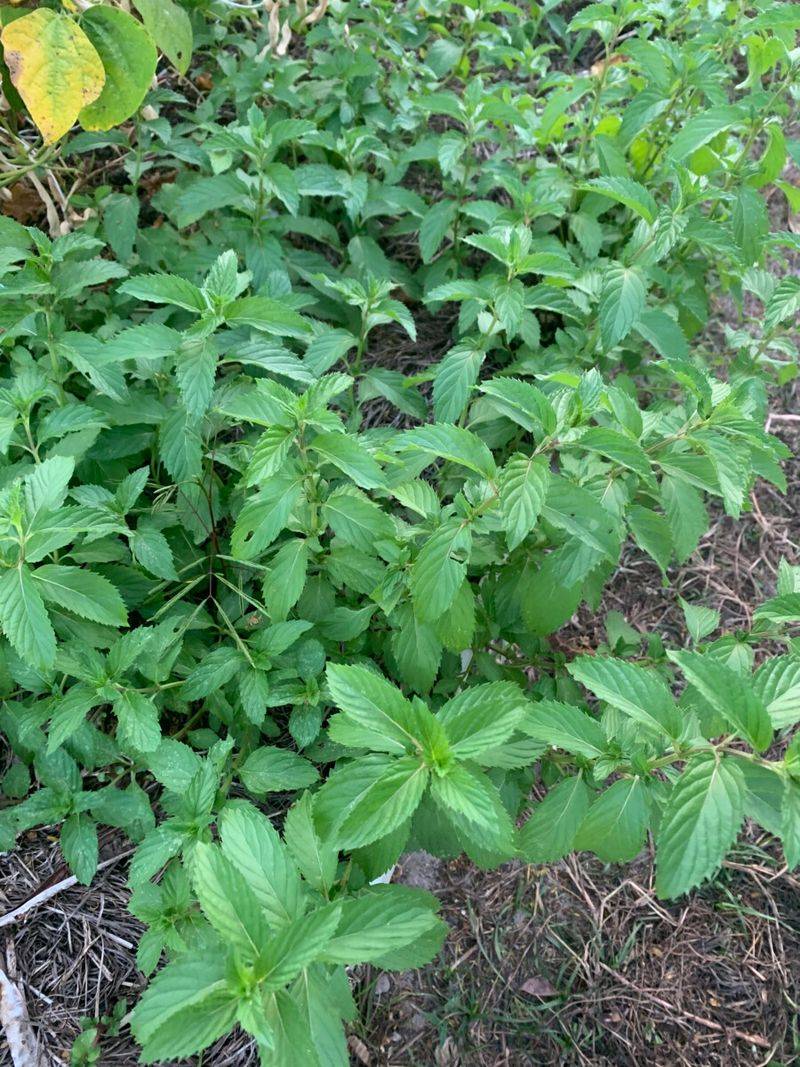
Mint is the garden’s overachiever, and Michigan gardeners know it well. Plant it once, give it a little water and sunshine, and it will reward you with more fresh, fragrant leaves than you will ever know what to do with.
Mint spreads through underground runners called rhizomes, which means it can quickly take over a garden bed if planted directly in the ground without any containment.
The smartest approach most Michigan gardeners use is planting mint in containers or buried pots to keep those enthusiastic roots in check. A large terracotta pot or a five-gallon planter works perfectly and still allows the plant to grow lush and full.
Even in containers, mint survives Michigan winters with minimal protection, coming back fresh and fragrant every spring without missing a beat.
The culinary uses for fresh mint are almost endless. Stir it into lemonade, muddle it into cocktails, toss it into salads, blend it into sauces, or use it to make a soothing cup of herbal tea on a cool Michigan evening.
Spearmint, peppermint, and chocolate mint are all popular varieties that grow well here, each with its own distinct scent and flavor.
Regular harvesting actually encourages bushier, more productive growth, so the more you pick, the better the plant performs all season long. It is truly a gift that keeps on giving.
9. Lovage (Levisticum officinale)
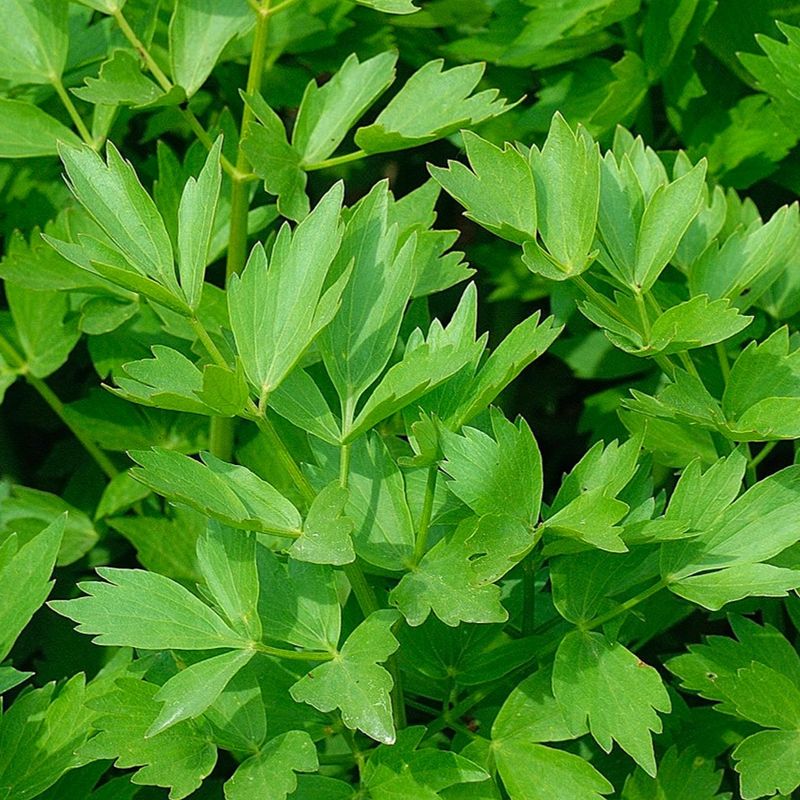
Not many Michigan gardeners have heard of lovage, but those who grow it become instant fans. Lovage is a bold, architectural perennial herb that tastes remarkably like celery but grows far more easily and returns every spring without any replanting.
Once established, a single lovage plant can reach five to six feet tall, making it one of the most dramatic herbs in any backyard garden.
Every part of lovage is edible and useful. The leaves can replace celery in soups, stews, and salads, adding a deep, savory flavor that holds up beautifully in cooked dishes.
The hollow stems can be used as natural drinking straws for tomato juice or Bloody Marys, which is a fun and practical use that always impresses guests. The seeds work as a seasoning similar to celery seed and are wonderful in bread, cheese, and pickling recipes.
Lovage prefers a sunny to partially shaded spot with moist, rich soil, and it handles Michigan winters without any trouble once its roots are established.
It tends to go dormant after setting seed in midsummer, but cutting it back hard often encourages a fresh flush of new growth before fall arrives.
For gardeners across Michigan who want a unique, productive, and virtually maintenance-free herb that earns its space in the garden every single year, lovage is an extraordinary plant that deserves far more attention than it currently gets.