What To Do With Peonies In May In Texas For Better Blooms
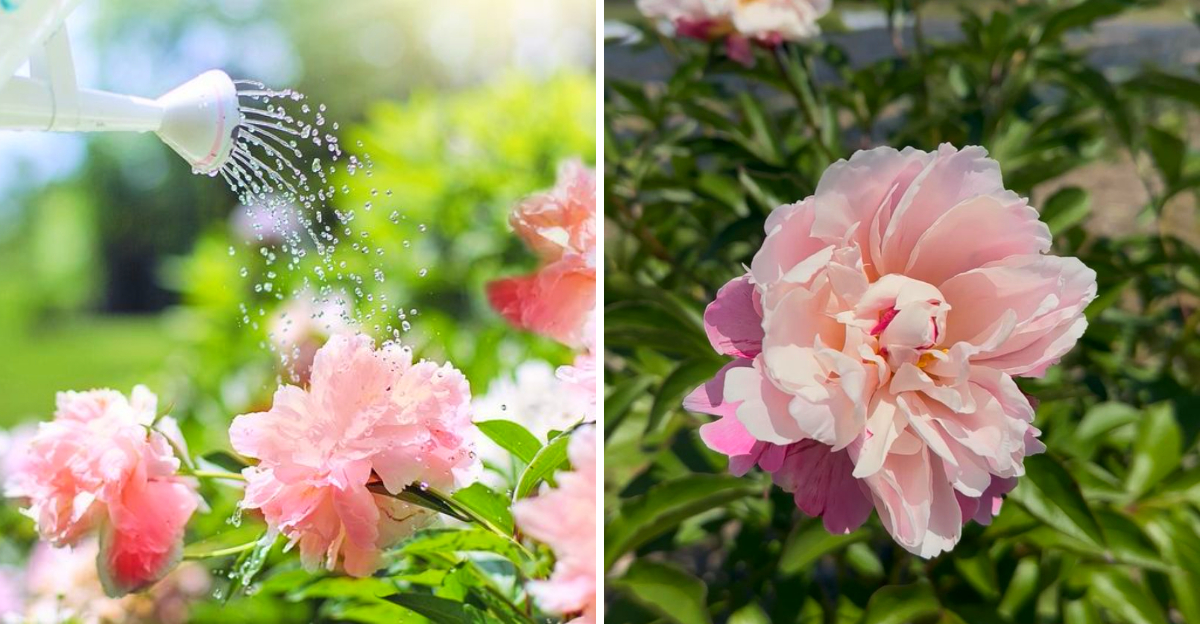
May is when peonies in Texas start sending a very clear message: spring is over, and the real challenge is on the way.
Those gorgeous blooms that stole the show a few weeks ago are fading, the afternoons are heating up, and your peony is about to trade flower power for survival mode.
Texas does love to keep gardeners humble. That is exactly why May matters so much.
This is the moment when smart care can make a real difference in how well your plant handles the long warm stretch ahead.
Bigger blooms next year usually come from steady habits now, not a dramatic last-minute rescue mission.
A little cleanup, careful watering, and some attention to heat and foliage can go a long way. Peonies may be a little fussier in Texas than they are in cooler places, but that just makes every good bloom feel extra satisfying.
And honestly, a flower that pretty is allowed to be a little demanding.
1. Texas Peonies Need Realistic Expectations
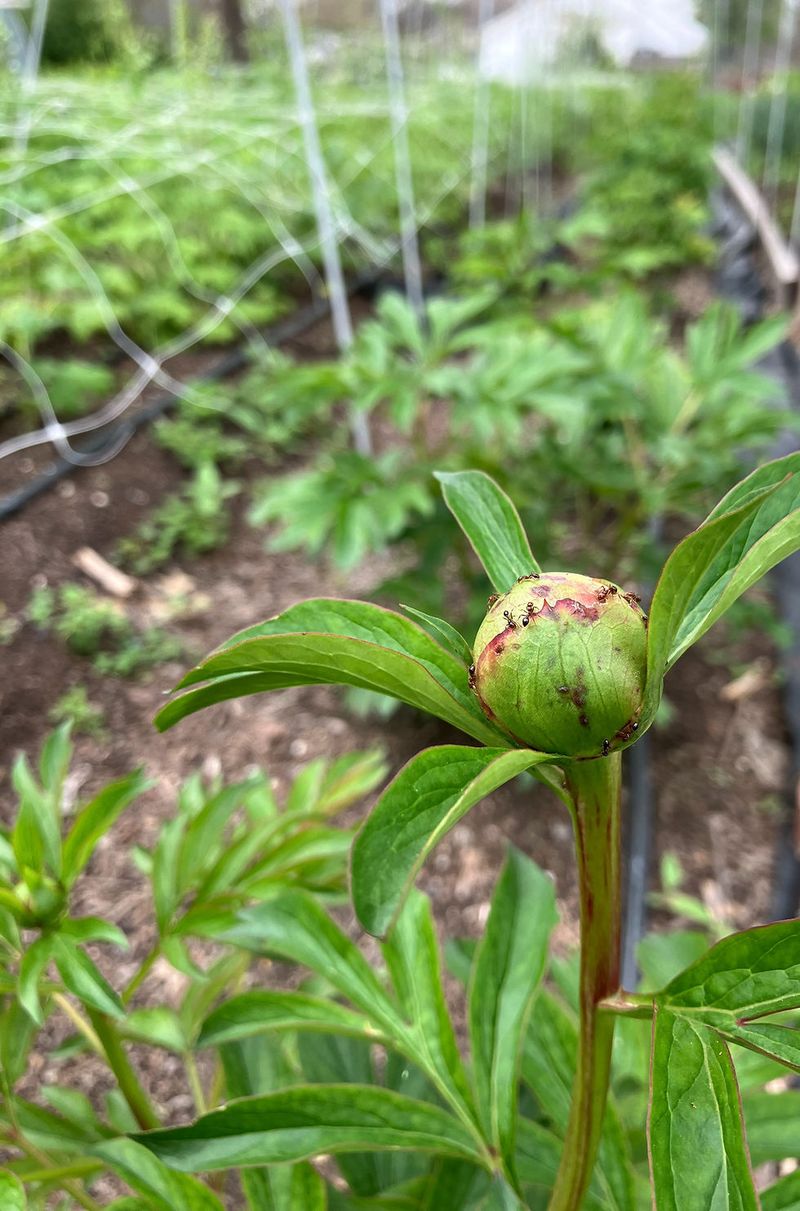
Growing peonies in Texas is genuinely rewarding, but it helps to go in with clear eyes about what the climate can and cannot support.
Unlike gardeners in the upper Midwest or Pacific Northwest, Texas gardeners are working with warmer winters, shorter chill periods, and summer heat that sets in earlier than most peonies prefer.
That combination can make a real difference in how well plants bloom from year to year.
Peonies need a certain number of cold hours during winter to set buds properly for the following spring.
In many parts of Texas, especially in the southern and coastal regions, those chill hours can fall short of what most traditional peony varieties require.
North Texas tends to offer more reliable chill, which is why gardeners there often see better results.
May is also a good time to take stock of how your plants performed this season. If blooms were sparse or smaller than expected, that does not mean the plants are failing.
It may simply mean conditions were not ideal that particular winter. Keeping a simple garden journal noting bloom dates, temperatures, and plant health can help you spot patterns over time.
Realistic expectations, combined with consistent care, give Texas peonies the best possible chance to thrive each spring season.
2. Deadheading Helps After Bloom
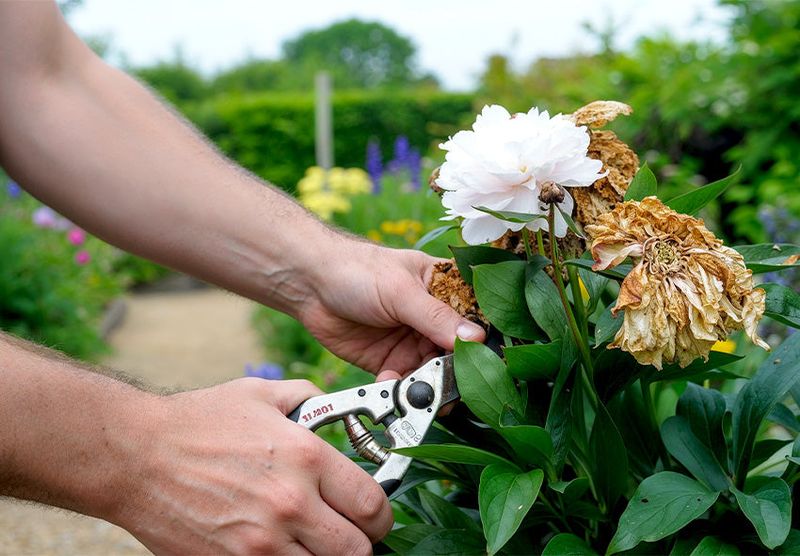
Once those gorgeous blooms have finished, the petals start to brown and droop, and it can be tempting to just leave them alone. However, removing spent flowers promptly is one of the most useful things you can do for your peonies in May.
Deadheading redirects the plant’s energy away from seed production and back toward building stronger roots and healthy foliage for the rest of the season.
The process is straightforward. Use clean, sharp pruners or scissors and snip the faded flower head off just below the bloom, leaving the stem and leaves intact.
Avoid cutting back the entire stem at this point, since the foliage still plays an important role in feeding the plant through photosynthesis all the way until fall. Removing leaves too early can weaken the root system heading into next year.
Your Texas Garden Changes Every Week. Your Plan Should Too.
Gardening in Texas changes quickly throughout the season. Every Friday you’ll receive a simple weekly plan showing exactly what to plant, prune, fertilize, harvest, and protect so you never miss the right timing.
In Texas, where the transition from spring to summer heat happens quickly, deadheading also helps reduce the chance of fungal issues.
Old, wet petals sitting on the plant or on the soil around it can encourage botrytis and other moisture-related problems, especially during humid spring weather.
Keeping the plant tidy after flowering is a small habit that pays off with healthier growth and potentially better bloom performance the following spring season.
3. Leaves Need To Stay After Flowering
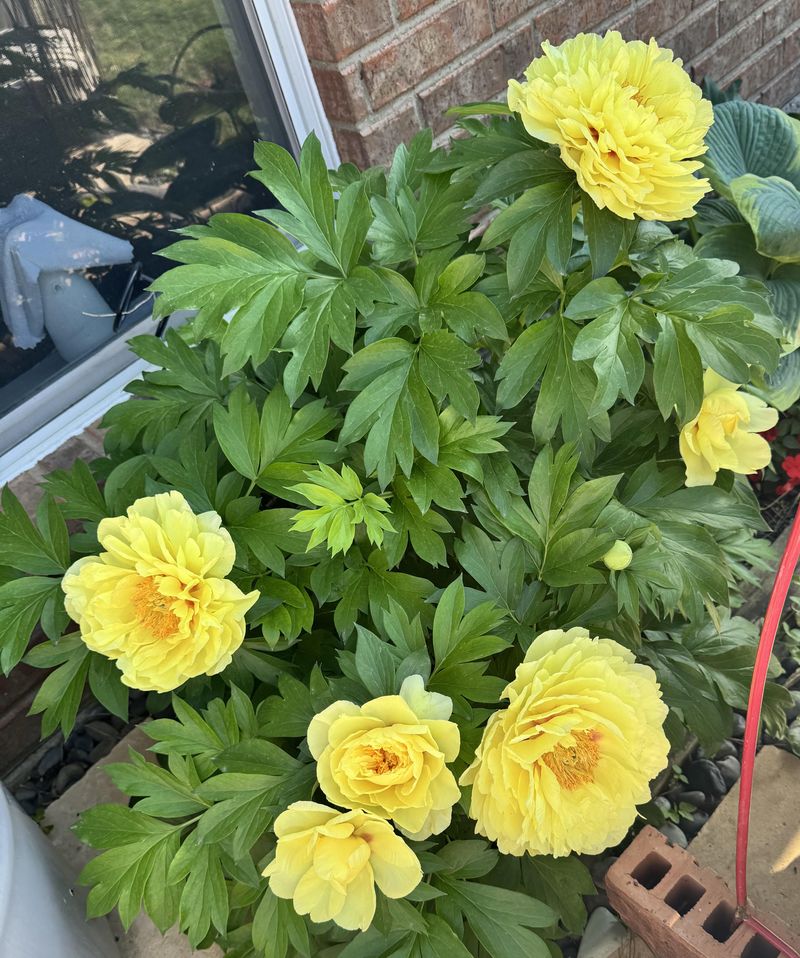
After the flowers are gone, the leafy green growth that remains on peony plants might not look very exciting, but it is doing essential work.
Peony foliage acts like a solar panel for the root system, capturing sunlight and converting it into the energy reserves the plant needs to survive summer, go dormant in fall, and push out blooms again next spring.
Cutting the leaves back too soon is one of the more common mistakes Texas gardeners make after bloom season ends.
The foliage should stay on the plant until it begins to yellow and whither away naturally in the fall, which in Texas can happen anywhere from October into November depending on the location and the season.
Letting the leaves do their work through the long Texas summer gives the roots time to build up enough stored energy for strong bud development during the following growing cycle.
Some gardeners feel the urge to tidy up the garden bed by cutting everything back after flowering, but with peonies, that impulse can cost you next year’s blooms. If the foliage looks a bit ragged by midsummer, that is fairly normal in Texas heat.
You can tuck the plants behind other late-season perennials or ornamental grasses to keep the garden looking neat without sacrificing the leaves your peonies genuinely need to recover and rebuild.
4. Afternoon Shade Helps In Texas Heat
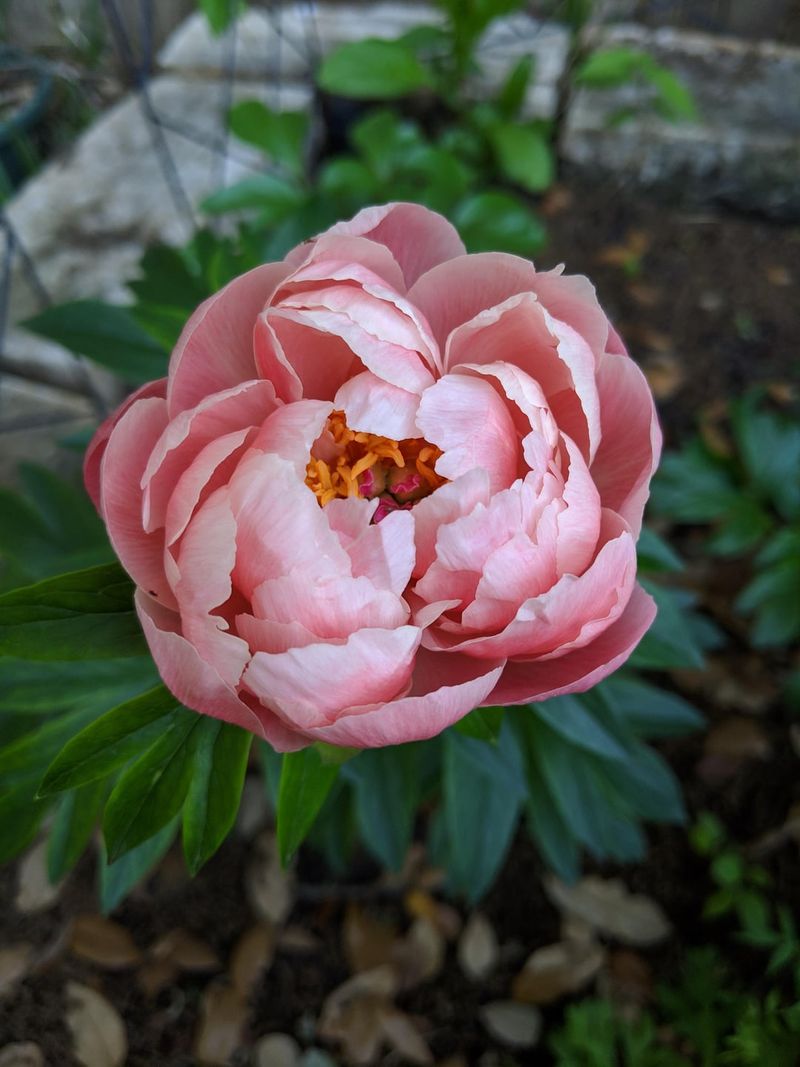
By mid-May in Texas, afternoon temperatures are already climbing into the upper 80s or even the low 90s in many parts of the state.
That kind of heat is hard on peonies, which generally prefer cooler conditions and tend to struggle when exposed to intense afternoon sun day after day.
Providing some afternoon shade can make a meaningful difference in how well your plants hold up through the warmer months ahead.
Morning sun is generally fine for peonies and actually helps dry any morning dew off the foliage, which can reduce fungal issues. The trouble usually starts in the afternoon, when the sun is at its most intense.
Planting peonies on the east side of a fence, building, or larger shrub so they receive shade after noon is a practical approach for Texas gardens. Existing trees with high canopies can also offer helpful filtered light without blocking air circulation.
If your peonies are already planted in a full-sun spot and you have noticed them looking stressed or wilted by afternoon, temporary shade cloth rated around 30 to 40 percent can offer some relief during the hottest weeks.
Relocating established peonies is an option in fall if the current site is clearly too sunny, but mid-May is not the right time to move them.
Focus on shade solutions now and plan any changes for the cooler season ahead.
5. Deep Watering Matters As Heat Builds
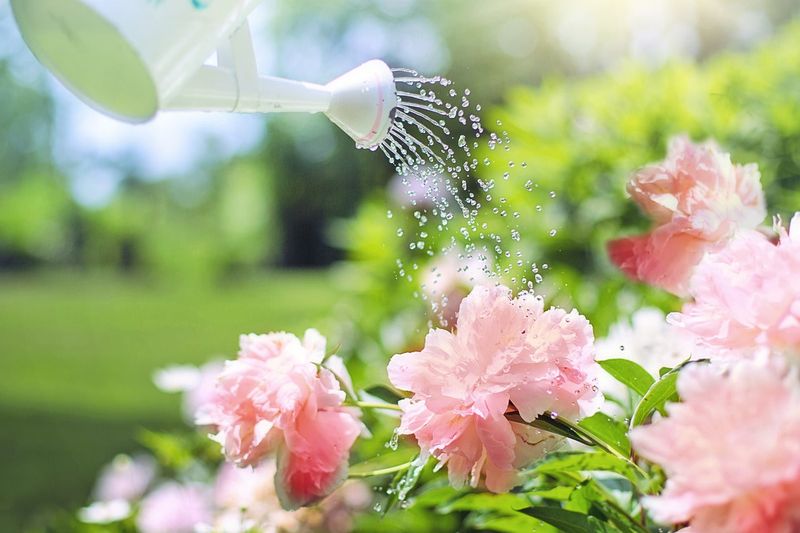
Watering habits that worked fine in March and April may not be enough once May heat sets in across Texas.
As temperatures rise and soil moisture evaporates more quickly, peonies need consistent, deep watering to keep their root systems hydrated and healthy.
Shallow, frequent watering can encourage roots to stay near the surface, where they are more vulnerable to heat and drought stress.
A better approach is to water deeply but less often, allowing the water to penetrate several inches into the soil before the next watering cycle.
Drip irrigation or soaker hoses work well for peonies because they deliver moisture directly to the root zone without wetting the foliage.
Wet leaves, especially in humid conditions, can increase the risk of fungal disease, which is already a concern in parts of Texas during late spring.
Checking the soil before watering is a good habit to build. If the top inch or two of soil still feels moist, the plant likely does not need more water yet.
If it feels dry and crumbly, it is time to water.
Mulching around the base of the plant with two to three inches of organic mulch can help the soil retain moisture longer between watering sessions, which is especially helpful in Texas where May temperatures can swing significantly from week to week.
6. Too Much Nitrogen Can Reduce Blooms
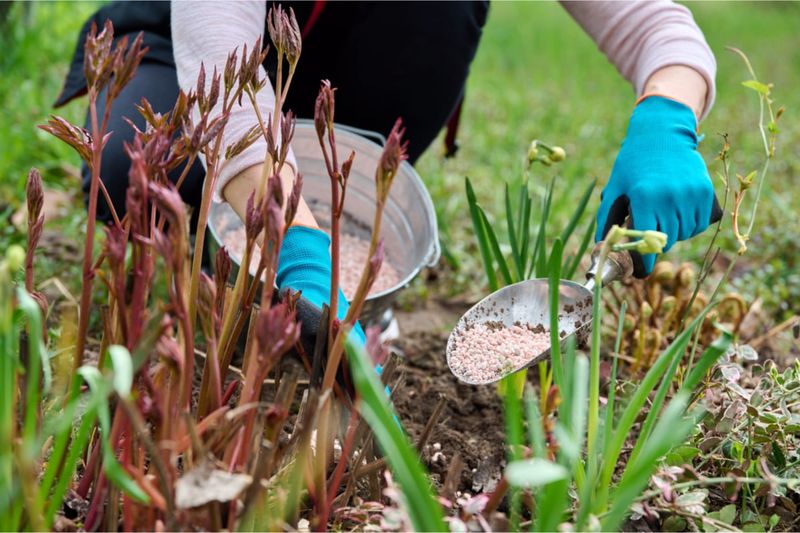
Fertilizing peonies feels like a natural way to encourage better blooms, but the type of fertilizer matters just as much as the timing.
Applying a nitrogen-heavy product in May can push the plant into producing lots of lush green foliage at the expense of flower buds.
That kind of vegetative growth might look impressive, but it does not translate into better blooms the following spring.
Peonies generally respond better to a fertilizer that is lower in nitrogen and higher in phosphorus, which supports root development and flower bud formation.
A balanced slow-release formula applied lightly in early spring, before or just as growth begins, is a common recommendation.
By May, when blooming is winding down in Texas, heavy fertilizing is usually not necessary and can sometimes do more harm than good.
If you did not fertilize earlier in the season, a light application of a low-nitrogen, phosphorus-forward fertilizer worked gently into the soil around the plant can still be helpful in early May.
Avoid fertilizing late in the month when heat is building, since stressed plants in warm conditions may not respond well to fertilizer at all.
Soil testing through your local county extension office can give you a clearer picture of what your specific garden soil actually needs before you add anything to it.
7. Good Drainage Helps In Warm Conditions
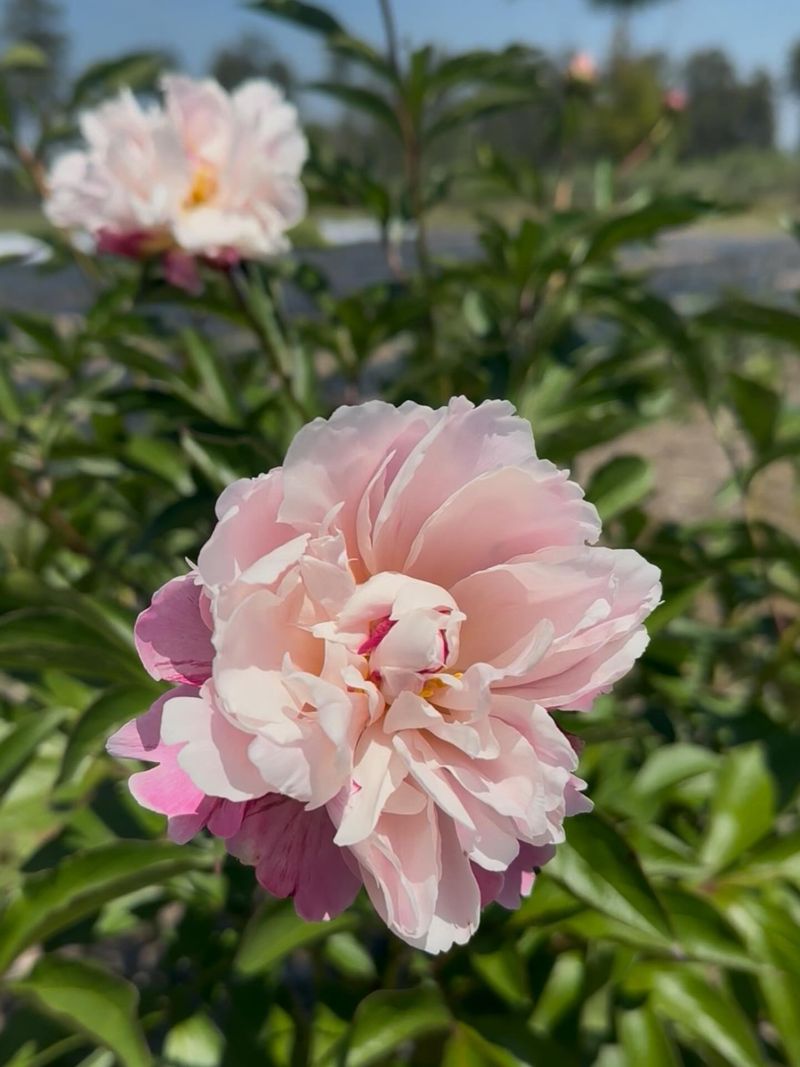
Waterlogged soil is one of the quickest ways to run into trouble with peonies, and that risk becomes even more relevant in Texas during May when spring rain events can be intense and unpredictable.
Peonies planted in soil that holds water too long around the crown and roots can develop rot and other problems that affect plant health for seasons to come.
Good drainage starts with soil preparation. Adding organic matter like compost to heavy clay soils can improve their structure and help water move through more efficiently.
Raised beds are another option that many Texas gardeners use successfully, since they allow better control over soil composition and drainage than in-ground planting in native clay.
Positioning peonies on a slight slope or in a spot that naturally sheds water after rain can also help.
Mulching around the base of the plant helps in multiple ways, retaining moisture during dry spells while also buffering the soil from extreme temperature swings.
However, mulch should not be piled directly against the crown of the plant, since that can trap moisture and encourage crown rot.
Keeping a small gap between the mulch and the base of the plant is a simple precaution.
In Texas, where May weather can shift between dry heat and heavy thunderstorms within the same week, well-draining soil gives peonies a more stable foundation to work from.
8. Variety Choice Still Matters In Texas
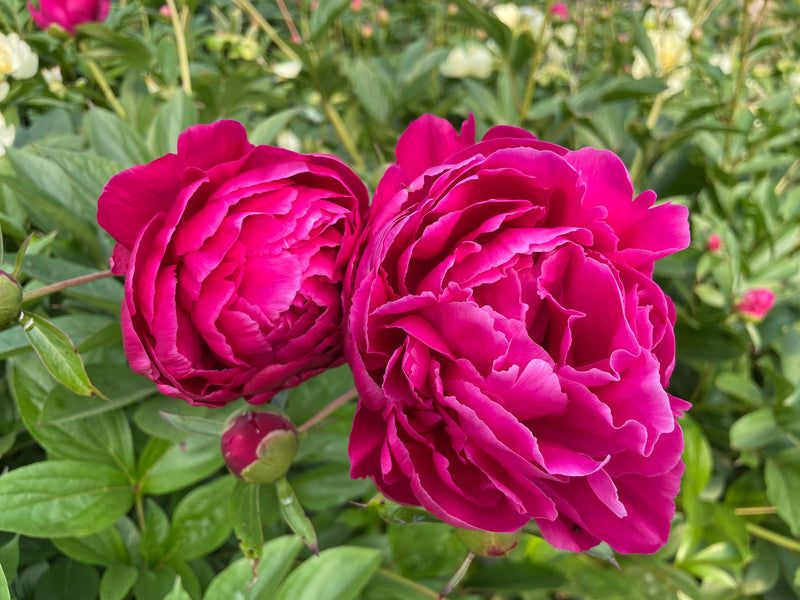
Not every peony variety handles Texas conditions equally well, and variety selection can have a bigger impact on bloom success than almost any other single factor.
Herbaceous peonies are the most commonly grown type, and among them, some cultivars have shown better adaptability to lower chill hour environments than others.
Intersectional peonies, sometimes called Itoh peonies, have also drawn attention from warm-climate gardeners for their relative heat tolerance compared to standard herbaceous types.
Tree peonies are another category worth considering in Texas. They often require fewer winter chill hours than many herbaceous varieties and can perform reasonably well in parts of the state where winters are mild.
However, they do have their own specific needs around drainage, soil, and siting that gardeners should research before planting.
When selecting varieties for a Texas garden, looking for cultivars that have been noted for lower chill hour requirements or stronger performance in warmer climates is a practical starting point.
Consulting with local Texas Master Gardeners, visiting nearby botanical gardens that grow peonies, or connecting with regional gardening groups can provide real-world insight that goes beyond what catalog descriptions offer.
May is a good time to observe how your current plants performed and to start researching variety options for fall planting, since that is when new peony roots are typically available and best suited for planting in Texas gardens.