What Ohio Gardeners Should Plant In May For A Yard That Looks Full By June

May is when Ohio gardens start waking up in a big way, and honestly, it is hard not to get excited. Beds that looked a little sleepy in April can suddenly turn into blank canvases just begging for color.
One week the yard feels thin and patchy, and the next you are eyeing every flat of flowers at the garden center like it is a grand life decision. Fair enough.
This is one of the best times to fill those empty spots with plants that settle in quickly and make the whole yard look more polished before June even gets comfortable.
The right picks can add fast color, soften bare edges, and make sunny or shady beds feel far more intentional.
That is a pretty good payoff for a May planting trip. If your Ohio yard needs a little boost right now, this is the moment to give it some fresh energy and a fuller, happier look.
1. Pansies Bring Fast Color To Early May Beds
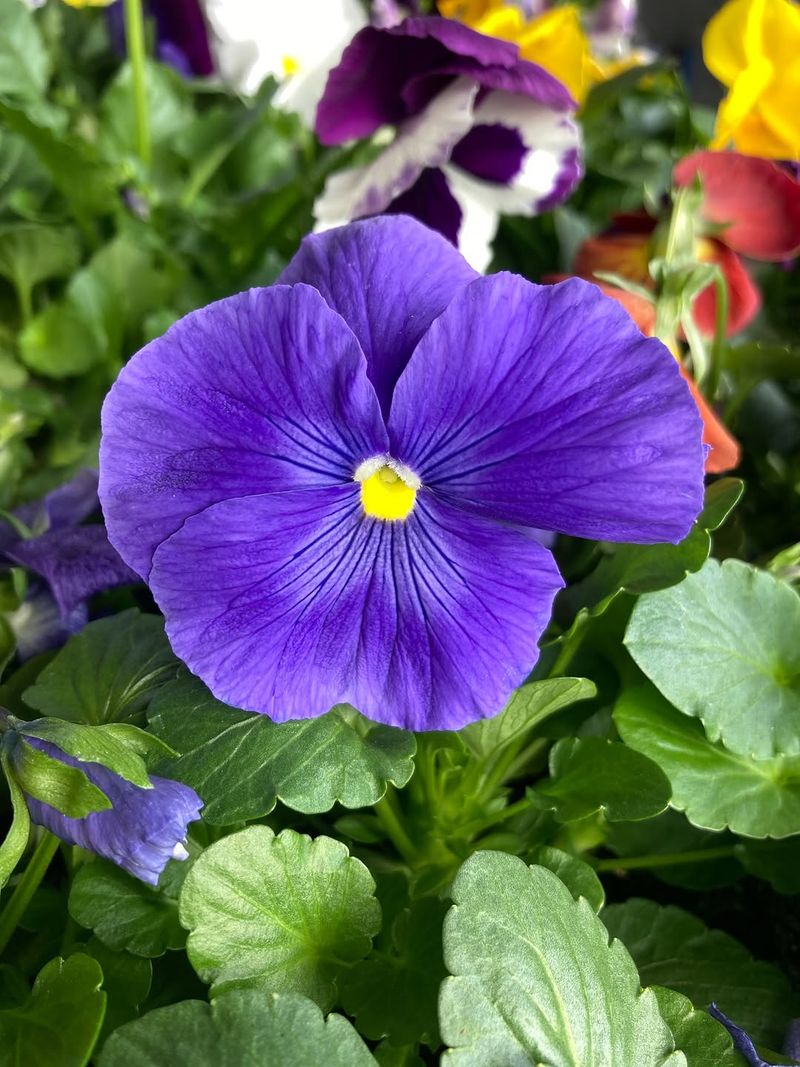
Few bedding plants hit the ground running in Ohio quite like pansies do. While many warm-season flowers are still waiting for the soil to warm up, pansies are already putting on a show in early May beds.
Their cheerful blooms in purple, yellow, orange, and white can make a sparse flower bed look lively almost overnight, which is exactly what many Ohio homeowners are hoping for after a long winter.
Pansies do especially well when planted early in May because they actually prefer cooler temperatures. Ohio springs can still bring chilly nights in early May, and pansies handle those conditions far better than most other bedding plants.
Planting them near walkways, in front of foundation shrubs, or along porch edges gives them a chance to shine before summer heat arrives.
One thing worth knowing is that pansies tend to slow down once summer temperatures climb consistently into the upper 80s. So think of them as your early-season color anchor rather than a long-season performer.
They give Ohio yards a full, polished look right when beds need it most. Deadheading spent blooms regularly helps keep the plants tidy and encourages more flowers during their peak window.
For Ohio gardeners who want fast results in May, pansies are one of the most dependable choices available at local garden centers.
2. Snapdragons Add Height And Fresh Spring Color
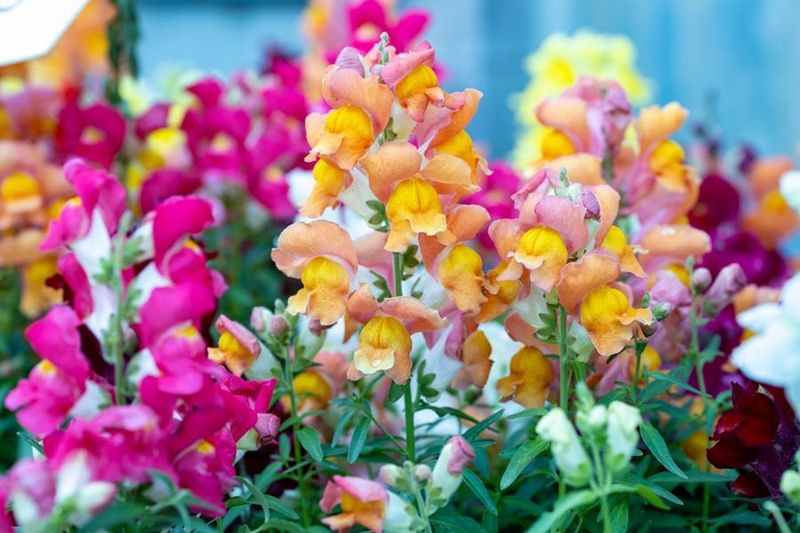
Walking past a bed of snapdragons in full bloom is hard to ignore. Their tall, upright spikes loaded with ruffled flowers add a vertical element that most low-growing bedding plants simply cannot provide.
In Ohio yards that still look flat and unfinished in early May, snapdragons bring structure and height to borders, entry beds, and foundation plantings almost immediately after going in the ground.
Like pansies, snapdragons prefer cooler spring temperatures, which makes them a strong choice for planting in early to mid-May in Ohio.
They can handle light frost without much trouble, so Ohio gardeners do not need to wait until all frost risk is completely gone before putting them in.
Your Ohio Garden Changes Every Week. Your Plan Should Too.
Gardening in Ohio changes quickly throughout the season. Every Friday you’ll receive a simple weekly plan showing exactly what to plant, prune, fertilize, harvest, and protect so you never miss the right timing.
They come in a wide range of colors including red, pink, orange, yellow, white, and bicolor blends, making it easy to work them into almost any color scheme.
Taller snapdragon varieties work well toward the back of a bed or mixed with shorter plants in front of them. Dwarf varieties fit nicely along borders or in containers near entryways.
Regular watering during dry spells and removing spent flower spikes encourages fresh blooms to develop. Snapdragons may slow down during the hottest part of Ohio summers but often rebound when cooler fall temperatures return.
For May planting, they offer reliable early-season color and a visual fullness that helps Ohio yards look more established well before June arrives.
3. Marigolds Bring Bright Color As Beds Fill In

Bold, sunny, and surprisingly tough, marigolds are a classic choice for Ohio gardeners who want reliable color from May through the rest of the growing season.
Their vivid orange, yellow, and gold tones can light up a flower bed in a way few other annuals can match.
Planting them in mid-to-late May, once frost risk has passed in most parts of Ohio, gives them a strong start before summer heat fully sets in.
Marigolds grow quickly once they are in warm soil and good sunlight. Within a few weeks of planting, they begin filling out and producing their first flush of blooms, which helps reduce the bare, patchy look that many Ohio beds still carry in May.
French marigold varieties stay compact and bushy, making them well-suited for borders and front-of-bed placements. African marigold varieties grow taller and work nicely toward the back of a planting area or as a mid-border accent.
One of the most appealing things about marigolds is how low-maintenance they tend to be once established. They prefer full sun and do not need heavy fertilizing to perform well.
Deadheading spent blooms keeps the plants looking neat and encourages continuous flowering.
Marigolds also pair naturally with many other common bedding plants, so mixing them into an Ohio yard alongside petunias, zinnias, or salvia creates a layered, full look that holds up well through the summer months ahead.
4. Petunias Help Bare Spaces Look Fuller Fast
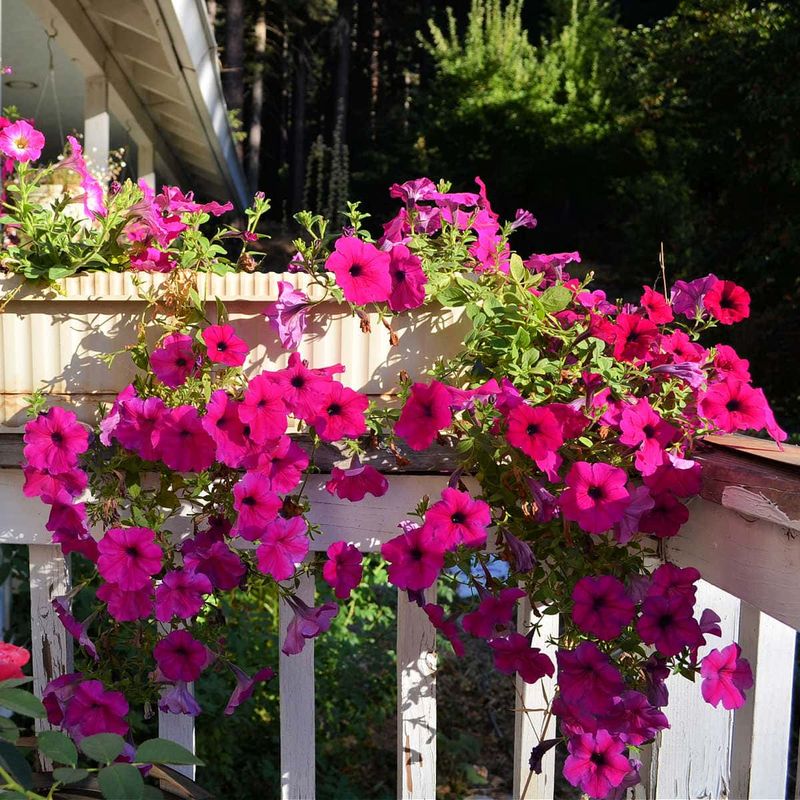
Empty spots in a flower bed can be frustrating after all the work of spring cleanup. Petunias are one of the most reliable ways to fill those gaps quickly, and Ohio gardeners have counted on them for generations to deliver fast, colorful results.
Planted after frost danger has passed in Ohio, usually by mid-to-late May in most areas, petunias establish quickly and begin spreading to cover bare soil within a few weeks.
Spreading or wave-type petunia varieties are especially useful for filling large open spaces. They trail outward from the original planting spot, creating a low, carpet-like effect that makes a bed look full and intentional rather than sparse.
Upright varieties work well in mixed plantings or containers near porches and entryways.
Both types come in an enormous range of colors, from soft lavender and pink to deep purple, red, and bright white, so finding shades that complement an existing yard color scheme is fairly easy.
Petunias do best in full sun and appreciate consistent moisture, especially during dry stretches in the Ohio summer. Pinching back leggy stems mid-season encourages bushier growth and more blooms rather than long, scraggly runners.
A light application of balanced fertilizer every few weeks supports steady growth throughout the season.
For Ohio homeowners who want beds that look noticeably fuller by June, petunias planted in mid-to-late May are one of the most straightforward and satisfying choices available at any local garden center.
5. Impatiens Brighten Shady Spots In A Hurry
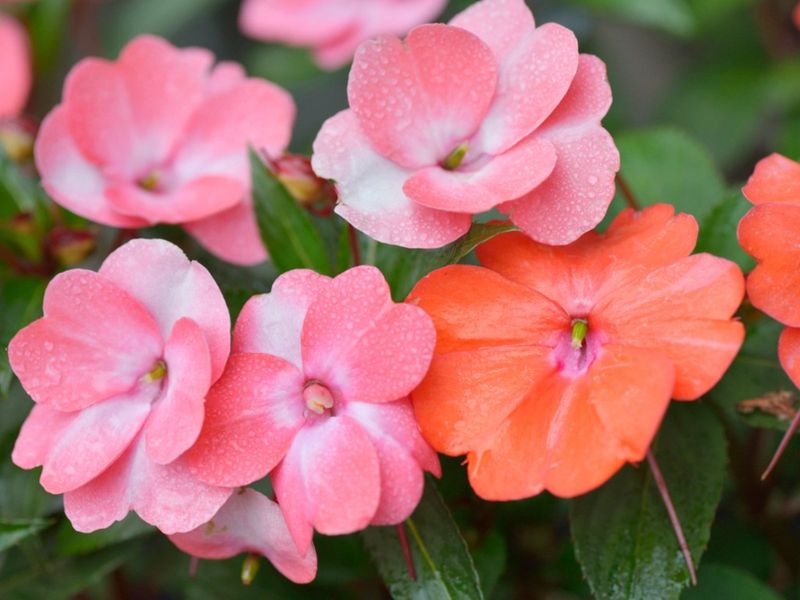
Shady spots in an Ohio yard can be some of the trickiest places to make look full and colorful.
Many popular bedding plants need plenty of sun to perform well, which leaves gardeners with limited options under trees, along north-facing foundations, or beside structures that block afternoon light.
Impatiens step in as one of the most dependable shade-tolerant flowering annuals available, and they can fill a dim corner with color surprisingly fast after a late May planting.
Standard impatiens varieties produce a steady supply of blooms in pink, red, coral, white, lavender, and orange throughout the growing season.
They grow into full, mounded plants that naturally cover bare soil and give shaded beds a lush, well-tended appearance.
Planting them after Ohio frost risk has passed, typically by mid-to-late May, gives them warm soil to establish in and sets them up for strong growth through June and beyond.
Spacing impatiens correctly makes a noticeable difference in how quickly a bed fills in. Planting them about 10 to 12 inches apart gives each plant enough room to spread without crowding, while still covering ground efficiently.
They appreciate consistent moisture and do not do well in dry conditions for extended periods. Mulching around them helps retain soil moisture and keeps roots cooler during warm spells.
For Ohio gardeners with shaded beds that still look bare in May, impatiens offer one of the most straightforward paths to a fuller, more colorful yard by early June.
6. Coleus Fills Beds With Bold Leaf Color
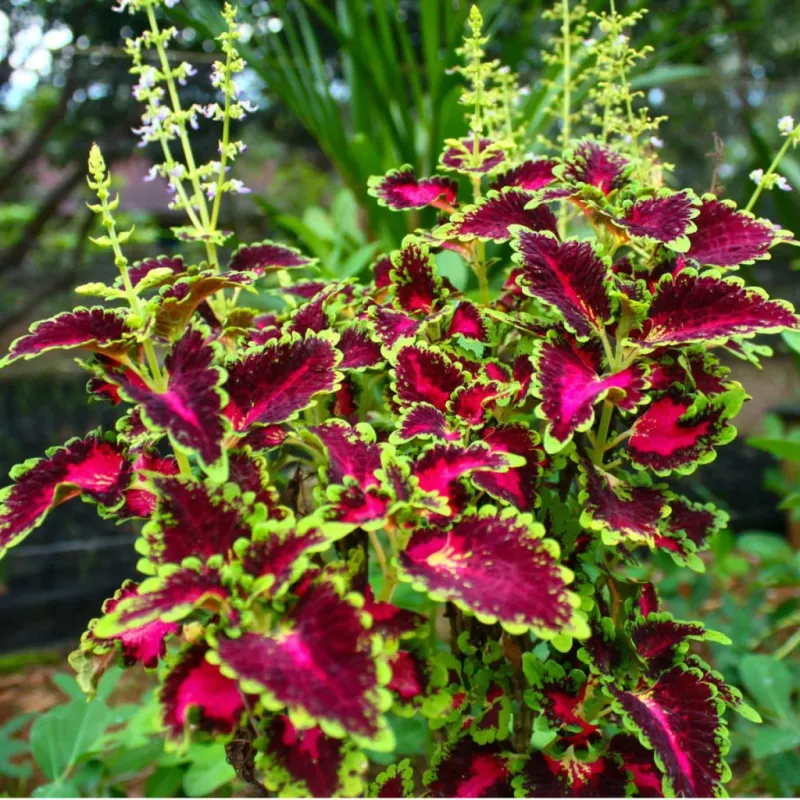
Not every plant earns its place in a garden through flowers, and coleus is proof of that. Its bold, patterned leaves in combinations of red, burgundy, lime green, gold, pink, and near-black give Ohio beds a rich, layered look that flowers alone rarely achieve.
For gardeners who want beds that look full and visually interesting from the moment the plants go in the ground, coleus is worth serious consideration as part of a May planting plan.
Coleus grows well in partial to full shade, though some newer sun-tolerant varieties handle more direct light than older types.
This flexibility makes it useful in a wide range of Ohio yard situations, from deep shade under a maple tree to a partly shaded foundation bed that gets a few hours of morning sun.
Plants establish quickly after a late May planting and begin filling out noticeably within a few weeks as temperatures warm up.
One of the most practical things about coleus is that it pairs naturally with flowering plants to create contrast.
Planting it alongside impatiens, begonias, or caladiums adds a layered, intentional look to shaded beds that helps the whole area feel more designed and complete.
Pinching off any flower spikes that develop keeps energy directed toward leaf production and maintains the plant’s full, bushy shape.
For Ohio homeowners looking to add something beyond the usual flowering annuals, coleus brings a distinctive kind of visual energy that makes beds look noticeably fuller by June.
7. Wax Begonias Keep Beds Looking Neat And Colorful
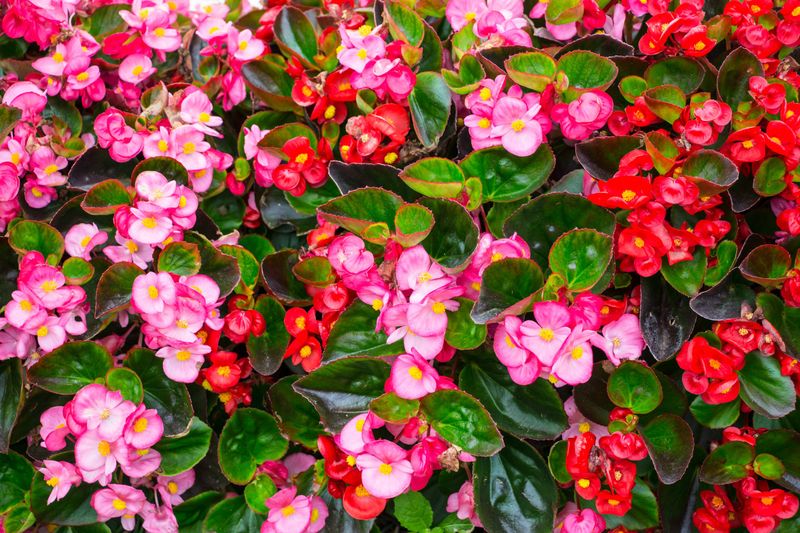
Some plants just have a knack for making a flower bed look well-maintained without requiring much fuss, and wax begonias fall squarely into that category.
Their compact, rounded shape, glossy leaves, and steady supply of small blooms give Ohio beds a clean, polished appearance from the time they are planted through the rest of the growing season.
For front yard beds, entry plantings, and borders where a tidy look matters, wax begonias are a reliable workhorse.
Planted in late May after Ohio frost danger has passed, wax begonias settle in quickly and begin producing their characteristic clusters of red, pink, coral, or white flowers almost immediately.
They are not fussy about soil as long as drainage is reasonable, and they perform well in both full sun and partial shade, which gives Ohio gardeners flexibility when deciding where to use them.
Sun-tolerant varieties with bronze-tinted leaves tend to hold up especially well in brighter spots.
One of the most appealing qualities of wax begonias is that they rarely need deadheading. Old blooms drop off on their own, which keeps the plants looking tidy without extra effort from the gardener.
They do appreciate consistent moisture and benefit from a light fertilizer application every few weeks during the growing season.
For Ohio homeowners who want a no-fuss option that keeps beds looking neat and colorful from late May straight through to fall, wax begonias are one of the most consistently satisfying choices in the bedding plant category.