This Is Why Your Ohio Zucchini Rots Before It’s Ready To Pick
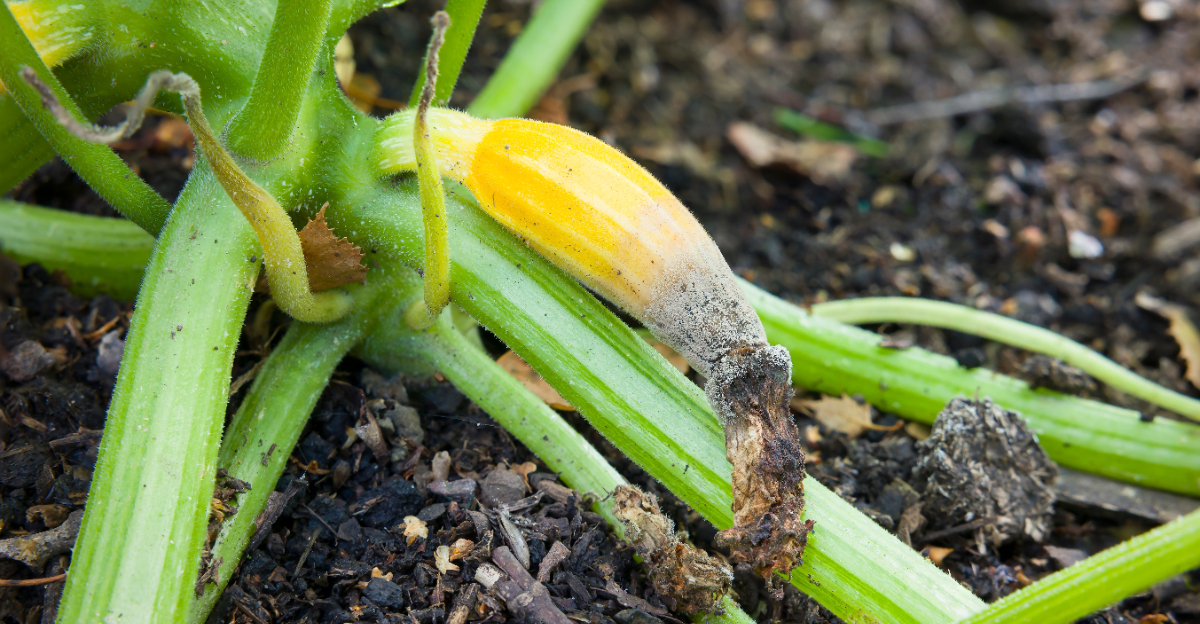
You checked on it two days ago. Small, firm, perfectly promising.
Then life got busy for about 48 hours and now you’ve got a yellow softball rotting on the vine and absolutely no explanation for how it happened that fast. Ohio zucchini growers know this cycle by heart.
The plant looks fantastic, the garden is humming along, and then out of nowhere the fruits start going soft, turning mushy at the blossom end, or just collapsing before you ever get a knife near them. Easy to blame the weather.
Easy to blame bad luck. The real answer, though, is usually quieter than that, a pollination problem, a watering inconsistency, or a soil issue that’s been brewing under the surface for weeks.
Once you understand what’s actually triggering the rot, fixing it is straightforward. This isn’t a crop that requires perfection.
It just requires knowing what it’s trying to tell you.
1. Poor Pollination Leaves Baby Zucchini Doomed From The Start
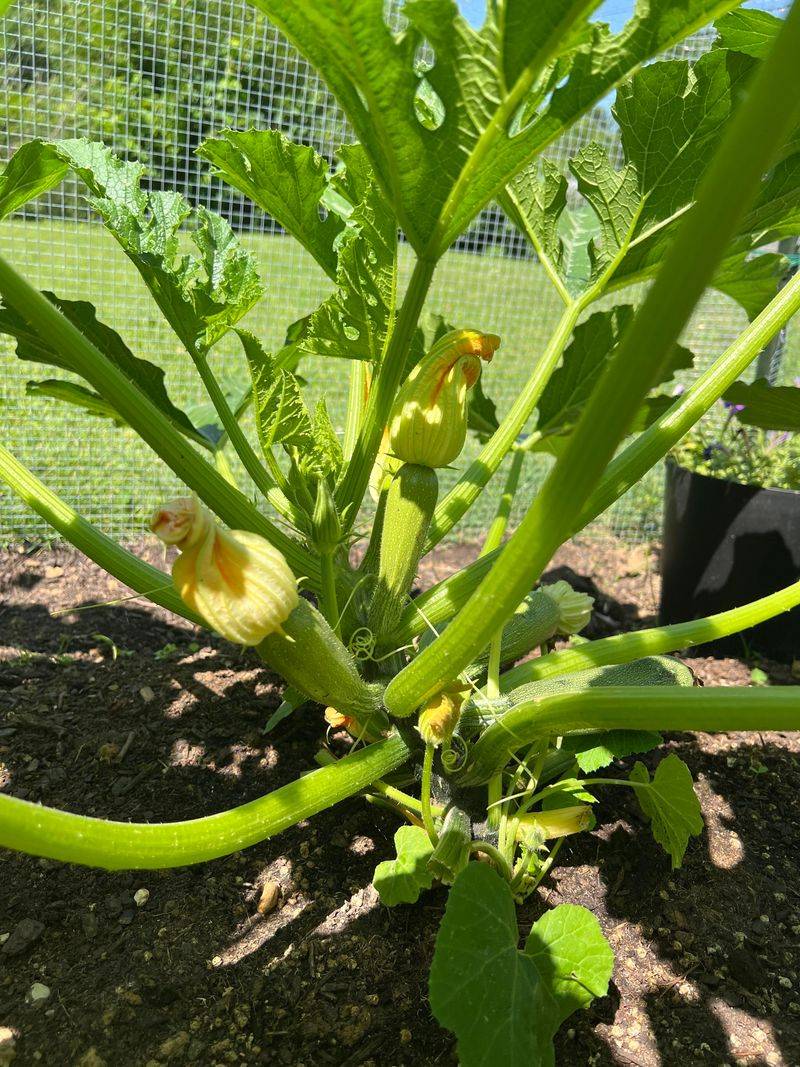
Stepping outside on a quiet Ohio morning, you might spot a cluster of tiny zucchini fruits forming near the base of the plant, looking hopeful and healthy. A day or two later, several of them are already yellowing and going soft at the blossom end.
Incomplete pollination is one of the most common reasons baby zucchini collapses before it ever gets a chance to grow.
Zucchini plants produce separate male and female flowers. The male flowers open first, and bees carry pollen from them to the female flowers, which are the ones with a tiny fruit at the base.
If bees do not visit enough times, or if rainy weather keeps pollinators away for several days, the female flower does not receive enough pollen to develop a full fruit. The result is a zucchini that starts forming but quickly shrivels from the tip inward.
Ohio summers can bring stretches of cloudy, wet weather that reduce bee activity significantly, especially in northern Ohio where cooler nights already slow pollinator movement. Hand-pollination is a simple and effective backup.
Use a small paintbrush or a cotton swab to transfer pollen from an open male flower directly into the center of a female flower early in the morning.
Even healthy Ohio gardens can lose some fruit during poor pollination periods, so do not be discouraged if a few fruits still fail despite your best efforts.
2. Too Much Rain Keeps Flowers From Doing Their Job
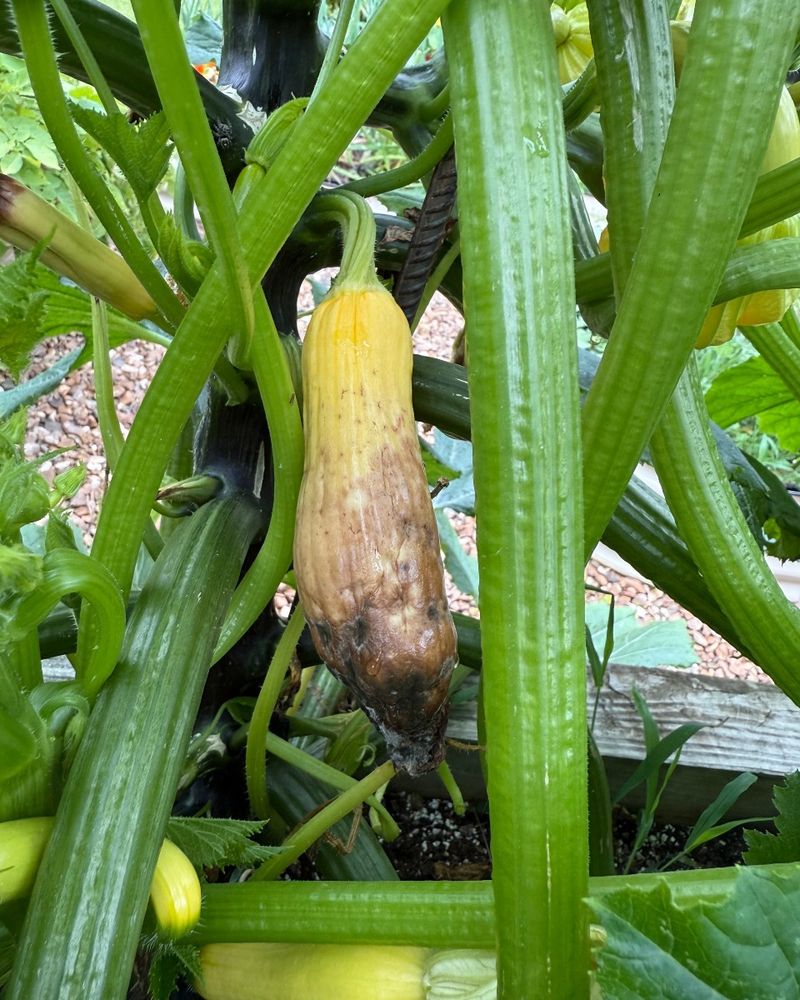
After a week of steady Ohio rain, a backyard gardener might walk out to find zucchini flowers plastered shut, bees nowhere in sight, and a row of tiny fruits already turning soft before they ever had a real chance.
Prolonged wet weather does not just make the garden muddy.
It actively disrupts the pollination process that zucchini depends on to produce healthy fruit.
Bees and other native pollinators stay sheltered during heavy rain, which means female flowers can open and close without receiving a single visit. Zucchini flowers are only receptive for a short window, usually just one morning.
Your Ohio Garden Changes Every Week. Your Plan Should Too.
Gardening in Ohio changes quickly throughout the season. Every Friday you’ll receive a simple weekly plan showing exactly what to plant, prune, fertilize, harvest, and protect so you never miss the right timing.
If rain falls during that window consistently for several days in a row, a significant portion of developing fruit will fail. Ohio’s spring and early summer seasons are notorious for long rainy stretches that frustrate even experienced gardeners.
High humidity compounds the problem by encouraging fungal growth around wet flower tissue, which can cause soft rot to set in at the blossom end even before pollination fully fails.
Central Ohio gardeners dealing with clay soil often find that water pools around plant bases during heavy rain events, keeping moisture levels dangerously high around tender developing fruit.
Raised beds and well-draining soil help reduce moisture stress during rainy periods. Even with good drainage, expect to lose some fruit during extended wet spells.
That is simply part of gardening in Ohio’s variable climate.
3. Cold Spring Nights Slow Zucchini Growth Down
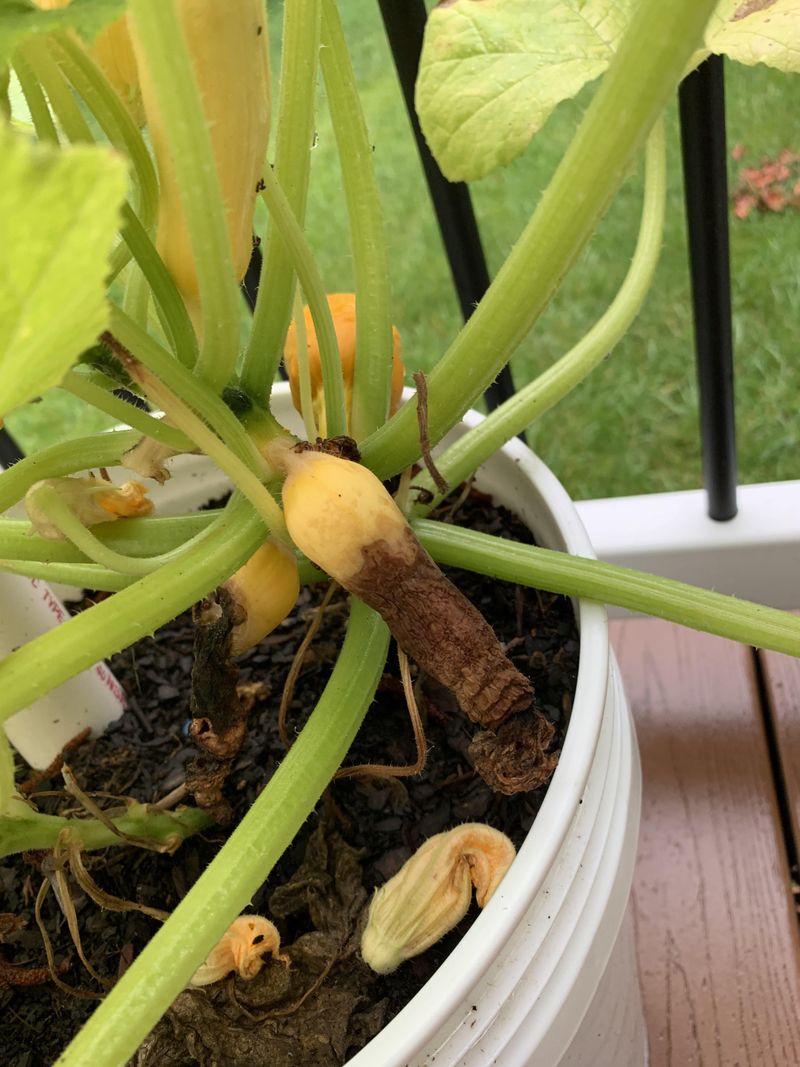
A cold snap in late May can catch Ohio gardeners completely off guard, especially after a stretch of warm days that made it feel like summer had already arrived.
Zucchini is a warm-season crop that genuinely struggles when nighttime temperatures drop below 55 degrees Fahrenheit.
Chilly nights slow nearly every process the plant depends on, from root activity to flower development to fruit set.
When soil temperatures stay cool, zucchini roots cannot absorb nutrients and water efficiently. The plant responds by slowing growth, which means flowers may not develop properly and any fruit that does begin forming may stall out and eventually soften.
Northern Ohio gardeners face this challenge more often than those in southern parts of the state, where warmer temperatures arrive earlier and stay more consistent through the growing season.
Late-spring cold snaps are notoriously unpredictable across Ohio, and a single week of cold nights after transplanting can set a zucchini plant back by two weeks or more. Warming the soil before planting with black plastic mulch helps considerably.
Waiting until soil temperatures reach at least 60 degrees before transplanting or direct seeding reduces cold stress on young plants. Row covers can protect plants during unexpected cold nights without blocking pollinators during the day.
Zucchini planted in genuinely warm soil tends to establish faster, flower more reliably, and produce fruit that actually develops all the way through to harvest.
4. Overhead Watering Invites Rot Around Tender Fruit
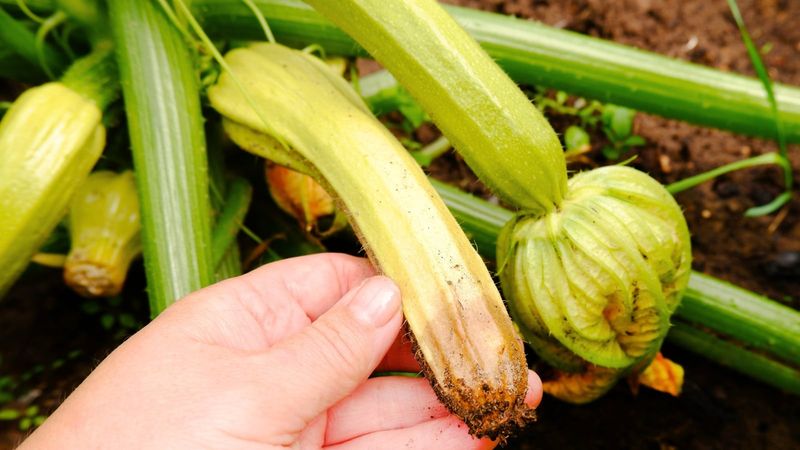
Running a sprinkler over the zucchini bed on a hot afternoon might feel like the right move, but wet foliage and soggy blossoms create exactly the conditions that rot organisms love.
Overhead watering is one of those habits that seems harmless until you start finding soft, mushy spots on fruit that should still have another week before harvest.
Water that lands on leaves, flowers, and developing fruit stays there longer than most gardeners realize, especially during Ohio’s humid summer evenings when air movement slows and temperatures stay warm overnight.
That persistent moisture gives fungal spores a perfect environment to settle in and spread.
Blossoms are especially vulnerable because they trap water in their folds, and a blossom that stays wet for hours can begin breaking down before the fruit beneath it even finishes forming.
Switching to drip irrigation or a soaker hose delivers water directly to the soil around the plant roots without wetting the foliage at all.
If overhead watering is the only option available, doing it early in the morning gives leaves and flowers several hours of daylight to dry out before nightfall.
Southern Ohio gardeners dealing with rapid summer heat swings should pay extra attention to this, since warm humid nights accelerate fungal activity around wet plant tissue.
Keeping the foliage as dry as possible is one of the simplest and most effective ways to reduce rot pressure on developing zucchini.
5. Crowded Leaves Trap Moisture Where Fungi Thrive
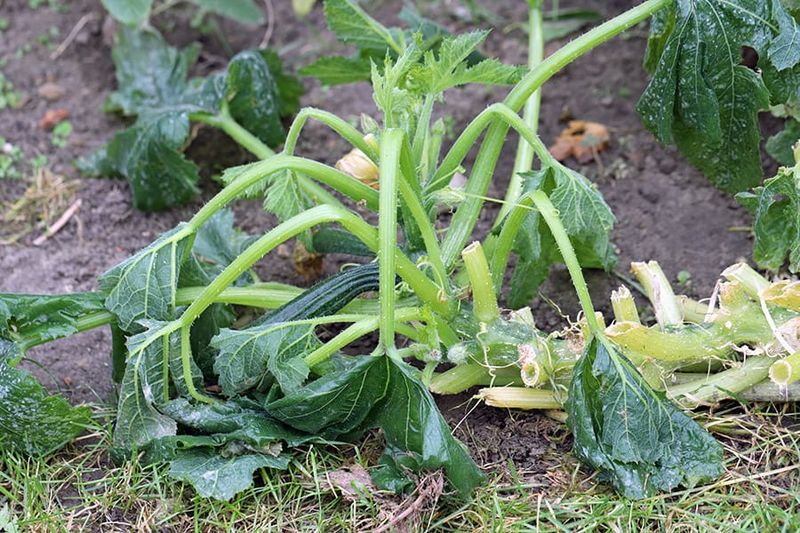
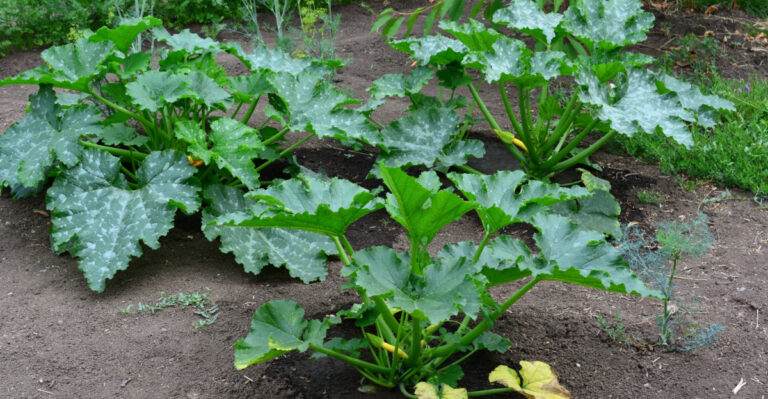
Midsummer in an Ohio garden can turn a zucchini patch into a jungle almost overnight. The broad leaves grow fast, overlap heavily, and create a thick canopy that traps humidity right at the level where fruit is developing.
That kind of dense, still, moist environment is exactly what fungal organisms need to get established and spread.
Poor airflow around zucchini plants is a genuine problem in Ohio’s humid summers. When leaves press together and block air movement, moisture from rain, irrigation, or morning dew lingers on plant surfaces far longer than it should.
Powdery mildew, a common Ohio zucchini issue, thrives in exactly these conditions. But beyond mildew, the persistent dampness can also encourage soft rot fungi that attack developing fruit directly, especially near the blossom end where tissue is most tender.
Spacing plants at least three feet apart, and ideally four feet in humid regions of Ohio, makes a noticeable difference in airflow and disease pressure.
Removing damaged, yellowing, or overly dense leaves carefully throughout the season helps open up the canopy without stressing the plant.
Avoid removing healthy productive leaves, since the plant needs them for energy. Focus on clearing out growth that is blocking airflow at the base of the plant where fruit sits.
A little pruning and thoughtful spacing go a long way toward keeping Ohio zucchini healthier through the long, humid summer months when fungal pressure peaks.
6. Blossom End Rot Starts With Watering Stress
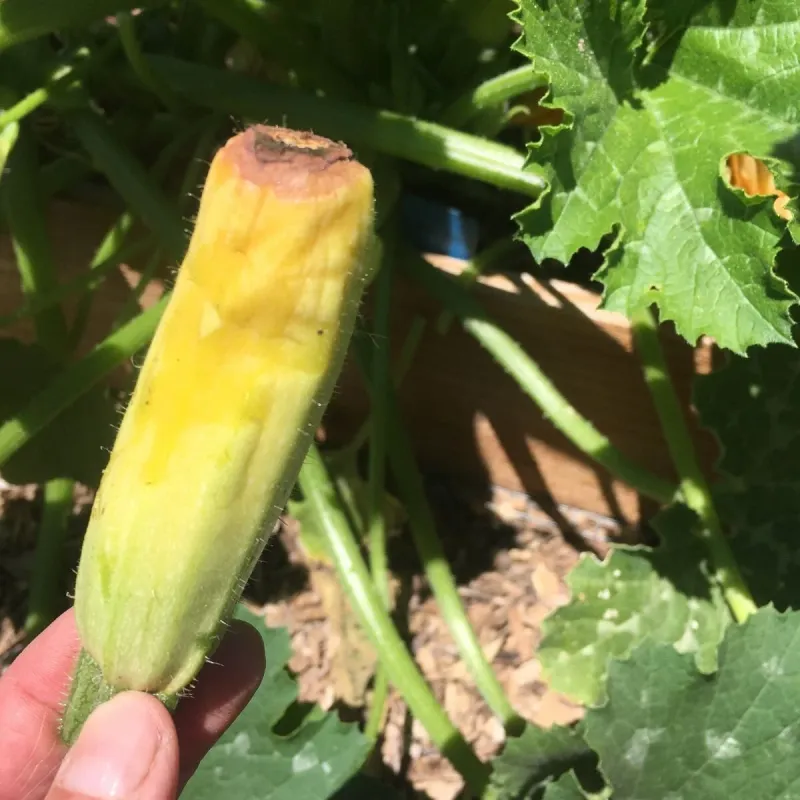
Spotting a dark, sunken, leathery patch on the tip of a zucchini that seemed perfectly healthy a few days ago is one of the more confusing things an Ohio gardener can encounter.
Blossom end rot looks like a disease, but it is actually a physiological problem rooted in how the plant moves calcium into developing fruit.
And the main driver behind it is inconsistent watering, not a lack of calcium in the soil.
When a zucchini plant experiences dramatic swings between wet and dry conditions, the movement of calcium through the plant slows down.
Calcium travels with water, so when moisture is inconsistent, the plant cannot deliver enough calcium to the rapidly developing cells at the blossom end of the fruit.
Those cells break down, creating the characteristic soft, dark, collapsed tip that signals blossom end rot. Ohio’s summer weather, with its tendency to swing from heavy rain to dry heat within days, creates ideal conditions for exactly this problem.
Central Ohio gardeners dealing with clay soil face a trickier version of the challenge because clay holds water unevenly, staying saturated after rain and then drying out in patches.
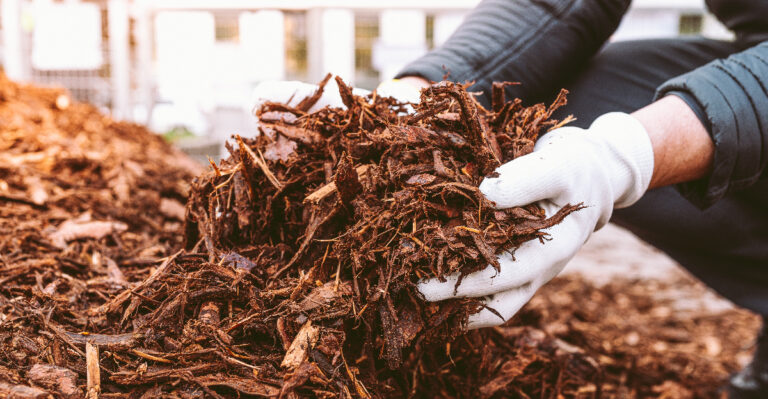
Applying a two-to-three inch layer of straw mulch around plants helps buffer soil moisture swings significantly.
Consistent, deep watering on a regular schedule reduces the wet-dry cycling that triggers calcium uptake failure. Adding calcium to the soil rarely solves the problem on its own if watering remains erratic throughout the season.
7. Fruit Sitting On Wet Soil Breaks Down Fast
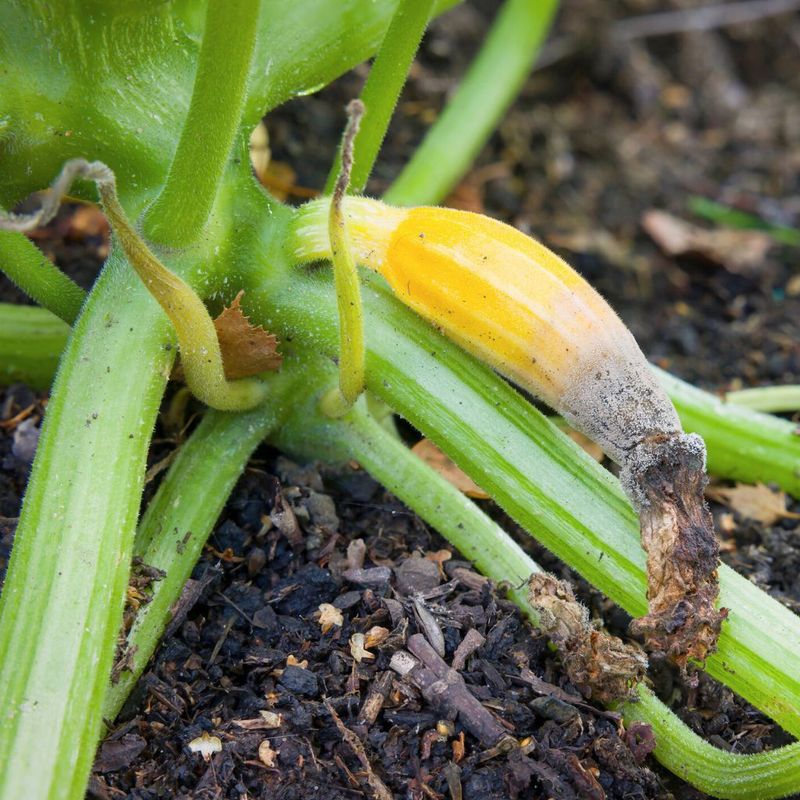
After a heavy Ohio rain, a garden bed can turn into a muddy, saturated surface where water pools and lingers for hours.
Any zucchini fruit resting directly on that wet ground is in trouble, because the soil surface in those conditions is loaded with bacteria and fungi that cause soft rot to develop quickly on tender vegetable skin.
Zucchini fruit is not designed to sit in prolonged contact with damp, organism-rich soil. The underside of the fruit, which rarely gets sun or airflow, stays wet long after the rest of the garden begins to dry out.
Rot can begin on the bottom surface and work its way inward before any visible sign appears on the top of the fruit. By the time you notice the fruit is soft, the breakdown is already well underway.
Clay soils, which are common across central Ohio, stay wet longer after rain events and keep fruit surfaces damp for extended periods. Laying a thin layer of straw mulch under developing fruit helps create a barrier between the fruit and the wet ground.
Some gardeners use small wire cages or careful repositioning to lift fruit slightly and improve airflow around the bottom surface. Raised beds with well-amended soil drain faster and reduce the amount of time fruit spends in contact with wet ground.
Checking the garden frequently after rain events gives you a chance to reposition or protect fruit before rot has time to take hold.
8. Old Blossoms Can Stay Stuck And Start Rotting
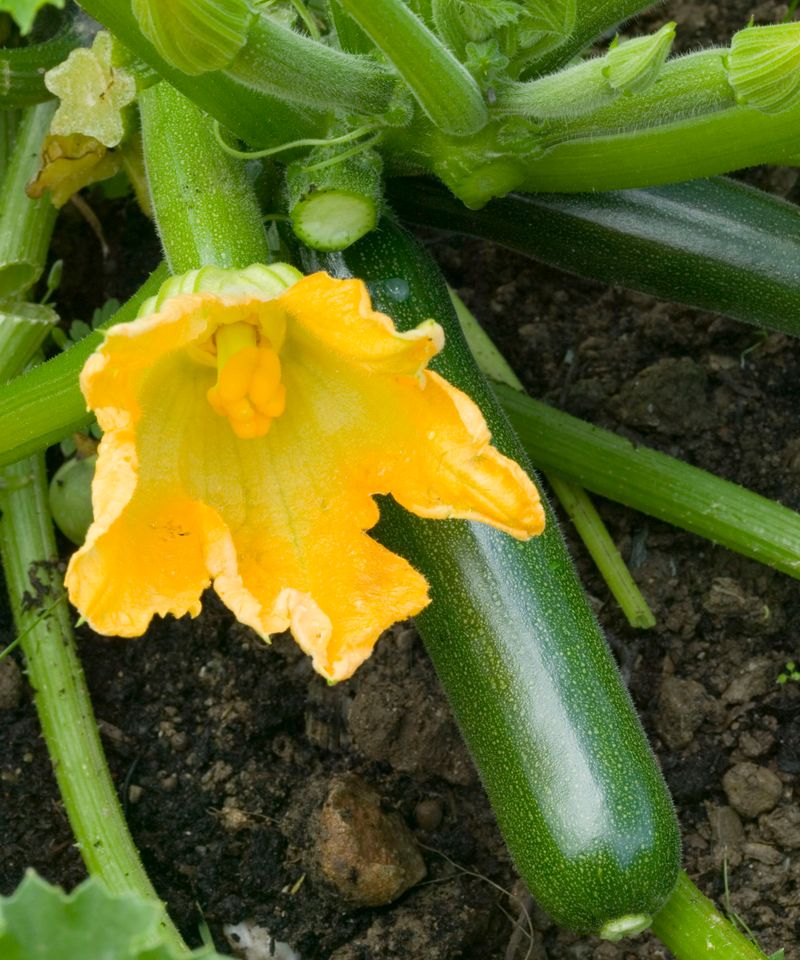
Most gardeners focus on the fruit itself when they spot rot at the tip of a zucchini, but sometimes the problem starts with something much smaller: a spent blossom that simply never fell off.
Once pollination is complete, the female flower at the tip of the developing fruit is supposed to wither and drop away naturally.
In Ohio’s humid summers, that does not always happen cleanly.
A soggy, withered blossom clinging to the tip of a zucchini creates a moist pocket right where the fruit tissue is most tender. Fungal spores settle into that damp space easily, and rot can begin moving from the old blossom tissue into the developing fruit beneath it.
The problem tends to get worse during wet stretches because the blossom never gets a chance to dry out and detach on its own. What looks like blossom end rot is sometimes actually decay that started from a stuck, decomposing flower.
Gently removing spent blossoms once the fruit has clearly begun developing is a simple and effective way to reduce this kind of rot pressure. Use clean fingers or small scissors and remove the blossom carefully without damaging the fruit tip.
Do not tug hard, since the skin of a young zucchini is easy to nick. Ohio summers with back-to-back rainy days make stuck blossoms a more frequent problem, so checking plants every few days during wet weather helps catch the issue before decay spreads.
Even small habits like this can save a surprising number of fruits over the course of a season.