What Texans Should Do With Hydrangeas In May For Bigger Summer Blooms
May is when hydrangeas in Texas start asking for a little extra understanding.
Spring still looks lovely on the surface, but the afternoons are getting warmer, the sun is getting stronger, and these classic garden favorites can start feeling the pressure pretty quickly.
A hydrangea that looked fresh and happy a couple of weeks ago may suddenly seem a lot less enthusiastic. Texas has a way of speeding things up.
That is why this stretch matters so much. Better summer blooms usually come from smart choices right now, not from one dramatic fix later.
Knowing which type of hydrangea you have, resisting the urge to prune at the wrong time, and keeping a close eye on moisture and shade can make a real difference. It may sound a little picky, but hydrangeas tend to reward thoughtful care.
And when those blooms show up looking full and beautiful, they make it very easy to forgive all the fuss.
1. Hydrangea Type Matters Before You Do Anything
Walking through a Texas garden in late spring, it can be easy to assume all hydrangeas need the same care. That assumption leads to some of the most common pruning and watering mistakes homeowners make in May.
Before touching a single stem or adjusting a sprinkler, knowing which hydrangea type is growing in your yard makes a real difference in how well the plant performs come summer.
Bigleaf hydrangeas, oakleaf hydrangeas, panicle hydrangeas, and smooth hydrangeas each have different bloom habits, different pruning needs, and different levels of heat tolerance.
Some bloom on old wood, meaning the buds were set last fall and have been waiting through winter.
Others bloom on new wood that grows fresh each season. Mixing up these types and treating them the same way can lead to fewer flowers or no flowers at all.
In Texas, where May afternoons can already feel like midsummer, giving each hydrangea type what it actually needs is more useful than following generic gardening advice.
Spending a few minutes identifying your plant before doing anything else in May can save a season of disappointment.
Check the leaf shape, flower form, and bark texture if you are unsure. Many Texas county extension offices also offer plant identification help if the type is hard to determine on your own.
2. Bigleaf Hydrangeas Need Careful Pruning
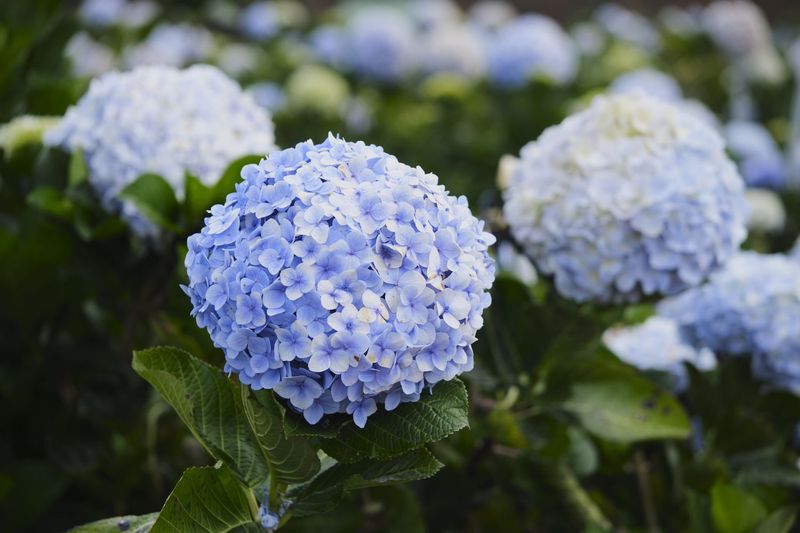
Few hydrangea types cause more confusion in Texas gardens than bigleaf hydrangeas, sometimes called mophead or lacecap varieties.
These plants set their flower buds on old wood, which means the buds you are counting on for summer color were actually formed on stems that grew last year.
Cutting those stems back in May removes the buds along with them, which is why timing and technique matter so much with this type.
In May, the goal with bigleaf hydrangeas is not heavy pruning but careful observation.If there are damaged or weakened stems from winter cold or early spring stress, those can be removed without affecting the plant’s bloom potential.
Look closely at each stem before cutting.
Your Texas Garden Changes Every Week. Your Plan Should Too.
Gardening in Texas changes quickly throughout the season. Every Friday you’ll receive a simple weekly plan showing exactly what to plant, prune, fertilize, harvest, and protect so you never miss the right timing.
Stems that still show green or are already leafing out are likely carrying buds and should be left alone for now.
Texas winters can sometimes damage bigleaf hydrangea stems, especially in northern parts of the state where cold snaps arrive late. If stems look brown and hollow all the way down, they may not produce flowers this season regardless.
Removing only what is clearly not recovering keeps the plant tidy without sacrificing healthy bud wood.
Reblooming bigleaf varieties, which can set buds on both old and new wood, offer a bit more flexibility, but even those benefit from careful, selective pruning in May rather than aggressive cutbacks.
3. Oakleaf Hydrangeas Should Be Pruned After Bloom
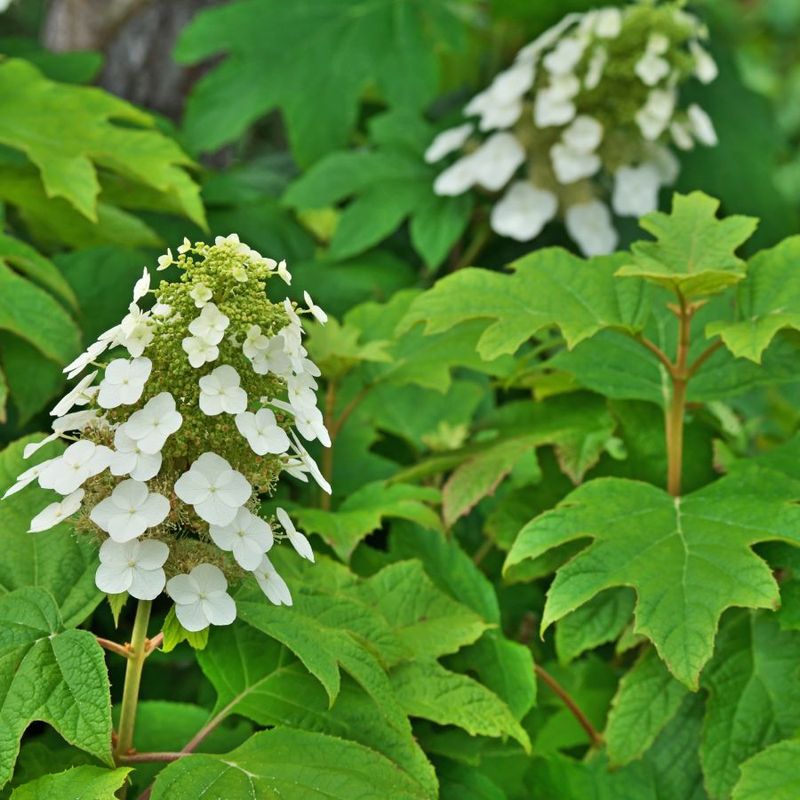
Oakleaf hydrangeas are one of the most reliable choices for Texas landscapes, partly because they handle heat and dry spells better than many other hydrangea types.
Their large, lobed leaves and cone-shaped white flower clusters are easy to recognize, and they tend to bloom a bit later in spring than bigleaf varieties.
Like bigleaf hydrangeas, oakleaf types also bloom on old wood, which shapes how and when pruning should happen.
May is generally not the right time to prune oakleaf hydrangeas in Texas. The plant is either approaching bloom or just beginning to flower during this period, depending on the specific location and microclimate.
Cutting back stems now would remove the flower buds that have been developing since last season. Waiting until after the blooms fade, usually in early to midsummer, gives the plant its full flowering window before any shaping takes place.
After blooming, light shaping can help control size and encourage healthy growth for the following year.
Oakleaf hydrangeas also develop attractive peeling bark over time, which adds winter interest to Texas gardens even when the plant is not in bloom.
Because these plants can grow quite large in warm Texas conditions, some gardeners choose to remove a few older stems at the base after bloom rather than cutting the whole plant back.
That approach helps maintain a natural shape while still managing overall size in home landscapes.
4. Panicle And Smooth Types Need Earlier Pruning
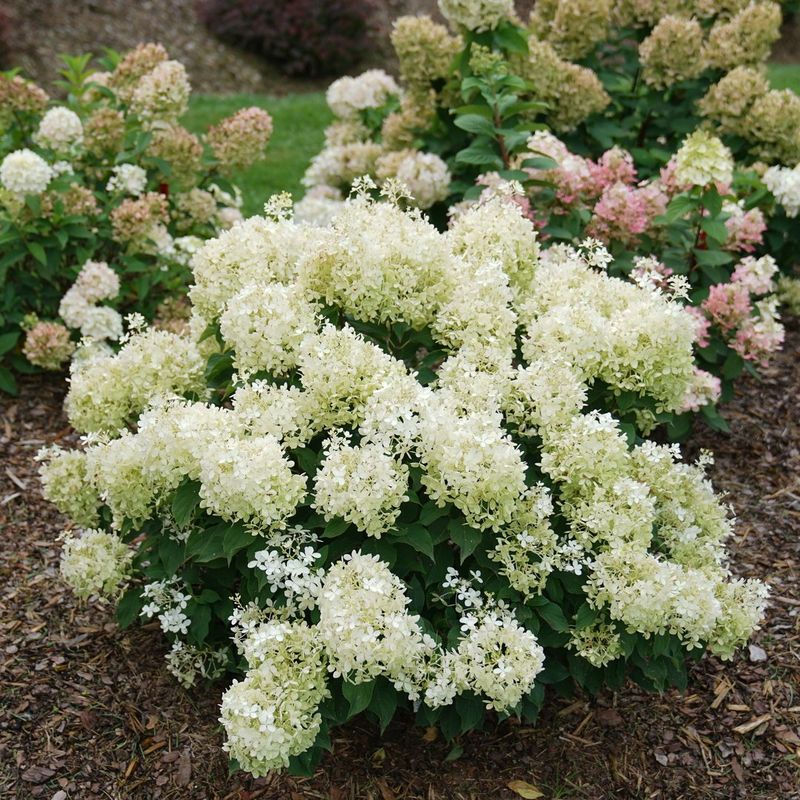
Panicle hydrangeas and smooth hydrangeas follow a different rhythm than their bigleaf and oakleaf cousins.
Both of these types bloom on new wood, meaning the flower buds form on stems that grow fresh each season rather than on stems from the previous year.
That difference changes everything about when and how pruning fits into their May care routine in Texas.
Ideally, panicle and smooth hydrangeas are pruned in late winter or very early spring before new growth begins. By May in Texas, that window has likely passed.
New stems are already growing, and buds may be forming. If pruning was skipped earlier in the season, it is generally better to leave these plants alone in May rather than cutting back into active growth.
Removing stems now could reduce the number of blooms that appear later in summer.
If light shaping is needed to remove a stem that is crossing another or growing in an awkward direction, that can be done carefully without affecting the overall bloom count much.
The smooth hydrangea, often sold as Annabelle, is particularly forgiving and tends to rebound well even after late pruning in some cases.
Panicle types like Limelight or Quick Fire are popular in Texas because they handle heat better than most hydrangeas.
Keeping these plants healthy through May by focusing on water and mulch rather than pruning gives them the best chance for strong summer flowering.
5. Moist Soil Matters As Heat Builds
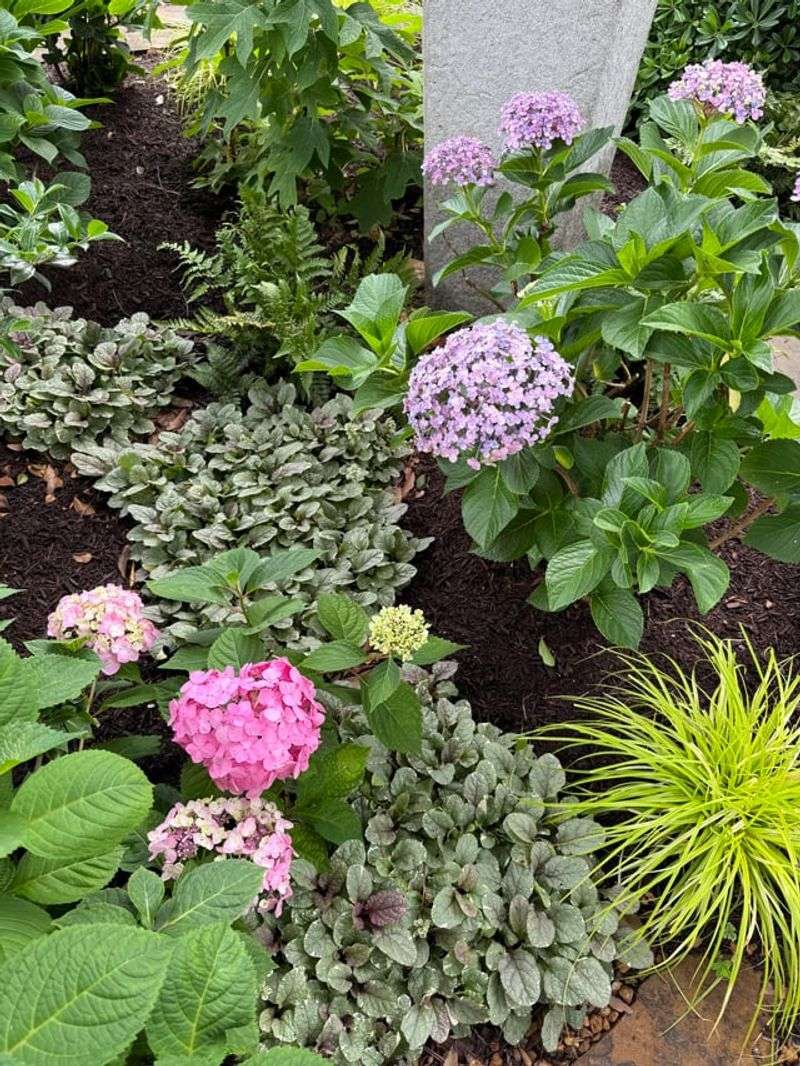
By mid-May in Texas, afternoon temperatures can climb well into the upper eighties or even the nineties in many parts of the state. Hydrangeas feel that heat quickly, especially in garden beds with full sun exposure or sandy soil that drains fast.
Keeping the soil consistently moist during this period is one of the most important things a Texas gardener can do to support healthy plants and developing blooms.
Hydrangeas are not drought-tolerant plants, and their large leaves lose moisture quickly in warm, windy conditions. Wilting leaves in the afternoon are a common sign that the plant needs more water.
Morning watering tends to work well in Texas because it gives roots time to absorb moisture before the hottest part of the day arrives.
Deep, thorough watering a few times a week is generally more helpful than light daily sprinkling, which may not reach the root zone effectively.
Mulching around the base of hydrangeas is a practical step that many Texas gardeners rely on to slow down moisture loss from the soil surface.
A layer of pine bark, wood chips, or shredded leaves applied a few inches deep can make a noticeable difference in how long the soil stays moist between watering sessions.
Keeping mulch pulled back slightly from the main stem helps avoid moisture buildup directly against the base of the plant. Good soil moisture in May sets up hydrangeas for stronger performance as summer heat intensifies across Texas.
6. Afternoon Shade Helps In Texas Heat
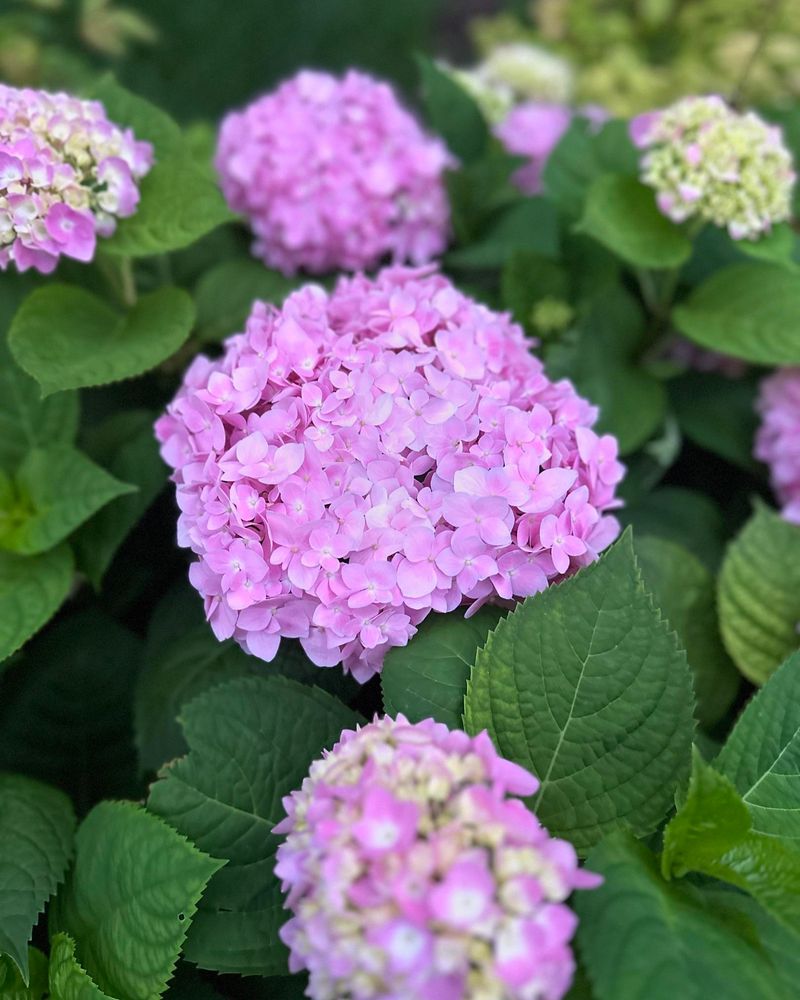
One of the most common struggles Texas gardeners face with hydrangeas is sun damage during the hottest part of the day.
Even varieties that tolerate more sun than others tend to show stress when exposed to direct afternoon light for extended periods during Texas summers.
May is a good time to evaluate how much afternoon shade your hydrangeas are receiving before the most intense heat arrives in June and July.
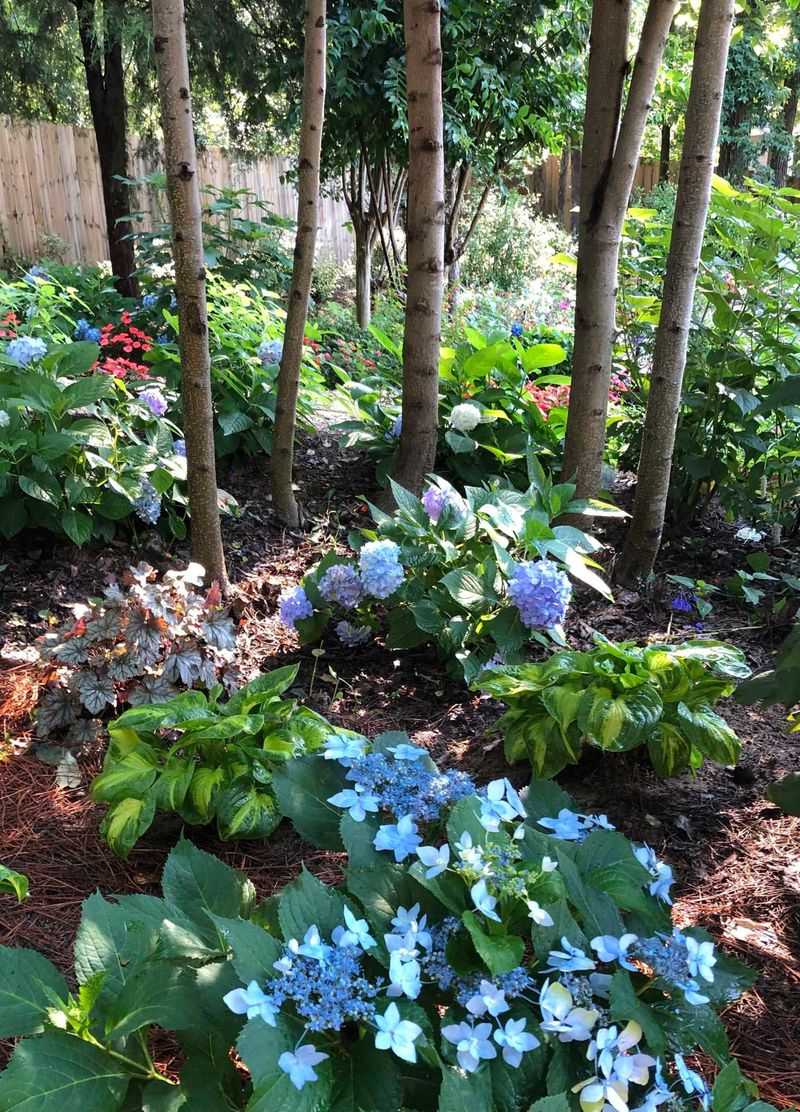
Morning sun and afternoon shade is a combination that works well for most hydrangea types in Texas.
East-facing garden beds often provide this naturally, with sunlight hitting the plants in the cooler morning hours and shade arriving by midday or early afternoon.
South- and west-facing beds tend to get the most intense afternoon exposure, which can cause leaves to scorch and flowers to fade faster than they should.
If your hydrangeas are in a spot that gets too much afternoon sun, adding a shade cloth temporarily during heat waves can provide some relief without requiring a full transplant.
Taller shrubs, fences, or structures that cast afternoon shade can also help over time.
Transplanting hydrangeas to a better location is possible but is generally less stressful for the plant when done in fall rather than during the warmth of late spring.
For now, creative use of shade from nearby plants or structures can help protect hydrangeas in Texas through the challenging months ahead without disrupting established root systems.
7. Spent Blooms Can Be Removed Carefully
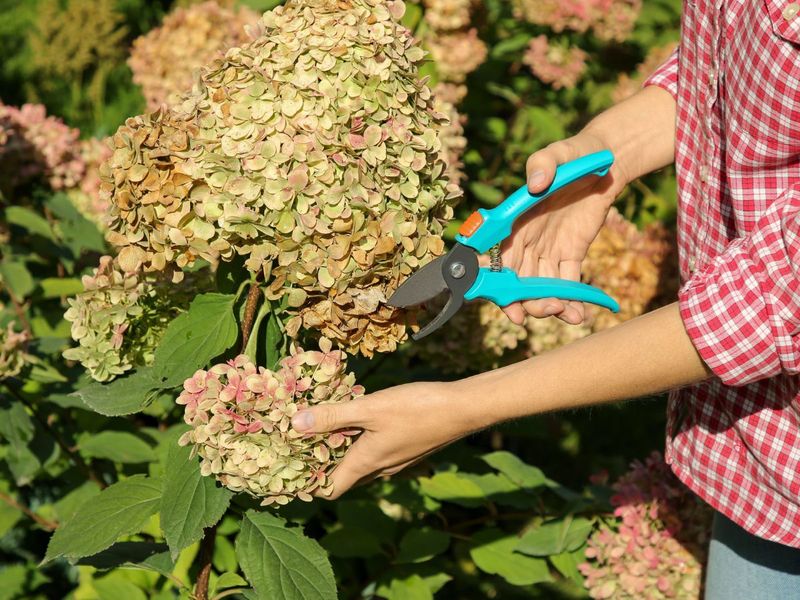
Faded flower heads left over from spring blooms can look a bit tired by May, especially on reblooming varieties or plants that started flowering early in the season.
Removing those spent blooms, a practice sometimes called deadheading, can tidy up the appearance of the plant and redirect some of the plant’s energy toward healthy leaf and stem growth.
In Texas, where plants can move quickly from spring freshness to summer stress, keeping hydrangeas looking their best in May often starts with this small step.
The key is removing only the spent flower head rather than cutting back the stem aggressively. For bigleaf and oakleaf types, cutting too far down the stem risks removing buds that have not yet opened.
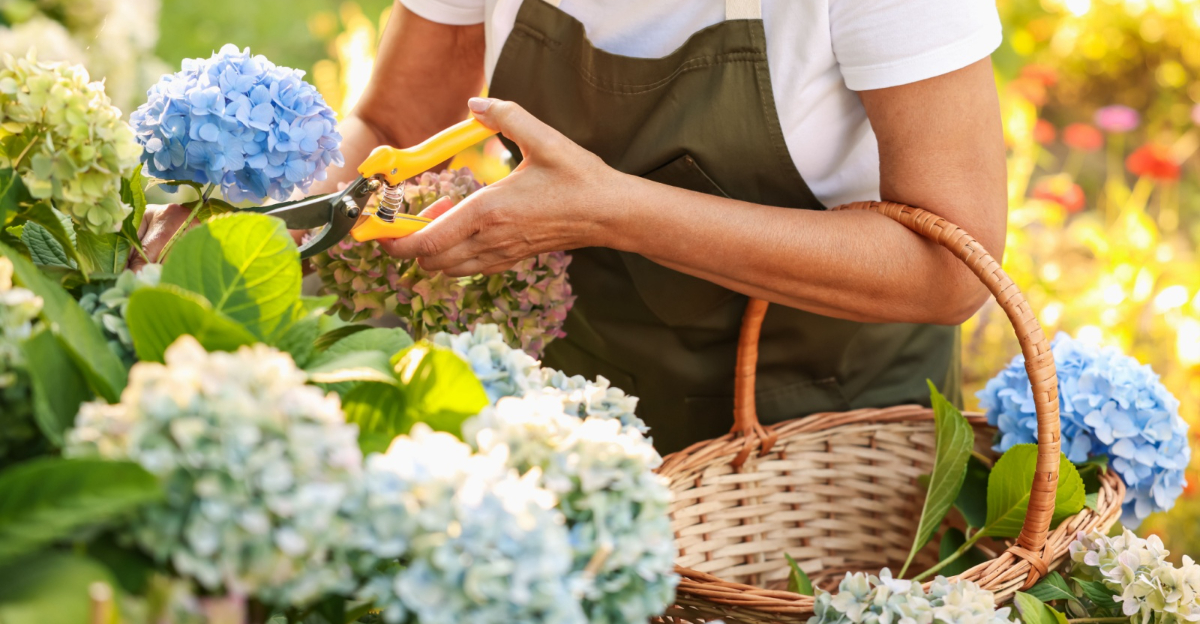
Snipping just below the faded bloom cluster, above the first or second set of healthy leaves, is a careful approach that keeps the rest of the stem intact. Using clean, sharp pruning shears helps make a clean cut without tearing the stem.
Not every hydrangea needs deadheading in May.
Some gardeners prefer to leave the dried flower heads on the plant because they add texture and visual interest, and in some cases, they can offer a small amount of shade to the stems below.
On panicle hydrangeas, spent blooms from the previous season are sometimes left until late winter. The decision depends on personal preference and how the plant looks in the overall garden setting.
Either choice can work well for Texas home landscapes.
8. Healthy Leaves Support Future Blooms
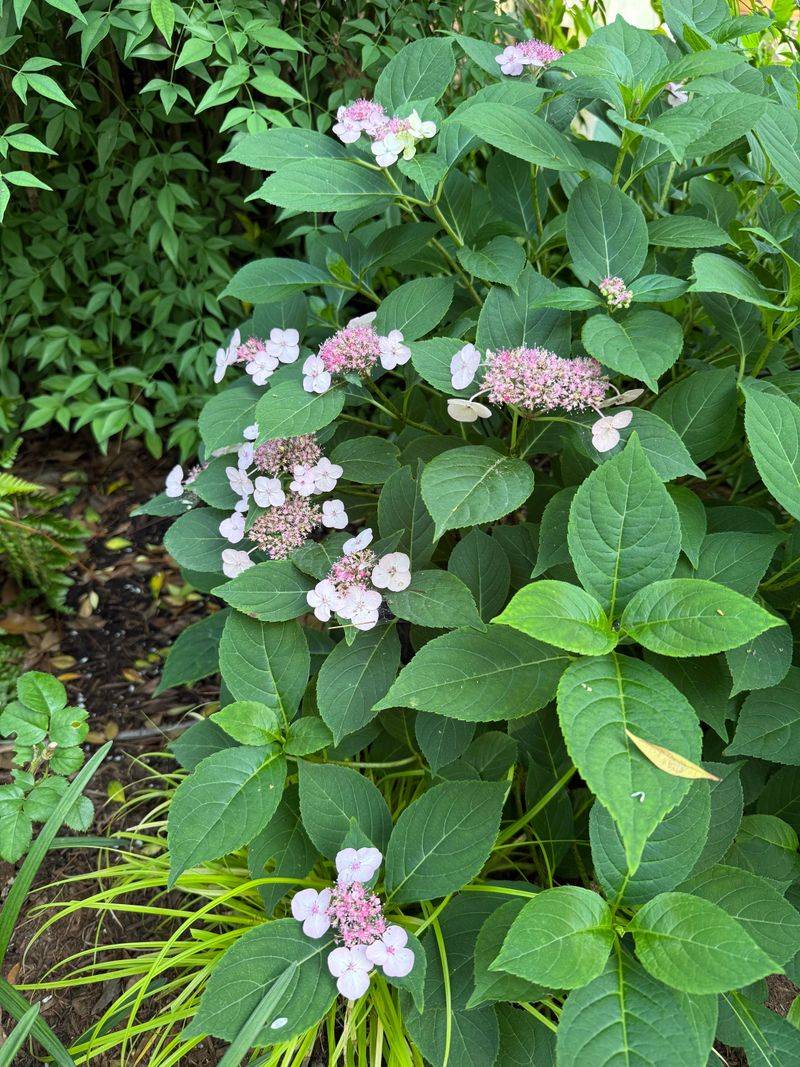
Glossy, full hydrangea leaves in May are more than just a sign that the plant looks good right now.
Those leaves are doing important work, capturing sunlight and converting it into the energy the plant needs to support developing buds and push through the heat of a Texas summer.
Protecting leaf health in May is one of the quieter but more meaningful things a gardener can do to support future blooms.
Yellowing leaves can signal a few different things in Texas hydrangeas. Sometimes it points to overwatering or poor drainage, especially in heavy clay soils common in parts of central and east Texas.
Other times, yellowing may indicate a nutrient issue, with iron chlorosis being a common concern in alkaline Texas soils.
Pale or yellowing leaves with green veins often suggest the plant is struggling to absorb iron, which can sometimes be addressed with soil amendments or foliar treatments suited to that specific issue.
Fungal leaf spots are another concern that shows up in humid Texas springs. Spotted or blotchy leaves can spread quickly when plants are crowded or when water sits on foliage overnight.
Watering at the base of the plant rather than overhead, and making sure there is enough air circulation around the shrub, can help reduce the spread of common leaf diseases.
Keeping leaves healthy through May gives hydrangeas a stronger foundation for producing the kind of vigorous growth and full flower clusters that Texas gardeners look forward to seeing in summer.