This Native Michigan Wildflower Looks Wilted In May But Blooms Anyway
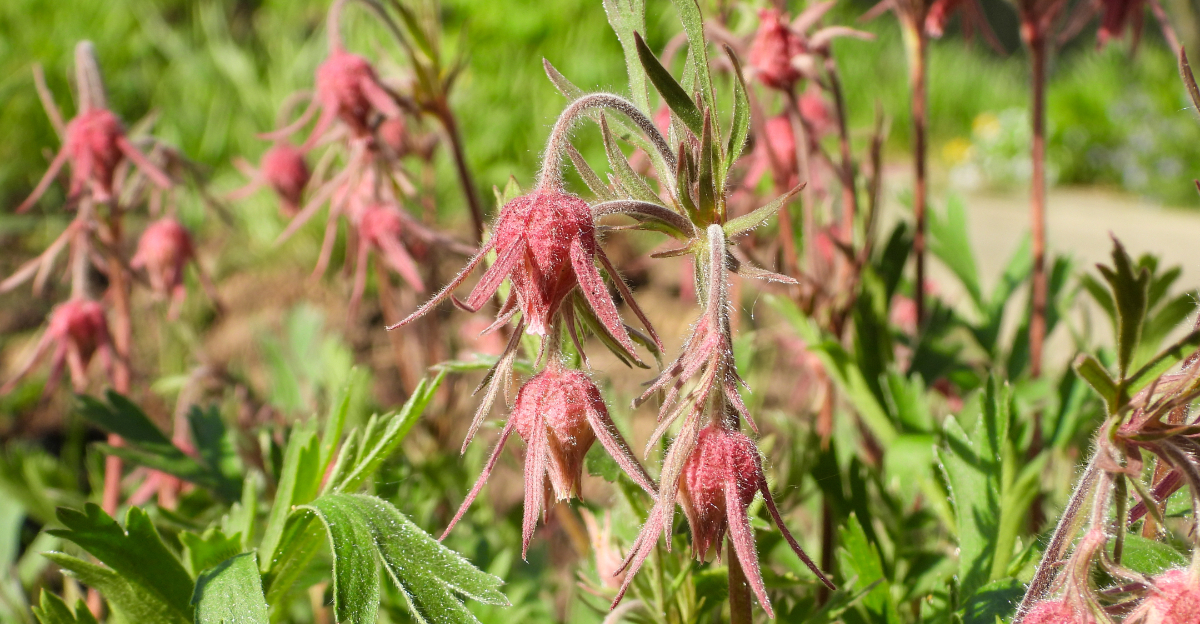
Prairie smoke is the kind of plant that makes you look twice because it never quite behaves the way you expect a wildflower to behave.
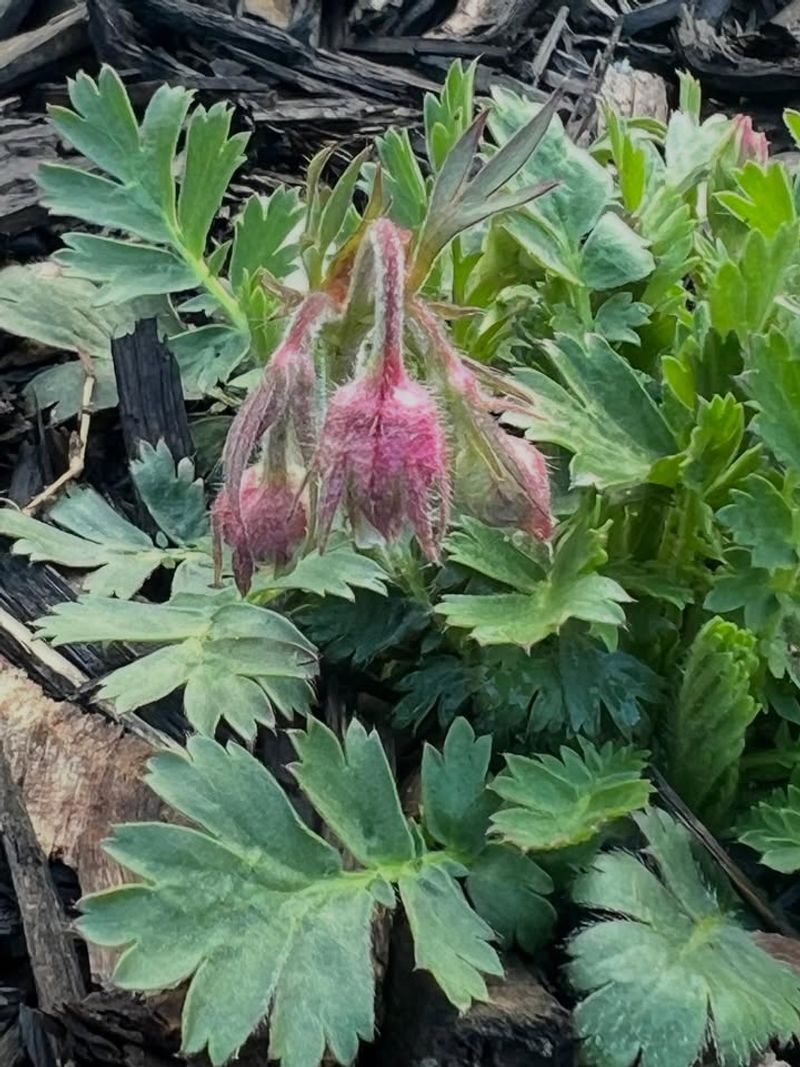
In May, when the rest of the garden is pushing out fresh growth in every direction, prairie smoke sits low and slightly rough looking, its leaves hugging the ground in a way that makes it easy to assume something is wrong.
Nothing is wrong. This native Michigan wildflower is simply doing things on its own terms, and what happens next is one of the more unusual and visually interesting displays in the entire native plant world.
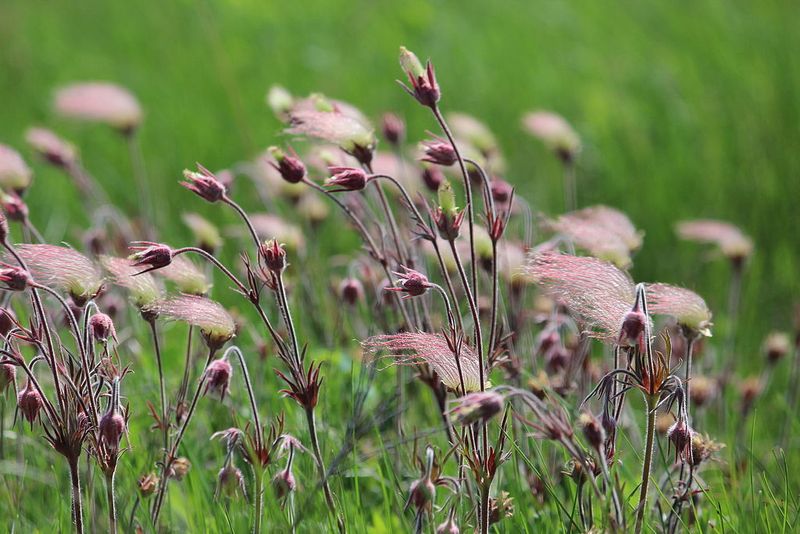
The nodding pinkish blooms appear first, followed by feathery seed heads that catch the light and give the plant the smoky, windswept appearance that earned it the name.
It thrives in exactly the kind of dry, rocky, or sandy conditions that defeat most other plants, making it genuinely useful in spots that are otherwise difficult to fill.
Once you know what prairie smoke is doing in May, that wilted look starts to feel less like a problem and more like anticipation.
1. Native To Michigan And Proud Of It
Not every wildflower can claim deep roots in Michigan’s natural landscape, but prairie smoke absolutely can.
Known scientifically as Geum triflorum, this perennial has been growing across Michigan’s prairies, open woodlands, and dry rocky areas long before anyone thought to plant a garden.
It belongs to the rose family, which surprises most people when they first hear it.
Michigan’s climate, with its cold winters and warm summers, suits prairie smoke perfectly. The plant evolved right alongside the native grasses and wildflowers that once covered vast stretches of the Midwest.
Because it grew up here, it knows exactly how to handle the local weather swings without any extra help from gardeners.
Planting native species like prairie smoke in your Michigan yard does more than just add beauty. It supports local pollinators, reduces the need for watering, and keeps your garden feeling authentic to the region.
Native bees, especially bumblebees, are drawn to its early spring blooms. Since prairie smoke appears before many other plants wake up, it gives pollinators a much-needed early food source.
Choosing natives like this one is one of the smartest moves any Michigan gardener can make, and prairie smoke makes that choice easy and rewarding every single spring.
2. Those Drooping Buds Are Totally Normal
Seeing a plant with flowers that hang straight down is enough to make any gardener nervous. Prairie smoke pulls off this look every single spring, and for first-timers, it can be genuinely alarming.
The pinkish-red buds nod toward the ground on thin, reddish stems, and they do not straighten up no matter how much water you give them.
Here is the reassuring truth: that drooping habit is completely intentional. Prairie smoke flowers are designed to face downward during the early blooming phase.
Botanists believe this protects the delicate reproductive parts from rain and cold temperatures, which are both very common in Michigan during May. The plant is not struggling at all.
Your Michigan Garden Changes Every Week. Your Plan Should Too.
Gardening in Michigan changes quickly throughout the season. Every Friday you’ll receive a simple weekly plan showing exactly what to plant, prune, fertilize, harvest, and protect so you never miss the right timing.
It is actually being clever. Once pollination happens, the seed heads begin to develop and the whole appearance of the plant transforms. The drooping gives way to upright, feathery plumes that catch the light beautifully.
So if you planted prairie smoke this spring and panicked a little when the buds started hanging low, you can relax completely. That nodding look is one of the plant’s most recognizable and charming traits.
It is the kind of quirky behavior that makes native gardening so interesting and keeps Michigan garden enthusiasts coming back for more surprises each season.
3. May Is When The Magic Happens In Michigan
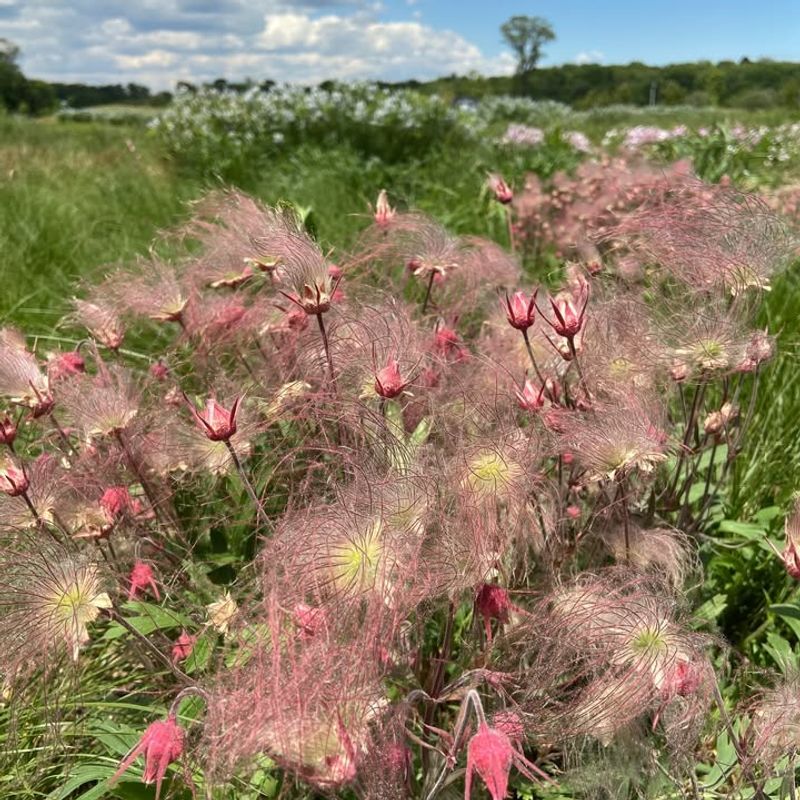
Spring in Michigan is unpredictable. One week brings warm sunshine, and the next drops temperatures back near freezing.
Prairie smoke handles this rollercoaster with remarkable ease, typically sending up its blooms right in the middle of all that chaos, usually in May across much of the state.
The timing is actually brilliant from the plant’s perspective. By blooming early, prairie smoke avoids competing with the massive wave of summer wildflowers that come later.
It gets its moment in the spotlight while the garden is still waking up, which makes it especially valuable to early-season pollinators who are hungry after winter. Bees and butterflies that emerge in April and early May rely on plants like this one for survival.
For Michigan gardeners, having something blooming in May that requires zero coddling is genuinely exciting. Most spring perennials need careful soil prep, regular watering, or special fertilizer.
Prairie smoke asks for none of that. It simply shows up when the time is right, does its thing beautifully, and then transitions into its equally stunning seed stage.
If you want a plant that marks the true arrival of spring in your Michigan yard without any drama or extra effort, prairie smoke delivers on that promise every single year without fail.
4. The Feathery Seed Heads Are The Real Showstopper
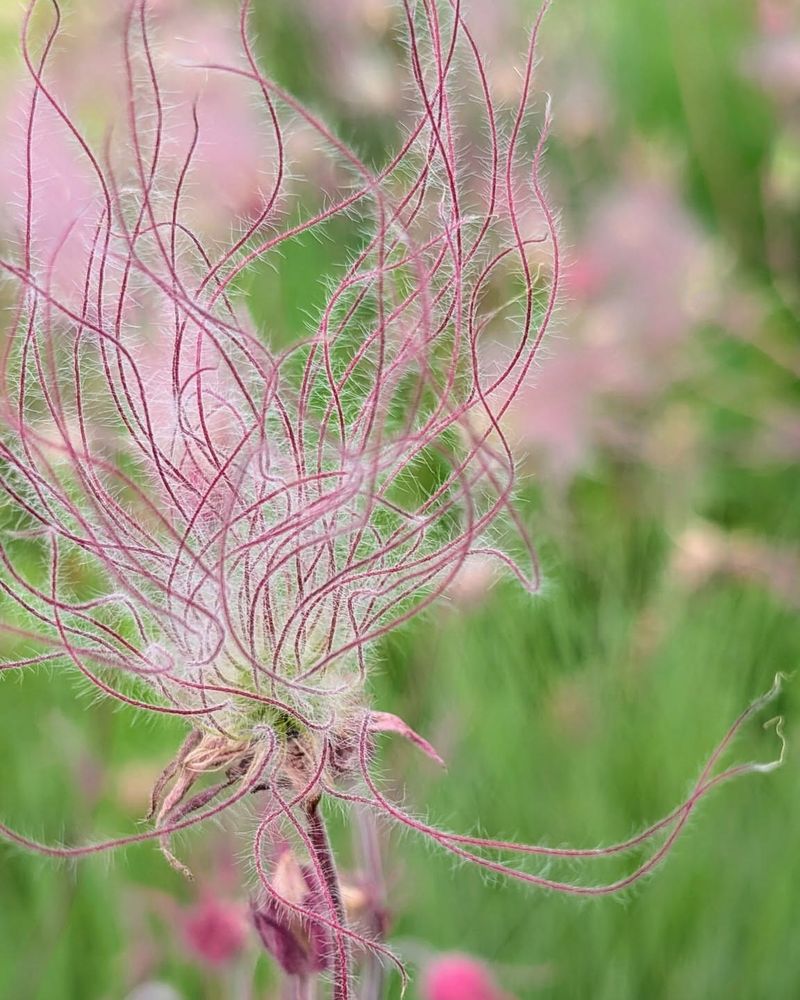
Most plants get their fifteen minutes of fame during flowering season, and then they quietly fade into the background. Prairie smoke plays a completely different game.
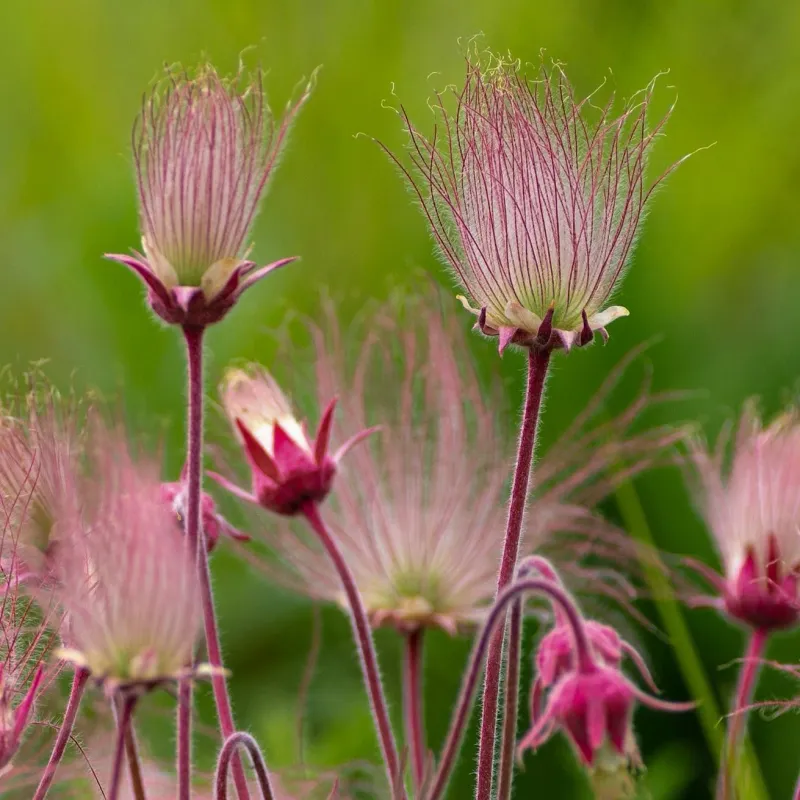
After the nodding blooms finish up, something even more visually striking takes over, and that is the famous feathery seed plumes that give this plant its unforgettable name.
Each seed develops a long, silky tail that twists upward and catches the breeze. When you have a cluster of plants all doing this at once, the effect really does look like wisps of smoke rising from the ground.
In the right morning light, especially in open Michigan prairies or sunny garden borders, the plumes glow with a pinkish-silver color that is genuinely hard to describe until you see it yourself.
This extended season of interest is one of the biggest reasons landscape designers love prairie smoke. You are not just getting a brief spring bloom.
You are getting weeks of visual texture and movement that continues well into summer. The seed plumes also attract small birds who use the fluffy material for nesting.
So even after the flowers are long gone, prairie smoke keeps giving back to the local ecosystem. Few plants offer this kind of layered beauty from a single growing season, making it a standout choice for Michigan native plant gardens.
5. Sun And Good Drainage Are Non-Negotiable
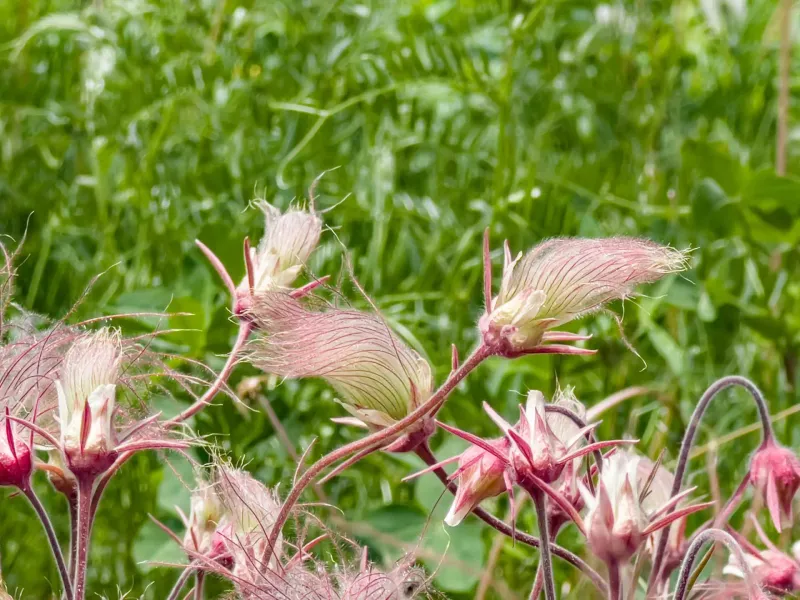
Prairie smoke is not a plant that will work just anywhere in your yard. It has strong opinions about where it wants to grow, and the two biggest ones are full sun and well-drained soil.
Get those two things right, and prairie smoke will reward you generously. Ignore them, and the plant will struggle no matter what else you do.
In Michigan, well-drained soil can mean sandy soil, gravelly ground, or even rocky slopes where water moves through quickly after rain. Prairie smoke evolved in open prairie environments where the soil never stayed soggy for long.
Heavy clay soils that hold moisture are genuinely problematic for this plant, and planting it there almost always ends in disappointment.
The good news is that if your yard has a dry, sunny spot that you have always struggled to fill with something attractive, prairie smoke might be exactly what you have been looking for.
Slopes, rock gardens, and raised beds all tend to have the kind of drainage this plant loves. You can also amend sandy or average garden soil with a bit of gravel to improve drainage if needed.
Full sun means at least six hours of direct sunlight per day, and prairie smoke really does perform best with even more than that. Give it the right spot in your Michigan garden and it will thrive effortlessly for years.
6. Drought Does Not Slow This Plant Down
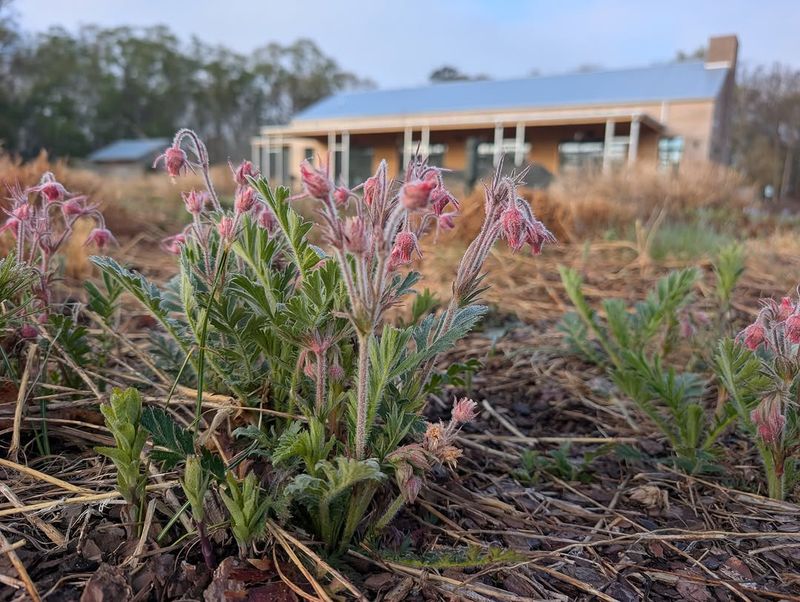
Here is something that makes Michigan gardeners genuinely happy: prairie smoke does not need to be watered once it gets settled in. Dry spells that leave other garden plants wilting and stressed barely register for this tough native wildflower.
It handles drought with the kind of calm confidence that comes from centuries of adapting to prairie life.
The secret is in the roots. Prairie smoke develops a deep, strong root system that reaches down into the soil to find moisture long after the surface has dried out.
This is exactly how it survived on open Michigan prairies for thousands of years before anyone thought to cultivate it in a home garden. The roots are also part of why the plant is so resilient once established, which takes about one full growing season.
For anyone trying to reduce their garden’s water use, prairie smoke is a genuinely practical choice. Once it settles in, you can essentially ignore it during dry summer stretches and it will keep looking great.
That kind of low-maintenance reliability is rare, especially in a plant that also happens to be beautiful.
Pairing prairie smoke with other drought-tolerant Michigan natives like wild bergamot or little bluestem grass creates a stunning, water-wise planting that looks intentional and thrives without constant attention.
Your garden, your water bill, and local wildlife will all benefit from this smart combination.
7. Moving It Around Is A Risky Idea
Prairie smoke is one of those plants that truly rewards patience. Once you find the right spot and get it in the ground, the best thing you can do is leave it alone.
Moving a mature prairie smoke plant is almost always a frustrating experience, and here is why: those impressive deep roots do not survive transplanting well at all.
Over time, prairie smoke develops a root system that anchors itself firmly into the soil. This is what makes it so drought-tolerant and long-lived, but it also means the plant has a very strong attachment to where it is growing.
Digging it up and relocating it disrupts that entire underground network, and the plant often spends a full season or more just trying to recover rather than putting energy into blooming.
The smarter approach is to plan carefully before planting. Take time to identify the sunniest, best-drained spot in your Michigan yard before you put prairie smoke in the ground.
If you want more plants, propagation from seed or dividing very young plants in early spring gives much better results than moving an established one. Seeds can be collected from the feathery plumes in summer and sown directly into prepared soil in fall.
With a little planning upfront, you will end up with a thriving colony of prairie smoke that stays exactly where you want it and keeps getting better every single year.
8. Small But Mighty In The Landscape
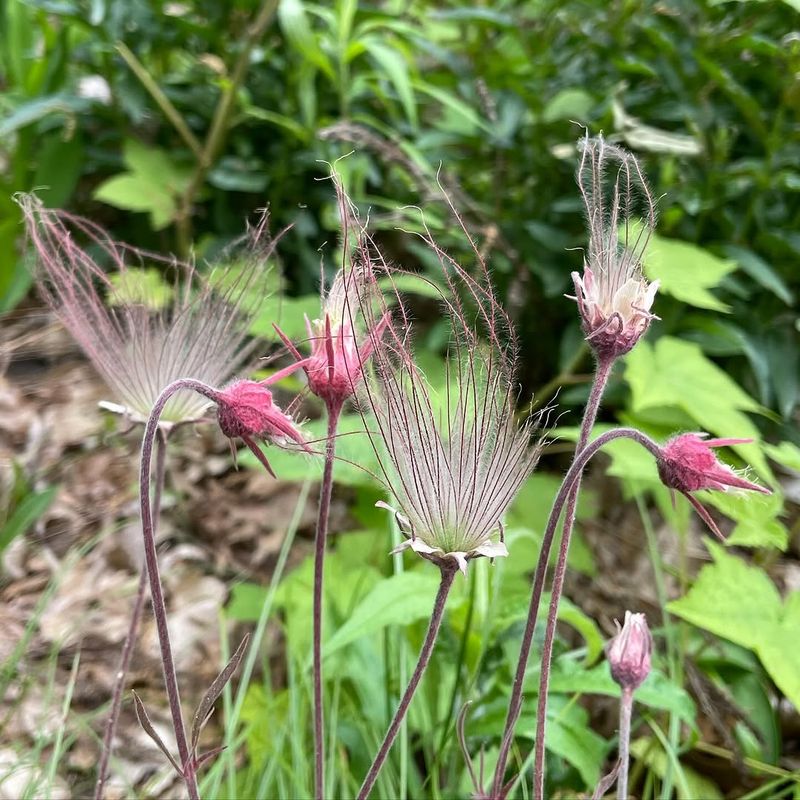
Do not let its small size fool you. Prairie smoke may only reach about six to twelve inches tall, but it makes a surprisingly big visual impact in the right setting.
Its compact, low-growing form actually makes it more versatile than many taller wildflowers, fitting naturally into spots where larger plants simply would not work.
Rock gardens are one of the best places to show off prairie smoke in Michigan yards. The plant’s love of sharp drainage pairs perfectly with the rocky, lean conditions that rock gardens provide.
Along slopes and garden edges, its spreading habit creates a soft, natural ground cover effect that looks intentional without requiring much effort to maintain.
The feathery seed plumes add height and texture above the low foliage, so the plant does not feel flat even though it stays close to the ground.
Prairie smoke also works beautifully as a front-of-border plant, where its early spring blooms and later plumes can be appreciated up close without being blocked by taller neighbors.
Mixing it with native grasses or other low-growing Michigan wildflowers like wild columbine creates a layered, naturalistic look that feels right at home in any native plant garden.
For gardeners working with challenging dry slopes or rocky terrain, prairie smoke is not just a pretty option. It is genuinely one of the most practical and rewarding choices available for Michigan landscapes of any size.