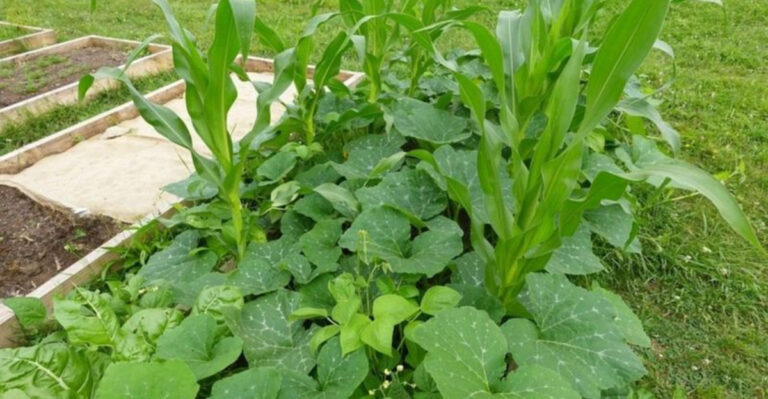
7 Texas Garden Pests To Watch For In May Before They Take Over
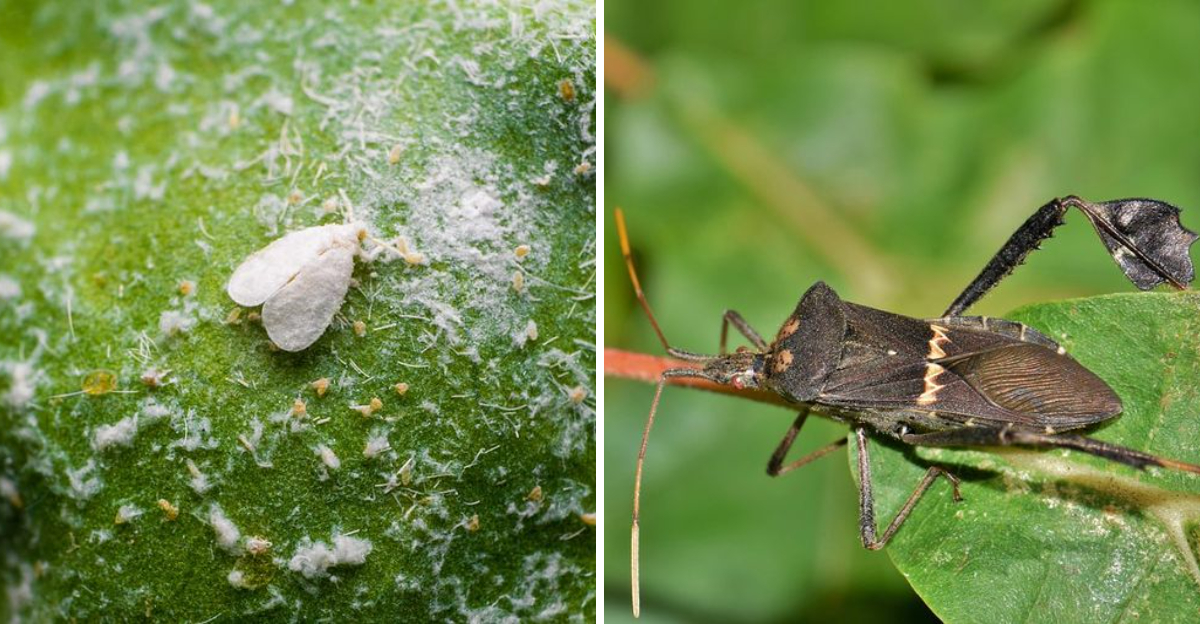
May in Texas is prime time for garden pests, and the problem with most of them is that they don’t announce their arrival.
One week your plants look healthy and full of promise, and the next you’re finding chewed leaves, stippled foliage, wilting stems, and the kind of damage that makes you wonder how things went sideways so fast.
By the time the signs are obvious, the population has usually been building for weeks. The combination of warming soil, tender new growth, and increasing humidity that makes May such a great month for plants also makes it an ideal environment for the insects and organisms that want to feed on them.
Texas has a particularly active pest lineup, and spring is when many of the most damaging ones start establishing themselves in garden beds across the state.
Catching them early in May, before populations explode, is the difference between a minor inconvenience and a full-scale garden problem that follows you all summer.
1. Aphids
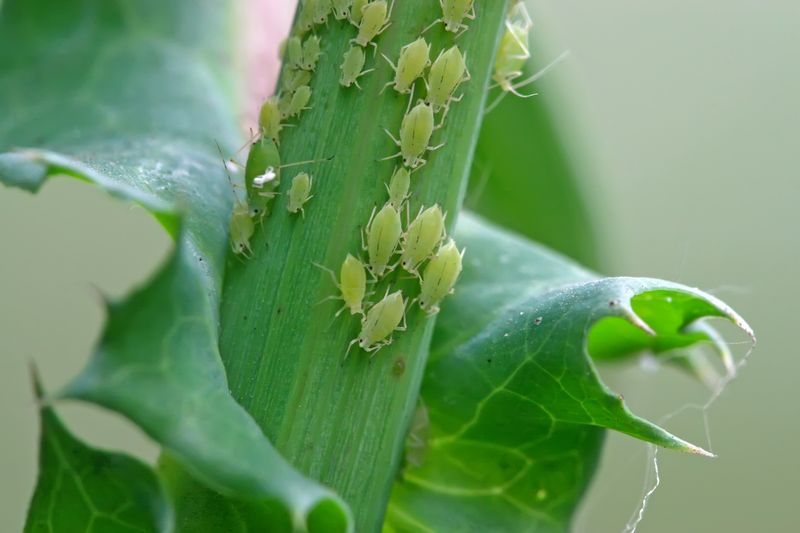
One of the sneakiest problems in any Texas garden, aphids are so small that most people do not notice them until the damage is already done. These tiny, soft-bodied insects are usually green, yellow, black, or even pink.
They cluster together on the newest, most tender parts of plants, like young stems, buds, and the undersides of leaves.
Aphids feed by sucking the sap right out of your plants. This weakens the plant over time and can cause leaves to curl, yellow, or look wrinkled.
They also produce a sticky substance called honeydew, which can lead to a black, sooty mold growing on your plants. That mold blocks sunlight and slows plant growth even more.
What makes aphids really dangerous in Texas is how fast they multiply. A single aphid can produce dozens of offspring without even mating.
In warm May weather, their population can explode in just a few days. You might check your garden one morning and find a small cluster, then return two days later to find hundreds.
The good news is that aphids are manageable if you catch them early. A strong spray of water from the hose can knock them off plants.
You can also use insecticidal soap or neem oil, both of which are safe for most gardens. Encouraging natural predators like ladybugs and lacewings also helps keep aphid numbers down without chemicals. Check your plants every few days in May for the best results.
2. Spider Mites
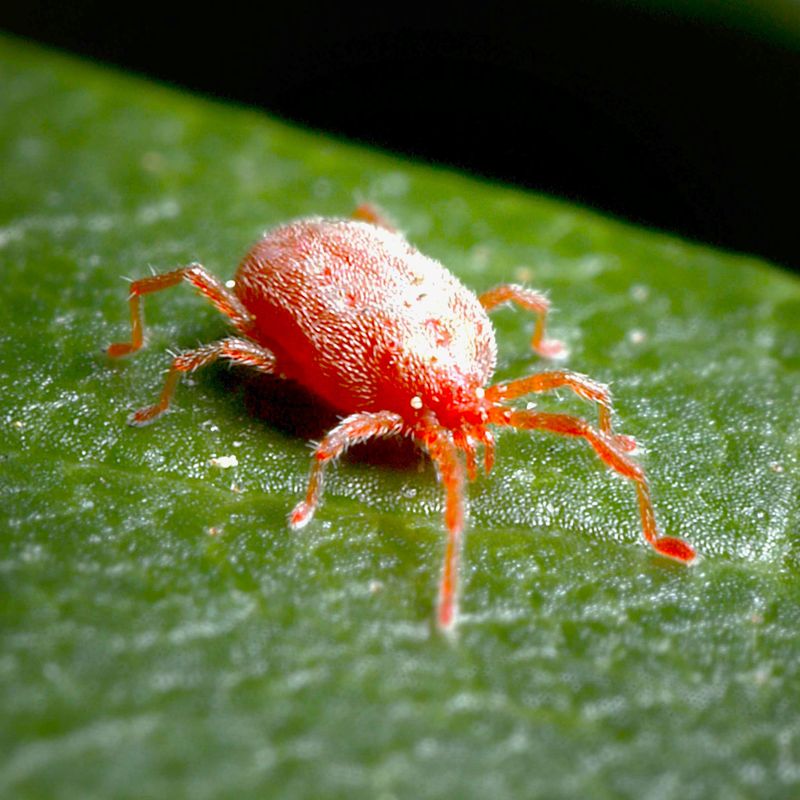
Hot, dry weather is basically a welcome mat for spider mites, and Texas in May delivers exactly that. These pests are not true insects.
They are actually tiny arachnids, related to spiders and ticks. They are so small that you often need a magnifying glass to see them clearly, but the damage they leave behind is very easy to spot.
Spider mites live on the undersides of leaves and feed by piercing plant cells and sucking out the contents. This causes a distinctive speckled or bronzed look on the tops of leaves.
Your Texas Garden Changes Every Week. Your Plan Should Too.
Gardening in Texas changes quickly throughout the season. Every Friday you’ll receive a simple weekly plan showing exactly what to plant, prune, fertilize, harvest, and protect so you never miss the right timing.
As the infestation grows, you may also notice fine, silky webbing stretched across leaves and stems. That webbing is one of the clearest signs you have a spider mite problem in your Texas garden.
Plants like tomatoes, beans, cucumbers, and melons are especially vulnerable. In dry conditions, spider mite populations can double in just a few days. They spread quickly from plant to plant, especially when conditions stay warm and dusty.
Keeping your garden well-watered helps because spider mites hate humidity. Spraying the undersides of leaves with water regularly can reduce their numbers.
Neem oil and insecticidal soap are both effective treatments. You can also introduce predatory mites, which feed on spider mites and help keep populations under control naturally.
In Texas gardens, staying consistent with monitoring and treatment through May and into summer is the key to keeping these tiny pests from taking over your crops.
3. Whiteflies
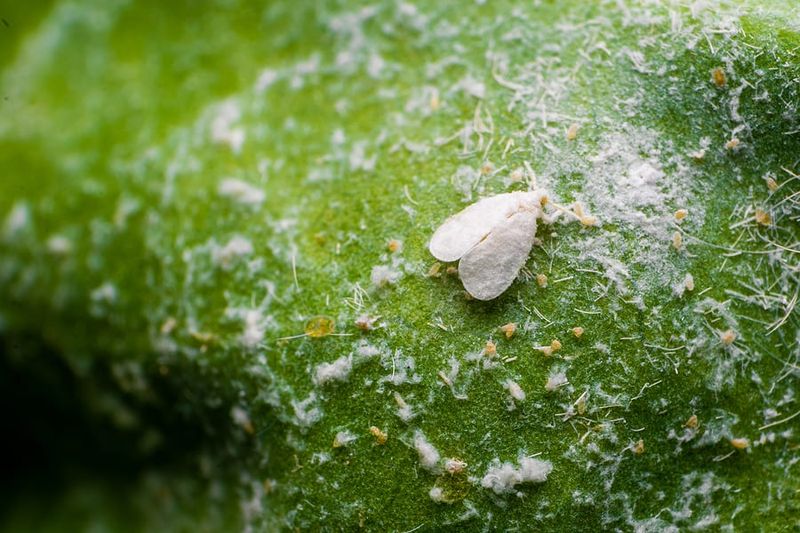
If you have ever brushed against a plant and watched a tiny white cloud rise up into the air, you have already met whiteflies. These little pests are a very common sight in Texas gardens, especially as temperatures climb in May.
They look like miniature white moths, but they are actually more closely related to aphids and scale insects.
Whiteflies gather on the undersides of leaves in large groups. Like aphids, they feed by sucking sap from plants, which weakens them over time.
They also leave behind honeydew, that same sticky residue that invites sooty mold to grow. Plants dealing with a heavy whitefly infestation may show yellowing leaves, stunted growth, and a generally unhealthy appearance.
Tomatoes, peppers, squash, and ornamental plants are among their favorite targets in Texas gardens.
Whiteflies reproduce quickly in warm weather, and their eggs are laid directly on the undersides of leaves, making them hard to spot until the population is already large.
Yellow sticky traps placed near plants are a great way to monitor and catch adult whiteflies. Reflective mulch around the base of plants can confuse and deter them.
Neem oil and insecticidal soap sprays work well when applied directly to the undersides of leaves. Avoid using broad-spectrum pesticides, which can wipe out the beneficial insects that naturally prey on whiteflies.
In Texas, consistent monitoring through May gives you the best chance of keeping whitefly populations at a manageable level all season long.
4. Squash Vine Borer
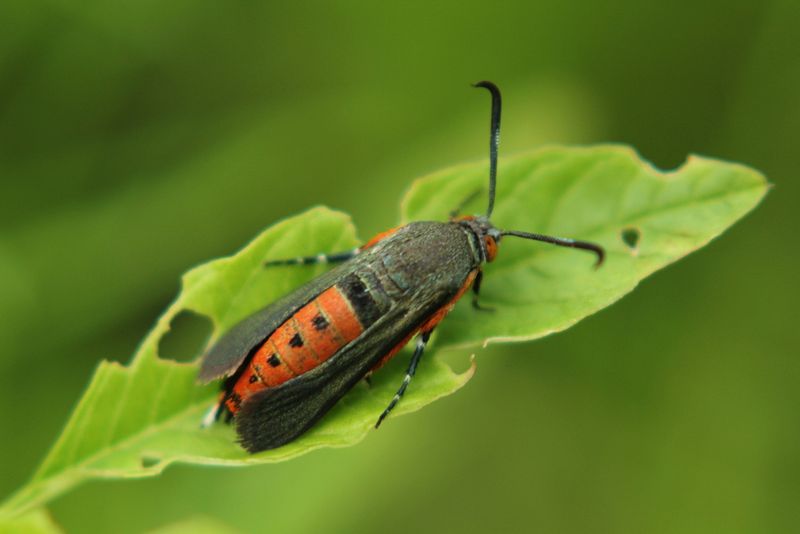
Few garden pests cause as much heartbreak for Texas gardeners as the squash vine borer. One day your squash or zucchini plants look perfectly healthy, and the next they are wilting fast.
The culprit is a small but destructive larva that bores right into the base of the vine and feeds from the inside out, where you cannot see it until real damage is done.
The adult squash vine borer is actually a moth that looks a bit like a wasp, with a red and black body and clear wings. It lays flat, reddish-brown eggs at the base of squash plant stems in late spring, which is right around May in Texas.
Once the eggs hatch, the larvae burrow inside the vine and begin feeding. You may notice small holes at the base of the stem and a sawdust-like material called frass nearby.
Affected plants wilt suddenly, even when the soil is moist. This sudden wilting is one of the most telling signs of a squash vine borer infestation. By the time you see the wilting, the larvae are already well inside the plant.
Row covers placed over plants early in the season can prevent adult moths from laying eggs. Wrapping the base of stems with aluminum foil is another deterrent.
If you find eggs, scrape them off immediately. Checking stem bases daily in May is one of the best habits Texas squash growers can develop.
Planting a second crop later in summer can also help you work around the borer’s main activity period.
5. Leaf-Footed Bugs
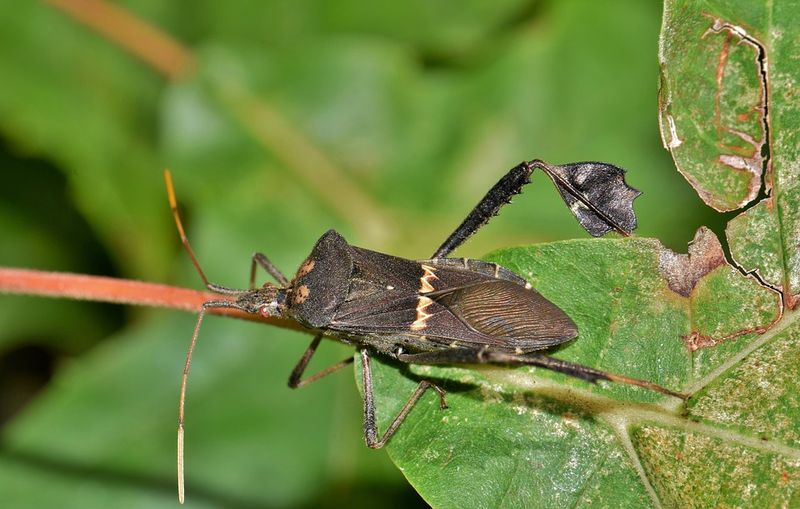
Named for the flat, leaf-shaped flaps on their back legs, leaf-footed bugs are hard to miss once you know what you are looking for.
These medium-sized brownish insects are a regular headache for Texas gardeners growing tomatoes, peaches, pomegranates, and other fruiting plants. They show up in spring and their numbers grow steadily through May and into summer.
Leaf-footed bugs feed by piercing the skin of fruits and vegetables and sucking out the juice. The damage they leave behind is not pretty.
Tomatoes develop hard, white, or discolored spots under the skin. Fruits may look deformed or fail to ripen evenly.
Seeds inside affected fruits can become shriveled and damaged as well. Even one or two of these bugs can ruin a significant portion of your harvest if left unchecked.
They tend to move in groups, especially when young. Young nymphs are bright red or orange and easier to spot than adults.
Catching them at the nymph stage is actually easier because they cluster together and move more slowly than adults do.
Hand-picking is one of the most effective methods for managing leaf-footed bugs in Texas gardens. Wear gloves because they release a strong, unpleasant odor when disturbed.
Kaolin clay sprays and neem oil can also help deter them. Removing weedy areas around your garden reduces places where these bugs overwinter and breed.
Staying alert in May, when populations start building up, is the smartest strategy for protecting your Texas garden produce.
6. Cutworms
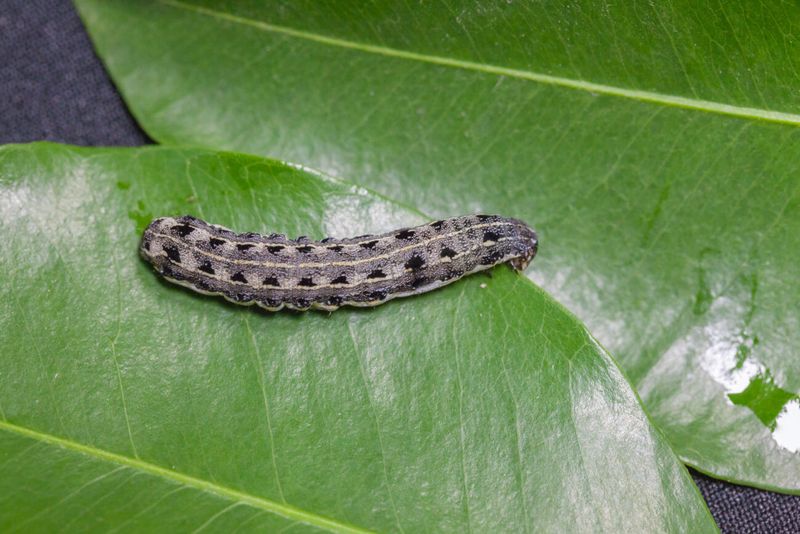
Waking up to find a healthy young seedling completely toppled over, with its stem sliced clean at the soil line, is a frustrating experience that many Texas gardeners know all too well. Cutworms are the usual suspects behind this kind of overnight damage.
These are the larvae of several moth species, and they do their feeding under cover of darkness, which makes them tricky to catch in the act.
Cutworms are plump, smooth caterpillars that curl into a C-shape when disturbed. They spend the day hiding just below the soil surface and come out at night to feed on plant stems.
Young transplants and seedlings are their favorite targets. One cutworm can take out multiple plants in a single night, moving from one to the next along a row.
In Texas, cutworm activity picks up in spring as soil temperatures warm. May is a prime month for finding them, especially if you are setting out new transplants. Peppers, tomatoes, and cabbage family plants are among the most commonly affected.
Placing a physical collar around the base of each seedling is one of the easiest and most effective protections. You can make collars from cardboard tubes or plastic cups with the bottoms removed, pushed an inch into the soil.
Diatomaceous earth sprinkled around the base of plants also works well. Checking the soil around affected plants at night with a flashlight can help you find and remove cutworms by hand before they do more damage to your Texas garden beds.
7. Thrips
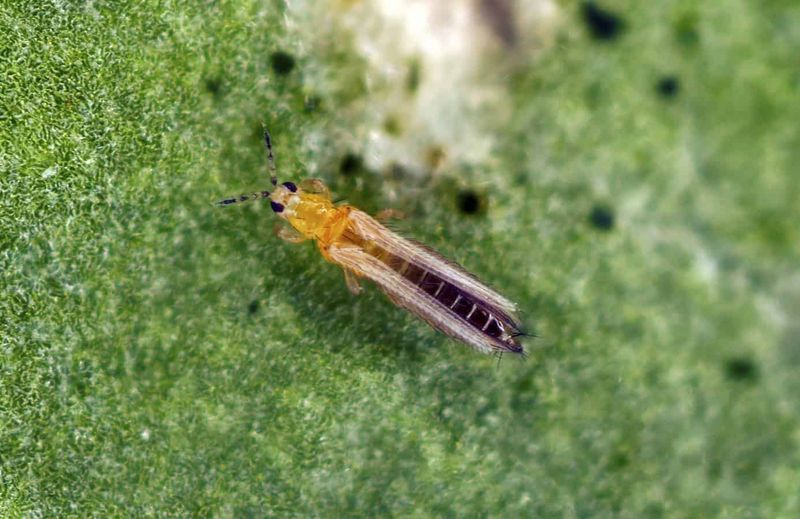
Do not let their tiny size fool you. Thrips are one of the most destructive insects you can find in a Texas garden, and May is the month when their populations really start to take off.
These slender little insects are barely visible to the naked eye, often less than a millimeter long. But the damage they cause is very noticeable once you know what to look for.
Thrips feed by scraping plant tissue and sucking up the cell contents. This leaves behind silvery or bronze streaks on leaves, distorted new growth, and flowers that look damaged or fail to open properly.
On onions and garlic, which are popular crops in Texas, thrips feeding can cause the leaves to look silvery and papery. On peppers and tomatoes, you may notice scarring on fruits and misshapen leaves.
Beyond the direct feeding damage, thrips are also known to spread plant viruses. Tomato spotted wilt virus, which is common in Texas, is one of the most damaging diseases they can transmit.
Once a plant is infected with this virus, there is little you can do to reverse it, so prevention is everything.
Blue sticky traps are excellent for monitoring thrips populations in your garden. Reflective mulch can also confuse and deter them.
Spinosad-based insecticides are among the most effective treatments for thrips and are approved for organic gardening.
Keeping weeds cleared around your Texas garden also removes hiding spots and alternate food sources that help thrips populations grow throughout the season.