7 Pennsylvania Flowers To Trim In May To Keep Them Blooming
May is one of those months in Pennsylvania where what you do with your pruners matters just as much as what you put in the ground.
The season is moving fast, plants are growing aggressively, and a few well-timed cuts right now can mean the difference between flowers that keep producing all the way through summer and plants that peak early, go to seed, and spend the rest of the season looking like they’ve already given up.
Most Pennsylvania gardeners focus heavily on planting in May, which makes complete sense, but trimming often gets pushed to the back burner until things start looking overgrown.
By then, the opportunity to redirect the plant’s energy toward continuous blooming has already passed for certain varieties, and you’re left managing the result of a missed window instead of enjoying a garden that keeps delivering.
A little attention with the pruners this month pays off in color and productivity for the entire rest of the growing season.
1. Pansy
Pansies are one of those flowers that seem almost too cheerful to be real. Their little “faces” come in shades of purple, yellow, white, and orange, making them a favorite across Pennsylvania gardens every spring.
But if you want them to keep smiling all season long, you need to stay on top of deadheading in May.
Deadheading simply means removing the flowers that have already bloomed and are starting to fade. When a pansy finishes blooming, it puts its energy into making seeds instead of new flowers.
By pinching off those spent blooms, you redirect that energy back into producing fresh buds. It takes only a few minutes and makes a huge difference.
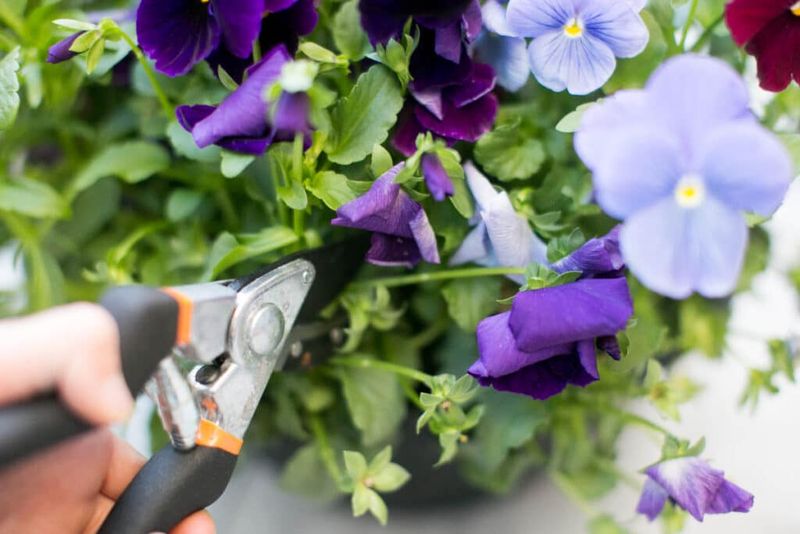
To deadhead a pansy, just pinch the faded flower off right at the base of the stem, or use small scissors if you prefer. Try to do this every few days as you walk through your Pennsylvania garden.
Keeping up with it regularly is much easier than letting things pile up. One thing many gardeners do not realize is that May is actually a critical window for pansies in Pennsylvania. Summer heat arrives quickly, and pansies do not love hot weather.
By trimming them consistently throughout May, you encourage as many blooms as possible before the temperatures climb. You can also cut the entire plant back by about one-third if it starts looking leggy.
This refreshes the plant and often triggers a fresh flush of colorful flowers before summer truly settles in across Pennsylvania.
2. Petunia
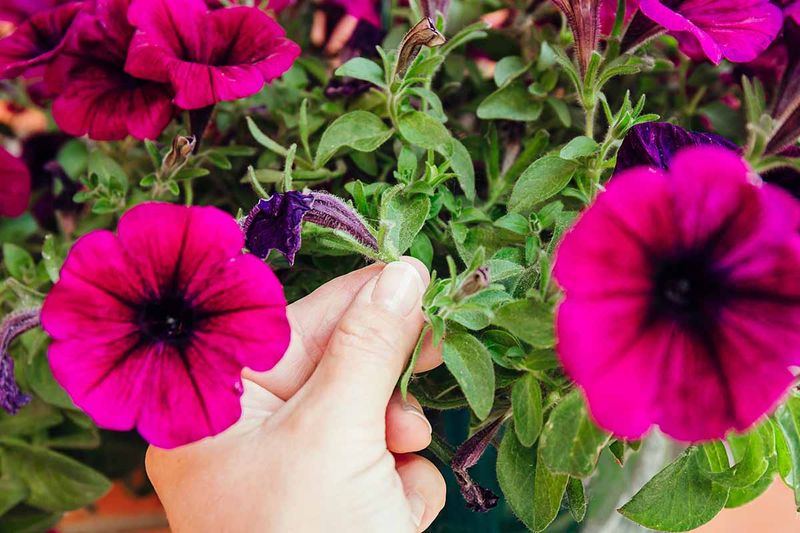
Few flowers put on a show quite like petunias. They spill out of window boxes, cascade from hanging baskets, and fill garden beds with waves of color all across Pennsylvania.
The catch? They need regular deadheading to keep that display going strong throughout the season.
Without trimming, petunias get straggly fast. The stems grow long and bare, with blooms only at the very tips.
Pinching off spent flowers encourages the plant to branch out and produce more buds along the entire stem. This is what gives you that full, lush look that makes petunias so popular in the first place.
Your Pennsylvania Garden Changes Every Week. Your Plan Should Too.
Gardening in Pennsylvania changes quickly throughout the season. Every Friday you’ll receive a simple weekly plan showing exactly what to plant, prune, fertilize, harvest, and protect so you never miss the right timing.
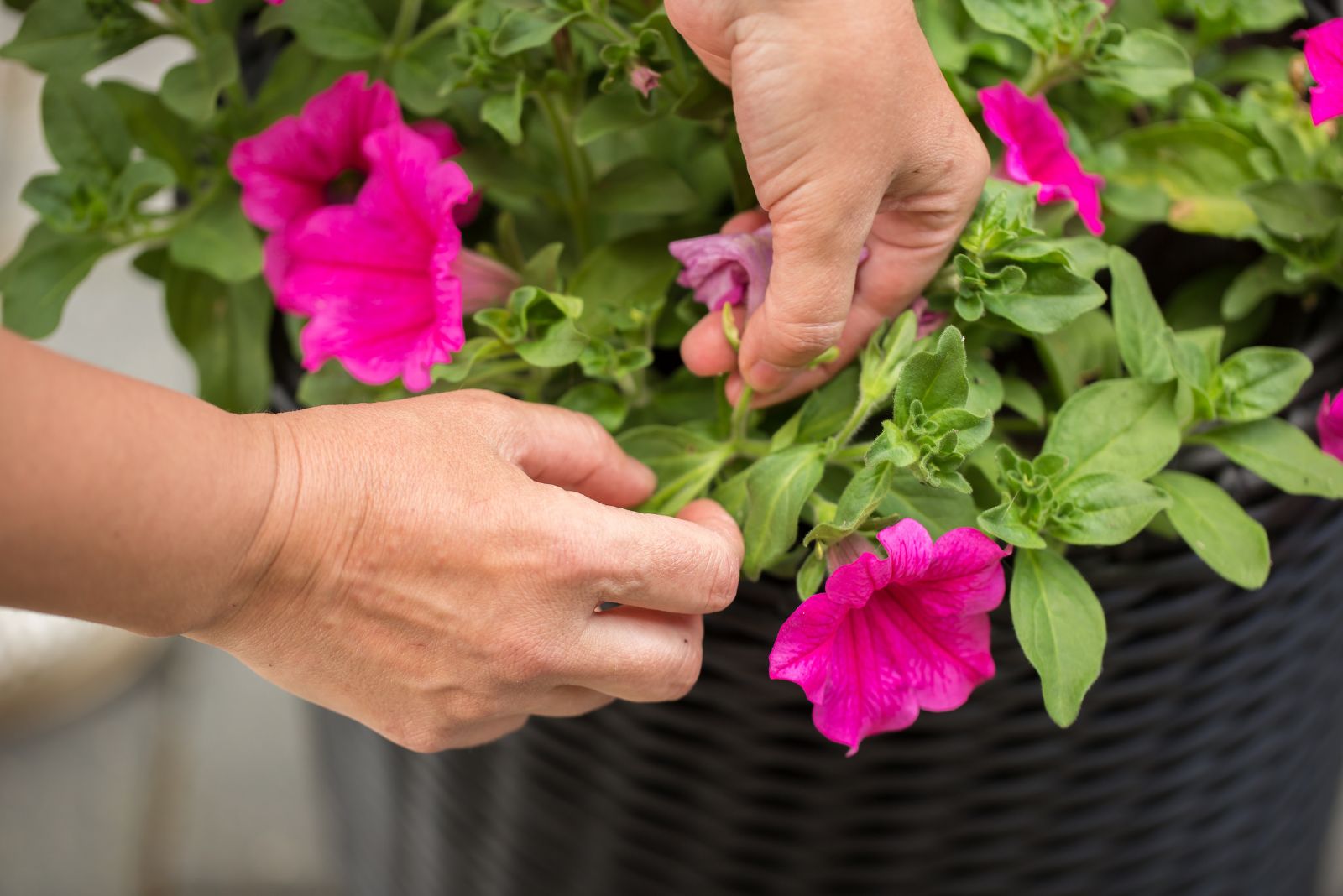
In May, make it a habit to walk through your Pennsylvania garden every couple of days with a pair of small scissors or just your fingers. Pinch off any flower that looks faded, wilted, or brown.
Go just below the flower head and remove the seed pod too, since that is where the plant will focus its energy if you leave it behind.
If your petunias start looking really stretched out and thin in late May, do not be afraid to cut them back more aggressively. Trim the stems back by about one-third to one-half.
They might look a little bare for a week, but they bounce back quickly with a burst of new growth and fresh blooms. A little fertilizer after a hard trim helps speed things along.
Petunias are tough and rewarding plants that respond beautifully to regular care in Pennsylvania gardens.
3. Geranium
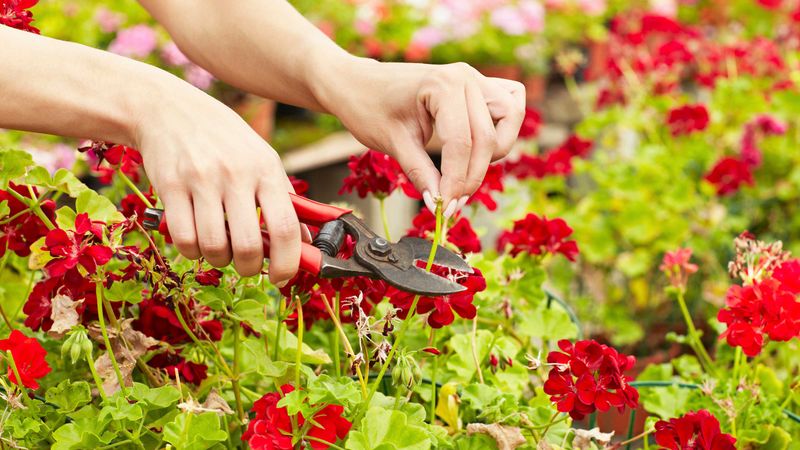
Geraniums have been a staple of Pennsylvania porches and garden beds for generations, and for good reason. They are tough, colorful, and surprisingly easy to care for.
But one habit that separates a thriving geranium from a sad, straggly one is regular pinching and trimming throughout May.
When geranium flowers fade, they leave behind dry, brown clusters that sit on top of the stems. These spent blooms are not just ugly.
They also signal the plant to stop producing new flowers and start focusing on seeds. Pinching them off as soon as they fade keeps the plant in blooming mode all season long.
To remove spent geranium blooms, follow the flower stem all the way down to where it meets the main stem or a leaf node. Pinch or snip it off cleanly at that point.
Leaving part of the stem behind can lead to rot, so make sure you get the whole thing. Do this every few days throughout May for the best results in your Pennsylvania garden.
Beyond deadheading, May is also a great time to pinch back any leggy stems on your geraniums. If a stem has grown long without branching, pinch the tip off just above a leaf node.
This encourages the plant to send out side shoots and become fuller and bushier. A compact, well-shaped geranium not only looks better but also tends to produce more blooms over time.
With a little attention in May, your geraniums will reward you with color well into the fall across Pennsylvania.
4. Marigold
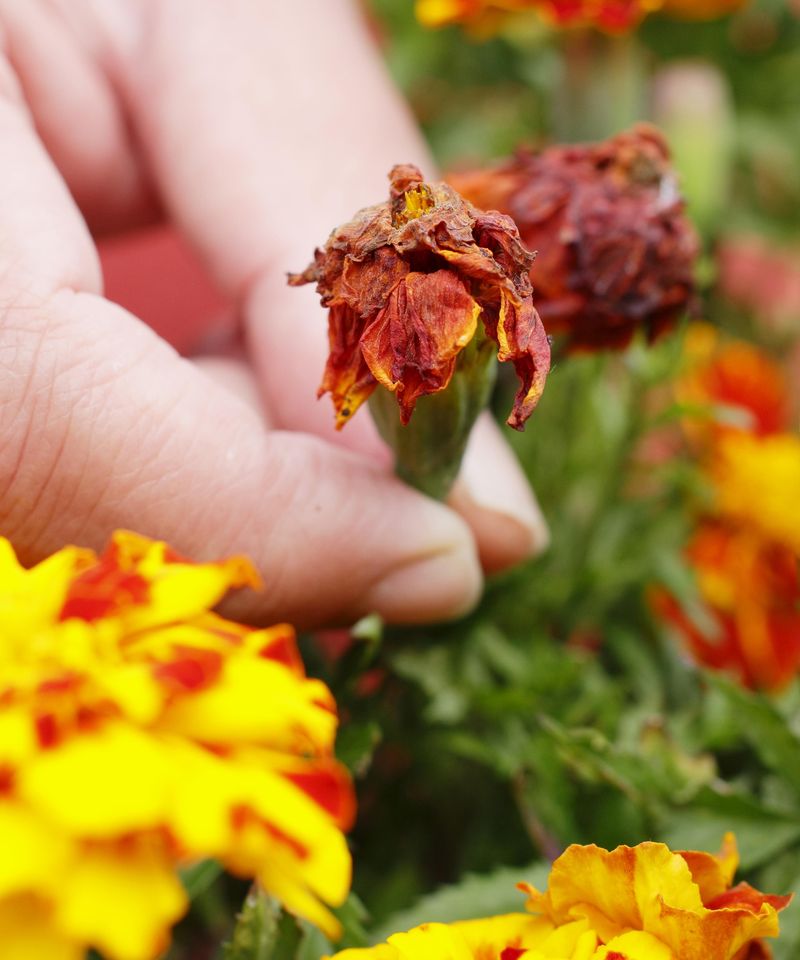
Marigolds are practically the workhorses of the Pennsylvania summer garden. They are bright, bold, cheerful, and surprisingly low-maintenance.
But even these tough little plants need some help in May to keep the blooms coming fast and strong all season long.
Deadheading marigolds is one of the most satisfying garden tasks around. The spent blooms are easy to spot because they turn brown and papery.
Simply grab the faded flower head between your fingers and snap it off, or use small garden scissors to snip it cleanly at the base of the flower stem. Either way works perfectly well.
When you remove those old blooms, the plant stops putting energy into making seeds and redirects it toward producing brand new flower buds.
In Pennsylvania, where the growing season is long but summers can get hot and humid, keeping marigolds deadheaded in May sets them up for months of continuous color. Regular trimming also keeps the plants compact and tidy rather than sprawling and messy.
Did you know marigolds are also natural pest repellents? Their strong scent keeps many common garden insects away, which is one reason Pennsylvania gardeners love planting them near vegetables and herbs.
Keeping your marigolds well-trimmed means more flowers are open and doing that pest-repelling job throughout your garden. Try deadheading your marigolds once a week in May and watch how quickly new buds appear.
Pair this habit with a light feeding of balanced fertilizer, and your marigolds will stay compact, healthy, and full of color all the way through summer and into fall.
5. Snapdragon
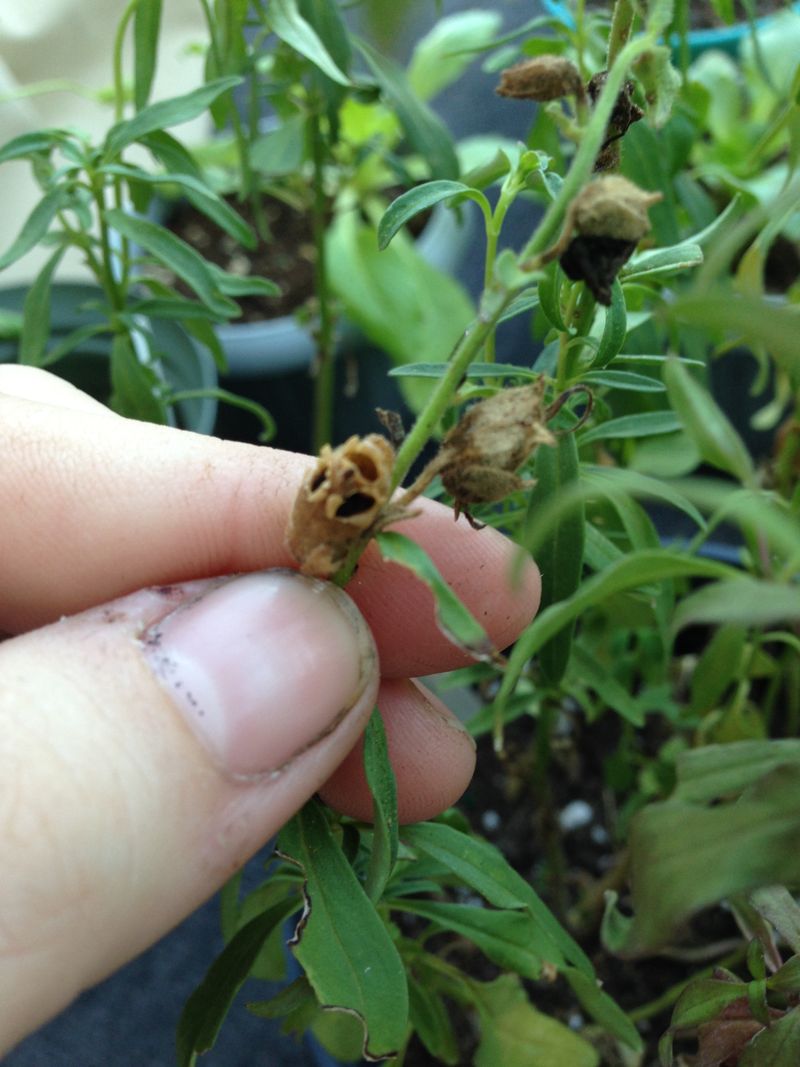
There is something almost magical about snapdragons. Squeeze the sides of a bloom and it opens like a tiny dragon mouth, which is exactly how they got their fun name.
These tall, dramatic flowers are a beloved part of Pennsylvania spring gardens, but they need some attention in May to stay at their best.
Snapdragons bloom from the bottom of the spike upward. Once the top blooms have opened and faded, the whole spike starts to look tired and worn out.
That is your cue to cut it back. Use clean garden scissors or pruning shears to trim the spent flower spike back to just above a set of healthy leaves or a side shoot. This cut encourages the plant to send up fresh new spikes packed with buds.
May is the sweet spot for cutting back snapdragons in Pennsylvania because temperatures are still mild enough for the plants to recover and rebloom before summer heat sets in.
Snapdragons actually prefer cooler weather, so trimming them in May gives them the best chance of producing a second strong flush of blooms before things warm up too much.
After cutting, give your snapdragons a light feeding with a balanced fertilizer to help fuel that new growth. Water consistently and make sure they are getting plenty of sunlight.
If you planted snapdragons in containers on your Pennsylvania porch or patio, they may need slightly more frequent watering and feeding than those in the ground.
Keep trimming throughout May and you will be rewarded with wave after wave of those charming, colorful blooms that make snapdragons so special.
6. Dianthus
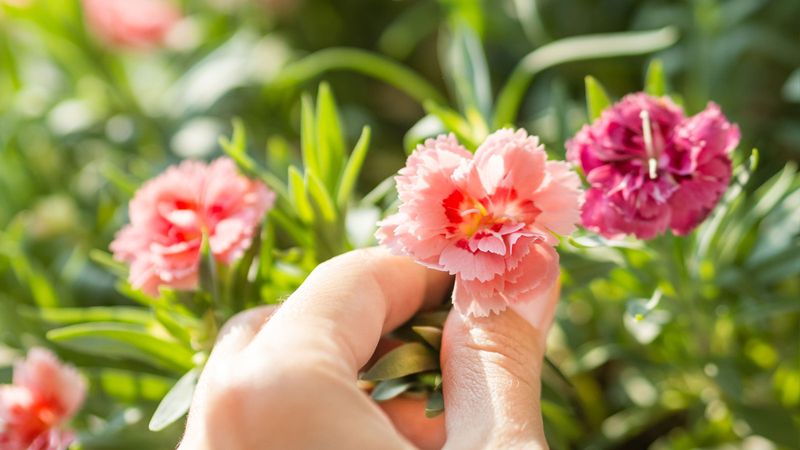
Dianthus flowers have a charm that is hard to describe until you see them up close. Their fringed, ruffled petals come in shades of pink, red, white, and bicolor, and many varieties carry a soft, sweet fragrance.
In Pennsylvania gardens, they are a spring staple that bridges the gap between early bulbs and summer annuals.
Keeping dianthus blooming through May and beyond comes down to one simple habit: removing faded flowers promptly. When the petals start to look dull or papery, snip the spent bloom off right at the base of its stem.
This prevents seed formation and signals the plant to push out fresh new buds. It really is that straightforward.
What makes dianthus especially rewarding in Pennsylvania is how reliably they respond to deadheading. Many gardeners report that their dianthus plants seem to double their flower output once they get into a regular trimming routine in May.
The plants stay neat and tidy, and the fresh blooms that follow are often just as vibrant as the first ones.
Beyond deadheading, give your dianthus a light trim of the overall plant shape if it starts to spread too wide or look untidy. Shearing the plant back by about one-quarter after the first big bloom cycle can encourage a fresh round of growth.
Make sure your dianthus is planted in well-drained soil and gets plenty of sun, since soggy roots are their biggest weakness. With the right care in May, your Pennsylvania dianthus will reward you with steady, cheerful color well into early summer.
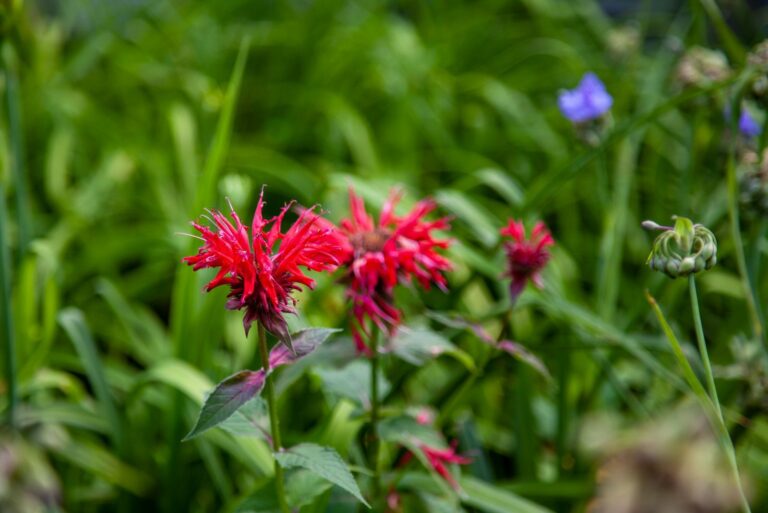
7. Salvia
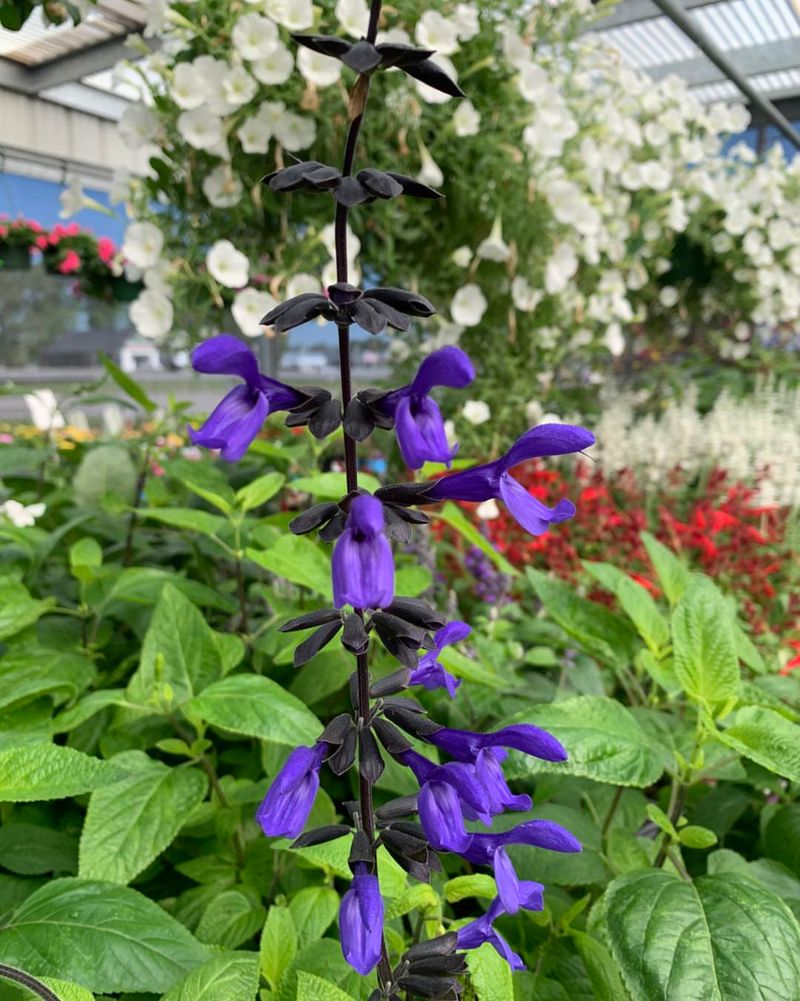
Salvia brings a bold splash of color to Pennsylvania gardens with its tall spikes of purple, blue, red, or white flowers. Hummingbirds and pollinators absolutely love it, which makes it a double win for any garden.
But to keep those striking flower spikes coming all season long, regular deadheading in May is a must.
Once a salvia flower spike has finished blooming, it starts to look brown and scraggly at the tips. Left alone, the plant quickly shifts its focus toward making seeds, which slows down flower production significantly.
Cutting off those spent spikes right at the base, or back to a healthy set of leaves, redirects the plant’s energy toward producing brand new flower spikes. The difference is noticeable within just a week or two.
In Pennsylvania, May is the ideal time to get into this trimming routine because salvia plants are actively growing and full of energy. The more consistently you deadhead, the more continuously the plant blooms.
Some Pennsylvania gardeners cut their salvia back by about one-third in late May to refresh the entire plant and encourage a fresh flush of growth. This works especially well for perennial salvia varieties.
One thing worth keeping in mind is that letting salvia go to seed too early can shorten its overall bloom season considerably. Staying on top of deadheading throughout May prevents this from happening.
Salvia is also drought-tolerant once established, making it a low-fuss choice for busy Pennsylvania gardeners. Pair regular trimming with good sun exposure and occasional fertilizing, and your salvia will put on a stunning show from spring through fall.