How To Plant Cactus And Desert Plants In Arizona In May Without Stress
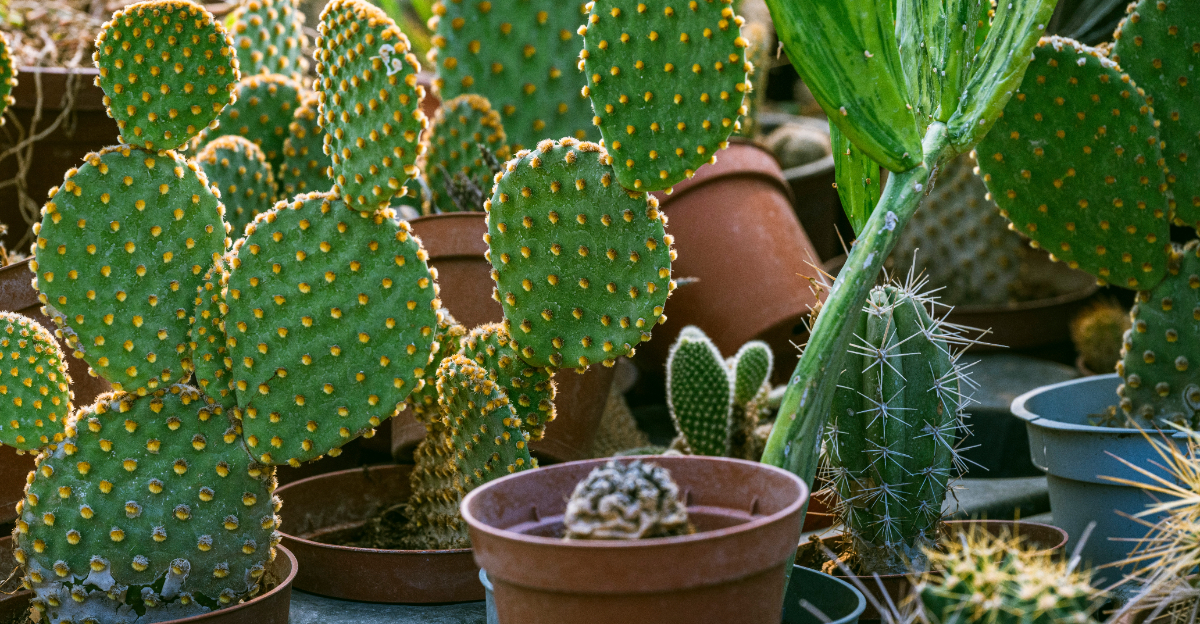
May planting in Arizona can turn risky fast once heat builds through the day. Cactus and desert plants may seem tough, yet fresh transplants often react poorly if conditions are not handled carefully from the start.
Early mistakes usually show up later, when plants begin to struggle instead of settling in.
Soil, depth, and immediate sun exposure all influence how well each plant adjusts. Some areas trap more heat than expected, which can push new plants too hard before roots take hold.
Gentle handling during planting also matters, since any damage slows down recovery.
A steady approach during this time helps plants adapt without shock. With the right setup, cactus and desert plants in Arizona settle in more smoothly and keep moving forward instead of stalling early.
1. Plant Early In The Morning To Reduce Stress
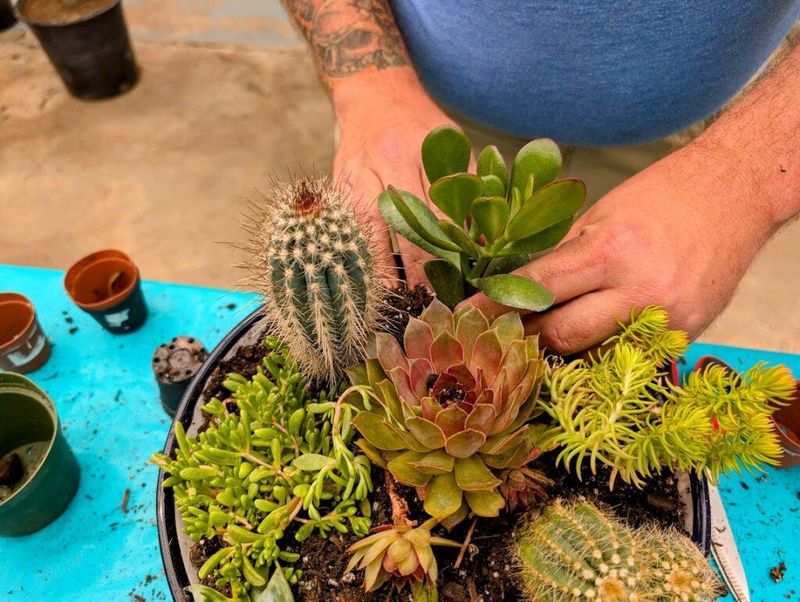
Sunrise is your best friend when planting in Arizona in May. By 9 a.m., temperatures in Phoenix and Tucson can already push past 90 degrees, making it harder for newly placed plants to settle without heat pressure.
Getting outside by 6 or 7 a.m. gives you a cooler window to work comfortably and lets plants begin rooting before the midday sun hits hard.
Morning soil is also slightly cooler from the overnight drop in temperature. That cooler ground helps reduce shock when roots first make contact with their new environment.
Even a difference of 10 degrees in soil temperature can matter to a cactus that is adjusting to a new spot.
Working in the morning also means you are moving faster and thinking more clearly. Digging in 105-degree afternoon heat is exhausting, and mistakes happen when you are rushing to get out of the sun.
A calm, cool start sets the tone for careful planting.
Finish up your planting session before 10 a.m. if possible, especially during late May when Arizona heat spikes quickly. Once plants are in the ground, give them a light watering right away to help settle the soil around the roots.
2. Choose Heat Tolerant Cactus And Desert Varieties
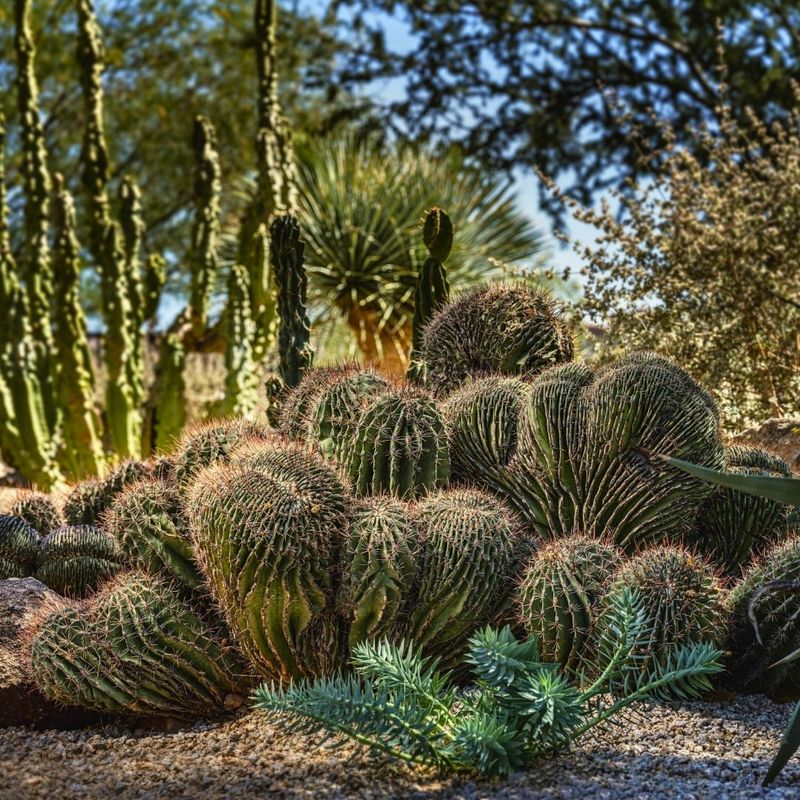
Not every cactus or desert plant sold at Arizona nurseries is ready for the full fury of a May sun exposure. Some varieties look tough but were grown in partial shade and need time to adjust before facing direct Arizona summer heat without protection.
Picking the right plant from the start saves a lot of headaches later.
Native Arizona species like saguaro, barrel cactus, prickly pear, and cholla are naturally built for this climate. Agave, desert spoon, and ocotillo are also excellent choices that handle intense heat, low rainfall, and rocky or sandy soil without much fuss.
These plants have evolved over thousands of years in the Sonoran Desert, so they know how to handle May in Arizona.
When shopping at a local nursery, ask specifically about plants grown outdoors in Arizona conditions rather than greenhouse-raised stock. Greenhouse plants can be beautiful but may need a hardening-off period before full sun exposure.
A plant that spent its early weeks indoors under fluorescent lights will react differently to 110-degree direct sun than one raised in an outdoor Arizona nursery yard.
Your Arizona Garden Changes Every Week. Your Plan Should Too.
Gardening in Arizona changes quickly throughout the season. Every Friday you’ll receive a simple weekly plan showing exactly what to plant, prune, fertilize, harvest, and protect so you never miss the right timing.
Look for compact, firm growth with no yellowing or soft spots on the body. Avoid plants that look stretched or pale, as those are signs of too little light during growth.
3. Use Fast Draining Soil To Prevent Root Rot
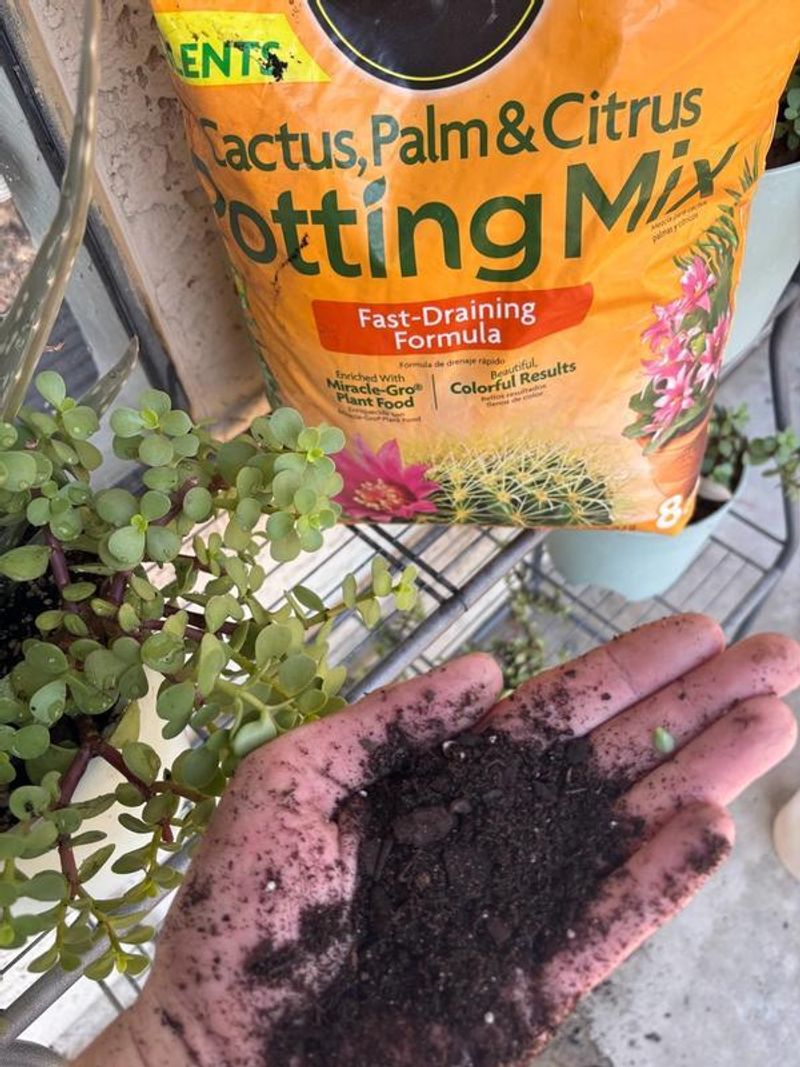
Standing water around cactus roots is one of the fastest ways to ruin a desert plant, especially during Arizona monsoon season that follows May planting. Even a few hours of soggy soil can cause root rot in cactus and succulents that are built for dry, well-aerated ground.
Getting your soil right before planting is not optional, it is the foundation of the whole setup.
Standard garden soil holds too much moisture for desert plants. A proper cactus mix blends coarse sand, perlite, and grit in proportions that allow water to drain through quickly.
Many Arizona gardeners add extra decomposed granite or coarse gravel to store-bought cactus mix to improve drainage even further, especially in clay-heavy areas around Scottsdale and Chandler where native soil compacts easily.
When planting in the ground rather than containers, dig your hole wider than deep and check drainage before placing the plant. Pour a bucket of water in the empty hole and watch how fast it absorbs.
If water sits for more than 30 minutes, amend the soil with grit and sand before proceeding. Raised beds are another smart option for areas with notoriously poor drainage.
Container gardeners in Arizona have an easier time controlling soil quality since every pot gets a fresh, custom mix.
4. Avoid Disturbing Roots During Transplanting
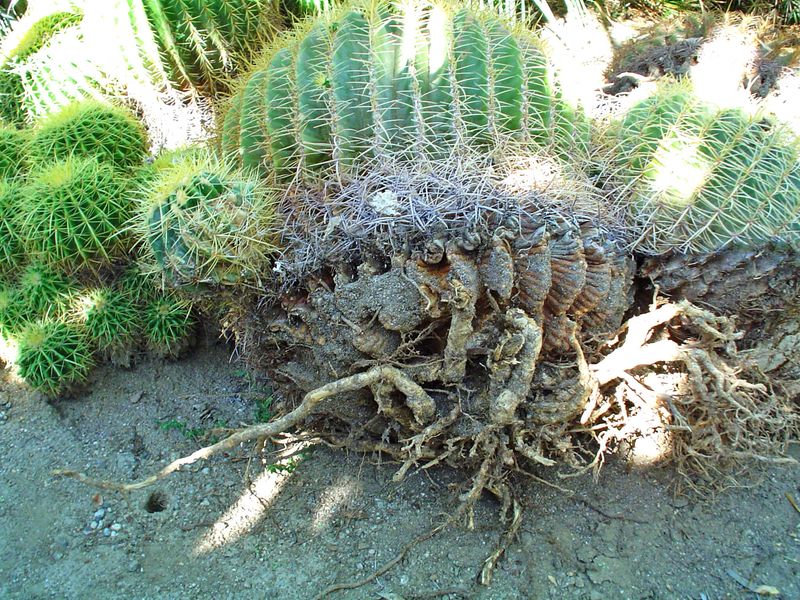
Roots are the quiet engine behind every healthy desert plant, and rough handling during transplanting can set a cactus back by weeks. Arizona’s intense May sun gives newly planted roots very little recovery time if they get torn, bent, or compressed during the move from pot to ground.
Gentle, deliberate handling makes a real difference in how quickly a plant bounces back.
Before removing a cactus from its nursery container, water it lightly the day before to help the root ball hold its shape. When you tip the pot, support the base of the plant rather than pulling from the top.
For larger cacti like saguaro or tall columnar varieties, having a second person steady the plant while you work the root ball free prevents unnecessary twisting that can snap fine feeder roots.
Once the plant is out, move it directly to the prepared hole without letting it sit in the sun with exposed roots. Desert plant roots dry out faster than you might expect in Arizona’s low humidity.
Aim to get the root ball into the ground within a few minutes of removing it from the container.
Set the plant at the same depth it was growing in the pot. Planting too deep buries the crown and invites rot, while planting too shallow leaves roots exposed to extreme surface heat.
5. Water Lightly After Planting To Settle Soil
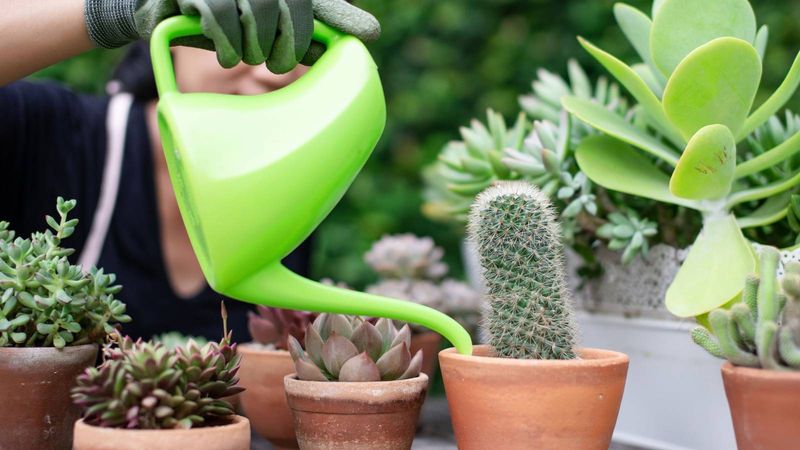
Right after planting, a light watering helps close air pockets around the root ball and gives roots their first contact with moist soil. In Arizona’s dry May air, that initial watering is not about hydration as much as it is about physical settling.
Water moves soil particles into place and creates a snug fit around roots that would otherwise sit in loose, airy gaps.
Keep the first watering gentle and focused. A slow trickle at the base of the plant works better than a strong spray that washes away soil or exposes roots.
Soaker hoses or a low-flow nozzle setting on a garden hose are practical tools for this step, especially if you are planting multiple cacti in one session across a larger Arizona yard or landscape bed.
After that first watering, hold off for at least a week before watering again, depending on your soil type and the plant variety. Newly planted desert plants in Arizona need a dry period between waterings to encourage roots to reach outward in search of moisture.
Overwatering right after planting is a common mistake that leads to soft, rotting root tissue before the plant even gets established.
Watch the plant rather than following a rigid watering schedule. Slight wrinkling or a soft feel to the cactus body signals that it needs water.
Firm, plump tissue means moisture levels are fine.
6. Provide Temporary Shade During Extreme Heat
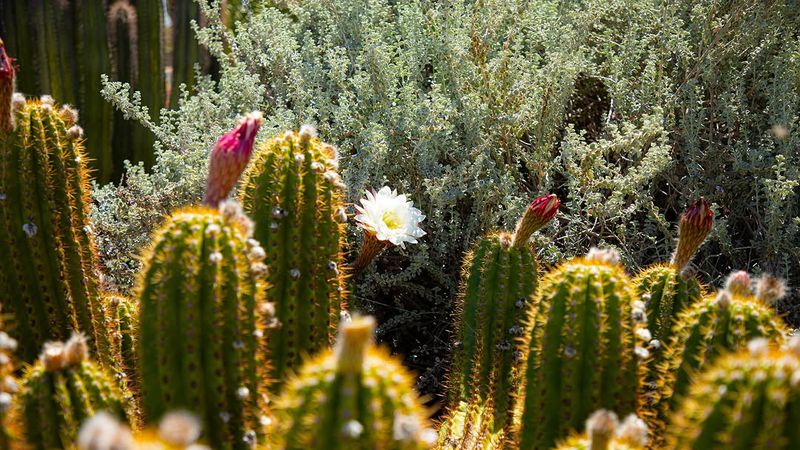
Even plants bred for desert life can get sunburned when they are first transplanted, and Arizona’s May sun is intense enough to bleach or scorch cactus tissue that has not yet adjusted to its new exposure angle. A temporary shade setup during the first two to three weeks can make a real difference in how smoothly a plant transitions to its new spot.
Shade cloth rated at 30 to 40 percent light reduction is a practical tool used by many Arizona landscapers and home gardeners during spring planting season. Drape it over a simple frame of wooden stakes or PVC pipe positioned above the plant without touching it.
Airflow around the plant matters as much as shade, so avoid wrapping the plant tightly or blocking ventilation on the sides.
Pay attention to which direction your plant faces. A cactus moved from a shaded nursery bench to a south-facing Arizona yard is suddenly getting significantly more direct sun than it was used to.
West-facing exposures in Arizona are particularly harsh in the late afternoon when temperatures peak and the sun angle is low and direct.
Shade protection does not need to last long. Most healthy desert plants adjust to full sun within two to four weeks if they were already in good condition before planting.
7. Wait Before Fertilizing To Prevent Burn
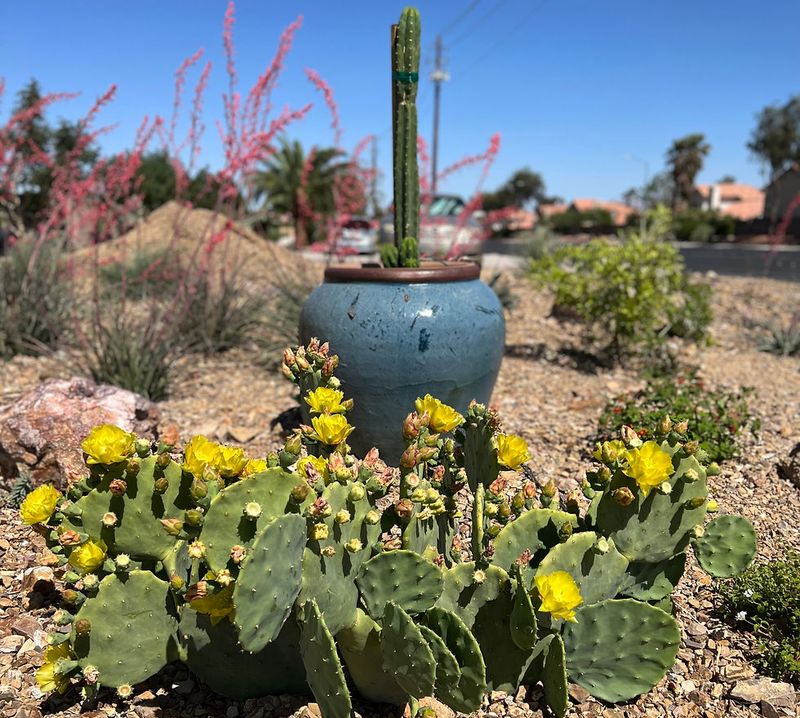
Fertilizer right after planting sounds like a good idea, but for desert plants in Arizona, it often does more harm than good. Freshly transplanted cacti and succulents have damaged or stressed roots that cannot handle a sudden rush of nutrients.
Applying fertilizer too soon can burn tender root tips and slow down the very establishment process you are trying to support.
Wait at least four to six weeks after planting before introducing any fertilizer to your desert plants. During that initial period, roots are focused on anchoring and recovering, not on pushing new growth.
Feeding a plant that is still settling into Arizona’s rocky, sandy soil is like asking someone to run a race the day after surgery. The timing is simply wrong.
When you are ready to fertilize, choose a low-nitrogen, slow-release formula specifically designed for cacti and succulents. High-nitrogen fertilizers push fast, soft growth that looks lush but struggles in Arizona’s heat and drought conditions.
Slow-release granules worked lightly into the soil surface give roots a gentle, steady supply of nutrients without overwhelming them.
Fertilizing once in early spring and once in early fall works well for most Arizona desert plants.