This Is The Tiny Pest Destroying Boxwoods In Texas Yards This Season
Something is quietly working its way through boxwoods across Texas yards this season, and a lot of homeowners have no idea what they’re dealing with until the damage is already significant.
What starts as minor leaf discoloration or a few chewed edges can escalate surprisingly fast into widespread defoliation that leaves once-pristine hedges looking hollowed out and struggling to recover.
The culprit is a small but destructive pest that has been expanding its range and showing up in more Texas landscapes with each passing season.
It’s not the kind of thing that announces itself dramatically – the early signs are easy to dismiss as general stress or minor feeding damage from something less serious.
That’s exactly what makes it so damaging. By the time most gardeners recognize what’s actually happening, the infestation has had weeks to establish itself and spread.
Knowing what to look for right now, before the damage compounds, is the most important thing Texas boxwood owners can do this season.
Meet The Boxwood Pest Gardeners Should Not Ignore
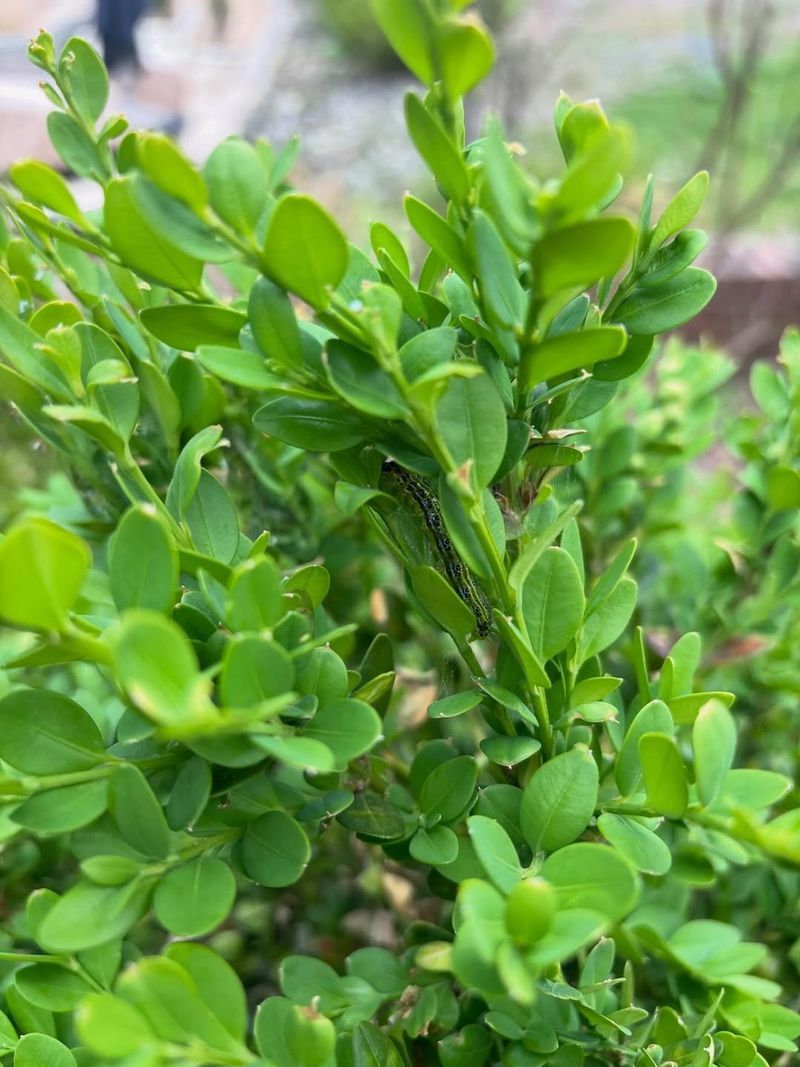
Tucked inside your neatly trimmed boxwood shrubs, something small and sneaky may already be at work. The box tree moth caterpillar has been making headlines as one of the most damaging pests to hit ornamental shrubs in recent years.
These caterpillars are not easy to spot at first glance, which makes them especially tricky to deal with.
Box tree moth caterpillars are the larvae of a moth originally from East Asia. They were first detected in North America around 2018 and have been spreading steadily since then.
Their ability to travel through the nursery trade makes them a real concern for Texas gardeners who buy plants from different regions.
What makes this pest so alarming is how quietly it works. By the time you notice something is wrong with your boxwood, the caterpillars may have already caused significant harm.
They feed from the inside out, hiding beneath webbing while they munch through leaves and stems.
Texas homeowners who love their classic boxwood hedges should take this pest seriously. A healthy, mature boxwood can suffer major damage in just one season if caterpillars go unnoticed. Early awareness is truly your best defense against widespread shrub damage in your yard.
Not every boxwood problem is caused by this specific pest, but it is worth knowing what to look for. If you are seeing unusual damage in your Texas garden, the box tree moth caterpillar should be near the top of your suspect list this season.
Why This Pest Is So Destructive
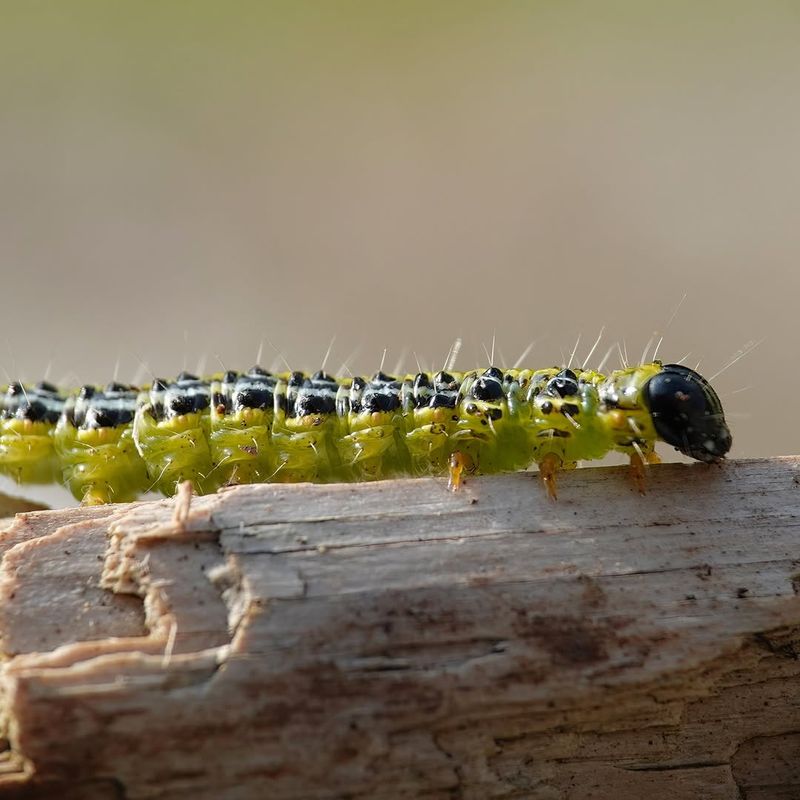
Few garden pests can match the level of destruction that box tree moth caterpillars are capable of causing. These small larvae feed aggressively on boxwood foliage, stripping leaves right off the stems.
When a large group of caterpillars works together on one shrub, the damage can happen shockingly fast.
Boxwoods are known for being tough, low-maintenance plants. Many Texas gardeners rely on them for borders, hedges, and foundation plantings.
But even the hardiest boxwood is no match for a serious caterpillar infestation that goes unnoticed for too long.
Your Texas Garden Changes Every Week. Your Plan Should Too.
Gardening in Texas changes quickly throughout the season. Every Friday you’ll receive a simple weekly plan showing exactly what to plant, prune, fertilize, harvest, and protect so you never miss the right timing.
The feeding does not stop at the leaves. In heavy infestations, caterpillars can also chew on the bark of stems, which cuts off the flow of water and nutrients inside the plant. Once bark damage occurs, recovery becomes much harder and takes much longer.
What makes the destruction even more frustrating is the speed of it all. A shrub that looked perfectly green one week can look brown and bare just weeks later.
Texas summers already put stress on plants, and adding a pest like this on top of heat and drought makes recovery even tougher.
The caterpillars go through multiple generations in a single growing season, which means populations can build up quickly. Each new generation brings more feeding, more webbing, and more damage to your boxwoods.
Staying on top of the situation early in the season is the smartest move any Texas gardener can make to protect their landscape investment.
The Early Signs Hiding Inside Your Shrubs
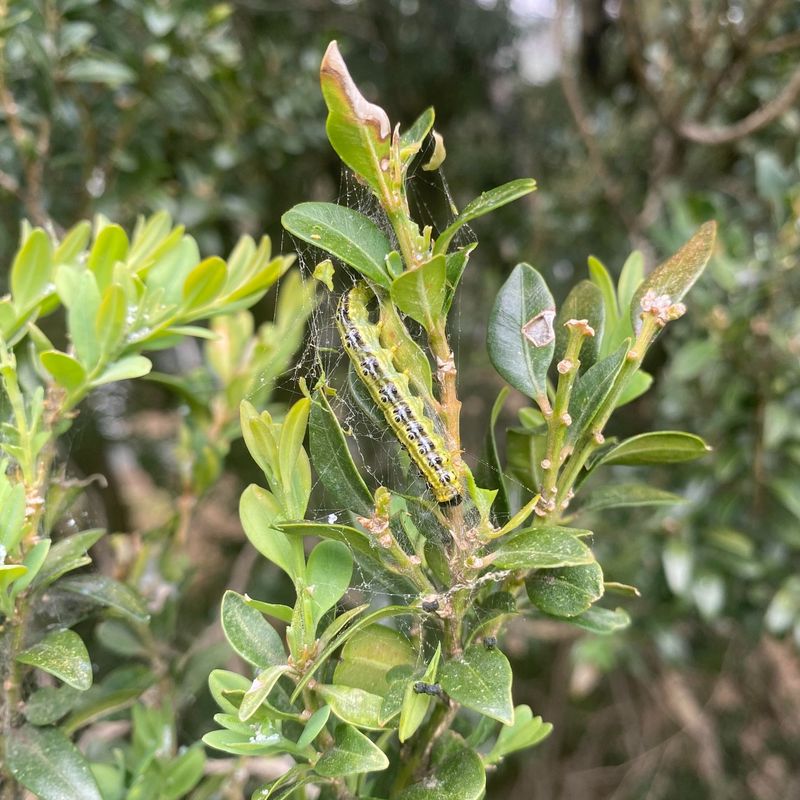
Spotting trouble early is everything when it comes to protecting your boxwoods. The sneaky thing about box tree moth caterpillars is that they like to hide deep inside the shrub rather than feeding on the outer surface.
Most gardeners walk past their boxwoods every day without ever seeing what is happening on the inside.
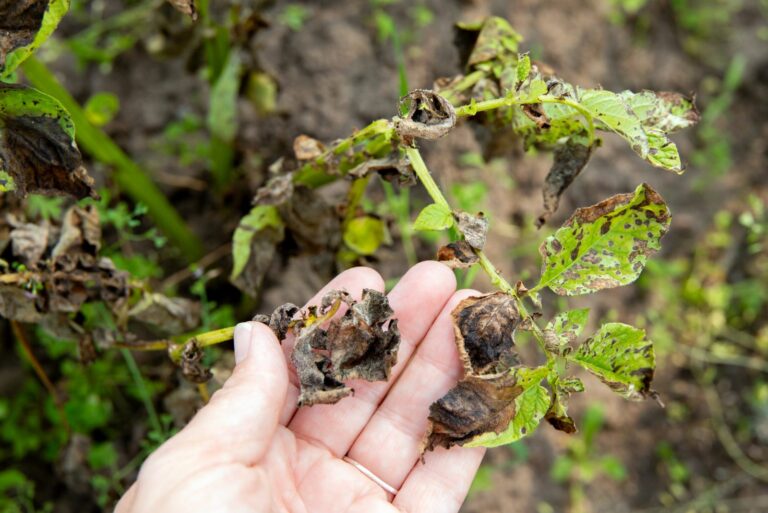
One of the first signs to look for is chewed or ragged leaf edges. Leaves may also appear yellowed or faded before they turn brown.
If you gently part the branches and peer inside, you might find silky webbing strung between stems, which is a classic calling card of these caterpillars.
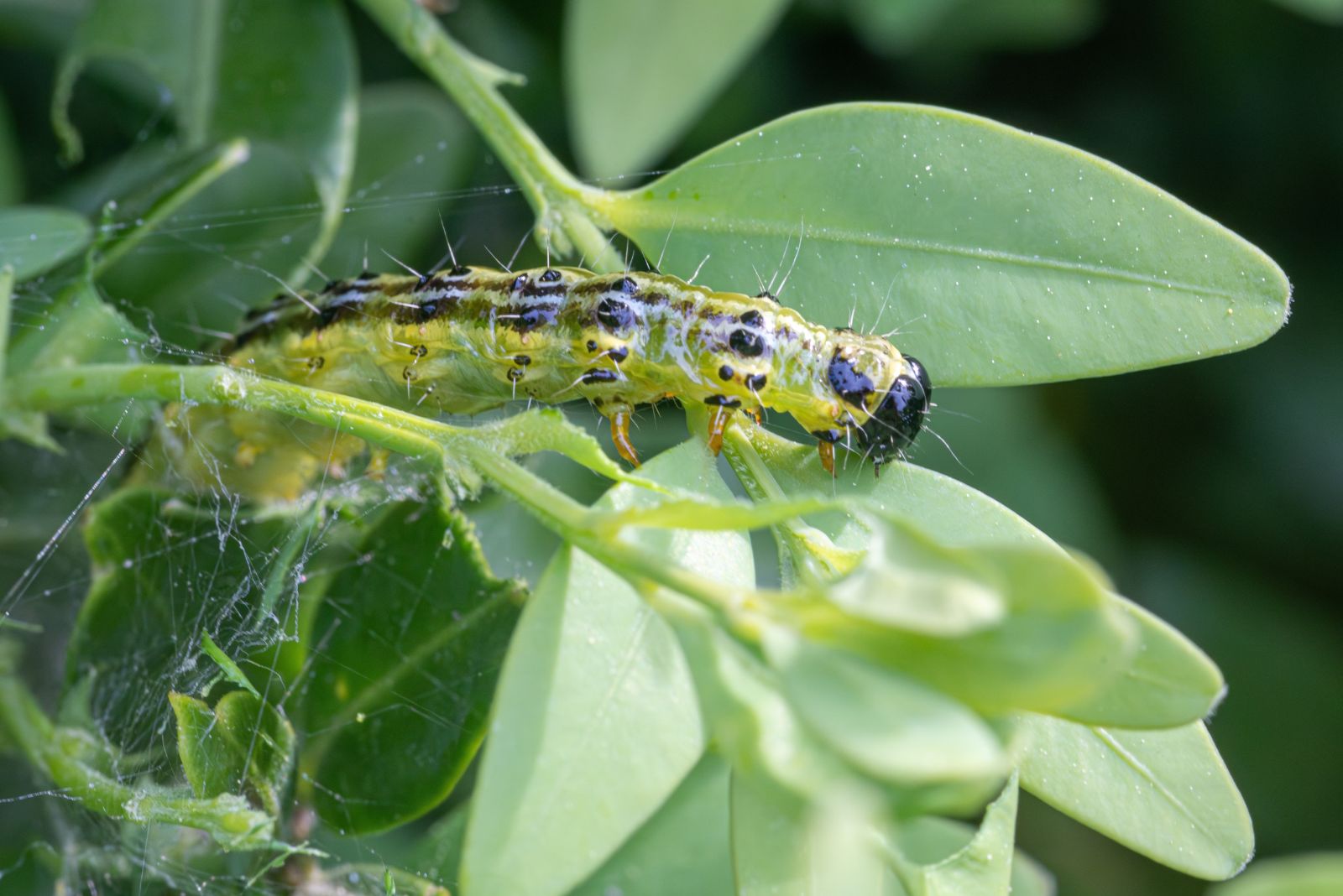
The caterpillars themselves are green with bold dark stripes running along their bodies. They blend in surprisingly well with boxwood foliage, so you really have to look carefully. Small droppings, called frass, may also be visible on the leaves or soil beneath the shrub.
Sudden browning or bare patches that appear out of nowhere are another red flag. If one section of your boxwood looks noticeably worse than the rest, that is a good reason to investigate further. Do not assume it is just drought stress or a watering issue without checking inside first.
Texas gardeners should make a habit of inspecting their boxwoods from the inside out at least once a month during the growing season.
Catching the problem early, before caterpillar populations explode, gives you a much better chance of protecting your shrubs and keeping your landscape looking its best all season long.
Why Texas Gardeners Should Be Paying Attention
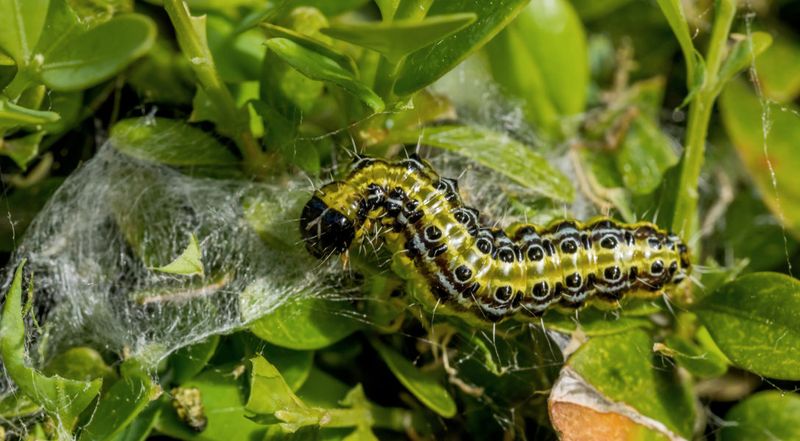
Boxwoods are one of the most popular shrubs used in Texas landscaping. You can find them lining driveways, framing front porches, and filling formal garden beds all across the state.
Because they are so widely planted, any pest that targets boxwoods has the potential to affect a huge number of Texas yards at once.
The box tree moth has been spreading through the nursery trade, meaning infested plants can travel from one state or region to another without anyone realizing it.
A gardener in Texas could unknowingly bring home a plant that is already carrying eggs or young caterpillars. That is how new pest problems get started in areas where they were not previously found.
It is also worth noting that not every browning boxwood in Texas is caused by this specific pest. Texas boxwoods face other common threats too, including boxwood blight, root rot, and stress from extreme heat.
Jumping to conclusions without proper identification can lead to the wrong treatment and wasted effort.
Before assuming the worst, Texas gardeners should contact their local Texas A&M AgriLife Extension office. Extension agents can help identify the actual cause of damage and recommend the right course of action.
Getting a proper diagnosis saves time, money, and prevents unnecessary chemical use in your garden.
Staying informed and connected to local gardening resources is one of the best things a Texas homeowner can do.
Pest situations change from season to season, and local experts are always the most reliable source of current, region-specific information for protecting your landscape plants.
What To Do If You Spot The Damage
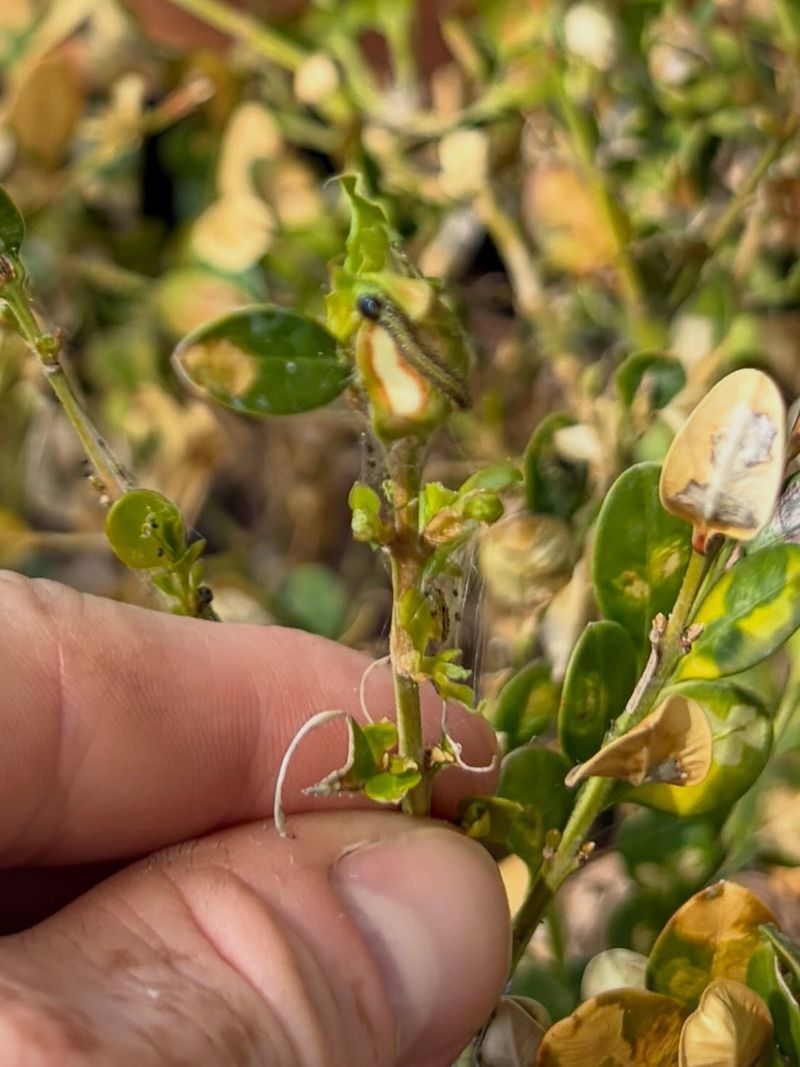
Finding caterpillar damage on your boxwoods can feel alarming, but there are clear steps you can take to get the situation under control. The first thing to do is resist the urge to panic.
A calm, methodical approach will always serve you better than rushing to grab the nearest spray bottle.
Start by inspecting the inside of the shrub, not just the outer surface. Use your hands to gently open up the branches and look for webbing, caterpillars, and damaged stems.
Getting a clear picture of how widespread the damage is will help you decide what to do next.
If you find heavily damaged sections, prune them out carefully and dispose of the clippings in a sealed bag. Do not toss them into a compost pile, as this could spread the problem.
Removing damaged material also improves airflow inside the shrub, which benefits overall plant health.
When you are not sure what pest you are dealing with, reach out to your local Texas A&M AgriLife Extension office or a certified plant diagnostic service.
Sending in a sample for identification is a smart move before applying any treatments. Using the wrong product wastes money and may not solve the problem at all.
If the pest is correctly identified as box tree moth caterpillar, there are labeled control products available. Always follow label directions carefully and apply treatments at the right time in the caterpillar life cycle for the best results.
Acting quickly and correctly gives your Texas boxwoods the best possible chance of bouncing back strong this season.
How To Protect Boxwoods Going Forward

Once you have dealt with an active pest problem, the next goal is making sure it does not come back. Prevention is always easier than treatment, and a few simple habits can go a long way toward keeping your Texas boxwoods healthy and pest-free through every growing season.
Make it a routine to check your boxwoods regularly, especially during spring and summer when caterpillar activity is at its highest.
A quick monthly inspection of the inside of your shrubs can catch problems before they spiral out of control. Early action always leads to better outcomes than waiting until damage is obvious.
Be thoughtful about the plants you bring home from nurseries. Stressed or sickly-looking plants are more vulnerable to pest problems and may already be carrying unwanted hitchhikers.
Inspect new plants carefully before planting them near your existing boxwoods, and quarantine them for a week or two if you are unsure.
Keeping your boxwoods in good overall health is one of the strongest defenses you have. Proper spacing between plants allows for good airflow, which reduces the humid conditions that pests and diseases love.
Water consistently but avoid overwatering, and apply a balanced fertilizer to support strong, vigorous growth.
Mulching around the base of your boxwoods helps retain moisture and regulate soil temperature, which is especially helpful during Texas summers. A healthy, well-cared-for shrub is far more resilient than a stressed one.
By combining regular monitoring with smart cultural practices, Texas gardeners can enjoy beautiful, thriving boxwood landscapes for many seasons to come.