Why Every North Carolina Gardener Should Be Growing Zinnias And Most Are Missing Out
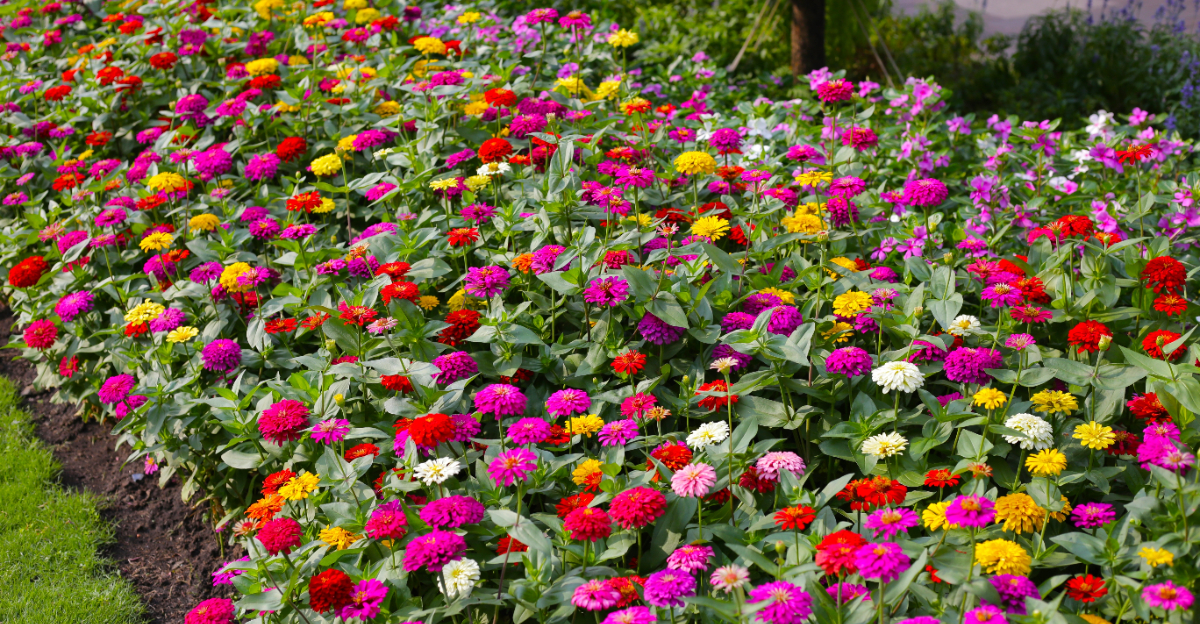
Zinnias might be one of the most underrated plants in the North Carolina garden, which is surprising given how well they perform here.
While other summer flowers struggle through heat and humidity, zinnias lean into those conditions and produce more color with less effort than almost anything else you can grow from seed.
They bloom fast, they keep producing from summer well into fall, and they bring in butterflies and pollinators in numbers that make the whole garden feel more alive.
Yet a lot of North Carolina gardeners skip them entirely, either assuming they are too simple or overlooking them in favor of plants that require far more work and deliver less in return.
The combination of a long warm season and zinnia’s natural toughness creates a genuinely ideal match here, and once you see what a well planted bed of them does for a yard through the summer months, they become a fixture rather than an afterthought.
Here’s exactly why they belong in your garden this season.
1. They Thrive In Heat And Humidity
North Carolina summers are no joke. The heat rolls in fast, the humidity hangs heavy, and plenty of flowering plants simply give up and stop blooming by July.
Zinnias, on the other hand, seem to love every bit of it. While other annuals slow down or struggle, zinnias keep pushing out fresh blooms like the heat is actually giving them energy.
Zinnia elegans, the most popular species for home gardens, was originally native to Mexico and Central America. That tropical background means it was practically built for warm, humid climates exactly like what North Carolina delivers every summer.
Planting something that actually fits your climate rather than fighting it just makes everything easier.
Gardeners across the Piedmont, the Coastal Plain, and even the foothills report that zinnias outperform most other annuals when temperatures climb into the upper 80s and 90s.
You do not have to baby them through heat waves or worry every time the forecast looks brutal.
They handle the tough stuff on their own, leaving you more time to enjoy your garden instead of stressing about it. For any North Carolina gardener looking for a reliable summer performer, zinnias are honestly hard to beat.
2. They Bloom Continuously Until Frost
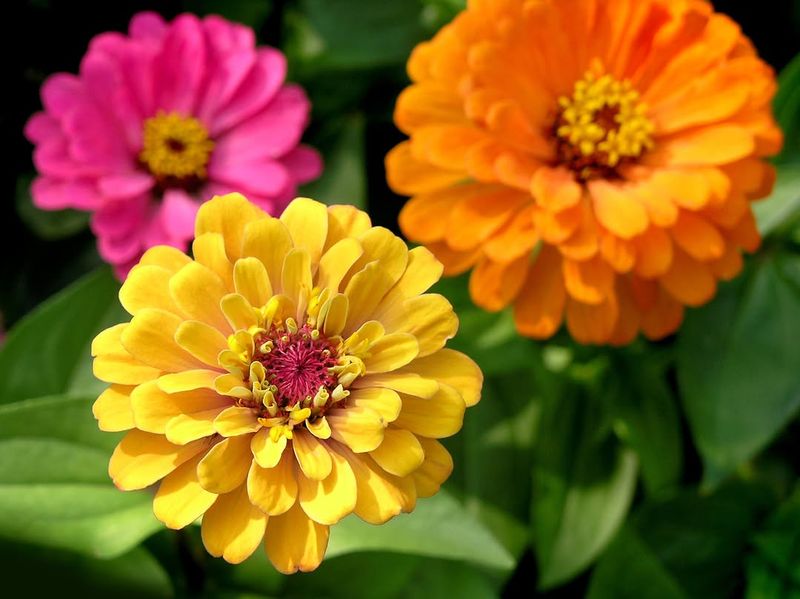
Some flowers give you a gorgeous show for two or three weeks and then fade out for the rest of the season. Zinnias are not that kind of plant.
With a little attention, they keep blooming from early summer all the way until the first frost hits, which in most parts of North Carolina means you get color well into October.
The trick to keeping them going strong is deadheading, which simply means cutting off spent blooms before they go to seed. When you remove old flowers regularly, the plant puts its energy into producing new ones instead of forming seeds.
It sounds like extra work, but it only takes a few minutes and the payoff is enormous. Many gardeners find it almost meditative.
Your North Carolina Garden Changes Every Week. Your Plan Should Too.
Gardening in North Carolina changes quickly throughout the season. Every Friday you’ll receive a simple weekly plan showing exactly what to plant, prune, fertilize, harvest, and protect so you never miss the right timing.
Even if you skip deadheading some weeks, zinnias are forgiving enough to keep producing. Cutting flowers for a vase actually counts as deadheading, so harvesting bouquets keeps the plant working in your favor at the same time.
North Carolina gardeners who plant zinnias in late spring often report nonstop color for four to five months straight, which is genuinely impressive for any annual.
Few other flowers can match that kind of endurance through a full North Carolina growing season without special treatment or extra effort.
3. Direct Sowing Is Simple And Reliable
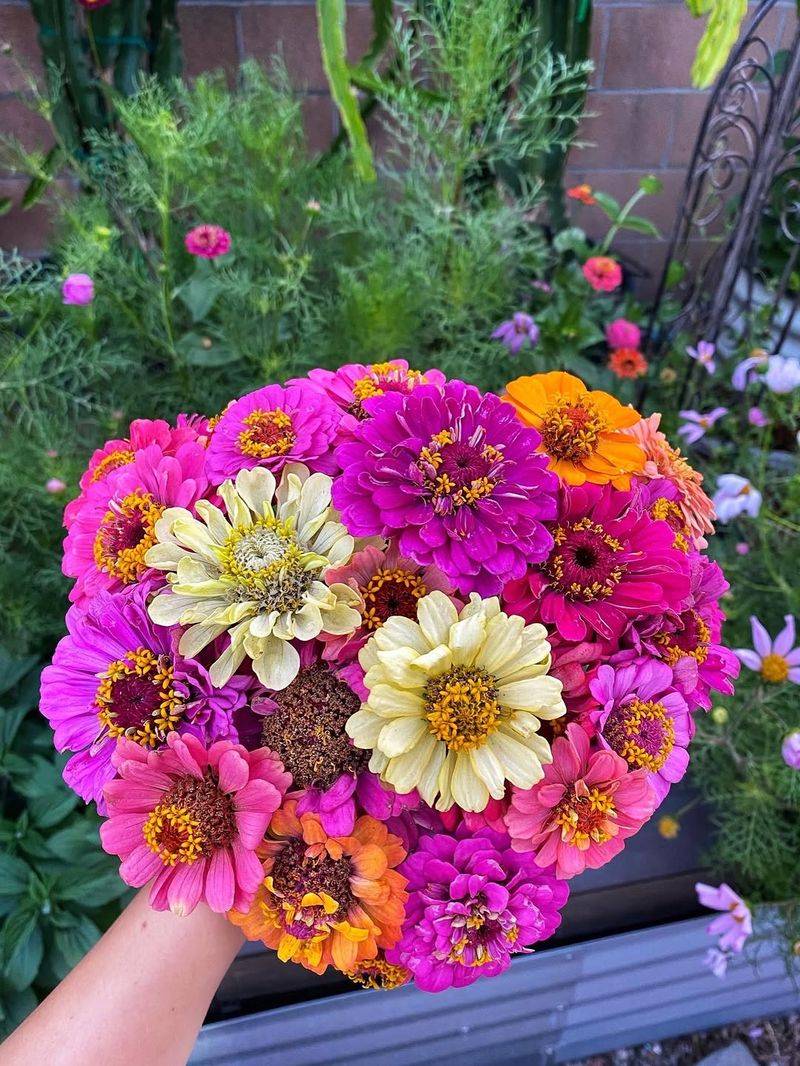
Starting flowers from seed can feel intimidating, especially if you are newer to gardening. Many plants demand grow lights, heat mats, and weeks of indoor care before they are ready for the garden.
Zinnias skip all of that. You just push the seeds directly into warm soil outside, water them in, and wait about a week for sprouts to appear.
The key is timing. Zinnia seeds germinate best when soil temperatures are consistently around 70 degrees Fahrenheit or warmer.
In North Carolina, that usually happens sometime in mid to late April across most of the state, though gardeners in the mountains may want to wait until May. Once the last frost date has passed and the soil has warmed up, you are good to go.
Plant seeds about a quarter inch deep and space them according to the variety you choose. Thin the seedlings once they sprout so plants have enough room to grow properly.
Because zinnias grow so quickly, even a late planting in early June will still give you a full summer of blooms. Direct sowing also means you skip the transplant shock that sometimes sets back seedlings started indoors.
For North Carolina gardeners who want an easy win, few seeds are more satisfying to sow directly than zinnias.
4. They Perform Well In Average Soil
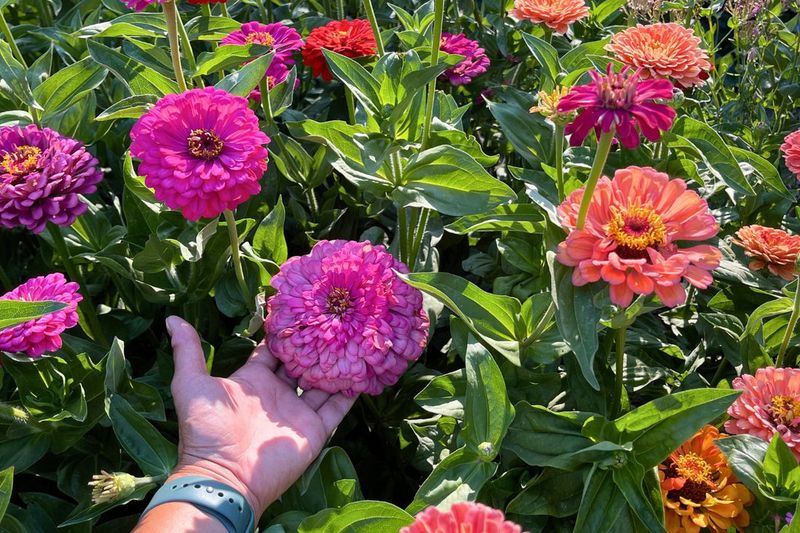
One of the most common gardening mistakes is over-improving soil before planting. People add bags of fertilizer, rich compost, and extra nutrients thinking it will help, but with zinnias, that approach can actually backfire.
Too much nitrogen pushes the plant to grow lots of leaves and very few flowers, which is the opposite of what you want.
Zinnias are genuinely happy in average, well-drained garden soil. They do not need fancy amendments or expensive fertilizers to perform well.
A basic soil that drains reasonably and gets full sun is really all they ask for. If your garden soil is on the poor side, a light application of a balanced fertilizer at planting time is plenty to get them started right.
This makes zinnias especially practical for North Carolina gardeners dealing with the red clay soil that is so common across the Piedmont region. As long as you improve drainage a bit and avoid waterlogged spots, zinnias will adapt and bloom beautifully.
Heavy feeding throughout the season is unnecessary and may even shorten the bloom period. Keeping things simple with zinnias is actually the smarter approach.
They reward low-maintenance gardeners just as generously as they reward experienced ones, which is part of what makes them such a fantastic choice for North Carolina gardens of all sizes.
5. They Attract Pollinators Consistently
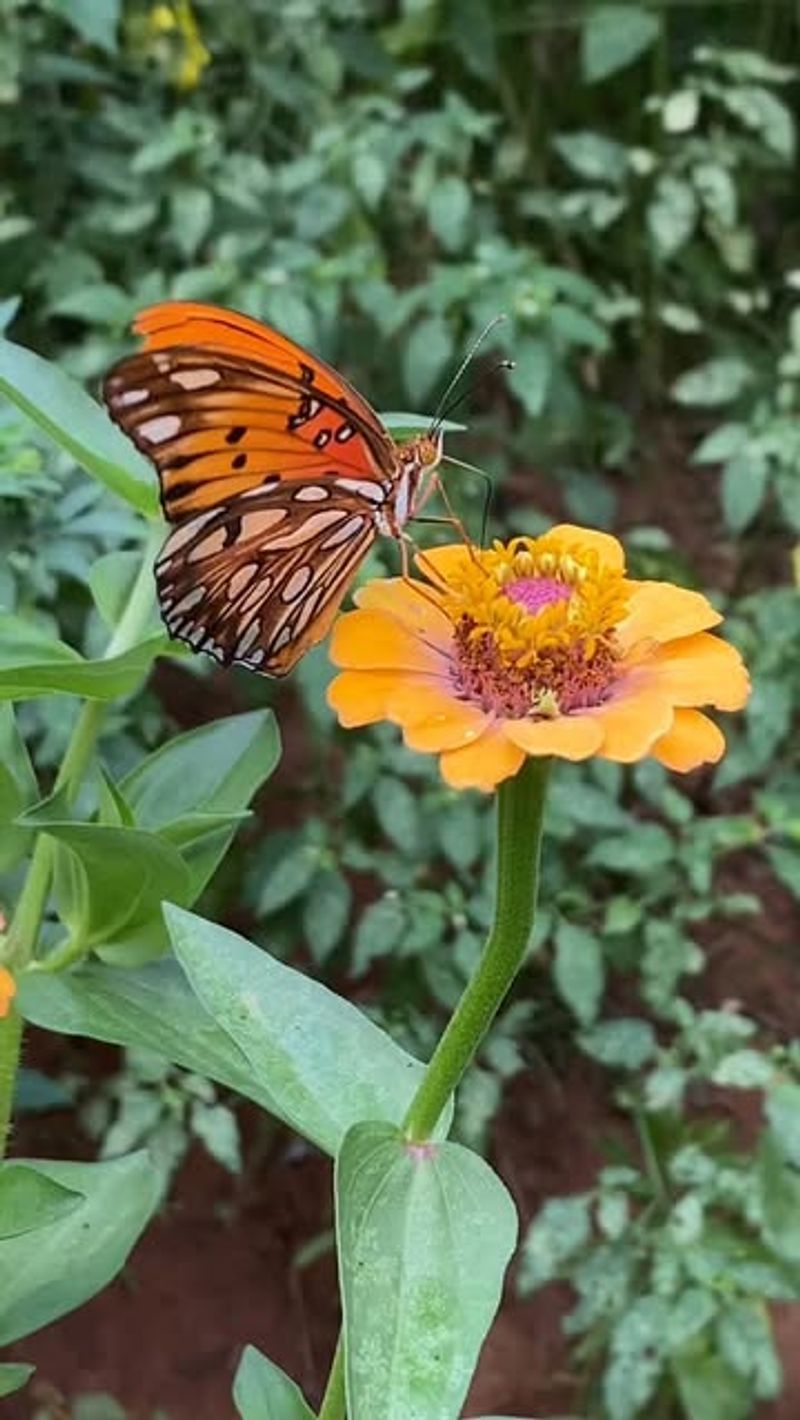
Butterflies cannot resist zinnias. Walk past a healthy patch of them on a sunny afternoon in North Carolina and you will almost always spot a monarch, a swallowtail, or a painted lady working the blooms.
Bees show up regularly too, making zinnias one of the most reliably pollinator-friendly plants you can add to your garden without any extra effort.
Pollinators are essential for a healthy garden ecosystem. They help fruits and vegetables set properly, support wildflowers, and keep the entire garden buzzing with life.
Planting zinnias near vegetable beds is a smart strategy because the pollinators they attract will visit your tomatoes, squash, and peppers at the same time. It is a simple way to boost your whole garden’s productivity.
What makes zinnias especially effective for pollinators is that they bloom over such a long season. From early summer through fall, they provide a consistent food source when other flowers may have already finished.
Single-flowered varieties tend to attract the most pollinators because the pollen and nectar are more accessible compared to fully double blooms.
North Carolina gardeners who want to support local pollinator populations while also enjoying gorgeous color will find that zinnias check both boxes beautifully and without any complicated management on their part.
6. They Make Excellent Cut Flowers
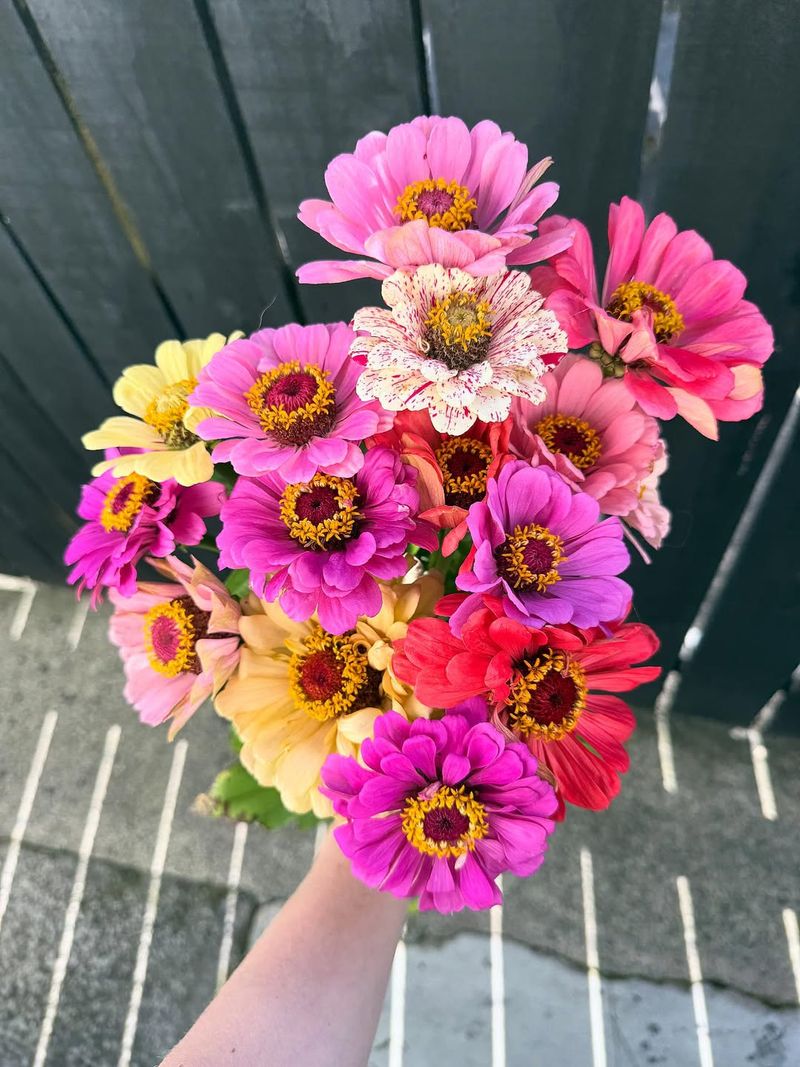
Cutting flowers from your own garden feels incredibly satisfying. There is something special about walking outside with scissors and coming back with a colorful bouquet that costs you nothing but a few minutes of your time.
Zinnias are one of the absolute best annuals for this purpose, and North Carolina gardeners with even a small patch can keep fresh flowers in the house all summer long.
The stems on most zinnia varieties are long and sturdy, which makes them easy to arrange. They hold up well in a vase for around a week when you cut them properly.
The secret is to harvest stems early in the morning when the plant is well-hydrated, cut just above a leaf node, and place them immediately into water. Removing leaves below the waterline also helps them last longer.
Here is the part that surprises most gardeners: cutting flowers actually encourages the plant to produce more blooms rather than slowing it down. Every stem you cut signals the plant to branch out and create new flower buds.
So the more you harvest, the more you get. Tall varieties like Benary’s Giant are especially popular for cutting because of their long stems and large blooms.
For North Carolina gardeners who love fresh arrangements, zinnias are genuinely one of the most generous plants you can grow.
7. They Tolerate Short Dry Periods
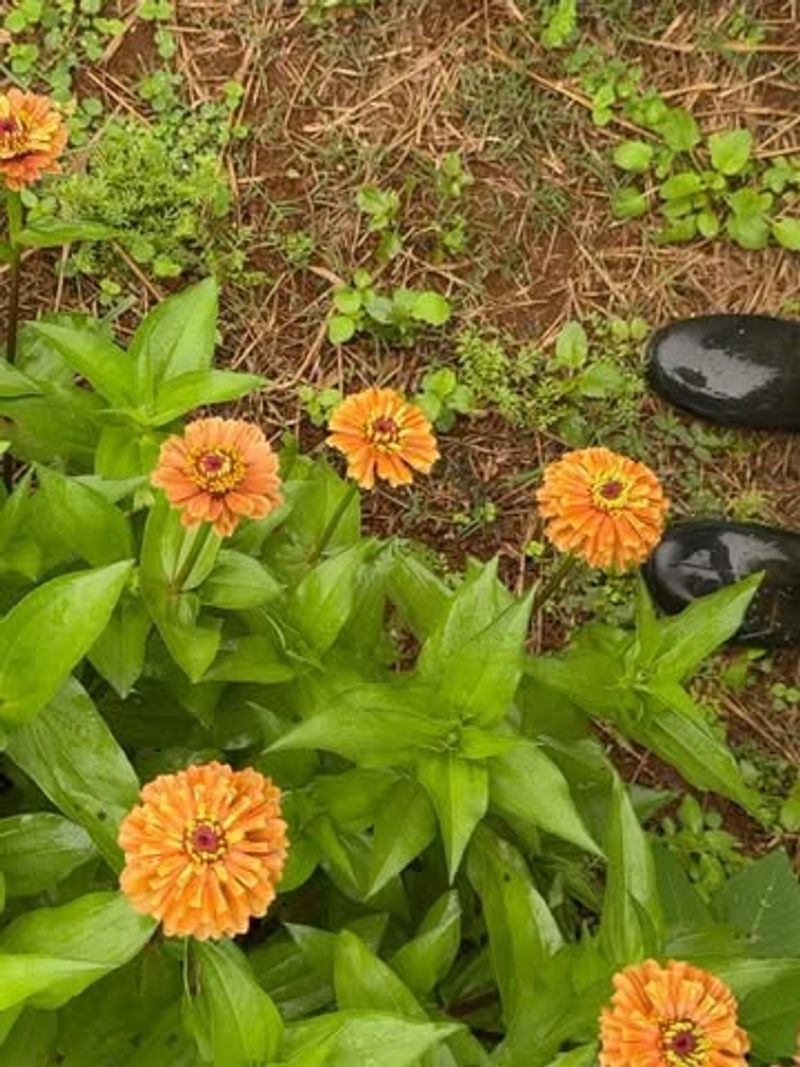
Summer in North Carolina does not always come with reliable rain. Some weeks are wet and steamy, and others are bone dry with no relief in sight.
Many flowering plants start looking rough fast when water is scarce, dropping leaves or refusing to bloom. Zinnias handle short dry stretches much better than most of their competition.
Once zinnias are established in the garden, usually about two to three weeks after planting, their roots dig in deep enough to access moisture that surface-rooted plants cannot reach.
They will not look perfectly perky during a long drought, but they bounce back quickly once rain or irrigation returns.
That resilience makes them especially practical for busy gardeners who cannot water every single day.
Consistent watering still produces the best results, and zinnias definitely bloom more vigorously when they get about an inch of water per week.
Watering at the base of the plant rather than overhead is a good habit because wet foliage can encourage powdery mildew, which is a common issue in North Carolina’s humid conditions.
Drip irrigation or a soaker hose works really well for zinnia beds. Even without perfect watering habits, though, most North Carolina gardeners find that zinnias hold their own through the summer’s unpredictable dry spells far better than expected.
8. Proper Spacing Helps Reduce Disease
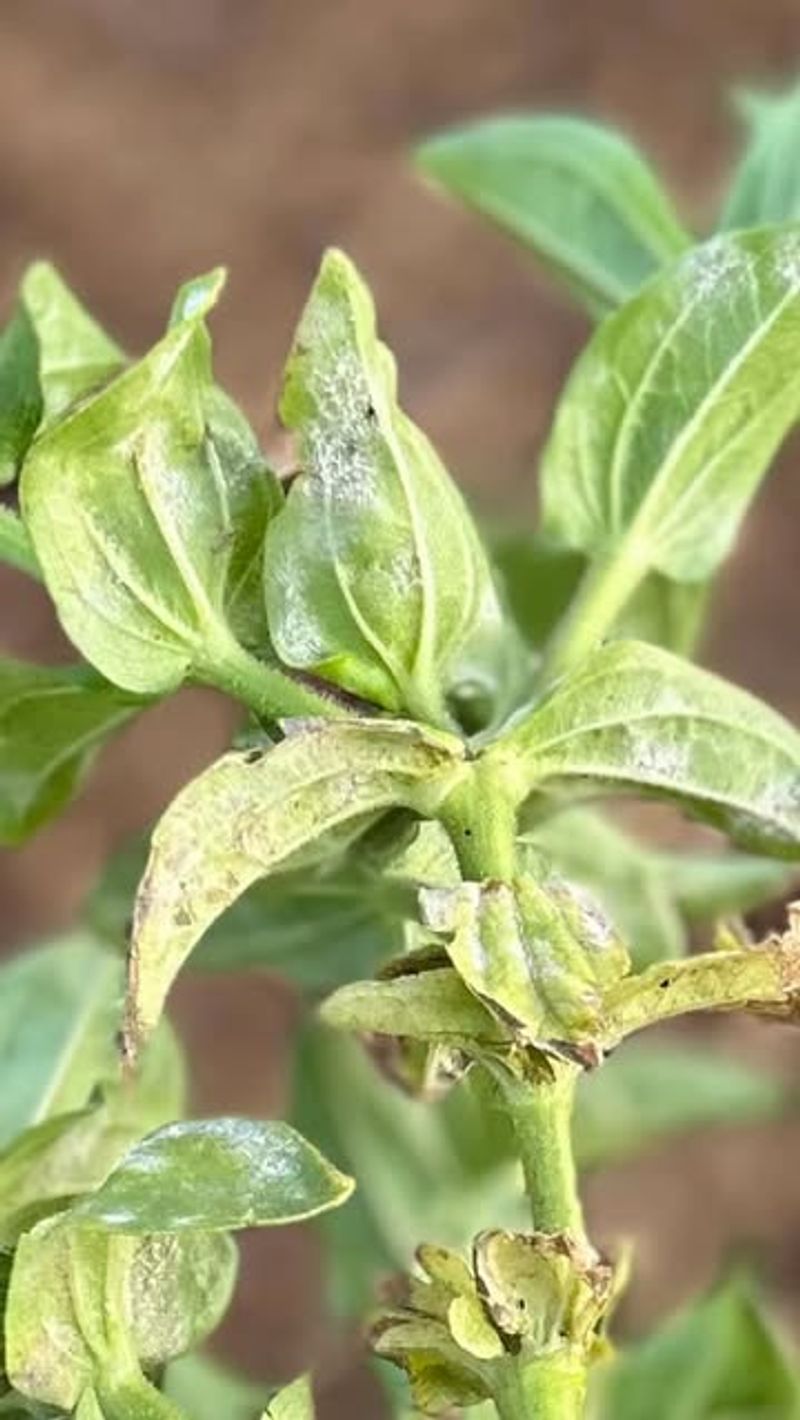
Powdery mildew is one of the most common problems zinnia growers face, especially in humid states like North Carolina. It shows up as a white, powdery coating on leaves and can spread quickly when plants are crowded together.
The good news is that proper spacing is one of the most effective ways to prevent it from becoming a serious problem.
Most zinnia varieties need about 12 inches of space between plants, though larger varieties may need up to 18 inches. That extra room allows air to circulate freely around the foliage, which helps leaves dry out faster after rain or morning dew.
When leaves stay damp for long periods in humid conditions, mildew spores have the perfect environment to take hold and spread.
Choosing mildew-resistant varieties is another smart move for North Carolina gardeners. The Profusion series, for example, is well-known for its strong disease resistance and performs beautifully in humid southeastern conditions.
Planting in full sun also helps because sunlight dries out moisture quickly and creates a less favorable environment for fungal issues.
If powdery mildew does appear on lower leaves late in the season, removing affected foliage and improving airflow usually keeps it from spreading too far.
A little planning at planting time goes a long way toward keeping your zinnia patch productive and looking great all season.
9. Wide Range Of Sizes And Uses
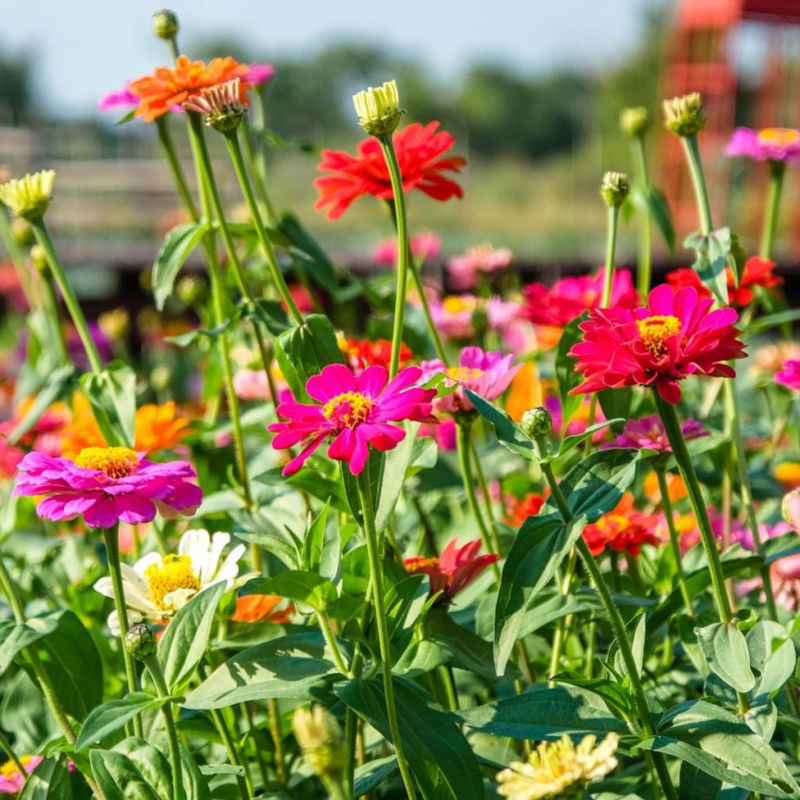
Not every garden looks the same, and not every gardener has the same space to work with. That is one of the reasons zinnias are so popular across North Carolina.
They come in such a wide range of sizes and forms that there is genuinely a zinnia for every situation, from a tiny balcony container to a sprawling backyard flower bed.
Dwarf varieties like Thumbelina or the Profusion series stay compact at around 12 to 18 inches tall, making them perfect for containers, window boxes, or front borders where you want something tidy and colorful.
Mid-size varieties fill in garden beds beautifully and create that full, lush look that makes a garden feel abundant.
Tall varieties like Benary’s Giant can reach three to four feet and work wonderfully as a back-of-border plant or a natural privacy screen along a fence.
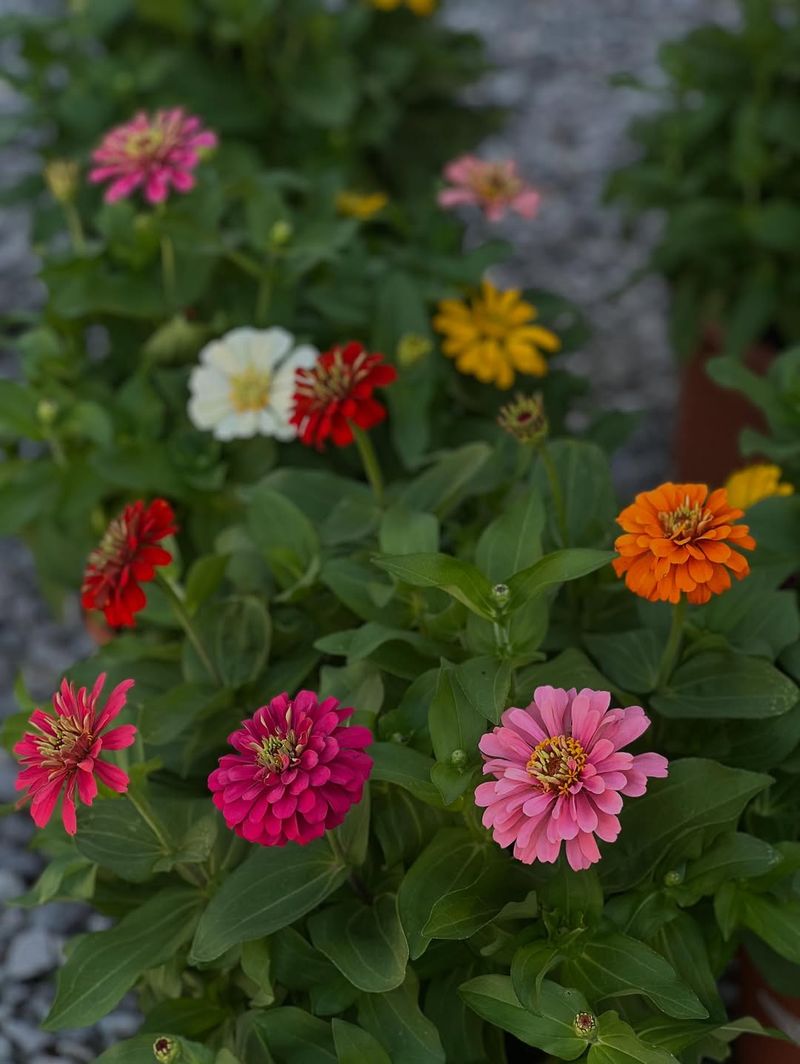
Colors range from pure white to deep burgundy, with every shade of pink, orange, red, yellow, and coral in between. You can grow a single color for a bold, dramatic statement or mix several together for a wildflower-style display that looks effortless and joyful.
North Carolina gardeners who enjoy experimenting with garden design will find that zinnias offer more creative flexibility than almost any other annual available.
Whatever your vision for your outdoor space, there is almost certainly a zinnia variety that fits it perfectly.