How To Keep Clematis Blooming All Season In Oregon
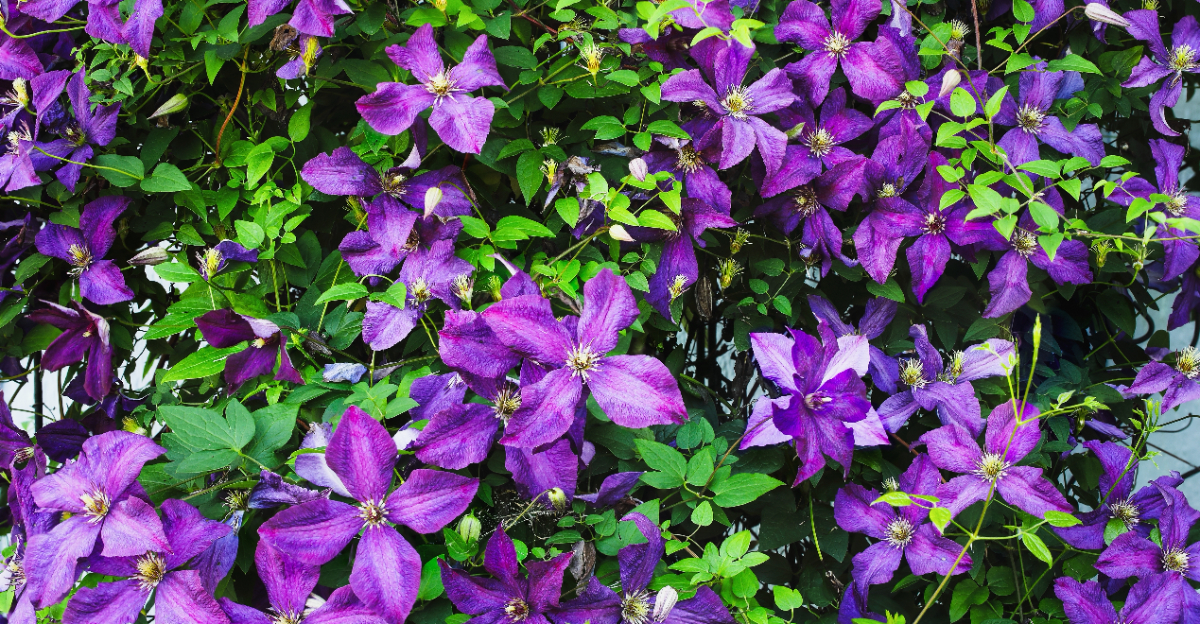
Clematis is one of those plants that makes an Oregon garden look like it belongs on the cover of a gardening magazine.
Those big, showy blooms climbing up a trellis or spilling over a fence are genuinely hard to beat. But there’s a frustrating pattern a lot of gardeners know too well.
A beautiful flush of flowers in late spring, a whole lot of excitement, and then weeks of green vine and absolutely nothing else for the rest of the summer.
Here’s the thing: clematis is not a one-and-done bloomer. At least it shouldn’t be. With the right care, the right pruning approach, and a few simple adjustments, these vines can be producing flowers from late spring all the way into fall.
Most gardeners are unknowingly cutting the bloom season short without realizing it.
A few changes to how you feed, prune, and manage your clematis can completely transform what this plant is capable of delivering in an Oregon garden. The long season you’ve been hoping for is absolutely within reach.
Identify Your Clematis Before Pruning
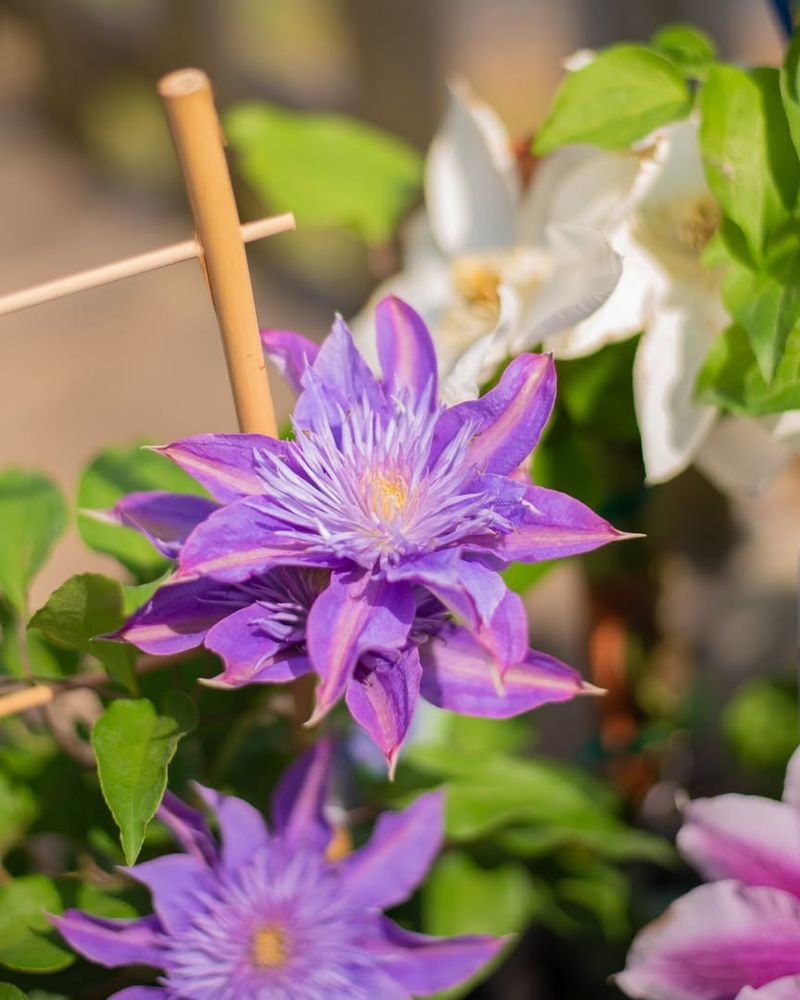
Not all clematis plants are the same, and that matters a lot when it comes to pruning. There are three main pruning groups, and cutting your clematis at the wrong time can mean losing most of your blooms for the season.
Before you do anything else, figure out which group your plant belongs to.
Group 1 clematis bloom in early spring on old wood, meaning stems that grew the year before. Group 2 blooms twice, first on old wood and then again on new growth.
Group 3 blooms only on new wood and gets cut back hard each year.
In Oregon, many gardeners grow popular varieties like Nelly Moser, Jackmanii, and Montana. Each one falls into a different pruning group.
If you are not sure which group yours belongs to, check the plant tag or look it up online by name. Knowing your variety helps you avoid the most common mistake Oregon gardeners make with clematis.
A little research now saves you a whole season of missed blooms later.
Give Roots Cool Shade
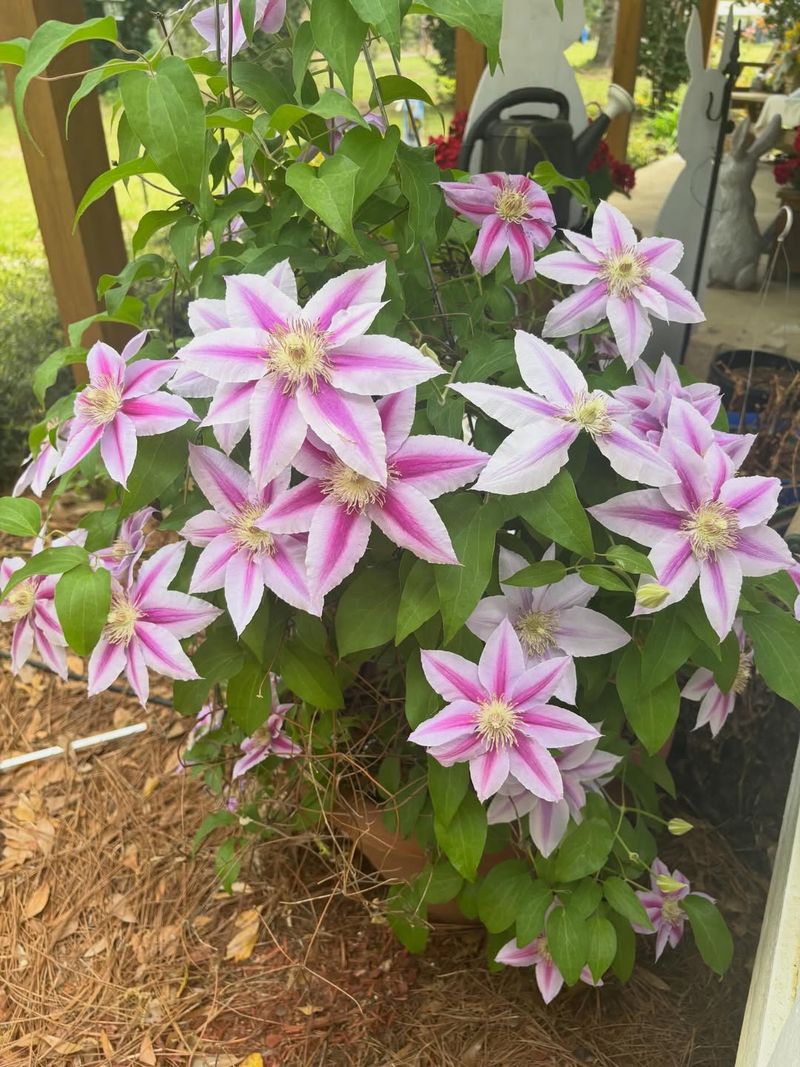
Clematis has a funny little rule that experienced gardeners love to share: keep its feet in the shade and its head in the sun. The roots of this plant prefer to stay cool and moist, even when the rest of the vine is soaking up warm sunlight.
In Oregon summers, especially in the Willamette Valley, soil can heat up fast.
One of the easiest ways to keep roots cool is to add a thick layer of mulch around the base of the plant. Use bark chips, straw, or shredded leaves.
Spread it about two to three inches deep, keeping it a few inches away from the main stem to prevent rot.
Another great trick is to plant low-growing flowers or ground covers around the base. Plants like creeping phlox, hostas, or even a few annual flowers can shade the soil naturally.
This keeps moisture in the ground longer, which is especially helpful during Oregon’s dry summer months. Cool roots equal a happy, blooming clematis.
Your Oregon Garden Changes Every Week. Your Plan Should Too.
Gardening in Oregon changes quickly throughout the season. Every Friday you’ll receive a simple weekly plan showing exactly what to plant, prune, fertilize, harvest, and protect so you never miss the right timing.
Give the base of your plant some shade, and it will reward you with more flowers than you expect.
Let Vines Climb In Sun
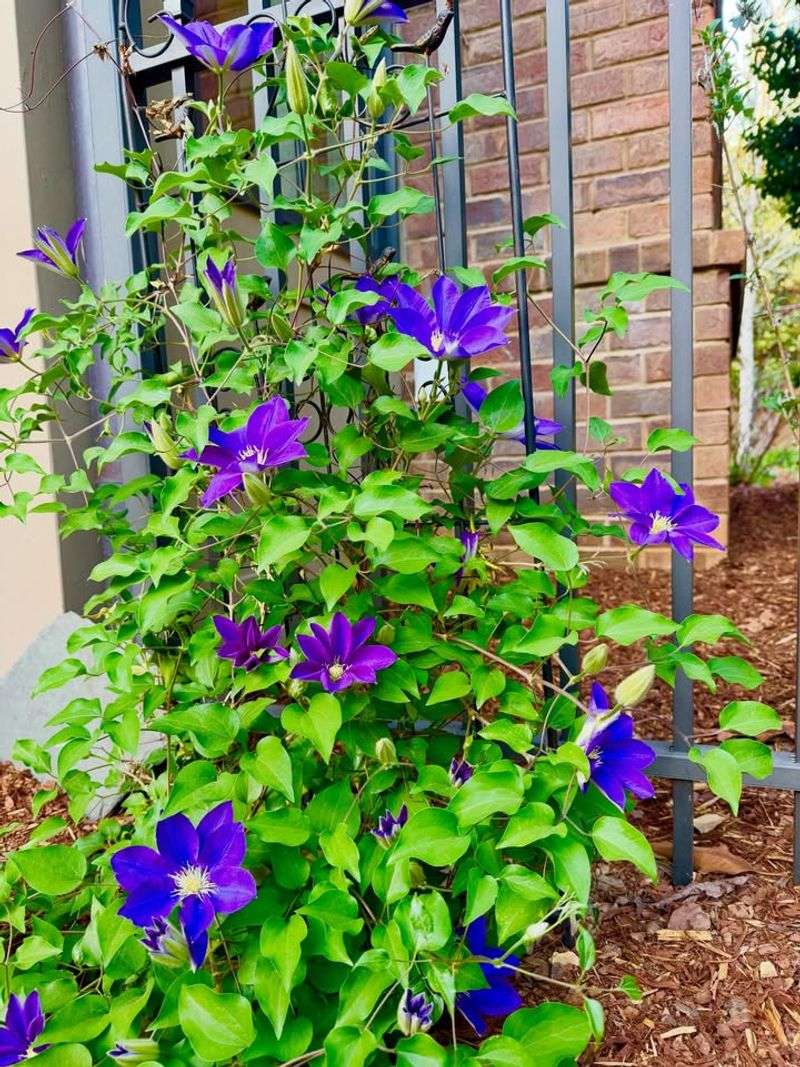
While the roots want shade, the rest of the clematis vine craves sunlight. Most varieties need at least six hours of direct sun each day to produce a strong flush of blooms.
In Oregon, where cloudy days are common from fall through spring, placing your clematis in the sunniest spot possible makes a real difference.
South-facing and west-facing walls or fences tend to get the most sun in Oregon gardens. If you plant your clematis near a structure, the reflected heat from a wall or fence can actually extend the blooming season by keeping the vine a little warmer on cooler days.
Make sure the structure your clematis is climbing is sturdy. These vines can get heavy with growth, especially after a few seasons.
A wobbly trellis or weak wire can fall over and damage the plant. Use a solid fence, arbor, or pergola.
Train the new vines gently by tying them loosely with soft garden twine. The more sunlight your clematis gets on its upper growth, the more energy it builds to push out flowers all season long across your Oregon garden.
Water Deeply Through Dry Spells
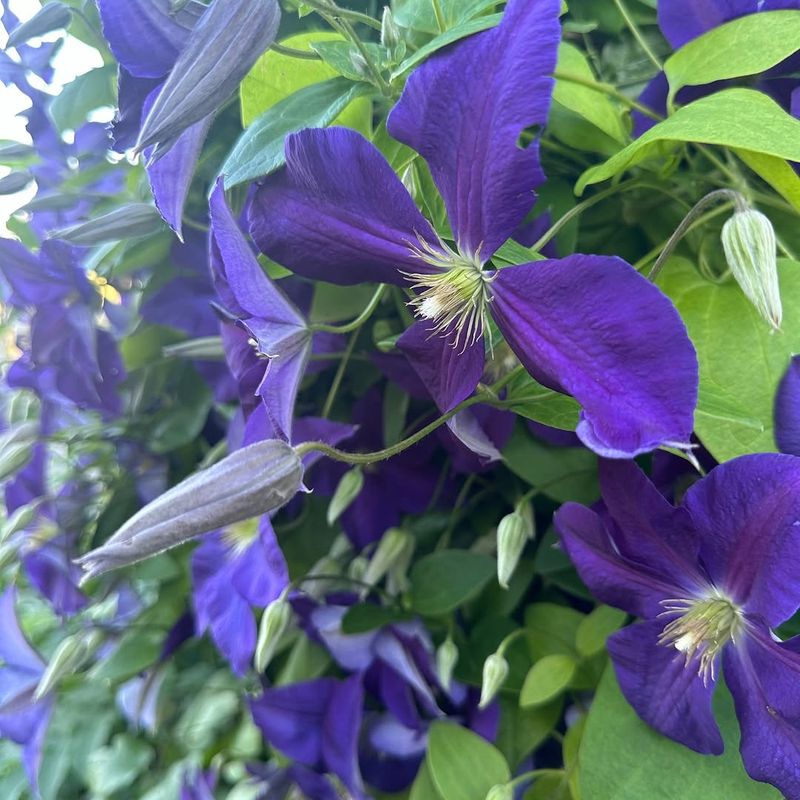
Oregon winters are famously wet, but summers tell a completely different story. From July through September, many parts of Oregon go weeks without rain.
Clematis is not a drought-tough plant, and without regular watering during these dry spells, the blooms will fade fast and the vine will look stressed.
Deep watering is much better than shallow, frequent watering. When you water deeply, moisture reaches the lower root zone where it stays cooler and lasts longer.
Aim to water your clematis once or twice a week during dry Oregon summers, giving the soil a good soaking each time rather than just wetting the surface.
A drip irrigation system or a soaker hose works really well for clematis. These tools deliver water slowly and directly to the root zone without getting the leaves wet.
Wet foliage can lead to fungal problems, which are already common in Oregon’s damp climate. If you use a regular hose, water at the base of the plant in the morning so any splashed leaves can dry out during the day.
Consistent moisture is one of the biggest keys to keeping your clematis blooming beautifully all summer.
Feed Lightly In Spring
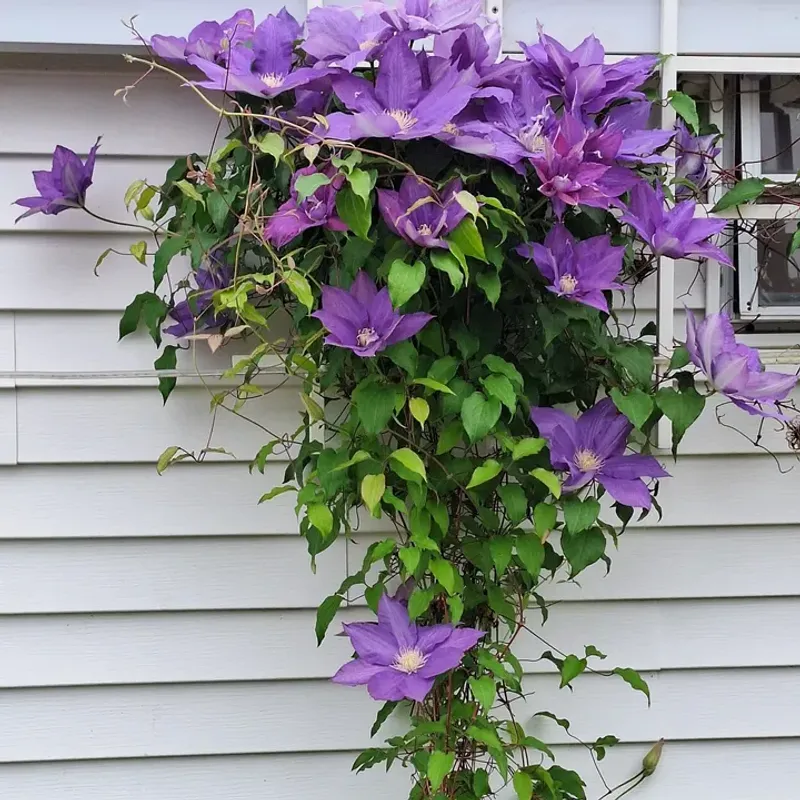
Spring feeding gives clematis the energy boost it needs to push out strong new growth and a big first flush of flowers. But here is something many gardeners get wrong: too much fertilizer, especially one high in nitrogen, leads to lots of leafy green growth and very few blooms.
Light feeding is the way to go.
A balanced slow-release fertilizer works great for clematis in the spring. Look for something with equal parts nitrogen, phosphorus, and potassium, such as a 10-10-10 formula.
Sprinkle it lightly around the base of the plant in early spring, just as new shoots start to appear. Water it in well after applying.
In Oregon, where soils in many areas tend to be on the acidic side, it can also help to add a small amount of lime every couple of years to raise the pH slightly. Clematis prefers a neutral to slightly alkaline soil.
You can get a simple soil test kit at most Oregon garden centers. Feeding your clematis once more in midsummer with a low-nitrogen, bloom-boosting fertilizer can encourage a second wave of flowers.
Keep it light, keep it balanced, and your plant will thank you with color.
Remove Faded Flowers Often
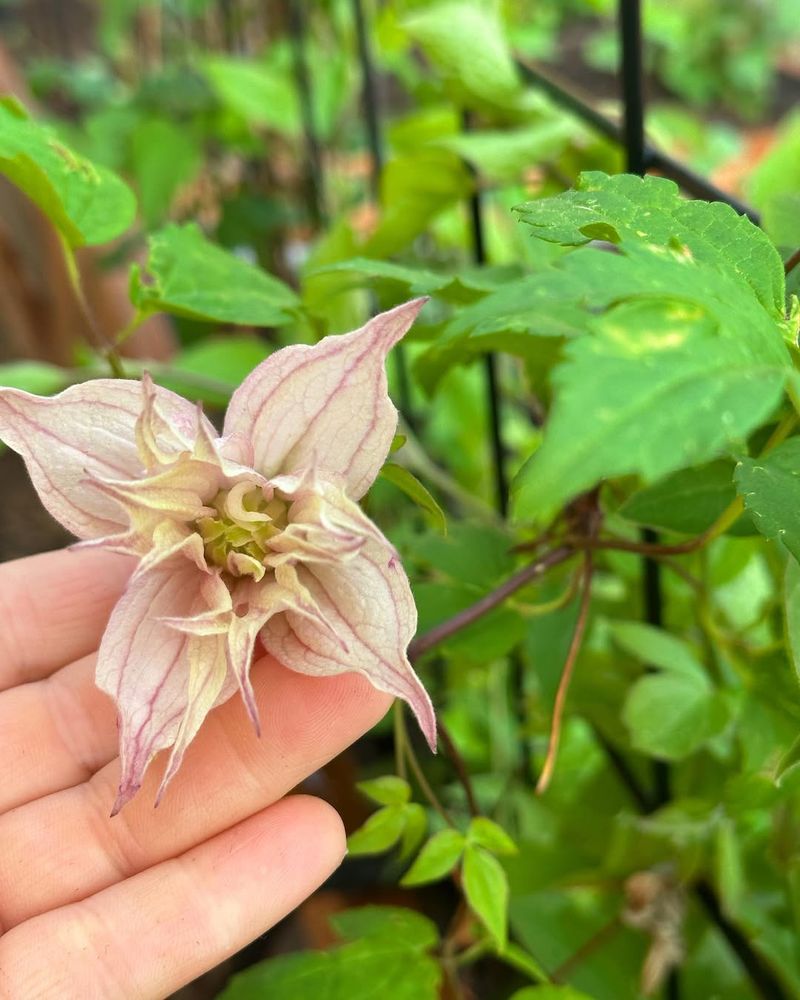
Deadheading sounds like a strange gardening term, but it simply means removing flowers that have already faded or finished blooming. For clematis, this small habit can make a surprisingly big difference in how long and how heavily the plant blooms throughout the Oregon growing season.
When a flower is done, the plant naturally starts putting energy into forming seed heads. By removing those spent blooms before seeds develop, you redirect that energy back into making new flowers.
On Group 2 varieties especially, regular deadheading can help trigger that second flush of blooms in late summer.
Use a clean pair of small pruning scissors or garden snips. Cut just below the faded flower, right above a healthy leaf node or bud.
Do this every week or so during peak blooming season, which in Oregon often runs from late spring through early fall depending on the variety. It only takes a few minutes and makes a noticeable difference.
Toss the spent flowers in your compost bin rather than leaving them on the ground, which helps reduce the chance of disease spreading. A little tidying each week keeps your clematis looking great and blooming strong.
Prune At The Right Time
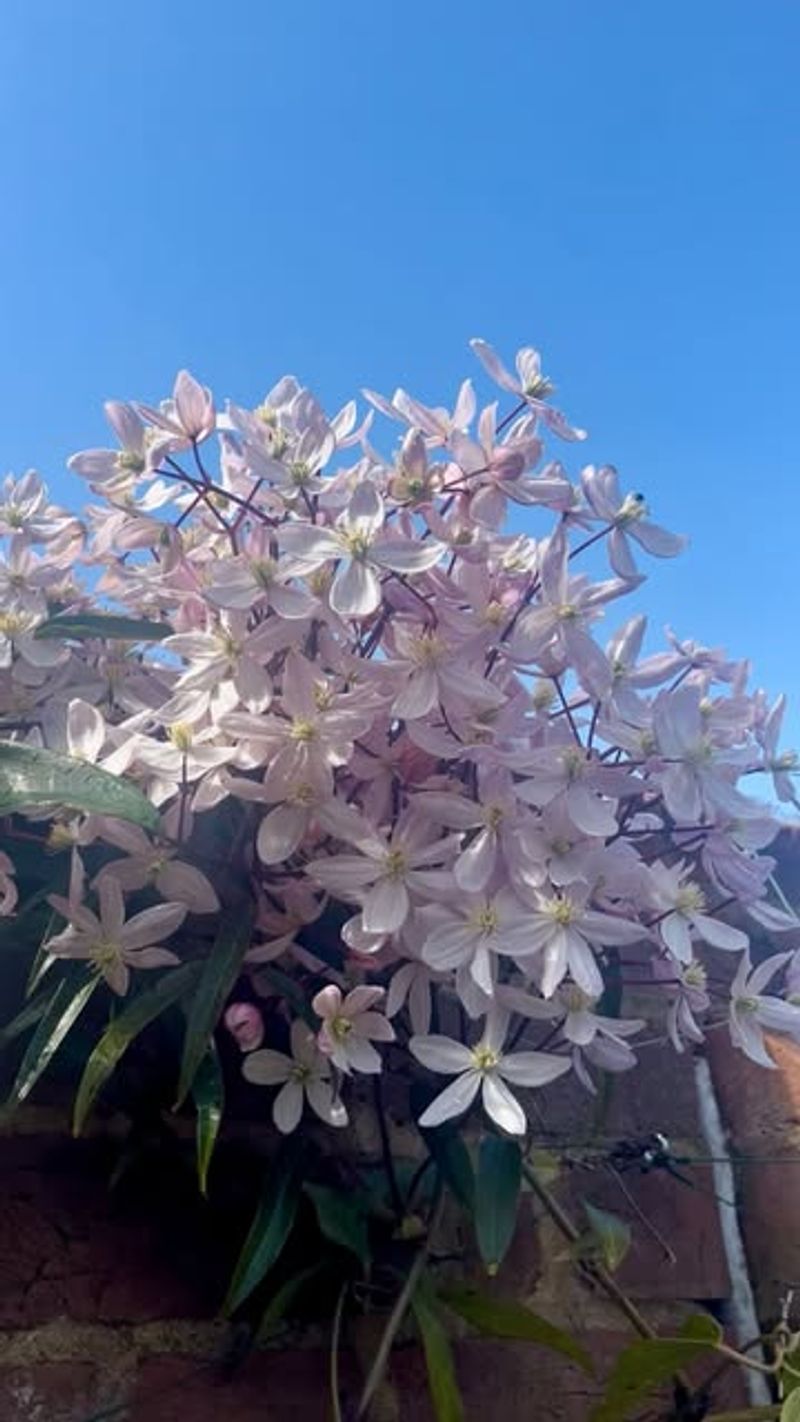
Pruning clematis at the wrong time is one of the most common reasons Oregon gardeners end up with a vine full of leaves but no flowers. Timing everything correctly depends entirely on which pruning group your plant belongs to, so this goes hand in hand with identifying your variety first.
Group 1 plants should not be pruned heavily at all. Just trim them lightly after they finish blooming in early spring.
Group 2 plants get a light cleanup in late winter, removing only weak or damaged stems. Group 3 plants are the easiest to prune because you cut them back hard to about one to two feet from the ground in late winter or early spring before new growth starts.
In Oregon, late February through early March is usually the right window for pruning Group 2 and Group 3 clematis. The wet Oregon winters can make stems look rough, so it helps to wait until you see the first tiny green buds forming before you make your cuts.
Always use sharp, clean pruners to make smooth cuts and reduce the chance of disease entering the stem. Proper pruning sets your clematis up for its best blooming season yet.
Protect Vines From Summer Stress
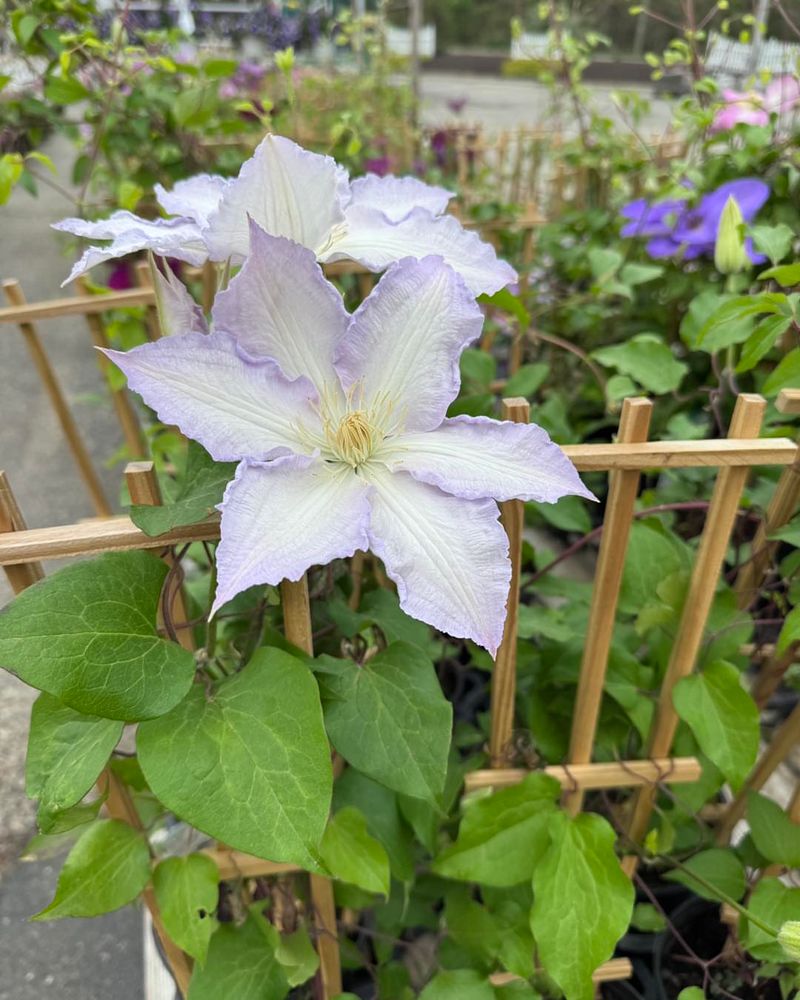
Oregon summers have gotten hotter in recent years, and heat stress is a real challenge for clematis growers across the state. When temperatures push above 90 degrees Fahrenheit for several days in a row, clematis can slow its blooming, drop leaves, or look wilted even when watered properly.
One helpful solution is to use a light shade cloth over the vine during the hottest part of the afternoon. You do not need to cover the whole plant, just shield it from the intense midday and early afternoon sun when temperatures peak.
Remove the cloth in the evening so the plant still gets good airflow and morning sun.
Keeping the roots cool, as mentioned earlier, also plays a big role in reducing summer stress. Mulch, ground cover plants, and deep watering all work together to help the vine stay comfortable.
Watch your clematis closely during heat waves. If you notice leaves curling or turning yellow at the edges, increase watering slightly and add extra mulch.
Oregon gardeners who pay attention to their plants during summer stress periods are the ones who enjoy blooms right up until the first fall rains arrive. A little extra care in the heat goes a long way.