Invasive Plants That Are Harming Native Landscape In Central Texas
Central Texas has a landscape worth protecting, and right now it’s under pressure from a growing list of invasive plants that most people wouldn’t recognize as a problem if they walked right past them.
Some of these plants have been in the region for decades, quietly spreading through natural areas, roadsides, and private land while native ecosystems absorb the impact without anyone raising much of an alarm.
The thing about invasive plants is that they rarely look threatening. Many of them are genuinely attractive, some were deliberately introduced for erosion control or ornamental use, and a few are still being sold at nurseries despite the damage they’re causing in the wild.
That disconnect between how harmless they appear and how much ecological harm they’re actually doing is exactly what makes them so difficult to address at a community level.
Understanding which plants are actively harming Central Texas native landscapes right now is the first step toward making better choices in your own yard and beyond.
1. Chinaberry Tree
Walk along almost any creek bed or roadside in Central Texas, and you might spot a fast-growing tree with clusters of small purple flowers and long, feathery leaves.
That is the Chinaberry tree, and while it may look pretty at first glance, it is one of the most aggressive invasive trees in the region.
Originally from Asia, it was brought to the United States as an ornamental plant in the 1800s.
Chinaberry trees grow quickly and produce large amounts of berries that birds love to eat. The problem is that birds spread the seeds far and wide, allowing the tree to pop up in new areas all the time.
Once it gets established, it crowds out native trees like cedar elm and Texas live oak that local wildlife depend on for food and shelter.
The tree also releases chemicals into the soil that can prevent other plants from growing nearby. This gives it an unfair advantage over native species.
In Central Texas, it is especially common along the Colorado River and Barton Creek corridors.
Removing Chinaberry trees takes effort. Small seedlings can be pulled by hand, but larger trees often need to be cut and treated with herbicide to prevent regrowth.
Landowners and volunteers across Central Texas have been working hard to remove this species from natural areas. Replacing it with native trees like Texas redbud or Mexican plum is a great way to restore balance to the landscape.
2. Chinese Tallow Tree
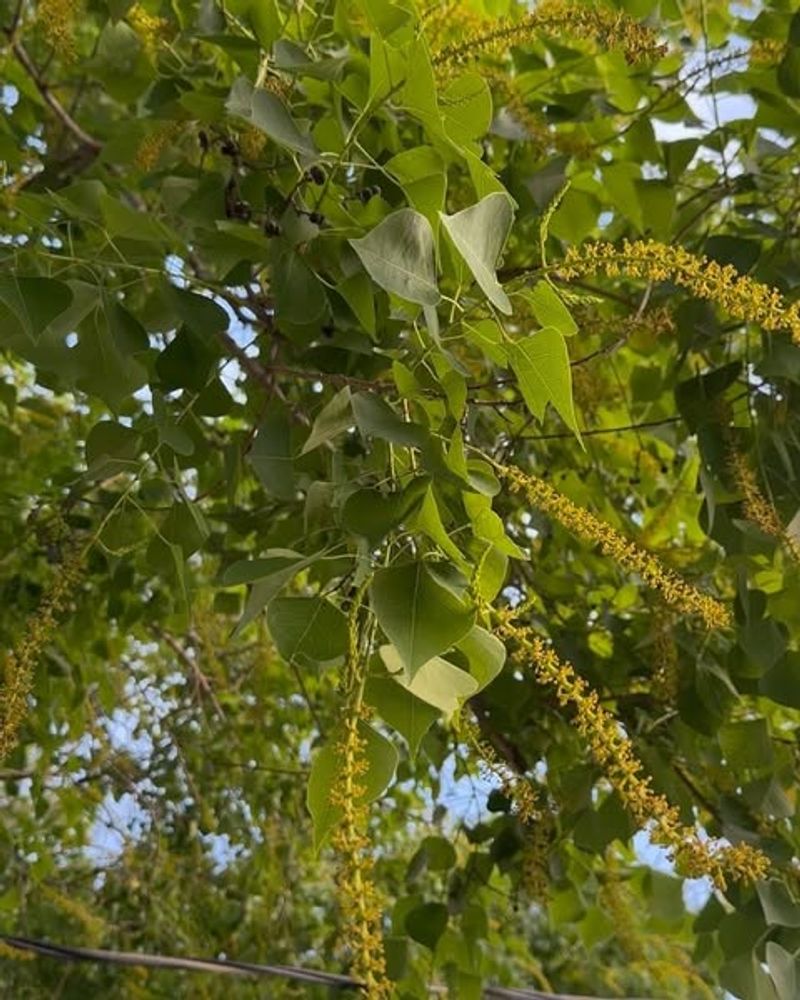
At first, the Chinese Tallow tree looks like a gift. It turns brilliant shades of red, orange, and yellow in the fall, and it grows fast in almost any soil.
But do not let the good looks fool you. This tree is one of the most damaging invasive plants found across Central Texas and the Gulf Coast region, and it is spreading at an alarming rate.
Originally from China and Japan, the tree was introduced to the United States in the 1700s for its waxy seeds, which were once used to make candles and soap.
Your Texas Garden Changes Every Week. Your Plan Should Too.
Gardening in Texas changes quickly throughout the season. Every Friday you’ll receive a simple weekly plan showing exactly what to plant, prune, fertilize, harvest, and protect so you never miss the right timing.
Today, it escapes into natural areas easily because birds eat the small white seeds and spread them across open fields, roadsides, and floodplains.
Chinese Tallow trees grow so densely that they block sunlight from reaching the ground. This prevents native grasses, wildflowers, and shrubs from surviving.
In Central Texas, native prairies and savannas are especially at risk. Whole meadows can be taken over in just a few years if the trees are left unchecked.
Another concern is that this tree offers little value to native insects and wildlife compared to the native plants it replaces. Removing it involves cutting and applying herbicide to the stump right away to stop it from resprouting.
Many conservation groups in Central Texas host volunteer removal events throughout the year. Planting native replacements like Texas persimmon or rusty blackhaw viburnum helps bring the landscape back to life.
3. Giant Reed
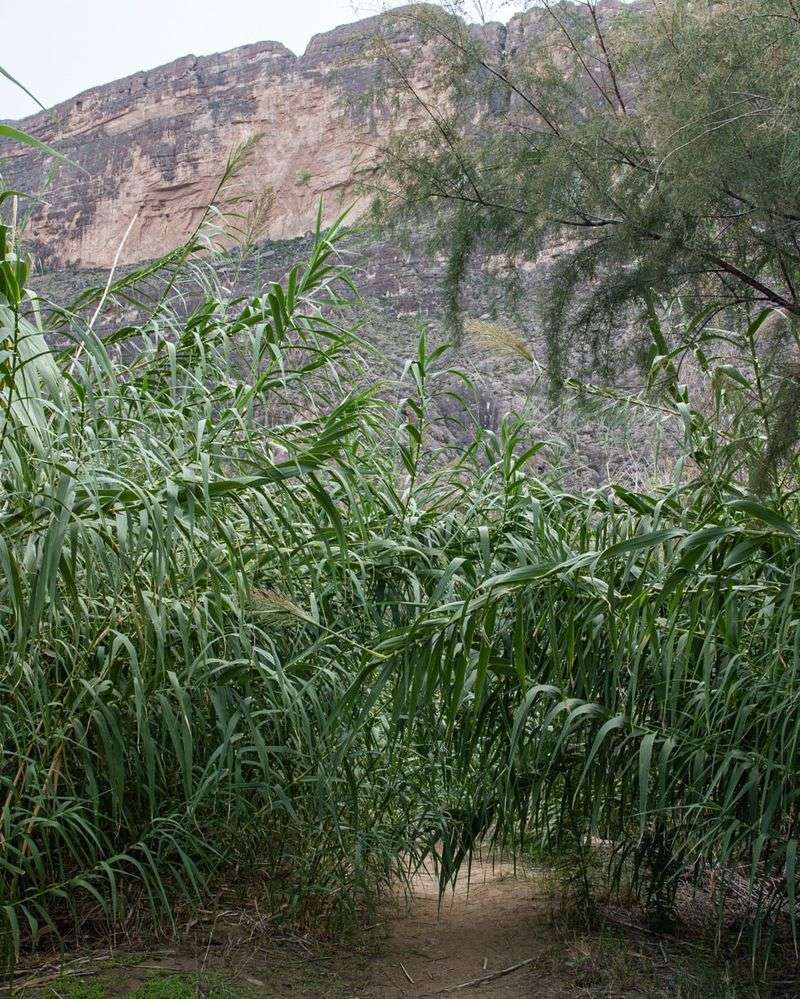
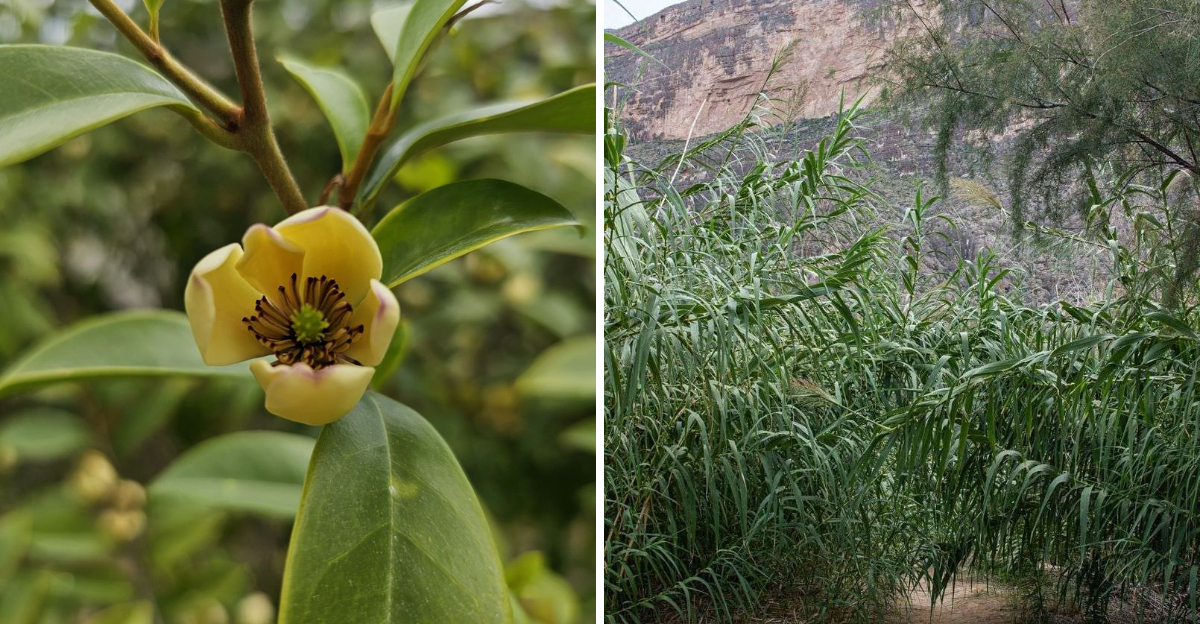
Standing up to 30 feet tall with thick bamboo-like stalks, Giant Reed is hard to miss along the rivers and streams of Central Texas.
Also known by its scientific name Arundo donax, this massive grass forms walls of vegetation so thick that almost nothing else can grow nearby. It is a serious threat to the waterways that communities and wildlife depend on.
Giant Reed was introduced from the Mediterranean region and has been used for centuries to make musical instrument reeds. In Central Texas, it now lines stretches of the San Antonio River, the Guadalupe River, and many smaller creeks.
Because it spreads through underground stems called rhizomes, it can regrow quickly even after being cut down.
One of the biggest problems with Giant Reed is how much water it consumes. Studies show that it uses far more water than native streamside plants like willows or buttonbush.
In a region where water is already a precious resource, this is a serious concern for Central Texas landowners and water managers.
Giant Reed also increases the risk of flooding by clogging stream channels and changes the structure of riverbanks over time. It provides very little food or habitat value for native birds, fish, or insects.
Controlling it requires repeated cutting, digging out the root systems, or targeted herbicide treatments.
Several watershed protection programs in Central Texas are actively working to remove Giant Reed and replant native riparian species like black willow and Texas persimmon in its place.
4. Johnson Grass
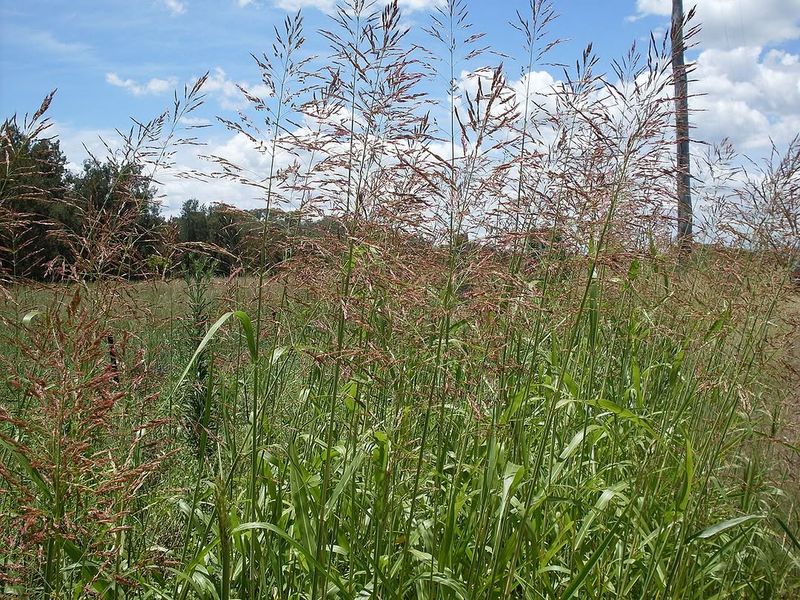
Farmers and ranchers across Central Texas know Johnson Grass all too well. This tall, aggressive grass can take over a pasture or crop field in a surprisingly short amount of time, and once it gets a foothold, it is very hard to manage.
It grows in thick clumps with distinctive reddish-purple seed heads that wave in the breeze, making it easy to spot along roadsides and in open fields.
Johnson Grass was actually introduced intentionally in the 1800s as a forage crop. It was thought to be a great option for feeding livestock, but it quickly spread beyond where it was planted.
Today, it is considered one of the worst agricultural weeds in the United States. In Central Texas, it thrives in disturbed soils, roadsides, creek banks, and the edges of native prairies.
The plant spreads both by seed and through underground stems, which makes removal especially challenging. A single plant can produce tens of thousands of seeds in one season.
It also releases chemicals into the soil that slow the growth of nearby plants, giving it a competitive edge over native grasses like little bluestem and sideoats grama.
For landowners in Central Texas, managing Johnson Grass usually requires a combination of mowing, tilling, and herbicide treatments applied at the right time of year. Preventing seed set is one of the most important steps in slowing its spread.
Native grass restoration projects in the area have shown that replacing Johnson Grass with locally sourced native grasses can dramatically improve soil health and support local pollinators and wildlife.
5. Nandina
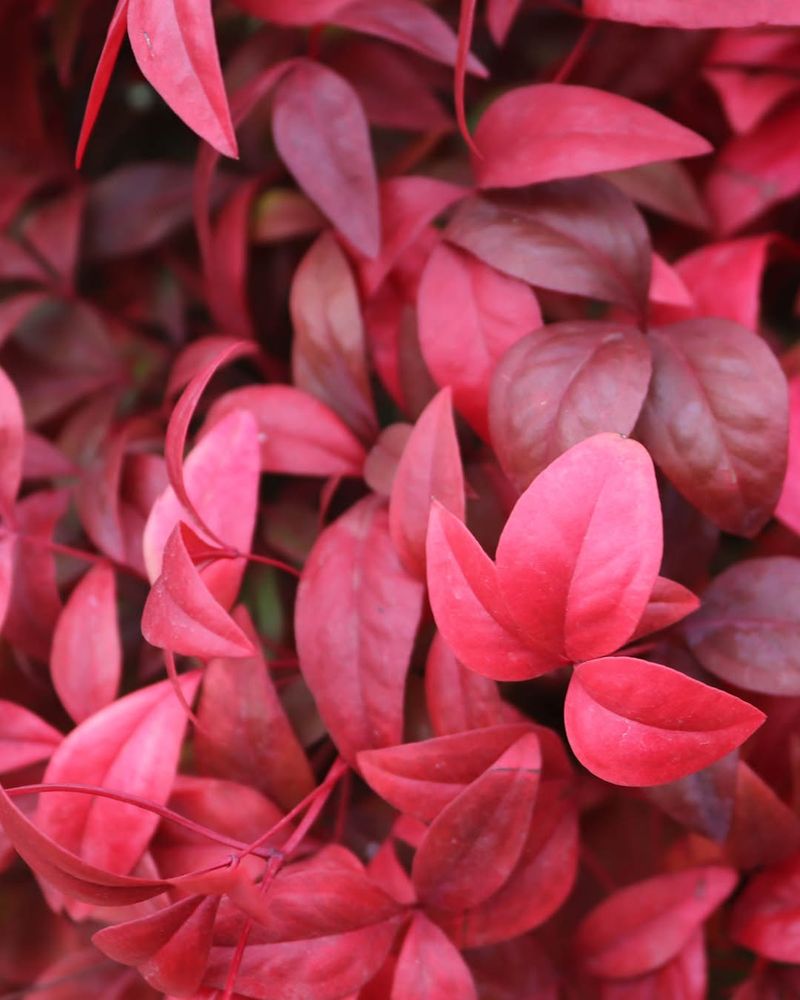
You have probably seen Nandina in front yards, along driveways, and in landscaped medians all across Central Texas. With its bright red berries and bamboo-like stems, it is one of the most popular ornamental shrubs sold at garden centers.
But what many people do not realize is that Nandina, also called Heavenly Bamboo, is an invasive plant that is quietly spreading into natural areas throughout the region.
Native to eastern Asia, Nandina was introduced to the United States as a decorative plant. Birds love to eat the bright red berries, and that is exactly how the plant escapes into parks, greenbelts, and wooded areas.
Once it gets established in natural spaces, it forms dense patches that crowd out native understory plants like wild ginger, turk’s cap, and native ferns.
There is another serious concern with Nandina that many people are not aware of. The berries contain compounds that can be toxic to birds, especially cedar waxwings, which tend to eat large amounts of the berries at once.
This makes Nandina not just an ecological problem but also a potential hazard to local bird populations in Central Texas.
The good news is that there are plenty of beautiful native alternatives that provide the same ornamental appeal without the ecological damage. Plants like agarita, possumhaw holly, and beautyberry offer colorful berries and attractive foliage while supporting native birds and insects.
Replacing Nandina in your yard is a small but meaningful step toward protecting Central Texas natural areas for future generations.
6. Japanese Honeysuckle
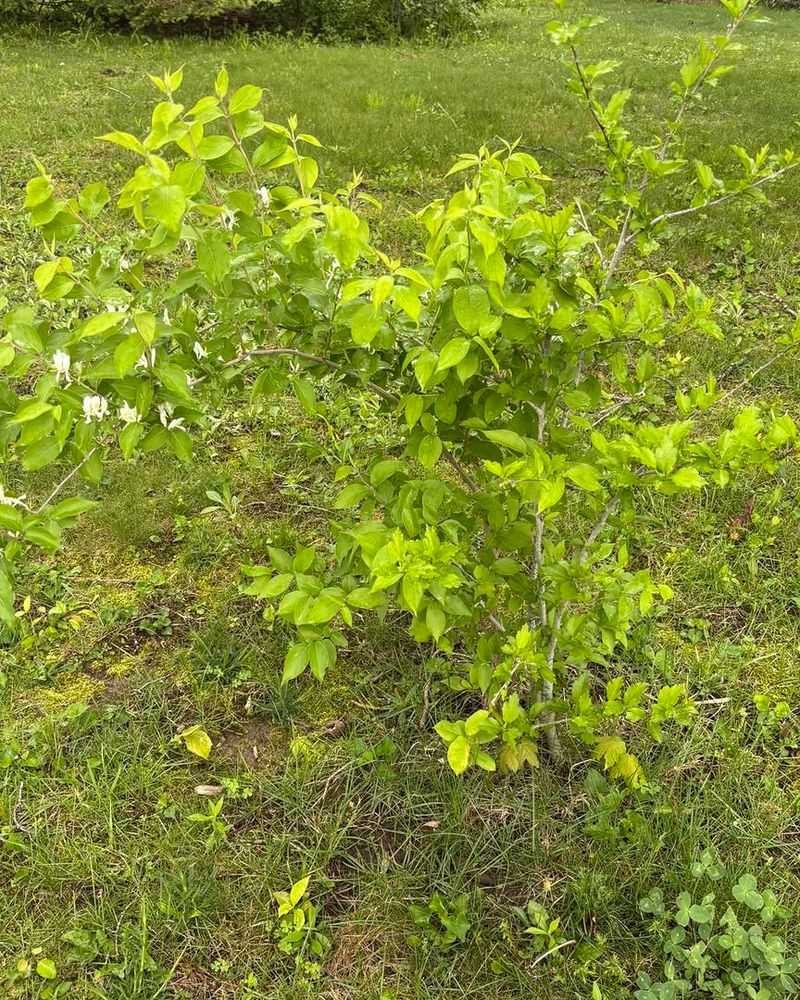
Few plants smell as sweet as Japanese Honeysuckle in bloom. Those white and yellow tubular flowers release a fragrance that many people associate with warm summer evenings.
But beneath that pleasant scent lies a plant that is smothering native vegetation across Central Texas woodlands, creek bottoms, and park edges with surprising speed and determination.
Japanese Honeysuckle was brought to the United States from Asia in the early 1800s as an ornamental vine and for erosion control. It has since spread across much of the country, and Central Texas is no exception.
The vine twines tightly around shrubs and young trees, cutting off their access to sunlight and eventually weakening them to the point where they cannot recover.
Because Japanese Honeysuckle is semi-evergreen in Central Texas, it stays leafy through much of the winter when native plants are dormant. This gives it a huge advantage, allowing it to keep growing and spreading even in cooler months.
It also produces berries that birds spread into new areas, making it very difficult to contain once it gets established.
Controlling Japanese Honeysuckle requires patience. Hand-pulling works well for small infestations, but larger patches often need repeated cutting and herbicide treatment.
The best time to treat it is in late fall or early winter when it is still green but native plants are dormant.
Native vine alternatives like coral honeysuckle and crossvine offer similar beauty while providing real habitat value for hummingbirds, butterflies, and native bees in Central Texas.
7. Ligustrum
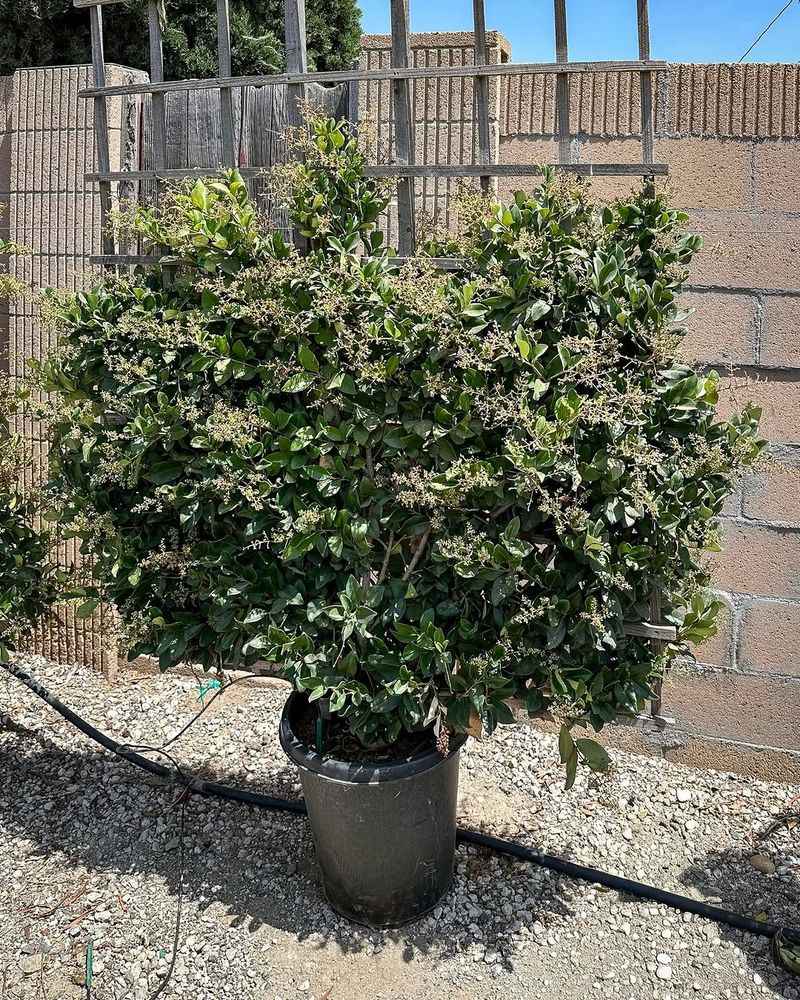
Spend any time hiking through a shaded creek valley or urban greenway in Central Texas, and you will almost certainly run into Ligustrum. Also called Chinese privet, this evergreen shrub has glossy dark green leaves and small clusters of white flowers that produce dark berries in the fall.
It looks tidy and well-behaved, but Ligustrum is actually one of the most aggressive invasive shrubs in the region.
Ligustrum was introduced from Asia as a hedge plant and is still widely sold at nurseries today. The problem is that birds eat the berries and spread seeds into natural areas, where the plant quickly forms dense, shady thickets.
These thickets are so thick that almost no light reaches the ground beneath them, making it impossible for native wildflowers, grasses, and tree seedlings to survive.
In Central Texas, Ligustrum has taken over large sections of the understory along the Barton Creek Greenbelt and other popular natural areas.
It outcompetes native shrubs like Texas mountain laurel, coralberry, and inland sea oats that provide food and cover for local birds and insects. Once established, it spreads faster than most people expect.
Removing Ligustrum is labor-intensive but very rewarding. Small plants can be pulled out by hand or with a weed wrench, while larger shrubs need to be cut and treated with herbicide on the stump.
Many volunteer groups across Central Texas hold regular Ligustrum removal events in local parks and greenbelts.
Replacing it with shade-tolerant natives like Mexican plum, yaupon holly, or spicebush helps restore the natural understory and brings wildlife back to the area.