7 Crops For Beginner Pennsylvania Gardeners That Forgive Every Mistake
Every new gardener makes mistakes, and Pennsylvania’s growing season has a way of making sure you encounter most of them in your first year.
Seeds planted too deep, watering schedules that are slightly off, spacing that seemed right until everything grew in and turned into a jungle – it’s a learning curve that every experienced gardener has been through and mostly tries to forget.
The secret that experienced gardeners don’t always share loudly enough is that crop selection matters just as much as technique, especially in the beginning. Some vegetables and herbs are genuinely forgiving in ways that make the learning process a whole lot less discouraging.
They produce well even when conditions aren’t perfect, they bounce back from beginner errors that would finish off more demanding crops, and they give new Pennsylvania gardeners the kind of early wins that keep the enthusiasm alive through the inevitable mistakes.
Starting with the right crops makes all the difference between a first season that hooks you and one that makes you want to quit.
1. Zucchini
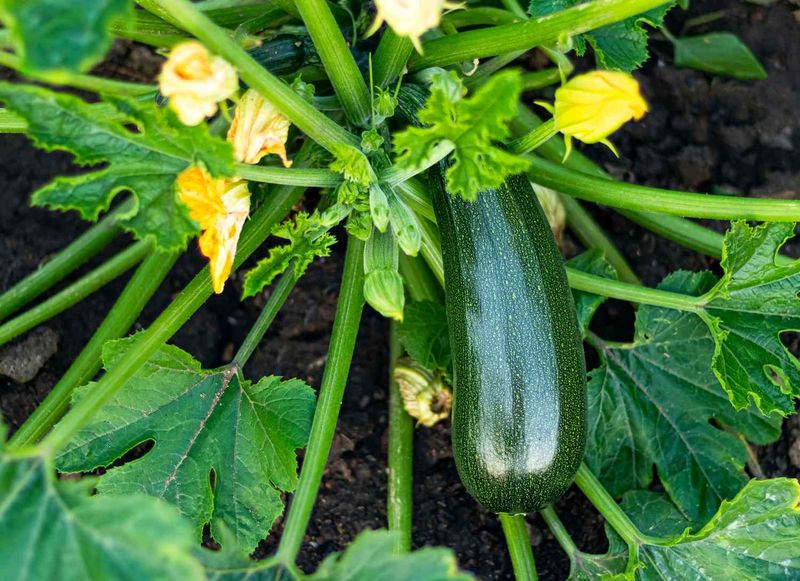
If there is one crop that almost grows itself, it is zucchini. Seriously, first-time gardeners in Pennsylvania are often shocked at how quickly this plant takes off.
You plant a seed, give it some water and sunshine, and before you know it, you are handing zucchini to every neighbor on the block.
Zucchini thrives in Pennsylvania’s warm summers and does not need much fuss to produce a big harvest. It grows well in regular garden soil as long as it drains properly.
You do not need to be a soil expert to get started. Just loosen the ground, mix in a little compost, and you are good to go.
One of the best things about zucchini is how fast it grows. From seed to harvest usually takes about 50 to 60 days.
That means even if you get a late start in the spring, you can still enjoy a full harvest before Pennsylvania’s first frost rolls in.
Zucchini plants are also very forgiving when it comes to watering. Miss a day or two? No big deal. They bounce back quickly.
Just try to water at the base of the plant to keep the leaves dry and reduce the chance of mildew.
One helpful tip for Pennsylvania gardeners is to check your plants every day once they start producing. Zucchini can go from small to giant overnight.
Harvesting them when they are about six to eight inches long keeps the plant producing more fruit all season long.
2. Bush Beans
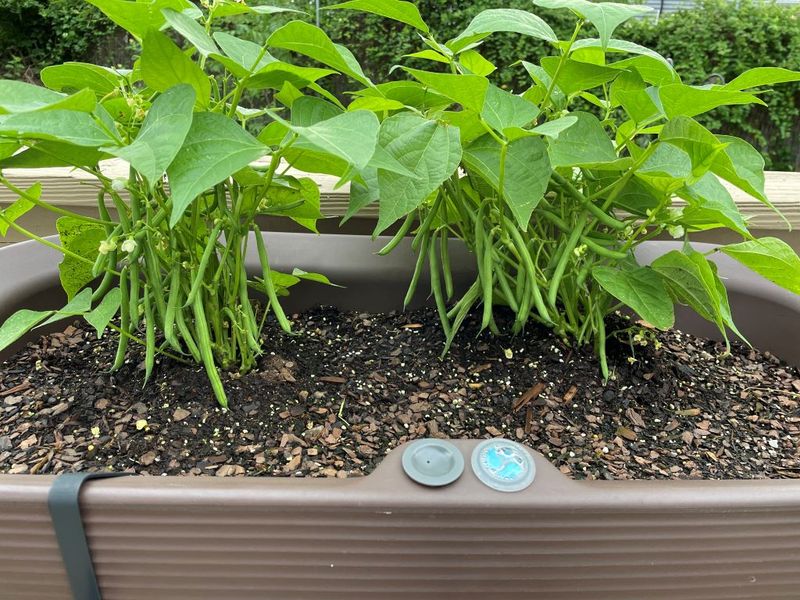
Bush beans might just be the most satisfying crop a beginner can grow in Pennsylvania. You push the seeds about an inch into the soil, water them, and within a week or so tiny green sprouts start popping up. It feels like magic every single time.
Unlike pole beans, bush beans do not need any staking or trellising. They grow low to the ground in a compact bush shape, which makes them easy to manage even in small garden spaces.
Your Pennsylvania Garden Changes Every Week. Your Plan Should Too.
Gardening in Pennsylvania changes quickly throughout the season. Every Friday you’ll receive a simple weekly plan showing exactly what to plant, prune, fertilize, harvest, and protect so you never miss the right timing.
If you are working with a raised bed or a tight backyard, bush beans are an excellent choice. Pennsylvania’s warm summers are perfect for bush beans. They love full sun and warm soil, so wait until after the last frost to plant them outdoors.
In most parts of Pennsylvania, that means planting sometime in mid to late May. Once the soil warms up, these beans take off fast.
Bush beans are also very low-maintenance once they are established. They do not need a lot of fertilizer.
In fact, too much nitrogen can make them grow lots of leaves but very few beans. A light application of balanced fertilizer at planting time is usually all they need.
Harvest time usually comes around 50 to 60 days after planting. Pick the pods when they are firm and snappy.
Regular harvesting encourages the plant to keep producing more beans throughout the season. A small patch of bush beans can produce a surprisingly large amount of food for a beginner Pennsylvania gardener.
3. Cherry Tomatoes
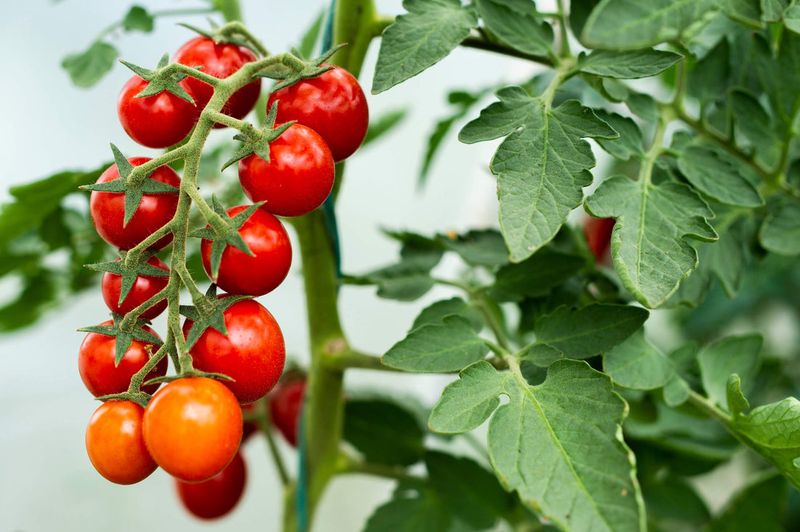
Ask any experienced Pennsylvania gardener what they recommend for beginners, and cherry tomatoes almost always make the list.
Compared to larger tomato varieties like beefsteaks, cherry tomatoes are far more tolerant of inconsistent watering, temperature swings, and beginner-level mistakes.
Cherry tomatoes produce an incredible amount of fruit on a single plant. One healthy plant can give you hundreds of small, sweet tomatoes over the course of a season.
That kind of productivity is incredibly encouraging for first-time gardeners who want to see real results from their efforts.
In Pennsylvania, cherry tomatoes do well when transplanted outdoors after the last frost, typically around mid-May in most regions. They love full sun, so pick a spot in your garden that gets at least six to eight hours of direct sunlight per day. More sun means sweeter tomatoes.
Watering consistency matters with tomatoes, but cherry varieties handle irregular watering better than their larger cousins. Still, try to water deeply a few times a week rather than giving shallow daily sips.
Deep watering encourages strong root growth, which helps the plant handle Pennsylvania’s occasional summer dry spells.
Staking or caging your cherry tomato plants is a smart move. As the plant grows taller and heavier with fruit, it needs support to stay upright.
A simple tomato cage from any garden center works great. Keep an eye out for hornworms and aphids, common pests in Pennsylvania gardens, and remove them by hand if you spot them early.
4. Leaf Lettuce
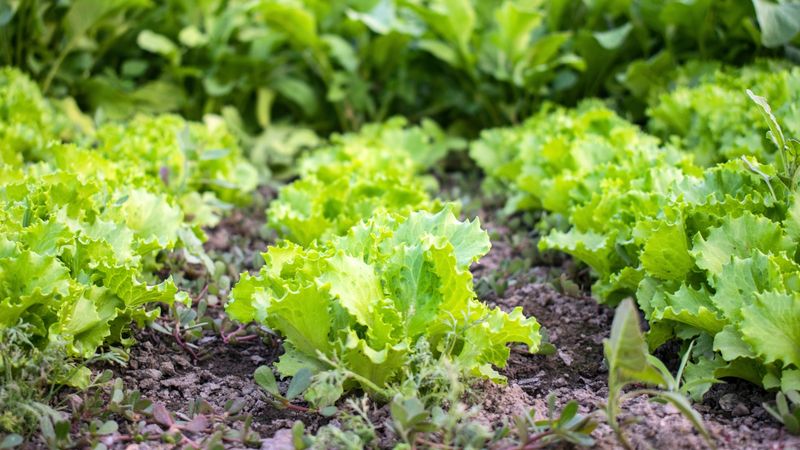
Few things beat the feeling of snipping fresh lettuce from your own garden and tossing it straight into a salad bowl.
Leaf lettuce makes that experience possible even for total beginners, and it grows faster than almost any other vegetable you can plant in Pennsylvania.
Unlike head lettuce, leaf lettuce does not need to form a tight ball before you can harvest it. You simply cut the outer leaves when they are big enough to eat and let the center of the plant keep growing.
This cut-and-come-again method means you can harvest from the same plant multiple times over several weeks.
Pennsylvania’s cool spring weather is absolutely ideal for leaf lettuce. You can start planting it outdoors as early as late March or early April in most parts of the state.
Lettuce actually prefers cooler temperatures and will slow down or bolt once the summer heat kicks in. Planting early gives you a long, productive window.
Lettuce is not picky about soil, but it does like moisture. Keep the soil consistently damp, especially during dry spells.
Mulching around the base of your plants helps hold moisture in and keeps the roots cool on warmer days. A thin layer of straw or shredded leaves works perfectly.
One fun trick for Pennsylvania gardeners is to plant a second round of lettuce in late August or early September. As temperatures cool down in the fall, lettuce springs back to life beautifully.
You can often harvest well into October, stretching your growing season without any extra effort.
5. Radish
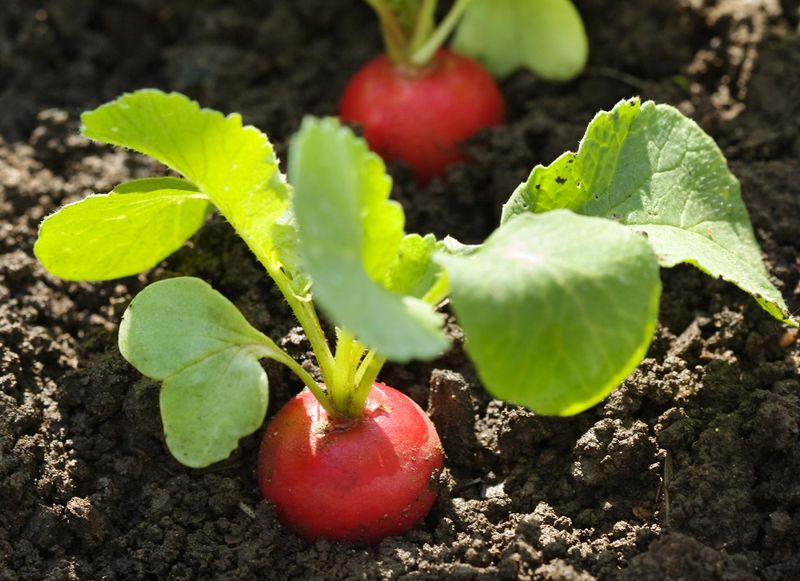
Want to see results fast? Radishes are ready to harvest in as little as 22 to 30 days after planting, making them one of the quickest and most rewarding crops you can grow in Pennsylvania. For beginners who want that early win, radishes are hard to beat.
Planting radishes is about as simple as it gets. You scatter the seeds about half an inch deep and an inch or two apart, water them, and step back.
They sprout within just a few days. Watching those little seedlings push through the soil never gets old, even for experienced gardeners.
Radishes love cool weather, which makes Pennsylvania a great state for growing them. Early spring and fall are the best times to plant.
Summer heat causes radishes to bolt quickly, meaning they shoot up flower stalks and become tough and bitter. Stick to the cooler shoulder seasons for the best results.
These little root vegetables are also a fantastic option for small spaces. You can tuck them between slower-growing plants like tomatoes or peppers as a space-saving companion crop.
By the time your larger plants need the room, the radishes will already be harvested and out of the way.
Radishes are not just for salads, either. You can roast them, pickle them, or slice them thin onto tacos for a peppery crunch.
Growing your own opens up a whole new world of ways to enjoy them. For a beginner Pennsylvania gardener, radishes offer a quick confidence boost and a surprisingly versatile harvest.
6. Kale
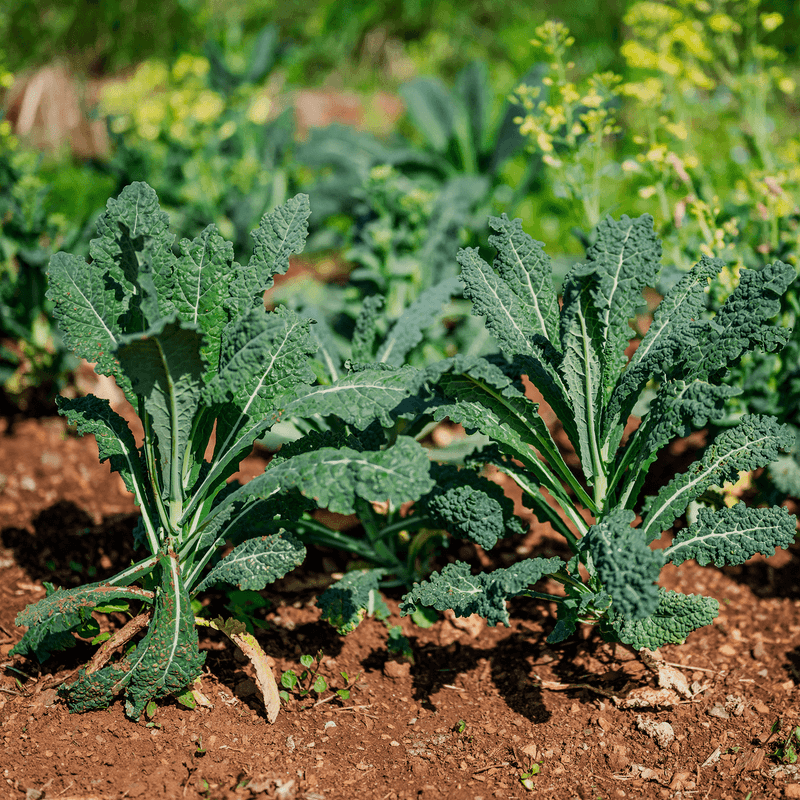
Kale has a reputation for being a health food superstar, but it also deserves serious recognition as one of the toughest and most forgiving vegetables a beginner can grow in Pennsylvania. This leafy green practically thrives on being ignored from time to time.
One of kale’s greatest strengths is its ability to handle Pennsylvania’s cool and sometimes unpredictable weather. It can survive light frosts without any protection, and many gardeners across the state find that a touch of cold actually makes kale taste sweeter.
That natural sweetness after a frost is something you just have to experience for yourself. Kale grows well in spring, but it truly shines in fall. Plant it in late summer, around August, and it will keep producing fresh leaves well into November in most parts of Pennsylvania.
Some hardy varieties can even push into December if the weather cooperates, giving you one of the longest harvest windows of any vegetable in your garden.
Caring for kale is refreshingly simple. It tolerates a range of soil types and does not need heavy fertilizing.
Water it regularly but do not overdo it. Kale is also fairly pest-resistant, though you may spot cabbage worms or aphids from time to time. A quick inspection and a spray of water usually handles those visitors.
Harvesting kale is easy and almost foolproof. Pick the lower outer leaves first and leave the center leaves to keep growing.
A single plant can feed a family for weeks. For a beginner gardener in Pennsylvania, kale is a reliable, low-stress crop that delivers big rewards.
7. Green Onions
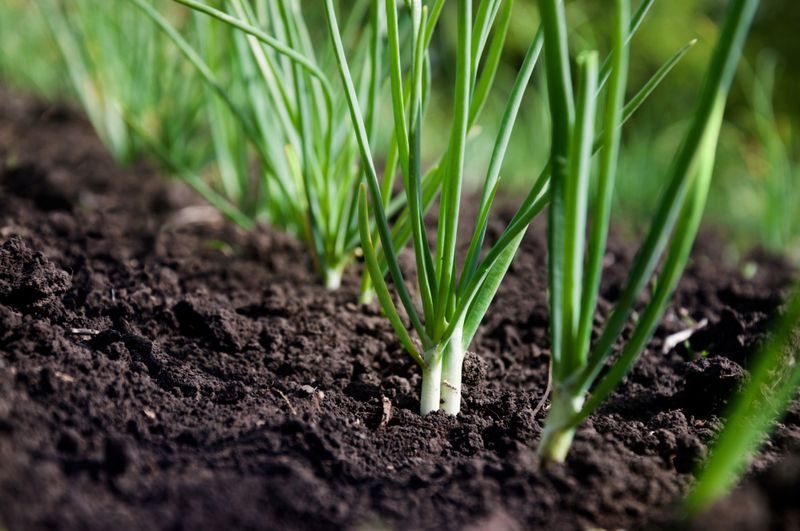
Green onions, also called scallions, are one of those crops that make beginner gardeners feel like pros right from the start. They take up almost no space, need very little attention, and grow well in both garden beds and containers.
If you have a small patio or balcony in Philadelphia or Pittsburgh, green onions are your best friend.
You can grow green onions from seeds or from sets, which are small starter bulbs. Many beginners find that sets are the easiest way to go because they establish quickly and give you a head start on the growing season.
Either way, the process is simple and forgiving. Pennsylvania’s climate works well for green onions. You can plant them outdoors as early as four to six weeks before the last frost in spring.
They tolerate cool temperatures without any trouble and will keep growing steadily as the weather warms up. A second planting in late summer gives you a fresh fall harvest too.
Green onions do not need deep soil, which is why they work so well in containers. A pot that is at least six inches deep is plenty.
Use well-draining potting mix, water consistently, and place the container somewhere that gets at least four to six hours of sunlight daily. That is really all there is to it.
Harvesting is as easy as snipping the green tops with scissors when they reach about six inches tall, or pulling the whole plant when you want the white base too.
They regrow quickly after trimming, giving you a steady supply of fresh flavor for your kitchen all season long in Pennsylvania.