The Spring Garden Pests Pennsylvania Gardeners Should Watch For Now
Spring in Pennsylvania arrives with a lot of things gardeners look forward to – warming soil, longer days, the first signs of new growth pushing through after a long winter.
What it also arrives with, quietly and without much fanfare, is the seasonal reactivation of every pest that spent the cold months waiting for exactly these conditions to return.
The problem with spring pests in Pennsylvania is that they move fast. A garden that looked perfectly clean two weeks ago can show real damage before most gardeners have even finished their spring planting.
Populations establish quickly when temperatures are right, and the tender new growth that makes spring gardens so beautiful also makes them particularly vulnerable to the insects and organisms coming out of dormancy at the same time.
Getting familiar with what to look for right now, before infestations have a chance to build, is one of the smartest things a Pennsylvania gardener can do this season.
1. Aphids
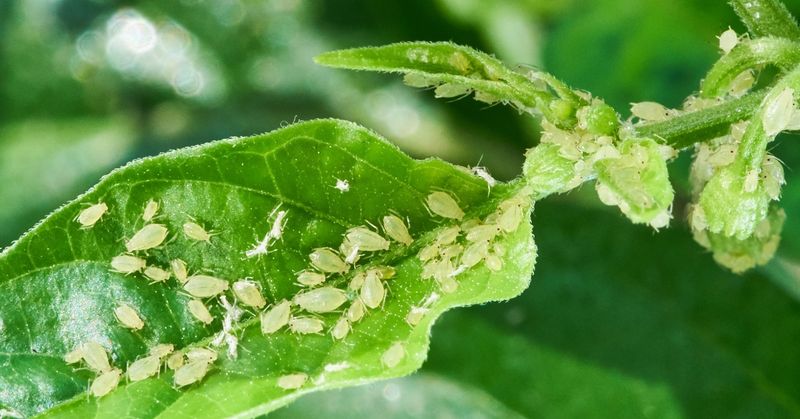
Walk up to almost any garden in Pennsylvania during early spring and you might notice tiny, pear-shaped insects huddled together on the freshest, softest parts of your plants. Those are aphids, and they are one of the most common pests gardeners face this time of year.
They come in many colors, including green, black, yellow, and even pink, depending on the plant they prefer.
Aphids feed by piercing plant tissue and sucking out the sap inside. This weakens plants quickly, causing leaves to curl, yellow, or look wrinkled.
They also produce a sticky substance called honeydew, which can lead to a black, sooty mold forming on leaves and stems. If left unchecked, a small group of aphids can turn into a massive colony in just a few days.
Fortunately, aphids are not hard to manage if you act fast. One of the easiest methods is to blast them off plants with a strong stream of water from a garden hose.
You can also use insecticidal soap spray, which is safe for most garden plants and very effective against soft-bodied insects like aphids.
Another smart strategy is to attract natural predators to your Pennsylvania garden. Ladybugs and lacewings love to feed on aphids and can help keep populations under control naturally.
Planting flowers like marigolds and dill nearby can help draw these helpful insects in. Check your plants every few days during spring so you can catch any new aphid activity before it gets out of hand.
2. Slugs
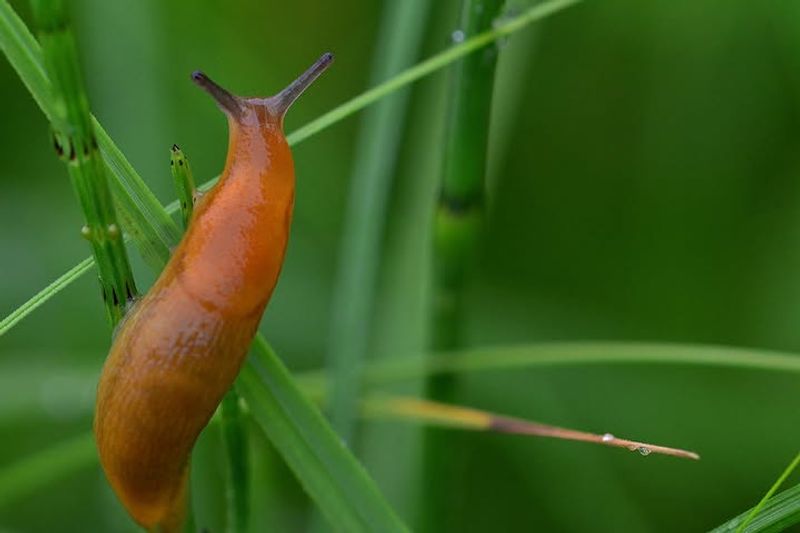
Cool, rainy spring weather in Pennsylvania creates the perfect conditions for slugs to thrive. These slimy, soft-bodied creatures are not insects at all but rather mollusks related to snails.
They come out mostly at night or on cloudy, damp days, which is why many gardeners never actually see them but definitely notice the damage they leave behind.
Slugs chew large, irregular holes through leaves, especially on hostas, lettuce, strawberries, and young seedlings. They leave behind a shiny, silvery slime trail that is a main giveaway.
If your plants look like something took big bites out of them overnight, slugs are likely the culprit.
Your Pennsylvania Garden Changes Every Week. Your Plan Should Too.
Gardening in Pennsylvania changes quickly throughout the season. Every Friday you’ll receive a simple weekly plan showing exactly what to plant, prune, fertilize, harvest, and protect so you never miss the right timing.
One of the simplest ways to check for slugs is to go out to your garden after dark with a flashlight. You will probably spot them on leaves or crawling along the soil.
Hand-picking them off and dropping them into a bucket of soapy water is a very effective control method for smaller gardens.
Pennsylvania gardeners can also try a few other tricks to reduce slug populations. Sprinkling diatomaceous earth around the base of vulnerable plants creates a rough barrier that slugs avoid.
Beer traps, made by sinking a shallow container into the soil and filling it with beer, attract and trap slugs overnight.
Reducing excess moisture by watering in the morning instead of evening also helps, since slugs need dampness to move around. Keeping garden beds tidy and removing leaf piles removes their favorite hiding spots too.
3. Cutworms
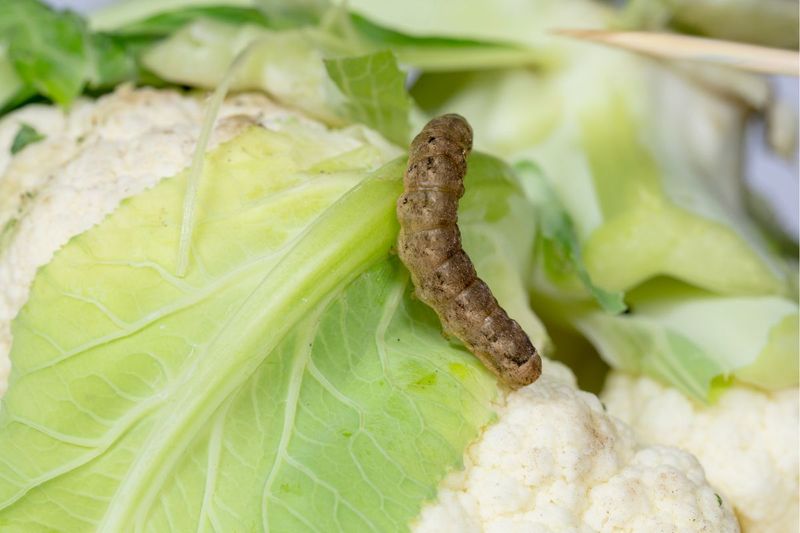
Imagine planting a row of healthy seedlings in the evening, only to walk out the next morning and find them lying flat on the ground, cut clean at the base. That is the signature move of the cutworm.
These plump, gray or brown caterpillars hide just under the soil surface during the day and come out at night to feed on young plant stems at or just below soil level.
Cutworms are the larvae of several species of moths that lay their eggs in garden soil in late summer and fall. Those eggs hatch in spring, and the young larvae immediately start looking for something to eat.
Tomatoes, peppers, cabbage, and newly planted flowers are all fair targets. The damage happens so fast and so completely that most gardeners do not realize there is a problem until entire rows of seedlings are gone.
Protecting your plants from cutworms does not have to be complicated. One of the most reliable methods is to place a physical collar around each seedling at planting time.
You can make these from cardboard tubes, plastic cups with the bottoms removed, or even strips of aluminum foil. Push the collar about an inch into the soil and leave a few inches above ground to block cutworm access.
Pennsylvania gardeners can also try applying beneficial nematodes to the soil before planting. These microscopic organisms target cutworm larvae underground without harming other garden life.
Tilling the soil in early spring also helps by exposing overwintering cutworms to birds and cold air, reducing their numbers before the growing season really gets going.
4. Cabbage Worms
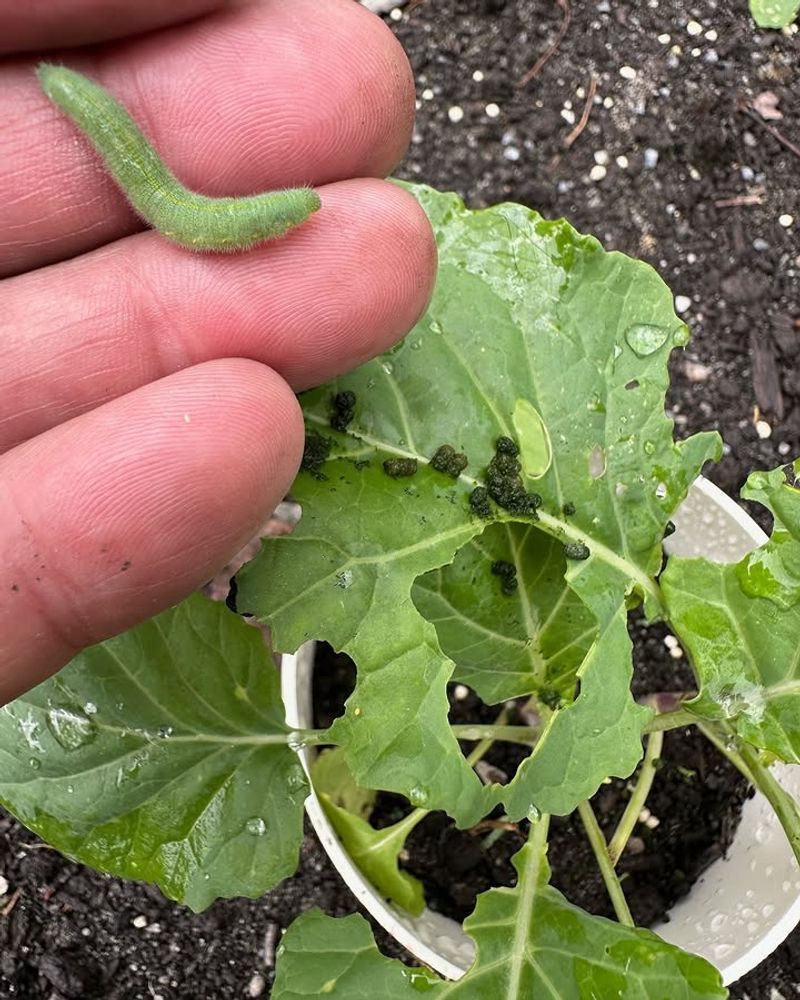
Few sights are more frustrating for a Pennsylvania vegetable gardener than walking up to a row of beautiful kale or broccoli only to find the leaves riddled with holes. Cabbage worms are often the reason.
These velvety, bright green caterpillars blend in so well with leaves that you can stare right at a plant and miss them completely.
The imported cabbageworm is the larva of the common white butterfly you often see fluttering around the garden in spring. Female butterflies lay tiny, pale yellow eggs on the undersides of brassica leaves, including cabbage, kale, broccoli, cauliflower, and Brussels sprouts.
Once the eggs hatch, the larvae begin munching immediately and can do serious damage in a short time.
Checking plants regularly is the first line of defense. Flip leaves over and look closely for small eggs or tiny caterpillars.
Hand-picking them off and dropping them into soapy water works well for small plantings. Larger gardens may benefit from an application of Bacillus thuringiensis, commonly called Bt.
This is a naturally occurring soil bacteria that is safe for people, pets, and beneficial insects but very effective against caterpillar pests like cabbage worms.
Row covers are another excellent tool for Pennsylvania gardeners growing brassicas in spring. Lightweight floating row cover fabric lets in light and water but keeps white butterflies from landing on your plants to lay eggs.
Just make sure to secure the edges tightly so there are no gaps. Starting this protection early in the season, even before you see any pests, gives your plants the best chance to grow strong and undisturbed through the spring months.
5. Spider Mites
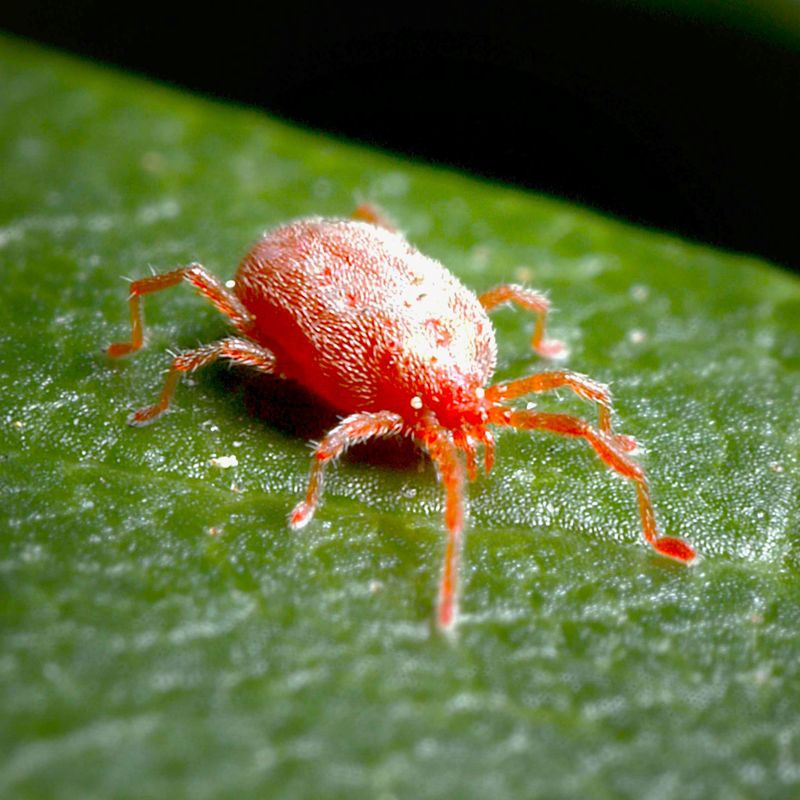
Spider mites are so tiny that most people do not even realize they are dealing with them at first. These minuscule arachnids, closely related to spiders and ticks, are barely visible to the naked eye.
What gives them away is the damage they cause and the fine, silky webbing they leave behind on the undersides of leaves.
As temperatures start to climb in Pennsylvania during late spring, spider mites become much more active. They thrive in warm, dry conditions and can multiply incredibly fast.
A small population can explode into thousands within just a couple of weeks. They pierce leaf cells and feed on the contents, leaving behind tiny yellow or white speckles that give affected leaves a dusty, stressed appearance. Over time, heavily infested leaves turn bronze and drop off the plant.
Vegetables, strawberries, roses, and many ornamental plants are common targets in Pennsylvania gardens. One easy way to check for spider mites is to hold a white piece of paper under a leaf and give it a gentle tap.
If you see tiny moving dots on the paper, you have spider mites. Acting quickly is key before populations get large.
Keeping plants well-watered helps reduce stress and makes them less attractive to mites. Spraying plants with a strong stream of water, especially on leaf undersides, knocks mites off and disrupts their colonies.
Insecticidal soap or neem oil sprays are both effective organic options. Repeat applications every five to seven days are usually needed to break the mite life cycle and fully get populations under control in your garden.
6. Japanese Beetles
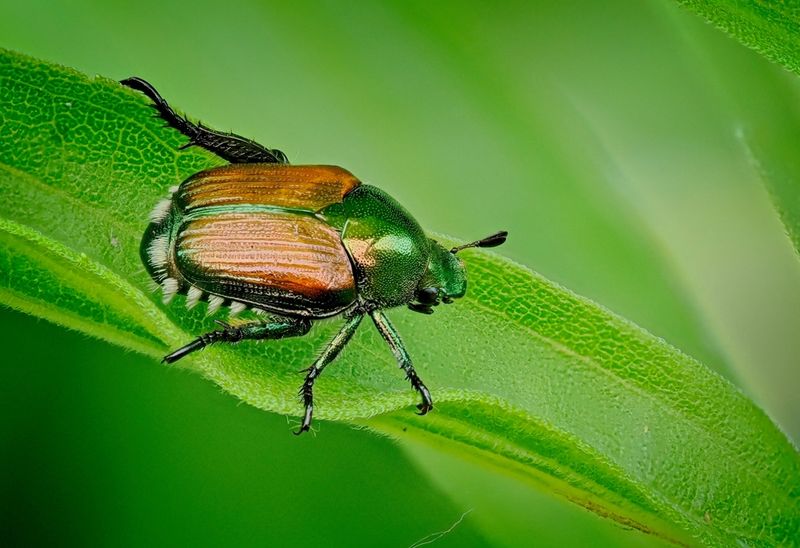
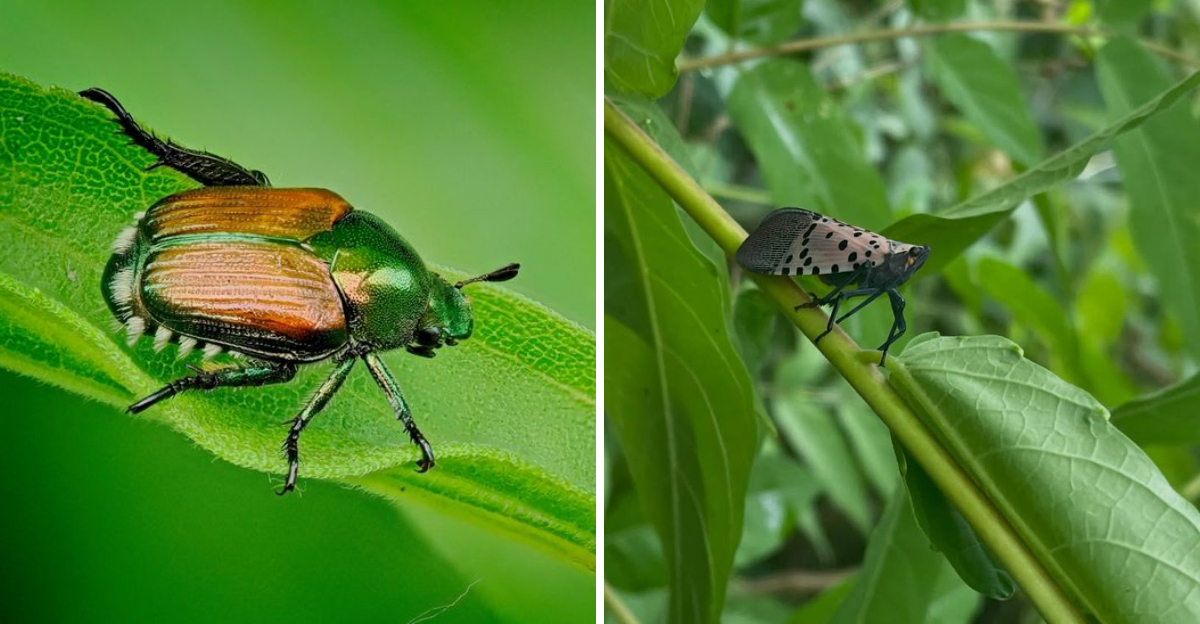
With their shiny, metallic green bodies and copper-colored wing covers, Japanese beetles almost look too pretty to be such a destructive pest. Do not let the good looks fool you.
These beetles are among the most damaging garden insects Pennsylvania gardeners face each season, and they tend to show up just as things are really starting to look beautiful in late spring.
Japanese beetles feed on a wide variety of plants, including roses, grapes, linden trees, basil, and many ornamental shrubs. They eat the soft leaf tissue between the veins, leaving behind a lacy, skeleton-like structure.
A single beetle is manageable, but they release pheromones that attract more beetles, so infestations can build up very quickly. A plant that looks fine on Monday can be heavily damaged by Friday.
Early morning is the best time to manage Japanese beetles by hand. They move more slowly when temperatures are cool, making them easier to knock off plants into a bucket of soapy water.
Checking your garden every day during peak beetle season gives you the best results and keeps populations from growing out of control.
Pennsylvania gardeners should be cautious about using Japanese beetle traps. Research has shown that these traps can actually attract more beetles to your yard than they catch, making the problem worse.
Instead, focus on plant protection methods like row covers for smaller plants and neem oil sprays, which deter feeding.
Treating your lawn with beneficial nematodes in late summer can also reduce grub populations in the soil, cutting down on next year’s adult beetle numbers significantly.
7. Spotted Lanternfly
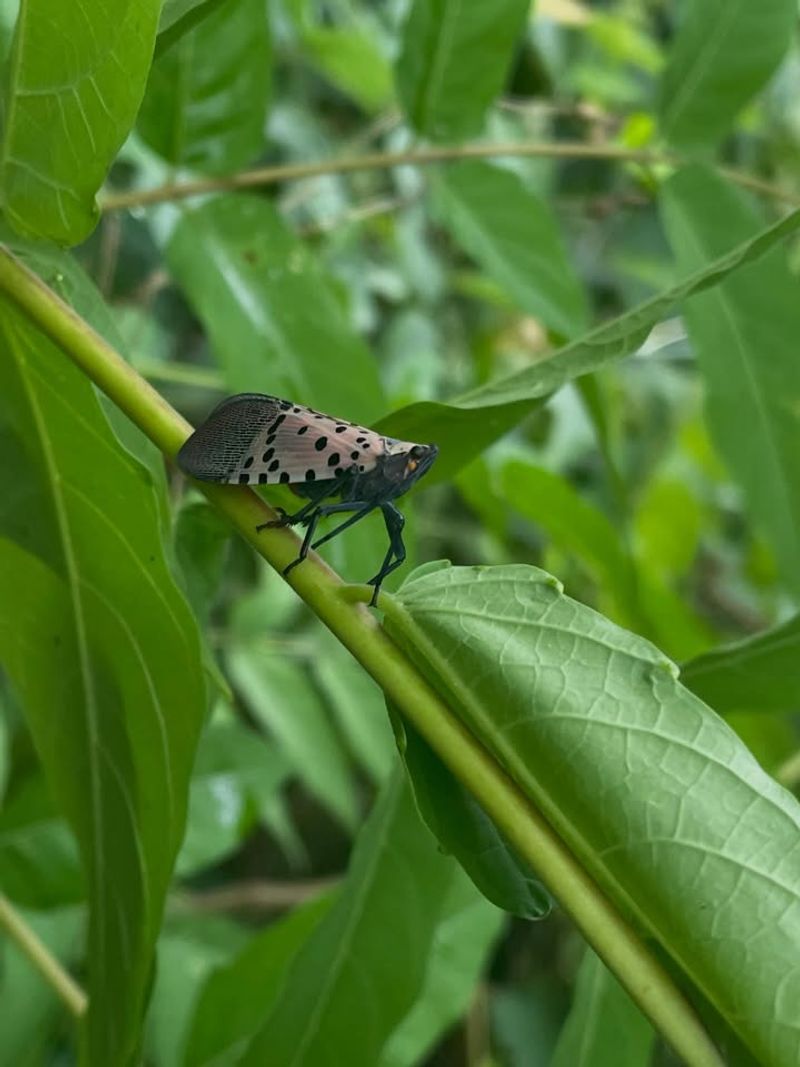
If you live in Pennsylvania, you have almost certainly heard about the spotted lanternfly by now. This invasive pest from Asia has spread rapidly across the state since it was first detected in Berks County back in 2014.
Spring is a critical time to start monitoring for spotted lanternfly egg masses and newly hatched nymphs before populations build up through the warmer months.
Spotted lanternflies feed on a huge range of plants, including grapevines, apple trees, hops, and many ornamental trees. Their feeding weakens plants over time by draining sap, and like aphids, they produce honeydew that leads to sooty mold growth.
Vineyards and orchards in Pennsylvania have reported significant losses due to this pest, and home gardeners with fruit trees or grapevines need to stay alert.
In early spring, look for spotted lanternfly egg masses on tree bark, fence posts, outdoor furniture, and even vehicles. The egg masses look like a smear of dried mud and contain 30 to 50 eggs each.
Scraping them off and placing them in a sealed bag with hand sanitizer before disposal is a responsible and effective way to reduce the population before the season starts.
Pennsylvania residents are encouraged to report spotted lanternfly sightings to the Pennsylvania Department of Agriculture. Sticky bands wrapped around tree trunks can trap nymphs as they crawl up to feed.
Removing tree of heaven, the pest’s preferred host plant, from your property is also a long-term strategy that helps reduce the local population.
Staying vigilant throughout spring and summer is the best way Pennsylvania gardeners can help slow the spread of this damaging invasive species.