What Belongs In A Michigan Compost Pile And What Does Not
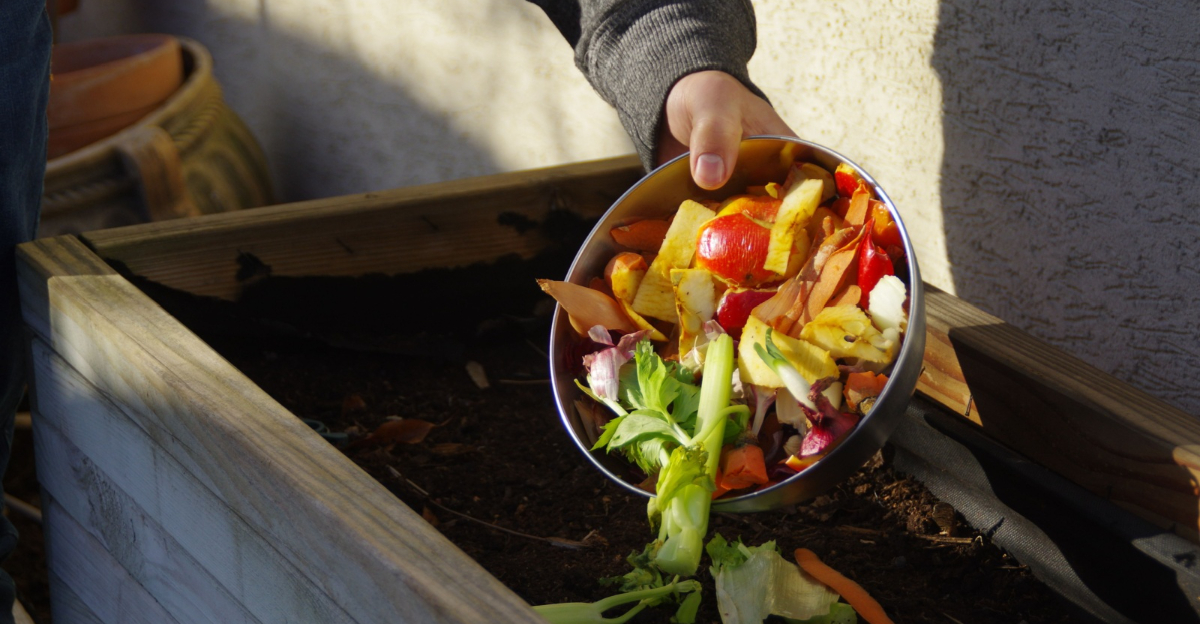
A Michigan garden can create a surprising amount of leftovers. One minute you are trimming plants, peeling vegetables, and cleaning up flower beds, and the next you have a bucket of scraps and a growing pile of yard waste staring back at you.
That is where composting starts to look pretty brilliant. Instead of treating all that garden mess like a nuisance, you can turn a lot of it into something your soil will genuinely appreciate.
Not glamorous at first glance, sure, but very satisfying. The catch is that a compost pile is not a magic heap that welcomes everything with open arms.
Some materials break down beautifully and help build rich, useful compost. Others can make the whole setup smell bad, attract pests, or sneak weed problems right back into the garden.
Michigan gardeners who learn the difference tend to have a much smoother time with composting. A little sorting now can save a lot of frustration later, and your garden gets the payoff.
Pretty good deal for a pile of scraps.
1. Leaves Build A Better Michigan Compost Pile
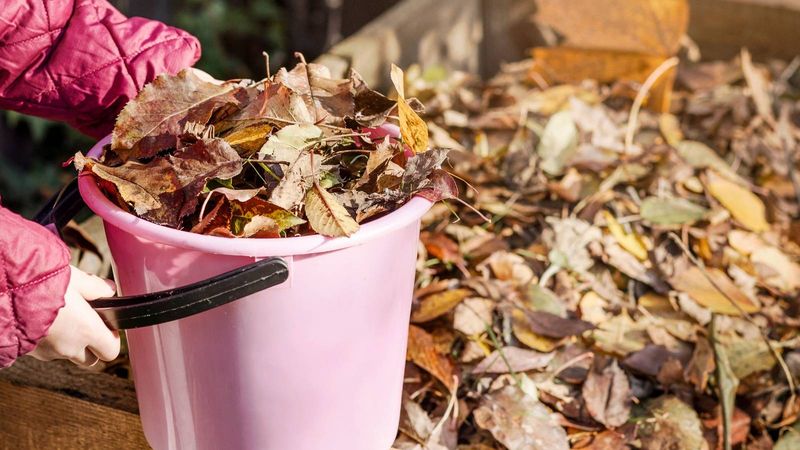
Walk through almost any Michigan neighborhood in October and you will find leaves covering every lawn, sidewalk, and garden bed in sight. Those fallen leaves are one of the best materials a backyard composter can have.
They break down steadily over time and add what composting folks call “browns” to the pile, which are carbon-rich materials that help balance out wetter, nitrogen-rich green materials like grass clippings.
Leaves from common Michigan trees such as maple, oak, and birch all work well. Shredding them before adding them to the pile speeds things up considerably, since whole leaves can mat together and slow airflow through the compost.
A simple lawn mower pass over a pile of leaves does the job nicely.
One thing Michigan gardeners learn quickly is that leaves alone can make a pile too dry. Mixing them with food scraps or green yard waste keeps moisture and breakdown moving at a better pace.
Leaves gathered during fall cleanup are a seasonal resource worth saving rather than sending to the curb.
They cost nothing, they are widely available across Michigan, and they make a meaningful contribution to a healthy, balanced compost pile year after year.
2. Grass Clippings Add Fresh Green Material Fast
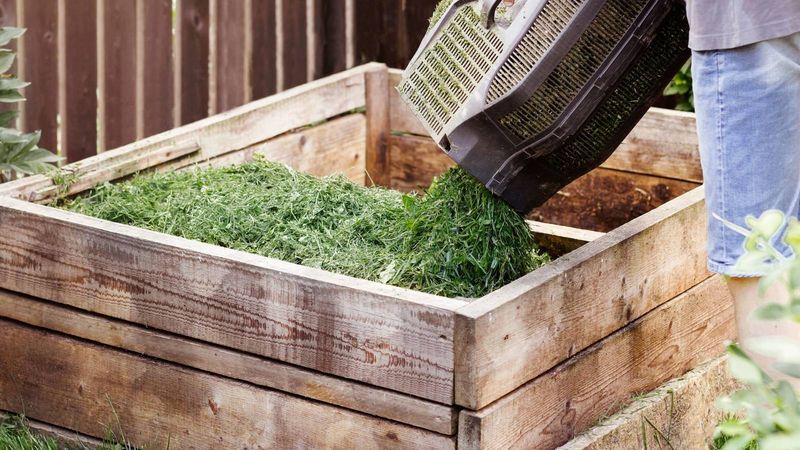
After a summer mow, most Michigan homeowners end up with a pile of fresh green grass clippings sitting in the yard. Those clippings are packed with nitrogen, making them an excellent green material for a compost pile that needs a boost.
They break down relatively quickly and can help heat up a pile that has been sitting a little too cool and slow.
The catch is that grass clippings need to be layered carefully rather than dumped in all at once. A thick clump of wet clippings can pack together tightly, cutting off airflow and creating a slimy, smelly mess instead of useful compost.
Mixing clippings with dry leaves or shredded cardboard helps avoid that problem.
Your Michigan Garden Changes Every Week. Your Plan Should Too.
Gardening in Michigan changes quickly throughout the season. Every Friday you’ll receive a simple weekly plan showing exactly what to plant, prune, fertilize, harvest, and protect so you never miss the right timing.
Michigan lawns treated with herbicides or pesticides are worth thinking about before adding clippings to compost.
Most home gardeners choose to skip clippings from recently treated lawns, at least for a few mowing cycles, to reduce the chance of introducing chemical residues into garden beds.
For untreated lawns, though, grass clippings are a reliable, free, and readily available green material that Michigan gardeners can count on from late spring through early fall to keep the compost pile active and balanced.
3. Fruit And Vegetable Scraps Feed The Pile Naturally
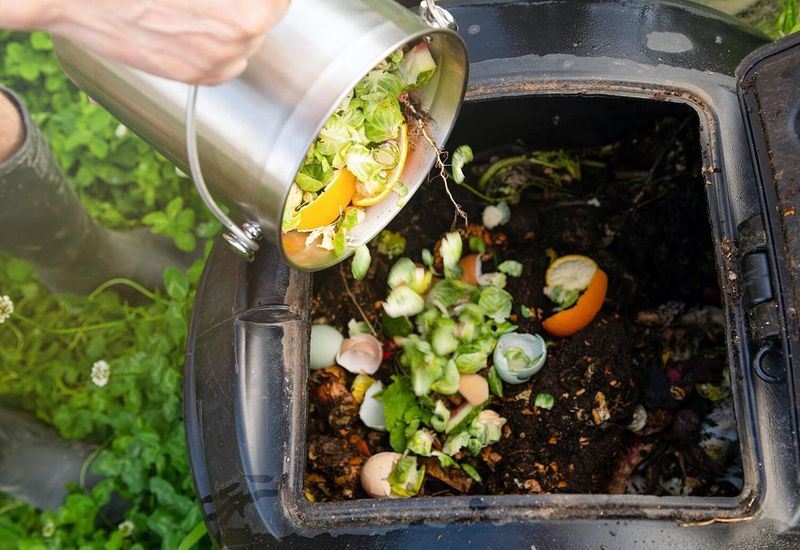
Every Michigan kitchen generates a steady stream of fruit and vegetable scraps throughout the week.
Apple cores, banana peels, carrot tops, wilted lettuce, coffee grounds, and melon rinds are just a few examples of what tends to pile up near the cutting board.
All of these materials are welcome additions to a backyard compost pile and contribute nitrogen-rich green material that helps fuel the breakdown process.
Coffee grounds deserve a special mention because Michigan coffee drinkers produce plenty of them. Grounds break down well and are often cited as a material that earthworms seem to enjoy.
Used paper coffee filters can go into the pile right along with the grounds.
Fruit scraps can sometimes attract fruit flies or other small insects near the compost bin, especially during warm Michigan summers. Burying fresh scraps a few inches into the pile rather than leaving them on top helps reduce that issue.
Keeping a small covered container in the kitchen for collecting scraps before heading out to the compost bin makes the habit much easier to maintain.
Over time, those daily kitchen contributions add up and help create finished compost that benefits Michigan garden beds in a meaningful way.
4. Garden Trimmings Help Turn Waste Into Compost
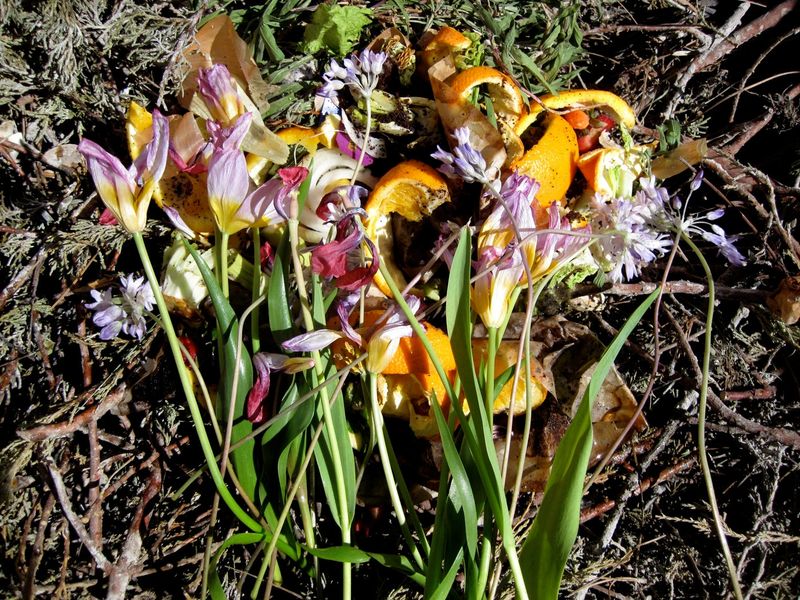
Spent flower stems, trimmed herb plants, pulled annual weeds without seed heads, and the remains of vegetable plants after harvest all have a place in a Michigan compost pile.
Garden trimmings are a natural byproduct of tending beds through the growing season, and composting them closes the loop in a satisfying way.
Material that came from the garden goes back to feed it.
Soft, green trimmings from herbs and annual plants break down relatively fast. Woody stems from plants like sunflowers or pepper plants take longer and benefit from being chopped into shorter pieces before going into the pile.
A pair of pruning shears or a quick run through a chipper can make a noticeable difference in how quickly those tougher materials break down.
Michigan gardeners doing fall cleanup often generate large amounts of garden trimmings all at once. Rather than bagging everything for curbside pickup, setting aside healthy plant material for the compost pile is a practical move.
The key word there is healthy, since trimmings from plants showing signs of disease or pest damage are better handled differently.
For clean, healthy garden waste, though, the compost pile is exactly where those trimmings belong and where they will do the most good.
5. Eggshells Add Kitchen Scraps Worth Saving
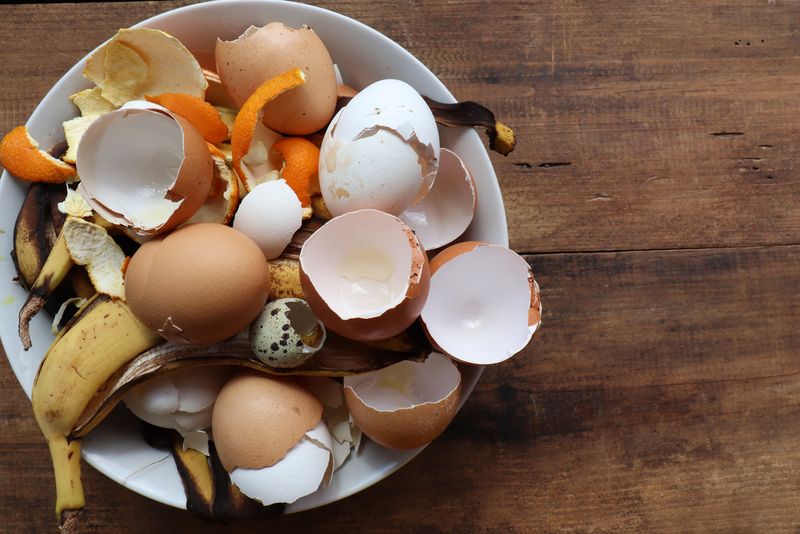
Eggshells are one of those kitchen scraps that often end up in the trash without a second thought, but they are worth saving for the compost pile.
Shells are made mostly of calcium carbonate, which can contribute a small amount of calcium to finished compost over time.
They are also one of the cleanest and least odor-producing kitchen scraps a Michigan gardener can add.
Eggshells break down slowly compared to soft food scraps, so crushing them before adding them to the pile helps. A quick crunch by hand or a brief spin in a bag works well enough.
Very fine shell pieces will incorporate into the compost faster than large chunks, which might still be visible even in finished material.
Some Michigan gardeners also scatter crushed eggshells directly around garden plants as a soil amendment, but adding them to compost is another solid option.
They do not contribute much in terms of nitrogen or carbon, so they are more of a supplemental addition than a backbone ingredient.
Still, for households that go through eggs regularly, saving those shells instead of tossing them is an easy habit that keeps usable material out of the landfill and puts it to work in the backyard garden instead.
6. Meat, However, Can Bring Odors And Unwanted Pests
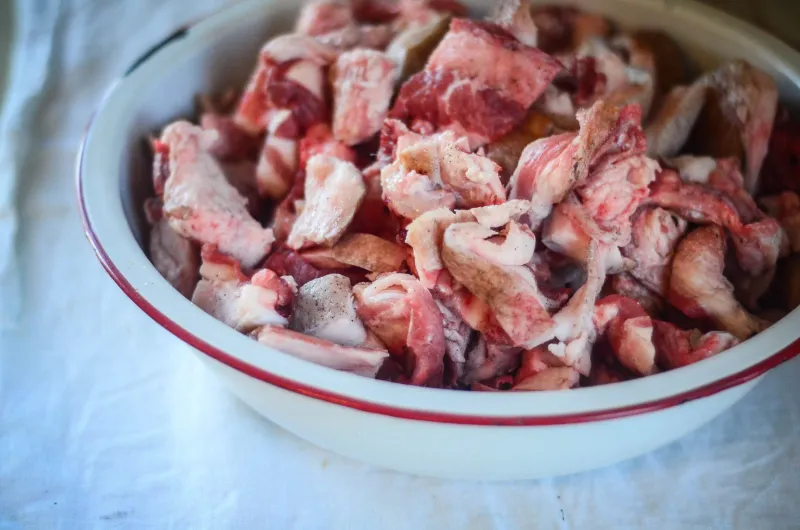
Meat scraps are one of the most commonly cited problem ingredients for a home compost pile, and the reasons are fairly straightforward.
Meat breaks down in ways that produce strong, unpleasant odors, especially in the warmer months that Michigan summers bring.
Those smells can carry through a neighborhood and make composting an unwelcome activity for nearby residents.
Beyond the odor, meat attracts animals. Raccoons, opossums, rats, and other wildlife are drawn to the smell of decomposing meat, and a Michigan backyard compost bin is not typically built to keep determined animals out.
Once wildlife discovers a food source in a compost pile, it can be difficult to discourage them from coming back.
Some composting systems, such as enclosed bokashi setups or municipal composting programs, are designed to handle meat and other animal products more effectively.
But for a standard open or bin-style backyard compost pile, which is what most Michigan home gardeners use, meat scraps are generally better kept out.
Fish scraps, bones, and cooked meat with seasonings or sauces present similar concerns.
Keeping the pile free of meat helps it stay manageable, reduces wildlife pressure, and keeps the composting experience more pleasant overall for Michigan gardeners and their neighbors alike.
7. Dairy Products Can Make A Compost Pile Messy

Cheese rinds, sour milk, yogurt, and butter scraps might seem like harmless food waste, but dairy products tend to create problems in a typical backyard compost pile.
Like meat, dairy materials can produce odors as they break down, and those smells attract the same kinds of wildlife that meat does.
Michigan gardeners who live near wooded areas or green spaces may find their pile visited by animals more quickly than they expect.
Dairy also tends to be wet and dense, which can disrupt the moisture balance of a compost pile. Too much wet material without enough dry browns to balance it can lead to a soggy, slow, and unpleasant pile.
Small amounts might not cause immediate trouble, but dairy is not a material that improves compost quality in a meaningful way.
For Michigan households generating leftover dairy regularly, looking into municipal food waste programs or simply disposing of dairy in the regular trash is a more practical approach than composting it at home.
The goal of a healthy backyard compost pile is to create a system that is manageable, low-odor, and not attractive to pests.
Leaving dairy out of the equation is one of the simpler ways to keep a Michigan backyard compost pile working smoothly without extra complications.
8. Oily Foods Can Slow Things Down In Compost

Greasy pizza boxes, oily salad dressing, fried food scraps, and cooking oils are the kinds of kitchen leftovers that can quietly cause problems in a home compost pile.
Oils and fats coat organic material and create a barrier that slows the work of the microbes and organisms responsible for breaking everything down.
A pile that smells off or seems to stop progressing might have too much oily material mixed in.
Oily food waste also attracts pests in much the same way that meat and dairy do. The smell of grease can travel, and animals like raccoons and mice are not picky about what draws them in.
Michigan gardeners who work hard to maintain a tidy backyard setup may find oily additions undermine those efforts fairly quickly.
Plain, uncooked vegetable scraps are almost always a better choice than their cooked, oiled, or seasoned counterparts. A raw carrot peel composts much more cleanly than a roasted carrot tossed in olive oil and herbs.
When in doubt, sticking to raw plant material for the compost pile and routing cooked or oily food scraps elsewhere keeps the pile healthier and more manageable.
Keeping it simple is often what works best for a Michigan backyard compost setup.
9. Diseased Plants Can Create Problems Later
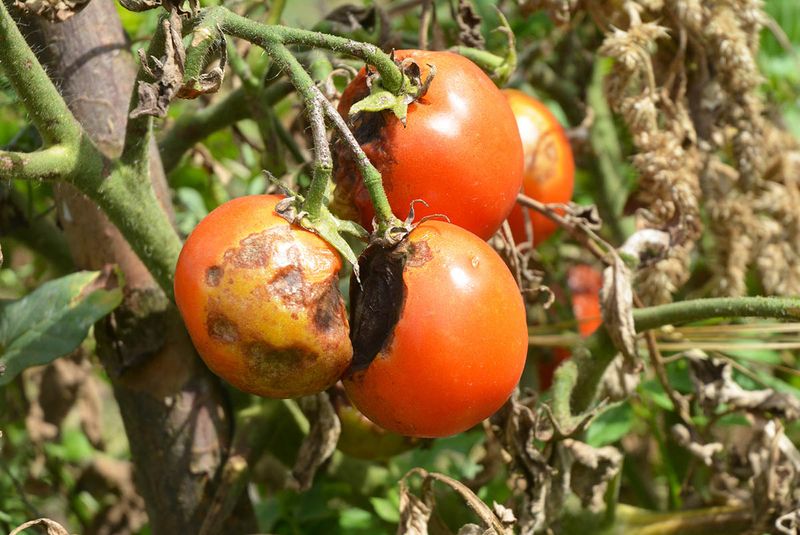
Pulling up a tomato plant with blight or noticing powdery mildew on a squash vine is a frustrating part of Michigan gardening, especially after a wet summer.
The temptation is to toss those plants straight into the compost pile along with everything else, but diseased plant material deserves a second thought before it goes in.
Many home backyard compost piles do not reach consistently high internal temperatures throughout the entire pile.
In a pile that runs cooler or does not get turned regularly, some pathogens or fungal spores from diseased plants may survive the composting process.
Spreading finished compost made from diseased material back onto garden beds could potentially reintroduce the same problems the following season.
Michigan gardeners dealing with common plant diseases like early blight, late blight, or club root often choose to bag and dispose of affected plants rather than composting them.
It is a cautious approach that reduces the risk of spreading disease through the garden.
For gardeners who do want to compost questionable material, a well-maintained, actively turned pile that builds consistent heat has a better chance of breaking things down more thoroughly.
When uncertain, leaving diseased plants out of the home compost pile is a reasonable and practical call.
10. Invasive Plants And Weed Seeds Should Stay Out
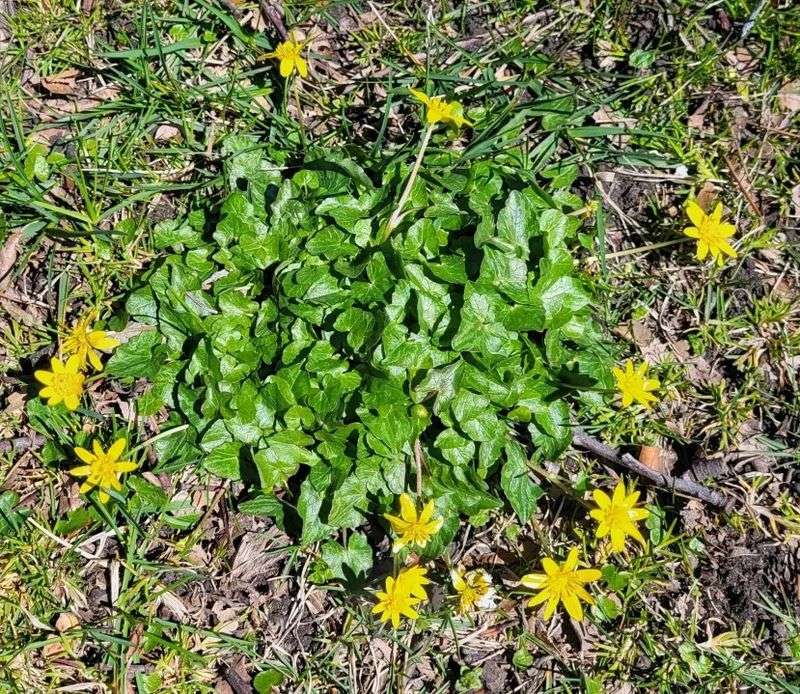
Michigan has a well-known problem with invasive plant species, from garlic mustard spreading along roadsides to phragmites crowding out native wetland plants.
When these plants show up in a garden or yard, the instinct is to pull them and get rid of them.
But tossing invasive plants or plants loaded with mature weed seeds into the backyard compost pile can create a new round of headaches.
Many invasive plants are remarkably resilient. Some can re-root from small stem fragments if composting conditions are not right.
Weed seeds are similarly tough and may survive composting in a pile that does not heat up enough or get turned consistently. Spreading that finished compost in garden beds could mean spreading the very plants a gardener worked hard to remove.
The safer move for invasive plants is to bag them for trash disposal or check with local Michigan waste management programs about proper disposal methods.
Some counties and municipalities have guidance on handling invasive species specifically.
Keeping invasive material and seed-heavy weeds out of the home compost pile protects the garden from future weed pressure and helps prevent the accidental spread of problem plants to new areas of the yard.
A little caution at the compost bin goes a long way in Michigan gardens.