These Simple Tips Help Lantana Bloom Longer In Arizona
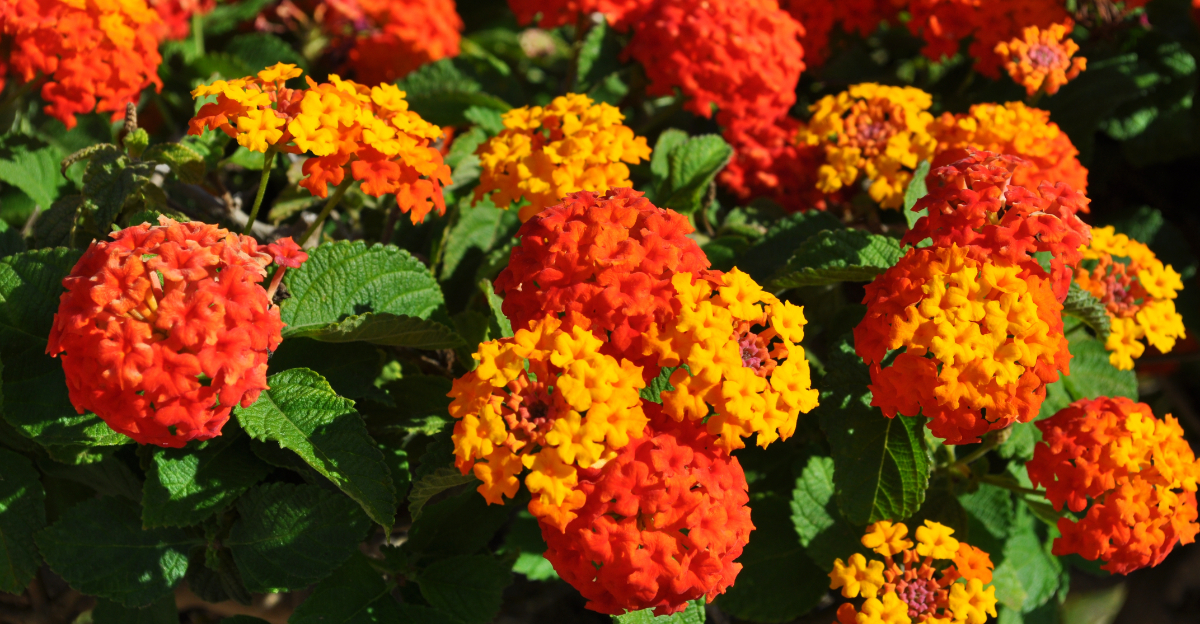
Arizona summers expose weak flowering plants fast once temperatures stay high day after day. Lantana keeps standing out anyway, which is exactly why it shows up in so many
Arizona yards, patios, and roadside landscapes even during the hottest part of the season. Long lasting blooms usually depend on a few small details that many people do not think about until the plant starts slowing down later in summer.
Strong healthy lantana tends to look completely different by August compared to plants that struggle through the heat.
Arizona gardeners often notice those differences much faster than expected once the season reaches peak temperatures. Fuller color, nonstop blooms, and healthier growth usually start with simple choices made much earlier in the season.
1. Full Sun Helps Lantana Produce More Flowers
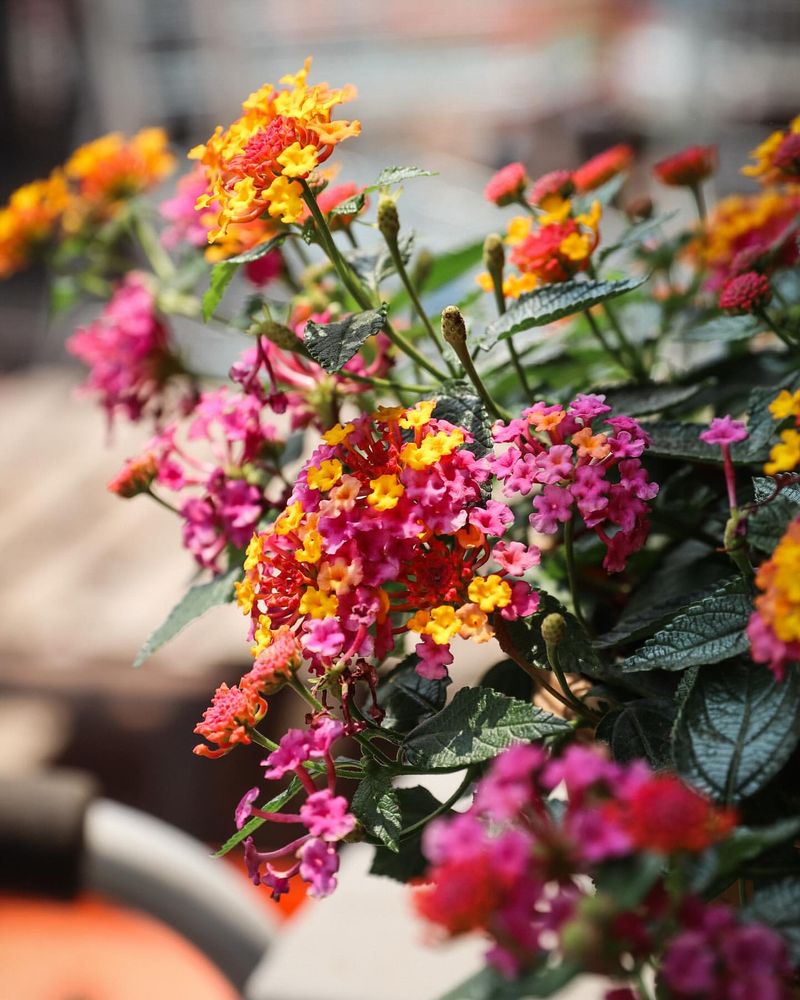
Planting lantana in the shadiest corner of your yard is one of the fastest ways to get fewer blooms. Lantana is a sun-hungry plant, and in Arizona, that works perfectly in your favor.
Give it at least six to eight hours of direct sunlight each day, and the plant rewards you with dense clusters of color that just keep coming.
Shade cuts flower production noticeably. Even partial shade from a nearby wall or tree can reduce how many blooms a plant pushes out each week.
Arizona gardeners who move their lantana to fully open spots often notice a real difference within just a couple of weeks.
South-facing beds and open desert-style landscapes are some of the best locations in Arizona for lantana. Reflected heat from gravel, block walls, or concrete can actually boost performance even further.
Lantana treats that extra warmth like fuel.
One thing worth knowing is that afternoon sun in Phoenix or Tucson during peak summer can be extremely intense. Some gardeners find that very young or newly planted lantana benefits from a few days of light afternoon shade while getting established.
Once roots settle in, full sun exposure is rarely a problem and almost always helps.
2. Deep Watering Encourages Stronger Summer Growth
Shallow watering trains roots to stay near the surface, and shallow roots struggle badly once Arizona temperatures climb past 105 degrees. Deep, infrequent watering pushes roots downward where soil stays cooler and moisture lasts longer.
That deeper root system is what keeps lantana pushing out new growth and flowers even in brutal midsummer heat.
A good rule of thumb in Arizona is to water slowly and thoroughly, letting moisture soak at least 12 inches into the ground. Running a drip system for 30 to 45 minutes two or three times a week during summer is usually enough for established plants.
Newly planted lantana may need more frequent watering for the first few weeks until roots spread out.
Overwatering is actually a bigger risk than underwatering once lantana is established. Soggy soil invites root problems that no amount of sunshine will fix.
Watch the plant instead of following a rigid schedule. If leaves look slightly wilted in the morning before temperatures rise, that is a signal to water.
Afternoon wilt in Arizona heat is completely normal and not always a sign the plant needs water.
Your Arizona Garden Changes Every Week. Your Plan Should Too.
Gardening in Arizona changes quickly throughout the season. Every Friday you’ll receive a simple weekly plan showing exactly what to plant, prune, fertilize, harvest, and protect so you never miss the right timing.
Checking soil moisture a few inches below the surface before watering is a smart habit.
3. Removing Old Blooms Keeps New Flowers Coming
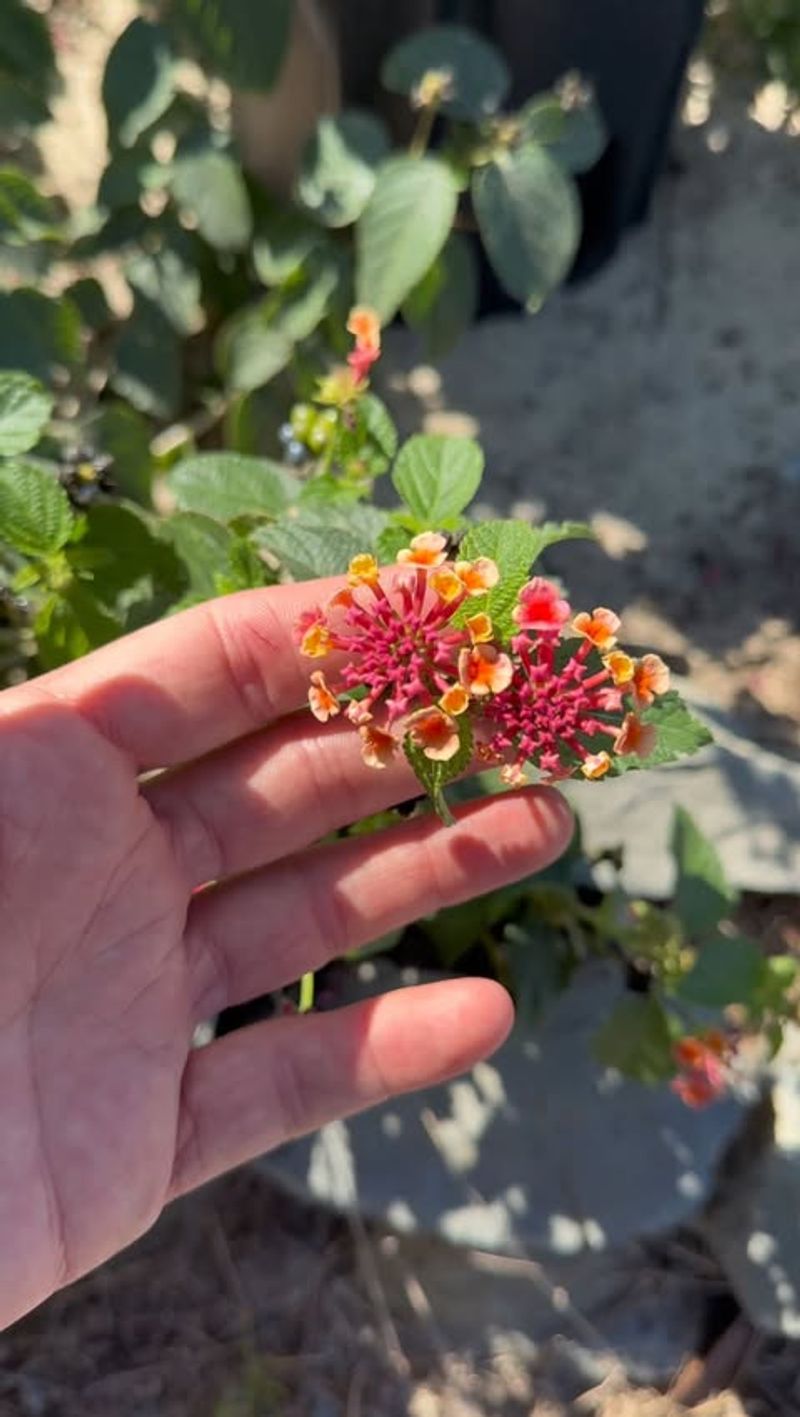
Old, faded flower clusters left on the plant send a signal that the job is done. Once lantana starts producing seeds, the plant naturally slows down its flower output.
Removing those spent blooms before seeds develop interrupts that cycle and keeps the plant focused on producing more flowers instead.
Deadheading lantana does not need to be complicated or time-consuming. A quick pass through the plant every week or two, pinching off the dried or browning flower heads, is enough to make a real difference.
In Arizona, where the growing season stretches from spring through late fall, regular deadheading can significantly extend the period when your lantana looks its best.
Some gardeners skip this step because lantana seems to keep blooming regardless. It does have impressive natural energy, but removing old blooms consistently will produce noticeably more flower clusters over the course of a season.
A plant that has been regularly deadheaded looks fuller and more vibrant than one left completely alone.
Wear light gloves when working with lantana. The foliage can cause mild skin irritation in some people, especially during hot weather when oils in the leaves are more concentrated.
A quick rinse after handling is always a good idea.
4. Well Drained Soil Prevents Problems In Extreme Heat
Standing water around lantana roots during an Arizona summer is a recipe for trouble. Waterlogged soil heats up fast and holds that heat, creating conditions that stress roots even when air temperatures drop at night.
Good drainage keeps the root zone healthier and more stable through the hottest months of the year.
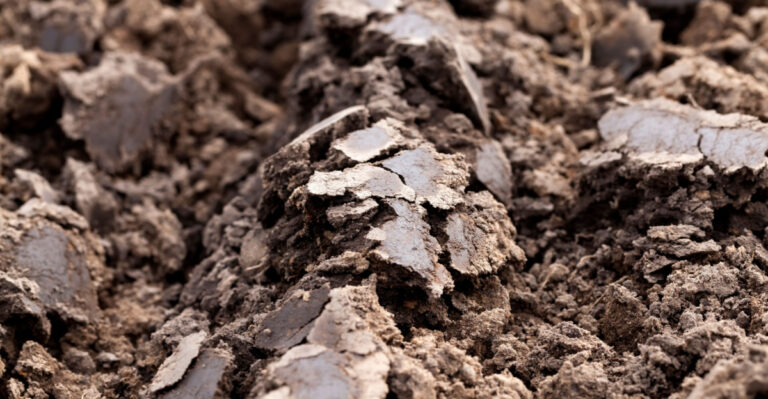
Arizona has a wide range of native soil types, from the sandy, fast-draining soils common in the low desert around Phoenix to the heavier clay-rich soils found in some parts of Tucson and higher elevations.
If your yard has dense, slow-draining soil, mixing in coarse sand, perlite, or decomposed granite before planting can improve drainage significantly.
Raised beds are another solid option if your native soil holds water too long after irrigation.
Lantana actually prefers soil that leans toward lean and gritty rather than rich and heavy. Overly fertile soil with lots of organic matter tends to push leafy green growth at the expense of flowers.
In Arizona, native desert soil with good drainage often produces better blooming results than heavily amended garden beds.
Testing drainage is simple. Dig a hole about a foot deep, fill it with water, and watch how fast it drains.
If water sits in the hole for more than a few hours, drainage needs improvement before planting.
5. Light Pruning Helps Plants Stay Full And Colorful
Lantana left completely untrimmed through the season tends to get leggy, with long woody stems and clusters of blooms only at the very tips. Light pruning changes that pattern by encouraging the plant to branch out lower down, which fills in gaps and produces more flowering stems overall.
More stems equal more blooms, and that matters in a place like Arizona where you want color for as many months as possible.
Pruning does not need to be aggressive to be effective. Cutting stems back by about one-third every few weeks during the growing season is enough to keep plants compact and productive.
Sharp, clean pruners make the job faster and reduce the chance of tearing or damaging stems. Dull blades can leave ragged cuts that take longer to heal, especially in extreme heat.
Timing matters a bit in Arizona. Avoid heavy pruning right before a heat wave or during the peak of summer when daytime temperatures consistently exceed 110 degrees.
That kind of stress on freshly cut stems can slow recovery. Light trims during slightly cooler mornings or during a brief mild stretch work better and let the plant bounce back faster.
6. Mulch Helps Roots Stay Cooler During Hot Weather
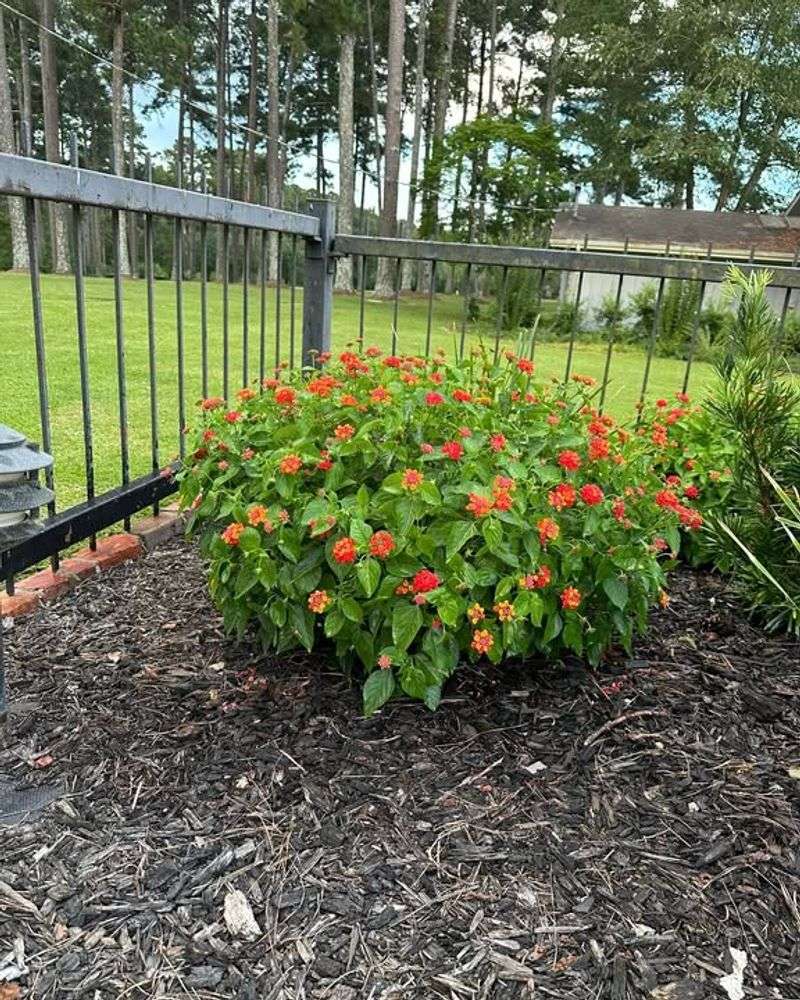
Ground temperatures in Arizona during July and August can reach levels that would surprise most gardeners. Bare soil in full sun can exceed 150 degrees Fahrenheit at the surface, and that kind of heat radiates directly into the root zone.
Mulch acts as a buffer, slowing heat absorption and keeping the soil underneath significantly cooler throughout the day.
Decomposed granite is one of the most practical mulch options in Arizona because it fits naturally into desert landscaping, does not blow around in monsoon winds, and does a solid job of insulating the soil.
Organic mulches like wood chips also work well and have the added benefit of slowly improving soil structure as they break down.
Either option applied two to three inches deep around the base of lantana plants makes a noticeable difference in root health.
Keep mulch pulled back a couple of inches from the main stem of the plant. Mulch piled directly against stems can trap moisture and create conditions that encourage fungal problems.
A small gap around the base lets air circulate and keeps the stem itself dry.
Mulch also slows evaporation from the soil, which means less frequent watering in some cases.
7. Containers Need More Frequent Watering In Summer
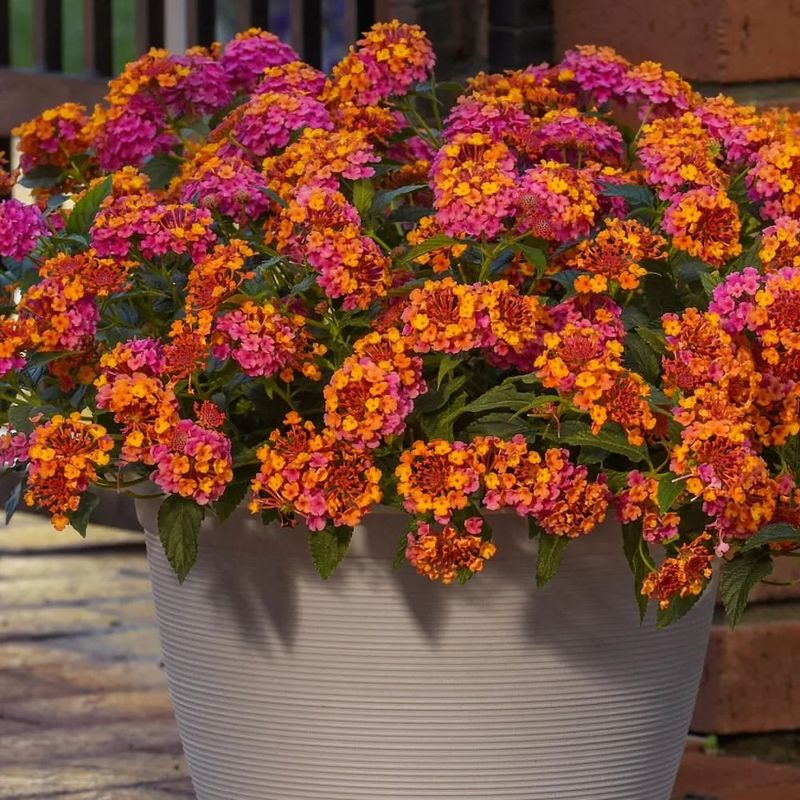
Container-grown lantana in Arizona faces a completely different set of challenges than plants growing in the ground. Pots heat up fast in direct sun, and small soil volumes dry out much more quickly than garden beds.
During the peak of summer in Phoenix or Tucson, a pot sitting in full sun can need water every single day, sometimes twice if temperatures are extreme.
Checking containers daily during summer is a smart habit. Stick a finger two inches into the soil.
If it feels dry at that depth, water thoroughly until it runs out of the drainage holes at the bottom. Shallow watering that only wets the top inch or two leaves lower roots dry and stresses the plant more than most gardeners realize.
Pot size matters more than people often expect. Smaller containers dry out faster and overheat more easily.
Moving to a larger pot, at least 12 to 14 inches in diameter, gives roots more room and helps the soil hold moisture longer between waterings.
Glazed ceramic or thick plastic pots insulate roots better than thin terracotta in extreme heat, though terracotta does allow better airflow in humid conditions.
Positioning containers strategically can help too. In Arizona, afternoon shade for pots can reduce heat stress without sacrificing morning sun that drives flowering.