These 11 Border Plants Thrive On Neglect In California
Not every gardener has hours to spend fussing over their plants every weekend. Life happens. Trips come up. The hose doesn’t get dragged out as often as it should.
And for most high-maintenance border plants, a few weeks of inattention shows up fast in the form of wilting, browning edges, and that general look of quiet suffering that makes you feel guilty every time you walk past.
But some plants? They genuinely do not care. Skip a watering. Forget to fertilize. Ignore them for a month straight.
They just keep growing, keep filling in, and keep looking like someone actually tends to them regularly.
For California gardeners dealing with hot summers, drought conditions, and the occasional stretch of pure chaos in their personal lives, these are the border plants that deserve a permanent spot along every pathway, fence line, and garden edge. Low effort, high reward, zero guilt trips.
1. California Fuchsia
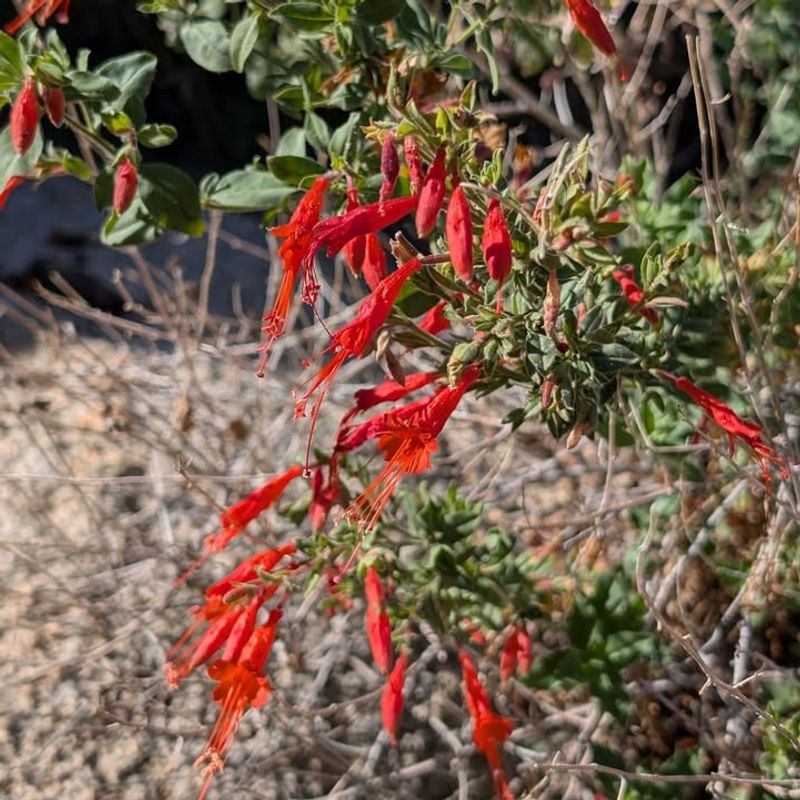
Few plants put on a show quite like California Fuchsia does in late summer. When most other plants start looking tired from the heat, this one bursts into bright orange-red blooms that practically glow in the California sun.
Hummingbirds absolutely love it, so planting it along your border means free entertainment all season long.
Native to California, this plant is built for dry conditions. Once it gets settled in, it barely needs any water at all.
It spreads naturally along the ground, which makes it great for filling in gaps along slopes or garden edges where other plants struggle.
It prefers full sun and well-drained soil, which is easy to find in most parts of the state. Trim it back in late winter to keep it tidy, and it will reward you with even more flowers the next season.
It is a reliable, low-fuss border plant that looks anything but ordinary.
2. California Buckwheat
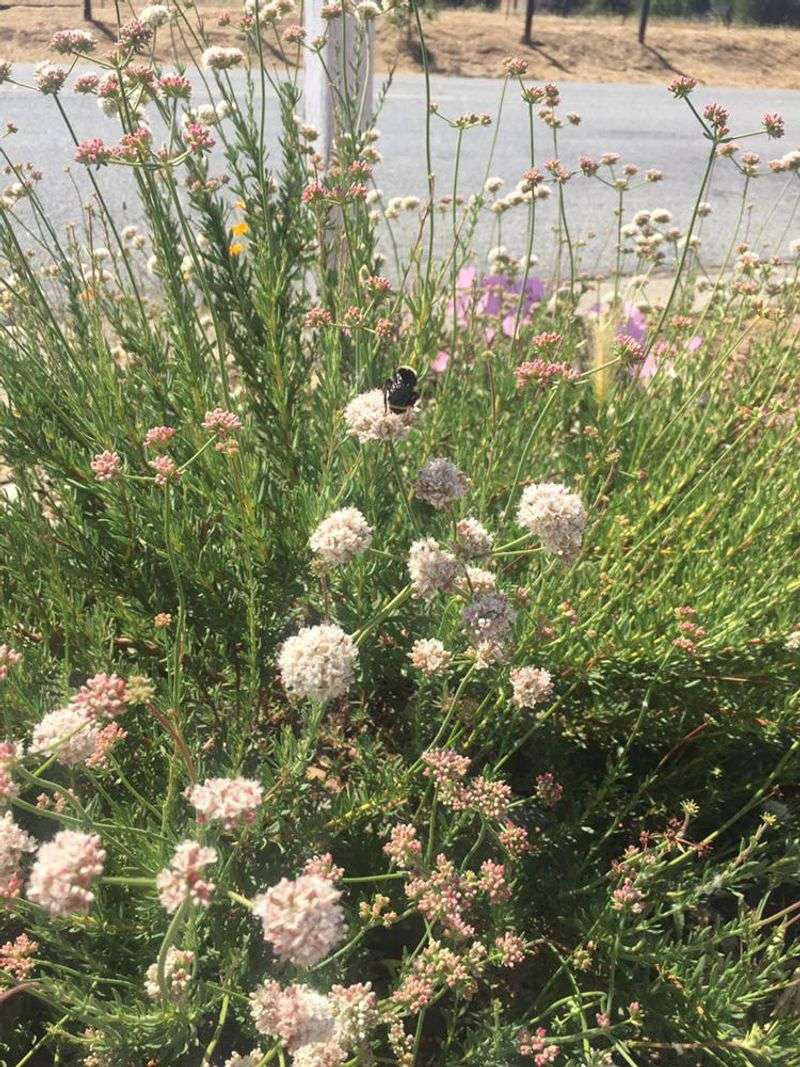
There is something quietly wonderful about a plant that looks beautiful in every season. California Buckwheat starts with clusters of tiny white flowers that slowly turn a warm rusty-red as summer goes on.
Even in winter, the dried flower heads add texture and interest to your garden border without you lifting a finger.
This plant is a true California native, meaning it evolved here and knows exactly how to handle the dry summers and mild winters. It thrives in poor, rocky soil and needs almost no supplemental watering once established.
That makes it a dream plant for busy homeowners across the state.
Pollinators swarm to it in spring and summer, making it a great choice if you want to support local bees and butterflies. Plant it along sunny borders with good drainage, and just let it do its thing.
It grows into a rounded shrub about two to four feet tall, perfect for edging pathways or property lines throughout California.
3. Cleveland Sage
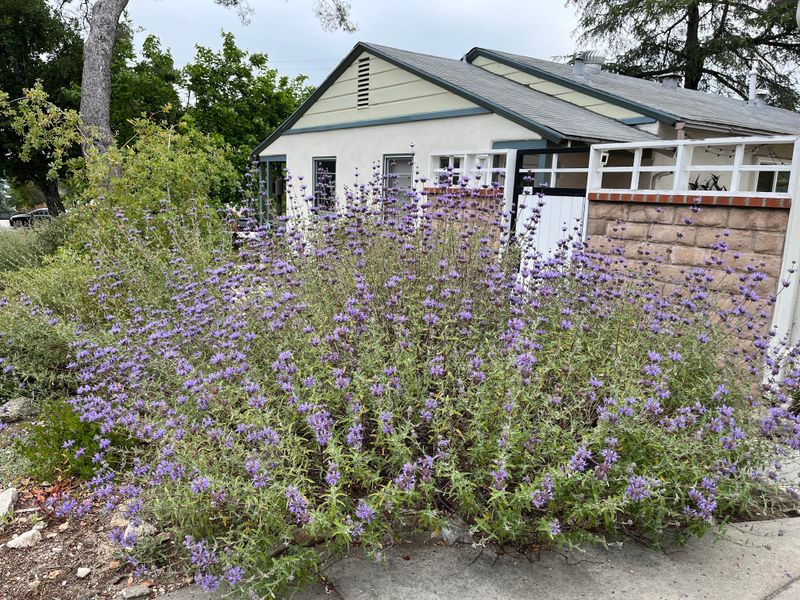
Walk past a Cleveland Sage on a warm California afternoon and the scent alone will stop you in your tracks. This native sage releases a strong, pleasant fragrance that fills the air around it, especially after a light rain or when you brush against its silvery-green leaves.
Your California Garden Changes Every Week. Your Plan Should Too.
Gardening in California changes quickly throughout the season. Every Friday you’ll receive a simple weekly plan showing exactly what to plant, prune, fertilize, harvest, and protect so you never miss the right timing.
It is one of those plants that engages all your senses.
Cleveland Sage is native to Southern California and Baja California, so it was practically made for the state’s dry summers. Once established, it needs very little water and handles heat with ease.
The purple-blue flower spikes that appear in spring are stunning and draw in hummingbirds and bees by the dozens.
It grows three to five feet tall and wide, making it a solid choice for mid-border planting or as a low hedge along a fence line. Prune it lightly after flowering to keep its shape, but do not overdo it.
This plant thrives on minimal care and rewards patient gardeners with years of reliable color and fragrance across California landscapes.
4. Yarrow
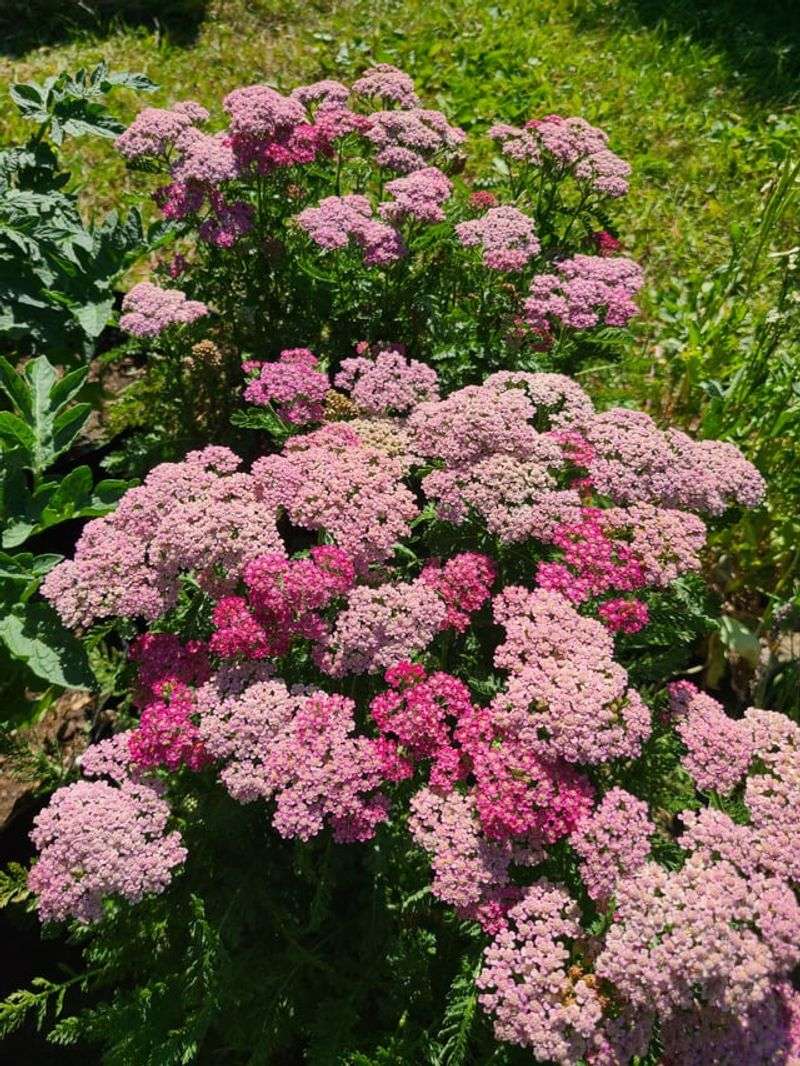
Yarrow has been growing wild across California for centuries, and once you see it in a garden border, it is easy to understand why gardeners keep choosing it. The flat-topped flower clusters come in shades of yellow, white, pink, and red, and they bloom for months without much help from you.
It is the kind of plant that makes your yard look well-planned with almost zero effort.
One of yarrow’s best qualities is how tough it is. It handles drought, poor soil, and full sun without complaining.
In fact, too much water or rich soil can actually make it flop over, so the California dry season suits it just fine. It spreads steadily over time, filling in your border naturally.
Pollinators are wild about yarrow. Butterflies and bees visit constantly during the blooming season.
The feathery leaves stay attractive even when the plant is not in bloom, giving your border year-round visual interest. Cut the flowers for indoor arrangements or leave them on the plant to dry beautifully right where they stand in your California garden.
5. Deer Grass
Not every great border plant needs to have flowers. Deer Grass proves that texture and movement can be just as eye-catching as blooms.
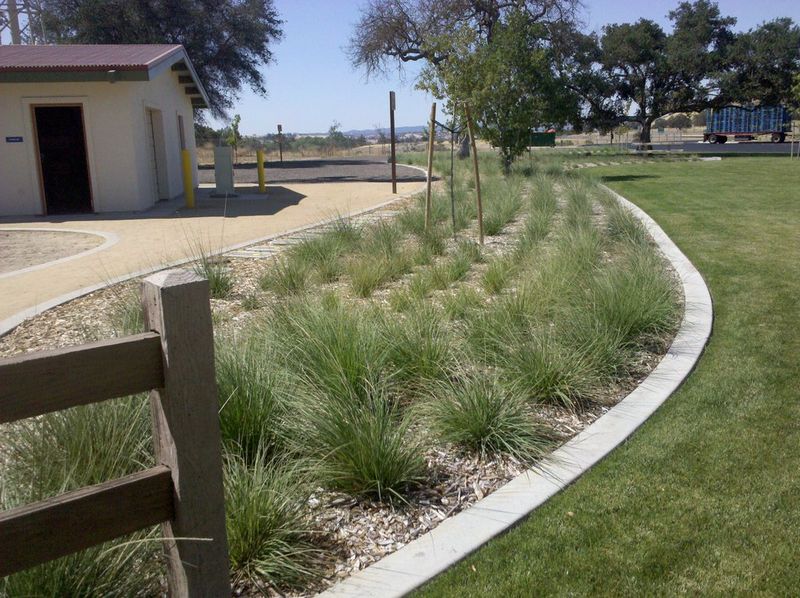
This native California bunchgrass forms graceful, arching clumps that sway gently in the breeze, adding a soft, natural look to any garden edge. It is especially beautiful when the late afternoon sun hits the golden seed stalks.
Deer Grass is incredibly tough. It grows naturally in dry, rocky areas across California, so it is well-adapted to the state’s challenging summers.
Once established, it needs very little water and almost no fertilizer. It does not spread aggressively, so you will not spend weekends pulling it out of places it does not belong.
It works beautifully as a border plant along driveways, pathways, or fence lines. The clumps grow two to three feet tall and wide, providing a reliable anchor in mixed plantings.
Cut it back hard in late winter or early spring to keep it looking fresh. Deer Grass is a quiet, dependable workhorse that makes California gardens look effortlessly natural and well-designed all year long.
6. Blue Grama Grass
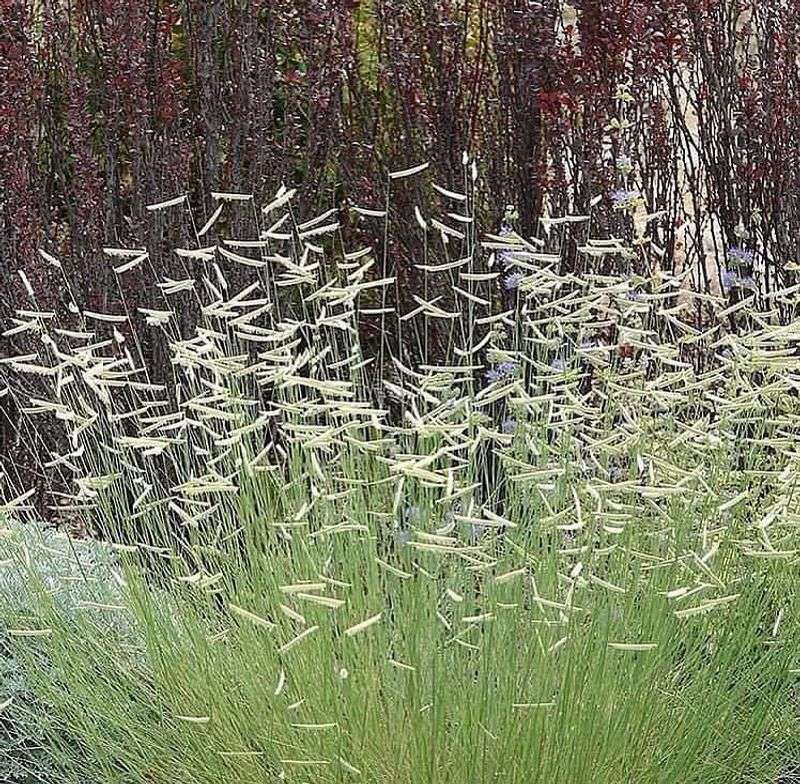
Blue Grama Grass is one of those plants that makes you look twice. Its seed heads are shaped like tiny curved combs or eyelashes, which is unlike anything else you will find in a typical California garden border.
That quirky detail makes it a conversation starter and a standout choice for anyone who wants something a little different.
This grass is native to the western United States and thrives in dry, open conditions, making it a natural fit for California’s climate. It stays relatively short, usually under two feet, which makes it ideal for the front of a border where taller plants might block the view.
It handles heat, drought, and poor soil without missing a beat.
Blue Grama Grass is also a host plant for several native butterfly species, adding ecological value to your yard beyond just good looks. It grows in neat clumps and does not spread invasively, so it plays well with neighboring plants.
Water it occasionally during its first season, and after that, California’s natural rainfall is often enough to keep it healthy and looking great along your garden border.
7. Rockrose
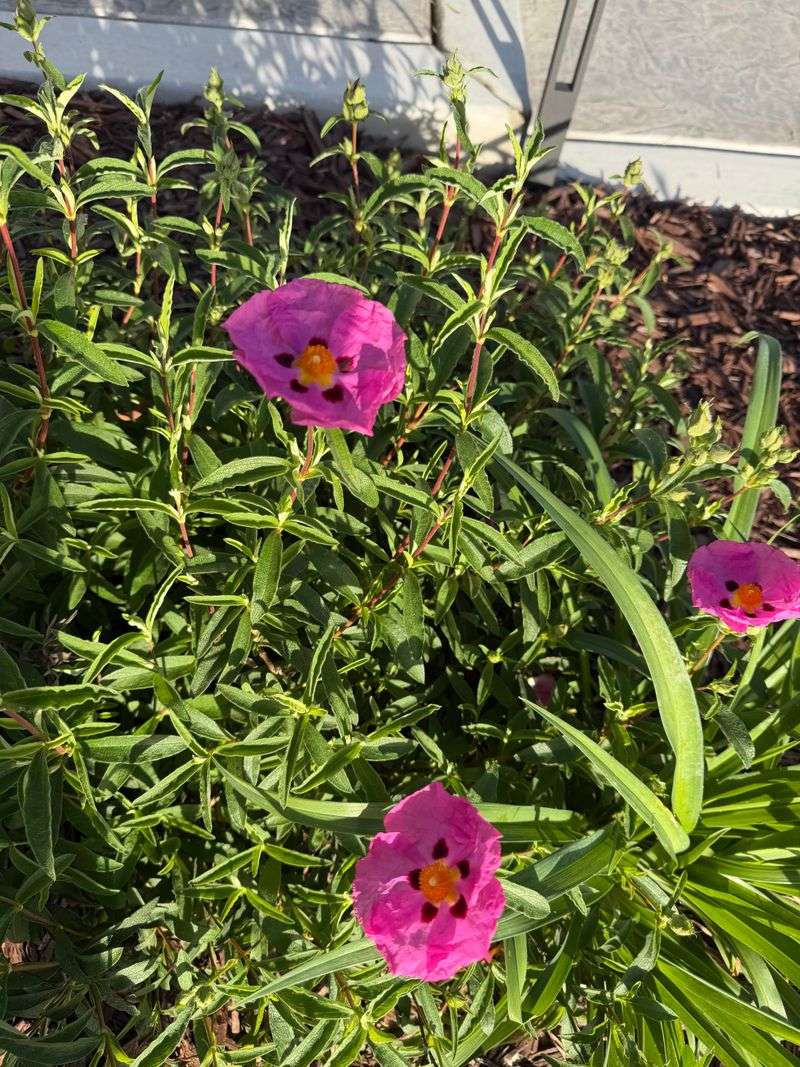
If you have ever driven along a California hillside in spring and spotted a shrub absolutely covered in papery, rose-like flowers, there is a good chance you were looking at Rockrose. It blooms so heavily that the leaves nearly disappear under the flowers.
The display only lasts a few weeks, but it is unforgettable while it is happening.
Rockrose is Mediterranean in origin, which means it was practically designed for California’s climate. Hot, dry summers, mild winters, and poor soil are exactly the conditions it prefers.
Once established, it needs almost no supplemental irrigation, making it one of the most water-wise border plants you can choose for a California yard.
It grows quickly and fills in space with minimal effort. Most varieties reach three to five feet tall and wide, forming a dense, weed-suppressing mound along borders.
It is also fire-resistant when kept healthy and not overly dry, which is an important quality for many California homeowners. Prune lightly after flowering if needed, but honestly, Rockrose is happiest when you mostly leave it alone to do what it does best.
8. Lavender
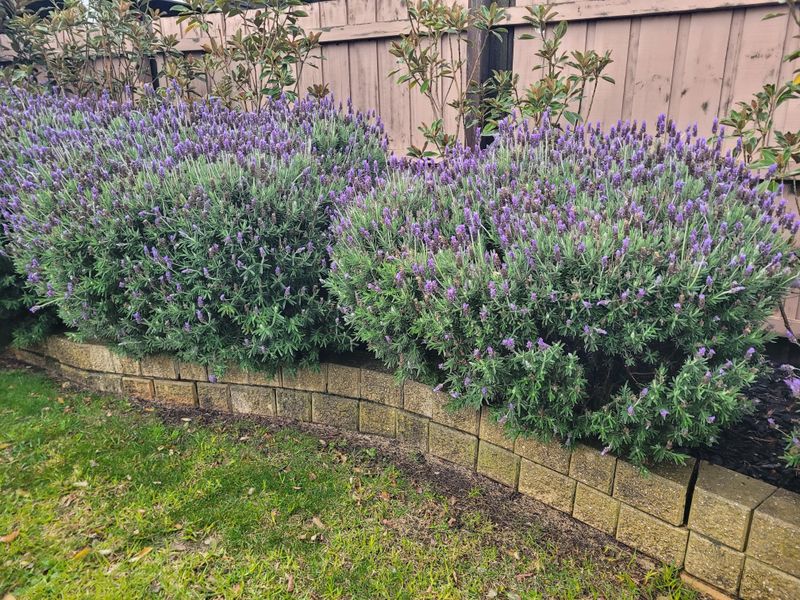
Few plants carry the same relaxed, feel-good energy that Lavender does. The scent alone is enough to make a garden feel like a retreat.
In California, where the climate mirrors the Mediterranean regions where Lavender originates, it grows with remarkable ease and very little fuss. Plant it in a sunny border and mostly let it be.
Lavender loves full sun and excellent drainage. It actually struggles in wet, heavy soil, so California’s dry conditions are a huge advantage.
Once established, it needs only occasional deep watering during the hottest months. The purple flower spikes attract bees and butterflies from spring through summer, turning your border into a buzzing, living display.
Beyond its beauty, Lavender is incredibly practical. The flowers can be harvested and dried for sachets, cooking, or simply for the fragrance.
Several varieties work well in California gardens, including Spanish Lavender and English Lavender, each with slightly different bloom times. Trim plants back by about one-third after the main flowering period to keep them from getting woody and to encourage fresh growth and more blooms the following season across your California border.
9. Kangaroo Paw
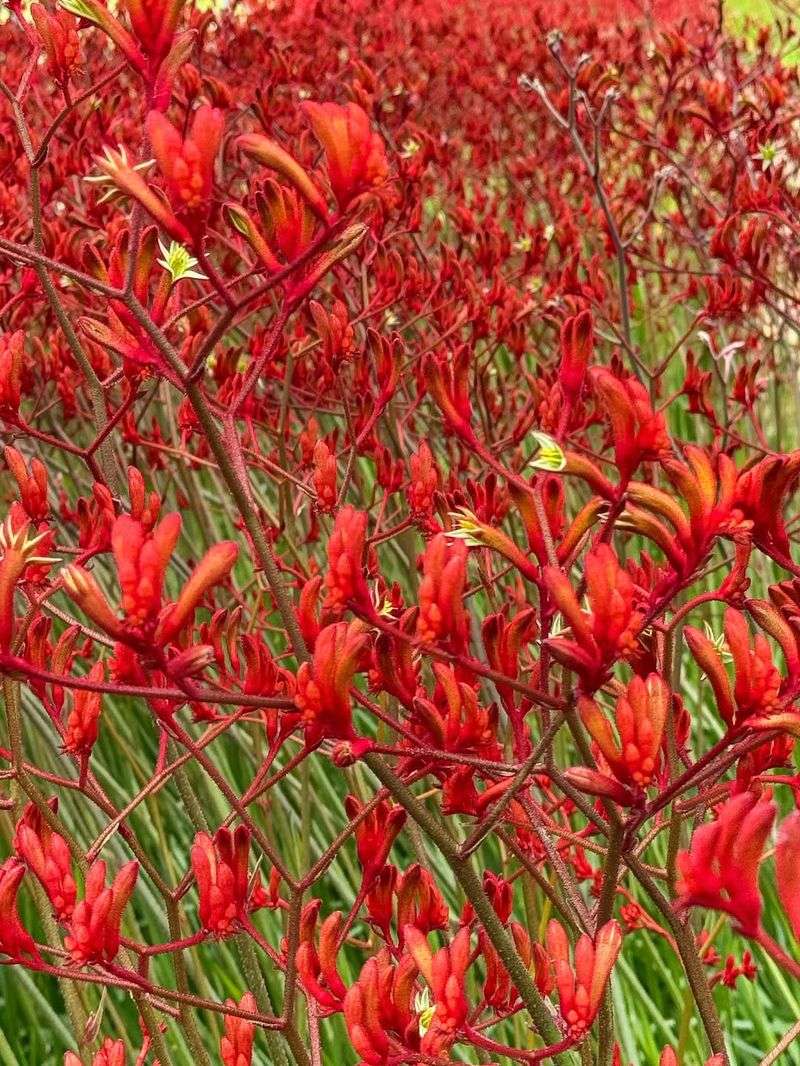
Originally from Australia, Kangaroo Paw found a second home in California, and it fits in perfectly. The name comes from the fuzzy, claw-shaped flower clusters that sit at the tops of long, arching stems.
They come in bold colors like red, orange, yellow, and pink, and they bloom for a long stretch of the year in California’s mild climate.
Kangaroo Paw is a tough, drought-tolerant plant that handles California’s dry summers surprisingly well once established. It prefers full sun and fast-draining soil, both of which are easy to provide in most parts of the state.
Hummingbirds are drawn to the tubular flowers, so expect regular visits from these tiny, energetic birds throughout the blooming season.
It grows in clumps about two to three feet tall, making it a great mid-border choice. Cut back the spent flower stems to the base to encourage new blooms and keep the plant looking tidy.
Divide clumps every few years to refresh the plant and spread it to new spots in your California garden. It is bold, unique, and surprisingly easy to grow for how spectacular it looks in any border.
10. Society Garlic
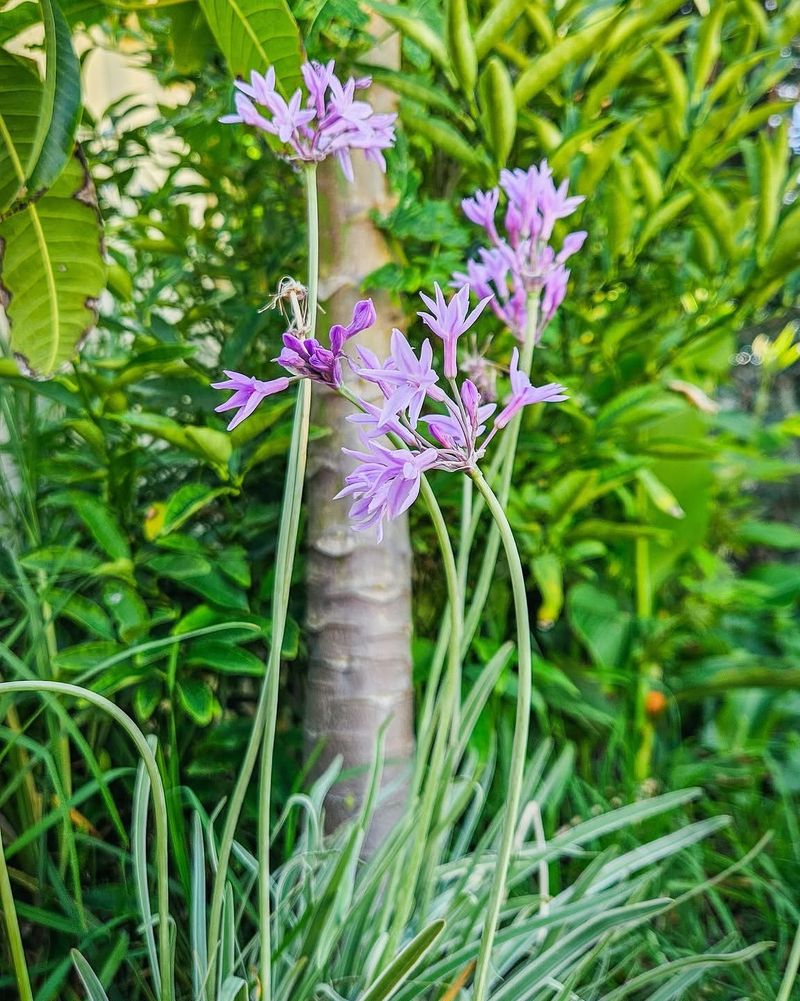
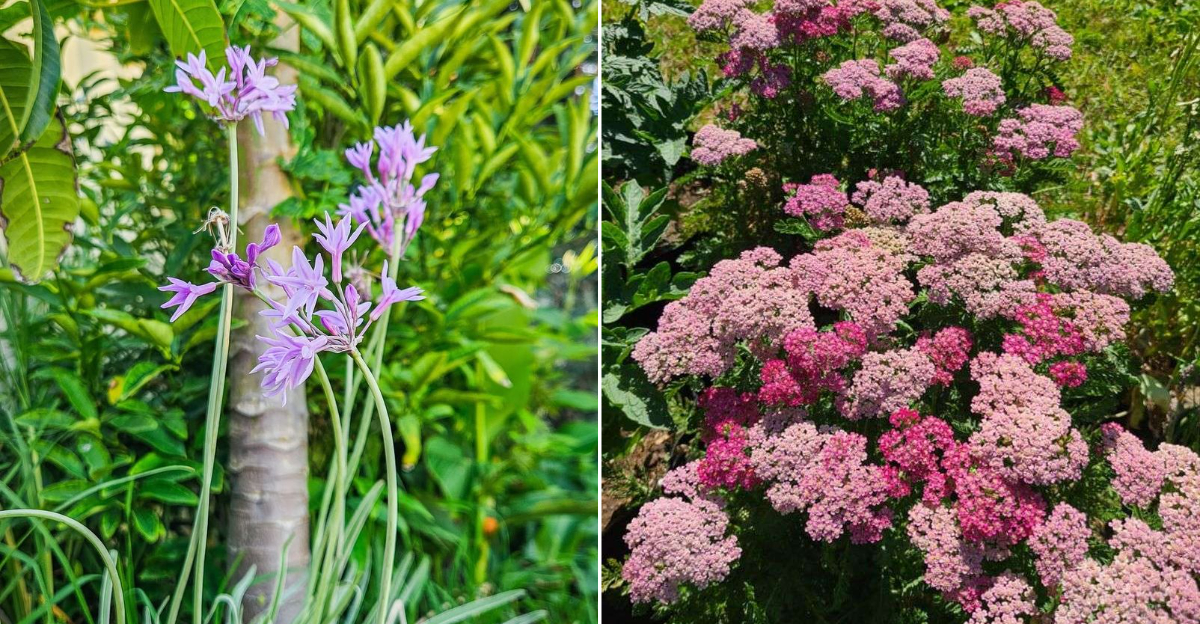
Society Garlic has a name that tells you almost everything you need to know about it. It smells like garlic when you crush the leaves, but the flowers are delicate and pretty enough for polite company.
The clusters of lavender-purple blooms sit on tall stems above strappy green leaves, giving your California border a clean, cheerful look from spring well into fall.
What makes this plant truly special for California gardeners is how little it asks of you. It handles heat, drought, and poor soil without complaint.
It also resists deer and most garden pests, which is a huge bonus in areas where deer pressure is a real problem. Once planted, it spreads slowly into tidy clumps that fill in the border over time.
Society Garlic works wonderfully as a border edging plant, especially along pathways or driveways where the slight garlic scent from brushed leaves adds a surprising sensory moment. It grows about two feet tall and does well in both coastal and inland California gardens.
Divide the clumps every few years to keep them vigorous and to share plants with neighbors who will definitely ask what that cheerful purple-flowering plant is.
11. Salvia
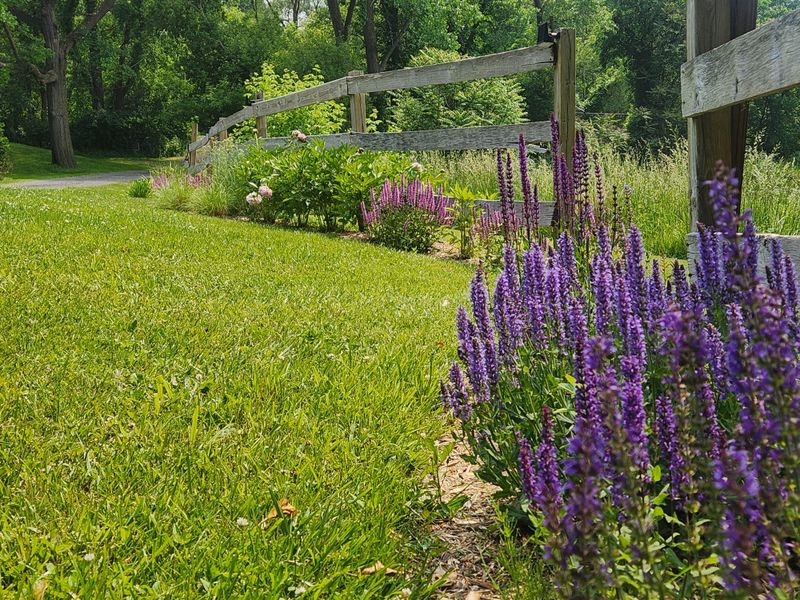
Salvia might just be the most reliable border plant in all of California. There are hundreds of varieties, and most of them share one important quality: they are incredibly tough.
Whether you choose a native species like Salvia apiana or a garden hybrid, you are getting a plant that handles drought, heat, and neglect with impressive grace. It almost seems unfair how little effort it takes to grow.
The flower spikes come in deep blue, purple, red, and pink, and they last for weeks at a time. Hummingbirds and bees treat Salvia borders like their personal cafeteria, visiting constantly throughout the blooming season.
In mild California climates, some varieties bloom multiple times a year, giving you color for a surprisingly long stretch of time.
Salvia grows well in full sun with minimal watering once established. It fits naturally into both formal and informal garden styles, making it one of the most flexible border plants available to California gardeners.
Cut it back by about half after each bloom cycle to keep the plant tidy and to encourage a fresh round of flowers. Plant several varieties together for a border that blooms in waves from early spring all the way into late fall.