How To Refresh Mulch In Florida Beds Before Rainy Season (And The Mistakes That Cause Root Rot)
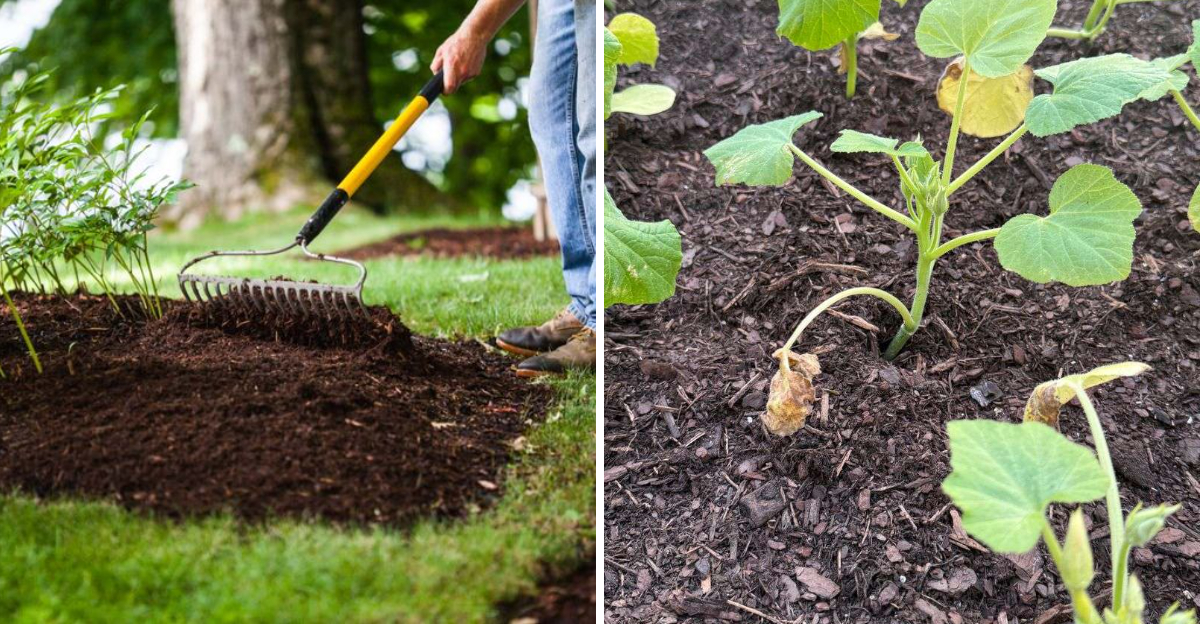
Rainy season in Florida does not knock, it just shows up and immediately exposes every mistake you made in your beds. Mulch that looked perfectly fine in April becomes a soggy, suffocating mess by June, and the roots sitting underneath it pay the price.
Most homeowners treat mulching like a once a year chore, pile it on thick, call it a day, and wonder why their plants look rough by midsummer.
The margin for error gets razor thin once the rain starts coming down daily, and a few simple mistakes made right now can snowball into full blown root rot before you even notice something is wrong.
Timing matters here, depth matters, and the type of mulch you reach for at the garden center matters more than most people realize.
Your beds are either set up to drain properly and protect what is growing in them, or they are one good downpour away from trouble.
Which one is yours?
1. Rake Back Old Mulch Before You Add More
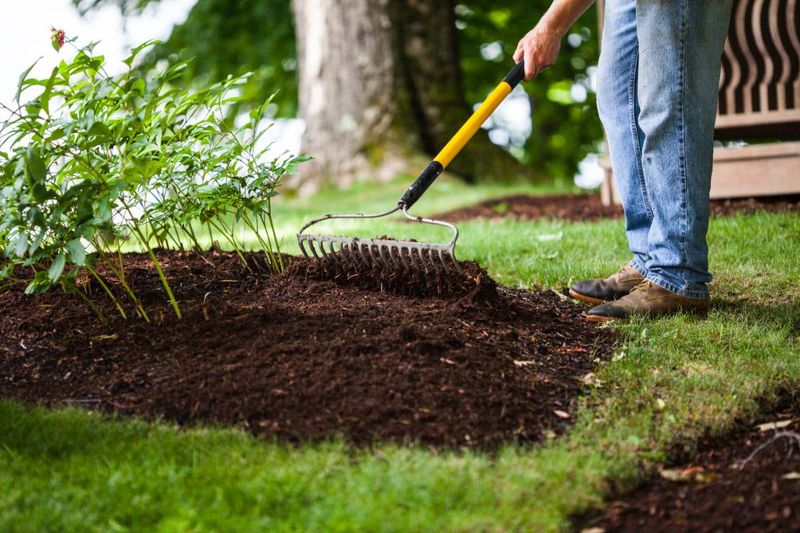
Faded mulch sitting in a Florida bed through spring has likely been through months of heat, humidity, and afternoon showers. Before adding anything new, grab a rake and pull the existing layer back from plant bases to get a real look at what is going on underneath.
Many Florida beds already carry two, three, or even four inches of old mulch built up from previous seasons of topping off without removing anything first.
Raking it loose does two things right away: it breaks up matted spots where water cannot drain through, and it lets air reach the soil surface before more wet weather arrives.
Pay close attention to what the soil looks and smells like after raking. Soil that feels soggy, looks dark gray, or has a sour or musty smell may already have drainage or compaction problems that fresh mulch alone will not fix.
Compacted or waterlogged soil under a thick mulch mat can create stressful conditions for roots heading into rainy season.
The goal at this stage is not automatically adding several new inches on top of the old layer. Sometimes the existing mulch just needs to be fluffed, redistributed, and pulled back from stems.
A light refresh often works better than a heavy new application, especially in beds that already have plenty of depth from previous years.
2. Keep Mulch Away From Trunks, Stems, And Crowns
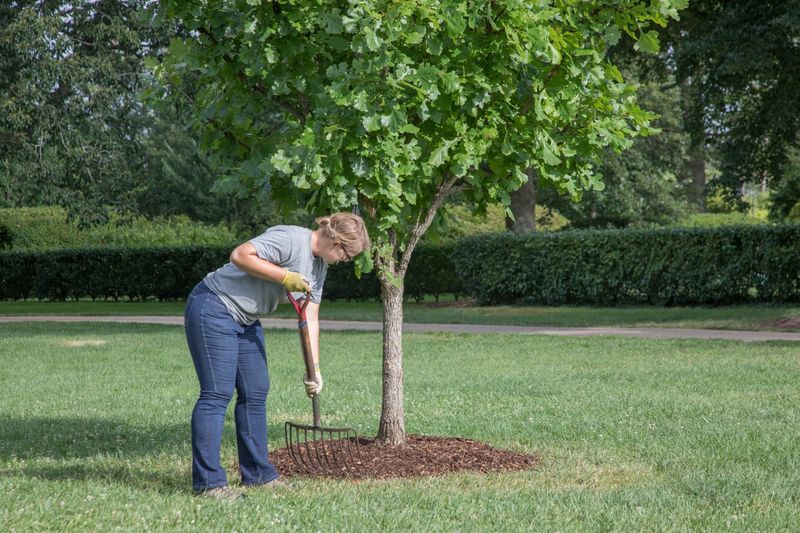
Walk through almost any Florida neighborhood and you will spot at least one tree surrounded by a tall cone of mulch piled up against the bark.
Gardeners call these mulch volcanoes, and they are one of the most common and damaging mulch mistakes in Florida yards.
Mulch pressed against a tree trunk, shrub stem, palm base, or plant crown holds moisture right where air needs to circulate.
During Florida’s humid rainy months, that trapped moisture can soften bark, encourage fungal growth, and create conditions where shallow roots or stems begin to break down.
Palms can also suffer when mulch is packed tightly against the base, since trapped moisture and poor airflow can create problems around the lower trunk and root area.
Your Florida Garden Changes Every Week. Your Plan Should Too.
Gardening in Florida changes quickly throughout the season. Every Friday you’ll receive a simple weekly plan showing exactly what to plant, prune, fertilize, harvest, and protect so you never miss the right timing.
UF/IFAS Florida-Friendly Landscaping guidance consistently recommends leaving a clear gap between mulch and plant bases.
A few inches of open space around trunks and stems allows air movement, reduces moisture buildup, and makes it easier to spot early signs of pest or disease activity at the base of the plant.
The same principle applies to perennials in flower beds, foundation shrubs along the house, and young trees recently planted in landscape areas. Feather the mulch outward and keep it flat rather than mounded.
Breathing room at the base of every plant is a simple habit that pays off through a long, rainy Florida summer.
3. Refresh Thin Spots Without Building A Mulch Mountain
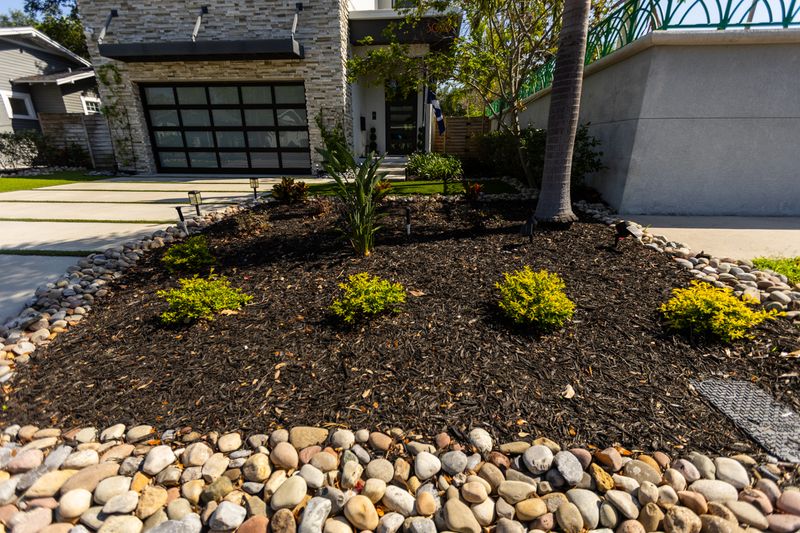
Thin bare patches in a mulch bed are easy to spot in May, and the instinct is to pile on as much fresh material as possible before summer storms arrive. That instinct is worth slowing down on.
Uneven application creates its own set of problems, especially in Florida beds where rain can be intense and frequent for months at a time.
UF/IFAS and Florida-Friendly Landscaping resources generally recommend maintaining organic mulch in landscape beds at around two to three inches of total depth, though the right amount can vary depending on plant type, soil drainage, and bed conditions.
The key word is maintaining.
If the existing layer is already two inches deep after raking, adding two more inches on top can push the total well past what most plants and soil types benefit from.
Spreading mulch evenly matters just as much as the total depth. Thick mounds in the center of a bed and thin edges near the border can cause water to run off unevenly during storms.
Mulch along bed edges tends to wash or drift during heavy rain, so feathering it slightly lower at the edges and checking the border after the first big storm helps keep everything in place.
Too much mulch reduces airflow across the soil surface and can hold more moisture than the plant roots below actually need. Even application, checked with a quick measurement before adding more, keeps the bed balanced going into wet season.
4. Choose Mulch That Handles Florida Rain Wisely
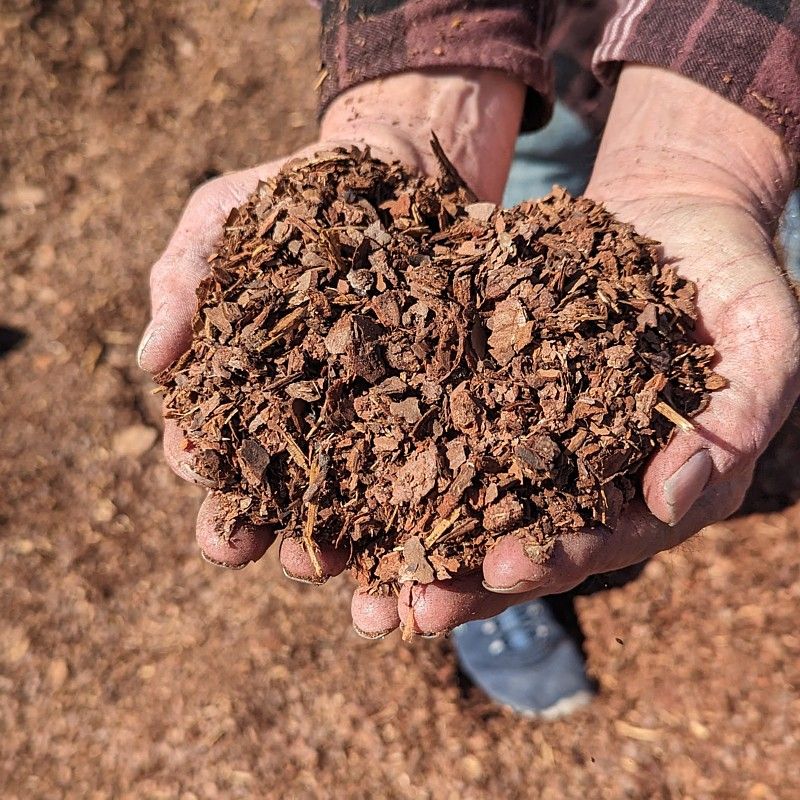
Not every mulch material behaves the same way under heavy Florida rain, and choosing the right type for a specific bed can make a real difference in how well plants hold up through wet season.
Florida homeowners have several solid options, each with its own strengths depending on the site.
Pine bark mulch is widely used across Florida and tends to hold its position reasonably well during rain. Pine straw is another popular choice, especially in North and Central Florida, and it allows water to pass through while still insulating the soil.
Melaleuca mulch is often promoted in Florida because it uses an invasive tree species, while eucalyptus mulch is another option available in some areas. Availability and performance can vary by region, supplier, and bed conditions.
Utility mulch from municipal sources can also work well in certain beds, though quality and composition can vary.
Some organic mulches may mat together when wet, which can slow water movement into the soil and reduce airflow.
Checking how a mulch material behaves after rain in a specific bed is worth paying attention to, especially in shaded or low-lying areas where moisture lingers longer.
Inorganic options like gravel or shell may suit certain Florida landscapes, but they are not the right fit for every plant or bed type.
Organic mulches generally improve soil quality over time as they break down, which benefits plant roots across sandy or compacted Florida soils.
Local UF/IFAS Extension offices can help narrow down the best choice for specific site conditions.
5. Improve Drainage Before Summer Storms Settle In
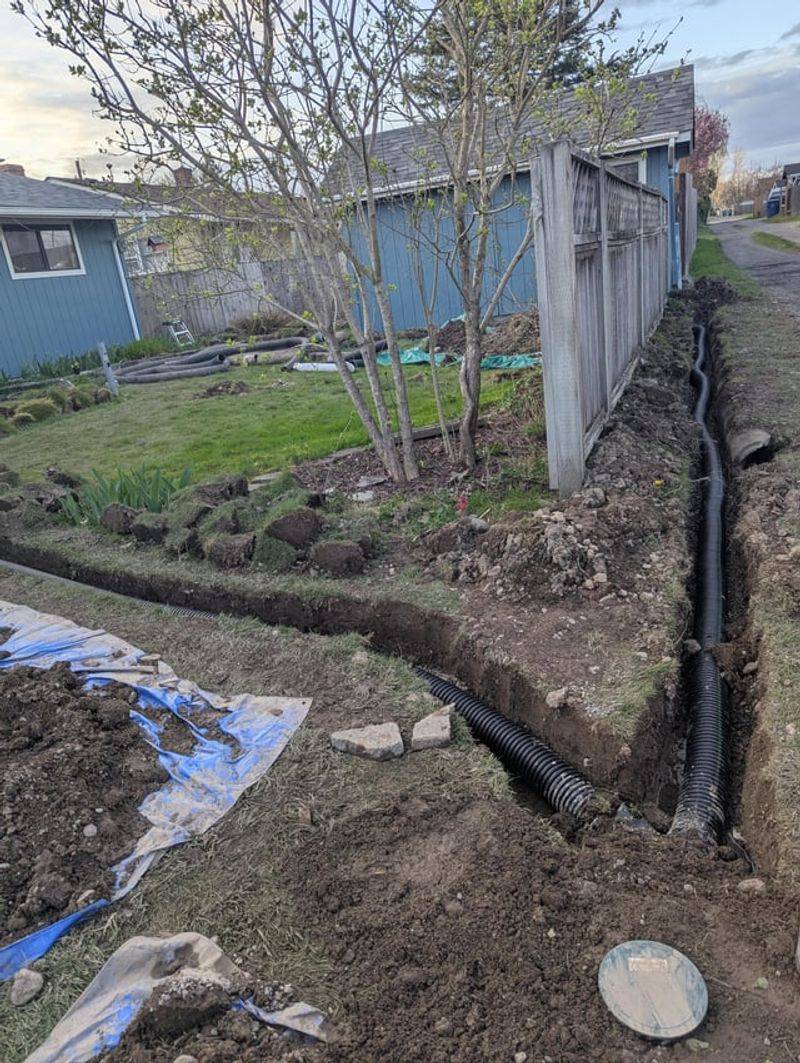
Mulch does a lot of good things in a Florida landscape bed, but fixing a drainage problem is not one of them.
If a bed sits in a low spot, collects runoff from a roof downspout, or stays visibly wet for days after rain, adding fresh mulch on top will not solve the underlying issue and may actually make things worse by trapping even more moisture at the root zone.
Before rainy season gets rolling in earnest, walk the yard after a moderate rain and look for beds where water pools, soil stays soggy, or mulch floats and drifts.
Compacted soil, especially in yards with builder-grade fill or dense layers beneath sandy topsoil, can prevent water from moving down and away from roots.
Low spots near downspouts or air conditioning condensate lines are common trouble areas in Florida yards.
Practical steps that may help include redirecting downspout flow away from planting beds, loosening compacted surface soil carefully without disturbing shallow roots, and choosing plants that are naturally suited to moist or wet sites in spots that consistently stay wet.
Raised planting areas can help in some situations, though the right solution depends heavily on the specific site.
Serious drainage problems often need professional assessment or guidance from a local UF/IFAS Extension agent.
Trying to fix a structural drainage issue with mulch alone going into Florida’s rainy season can contribute to the exact root problems the refresh was meant to prevent.
6. Stop Piling Mulch Against The House And Bed Edges
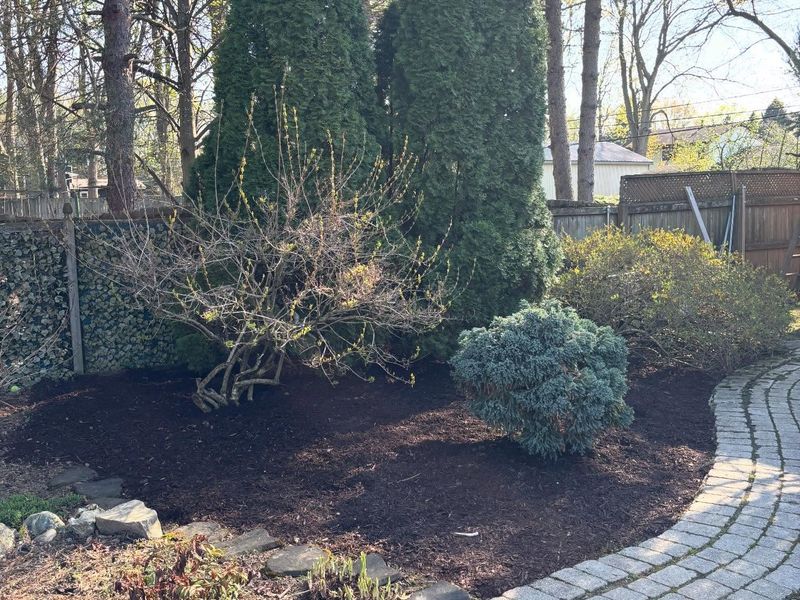
A freshly mulched bed along the front of the house can look sharp and polished right before rainy season.
The trouble starts when that mulch gets piled high against the wall, pressed into weep screed openings in stucco, or heaped over wood trim and siding where moisture has nowhere to go during weeks of summer rain.
Many stucco homes have drainage or weep details near the base of the wall that should not be buried by mulch. Mulch packed against or over that area blocks the drainage path and holds moisture against the wall surface.
Wood siding, fences, and deck boards face similar risks when mulch stays piled against them through a long wet season.
Bed edges present a different but related issue. Mulch that sits too high along a bed border tends to wash onto walkways, driveways, or into storm drains during heavy rain.
Florida’s summer storms can be intense, and mulch that is not contained neatly at the edges can create a mess that ends up in places where it causes problems rather than providing benefits.
Pulling mulch back a few inches from walls and structures, using a clean edging line along the bed border, and keeping the surface slightly lower near the edge rather than mounded toward the center all help maintain beds that look great and stay manageable through the wet months.
A neat bed edge also makes irrigation and rain work more efficiently across the whole planting area.
7. Water Less Once Rainy Season Starts Doing The Work
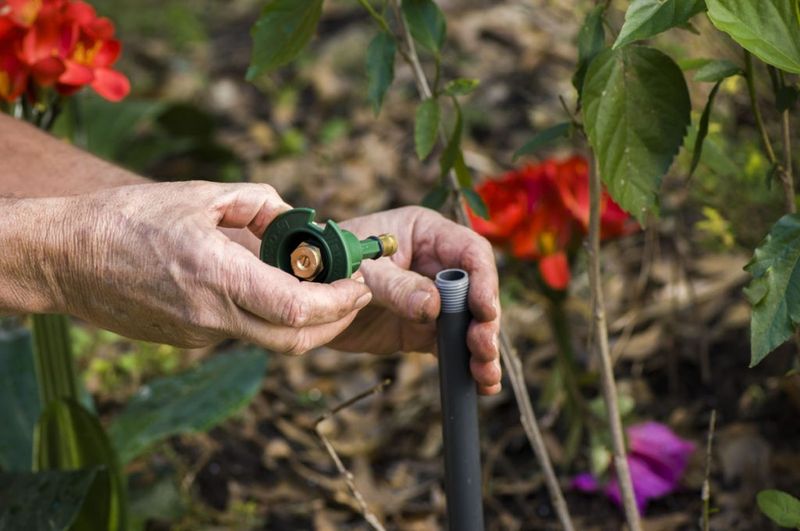
Irrigation timers are convenient, but they do not know when it rained.
Many Florida homeowners head into rainy season with their sprinkler systems set on the same schedule they used through the dry spring months, and that habit can lead to consistently overwatered beds right when roots are already dealing with frequent natural rainfall.
Fresh mulch holds soil moisture well, which is one of its biggest benefits in Florida’s sandy soils. Once summer rain becomes regular, established landscape beds often need far less supplemental irrigation than they did in April or May.
Running irrigation on a fixed schedule without adjusting for rainfall can keep the soil wetter than most ornamental plants, shrubs, or palms prefer.
Checking soil moisture before running irrigation is a simple habit that makes a real difference. Pushing a finger or a screwdriver a few inches into the mulched bed tells a lot about whether the soil is actually dry or just looking dry on the surface.
Wilting can happen in waterlogged soil too, so assuming a drooping plant needs more water without checking moisture first can make root stress worse rather than better.
Florida’s water management districts often have seasonal watering guidelines and restrictions that apply to irrigation systems, so checking local rules before adjusting schedules is a good step.
Newly planted beds may still need careful supplemental watering until plants are established, but mature, well-rooted beds generally handle rainy season with much less help from the hose or timer.
8. Watch For Soggy Soil Before Roots Start Struggling
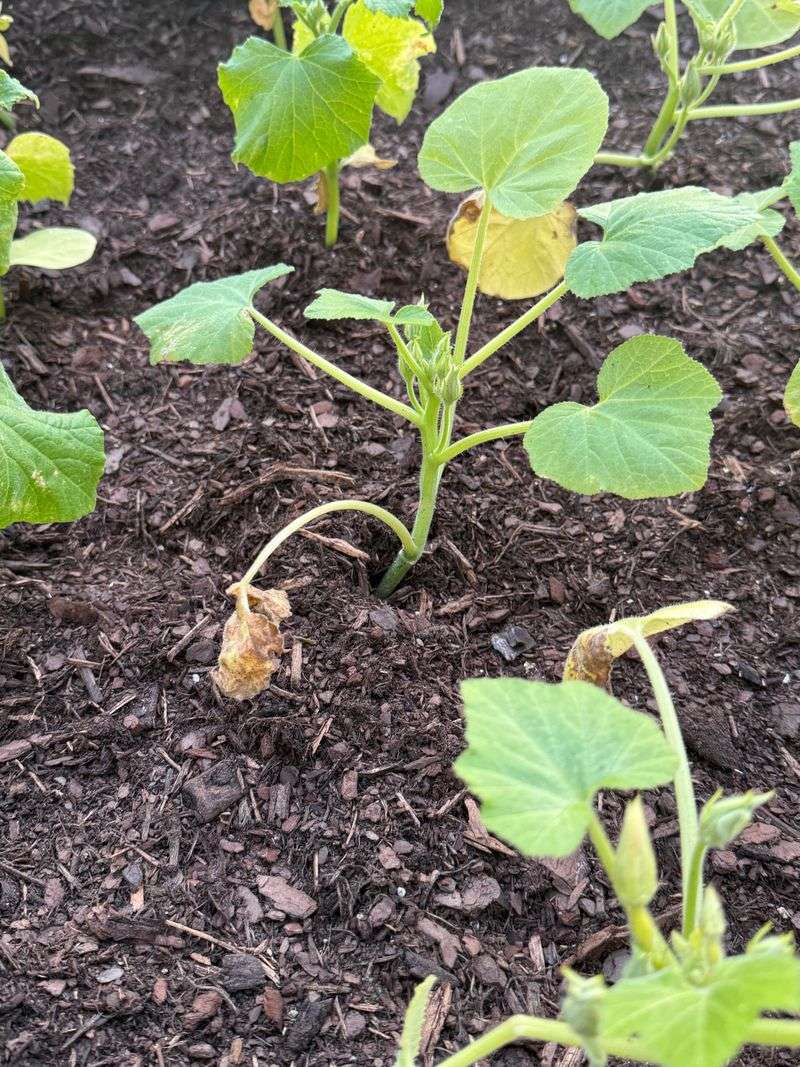
Rainy season in Florida can shift quickly from refreshing to relentless, and landscape beds that looked fine in May can start showing signs of stress by July if moisture is building up in the root zone.
Catching those early signs before they become serious plant problems gives homeowners the best chance of turning things around without major intervention.
Yellowing leaves on plants that were healthy before rainy season started, soft or mushy stem bases, a sour smell coming from the soil, algae growing on the mulch surface, or plants that wilt despite visibly wet soil are all signs worth paying attention to.
None of these automatically confirm root rot, but they are signals that moisture management in that bed deserves a closer look.
Pulling the mulch back from the affected area is a practical first step.
Letting the bed surface breathe for a few days, cutting back irrigation if it is still running, and checking whether the soil drains within a day or two after rain can help clarify whether the issue is temporary saturation or a more persistent drainage problem.
If plants continue to decline after mulch is pulled back and irrigation is reduced, contacting a local UF/IFAS Extension office or a licensed landscape professional is the right move.
Extension agents can help identify whether the issue is drainage, disease, pest activity, or something specific to the plant and soil type in that part of Florida.
Staying observant through wet season is the best tool a Florida gardener has.