Does No Mow May Attract Ticks In Ohio? Here’s What You Should Know
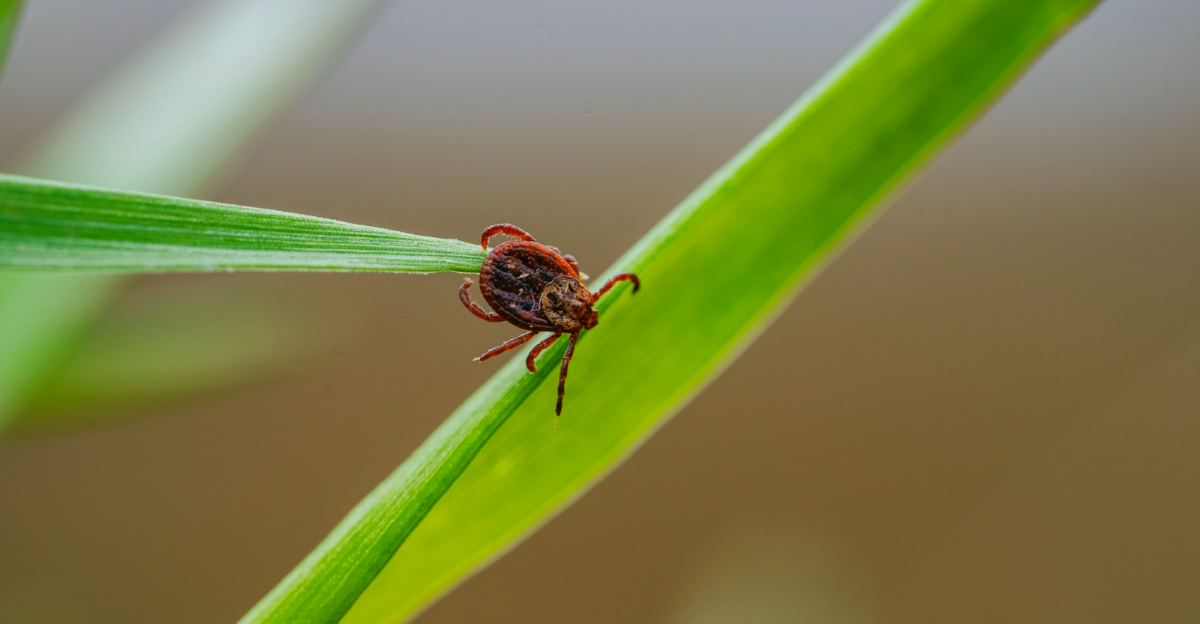
No Mow May sounds great on paper. You let the lawn grow, give early pollinators a little help, and enjoy a short break from mowing.
Pretty tempting. But once Ohio yards start growing fast in mid-May, another question usually pops up.
What about ticks? That is where things get more complicated.
Tall grass gets most of the blame, but tick concerns in Ohio are shaped by more than lawn height alone. Shade, moisture, brushy edges, leaf litter, and wildlife moving through the yard can matter a lot more than people expect.
A slightly wilder lawn is one thing. A damp, shady border full of cover is another.
That is why this topic deserves a closer look. Supporting pollinators is a great goal, but most homeowners would also like to enjoy the yard without feeling nervous every time kids or pets head outside.
1. May Brings Peak Tick Activity In Ohio
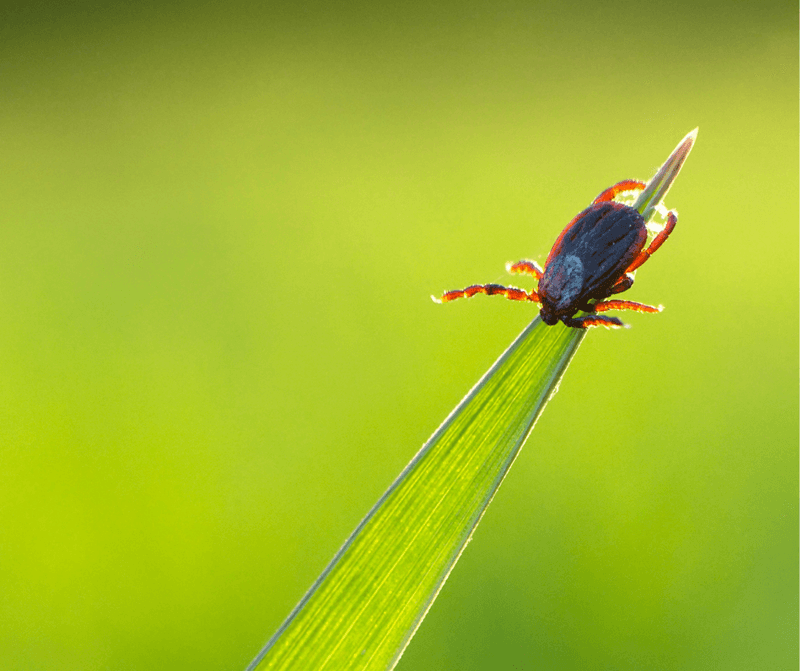
Spring warmth in Ohio does more than wake up the garden. As temperatures climb through April and into May, tick activity picks up noticeably, especially for the blacklegged tick, which is also known as the deer tick.
These ticks become active when temperatures are consistently above freezing, and Ohio’s mild spring conditions give them plenty of opportunity to search for hosts.
May happens to be one of the months when nymphal blacklegged ticks are most active. Nymphs are tiny, about the size of a poppy seed, which makes them easy to miss on skin or clothing.
Because they are so small and their bites are often painless, they can go unnoticed for hours.
Ohio also sees activity from the American dog tick during spring, particularly in grassy and brushy areas. Knowing that tick season is already well underway by the time No Mow May begins helps put the conversation in context.
Yard height is one piece of the picture, but the season itself matters a great deal. Being aware that May is genuinely a high-activity period for ticks in Ohio is a good starting point for making thoughtful decisions about lawn care and outdoor time.
2. Tall Grass Creates Conditions Ticks Prefer
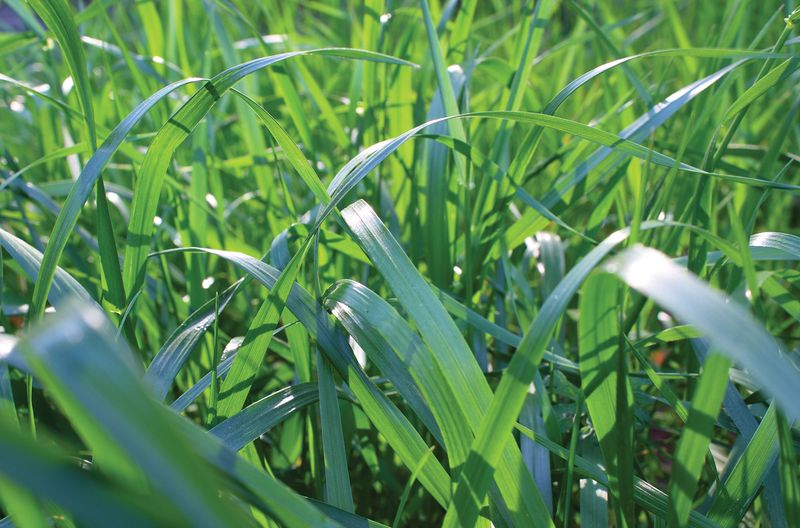
Humidity is something Ohio yards have plenty of in spring, and ticks take full advantage of it. Taller grass holds moisture close to the ground, especially in shaded corners and along fence lines where sunlight does not reach easily.
That combination of shade and dampness is exactly what ticks look for when they need to survive between feedings.
Ticks are surprisingly sensitive to dry conditions. They can lose moisture quickly in open, sunny, well-mowed areas, which is part of why short, exposed turf tends to be a less hospitable environment for them.
When grass grows tall enough to trap humidity and block airflow, it creates a microclimate that ticks find much more suitable.
This does not mean that every unmowed Ohio yard will become overrun with ticks. Yards that are mostly open and sunny with no nearby brush or wooded edges may see less impact than yards bordered by tree lines or overgrown areas.
Your Ohio Garden Changes Every Week. Your Plan Should Too.
Gardening in Ohio changes quickly throughout the season. Every Friday you’ll receive a simple weekly plan showing exactly what to plant, prune, fertilize, harvest, and protect so you never miss the right timing.
The conditions already present on your property before May begins matter quite a bit. Tall grass adds to the risk, but it works alongside other habitat factors rather than acting as the single cause of tick presence in a yard.
3. Tall Grass Gives Ticks More Ways To Reach Hosts
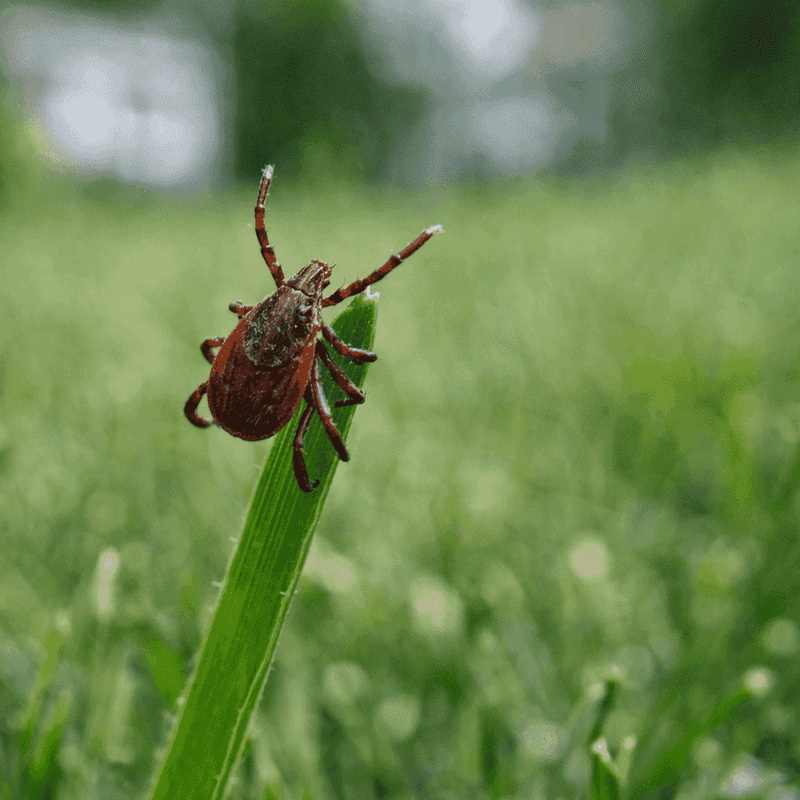
Questing is the word used to describe how ticks wait for a host to walk by. A tick will climb to the tip of a grass blade or weed stem, hold on with its back legs, and stretch its front legs outward, ready to grab onto anything that brushes past.
Taller vegetation simply gives ticks more places to do this at a greater range of heights.
When grass stays short, ticks are limited to low positions near the ground. Taller grass means ticks can position themselves higher up, making contact with legs, ankles, and the lower portions of clothing much easier.
Children and pets who run through tall grass are especially likely to pick up ticks this way because they move quickly and brush against more vegetation.
Ohio yards that back up to fields, wooded areas, or weedy borders are at higher risk for this kind of tick exposure during May. The questing behavior itself is not changed by lawn height, but the number of available perches definitely increases as grass grows taller.
Mowing at least a buffer zone around active outdoor areas can reduce how many of these contact points exist right where people spend the most time.
4. Unmowed Yards Can Shelter Tick-Carrying Wildlife
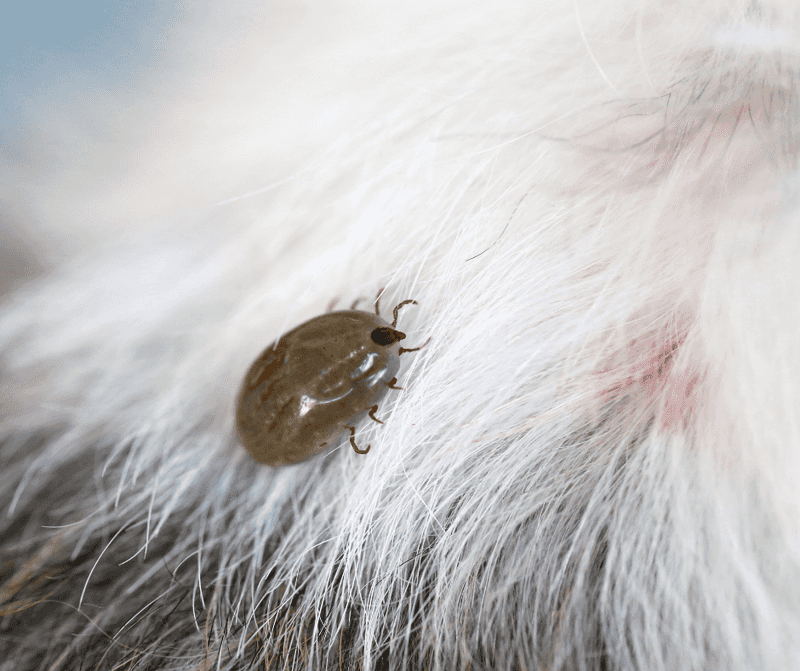
Deer mice, voles, and white-tailed deer are among the most common wildlife visitors in Ohio suburban yards, and all of them can carry ticks.
Taller grass and thicker ground cover during No Mow May can make a yard feel more welcoming to these animals, especially if the property already borders a wooded area or open field.
Small rodents are particularly important in the tick life cycle because they serve as hosts for larval and nymphal ticks.
When mice and voles move through a yard regularly, they can drop infected ticks that then wait in the vegetation for the next available host, which might be a person or a pet rather than another animal.
Deer tend to move along predictable paths, and Ohio yards with taller spring growth along their edges can attract more deer browsing activity than usual. More deer movement through a yard often correlates with a higher chance of ticks being deposited in that space.
Keeping the center of the yard mowed while allowing some unmowed patches in low-traffic corners can be a reasonable compromise.
Being aware of which animals visit your yard regularly gives useful context for understanding your actual tick exposure risk during May.
5. Keep Walkways And Play Areas Mowed
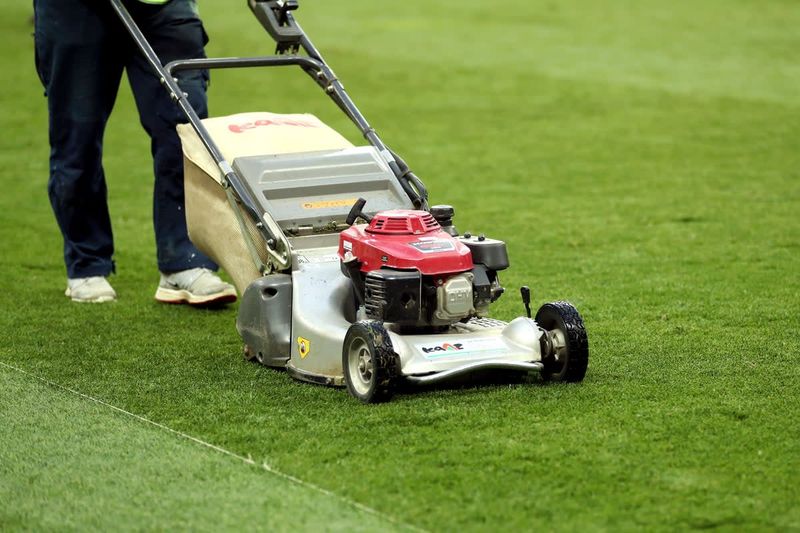
Practical yard management during No Mow May does not have to be all or nothing. One of the most sensible approaches is to keep the spaces where people actually spend time mowed short while allowing less-trafficked areas to grow.
Walkways, patio borders, play sets, and garden paths are all areas worth keeping trim throughout the month.
Children playing on a lawn in Ohio during May are likely spending time in exactly the spots that benefit most from regular mowing. Keeping those zones short reduces the number of questing tick positions right where contact is most likely to happen.
Pets that roam the yard also benefit from having a maintained area where their exposure is lower.
Letting the back corner of the yard or a section along the fence grow out for pollinators is a reasonable trade-off. The key is being intentional about which sections you leave unmowed rather than simply stopping all mowing for the entire month.
A yard with a managed center and wilder edges can support bees and butterflies while keeping the areas around the back door, the swing set, and the garden beds safer and more comfortable for everyday outdoor use throughout May.
6. Plant Native Gardens Instead Of Letting Turfgrass Grow Tall

Swapping sections of turfgrass for native plantings is one of the most pollinator-friendly things an Ohio homeowner can do, and it tends to carry less tick risk than simply letting a traditional lawn grow unchecked.
Native plants like wild bergamot, coneflowers, and native violets provide nectar and pollen for bees and butterflies without creating the dense, moisture-holding mat of tall turfgrass that ticks find appealing.
A well-designed native garden with open spacing, good airflow, and mulched paths between plants is a very different environment from a patch of unmowed lawn.
Native gardens dry out more quickly after rain, especially when they are sited in sunny spots, which makes them less comfortable for ticks than shaded, dense grass.
For Ohio homeowners who want to support pollinators long-term, native gardens also offer more consistent seasonal benefit than a single month of unmowed lawn.
Planting even a small bed of Ohio natives along a fence or in a corner of the yard gives bees and butterflies a reliable food source from spring through fall.
Combining a managed lawn with intentional native plantings may be a more sustainable approach than No Mow May alone, both for pollinators and for keeping tick habitat in check.
7. Opt For “Slow Mow” Or “Lazy Mow”
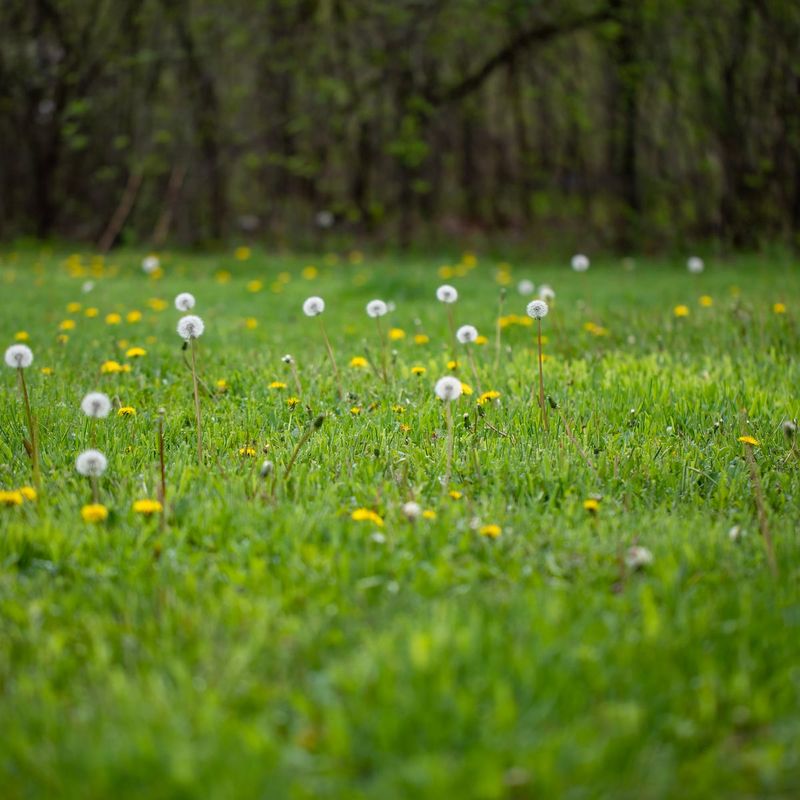
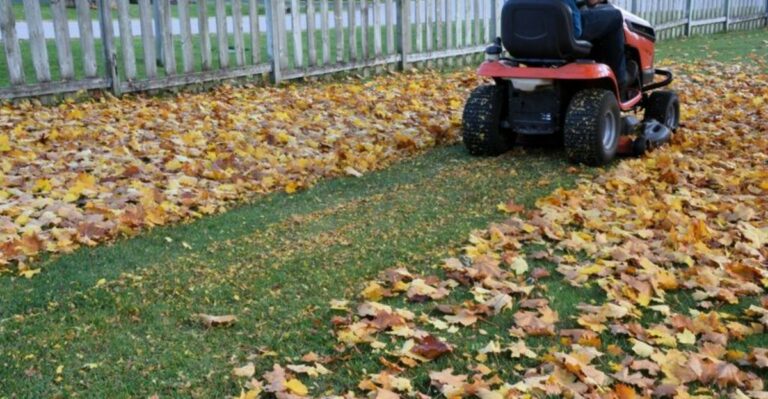
Raising your mower blade instead of skipping mowing entirely is a middle-ground strategy that works well for many Ohio homeowners during May.
Sometimes called slow mowing or lazy mowing, this approach means mowing less frequently and at a higher cut height rather than letting the lawn go completely unmanaged for the whole month.
Grass cut at around three to four inches still provides some shelter for ground-nesting bees and retains more moisture than a closely cropped lawn, which can help during dry Ohio springs.
At the same time, it does not create the dense, tall cover that ticks prefer for questing and moisture retention.
Mowing every two to three weeks instead of weekly keeps things manageable without abandoning the pollinator goal entirely.
Slow mowing also makes it easier to spot and remove weeds or invasive species that might otherwise get a foothold during an unmowed month.
For yards that have a mix of turfgrass and broadleaf plants like clover and dandelions, a higher mow height lets the flowering plants bloom between cuts without letting the overall grass height get out of control.
It is a flexible and realistic option for Ohio homeowners who want to balance lawn health, pollinator support, and tick awareness at the same time.
8. Mulch Or Gravel Barriers Can Help Reduce Tick Movement

Yards that back up to wooded areas, brushy fields, or overgrown edges in Ohio face a higher baseline tick risk regardless of mowing habits.
Creating a physical barrier between the wilder parts of the property and the areas where people spend time is a practical way to reduce how easily ticks move from one zone to the other.
A strip of wood chip mulch or gravel about three feet wide placed along the border between the lawn and any wooded or brushy edge can act as a transition zone that ticks are less likely to cross.
Ticks prefer moist, shaded environments and tend to avoid open, dry surfaces like mulch paths or gravel strips that are exposed to sunlight.
This kind of barrier is especially useful for Ohio properties where deer or small mammals regularly move along the yard’s edge.
Combining a mulch border with regular mowing of the main lawn area creates layered protection that does not require giving up No Mow May entirely.
Even a modest barrier makes a meaningful difference when the yard is near habitat that naturally supports higher tick populations.
Keeping leaf litter and brush piles away from the lawn edge adds to the effect and reduces the number of shaded, humid hiding spots near the activity areas of the yard.
9. Regular Tick Checks Still Matter After Time Outside
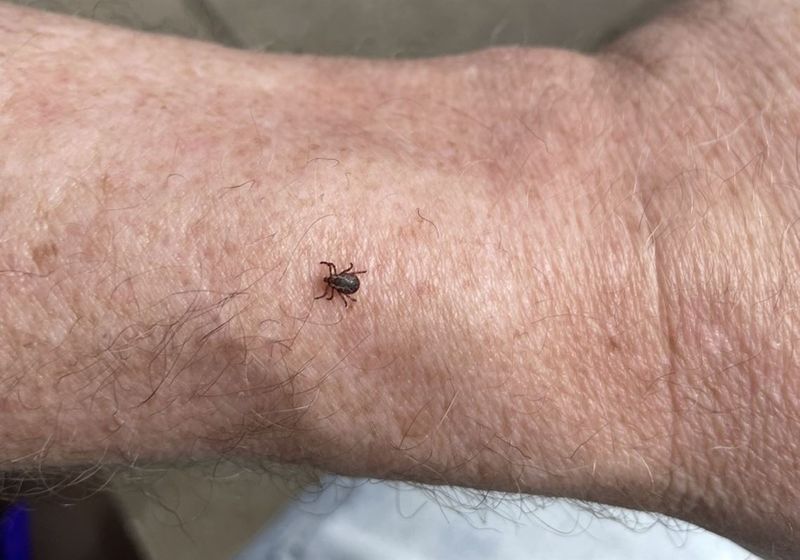
No matter how carefully a yard is managed during May, spending time outdoors in Ohio means tick checks should be part of the routine.
Ticks can travel onto a property from neighboring yards, passing wildlife, or visiting pets, so even a well-maintained lawn is not completely off-limits for tick encounters during peak spring season.
Checking for ticks after outdoor time is one of the most effective ways to prevent a bite from turning into a longer concern.
Ticks often wander for an hour or more before settling on a spot to feed, so a thorough check done promptly after coming inside can catch most of them before they attach.
Focus on warm, hidden areas like behind the knees, around the waistband, under the arms, and along the hairline.
Showering within a couple of hours of being outside also helps remove any unattached ticks. Tossing clothes into a hot dryer for a few minutes before washing is another useful step.
For pets, checking ears, paws, and collar areas after outdoor time is worth adding to the daily routine throughout May and into summer.
Tick awareness does not have to be stressful, but staying consistent with checks makes a real difference for Ohio families enjoying their yards during spring.