7 Reasons Blackfoot Daisy Belongs In Texas Front Yard Beds
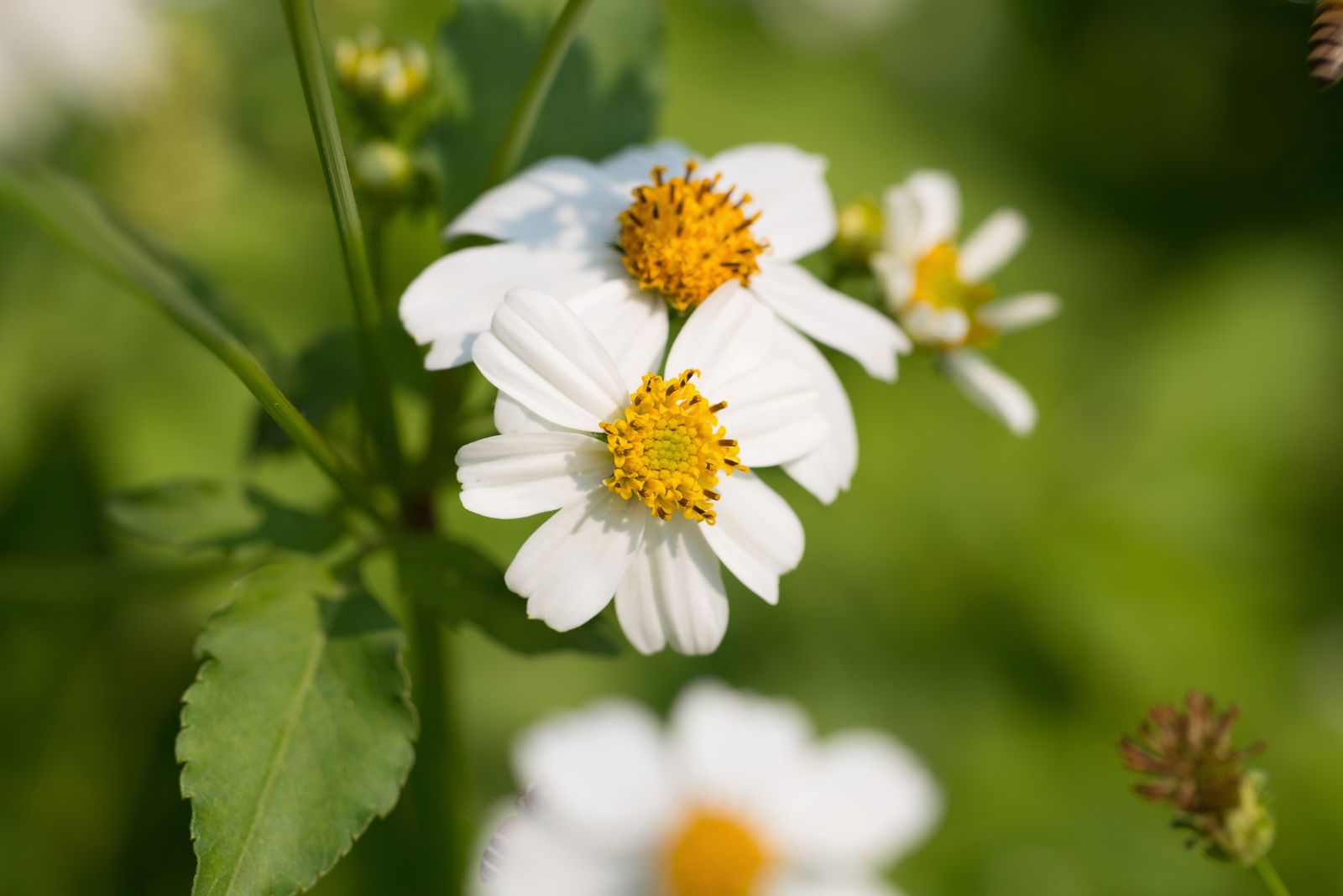
There are plants that earn their place in a Texas front yard by simply refusing to quit, and Blackfoot Daisy is one of the best examples of that quality in the entire state.
While other plants are wilting, browning at the edges, or demanding constant attention through the brutal summer months, this tough little native just keeps producing those cheerful white and yellow blooms like the heat is completely irrelevant to its plans.
What makes Blackfoot Daisy such a compelling front yard choice goes well beyond toughness, though.
It brings a clean, classic beauty to beds that works with almost any landscape style, it stays compact enough to use in a variety of spots without outgrowing its space, and it attracts pollinators with a consistency that more showy plants often can’t match.
If your Texas front yard beds are missing this plant right now, there are some genuinely good reasons to change that before the season gets any further along.
1. Blackfoot Daisy Loves Texas Heat
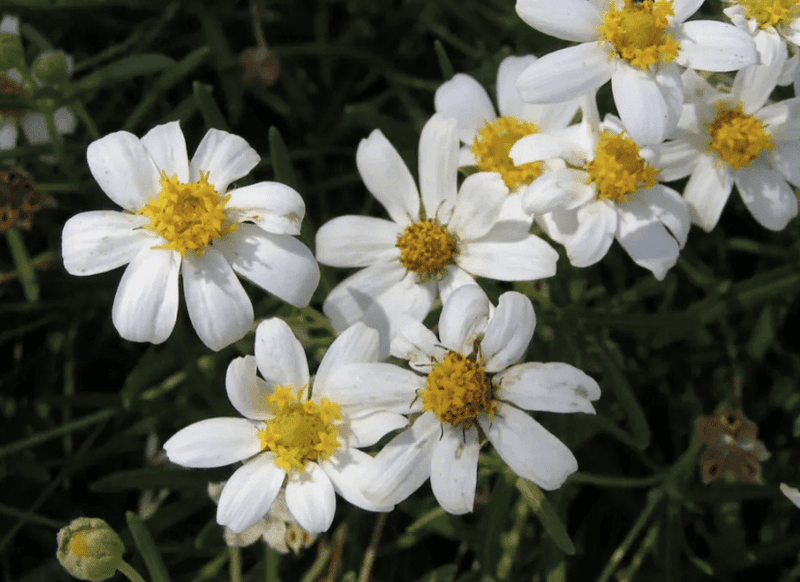
Some flowers take one look at a Texas summer and give up entirely. Not Blackfoot Daisy. This tough native wildflower actually thrives when temperatures climb into the triple digits, making it one of the most reliable plants you can grow in Texas front yard beds.
Native to Texas, New Mexico, and parts of Mexico, Blackfoot Daisy evolved in some of the hottest, most sun-baked landscapes in North America. That means it is perfectly built for the brutal heat that rolls across Texas from late spring through early fall.
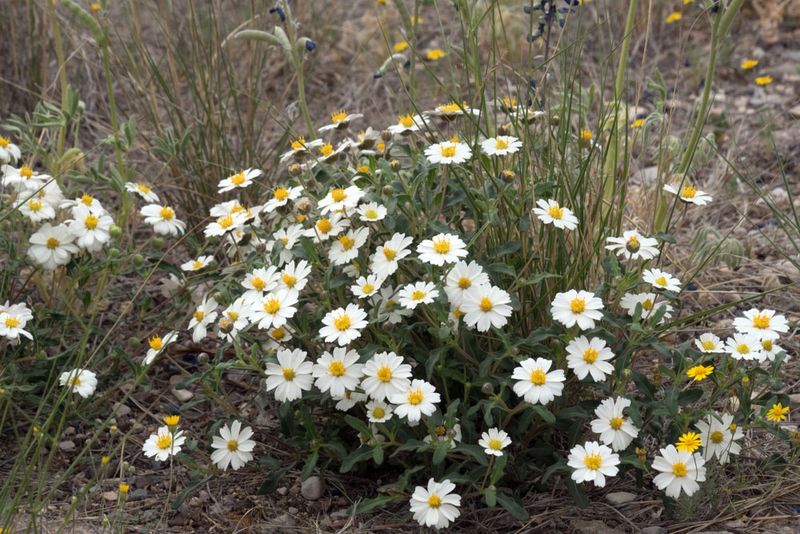
While other plants wilt and struggle, Blackfoot Daisy keeps right on blooming with cheerful white flowers and bright yellow centers.
Full sun is where this plant feels most at home. Give it a spot that gets at least six to eight hours of direct sunlight each day, and it will reward you generously.
Shaded areas actually cause it to bloom less and grow a bit floppy, so a front yard bed with good sun exposure is truly the ideal location.
Gardeners in Central Texas, South Texas, and the Dallas-Fort Worth area have all had great success with Blackfoot Daisy in their landscapes. The plant handles both dry heat and humid warmth, which makes it flexible across different regions of the state.
You do not need to baby it or provide shade cloth during heat waves. Just plant it, give it good drainage, and watch it shine all summer long without missing a beat.
2. It Needs Very Little Water
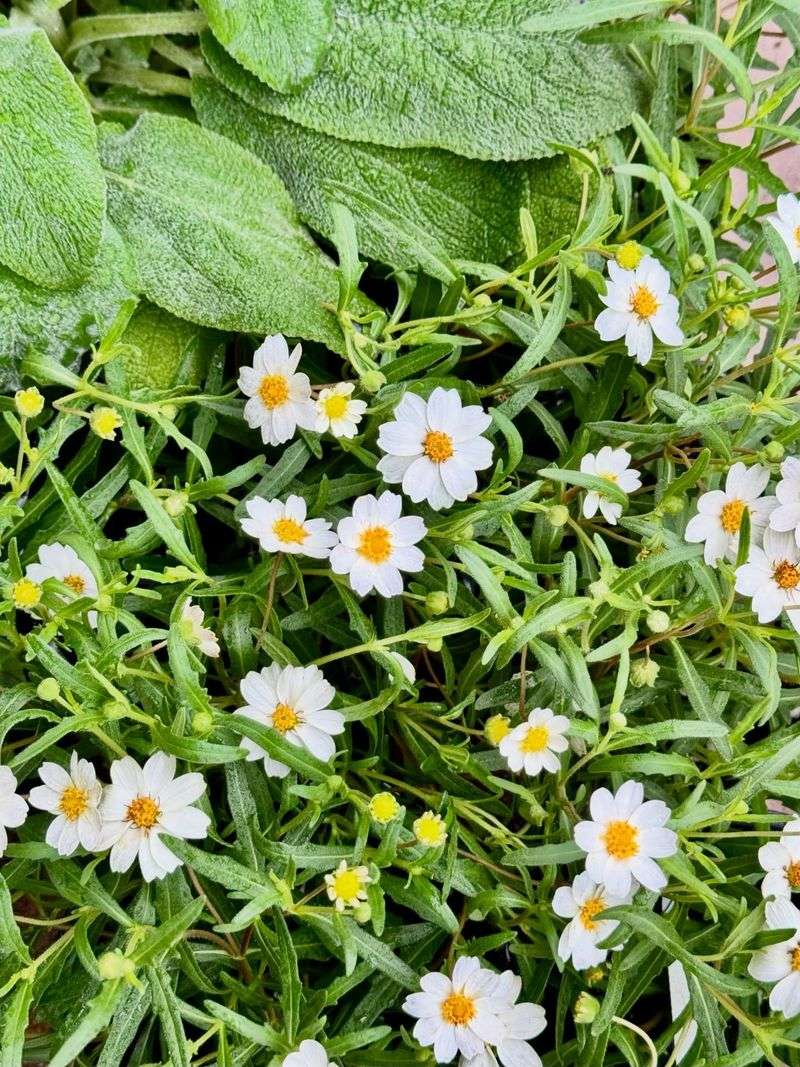
Water bills in Texas during summer can be shocking. One of the smartest ways to cut back on irrigation costs is to fill your front yard beds with plants that do not need constant watering.
Blackfoot Daisy is one of the best choices you can make for a water-wise Texas landscape. Once established, Blackfoot Daisy is remarkably drought-tolerant. It stores moisture efficiently and has roots that reach deep into the soil to find water on their own.
During the first few months after planting, you will want to water it regularly to help it get settled. After that, natural rainfall in most parts of Texas is usually enough to keep it going strong.
Your Texas Garden Changes Every Week. Your Plan Should Too.
Gardening in Texas changes quickly throughout the season. Every Friday you’ll receive a simple weekly plan showing exactly what to plant, prune, fertilize, harvest, and protect so you never miss the right timing.
In areas like West Texas or during extended dry periods, an occasional deep watering every two to three weeks is all it really needs. Overwatering is actually more of a problem than underwatering with this plant.
Soggy soil can cause root issues, so always make sure your bed has good drainage before planting.
Compared to traditional lawn grass or thirsty annual flowers, Blackfoot Daisy uses a fraction of the water. That makes it a responsible choice for Texas homeowners who want to conserve resources while still having a gorgeous front yard.
Many Texas cities encourage residents to plant native, drought-tolerant species, and Blackfoot Daisy fits that recommendation perfectly. Your yard stays beautiful, your water usage goes down, and your wallet thanks you every single month during those long, hot Texas summers.
3. Blooms For Months
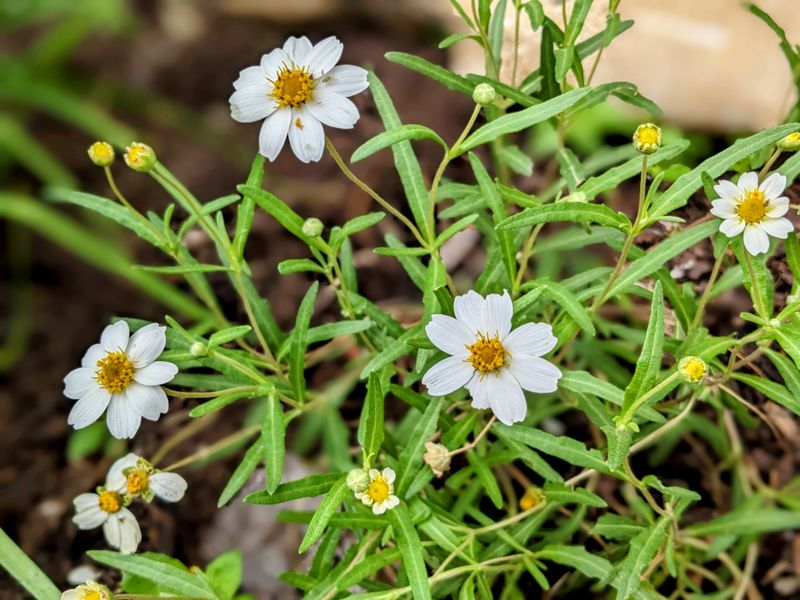
Most flowering plants put on a show for a few weeks and then call it quits. Blackfoot Daisy plays a completely different game.
In many parts of Texas, this plant produces cheerful white blooms from early spring all the way through late fall, giving your front yard color for the better part of the year.
The blooms are small but plentiful, with bright white petals surrounding a golden yellow center. They have a faint honey-like scent that adds a lovely bonus to the visual display.
When you have a cluster of Blackfoot Daisies in your front bed, the effect is like a cheerful little meadow right outside your door.
In warmer parts of Texas, like the Rio Grande Valley and South Texas, blooming can happen nearly year-round during mild winters. In Central Texas and North Texas, expect consistent blooms from March through November.
Even a light frost does not always stop this plant from pushing out a few flowers in late autumn.
Deadheading, which means removing spent blooms, is not required to keep the flowers coming. Blackfoot Daisy is naturally self-cleaning and continues to bloom without much help from you.
However, giving it a light trim after a big flush of flowers can encourage even more blooms to follow. Few plants in Texas offer such a long and reliable flowering season with so little effort.
That extended bloom time is one of the biggest reasons Texas gardeners keep coming back to this native wildflower season after season.
4. Stays Naturally Compact And Tidy
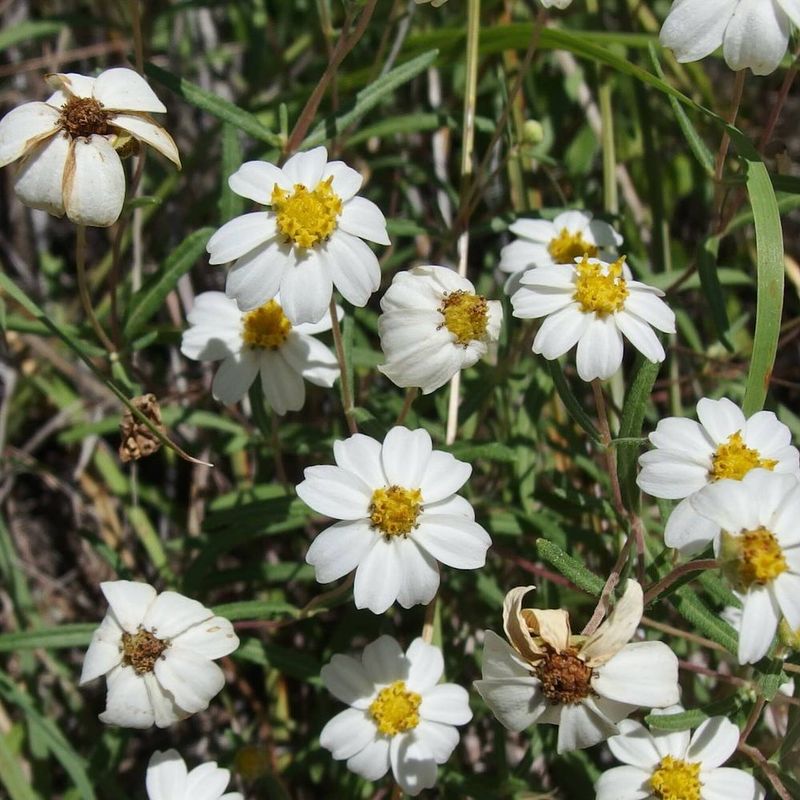
Walk through almost any garden center in Texas and you will find plants that promise to stay small, only to sprawl wildly across your flower bed within a season. Blackfoot Daisy is refreshingly honest.
It naturally grows into a tidy, rounded mound that looks like someone carefully shaped it, even without any pruning at all.
Mature plants typically reach about one to two feet tall and wide. That compact size makes them ideal for the edges of front yard beds, along walkways, or grouped together in clusters for a fuller look.
Their neat shape fits right in with structured landscape designs as well as more relaxed, natural-looking gardens. Either way, they look intentional and polished.
Because the plant stays so tidy on its own, you are not constantly out there with pruning shears trying to keep things under control. A light trim once or twice a year is usually all it takes to keep Blackfoot Daisy looking its best.
Some Texas gardeners cut them back by about one-third in midsummer to encourage a fresh round of growth and blooms heading into fall.
The compact habit also means Blackfoot Daisy plays well with neighboring plants. It does not crowd out other species or take over your bed aggressively.
You can pair it with other Texas natives like Salvia greggii or Mealy Blue Sage for a colorful, cohesive look that stays manageable all season long. For busy Texas homeowners who want a beautiful front yard without spending every weekend gardening, this plant is a genuine gift.
5. Pollinators Love It
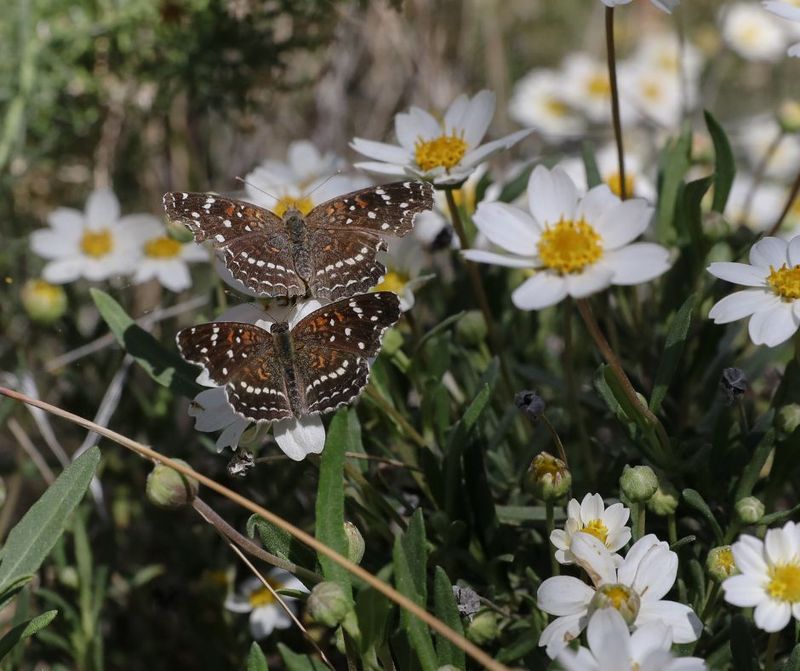
Did you know that Texas is home to more than 800 species of native bees? That is more than almost any other state in the country.
When you plant Blackfoot Daisy in your front yard beds, you are essentially rolling out a welcome mat for a huge variety of these important pollinators.
Bees are drawn to Blackfoot Daisy like a magnet. The open, daisy-style flower makes it easy for bees to access the nectar and pollen in the center.
Butterflies are frequent visitors too, including species like the Southern Dogface and various skipper butterflies that are common across Texas. On a warm spring morning, a patch of Blackfoot Daisies in full bloom can be buzzing with activity.
Planting pollinator-friendly flowers is more than just a nice thing to do. Pollinators support the broader ecosystem by helping fruits, vegetables, and other plants reproduce.
Many Texas gardeners are intentionally creating pollinator habitats in their front yards, and Blackfoot Daisy is one of the easiest ways to contribute to that effort.
Beyond the environmental benefits, watching bees and butterflies visit your front yard is genuinely enjoyable. Kids especially love it.
It turns a simple flower bed into a little living ecosystem right outside your front door. Pairing Blackfoot Daisy with other pollinator favorites like Lantana or Purple Coneflower creates a front yard that buzzes with life all season.
Texas wildlife benefits, your garden looks stunning, and your neighborhood gets a little wilder in the best possible way.
6. Handles Poor Soil Surprisingly Well
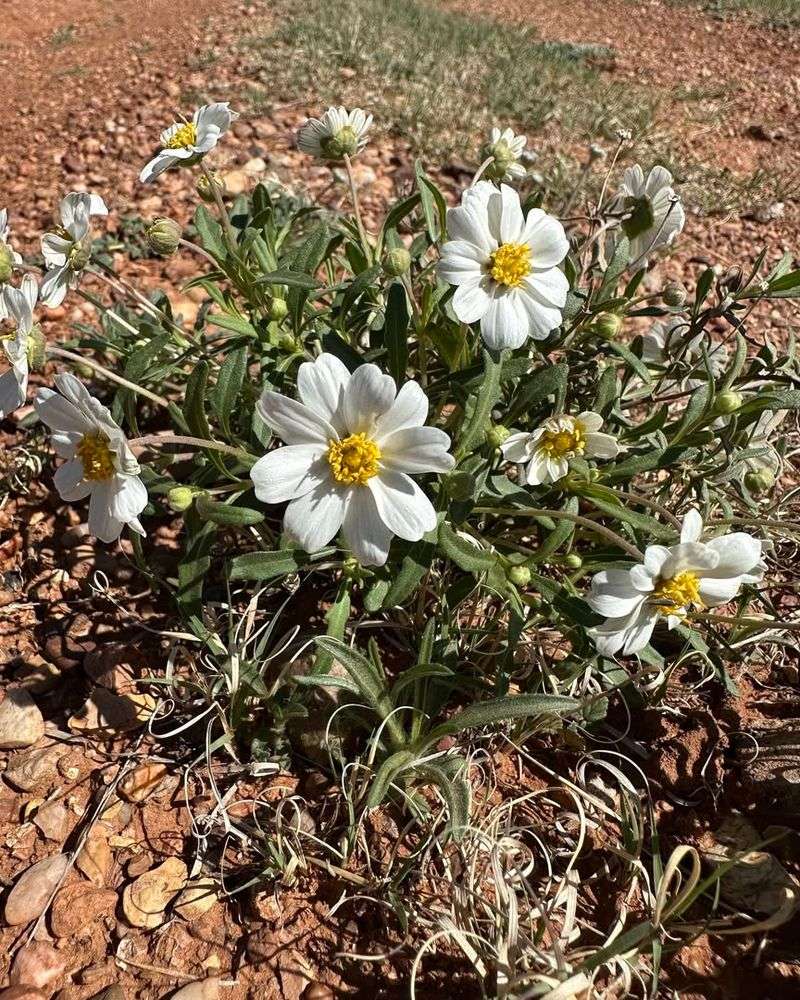
Anyone who has tried to garden in Texas knows that the soil here can be a real challenge. Rocky limestone caliche, dense clay, or sandy, nutrient-poor ground are common across many parts of the state.
Most ornamental plants throw a fit in those conditions. Blackfoot Daisy, on the other hand, actually seems to prefer them.
This native wildflower evolved in the rocky, limestone-rich soils of the Edwards Plateau and surrounding regions of Texas. That means it is naturally adapted to the kind of difficult ground that gardeners in the Hill Country, San Antonio area, and Central Texas deal with every day.
Good drainage is really the only non-negotiable requirement. As long as water does not pool around the roots, Blackfoot Daisy can handle a surprisingly wide range of soil types.
You do not need to amend your soil heavily before planting. Skipping the rich compost and fertilizer is actually a good idea with this plant.
Too many nutrients can cause it to grow floppy and bloom less. Lean soil keeps it compact, tidy, and covered in flowers, which is exactly what you want in a front yard bed.
For Texas homeowners dealing with challenging soil conditions, Blackfoot Daisy is one of the few plants that turns that problem into a non-issue. Instead of spending time and money trying to fix your soil, you can simply choose a plant that loves it the way it is.
That kind of adaptability is rare and incredibly valuable in Texas landscaping, where soil conditions vary dramatically from one region to the next.
7. Perfect For Low-Maintenance Front Yards
Life in Texas is busy. Between work, family, and everything else on your plate, spending hours every week maintaining a high-maintenance front yard is not always realistic.
That is exactly why so many Texas homeowners are turning to Blackfoot Daisy as a go-to plant for front yard beds that look great without demanding constant attention.
Once established, Blackfoot Daisy basically takes care of itself. It does not need regular fertilizing, frequent watering, or constant pruning to stay healthy and attractive.
A little cleanup in late winter or early spring, a light trim after heavy bloom cycles, and good drainage are really all it takes. Compare that to the weekly mowing, edging, and watering that a traditional grass lawn requires, and the appeal becomes obvious fast.
Blackfoot Daisy also tends to reseed itself naturally over time. That means you may find new little plants popping up around the original ones, slowly filling in your bed with more color without any extra effort from you.
It is like the plant is doing part of the landscaping work for you, which is a pretty great deal. For Texas homeowners who want curb appeal without the constant upkeep, Blackfoot Daisy delivers in a big way.
It adds long-lasting color, attracts wildlife, handles tough conditions, and stays tidy all on its own.
Whether you are a seasoned gardener or someone who has never planted a single flower before, this plant makes it easy to have a front yard that your whole neighborhood notices and admires throughout the entire growing season.