The Reasons Why You Should Plant Lemongrass In Texas Yard
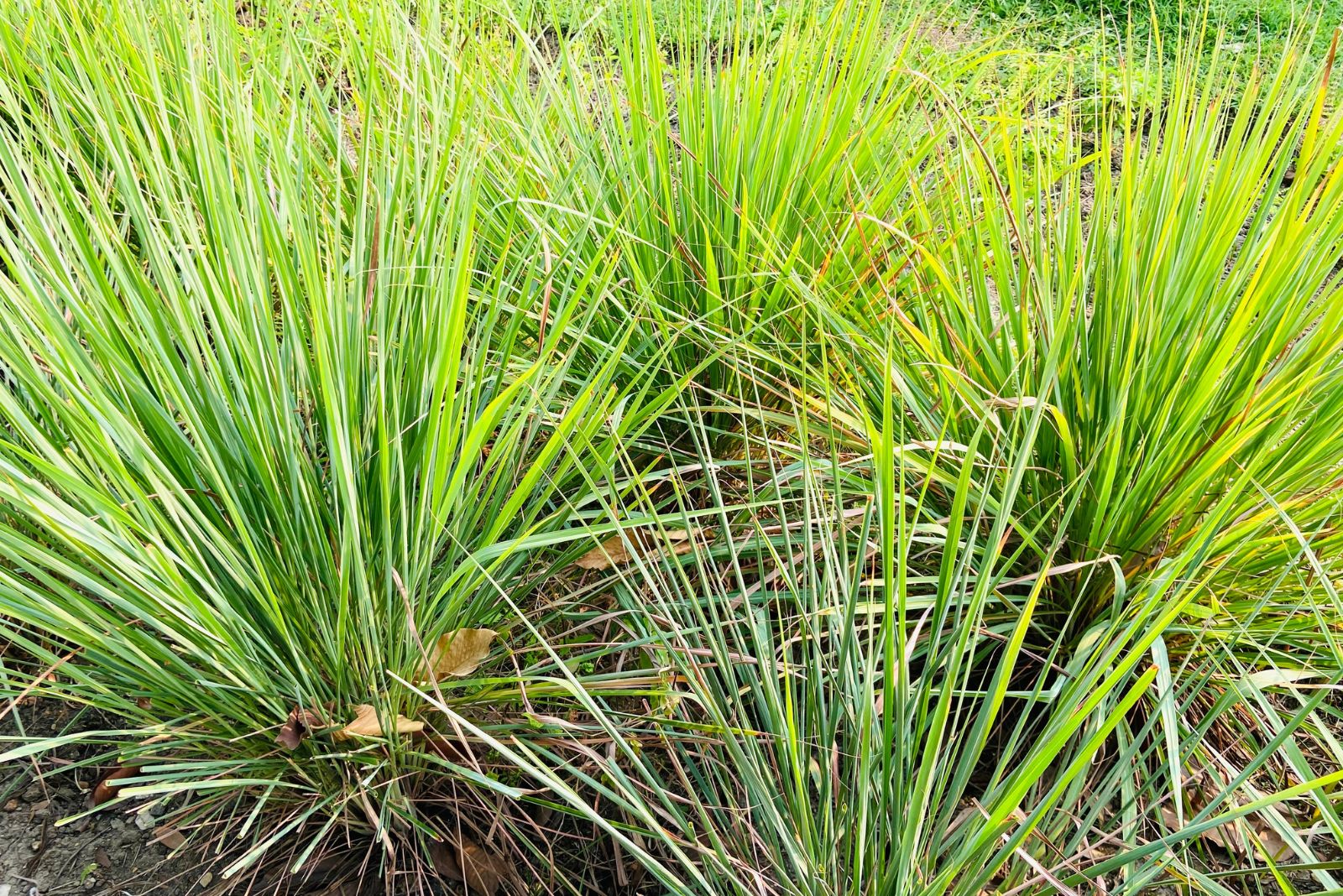
Ever wish one plant could make your Texas yard smell amazing, look striking, and still handle the heat without constant attention? That is a big part of why lemongrass keeps winning people over.
It is not just an herb you toss into recipes. In the landscape, it brings height, movement, and a fresh, clean look that stands out without feeling fussy.
Once the summer sun starts doing its usual Texas thing, that kind of easy beauty matters a lot.
Lemongrass also fits the way many homeowners want to garden now. People are looking for plants that earn their space, not ones that need nonstop pampering just to get through the season.
This one can handle warmth, adds a bold texture to beds and borders, and gives your yard a useful plant with more personality than the average ornamental grass.
Then there is the simple fact that it makes the yard feel more alive. Brush past it and you get that bright citrus scent, which is reason enough for a lot of people to make room for it.
1. Thrives In Texas Heat
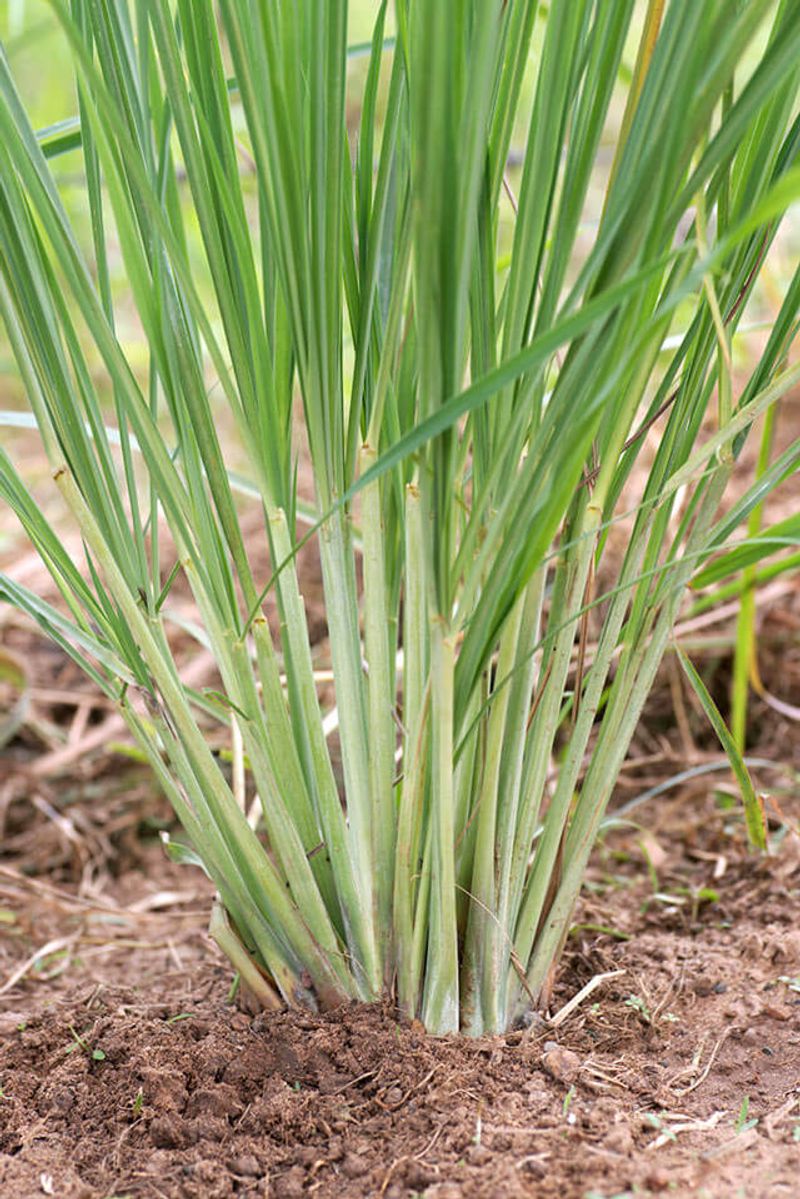
Picture stepping outside on a scorching Texas afternoon in July, and your lemongrass is still standing tall and green without missing a beat. That is not an accident.
Lemongrass comes from tropical regions in Southeast Asia, so it is built for heat. Texas summers are no match for this tough, sun-loving plant.
Most plants start to wilt, brown, or slow down once temperatures climb past 90 degrees. Lemongrass does the opposite.
It actually grows faster and fuller when the sun is blazing. In cities like San Antonio, Dallas, and Houston, where summer heat can last for months, lemongrass stays strong from spring all the way through fall.
Full sun is where lemongrass is happiest. It needs at least six to eight hours of direct sunlight each day, and Texas has plenty of that to offer.
Plant it in an open spot in your yard where nothing blocks the sun, and it will reward you with thick, lush growth all season long.
Another great thing about lemongrass in Texas is that the warm nights help it keep growing even after the sun goes down.
Some plants struggle in overnight heat, but lemongrass handles it easily. It stays active and continues building its clump throughout the warm months.
For Texas gardeners who are tired of replanting things that cannot handle the summer, lemongrass is a refreshing change.
Once you put it in the ground and give it a good start, it takes care of itself through even the hottest stretches of the year. It is truly one of the best-suited plants for the Texas climate.
2. Low Water Once Established
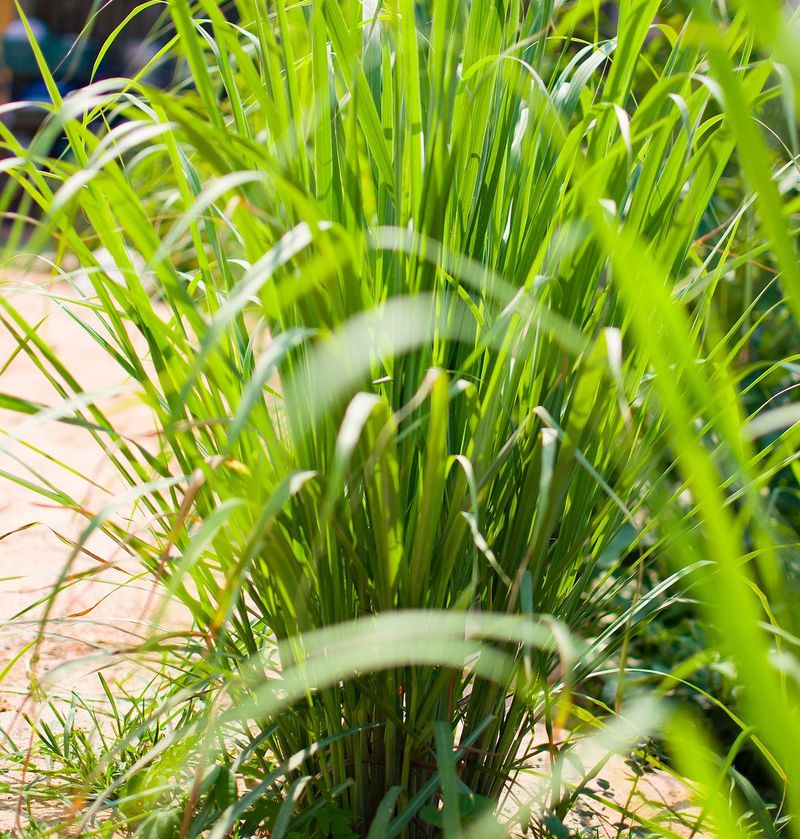
Water bills in Texas can get expensive fast, especially during a dry summer. One of the smartest things about growing lemongrass is that once it settles in, it does not need much water at all.
That makes it a perfect fit for Texas yards where water conservation really matters. During the first few weeks after planting, you will want to water lemongrass regularly to help it build a strong root system. Think of it like getting a new plant settled into its new home.
Your Texas Garden Changes Every Week. Your Plan Should Too.
Gardening in Texas changes quickly throughout the season. Every Friday you’ll receive a simple weekly plan showing exactly what to plant, prune, fertilize, harvest, and protect so you never miss the right timing.
Once those roots go deep into the soil, lemongrass becomes surprisingly tough when it comes to dry spells.
Compared to many popular ornamental grasses and flowering plants, lemongrass is far more drought-tolerant.
It can go several days without rain or irrigation once it is established, which is a huge advantage in parts of Texas that regularly deal with drought conditions. West Texas gardeners especially appreciate this quality.
Low-water landscaping, sometimes called xeriscaping, is becoming more popular across Texas as homeowners look for smarter ways to keep their yards looking good without wasting resources. Lemongrass fits right into that approach.
It adds bold, tropical beauty without demanding constant attention from a garden hose. Cutting back on watering also means less time spent on yard maintenance. You can enjoy a lush, full-looking garden without being tied to a watering schedule every single day.
For busy Texas families who want a beautiful yard without the extra work, lemongrass is a genuinely practical and low-effort choice that delivers big results all season long.
3. Helps Repel Mosquitoes
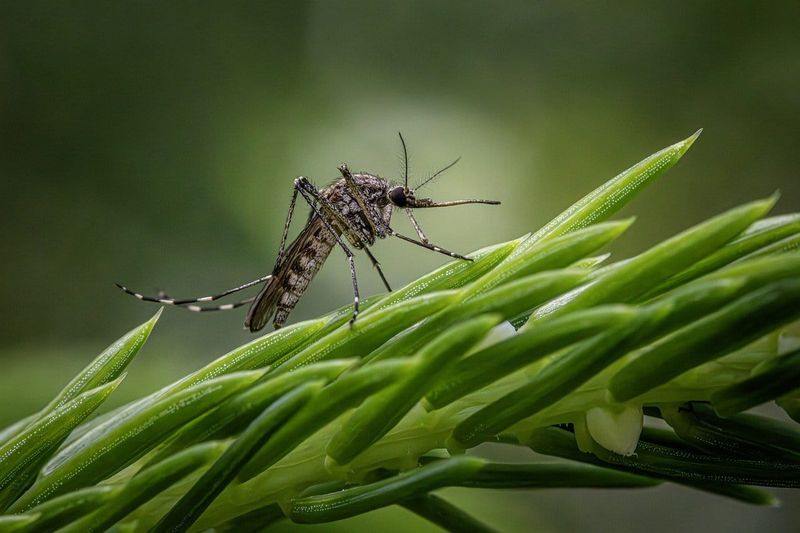
Mosquitoes are one of the biggest complaints among Texas homeowners, especially during the humid summer months. Sitting outside in the evening should be relaxing, not a battle against biting insects.
Lemongrass offers a natural way to push back against mosquitoes without reaching for a can of chemical spray.
Lemongrass contains citronella oil, which is the same active ingredient found in many commercial mosquito repellent candles and sprays. When the leaves are brushed or crushed, they release this oil into the air.
Planting lemongrass near your patio, deck, or outdoor seating area creates a natural barrier that mosquitoes tend to avoid.
Did you know that citronella is one of the most widely used natural insect repellents in the world? It has been used for over a century in various forms to keep bugs away.
Growing it fresh in your Texas yard means you always have a living source of that protection right outside your door.
For the best results, place lemongrass clumps close to the spots where you spend the most time outdoors. Near a fire pit, along a fence line, or beside a porch railing are all smart locations.
You can even brush the leaves with your hand as you walk past to release more of that citrusy, bug-deterring scent.
Families with young children or pets who spend a lot of time outside in the Texas heat will especially appreciate this benefit.
Reducing mosquito pressure in a natural, plant-based way is safer and more pleasant than relying entirely on chemical repellents. Lemongrass gives your yard a functional edge that looks great at the same time.
4. Fast-Growing And Lush
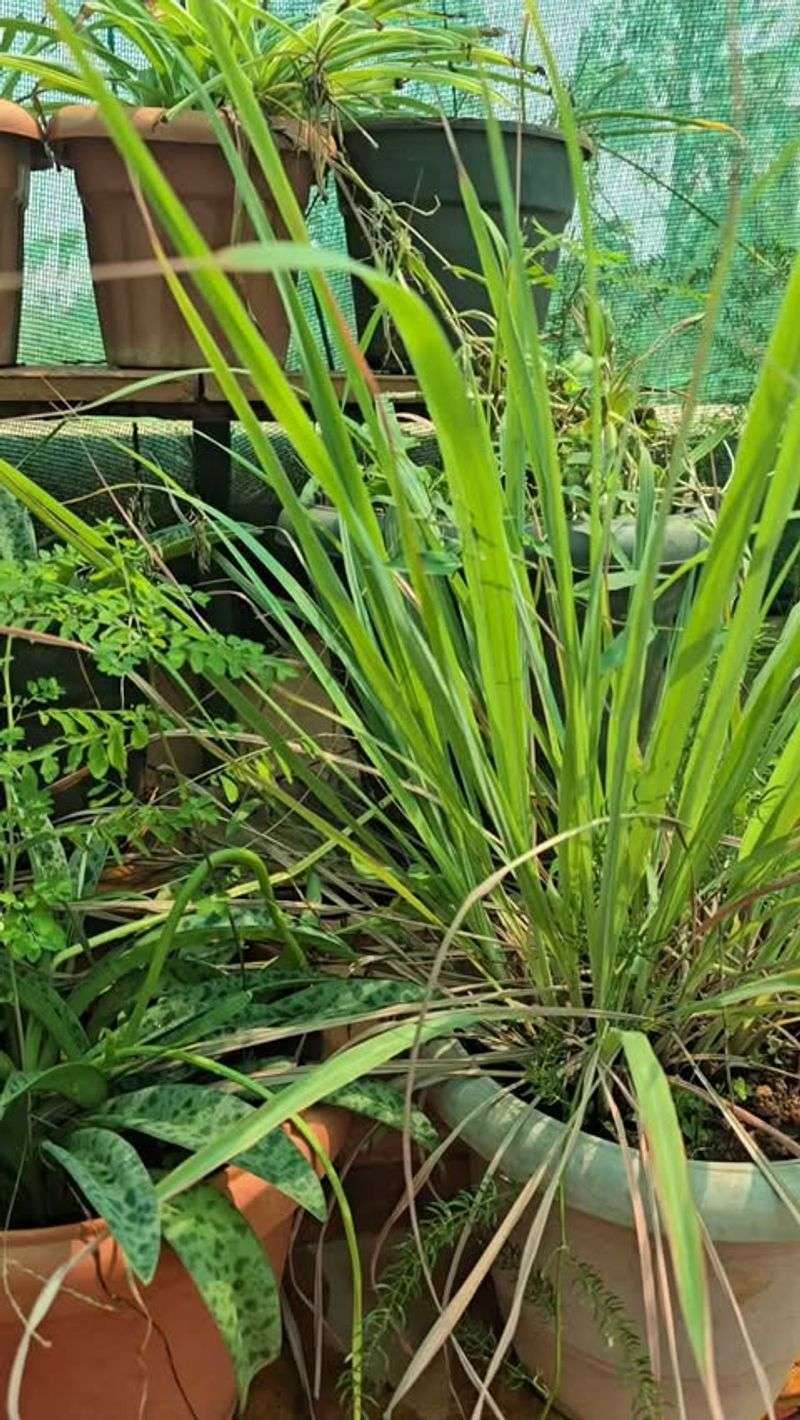
Few plants fill a bare patch of yard as quickly and dramatically as lemongrass. Plant a small starter clump in spring, and by midsummer you could be looking at a thick, waist-high bundle of arching green blades.
For Texas gardeners who want fast results, lemongrass delivers in a big way. That rapid growth is part of what makes lemongrass so satisfying to grow.
There is something genuinely exciting about watching a plant go from a small pot to a full, impressive clump in just a few months.
It gives your yard a lush, almost tropical feel that takes years to achieve with slower-growing plants.
Empty corners, bare fence lines, and awkward spaces in your yard suddenly become design features when you fill them with lemongrass. Its tall, graceful blades create a soft, flowing look that moves gently in the breeze.
That natural movement adds life and energy to a landscape that might otherwise feel flat or unfinished.
Lemongrass also works beautifully as a border plant. Lining a walkway or garden bed with it creates a clean, structured look that feels intentional and well-designed.
Texas homeowners who want curb appeal without spending a lot of money on mature landscaping plants will find lemongrass to be an affordable and fast solution.
As a focal point in a mixed garden bed, a large clump of lemongrass stands out without overpowering nearby plants. It plays well with flowering perennials, succulents, and even native Texas grasses.
Its bold size and texture give the whole garden a more polished, layered appearance that is easy to achieve and even easier to maintain.
5. Edible And Useful In The Kitchen
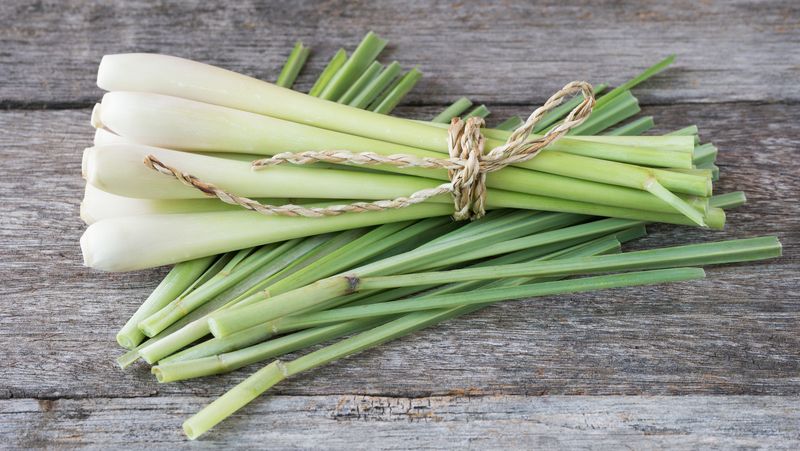
Not many yard plants can go straight from the garden to the dinner table, but lemongrass absolutely can.
Growing it in your Texas yard means you always have a fresh, flavorful herb within arm’s reach. That kind of convenience is something any home cook can appreciate.
Lemongrass has a bright, citrusy flavor with a subtle floral note that works beautifully in a wide range of dishes. It is a staple ingredient in Thai, Vietnamese, and Indonesian cooking.
Think lemongrass chicken soup, coconut curry, stir-fry sauces, and fragrant rice dishes. Once you start cooking with fresh lemongrass, the dried or jarred versions from the grocery store just do not compare.
Making lemongrass tea is one of the easiest ways to enjoy it. Just bruise a fresh stalk, steep it in hot water for a few minutes, and you have a calming, citrus-scented tea that many people drink to help with digestion and relaxation. It is simple, natural, and surprisingly delicious.
Harvesting lemongrass from your Texas yard is easy too. You just cut the outer stalks near the base when they are thick enough, peel away the tough outer layers, and the tender inner stalk is ready to use.
The plant keeps producing new growth all season, so one clump can give you a steady supply throughout the warm months.
Having edible plants in your yard adds real value beyond just looks. You save money on specialty herbs at the grocery store, you know exactly where your food comes from, and you get the satisfaction of cooking with something you grew yourself right there in your Texas garden.
6. Adds Height And Texture
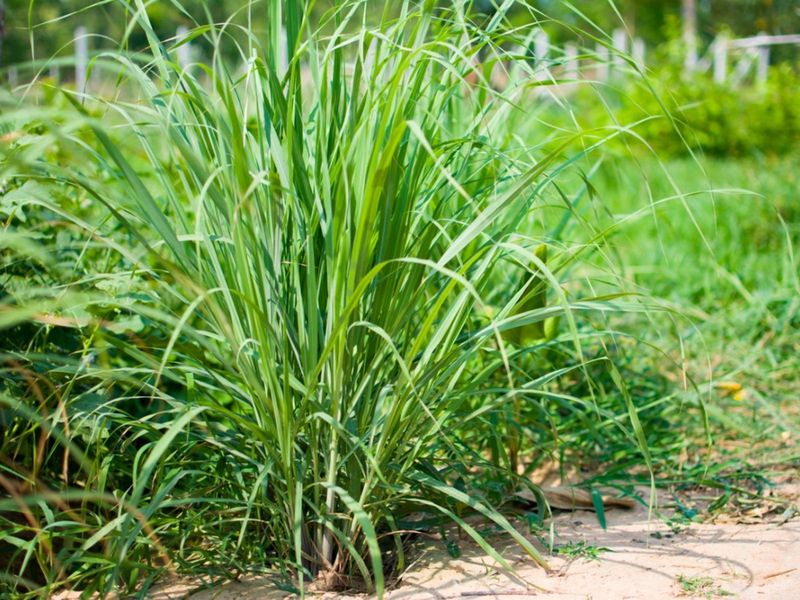
A yard full of low-growing plants can start to feel a little one-dimensional after a while. Adding height is one of the most effective ways to make a landscape feel more dynamic and thoughtfully designed.
Lemongrass, which can grow four to six feet tall in Texas, brings exactly the kind of bold vertical presence that transforms an ordinary yard into something special.
The long, arching blades of lemongrass create a flowing, grass-like texture that is completely different from the rounder shapes of shrubs or the flat spread of ground cover. That contrast in form is what makes garden design interesting.
When you mix lemongrass with shorter, stockier plants, the combination creates depth and visual variety that draws the eye around the yard.
Lemongrass pairs especially well with succulents and low-growing cacti that are common in Texas landscapes. The soft, feathery texture of lemongrass blades creates a striking contrast against the bold, structured shapes of agave or prickly pear.
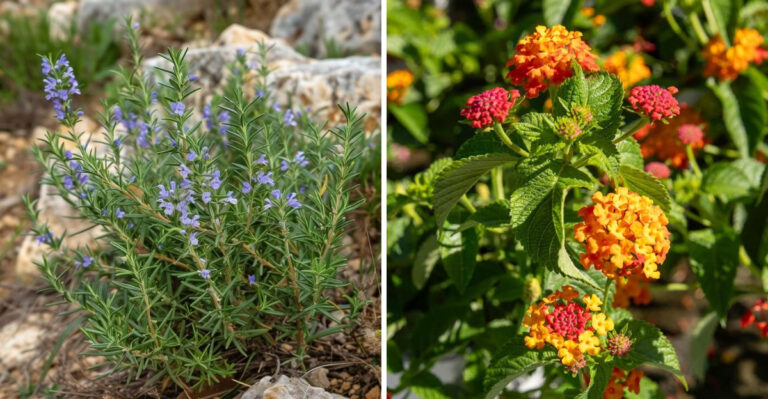
Together, they create a layered look that feels both wild and intentional at the same time. Flowering perennials like salvia, lantana, and black-eyed Susan also look fantastic next to lemongrass.
The bright blooms pop against the green blades, and the height difference between the two creates a naturally layered effect that professional landscapers use all the time.
For Texas homeowners who want a yard that looks like it was professionally designed without spending a fortune, lemongrass is a secret weapon.
Its height, movement, and texture do most of the heavy lifting in a garden bed, making everything around it look more intentional, polished, and visually exciting all season long.