7 Ground Covers To Plant Instead Of Grass This May In Ohio
Grass is the biggest lie the gardening industry ever sold Ohio homeowners. You spend the whole season mowing, watering, fertilizing, fighting weeds, and aerating, just to end up with a yard that looks exactly the same as it did last May.
A hamster wheel with a lawn mower attached. Sound like your Saturday routine?
You’re not alone, and more Ohio gardeners are waking up to the fact that grass is not the only option, not even close to the best one. May is actually the sweet spot for making a change.
The soil is warm, the rains are still reliable, and ground covers planted right now have the entire growing season to dig in, spread out, and get established before Ohio’s first frost comes knocking. Miss this window and you wait another year.
Ground covers do everything grass promises but rarely delivers. Low maintenance, high visual impact, better for pollinators, and far more forgiving of Ohio’s unpredictable weather.
The only question worth asking right now is which ones deserve a spot in your yard.
1. Plant Wild Ginger Beneath Trees For A Calm Native Carpet
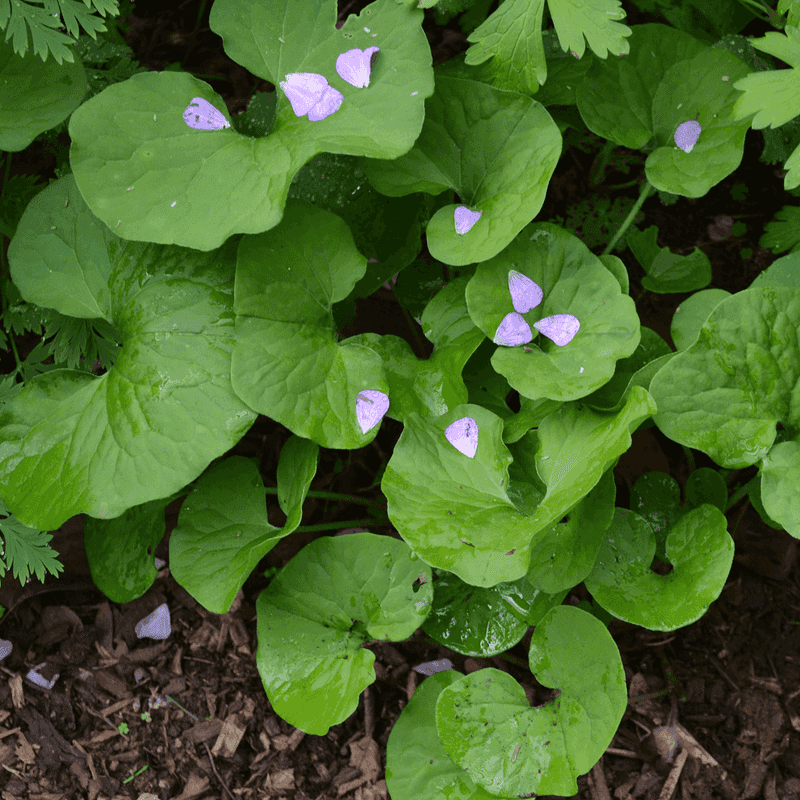
Underneath a big shade tree where grass has slowly given up, Wild Ginger tends to feel right at home.
Asarum canadense is a true Ohio native woodland ground cover, documented by Ohio State University Extension and the USDA Plants Database as a species native to Ohio’s forests and woodland edges.
Its broad, heart-shaped leaves grow in a low, layered habit that steadily fills in shaded ground over a few seasons.
Wild Ginger spreads by underground rhizomes, which means it expands gradually rather than aggressively. In a suitable woodland-style setting, it stays manageable and rarely causes problems.
The Ohio Invasive Plants Council does not list it as invasive, and it fits naturally into the kind of shaded, leaf-litter-rich conditions found under mature trees, shrubs, and north-facing slopes across Ohio.
Soil matters a lot with this plant. It performs well in rich, moist, well-drained soil with plenty of organic matter or a layer of decomposed leaf litter.
Avoid planting it in hot, dry, exposed areas or compacted clay without amendment, because it will struggle and thin out rather than fill in.
It is not a replacement for high-traffic lawn areas but works well as a calm, low-maintenance cover in spots where mowing was always a chore.
For May planting in Ohio, water transplants thoroughly at planting time and again every few days during the first few weeks if rain is sparse. A light top-dressing of shredded leaves helps hold moisture around the roots and mimics its natural forest floor environment.
Plugs or small divisions from a reputable native plant nursery are the most reliable way to get started.
2. Use Wild Stonecrop To Fill Sunny Rocky Gaps
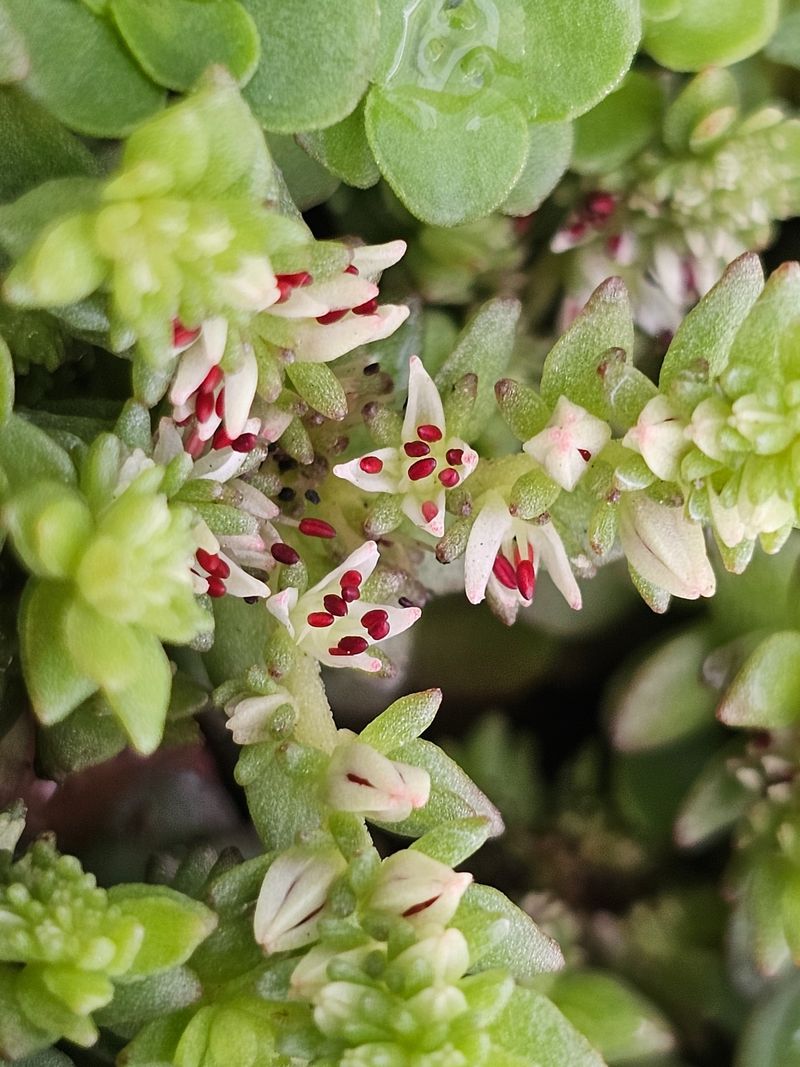
Rocky pockets, shallow ledges along a stone path, and those awkward lean strips near a driveway edge where mowing is more trouble than it is worth are exactly where Wild Stonecrop earns its place.
Sedum ternatum is an Ohio native succulent ground cover listed in the USDA Plants Database as native to Ohio, and it is one of the few truly native sedums found growing in rocky woodland outcroppings and thin-soiled edges across the state.
Your Ohio Garden Changes Every Week. Your Plan Should Too.
Gardening in Ohio changes quickly throughout the season. Every Friday you’ll receive a simple weekly plan showing exactly what to plant, prune, fertilize, harvest, and protect so you never miss the right timing.
The plant stays low, usually only a few inches tall, with small, rounded, fleshy leaves that stay green through much of the season. In spring, it produces delicate white star-shaped flowers that add quiet charm without demanding attention.
It is not a substitute for turf in any area that gets regular foot traffic, but in small, awkward, sun-drenched gaps where grass simply will not grow well, it fills in reliably over time.
Soil drainage is the most important factor for success. Sedum ternatum needs well-drained soil and will rot in soggy clay pockets or low spots that collect standing water after rain.
Sandy loam, rocky soil, or raised bed edges with good drainage suit it well. It can tolerate light shade but blooms most freely in sunny to lightly shaded spots.
May is a fine time to plant it in Ohio because the soil is warm and spring moisture supports early root development before summer heat arrives. Space plugs or small divisions about eight to ten inches apart and water lightly but consistently for the first two to three weeks.
Once established, it handles dry spells with minimal fuss and spreads gently to fill gaps without taking over.
3. Edge Beds With Barren Strawberry For Tidy Spring Color
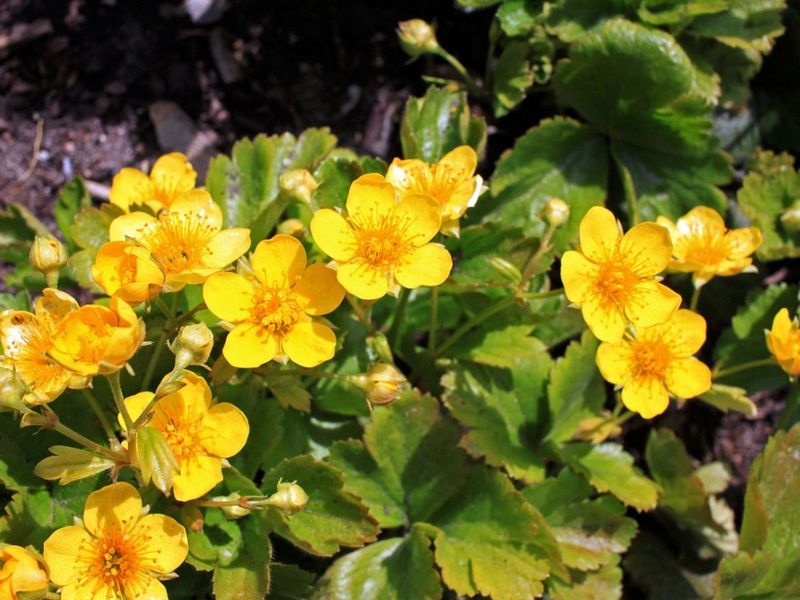
Along the front of a garden bed where you want something that looks tidy, blooms in spring, and does not require constant edging battles, Barren Strawberry quietly delivers.
Geum fragarioides, also referenced in some botanical sources as Waldsteinia fragarioides, is a low native ground cover found in woodland edges and rocky slopes in the eastern United States, including Ohio.
The Lady Bird Johnson Wildflower Center and USDA Plants Database both list it as a regionally native species appropriate for Ohio gardens.
The foliage closely resembles edible strawberry leaves, which often surprises first-time growers, but this plant produces no edible fruit. Instead, it offers cheerful yellow flowers in spring and semi-evergreen foliage that holds its shape into late fall in many Ohio gardens.
It works well along path edges, low slopes, bed fronts, and part-shade borders where you want neat coverage without resorting to aggressive or invasive ground covers.
Barren Strawberry spreads by creeping stems and can fill in a defined space over a couple of seasons. It is generally easy to manage with occasional edging or light thinning and is not listed as invasive by the Ohio Invasive Plants Council.
It prefers part shade to light sun and performs best in well-drained to average soil. Heavy clay or consistently waterlogged spots tend to cause root problems, so amend soil before planting if needed.
In May, plant divisions or container-grown plants and water them in well. A two-inch layer of shredded bark mulch along the edges helps hold soil moisture and keeps the planting looking neat while roots establish.
Avoid planting in deep shade, where flowering will be sparse and foliage may thin.
4. Let Pennsylvania Sedge Replace Turf In Dry Shade
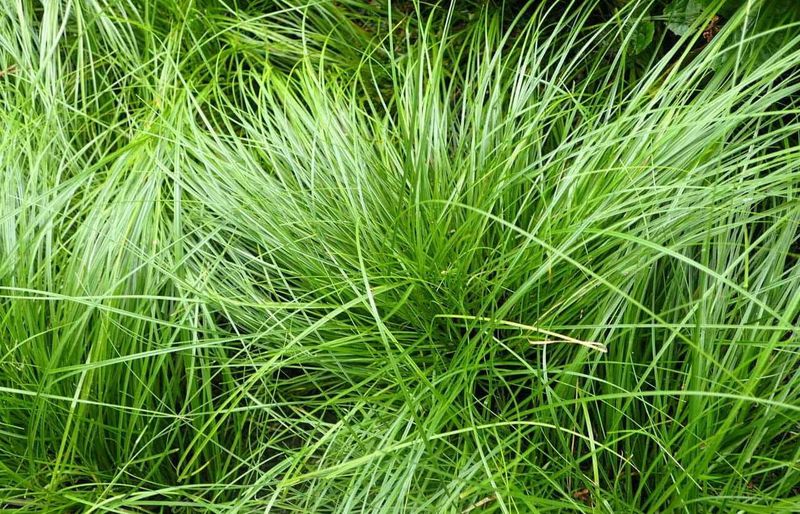
Dry shade under a big oak or mature maple is one of the most frustrating spots in an Ohio yard. Grass thins out, bare patches spread, and no amount of overseeding seems to fix it for long.
Pennsylvania Sedge, Carex pensylvanica, is a native sedge that handles exactly this kind of situation.
It is listed as native to Ohio by the USDA Plants Database and is widely recommended by Ohio State University Extension and native plant organizations as a lawn-like alternative for shaded, low-traffic areas.
Despite looking like a soft, fine-textured ornamental grass, this plant is a true sedge. It forms a low, arching mat of slender green blades that stays relatively short, especially in shadier spots.
It does not need mowing the way conventional turf does, though an occasional once-a-year cut in early spring can keep it looking refreshed. It spreads slowly by rhizomes and forms loose colonies that fill in over two to three seasons.
Carex pensylvanica is best suited to part shade to full shade and dry to average well-drained soil. It is not a good match for areas that stay wet or heavy clay that holds water.
It also is not appropriate for spaces where children or pets run and play regularly, as heavy foot traffic will thin it out. Low-traffic pathways, shaded lawn edges, and under-tree zones are its sweet spots.
May planting works well in Ohio because soil temperatures are favorable and spring moisture aids establishment. Use plugs spaced six to eight inches apart rather than seed, which can be slow to establish.
Water consistently for the first month and avoid fertilizing heavily, as rich soil can actually work against this sedge in the long run.
5. Plant Foamflower Where Moist Shade Needs Soft Bloom
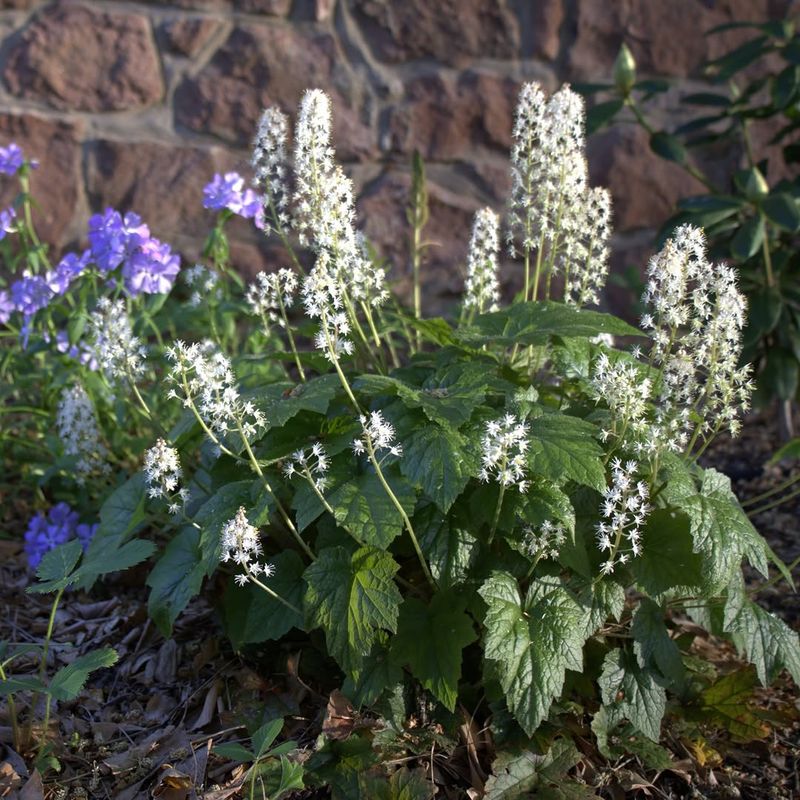
There is a particular kind of quiet magic that happens in a moist shaded corner of an Ohio garden in May, when Foamflower sends up its airy flower spikes.
Tiarella cordifolia is a woodland native with a natural range that extends into Ohio, and it is recommended by sources including the Lady Bird Johnson Wildflower Center and the USDA Plants Database as a regionally appropriate native ground cover for the eastern United States.
The foliage is one of its strongest features. Maple-like leaves with attractive veining create a layered, textured look at ground level throughout the growing season.
In spring, the plant sends up slender spikes covered in small white to pale pink flowers that give it its common name.
It works well planted alongside ferns, Pennsylvania Sedge, or Wild Ginger in moist shaded borders, along the edges of rain gardens with overhead shade, and in woodland path margins.
Foamflower prefers humus-rich, consistently moist, well-drained soil. It does not tolerate hot, dry, exposed sites well and will struggle in compacted soil without organic matter.
Ohio gardeners should seek out the straight species or locally sourced native selections from reputable native plant nurseries rather than heavily hybridized cultivars when planting for ecological value.
It spreads gently by stolons in favorable conditions but is not considered invasive.
Planting in May is well-timed in Ohio because the soil is warm but the air is not yet baking hot. Set transplants into amended, moist soil, water them in thoroughly, and apply a two-inch layer of shredded leaf mulch to hold moisture.
Consistent watering through the first summer is important for helping roots anchor before fall.
6. Use Green And Gold For Bright Cover In Part Shade
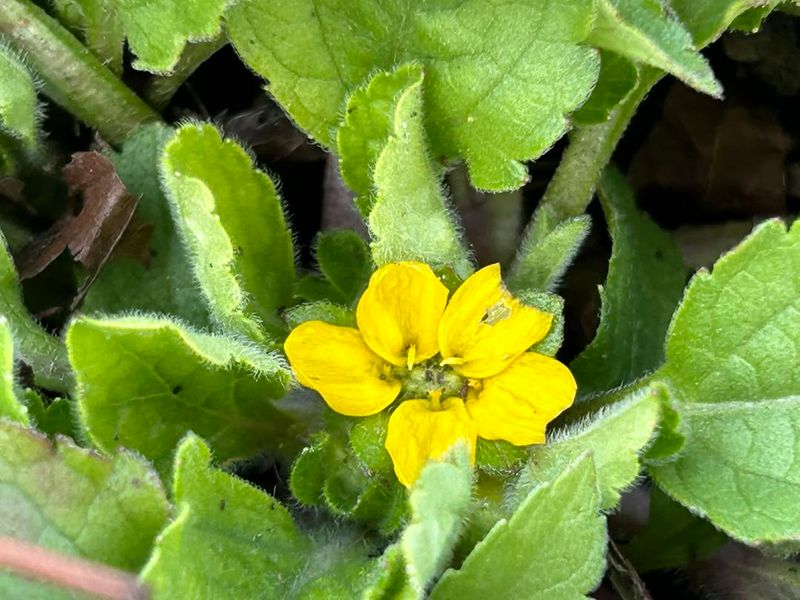
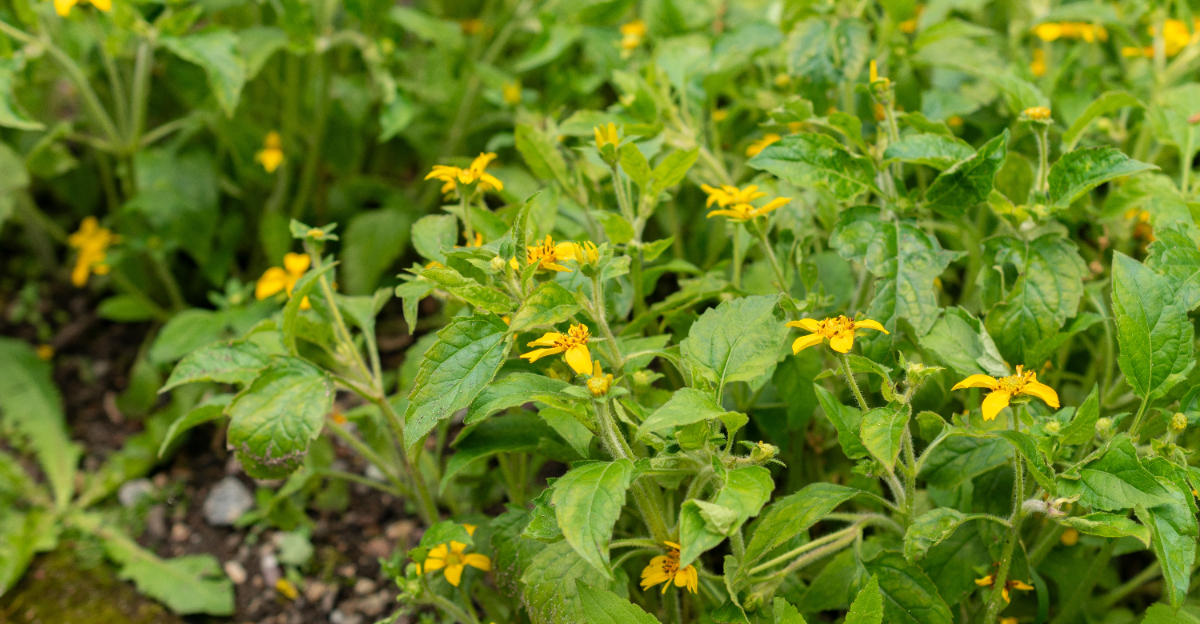
If a part-shade border is looking thin and uninspiring where grass has given up, Green and Gold offers a reliable fix with a cheerful payoff. Chrysogonum virginianum is a low-growing native ground cover valued for its long season of yellow, daisy-like flowers and tidy foliage.
Its native range spans the eastern United States, and it is considered regionally native and appropriate for Ohio native-style gardens by sources including the Lady Bird Johnson Wildflower Center and USDA Plants Database.
The flowers bloom heavily in spring and often reappear sporadically through summer and into fall, which is more seasonal interest than most ground covers offer.
The foliage stays low and relatively compact, making it useful along bed edges, woodland borders, and low-traffic spaces where thin turf has been a recurring problem.
It is not a substitute for lawn in areas with regular foot traffic, but as a defined ground cover in a contained space, it performs consistently.
Chrysogonum virginianum prefers moist, well-drained soil and part shade, though it can handle average soil conditions and some sun once established. In hotter parts of Ohio, afternoon shade helps it stay vigorous through summer.
It can spread by runners and may self-seed in favorable spots, so giving it a defined planting area and thinning occasionally keeps it where you want it without much effort.
May is a good month to plant it in Ohio because the moderate temperatures and spring soil moisture support steady root development. Space plants about twelve inches apart, water them in well, and add a light layer of mulch to keep the soil from drying out too fast.
Avoid planting in heavy shade or soggy spots, where flowering will be sparse and root problems can develop.
7. Try Woodland Phlox Where Spring Color Meets Light Shade
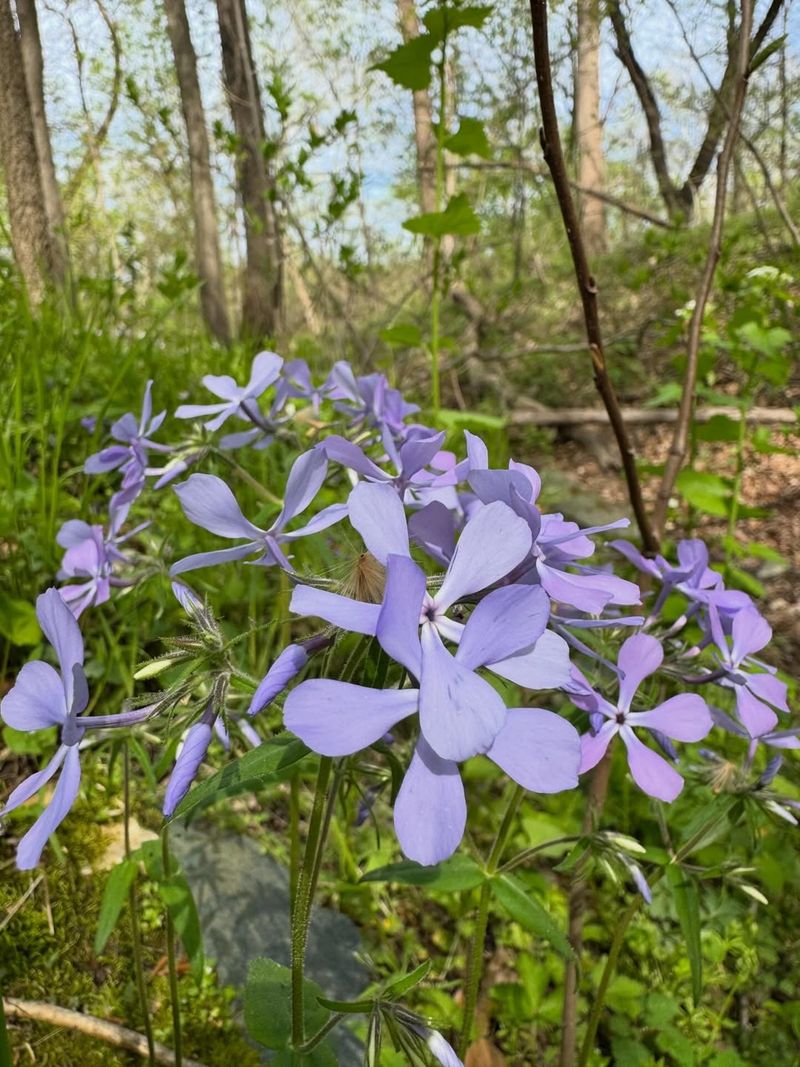
Few spring-blooming natives bring the kind of soft, fragrant color that Woodland Phlox does to a lightly shaded Ohio garden in May.
Phlox divaricata is an Ohio native documented by the USDA Plants Database and Ohio State University Extension as a spring-blooming perennial or low ground cover found naturally in Ohio’s woodland edges, open forests, and floodplain margins.
Its flowers range from soft blue to lavender and pale purple, and they carry a light, pleasant fragrance that makes a shaded path feel genuinely inviting.
Woodland Phlox works well in light shade, under open shrubs, along woodland path edges, and in spots where turfgrass thins under the canopy of larger trees. It is not a dense evergreen mat and should not be treated as a high-traffic lawn replacement.
Rather, it is most valuable for replacing small or medium-sized patches of struggling grass with seasonal color and real native plant habitat value for pollinators, including native bees and butterflies.
It prefers moist, humus-rich, well-drained soil and benefits from some protection against hot afternoon sun, especially in southern Ohio where summer heat can be more intense. In northern Ohio, it generally handles a bit more sun exposure without issue.
It can form loose, spreading colonies in good conditions but is not aggressive and is easy to manage with light thinning every few years.
Planting in May in Ohio takes advantage of warm soil and reliable spring moisture. Set transplants into amended soil, water deeply at planting, and mulch lightly with shredded leaves to keep roots cool and moist.
Consistent watering through the first season helps the plant establish a strong root system before its first Ohio winter.