Texas Gardeners Plant These Strong Scented Plants To Help Deter Scorpions
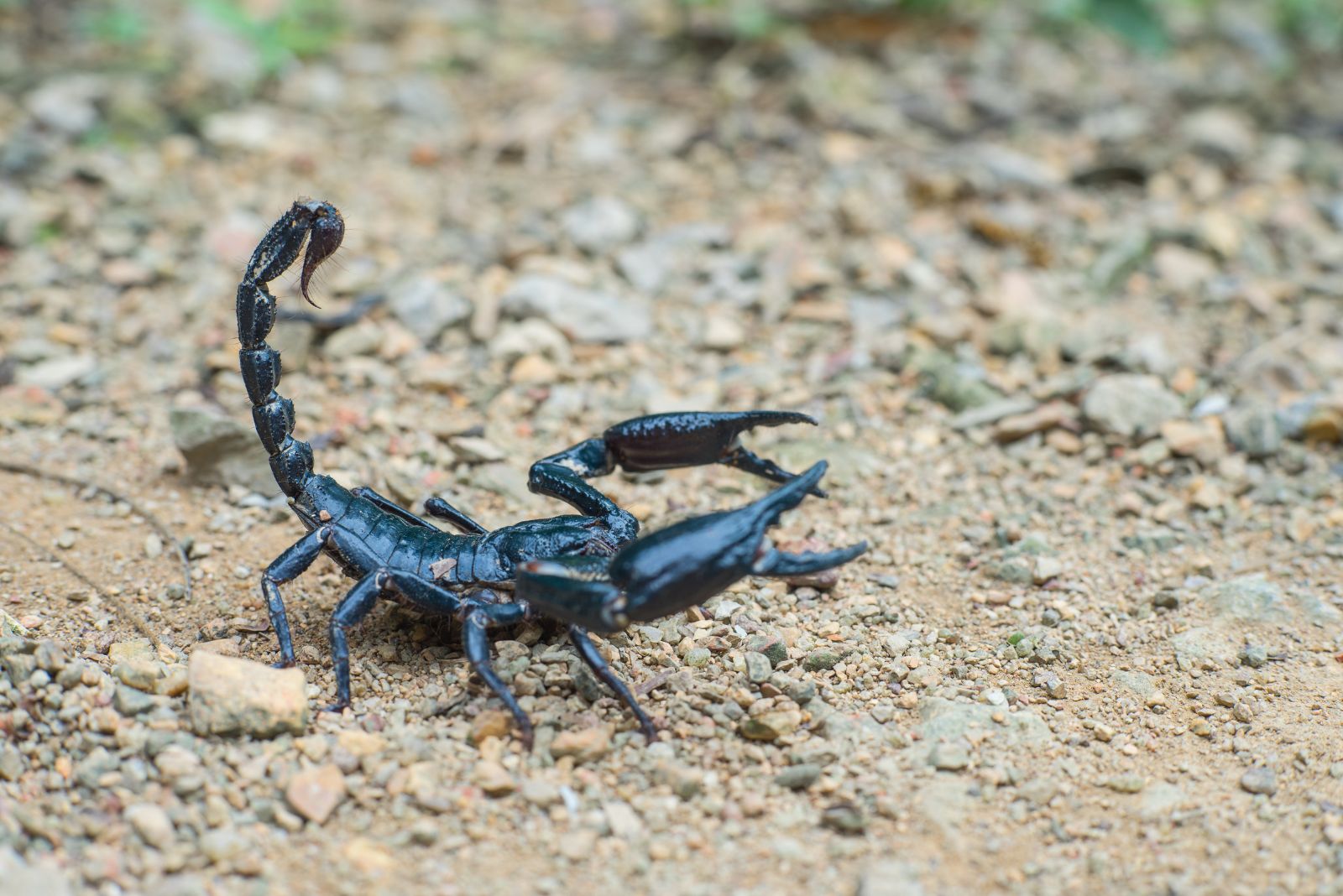
Living in Texas means sharing your space with some creatures that most people would rather not think about too much, and scorpions are near the top of that list for a lot of homeowners.
They show up in garages, under rocks, along foundation walls, and occasionally inside the house in ways that make even the most outdoorsy Texans uncomfortable.
It’s one of those realities of Texas living that never fully stops being unpleasant no matter how long you’ve been here.
Chemical treatments work to a degree, but applying pesticides around the perimeter of your home on a regular basis isn’t something everyone wants to commit to, especially in garden spaces where beneficial insects, pets, and children are part of the picture.
What’s worth knowing is that certain strongly scented plants produce compounds that scorpions genuinely avoid.
Building those plants into your landscape creates a natural deterrent that works around the clock without any spraying, mixing, or reapplying on your part.
1. Lavender
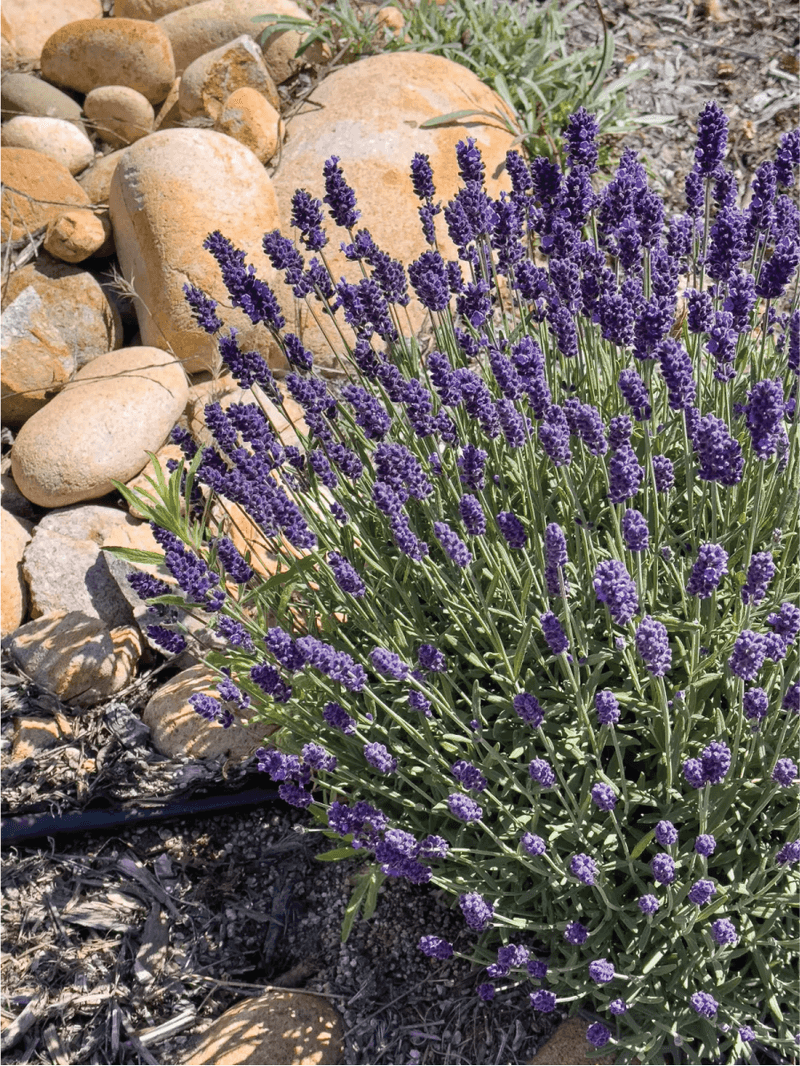
Walk past a patch of lavender on a warm Texas afternoon and you will immediately understand why so many gardeners love it. That sweet, powerful fragrance fills the air and does more than just smell wonderful.
Many Texas homeowners plant lavender along walkways and near patios specifically because the strong scent is believed to help discourage scorpions and other unwanted pests from moving in.
Lavender is surprisingly tough for such a pretty plant. It thrives in hot, dry conditions, which makes it a natural fit for the Texas climate.
Once established, it needs very little water, and it handles the blazing summer sun without much fuss. You can plant it in raised beds, along borders, or in large containers near your entryways.
Beyond pest deterrence, lavender attracts pollinators like bees and butterflies, which are great for any garden. The blooms also make lovely cut flowers and can be dried for use indoors.
Planting lavender in clusters rather than single plants tends to create a stronger scent barrier. Varieties like Spanish lavender and Provence lavender tend to perform especially well in Texas gardens.
Regular trimming after blooms fade helps keep the plant healthy and bushy. If you have never grown lavender before, it is one of the easiest fragrant herbs to start with.
Gardeners across Texas swear by it as both a beautiful landscape addition and a natural way to help make their outdoor spaces feel a little safer and more comfortable throughout the year.
2. Rosemary
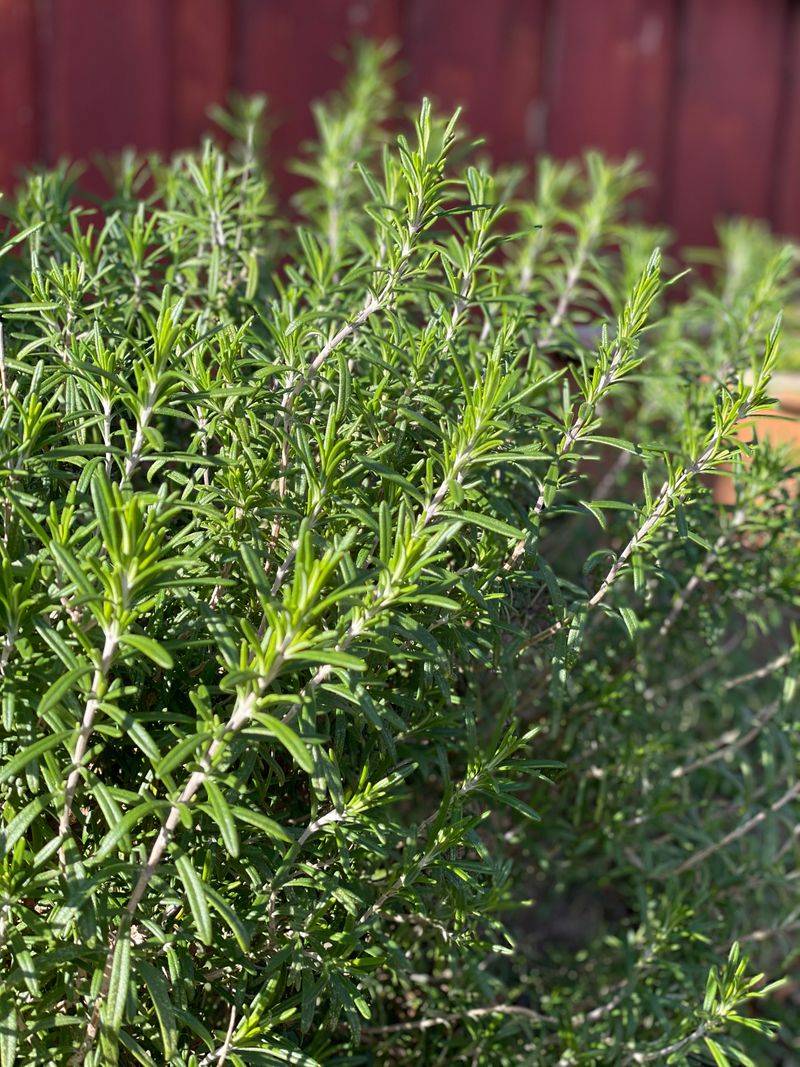
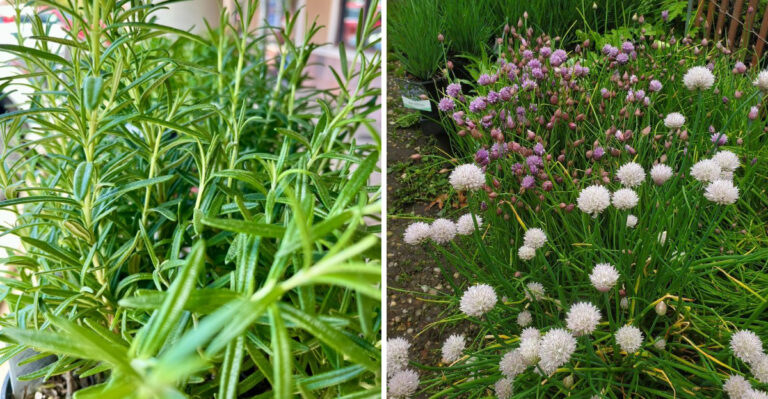
Rosemary has been a staple in Texas landscapes for decades, and it is easy to see why. This rugged, aromatic shrub can handle intense heat, poor soil, and long stretches without rain.
For Texas gardeners looking to add both beauty and function to their yards, rosemary checks every box. Its needle-like leaves release a bold, piney scent that many believe helps deter scorpions and other pests from hanging around.
Planting rosemary along garden borders or near the foundation of your home is a popular strategy in Texas. The strong fragrance acts almost like an invisible barrier.
Your Texas Garden Changes Every Week. Your Plan Should Too.
Gardening in Texas changes quickly throughout the season. Every Friday you’ll receive a simple weekly plan showing exactly what to plant, prune, fertilize, harvest, and protect so you never miss the right timing.
When the leaves are brushed or crushed, the scent becomes even more intense, which may make it even more effective at keeping unwanted visitors away. Rosemary grows into a full, dense shrub over time, giving you both coverage and fragrance.
One of the best things about rosemary is how low-maintenance it is once it gets established. Water it occasionally during dry spells, give it plenty of sun, and it will reward you with year-round greenery.
In many parts of Texas, rosemary stays green all winter long. It also doubles as a cooking herb, so you get a functional and beautiful plant in one.
Bees absolutely love the tiny blue flowers that appear in spring. You can shape rosemary into hedges or let it grow freely.
Either way, it adds serious charm and a strong scent profile that makes outdoor spaces in Texas feel both welcoming and naturally protected.
3. Mint
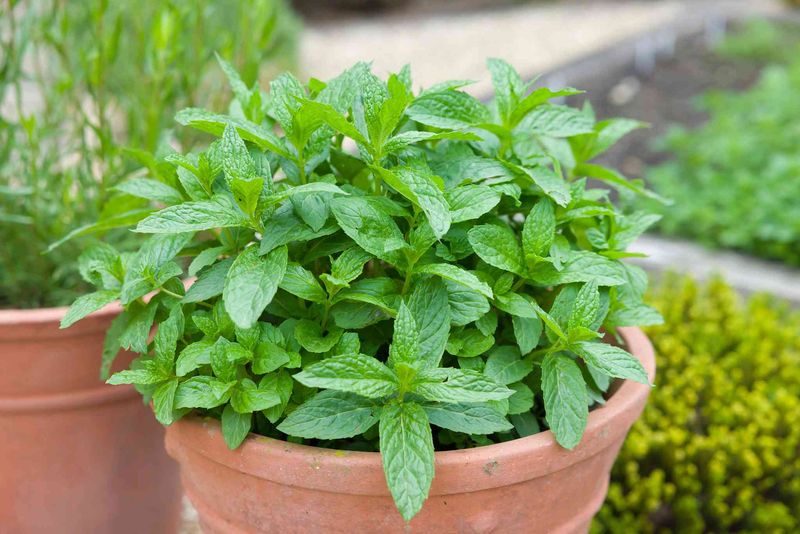
Few plants pack as much scent punch as mint. Just brushing against a mint leaf releases a sharp, cool fragrance that is instantly recognizable.
That intense aroma is exactly why Texas gardeners have started growing mint near doorways, porches, and garden edges where scorpions might otherwise wander. The overwhelming smell is thought to confuse and discourage pests from settling nearby.
Here is the one thing every Texas gardener needs to know before planting mint in the ground: do not do it. Mint spreads aggressively through underground runners and can take over a garden bed in a single season.
Growing mint in containers is the smartest approach. Large pots or raised planters work perfectly and let you move the plants to wherever you need them most. Place them near entry points, along patios, or beside garden furniture.
Mint is incredibly easy to grow and thrives in partial shade, which is a bonus during Texas summers when full sun can be brutal. It needs regular watering to stay lush and fragrant.
Spearmint and peppermint are the most common varieties, but there are dozens of types to explore, including chocolate mint and orange mint. Trimming mint regularly keeps it bushy and encourages fresh, strongly scented growth.
Bonus tip: the fresh leaves are great for teas, cooking, and even homemade insect-repellent sprays. For Texas homeowners who want a practical, affordable, and wonderfully fragrant plant that may help keep scorpions at a distance, mint in containers is a smart and simple solution.
4. Citronella Grass
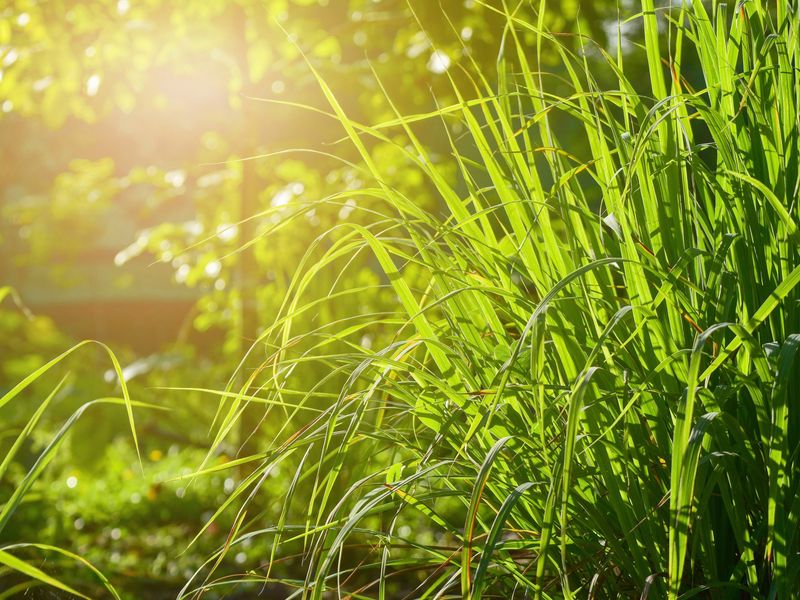
Most people associate citronella with candles and bug sprays, but the real source of that iconic citrus scent is citronella grass itself. This tall, clumping ornamental grass releases a powerful lemon-like fragrance, especially when its leaves are disturbed by wind or touch.
Texas gardeners have started planting citronella grass in outdoor living areas because the strong aroma is widely believed to help repel scorpions and a variety of other insects.
Citronella grass grows beautifully in Texas thanks to the warm climate and abundant sunshine. It can reach impressive heights, sometimes growing three to six feet tall, making it a striking visual feature in the garden.
Plant it in clusters along fence lines, near seating areas, or around the perimeter of your yard. The bold, tropical look adds real character to any Texas landscape while working double duty as a natural fragrance barrier.
One fun fact worth knowing is that citronella grass is actually related to lemongrass, the herb used in cooking. Both plants share that fresh citrus smell, though citronella grass is stronger and more suited to outdoor pest management.
It loves heat and needs well-draining soil. In colder parts of Texas, it may need protection during winter or can be grown in large containers and brought inside.
Regular watering during dry spells keeps it looking full and healthy. If you want a bold, fragrant plant that makes a visual statement while potentially helping to keep your outdoor spaces more comfortable and scorpion-free, citronella grass is a fantastic choice for Texas gardens.
5. Sage
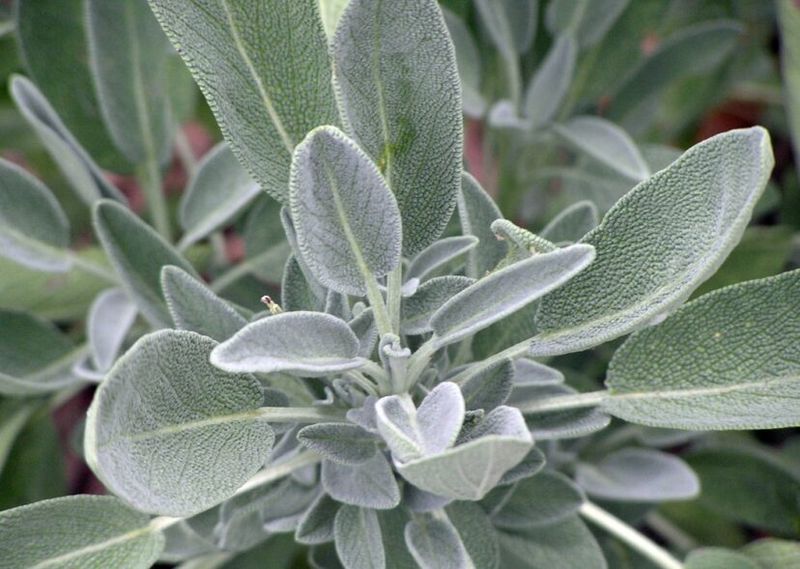
There is something almost ancient about sage. Cultures around the world have used it for centuries, both in cooking and for its believed protective properties.
In Texas gardens today, sage earns its place for a very practical reason: its pungent, earthy aroma is thought to help repel scorpions and other pests that homeowners would rather not find near their living spaces. That bold scent is hard to ignore, and apparently pests feel the same way.
Sage is perfectly suited to the Texas climate. It loves full sun and handles dry, hot conditions with ease.
Once established, sage is remarkably drought-tolerant, which means less work for you during those long Texas summers. The silvery-green leaves add a soft, textured look to garden beds, and the purple flower spikes that appear in spring are genuinely beautiful.
Plant sage near walkways, along borders, or mixed into herb gardens for maximum effect. Growing sage in Texas is straightforward. It prefers well-drained soil and does not like sitting in moisture for too long.
Give it space to spread, as mature plants can get quite bushy. Trimming after flowering keeps the plant tidy and encourages fresh growth.
Common sage, Texas sage, and pineapple sage are all popular varieties worth considering, each with its own unique scent profile. As a bonus, sage leaves are fantastic in the kitchen for seasoning meats and vegetables.
For Texas gardeners who want a no-fuss, fragrant herb that looks great and may help discourage scorpions, sage is a dependable and rewarding choice to grow.
6. Marigold
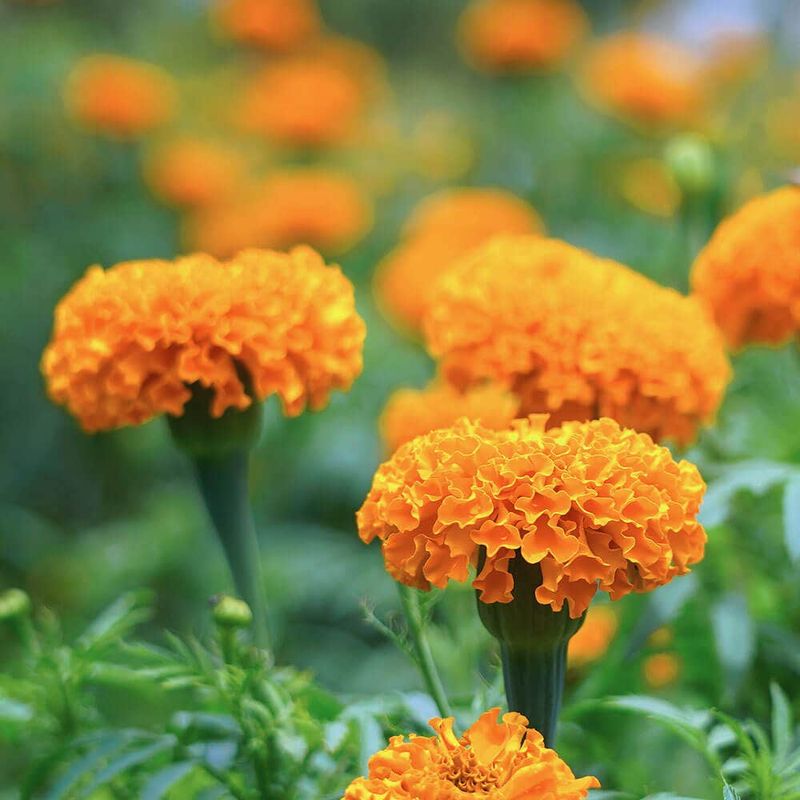
Marigolds might just be the hardest-working flowers in any Texas garden. Their bold orange and yellow blooms light up garden beds like little suns, but their real secret weapon is the smell.
Marigolds produce a sharp, distinctive scent that many gardeners swear helps keep scorpions, insects, and other pests from getting too comfortable around the home. Texas gardeners have relied on marigolds as a natural pest deterrent for generations.
Planting marigolds along the foundation of your house, around raised beds, or near entryways creates a fragrant border that looks cheerful and may serve a protective purpose at the same time.
The scent comes from compounds in the leaves and flowers that are released continuously into the surrounding air.
The stronger the sun, the more pronounced the fragrance tends to be, which works out perfectly in sunny Texas. Even brushing past a marigold plant releases a fresh burst of that peppery, herby smell.
Marigolds are incredibly easy to grow from seed or transplant, making them perfect for beginner gardeners. They thrive in Texas heat and need minimal care beyond regular watering and deadheading spent blooms to encourage continuous flowering.
French marigolds tend to have the strongest scent and are a favorite among Texas gardeners for pest management. They also attract beneficial insects like ladybugs, which help control other garden pests naturally.
Few plants offer this much color, fragrance, and function for so little effort. If you want a cheerful, budget-friendly, and potentially scorpion-discouraging addition to your Texas garden, marigolds absolutely deserve a spot in your planting plan.
7. Garlic
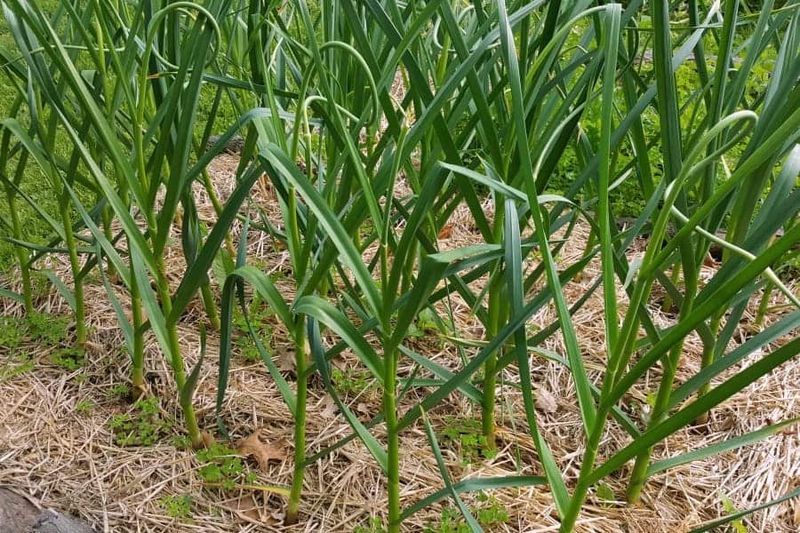
Garlic is famous in the kitchen, but Texas gardeners have discovered another reason to love it: that unmistakable, sulfur-rich smell that makes your eyes water is apparently just as off-putting to scorpions.
The sulfur compounds found in garlic are powerful natural chemicals that create an intense scent barrier when garlic is planted or its juice is applied around the garden.
For homeowners in Texas looking for natural ways to help protect their outdoor spaces, garlic is a surprisingly effective option.
Planting garlic cloves along garden borders, near doorways, or around the perimeter of your yard is a popular technique among Texas gardeners. As the plants grow, they continuously release that sharp aroma into the surrounding soil and air.
Even the green garlic tops have a noticeable scent that may help discourage pests from moving through the area. Some gardeners also crush fresh garlic and mix it with water to create a simple spray for garden beds and exterior walls.
Garlic grows well in Texas during the cooler months, typically planted in fall for a late spring harvest. It needs well-drained soil, regular watering, and full sun to produce healthy bulbs.
Hardneck and softneck varieties both perform well in Texas gardens depending on your region. The best part is that after the growing season, you end up with a fresh harvest of garlic for cooking.
So you get a natural pest deterrent, a beautiful green garden plant, and a delicious food crop all from the same plant. For practical Texas gardeners, garlic is a total win from the ground up.