The Native Michigan Bulb You Should Never Dig Up After Blooming No Matter What
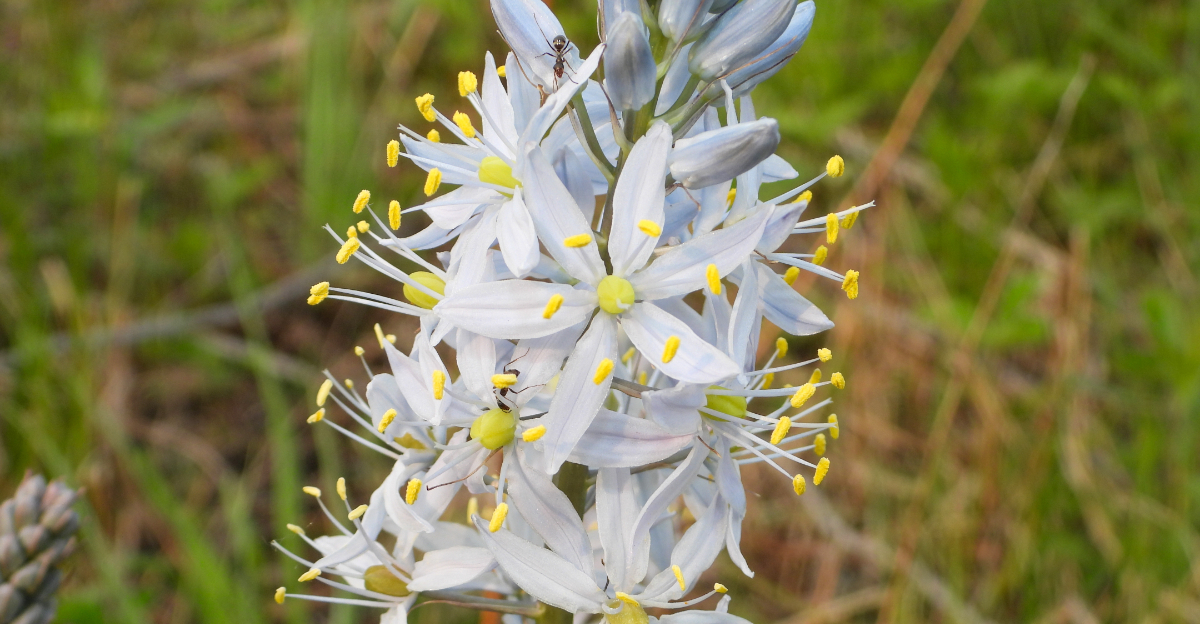
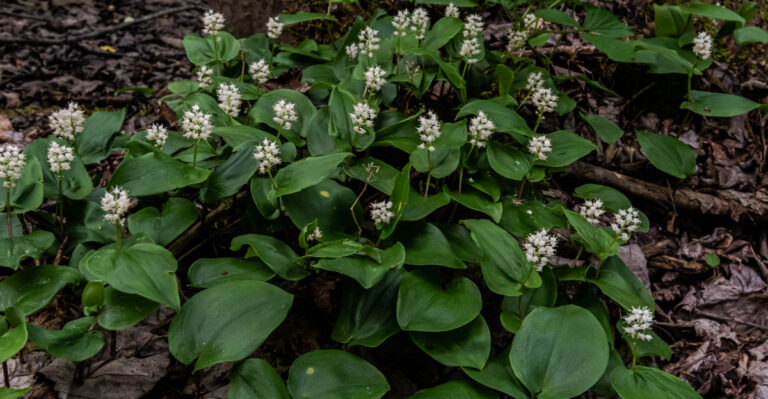
Wild hyacinth is one of Michigan’s most quietly impressive native bulbs, sending up slender stems lined with pale blue flowers each spring before most of the garden has fully woken up.
It blooms reliably, supports early pollinators at a time when food sources are still limited, and fits naturally into woodland edges, meadow plantings, and native garden beds without ever demanding much attention.
Where things go wrong for a lot of gardeners is what happens after the blooms fade.
The foliage that follows is unremarkable, and the temptation to tidy it up or dig the bulbs entirely is understandable. Doing either is a mistake that costs the plant more than most people realize.
Wild hyacinth needs that post bloom period to do critical work underground, and interrupting that process weakens the bulb, reduces next year’s flowering, and can eventually eliminate a plant that was thriving just seasons before.
Understanding what is actually happening beneath the soil after the flowers go explains exactly why leaving it alone is the single most important thing you can do for it.
1. Wild Hyacinth Needs Its Leaves To Recharge The Bulb
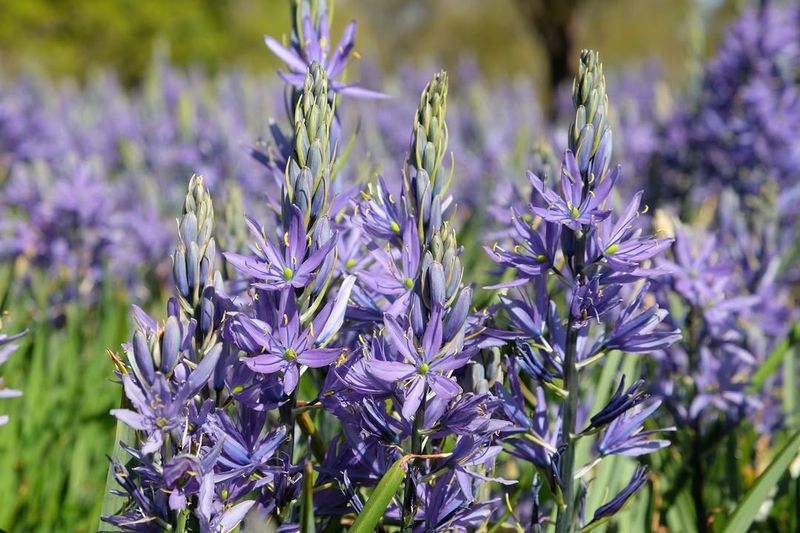
Right after those gorgeous pale blue flowers fade, something important is still happening underground. The leaves of Wild Hyacinth are working overtime, soaking up sunlight and converting it into energy through photosynthesis.
That energy travels straight down into the bulb, building up the food reserves it needs to produce next year’s flowers.
Many Michigan gardeners see the fading blooms and assume the plant is finished for the season. But cutting or digging at this stage is one of the worst things you can do for your Camassia scilloides.
The foliage needs to stay green and intact for several weeks after blooming ends, sometimes stretching well into early summer.
Think of the leaves as the plant’s personal solar panels. Without them, the bulb simply cannot store enough energy to bloom strongly the following spring.
Gardeners who pull bulbs too early often notice weaker, smaller flowers in future seasons, and sometimes no flowers at all. Patience here truly pays off in a big way.
Letting those leaves naturally yellow and wither on their own schedule gives the bulb every advantage it needs to thrive year after year in Michigan’s unique growing conditions. The wait is absolutely worth it.
2. The Plant Naturally Goes Dormant In Early Summer
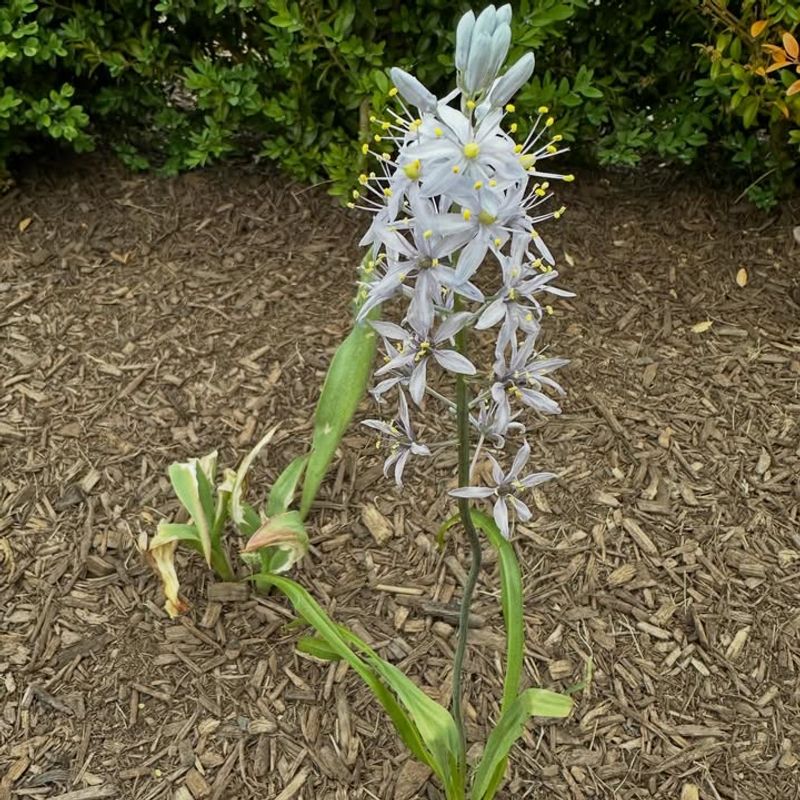
Watching a plant go from beautiful blooms to yellowing, floppy leaves can feel alarming. For Wild Hyacinth growing in Michigan, though, that change is completely normal and actually a sign of a healthy plant doing exactly what it should.
Camassia scilloides follows a reliable seasonal rhythm that has worked for thousands of years.
Once temperatures climb and the soil begins to dry slightly in early summer, this native bulb shifts into dormancy. It pulls all its remaining energy inward, retreating into the safety of the bulb underground.
The above-ground parts fade away naturally, and the plant essentially takes a long summer rest before the whole cycle begins again in spring.
Your Michigan Garden Changes Every Week. Your Plan Should Too.
Gardening in Michigan changes quickly throughout the season. Every Friday you’ll receive a simple weekly plan showing exactly what to plant, prune, fertilize, harvest, and protect so you never miss the right timing.
Mistaking this dormancy for disease or failure leads many gardeners to dig up perfectly healthy bulbs. Once you understand the natural cycle of Camassia scilloides, you start to see those yellowing leaves as a reassuring sign rather than a problem.
The bulb is alive, resting, and preparing for another spectacular bloom season. In Michigan, where summers can get warm and dry after a wet spring, this dormancy cycle is especially important.
Trusting the process and resisting the urge to intervene makes all the difference for long-term garden success with this wonderful native plant.
3. Digging Disturbs Fragile Root Recovery After Blooming
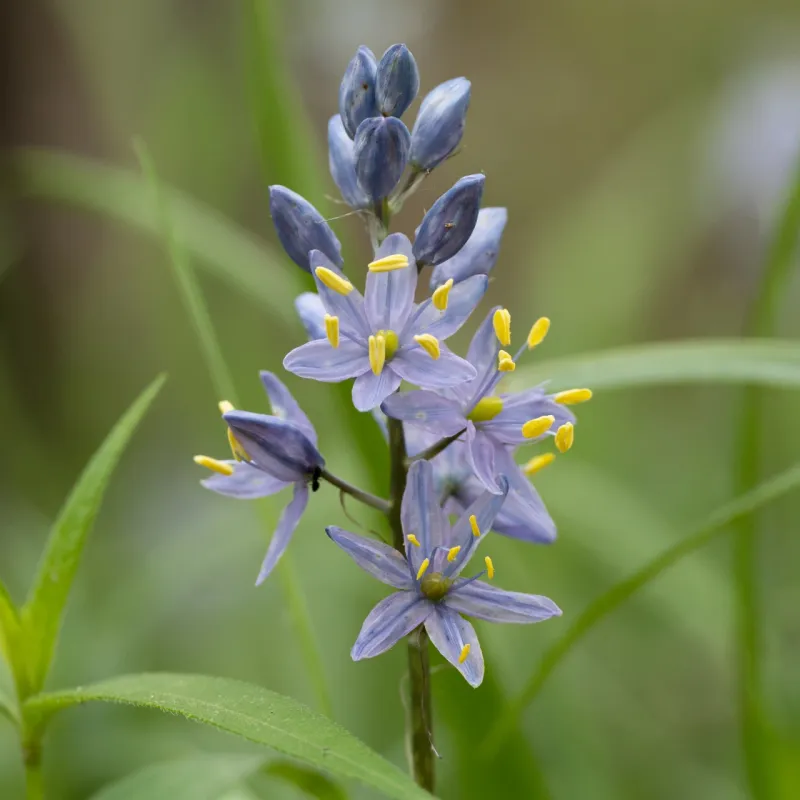
Most people focus on the flowers when they think about Wild Hyacinth, but the real action happens in the roots. Right after blooming wraps up, the bulb begins pushing out fresh root growth to anchor itself more firmly and absorb nutrients from the surrounding Michigan soil.
This is one of the most vulnerable and important stages in the plant’s entire annual cycle.
Digging into the soil during this recovery window does real damage. Those tender new roots snap easily, and once broken, they cannot do their job of pulling in water and minerals.
A bulb with damaged roots going into summer dormancy is a weakened bulb, and a weakened bulb produces fewer flowers the next spring.
Camassia scilloides has been growing in Michigan’s woodland edges and open meadows for a very long time without any human help. Part of its success comes from completing that post-bloom root recovery phase without interruption.
Even well-meaning gardeners who dig carefully still disturb the surrounding soil structure, which affects moisture retention and microbial activity that the roots rely on. Giving the plant its space during this critical window costs you nothing but a little patience.
The reward is a stronger, more deeply rooted colony that comes back bigger and more impressive every single spring season.
4. Wild Hyacinth Naturalizes Better When Left Completely Undisturbed
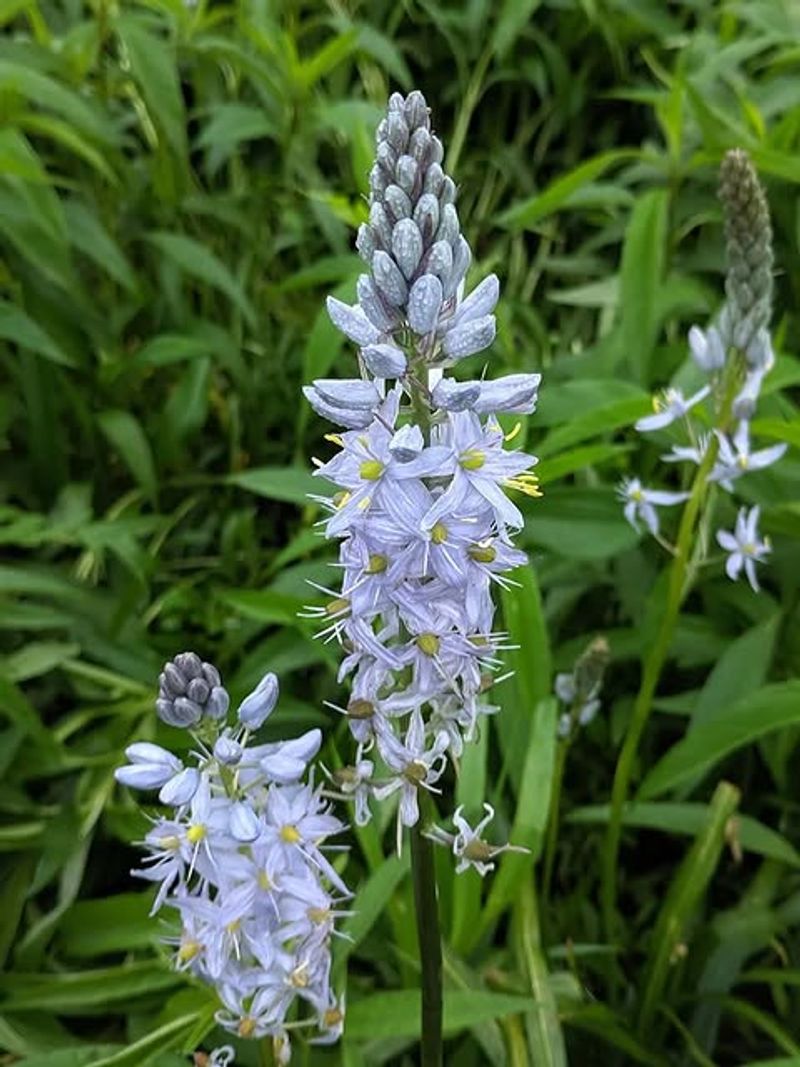
One of the most exciting things about growing Camassia scilloides in Michigan is watching a small planting slowly spread into a breathtaking colony of flowers over several years.
Wild Hyacinth naturalizes beautifully when given the right conditions and, most importantly, when left alone to do its thing at its own pace.
Each bulb produces small offset bulbs called bulblets over time, and these eventually grow into full-sized flowering plants on their own. Seeds also contribute to colony spread when conditions are favorable.
Both of these natural processes take years to build momentum, and frequent digging resets the clock every single time you do it.
Michigan gardeners who commit to a hands-off approach are often rewarded with stunning spring displays that grow more impressive with each passing year.
A colony that has been undisturbed for five or more years can cover a surprisingly large area with those gorgeous pale blue flower spikes.
Repeatedly digging and replanting the bulbs breaks up established clusters, damages offsets, and scatters seeds before they can germinate properly.
The best strategy is simple: plant your Wild Hyacinth in the right spot from the start, give it good moist spring conditions, and then step back.
Michigan’s native soils and seasonal patterns do most of the work for you when you let them.
5. Michigan Winters Support The Bulb’s Natural Dormancy Cycle
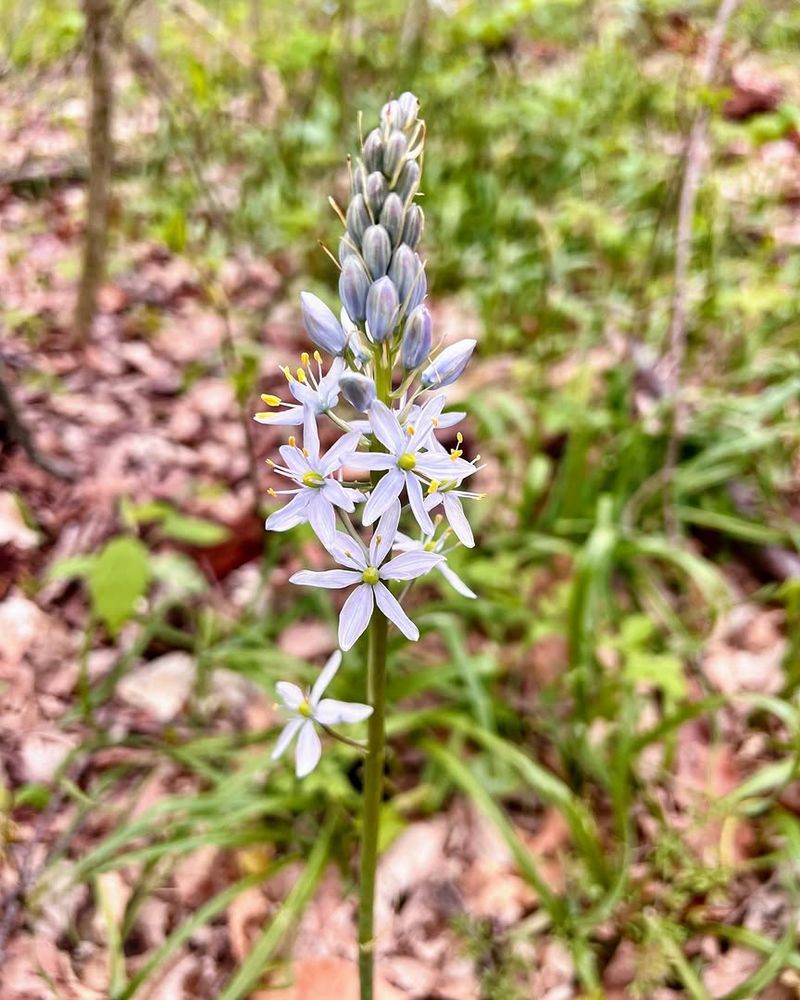
Michigan winters might feel brutal, but for Wild Hyacinth, those cold months are actually a gift. Camassia scilloides evolved alongside Michigan’s climate over thousands of years, and the cold dormancy period is built into the plant’s biological programming.
Without a proper cold period, the bulb cannot complete its internal reset and may bloom poorly or not at all the following spring.
When you leave the bulbs in the ground through winter, they experience exactly the temperature fluctuations and soil moisture cycles they need. Freezing and thawing soil, snow cover, and cold rain all play a role in signaling the bulb that spring is approaching.
This natural clock is incredibly precise and reliable when left undisturbed.
Digging the bulbs up and storing them indoors over winter removes them from this essential process. Even if you try to replicate cold storage conditions in a refrigerator or garage, it is very difficult to perfectly match what Michigan’s natural environment provides.
Many gardeners who experiment with indoor storage find that their Wild Hyacinth blooms are smaller and less vigorous the following year.
Keeping the bulbs in the ground where they belong, nestled in Michigan soil through the full cold season, is the simplest and most effective way to guarantee a healthy, vibrant spring bloom every single year without extra effort.
6. Moist Spring Soil And Dry Summer Dormancy Are A Perfect Match
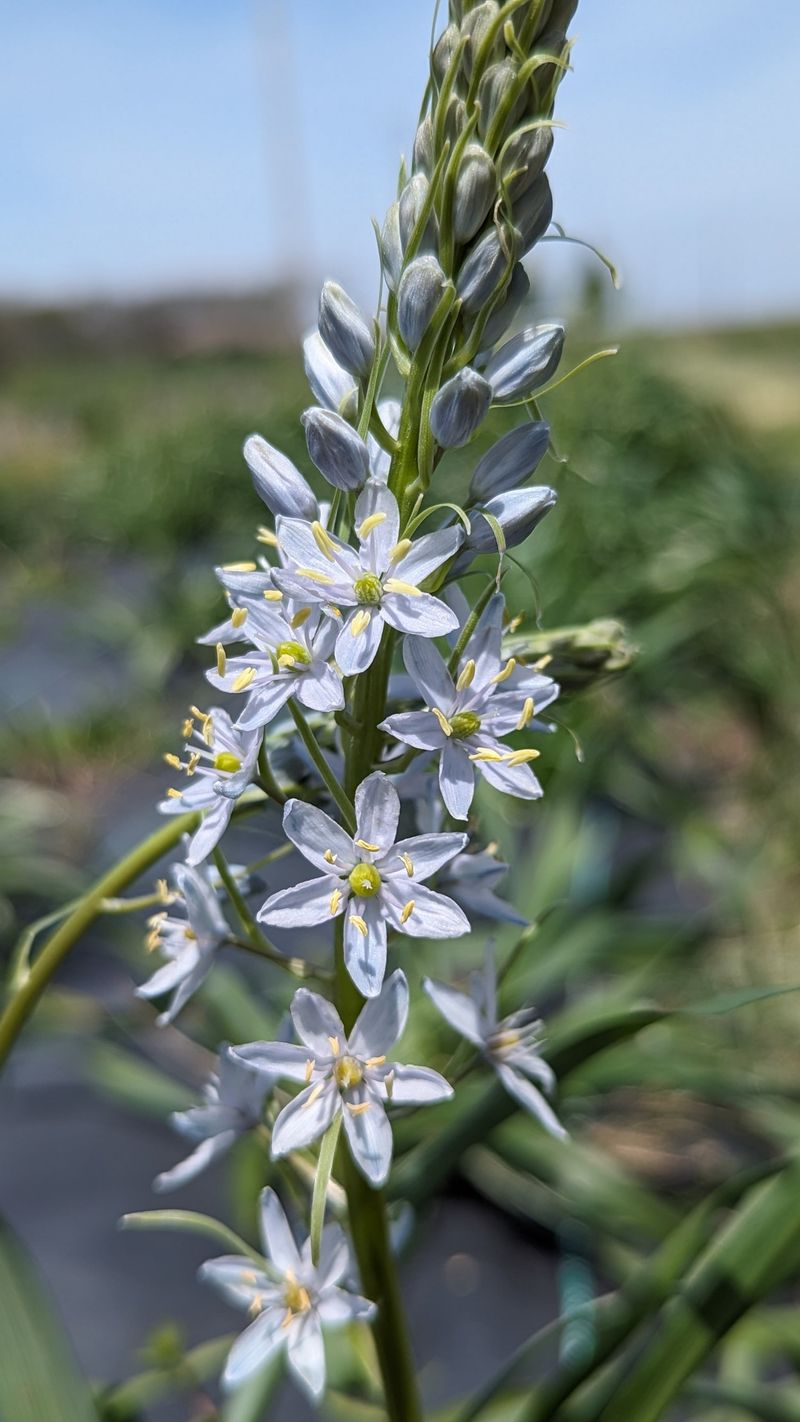
Wild Hyacinth has very specific soil preferences that are perfectly matched to Michigan’s seasonal weather patterns. In spring, when rainfall is frequent and soil stays consistently moist, Camassia scilloides pushes up its leaves and flowers with impressive energy.
Then, as summer arrives and the soil gradually dries out, the plant retreats underground right on schedule.
This wet-then-dry cycle is not a coincidence. It is the exact rhythm Wild Hyacinth evolved to follow in Michigan’s woodland edges, open meadows, and prairie-like habitats.
The plant thrives because the environment naturally provides what it needs at exactly the right time, without any help from a garden hose or a shovel.
When you dig up the bulbs after blooming, you disrupt the stable soil environment the plant has carefully settled into. Replanting, even in the same spot, changes the soil structure, air pockets, and moisture-holding capacity around the bulb.
Recovery from that disruption takes energy the bulb needs for blooming. Michigan gardeners who work with the plant’s natural habitat preferences, rather than against them, consistently get the best results.
Choosing a planting location that mimics the moist spring and drier summer conditions of Wild Hyacinth’s native habitat, and then leaving it alone, is the most practical and rewarding approach any gardener can take with this native species.
7. Native Pollinators Rely On Established Wild Hyacinth Colonies
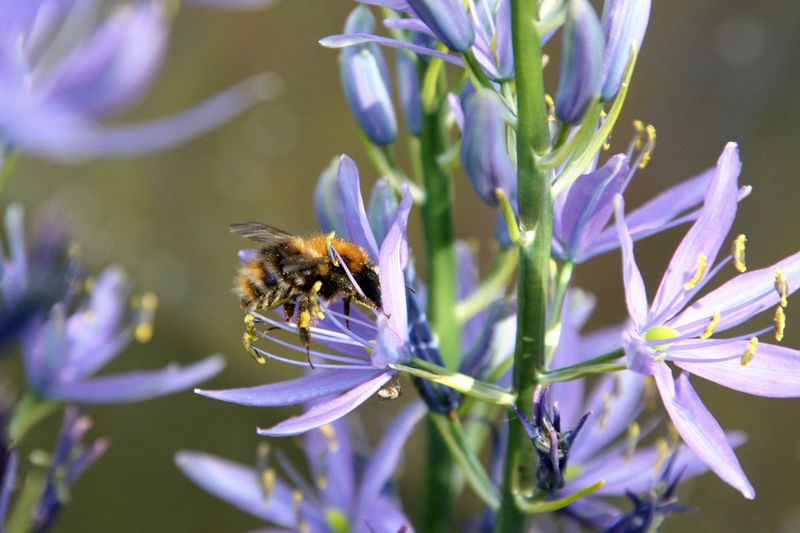
Walk up to a blooming Wild Hyacinth colony in Michigan during May and you will almost certainly find pollinators buzzing around those pale blue flower spikes.
Native bees, butterflies, and other beneficial insects are drawn to Camassia scilloides as one of the most reliable spring nectar sources in the region. The relationship between this plant and Michigan’s native pollinators runs deep.
Established, undisturbed colonies provide a consistent and predictable food source that pollinators actually learn to return to year after year.
Insects remember where reliable food is located, and a colony that blooms in the same spot every spring becomes a trusted stop on their foraging routes.
Repeatedly digging and moving bulbs breaks that pattern and reduces the colony’s overall flower output, leaving pollinators with less to work with.
Building a strong pollinator-friendly garden in Michigan means thinking long-term, and Wild Hyacinth rewards that long-term thinking beautifully. A colony that has been growing undisturbed for several years will produce far more flowers than a repeatedly disturbed planting of the same size.
More flowers mean more nectar, more pollen, and more support for the bees, butterflies, and other creatures that Michigan’s ecosystem depends on every spring.
Protecting your Wild Hyacinth colony is one of the simplest and most impactful things a Michigan gardener can do for local wildlife and native plant conservation.