Michigan Gardeners Who Skip This Step In May End Up Replanting Their Tomatoes By June
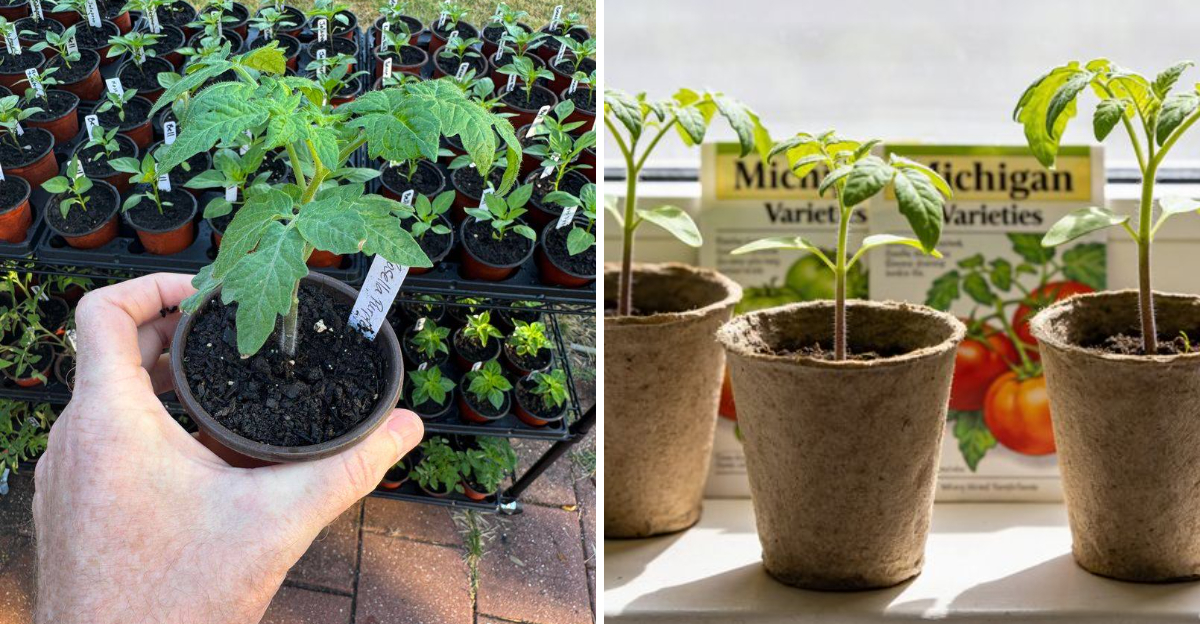
May in Michigan makes tomato season feel irresistible. The days warm up, garden centers fill with seedlings, and suddenly it seems like planting time has officially arrived.
That is usually when trouble starts. Tomatoes raised indoors are not ready for full sun, spring wind, and chilly Michigan nights the moment they hit the garden.
Move them out too fast and they can end up stressed, scorched, or badly stalled just when they should be taking off. That is why hardening off matters so much.
A gradual introduction to outdoor conditions helps tomato seedlings adjust before planting day. It is a simple step, but skipping it is one of the fastest ways to turn an exciting May planting into a frustrating June replant.
1. Hardening Off Helps Tomatoes Handle Stress
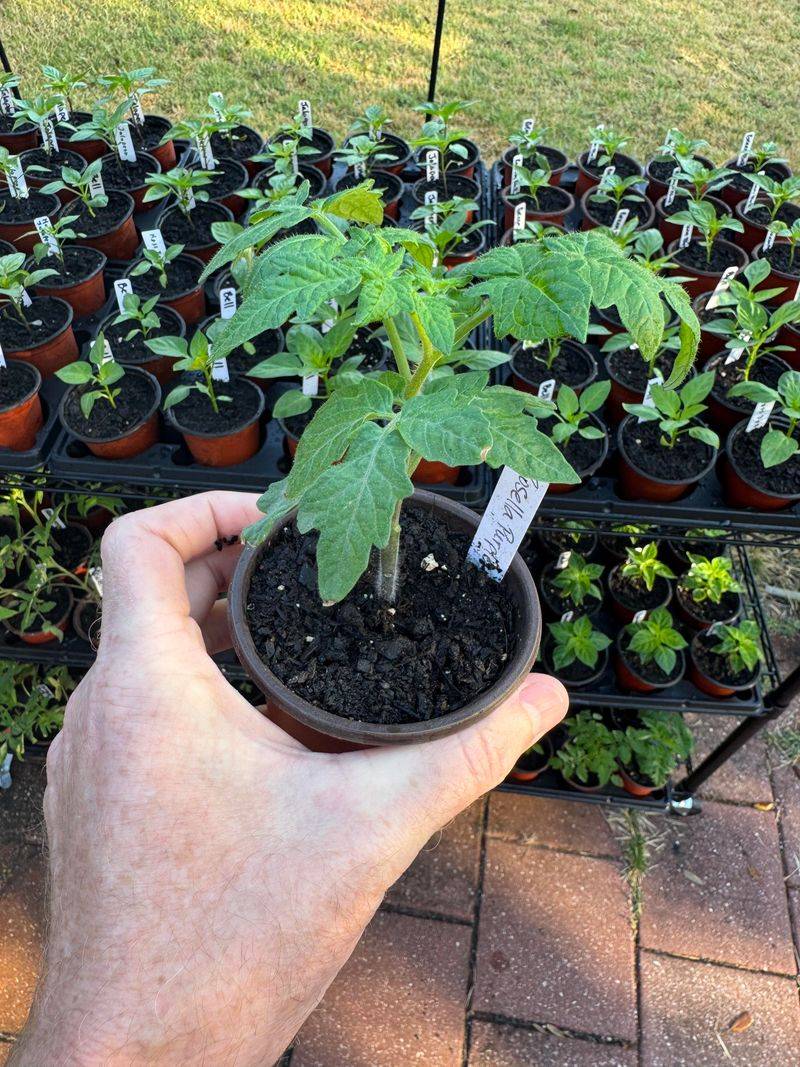
After spending weeks under grow lights or on a warm windowsill, tomato seedlings have no idea what outdoor life feels like. Their leaves are soft, their stems are slender, and their root systems have only ever known the calm of an indoor environment.
Moving them straight into a garden bed in Michigan is a big jump, and plants often show the strain quickly.
Hardening off is the process of introducing seedlings to outdoor conditions gradually, usually over the course of seven to ten days. During that window, plants start to build toughness.
Their cell walls thicken slightly, their stems begin to firm up, and their leaves adjust to real sunlight rather than the filtered or artificial light they grew under indoors.
Starting with just an hour or two of outdoor exposure each day, then slowly increasing that time, gives seedlings a chance to adapt without being overwhelmed. A shaded porch or a spot out of direct afternoon sun works well for the first couple of days.
Michigan spring weather can shift quickly, so keeping an eye on the forecast during this period helps protect young plants from unexpected cold snaps or strong gusts that could set them back before they even reach the garden.
2. Skipping Hardening Off Can Set Tomatoes Back
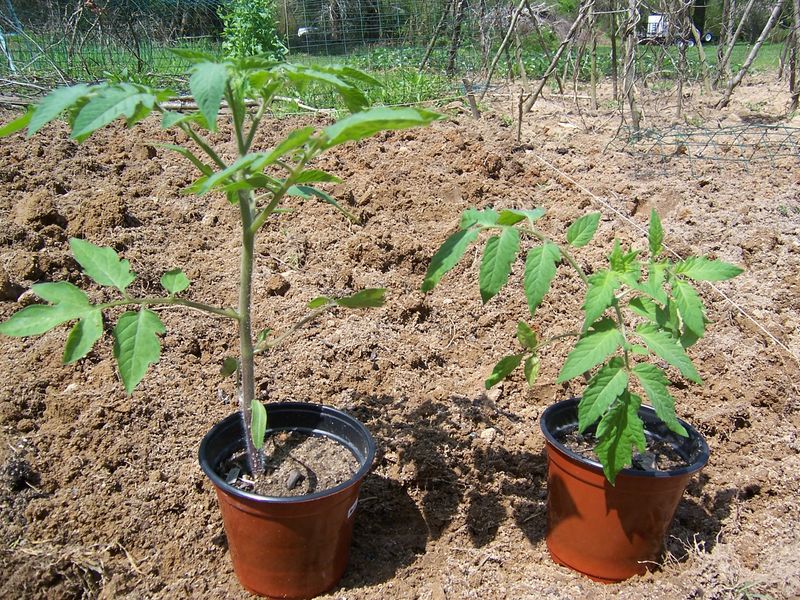
Gardeners who plant tomatoes straight from the house into the garden often notice something unsettling within the first few days. Leaves may turn pale, curl at the edges, or develop a papery, bleached appearance.
Stems that looked healthy indoors can suddenly seem weak and floppy once exposed to outdoor wind and direct sun without any preparation.
What is happening is a form of environmental shock. The plant was thriving in one set of conditions and was then suddenly placed in a completely different one.
Photosynthesis can slow down, root activity may drop off, and overall growth can stall for a week or more while the plant tries to recover and recalibrate.
In Michigan, where May weather can include cool nights, strong lake-effect breezes, and intense midday sun all in the same week, that adjustment period is even harder on unprepared seedlings.
Some plants recover fully after a rough start, but others stay stunted or struggle to produce well for the rest of the season.
Your Michigan Garden Changes Every Week. Your Plan Should Too.
Gardening in Michigan changes quickly throughout the season. Every Friday you’ll receive a simple weekly plan showing exactly what to plant, prune, fertilize, harvest, and protect so you never miss the right timing.
Gardeners who skip hardening off and then see their tomatoes sitting still in the garden through late May and early June often end up pulling those plants and starting over with new ones, losing several weeks of the growing season in the process.
3. A Week Of Hardening Off Helps
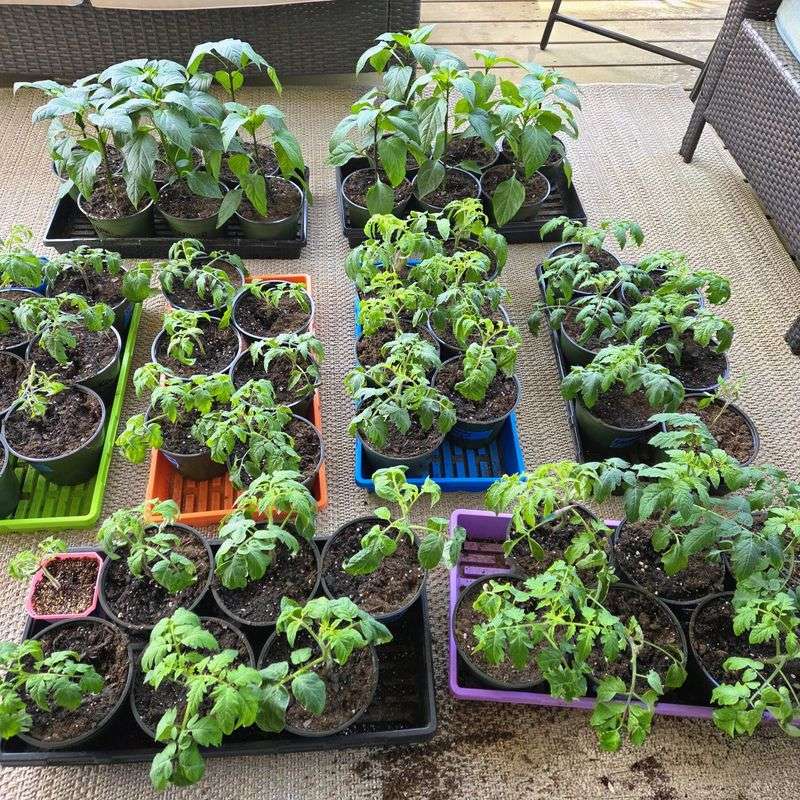
Seven to ten days of outdoor exposure can make a real difference for tomato seedlings before they go into the ground. The process does not need to be complicated or time-consuming.
Setting plants outside for a short period each day, then bringing them back in before temperatures drop in the evening, is usually enough to get things moving in the right direction.
On the first day or two, even one to two hours outside in a spot with gentle light and some protection from wind is a solid start. By the middle of the week, most seedlings can handle three to four hours outdoors, including some direct morning sun.
By the end of the hardening period, plants can typically stay outside for most of the day and tolerate a wider range of conditions.
Michigan gardeners working with raised beds or patio setups often find this step fits naturally into a daily routine. Carry the trays out in the morning, bring them in before dinner, and gradually leave them out a little longer each day.
If a cold front moves through or a windy day picks up unexpectedly, it is fine to skip a day or bring plants in early.
The goal is gradual adjustment, not a rigid schedule, and even a loose approach to the process tends to produce noticeably stronger transplants come planting day.
4. Sun And Wind Can Shock Tomato Seedlings
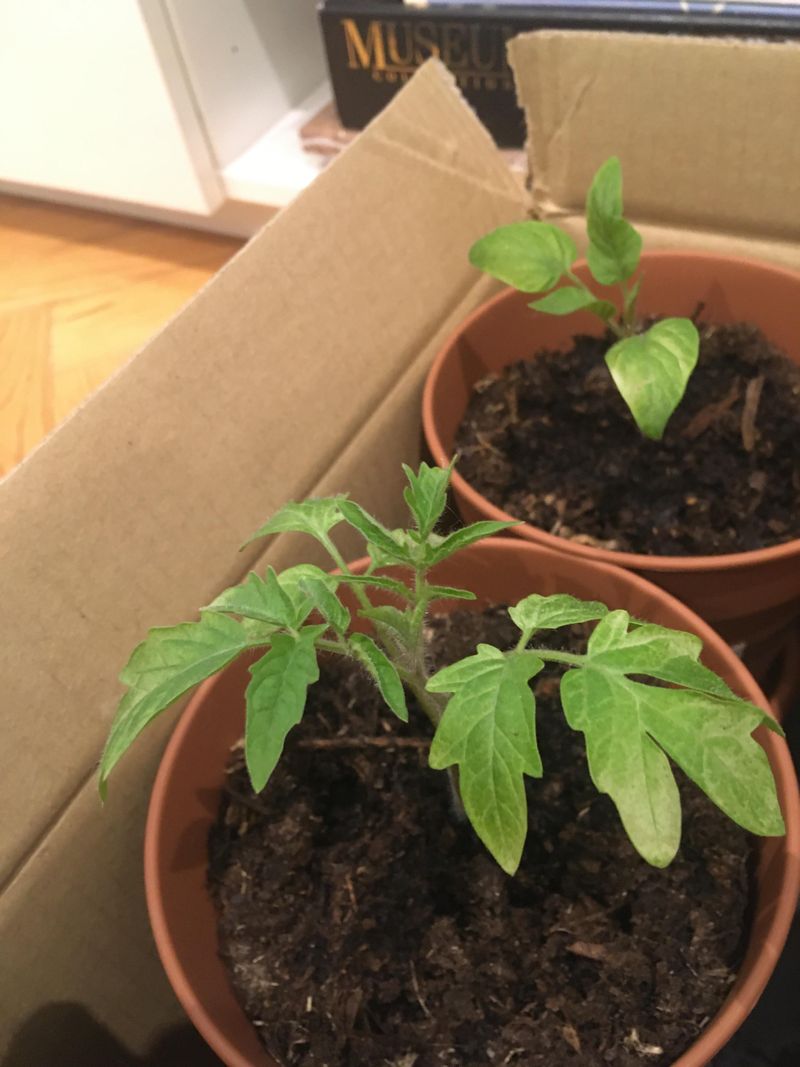
Bright May sunshine in Michigan feels wonderful after a long winter, but for a tomato seedling that has only known indoor lighting, that same sun can be overwhelming.
Seedlings grown under fluorescent grow lights or near a window receive a fraction of the light intensity they will face outside.
Direct outdoor sun, especially in the afternoon, can bleach leaves or cause them to curl and tighten as the plant tries to protect itself.
Wind adds another layer of challenge. Even a light breeze that barely rustles leaves can stress a seedling that has never experienced air movement.
Stems that grew indoors without any wind pressure are often thinner and more flexible than they need to be for garden life. Repeated wind exposure during hardening off actually helps stems thicken and become more upright over time.
In Michigan, spring afternoons can bring both strong sun and gusty winds on the same day, particularly in open garden spaces near fields or lakes.
Placing seedlings in a spot with some afternoon shade and a windbreak, such as a fence or the side of a house, during the first few days of hardening off can reduce the intensity of both stressors.
Gradually moving plants into more exposed positions as the week goes on helps them build tolerance at a pace that does not overwhelm their systems before they are ready.
5. Cool Michigan Nights Can Stress Tomatoes
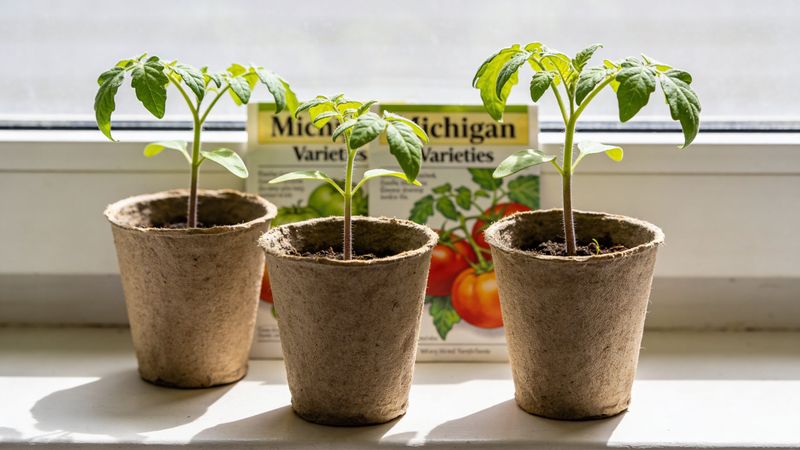
Michigan nights in May can be surprisingly cold, even when the days feel warm and inviting.
Temperatures that dip into the low 40s or even the upper 30s are not unusual during the first half of the month, and tomato seedlings that have only experienced indoor warmth are not prepared for that kind of chill without some adjustment time first.
Tomatoes are warm-season crops that grow best when nighttime temperatures stay consistently above 50 degrees Fahrenheit.
Exposure to cold nights before they have adjusted can slow root development and cause leaves to take on a purple or yellowish tint, which signals stress in the plant.
While a brief cool night may not cause lasting harm to a well-established transplant, a seedling that has not been hardened off is more vulnerable to temperature swings.
During the hardening-off period, bringing plants indoors before the evening temperature drops is an easy way to protect them while still giving them daytime outdoor exposure.
As plants toughen up over the week, they can handle cooler conditions more reliably.
Michigan gardeners who pay attention to the nightly forecast during this transition period tend to move their tomatoes into the garden with more confidence, knowing their plants have already experienced some outdoor temperature variation and are better prepared for the nights ahead.
6. Outdoor Time Helps Tomato Stems Toughen
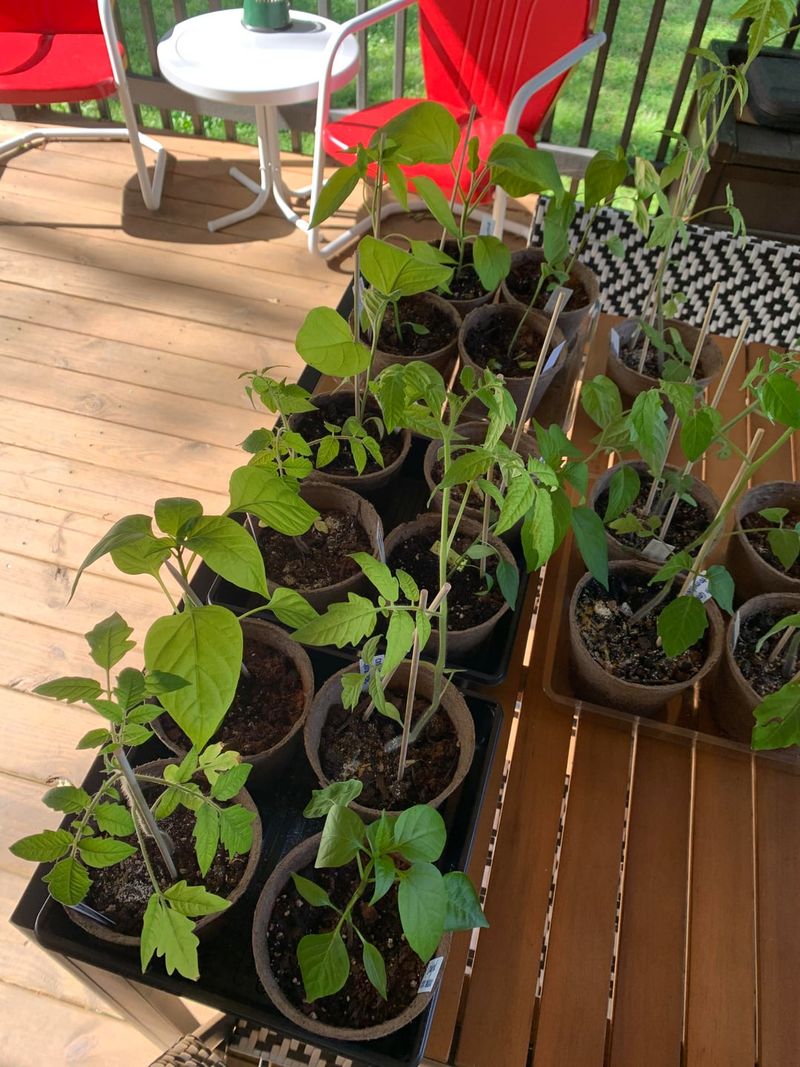
One of the quieter benefits of hardening off is what it does to tomato stems. Plants grown indoors in still air tend to develop long, slender stems that are not built to handle outdoor movement.
Give those same plants a week of gentle breezes and outdoor conditions, and something noticeable starts to happen. Stems begin to thicken and firm up as the plant responds to physical stress from air movement.
This process is sometimes called thigmomorphogenesis, which is simply the way plants respond to mechanical stimulation like wind or touch by producing stronger, more compact growth.
It sounds technical, but the practical result is straightforward: a tomato stem that has experienced outdoor wind during hardening off is more capable of supporting the plant as it grows taller and starts to carry the weight of flowers and fruit.
Michigan gardens in summer can bring plenty of wind, especially in open raised beds or garden spaces without much shelter.
A tomato plant with a sturdy stem is better positioned to handle those conditions without needing as much staking or support early on.
Gardeners who harden off their tomatoes often notice that transplanted seedlings stand upright more confidently and show less flopping or leaning in the first weeks after planting.
That early structural strength can have a positive ripple effect on how the plant grows and produces through the rest of the season.
7. Rushing Tomatoes Into The Garden Can Backfire
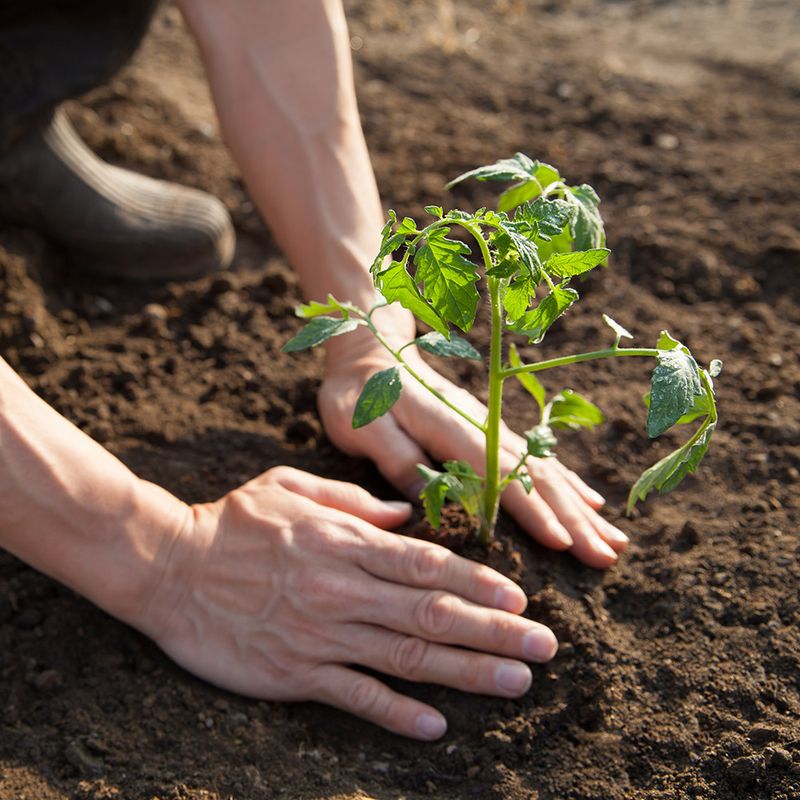
After a long Michigan winter, the first warm weekend in May can feel like an invitation to get everything planted at once.
Nurseries are stocked, the soil is finally workable, and the idea of waiting another week or two to put in tomatoes can feel unnecessary when the sun is shining and the forecast looks mild.
That impatience is completely understandable, but it is also where things tend to go sideways for a lot of tomato growers.
Tomatoes planted without hardening off may sit in the garden looking unchanged for a week or more while they recover from the stress of the transition.
In some cases, plants that were transplanted too early or without preparation end up looking worse in early June than they did on planting day in May.
Gardeners who expected to see vigorous new growth instead find themselves wondering whether to pull the plants and try again with fresh seedlings.
Waiting a little longer and spending a week hardening off seedlings before planting tends to produce a better outcome than rushing the process.
Tomatoes that go into Michigan garden beds after proper outdoor preparation often establish more quickly and start putting on new growth sooner than plants that were rushed.
The extra week of patience during hardening off can actually move the season forward rather than delay it, because plants hit the ground running instead of spending weeks just trying to recover.