Cut These 11 Oregon Spring Perennials After Bloom For More Flowers
Most gardeners treat a faded perennial bloom like a sign to move on. The flowers are done, the show is over, time to shift attention somewhere else.
But walking away from a just-finished perennial without reaching for the pruners first is leaving a significant amount of potential on the table. What happens right after bloom is actually one of the most important moments in the entire growing season.
Cutting back certain perennials at exactly the right time tricks the plant into doing something remarkable.
Instead of pouring energy into seed production, it redirects everything into pushing out a fresh round of growth and, in many cases, a whole second flush of flowers that most gardeners never knew was possible.
Oregon’s long growing season is ideal for this strategy because there’s enough warmth left after spring blooms fade to fully support another round of flowering before fall arrives.
A few well-timed cuts now and your garden stays colorful and exciting long after the neighbors’ perennials have called it a season.
1. Yarrow
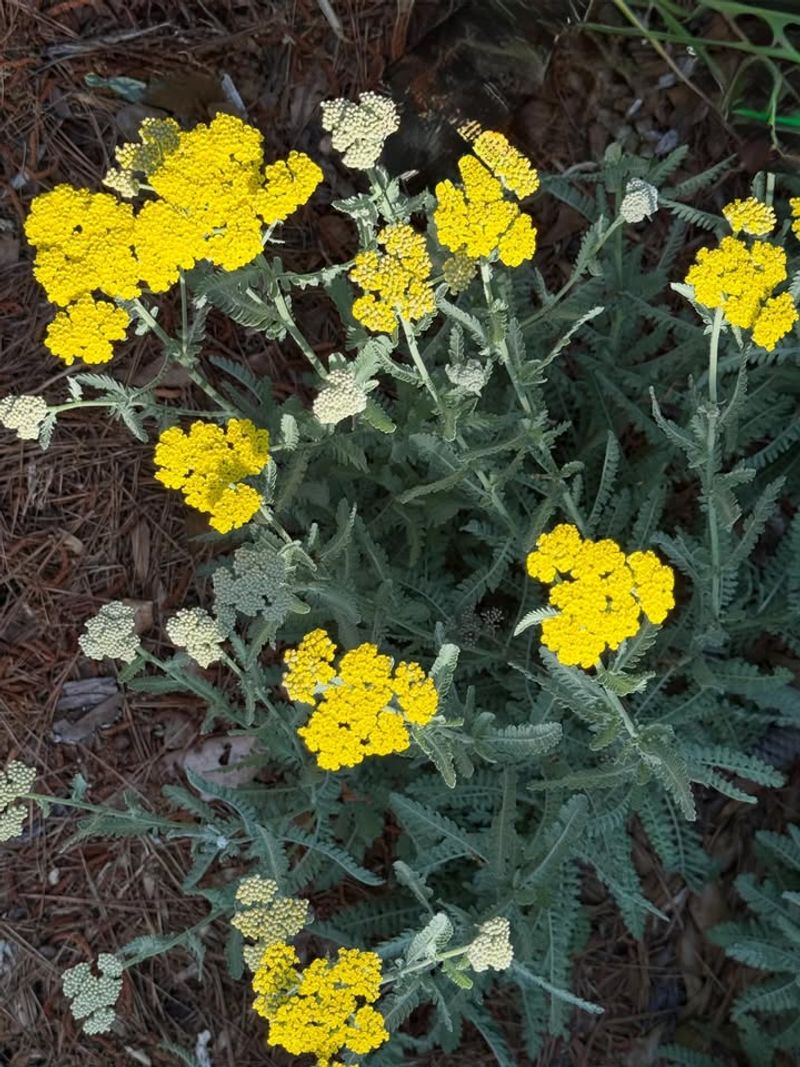
Yarrow has been growing in gardens for centuries, and for good reason. Its flat-topped flower clusters come in shades of yellow, pink, red, and white, and they attract an impressive variety of pollinators.
In Oregon, it blooms reliably in late spring and early summer, even in tough, dry conditions.
Once those first flower clusters start to brown and fade, cut the stems back to the base of the plant. New stems with fresh blooms will often emerge within a few weeks, giving you a second or even third round of color.
Regular trimming also keeps yarrow from spreading too aggressively, which can be helpful in smaller garden spaces.
Yarrow is one of the toughest perennials you can grow in Oregon. It handles poor soil, dry summers, and full sun without complaint.
In fact, too much water or rich soil can actually make it floppy and less floriferous. Keep it lean and give it plenty of sunshine for the best results.
The dried flower heads are also beautiful in arrangements, so save some before you cut them back. Yarrow pairs wonderfully with ornamental grasses and coneflowers for a natural, meadow-style planting that thrives across the Pacific Northwest.
2. Catmint
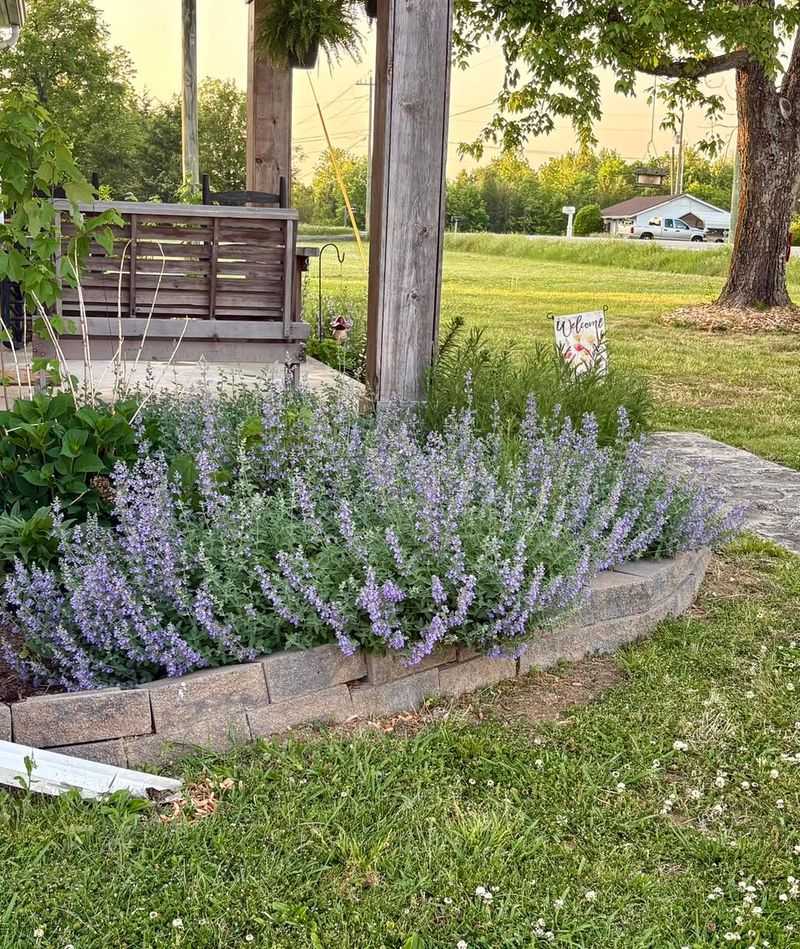
Few plants reward an Oregon gardener quite like catmint does. It spills over garden edges with soft, lavender-blue flowers that seem to go on forever.
Bees absolutely love it, and it has a wonderfully relaxed, cottage-garden feel.
After the first big flush of blooms fades in late spring, grab your garden shears and cut the whole plant back by about one-third to one-half. This simple step removes the spent flowers and encourages fresh new growth to push up from the base.
Within a few weeks, you will likely see a brand-new round of blooms appearing.
In Oregon’s mild climate, catmint can sometimes flower two or even three times in a single season if you keep trimming it back after each bloom cycle. Make sure to water it well after cutting to help it recover quickly.
Your Oregon Garden Changes Every Week. Your Plan Should Too.
Gardening in Oregon changes quickly throughout the season. Every Friday you’ll receive a simple weekly plan showing exactly what to plant, prune, fertilize, harvest, and protect so you never miss the right timing.
Catmint is also incredibly drought-tolerant once established, making it a low-maintenance favorite for busy gardeners. Pair it with roses or lavender for a stunning combination that looks effortlessly beautiful all season long.
It truly earns its place in any Pacific Northwest garden bed.
3. Salvia
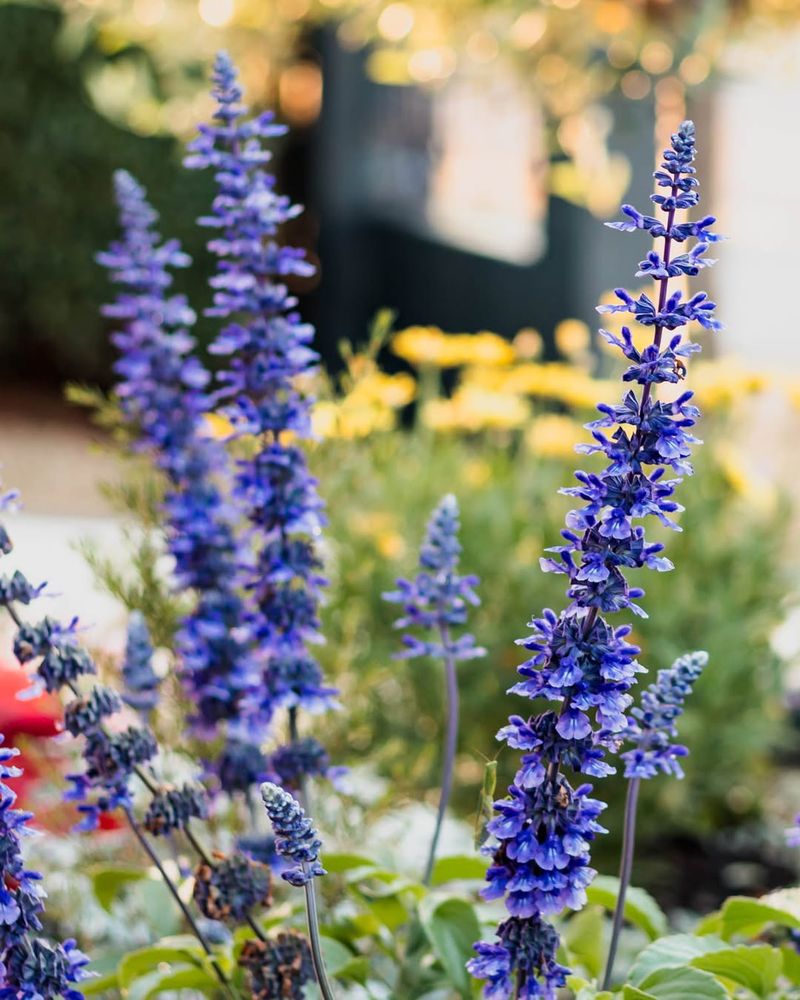
Salvia is one of those plants that looks like it belongs on a magazine cover. The tall, upright flower spikes come in shades of blue, purple, red, and pink, making them a showstopper in any Oregon garden.
Hummingbirds and pollinators simply cannot resist them.
Once the first round of blooms starts to fade, cut the flower stalks back to just above the nearest set of healthy leaves. This is called deadheading, and it tells the plant to put its energy into producing new flowers instead of making seeds.
You will often see a second flush of color within three to four weeks.
Oregon’s cool spring temperatures are perfect for salvia, and the plant thrives in well-drained soil with plenty of sunlight. Avoid cutting back too hard into the woody base, as this can stress the plant.
A light to moderate trim is all it needs to bounce back strong. Some gardeners in the Willamette Valley report getting three rounds of blooms in a single growing season just by staying on top of regular trimming.
Salvia is a must-have perennial for anyone wanting long-lasting color with minimal effort.
4. Hardy Geraniums
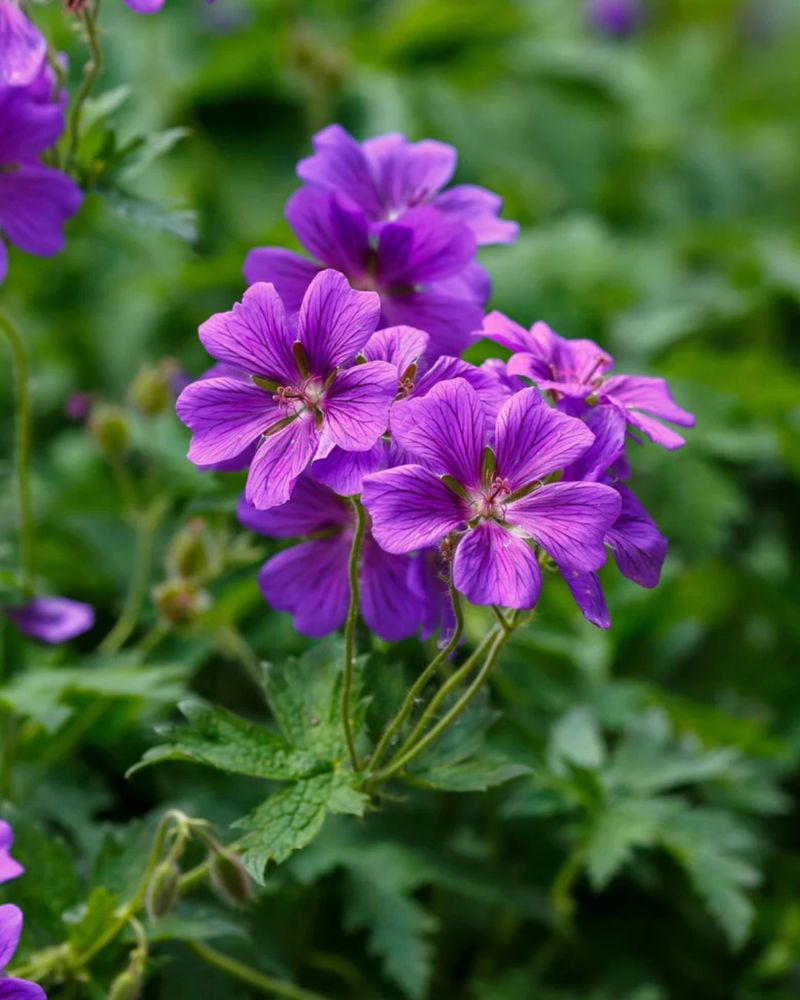
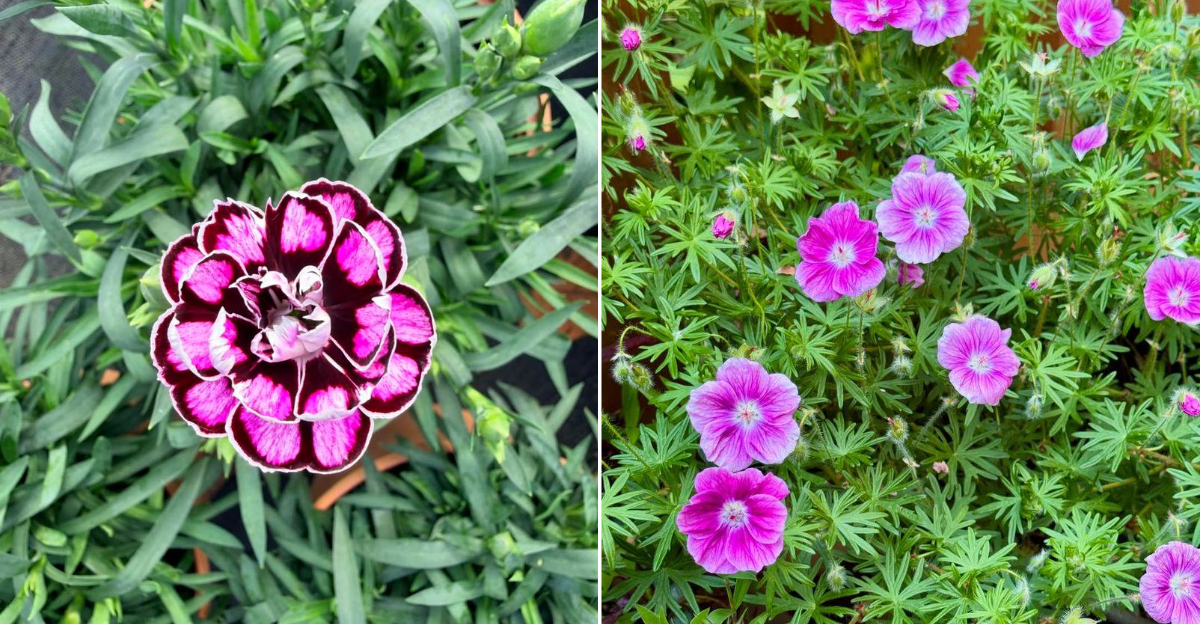
Hardy geraniums are workhorses of the Oregon garden. Unlike their tender cousins in pots, these tough perennials come back year after year without much fuss.
They spread into neat mounds covered in cheerful pink, purple, or white flowers every spring.
After the blooms start looking tired and ragged, take a pair of scissors or garden shears and cut the whole clump back by about half. It might feel a little drastic, but the plant handles it beautifully.
Fresh green foliage and a second round of flowers usually follow within a few weeks, especially in Oregon’s mild, moist spring climate.
One great thing about hardy geraniums is that they work well in both sunny and partly shaded spots, making them incredibly versatile. They look wonderful planted under roses or along the front edge of a mixed border.
Regular trimming also helps keep the plants tidy and prevents them from flopping over neighboring plants. In wetter parts of Oregon, good airflow from trimming can even help reduce the risk of powdery mildew.
These plants are forgiving, adaptable, and endlessly rewarding for gardeners of all skill levels.
5. Coreopsis
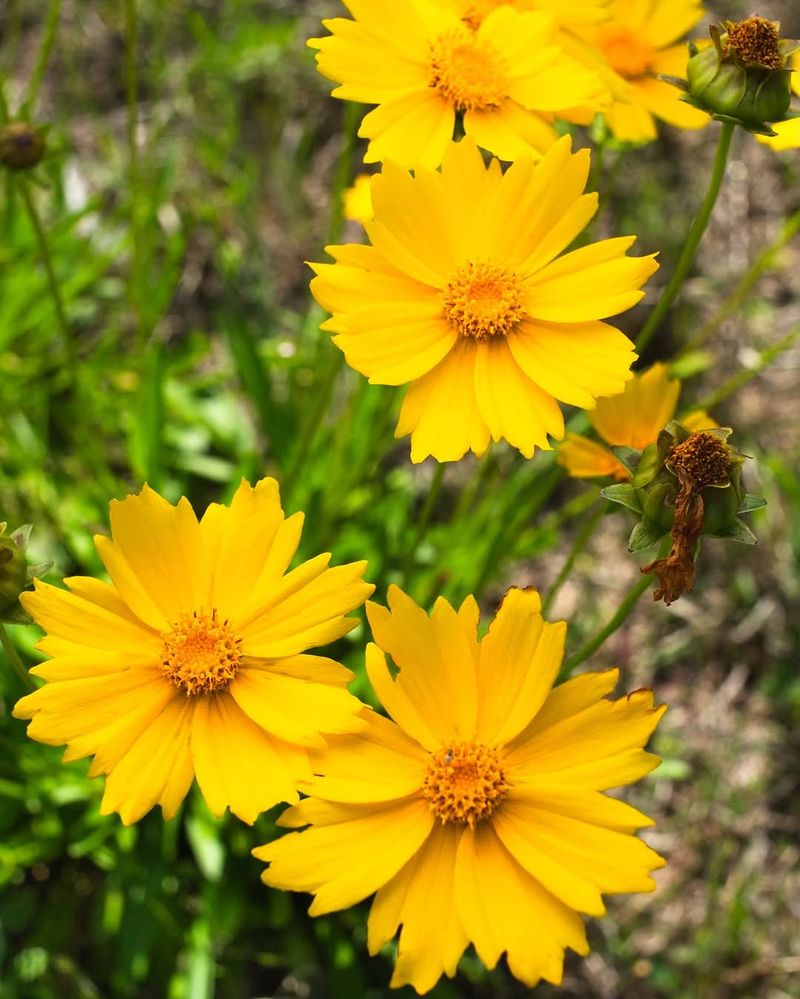
Sunshine in plant form, coreopsis lights up Oregon gardens with its bold, golden-yellow daisy-like flowers. It blooms reliably from late spring into summer and has a happy, carefree look that brightens any garden bed.
Butterflies and bees are regular visitors too.
Deadheading spent blooms regularly is the key to keeping coreopsis flowering for as long as possible. Simply pinch or snip off the faded flower heads just above the next set of leaves or buds.
Doing this every week or two during the blooming season makes a big difference in the number of flowers you get.
At the end of the main bloom period, cut the plant back by about one-third to encourage a fresh flush of growth and flowers later in the season. Coreopsis loves full sun and well-drained soil, which is easy to find in many parts of Oregon, especially in drier eastern areas.
It is also quite drought-tolerant, which is a bonus during Oregon’s dry summers. Some varieties, like Moonbeam coreopsis, are especially prolific bloomers when trimmed regularly.
Add coreopsis to a sunny border alongside salvia or catmint for a long-lasting, pollinator-friendly display that practically takes care of itself.
6. Dianthus
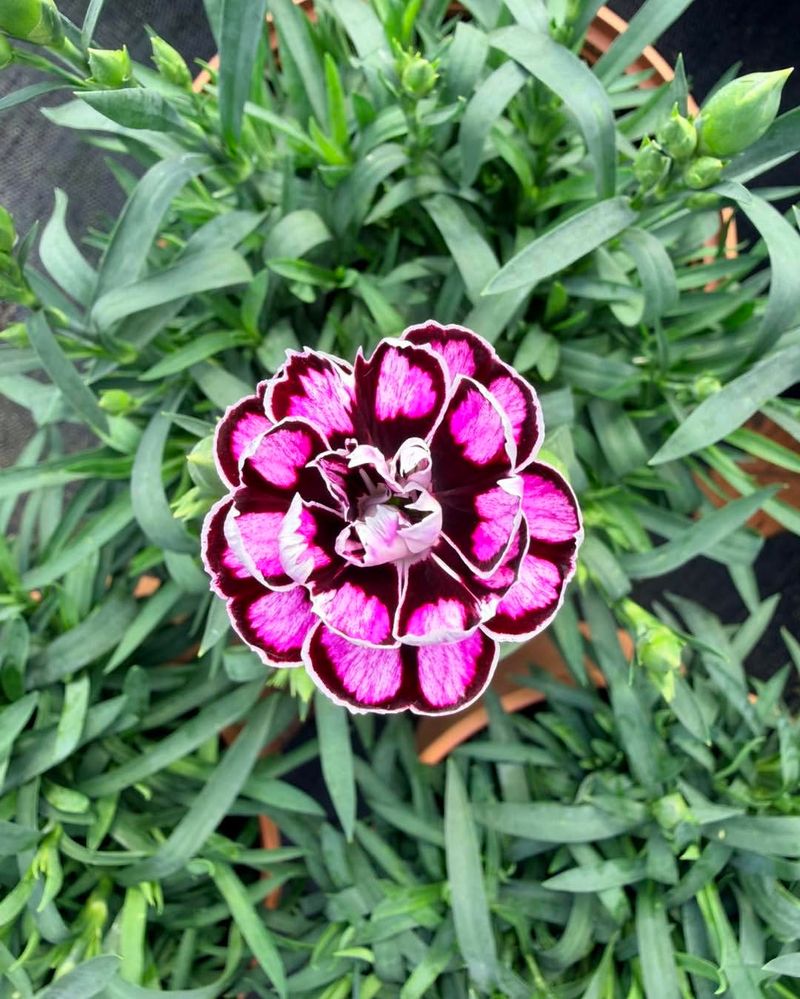
Dianthus, often called pinks, bring a delightful old-fashioned charm to any Oregon garden. The frilly, spice-scented flowers come in shades of pink, red, white, and bicolor, and they bloom enthusiastically in spring.
The spiky blue-green foliage looks attractive even when the plant is not in bloom.
Deadheading is the single most important thing you can do to extend the blooming season of dianthus. As soon as a flower fades, snip it off right at the stem.
This prevents the plant from putting energy into seed production and keeps new buds coming. For a more thorough reset, cut the whole plant back by about one-third after the main bloom flush has finished.
Dianthus loves full sun and excellent drainage, which makes it a great choice for raised beds, rock gardens, and sunny slopes throughout Oregon. It does not enjoy sitting in wet soil, especially during Oregon’s rainy winters, so good drainage is essential for keeping it healthy and vigorous year after year.
Some varieties, like Firewitch and Kahori, are especially long-blooming and fragrant. The sweet, clove-like scent of dianthus flowers is one of those lovely garden pleasures that makes stepping outside on a warm Oregon spring morning feel truly special.
7. Bee Balm
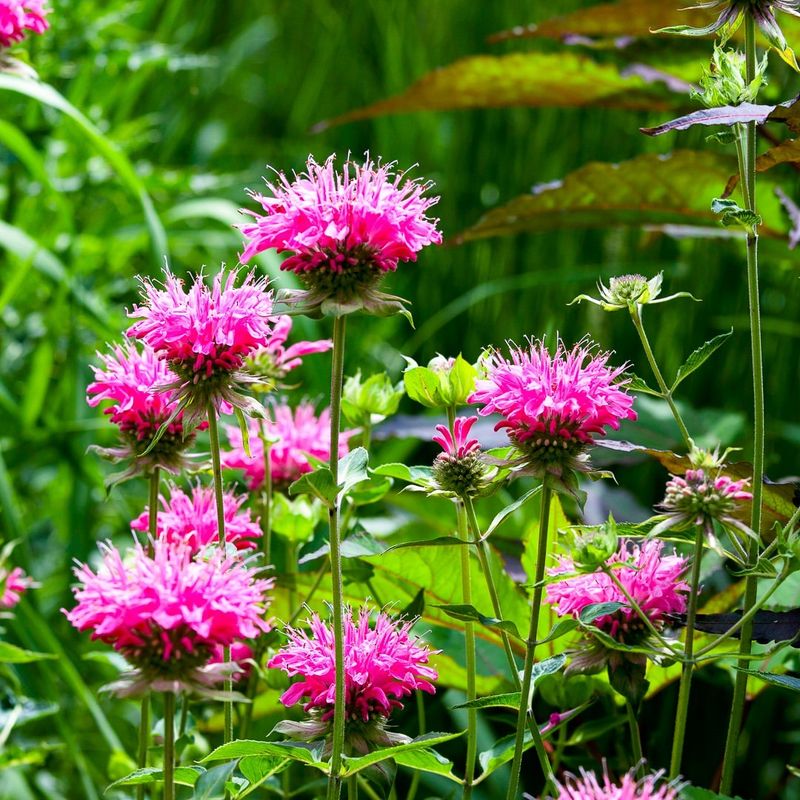
Bee balm is a showoff in the best possible way. Its wild, shaggy flowers in shades of red, pink, purple, and white look like something from a fantasy garden.
Native to North America, it thrives in Oregon’s climate and is a magnet for hummingbirds, bees, and butterflies.
After the first round of blooms fades, cut the flower stalks back to just above a set of healthy side shoots or leaves. This encourages the plant to branch out and produce more flowering stems.
You can often get a second flush of blooms in late summer if you stay on top of trimming throughout the season.
One thing to watch with bee balm in Oregon is powdery mildew, which can show up in humid conditions. Good airflow is the best prevention, and regular trimming helps a lot with that.
Choose mildew-resistant varieties like Jacob Cline or Raspberry Wine for the healthiest plants. Bee balm spreads by underground runners, so divide clumps every few years to keep them vigorous and contained.
Plant it in a spot with morning sun and afternoon shade in warmer parts of Oregon for the happiest, most floriferous results all season long.
8. Penstemon
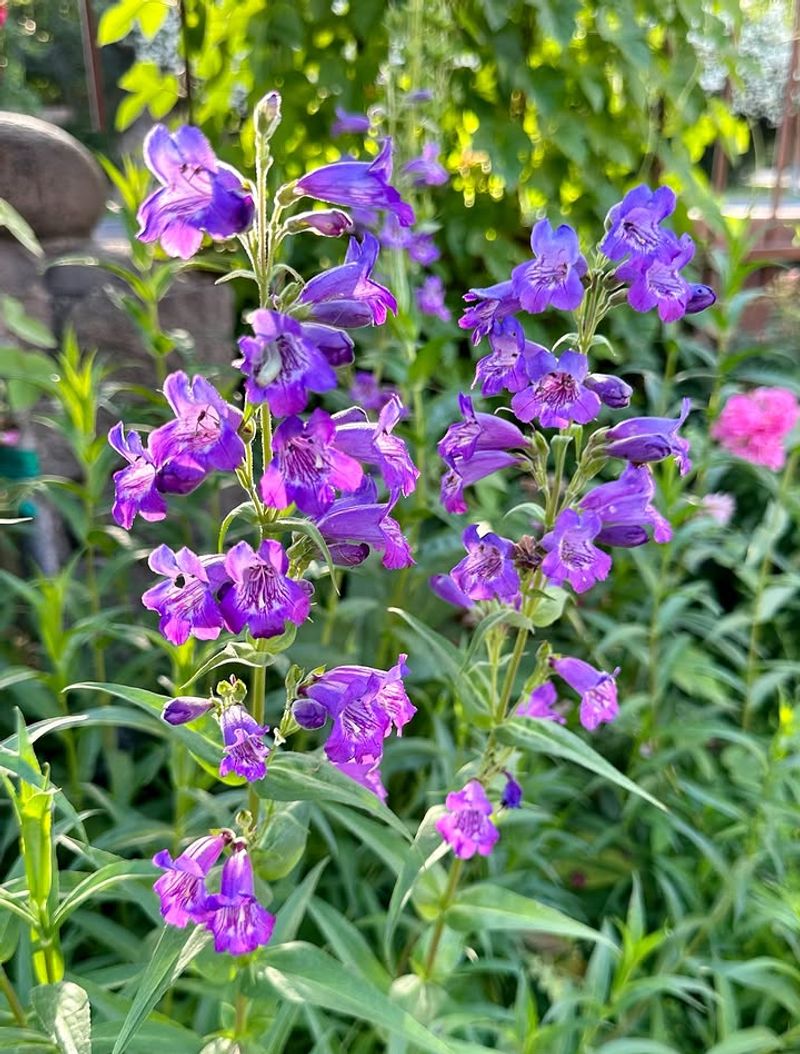
Penstemon is practically made for Oregon. Many species are native to the Pacific Northwest, and they bloom with beautiful tubular flowers in shades of red, pink, purple, and blue.
Hummingbirds are wild about them, and they look stunning in both naturalistic and formal garden designs.
After the main bloom period wraps up, cut the flower spikes back to the base of the plant or to where you can see healthy new growth forming. This tidies up the plant and redirects energy toward producing new stems and flowers.
In Oregon’s mild climate, penstemon often rewards this treatment with a second smaller flush of blooms later in the season.
Penstemon prefers well-drained soil and does not like sitting in wet conditions over winter, which is something to keep in mind in western Oregon’s rainy climate. Raised beds or slopes work really well for this plant.
Avoid cutting back too hard in fall, as the foliage helps protect the crown during cooler months. Native species like Penstemon cardwellii or Penstemon rupicola are especially well-suited to Oregon conditions.
These tough, beautiful plants require very little care once established and bring incredible wildlife value to any Pacific Northwest garden.
9. Lady’s Mantle
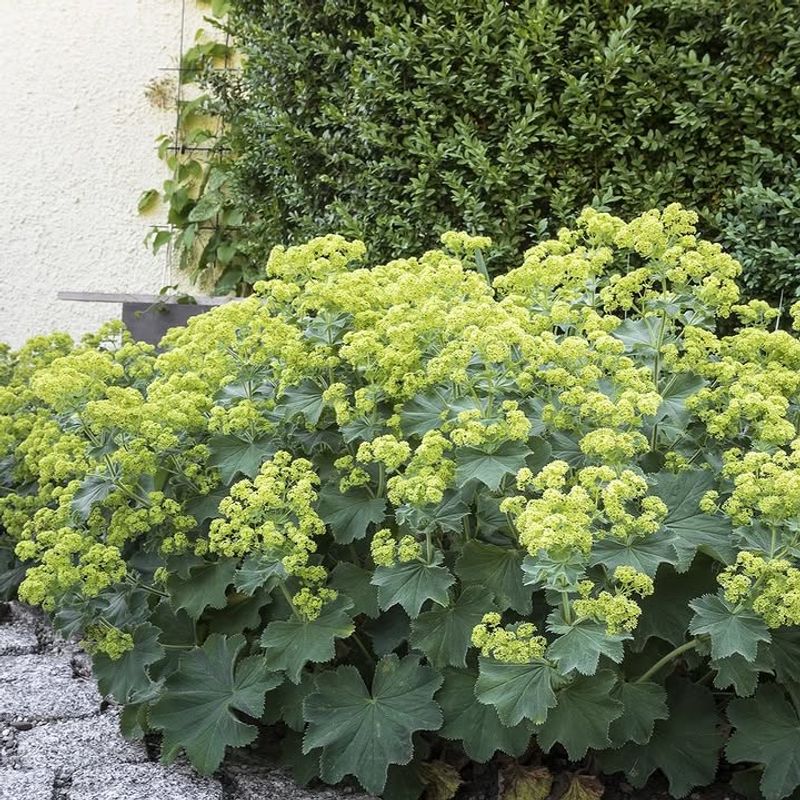
There is something almost magical about the way water beads up on the velvety, scalloped leaves of lady’s mantle. The tiny chartreuse flower clusters might look subtle at first, but they create a gorgeous frothy effect when planted in masses.
Oregon’s cool, moist springs suit this plant perfectly.
Once the flowers start to turn brown and go to seed, cut the whole plant back to just above the basal leaves. This not only tidies things up but also prevents self-seeding, which can be quite aggressive in fertile garden soil.
A fresh flush of new foliage will emerge quickly, keeping the plant looking lush and attractive for the rest of the season.
Lady’s mantle works beautifully as an edging plant along pathways or at the front of shaded borders. It is one of the few plants that looks equally good in bloom and out of bloom, thanks to those beautiful rounded leaves.
In Oregon’s wetter western regions, it thrives in partial shade with minimal watering. Pair it with hostas, astilbes, or ferns for a lush, layered shade garden look.
It is a reliable, easy-care plant that adds softness and elegance to any Pacific Northwest garden space.
10. Nepeta
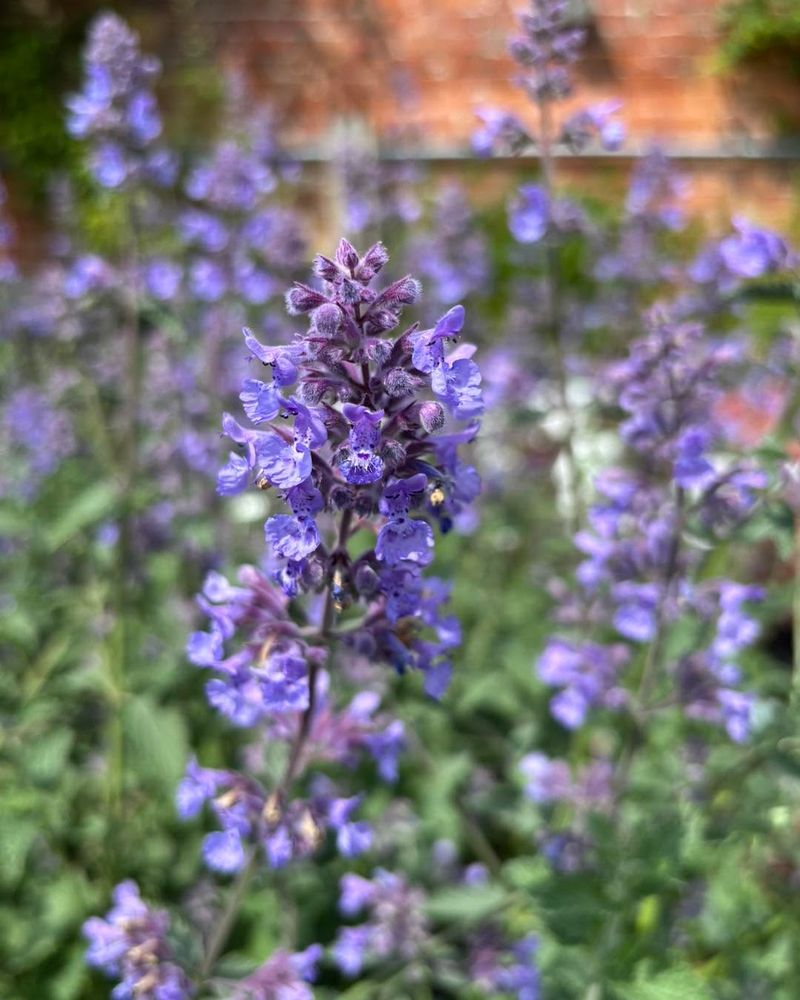
Nepeta and catmint are closely related, and both are absolute stars in the Oregon garden. Nepeta produces clouds of small, lavender-blue flowers on arching stems that spill beautifully over garden edges and pathways.
It blooms heavily in spring and has a soft, relaxed look that fits right into cottage-style gardens.
After the first big bloom, shear the whole plant back by about half. Use hedge shears or a pair of sharp scissors to make the job quick and easy.
Within a few weeks, fresh new growth appears and a second wave of flowers follows, often lasting well into summer and even fall in Oregon’s mild coastal and valley climates.
Nepeta is wonderfully low-maintenance once established. It tolerates drought, poor soil, and even some neglect without complaint.
Deer tend to avoid it, which is a real bonus for gardeners in rural Oregon areas where deer browsing can be a problem. The flowers are also a favorite of bees and other pollinators, making it a great choice for wildlife-friendly gardens.
Plant nepeta alongside roses, lavender, or ornamental grasses for a color combination that looks effortlessly stylish. Regular trimming is truly the secret to getting the most out of this reliable, beautiful perennial.
11. Cranesbill Geraniums
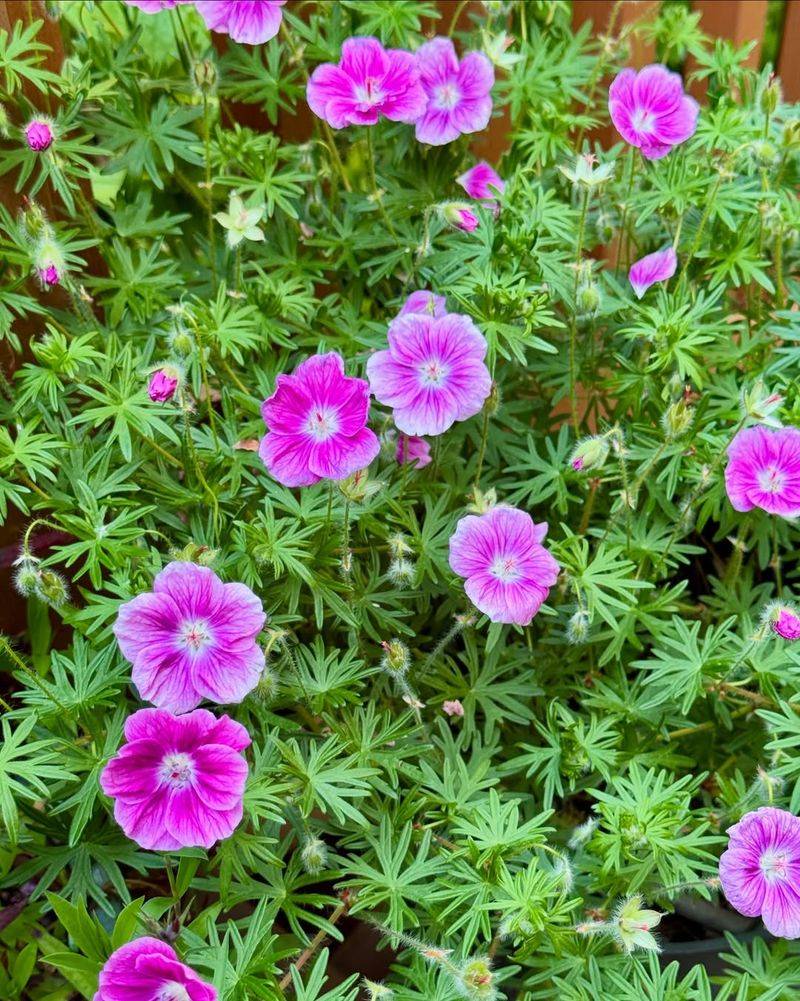
Cranesbill geraniums get their quirky name from the long, beak-like seed pods that form after the flowers fade. These are the true hardy geraniums, and they are among the most dependable perennials you can grow in an Oregon garden.
They come in a wide range of colors, from soft pink to deep magenta and violet.
After the main bloom period, cut the plants back firmly, removing the spent flower stems and about one-third of the foliage. The plant will respond with a tidy mound of fresh new leaves and, in many cases, a second round of flowers before the season ends.
This makes them one of the best value perennials for any Pacific Northwest garden.
Cranesbill geraniums are incredibly adaptable. They grow happily in sun or partial shade, making them useful in a wide variety of garden spots.
They also handle Oregon’s wet winters without any trouble, which is a big plus compared to some more tender perennials. Varieties like Rozanne are especially popular for their long blooming season and vivid violet-blue color.
Plant them along borders, under shrubs, or in rock gardens for a reliable, long-lasting display that comes back stronger every single year with very little effort required.