More Bats In Your Pennsylvania Garden, Less Mosquitos (Here’s How To Attract Them)
Mosquitoes are one of Pennsylvania’s least enjoyable summer traditions, and if you’ve spent any time trying to reclaim your backyard from them, you already know how limited most of the popular solutions actually are.
Citronella candles create a nice ambiance but barely move the needle on actual mosquito populations.
Sprays work temporarily and then wear off. Zappers make a satisfying sound but aren’t doing much for the specific insects ruining your evening. Bats, on the other hand, are genuinely effective.
A single bat can consume hundreds of insects in a single night, and mosquitoes make up a significant portion of their diet during peak feeding hours, which happen to align perfectly with the time Pennsylvania residents most want to be sitting outside.
They’re silent, they’re natural, and they ask for almost nothing in return. Attracting them to your Pennsylvania garden is more straightforward than most people expect, and the payoff for your summer evenings is very real.
1. Install A Bat House
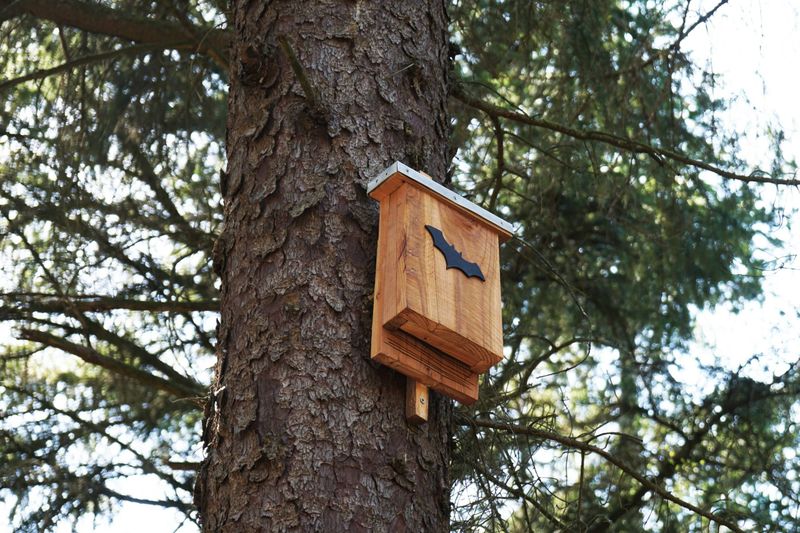
Putting up a bat house is one of the smartest moves a Pennsylvania homeowner can make. Think of it like putting up a birdhouse, but instead of songbirds, you are inviting nature’s best mosquito hunters to move in.
Bat houses give bats a warm, safe place to roost during the spring and summer months when they are most active and feeding.
Placement matters a lot. Mount your bat house at least 12 to 15 feet off the ground on a pole or the side of a building.
South or southeast-facing spots work best because bats need warmth to stay comfortable and raise their young. In Pennsylvania, where spring temperatures can still be unpredictable, that extra sun exposure really helps.
You want to keep the bat house away from bright lights and strong winds. Open areas near a water source, like a pond or stream, are ideal locations.
Bats tend to avoid spots surrounded by thick tree cover since they need clear flight paths to swoop in and out easily.
Bat houses can be bought online or at local garden centers, and some wildlife organizations in Pennsylvania even offer them for free or at a discount. You can also build one yourself using untreated wood.
Make sure the inside is rough or grooved so bats can grip the surface easily. Do not expect overnight results. Bats are cautious and may take a full season or two before they move in.
Once they do, though, you will notice a real difference in your mosquito situation. Patience pays off big here.
2. Add Night-Blooming Plants
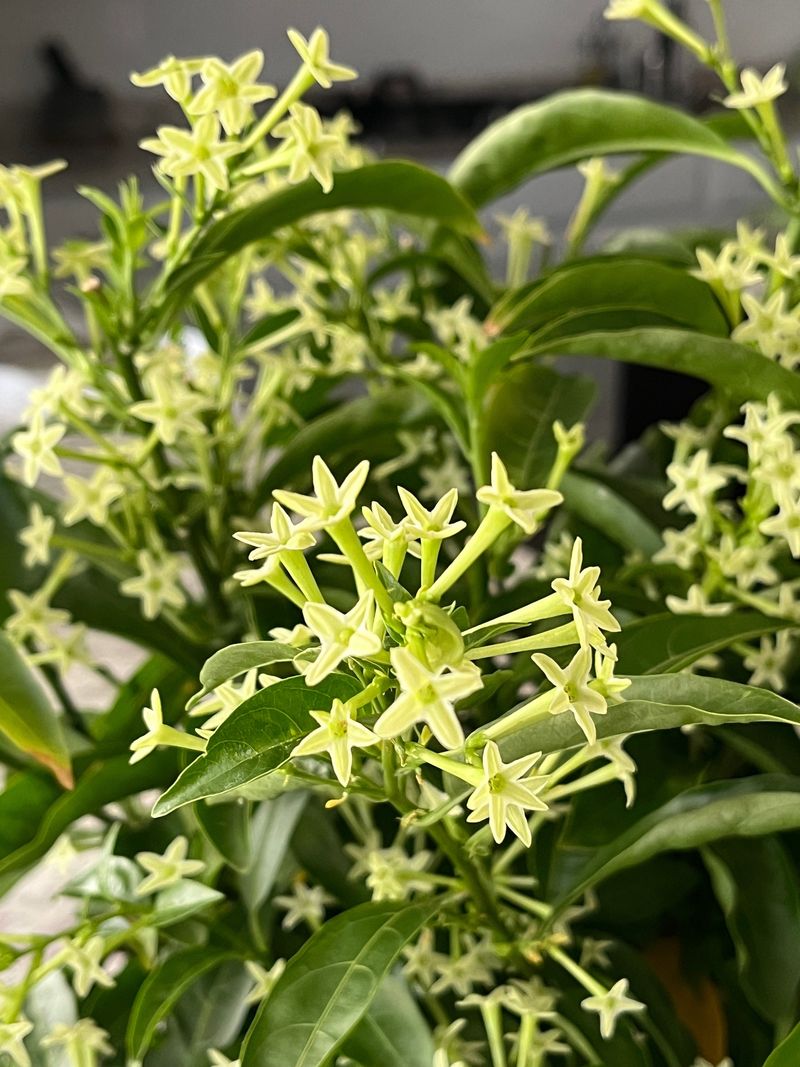
Not many people think about planting flowers for bats, but it works in a really clever way. Night-blooming plants release their fragrance after the sun goes down, and that sweet smell attracts moths, beetles, and other nighttime insects.
More insects in your garden means more food for bats, and more bats means fewer mosquitos bothering you on warm Pennsylvania evenings.
Evening primrose is a great choice and grows beautifully across much of Pennsylvania. Moonflowers are another favorite, with large white blooms that almost seem to glow in the dark.
Your Pennsylvania Garden Changes Every Week. Your Plan Should Too.
Gardening in Pennsylvania changes quickly throughout the season. Every Friday you’ll receive a simple weekly plan showing exactly what to plant, prune, fertilize, harvest, and protect so you never miss the right timing.
Four o’clocks, night-blooming jasmine, and white nicotiana are all solid options that thrive in Pennsylvania’s climate and bring in plenty of nighttime insect activity.
Plant these in clusters rather than spreading them out. A concentrated patch of fragrant blooms creates a stronger scent signal that insects can detect from farther away.
When insects gather in bigger numbers, bats are much more likely to notice and start hunting in that area regularly.
Try placing night-blooming plants along garden borders, near a patio, or around a water feature. These spots tend to already attract some insect activity, and adding fragrant plants boosts that even more.
Over time, bats learn where reliable food sources are and return to those spots night after night.
Gardeners in cities like Harrisburg and Allentown have had great success using this method in smaller urban yards. You do not need a lot of space to make a real difference.
Even a few pots of night-blooming flowers on a balcony or patio can help draw in more helpful bat activity.
3. Avoid Using Broad-Spectrum Pesticides
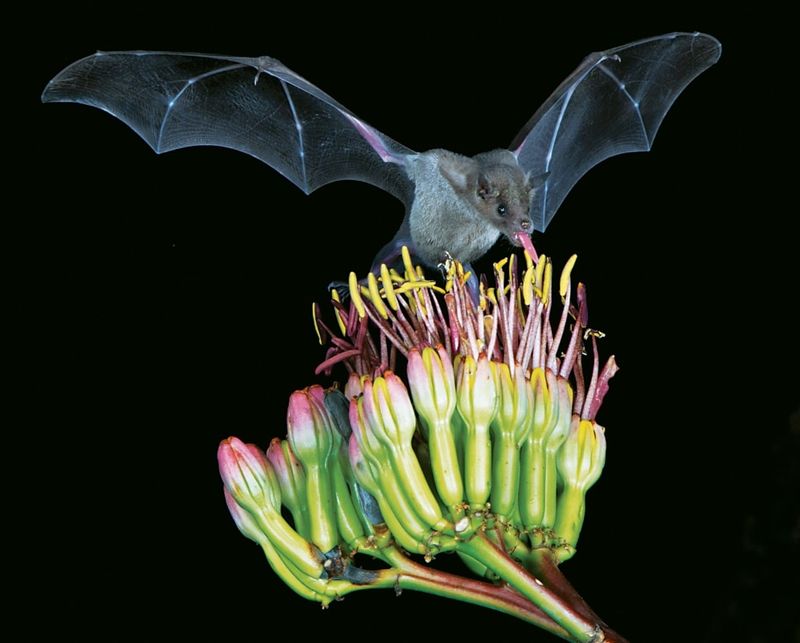
Spraying pesticides might feel like the fastest fix for a mosquito problem, but broad-spectrum products wipe out far more than just mosquitos. They reduce the overall insect population in your yard, which means bats have less to eat.
When food becomes scarce, bats move on and look for better hunting grounds somewhere else in Pennsylvania.
Bats are also sensitive to chemical exposure. When they eat insects that have been exposed to pesticides, those chemicals build up in their bodies over time.
This can seriously weaken bat populations in your area, making the mosquito problem even worse in the long run. It becomes a cycle that is hard to break once it starts.
Skipping broad-spectrum sprays does not mean you have to live with every pest imaginable. Targeted treatments, like mosquito dunks for standing water, address specific problems without wiping out the broader insect community.
Bacillus thuringiensis israelensis, or Bti, is a natural bacteria that targets mosquito larvae and is safe for bats, birds, and other wildlife.
Encouraging natural predators is always a smarter long-term strategy. Bats, dragonflies, and birds all eat mosquitos and other pest insects.
When you stop using heavy chemicals, these natural helpers move back in and start doing the work for you, often more effectively than any spray.
Pennsylvania gardeners who have made the switch to reduced pesticide use often report seeing more wildlife overall, including bats, within just one or two seasons.
Your garden becomes a living, balanced system rather than a chemically managed space. That shift benefits everything growing and living in your yard.
4. Include A Water Source
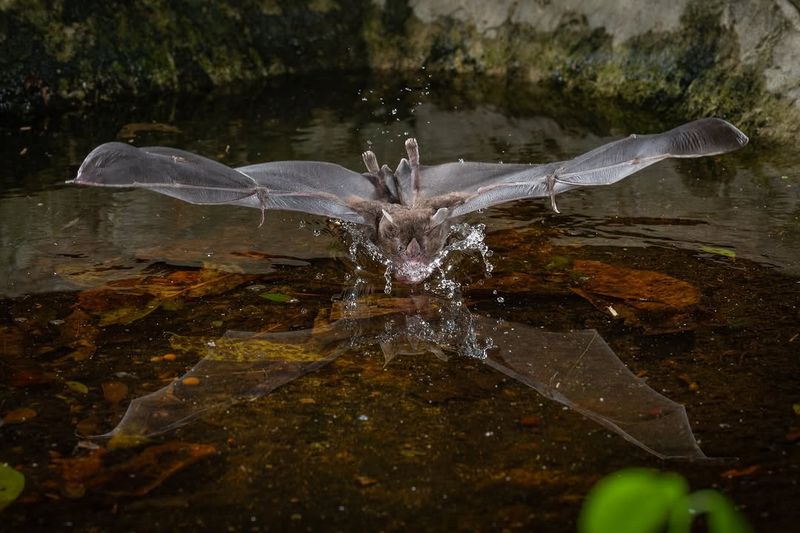
Water is just as important to bats as food and shelter. Bats drink on the wing, meaning they swoop down low and skim the surface of open water while flying.
Because of this, they need water sources that are wide enough and open enough for them to approach without obstacles getting in the way.
A small backyard pond is one of the best additions you can make to a bat-friendly Pennsylvania garden. Even a shallow water feature just a few feet across can work well.
The key is keeping the surface clear and accessible. Avoid placing too many tall plants or decorations right at the water’s edge where a bat might struggle to fly through safely.
Birdbaths can also attract bats, but standard models are often too small and too high off the ground. If you want to use a birdbath, look for a wider, shallower design and place it in an open area.
Some Pennsylvania wildlife enthusiasts add a small solar-powered fountain to keep the water moving, which also helps prevent mosquito larvae from developing in standing water.
Natural water sources like streams, creeks, or retention ponds near your property are already huge draws for local bat species.
If you live near one in areas like Chester County or the Pocono region, you are already at an advantage. Positioning a bat house near that water source makes your yard even more attractive.
Keeping your water source clean and filled consistently throughout the warmer months makes a big difference. Bats are creatures of habit and will return to reliable spots season after season once they feel comfortable and safe.
5. Plant Native Trees And Shrubs
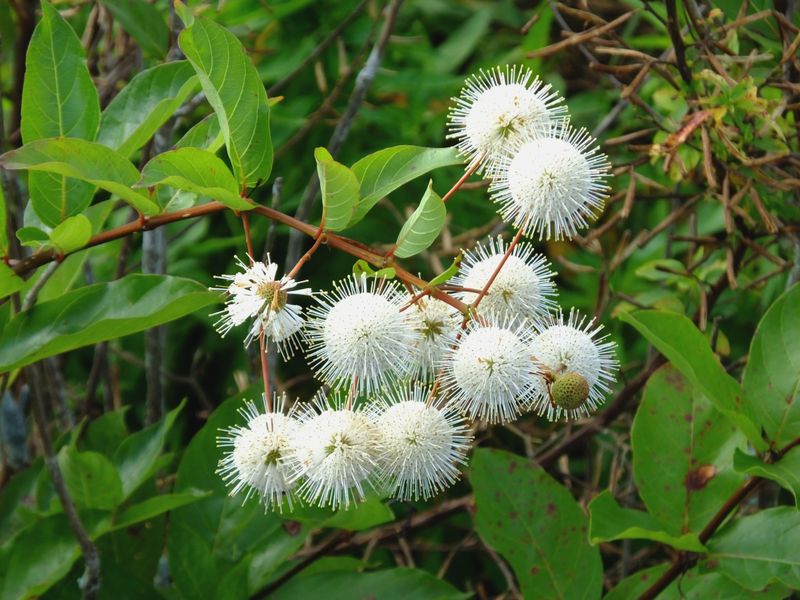
Pennsylvania has a rich variety of native trees and shrubs, and planting them is one of the best long-term investments you can make for local wildlife, including bats.
Native plants support native insects, and native insects are exactly what Pennsylvania bats depend on for food. It is a simple chain that works beautifully when left to develop naturally.
Oak trees are especially valuable. A single mature oak can support hundreds of species of caterpillars and insects throughout the year.
Those insects attract bats every single night during feeding season. Serviceberry, wild cherry, and eastern red cedar are also excellent choices that provide shelter, food sources, and natural cover for bats and other wildlife.
Shrubs like buttonbush, elderberry, and native viburnums grow well across Pennsylvania and create layered habitat that bats find very appealing.
Layered gardens, meaning gardens with ground cover, mid-level shrubs, and taller trees, mimic natural woodland edges. Bats love hunting along those edges where insects tend to gather in high numbers.
Planting native species also reduces the maintenance your yard requires. Native plants are adapted to Pennsylvania’s soil and weather, so they generally need less watering, less fertilizing, and fewer chemical treatments.
That lower-maintenance approach also means fewer pesticides, which circles right back to creating a healthier bat habitat.
Local nurseries across Pennsylvania, from Erie to Philadelphia, carry a good selection of native trees and shrubs. Some county conservation districts even offer native plant sales at reduced prices in the spring.
Starting with just two or three native additions to your yard can make a noticeable difference in local bat and insect activity within a single growing season.
6. Reduce Excess Outdoor Lighting
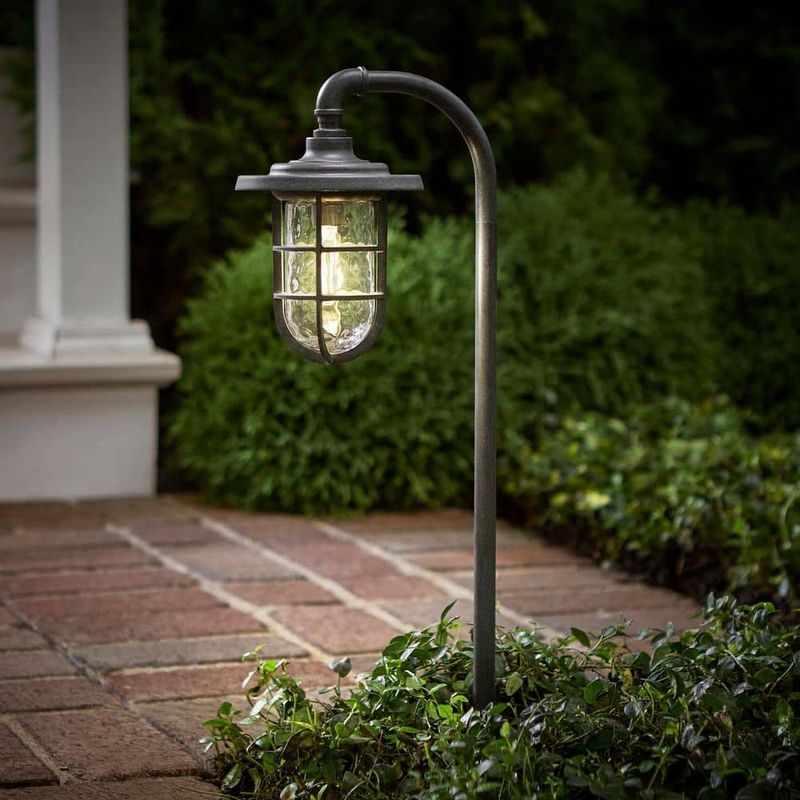
Bright outdoor lights might make your backyard feel safer and more inviting for people, but they can seriously disrupt bats. Most Pennsylvania bat species are highly sensitive to bright light and tend to avoid well-lit areas when they are out hunting.
If your yard is flooded with white or blue-toned lights all night, bats are likely skipping right over it.
The science behind this is pretty straightforward. Bright lights attract certain insects, like moths, but they also cause many insects to behave erratically or avoid the area altogether.
That disruption throws off the natural feeding patterns that bats rely on. When insects are scattered or behaving oddly, bats have a much harder time hunting efficiently.
Switching to motion-activated lights is one of the easiest fixes. These lights only turn on when someone is actually moving around outside, which means your yard stays dark and bat-friendly for most of the night.
When lights are needed, warm amber or yellow LED bulbs are far less disruptive to bats and insects than bright white or cool-toned options.
Directing lights downward instead of out into the open yard also helps. Shielded fixtures that focus light on pathways or specific areas reduce the amount of light spilling into the spaces where bats hunt.
This is a small adjustment that makes a surprisingly big difference in bat activity. Homeowners across Pennsylvania, especially in suburban neighborhoods around Philadelphia and Pittsburgh, have reported seeing more bat activity after simply dimming or redirecting their outdoor lights.
Less light at night is genuinely better for bats, better for other wildlife, and even better for stargazing on clear summer evenings.