How To Keep Neon Pink Calathea Healthy And Vibrant In A North Carolina Home
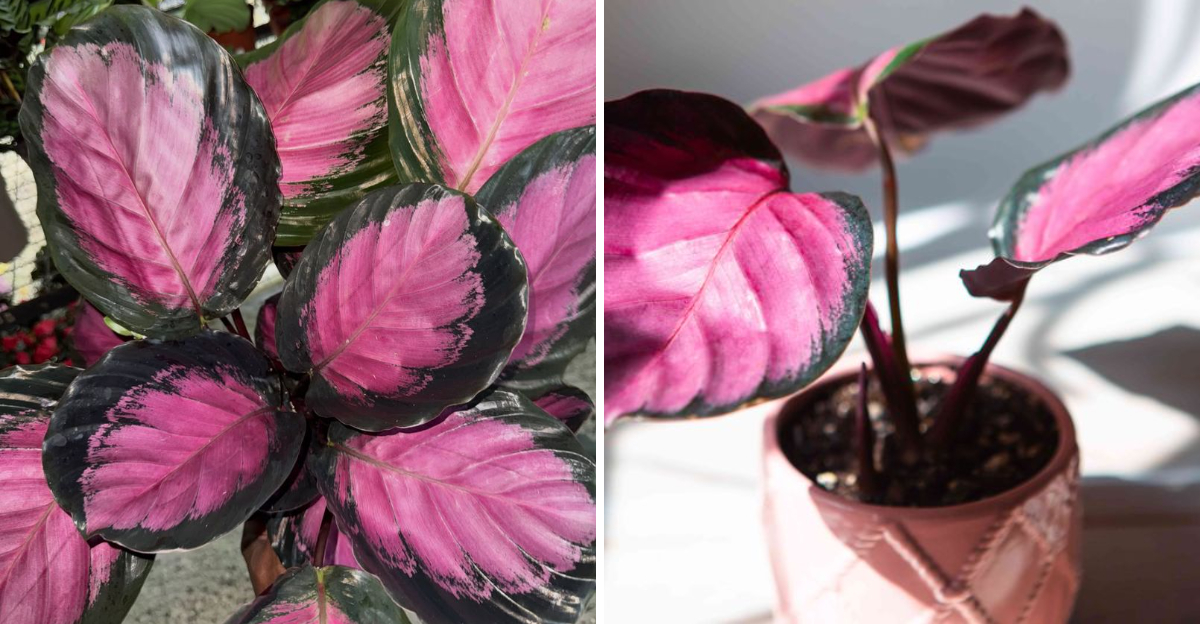
Neon pink calathea stops people in their tracks the moment they see it. That combination of deep green leaves and electric pink markings looks almost too vivid to be real, and it is the kind of plant that earns a permanent spot in a room the second it is brought home.
Keeping it looking that way is where a lot of North Carolina plant owners run into trouble. Calathea in general has a reputation for being particular, and the neon pink variety lives up to that reputation fully.
It reacts visibly to water quality, humidity levels, light placement, and temperature shifts, and North Carolina homes provide a rotating cast of all four throughout the year.
Humid summers followed by dry heating seasons, intense window light in summer that softens considerably by winter, and the kind of air conditioning that drops indoor humidity fast during the warmest months all affect how this plant behaves.
Getting it right is genuinely achievable once you understand what it is actually responding to inside a North Carolina home.
1. Give Bright Indirect Light For The Best Color
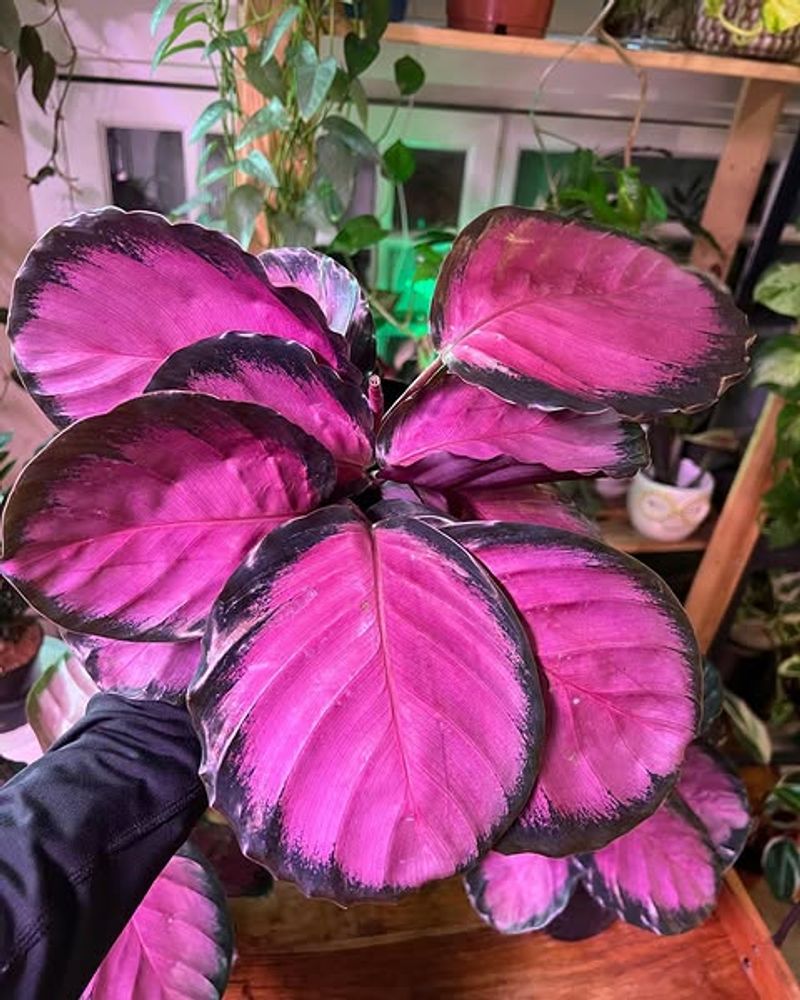
Sunlight makes a huge difference when it comes to keeping neon pink calathea leaves looking their absolute best. These plants are native to tropical forest floors, where they grow under a thick canopy that filters sunlight naturally.
That means they love brightness without direct rays hitting their leaves. Inside a North Carolina home, the best spots are usually near east-facing windows where morning light is gentle and soft.
South or west-facing windows can work too, but you will want to hang a sheer curtain to soften the intensity, especially during hot summer afternoons.
Direct sunlight through glass can quickly fade those gorgeous pink tones and leave scorched patches on the leaves.
Many North Carolina plant lovers find that placing their calathea a few feet away from a bright window gives the perfect balance. The plant still receives enough light to fuel healthy growth and keep its colors vivid and saturated.
Low light, on the other hand, tends to dull the pink hues over time and slows new leaf production significantly. If your home does not get much natural light, a full-spectrum grow light positioned about twelve to eighteen inches above the plant works really well.
Consistent, filtered brightness is the single biggest factor in maintaining that eye-catching neon pink color everyone loves so much.
2. Keep Soil Evenly Moist But Never Soggy
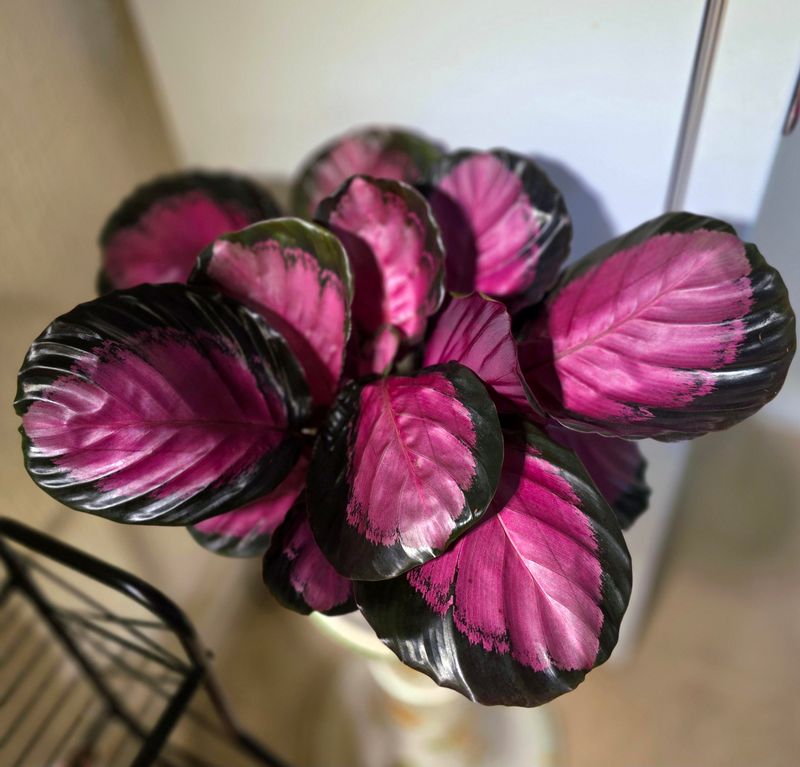
Watering calathea can feel like a balancing act, but once you get the rhythm right, it becomes second nature. These plants want their soil to stay consistently moist, but they absolutely cannot tolerate sitting in waterlogged soil for long periods.
Getting this balance right is one of the most important parts of calathea care.
A good rule of thumb is to check the top inch of soil with your finger. When it starts feeling slightly dry to the touch, it is time to water.
In North Carolina summers, when indoor temperatures run warmer, you may find yourself watering every five to seven days. During cooler winter months, that schedule can stretch out a bit longer since the plant’s growth slows down naturally.
Your North Carolina Garden Changes Every Week. Your Plan Should Too.
Gardening in North Carolina changes quickly throughout the season. Every Friday you’ll receive a simple weekly plan showing exactly what to plant, prune, fertilize, harvest, and protect so you never miss the right timing.
Always water thoroughly so that moisture reaches the roots evenly, then let the excess drain completely from the pot’s drainage holes. Never let the pot sit in standing water inside a saucer for more than thirty minutes, because that invites root problems fast.
Using a pot with good drainage holes is absolutely essential for this plant. Some North Carolina gardeners like to use a moisture meter for extra accuracy, which takes all the guesswork out of watering.
Consistent moisture keeps the leaves perky, upright, and brilliantly colored without stressing the root system unnecessarily.
3. Use A Well-Draining Potting Mix For Happy Roots
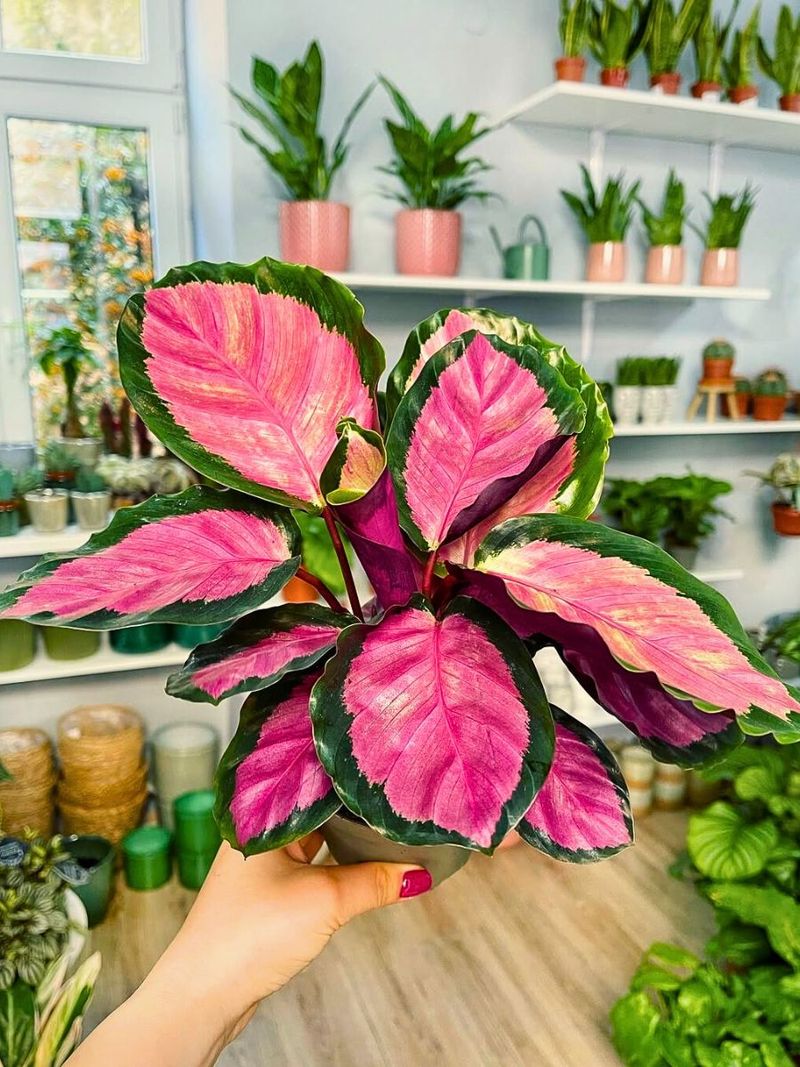
The soil you choose for your calathea matters far more than most people realize. Standard heavy potting mixes can hold too much water and suffocate roots over time, which leads to yellowing leaves and a generally unhappy plant.
Getting the right mix sets your calathea up for long-term success right from the start.
A great option is to combine a quality indoor potting mix with perlite and coco coir in roughly equal parts.
Perlite improves drainage and airflow around the roots, while coco coir holds just enough moisture to keep things consistently damp without becoming dense or compacted.
This combination mimics the loose, airy forest floor soil where calatheas naturally thrive in their tropical homelands.
North Carolina homes can experience significant humidity swings between seasons, and the right potting mix helps buffer those changes at the root level. Repotting your calathea every one to two years also gives you a chance to refresh the soil and check on root health.
When repotting, choose a new pot only one size larger than the current one, because too much extra space can hold excess moisture that the plant is not yet using.
Fresh, well-structured soil encourages stronger root growth, supports nutrient uptake, and directly contributes to those vibrant, eye-catching leaves that make neon pink calathea so irresistible to houseplant enthusiasts everywhere.
4. Protect Your Plant From Dry Indoor Air
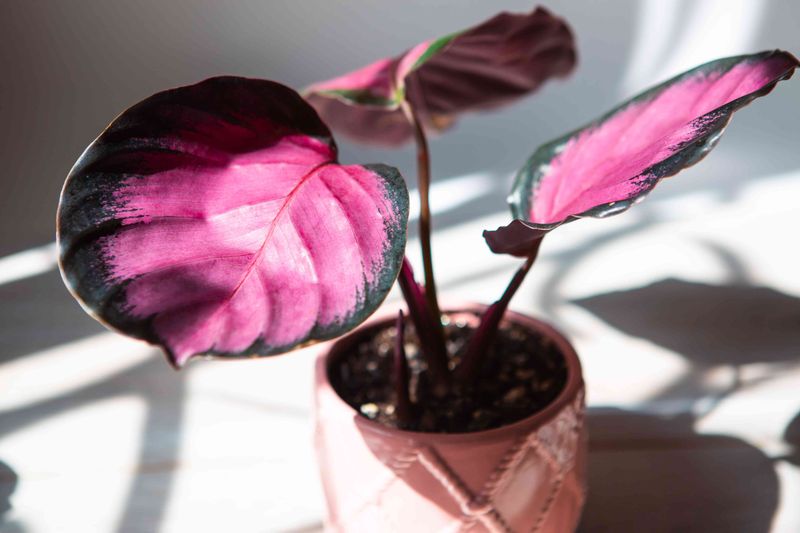
Here is something many North Carolina plant owners discover the hard way during their first winter with a calathea. When the heat kicks on in late fall and stays running through February, indoor humidity can drop to uncomfortably low levels for tropical plants.
Calatheas are especially sensitive to dry air and will respond quickly with curling leaves and crispy brown edges.
These plants naturally come from humid tropical environments where moisture in the air is a constant. Ideally, they prefer indoor humidity levels between 50 and 70 percent, which can be a stretch in a centrally heated North Carolina home.
A small room humidifier placed nearby is one of the easiest and most effective solutions you can use. Running it for several hours a day near your calathea makes a noticeable difference in leaf quality within just a week or two.
Another popular method is placing the pot on a shallow tray filled with pebbles and water. As the water evaporates slowly, it creates a small pocket of humidity right around the plant.
Grouping your calathea together with other tropical houseplants also helps, since plants naturally release moisture through their leaves and raise the surrounding humidity slightly.
Misting the leaves directly is sometimes suggested, but it can invite fungal issues if the leaves stay wet for too long, so the tray or humidifier approach tends to work much better overall.
5. Avoid Cold Drafts And Air Conditioning Vents
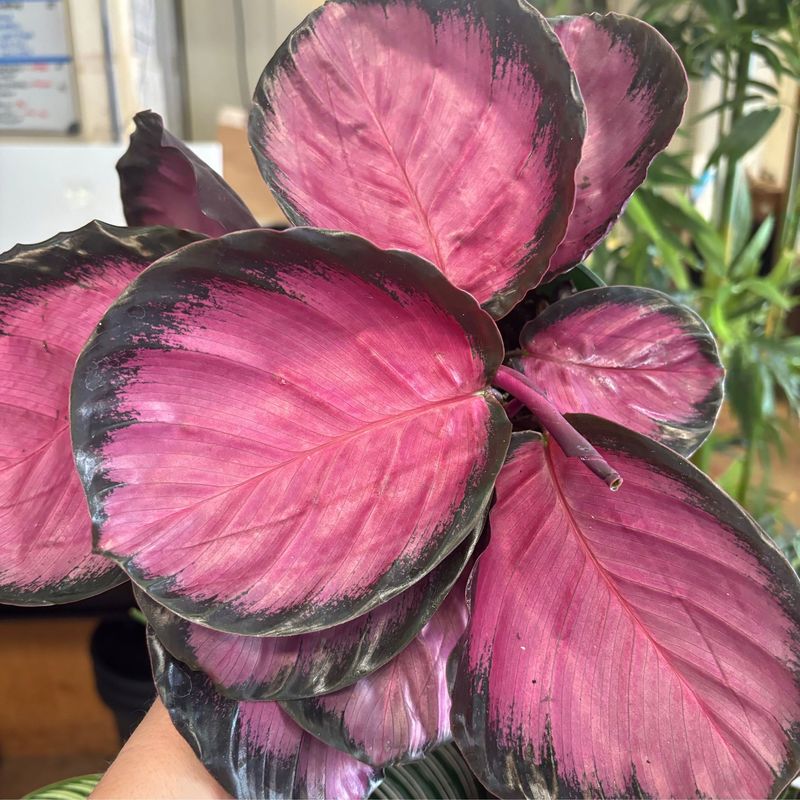
Temperature consistency is something calathea plants truly appreciate, and sudden changes can stress them out faster than almost anything else.
North Carolina summers mean air conditioning runs almost constantly, and those cold blasts from vents can shock the leaves and cause them to curl or develop brown edges within days.
Placement matters just as much as watering when it comes to this plant.
Calatheas prefer steady indoor temperatures between 65 and 80 degrees Fahrenheit. Anything below 60 degrees causes visible stress, and prolonged exposure to cold drafts can weaken the plant significantly over time.
Check where your air conditioning vents point before choosing a permanent spot for your calathea. Even a gentle but constant stream of cooled air can create problems that look a lot like underwatering or low humidity.
The same principle applies during winter months when heating vents blast warm, dry air. Both extremes, cold and hot drafts, are equally harmful to calathea foliage.
Positioning your plant at least three to four feet away from any vent or exterior door is a smart habit. North Carolina homes with older windows that let in cold air around the frame can also cause issues for plants placed on nearby windowsills during January and February.
Finding a spot with stable, moderate temperatures and no direct airflow will reward you with consistently upright, healthy, richly colored leaves throughout the entire year.
6. Use Filtered Or Low-Mineral Water When Possible
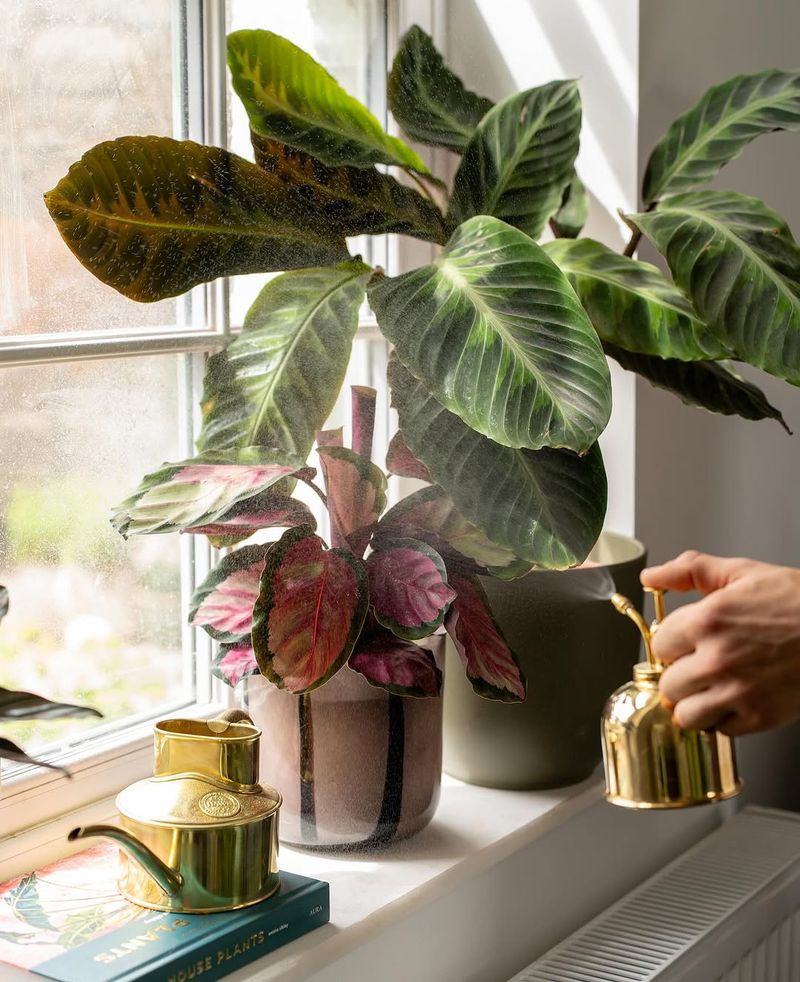
Calathea plants have a bit of a reputation for being picky about water quality, and that reputation is honestly well earned. Municipal tap water in many parts of North Carolina contains chlorine, fluoride, and various minerals that can build up in the soil over time.
This buildup often shows up as brown leaf tips and edges, which many people mistakenly blame on humidity or watering frequency.
Filtered water is the easiest upgrade you can make for your calathea’s long-term health. A simple pitcher-style water filter works perfectly and removes most of the chlorine and heavy minerals that cause issues.
If filtered water is not convenient, leaving tap water in an open container overnight allows some of the chlorine to evaporate before you use it on your plant.
Rainwater collected in a clean container is another excellent and completely free option that many North Carolina gardeners swear by.
Room temperature water is also preferable over cold water straight from the tap. Cold water can startle the roots and occasionally cause minor leaf curling, especially in cooler months.
Over time, consistently using better quality water leads to noticeably cleaner leaf edges, brighter pink coloring, and an overall healthier appearance.
Flushing the soil with filtered water every few months also helps wash away any mineral deposits that have accumulated near the roots, keeping the growing environment fresh and balanced for your plant.
7. Keep Strong Afternoon Sun Away From Your Plant
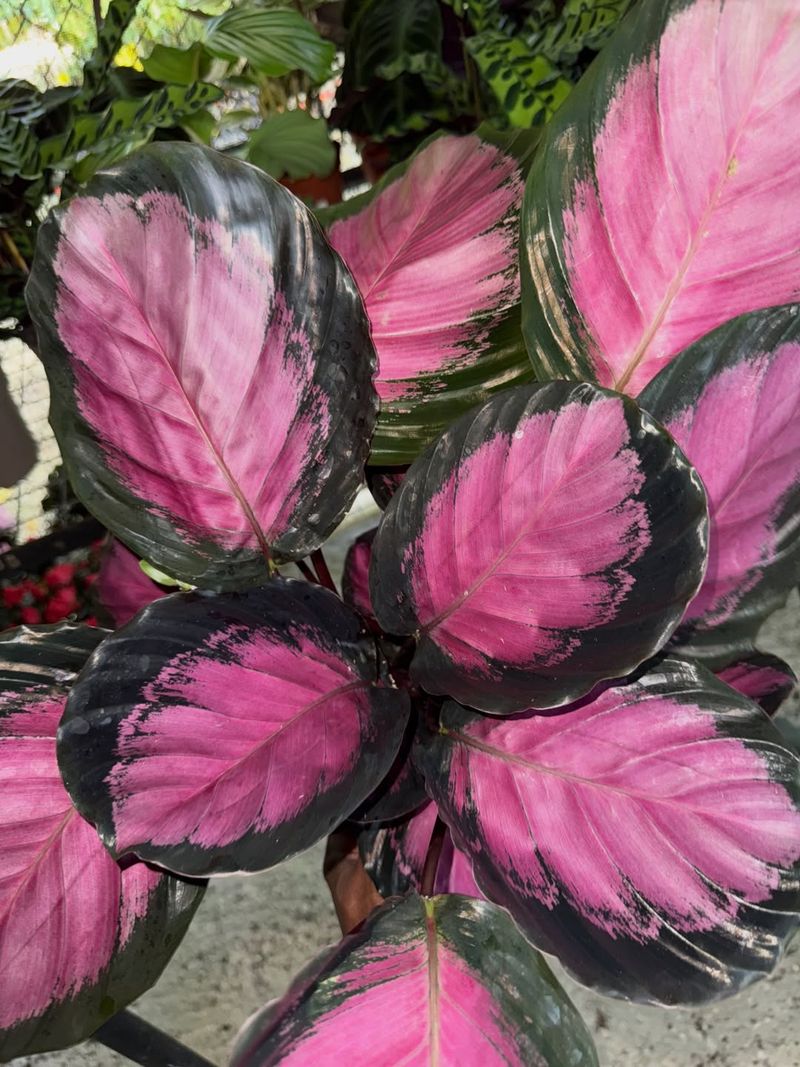
North Carolina summers are no joke, and west-facing windows can turn into intense heat traps during the long afternoon hours of June through September.
Glass amplifies that heat significantly, and a calathea placed too close to a west-facing window during peak afternoon sun can experience serious leaf damage within just a few days.
The leaves may appear faded, bleached, or develop dry brown patches that will not recover.
Even plants that seem fine in winter near those same windows can struggle once the sun angle shifts and days grow longer. Moving your calathea back from the glass by at least two to three feet during summer months is a simple and effective protective measure.
Sheer curtains or light-filtering blinds are also fantastic tools for managing afternoon light intensity without sacrificing brightness altogether.
East-facing windows remain the gold standard for calathea placement in North Carolina homes year-round. The morning sun they receive is gentle, warm, and perfectly suited to tropical foliage plants.
North-facing windows can work too, though you may notice slightly slower growth and somewhat less vivid coloring compared to brighter spots. The key takeaway is that bright and indirect always wins over direct and intense when it comes to this plant.
Protecting your calathea from harsh afternoon rays is one of the simplest things you can do to preserve its stunning neon pink color and keep new leaves coming in beautifully shaped and vibrant.
8. Trim Damaged Leaves Instead Of Overreacting
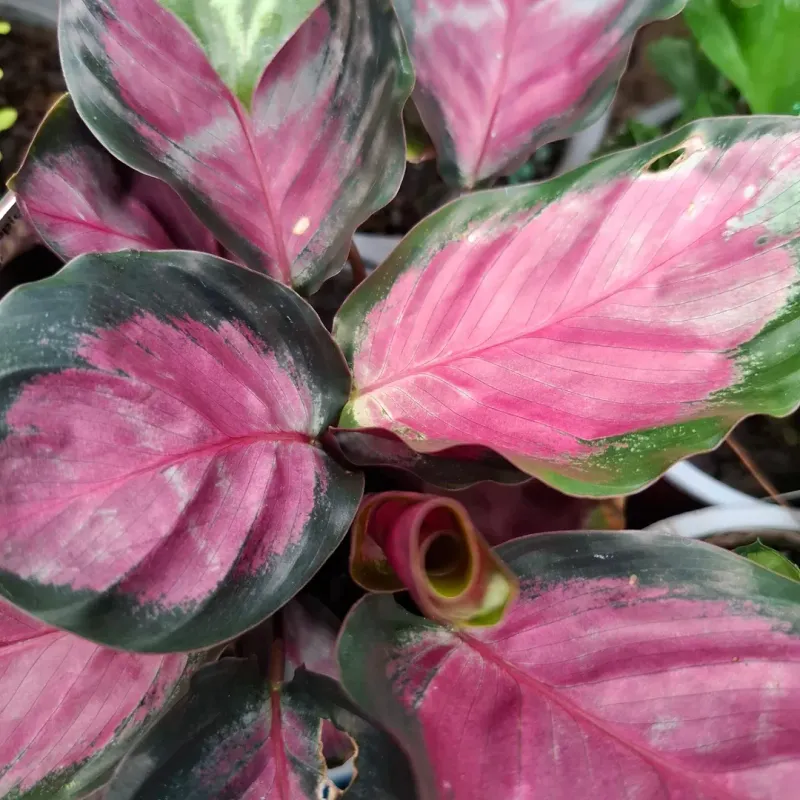
Every calathea owner eventually notices a leaf that looks a little rough around the edges, and the instinct to panic is completely understandable. Brown tips, slightly curled edges, or an older leaf that has lost its brightness are all normal parts of a living plant’s cycle.
Older leaves naturally decline as the plant puts its energy into producing fresh new growth from the center of the rosette.
The smartest move is to reach for a clean pair of scissors or pruning shears and trim the damaged leaf at its base, right where the stem meets the soil. Avoid tearing leaves off by hand, since that can leave ragged wounds that are harder for the plant to manage.
Cleaning your scissors with rubbing alcohol before trimming is a good habit that prevents any potential spread of issues between plants in your collection.
What you want to avoid is making dramatic changes to your care routine every time you spot a single imperfect leaf.
Overwatering, moving the plant to a completely different spot, or suddenly changing its fertilizer schedule in response to minor browning often creates more stress than the original issue caused.
In a North Carolina home where seasonal changes affect humidity and temperature regularly, some leaf variation is simply expected.
Keeping your overall care consistent, trimming what needs trimming, and staying patient will keep your neon pink calathea looking full, fresh, and genuinely beautiful through every season.