How To Control Aphids In Georgia Gardens Without Harsh Chemicals
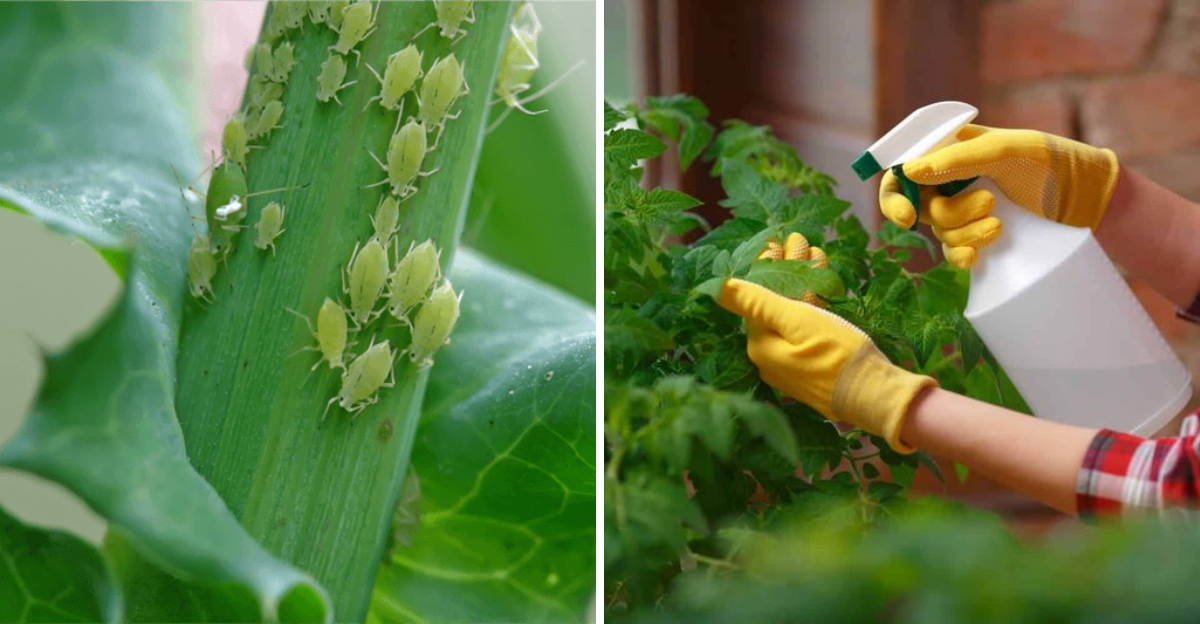
Aphids have a sneaky way of showing up right when Georgia gardens start looking gorgeous. Tender rose tips, fresh herb growth, young vegetable leaves, and soft ornamental shoots can turn into aphid hangouts almost overnight.
One minute everything looks lush, then suddenly there are tiny clusters tucked under leaves like they scheduled a neighborhood meeting. The good news is that aphid control does not have to feel dramatic.
Georgia gardeners can often start with simple, gentle steps like checking plants early, spraying pests off with water, pruning crowded tips, and encouraging helpful insects nearby.
A little attention goes a long way, especially during warm spring and early summer weather when garden growth is moving fast.
Think of it as plant babysitting, but with better snacks and fewer cartoons.
1. Check Tender New Growth For Aphids Early
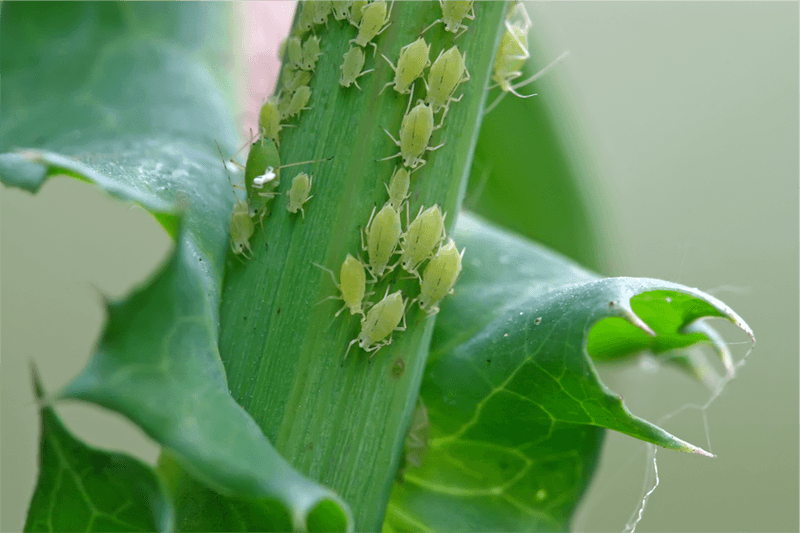
Soft, fresh growth emerging on Georgia vegetable beds and herb gardens in early spring tends to be the first place aphids show up.
New shoots on tomatoes, peppers, basil, and roses are especially appealing to aphids because the plant tissue is tender and easy to feed on.
Catching a small cluster early gives gardeners far more options than waiting until the infestation spreads.
Walk through the garden a few times each week during spring and early summer. Flip leaves over and look at the undersides, which is where aphids often gather in tight clusters away from direct sun.
Curled or slightly distorted leaves near the growing tips can be a sign that feeding has already started. Sticky residue on leaves or a dark, sooty coating may also appear as aphid numbers grow.
In Georgia, warm temperatures arrive relatively early compared to many other regions, so starting these regular checks in late March or early April can help gardeners stay ahead of the problem.
Containers and raised beds tend to show aphid activity sooner than in-ground plantings because the soil warms faster.
Keeping a close eye on plants with a history of aphid problems, such as roses, crape myrtles, and cole crops, helps gardeners respond before heavy pressure builds.
Early observation is genuinely one of the most useful tools available to any Georgia home gardener managing aphids without chemical sprays.
2. Spray Aphids Off Plants With Water
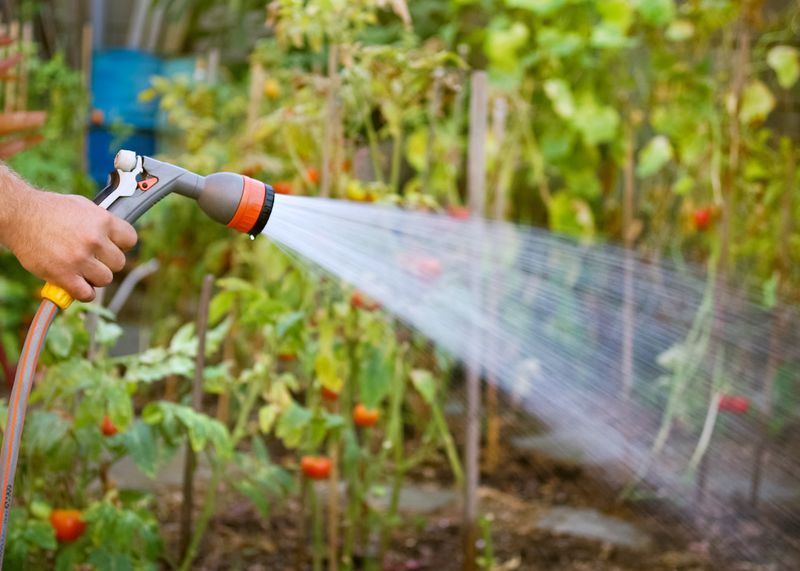
A steady stream of water from a garden hose can remove a surprising number of aphids from plants without any added products at all.
Aphids that get knocked off rarely find their way back onto the same plant, which makes this simple method genuinely worthwhile when colonies are still moderate in size.
Many Georgia gardeners find it to be one of the first steps they reach for when they spot a new cluster.
Use a hose with an adjustable nozzle set to a firm but not damaging spray. Focus the stream on the undersides of leaves, along stems, and near growing tips where aphids tend to gather.
A morning application works well because leaves have time to dry before evening, which helps reduce the chance of fungal issues that can develop on wet foliage in Georgia’s humid climate.
Your Georgia Garden Changes Every Week. Your Plan Should Too.
Gardening in Georgia changes quickly throughout the season. Every Friday you’ll receive a simple weekly plan showing exactly what to plant, prune, fertilize, harvest, and protect so you never miss the right timing.
Repeat this process every two to three days for a couple of weeks to keep aphid numbers from rebounding. Aphid populations can recover fairly quickly, so consistency matters more than the intensity of any single treatment.
Young plants and seedlings need a gentler spray to avoid stem damage, so adjust pressure carefully before directing water at soft new growth. Roses, shrubs, and established vegetable plants generally handle a firm spray well.
This method works best when combined with regular monitoring so gardeners can tell whether numbers are staying low or beginning to climb again.
3. Prune Heavily Infested Tips When Needed
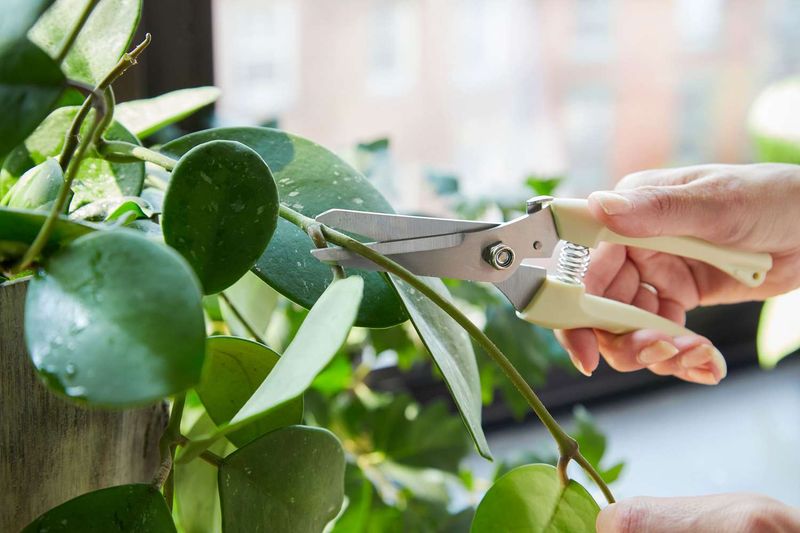
When a cluster of aphids has taken hold on the soft tip of a branch or stem, removing that section entirely can stop the colony from spreading before it gets established across the whole plant.
Pruning works especially well on roses, ornamental shrubs, and annual vegetables where a few growing tips can be removed without causing lasting harm to the plant.
It feels like a bold step, but the plant tends to respond with fresh, healthy growth.
Use clean, sharp pruning shears and cut a few inches below the visibly infested area to make sure the cut goes past any hidden feeding.
Drop the clippings directly into a sealed bag or bucket rather than leaving them on the ground nearby, since aphids on cut material can sometimes move back onto healthy plants if left in the garden bed.
Cleaning the shear blades between cuts helps prevent transferring any sticky residue to healthy stems.
Georgia gardeners dealing with crape myrtles, roses, or container herbs may find this approach particularly useful in late spring when new growth is flush and aphid pressure tends to peak.
Pruning a few tips early in the season can reduce the number of aphids that develop wings and move to other plants in the yard.
Combining light pruning with regular water sprays and monitoring gives gardeners a practical, layered approach that avoids the need for chemical products during the critical early weeks of the Georgia growing season.
4. Encourage Ladybugs And Lacewings Nearby
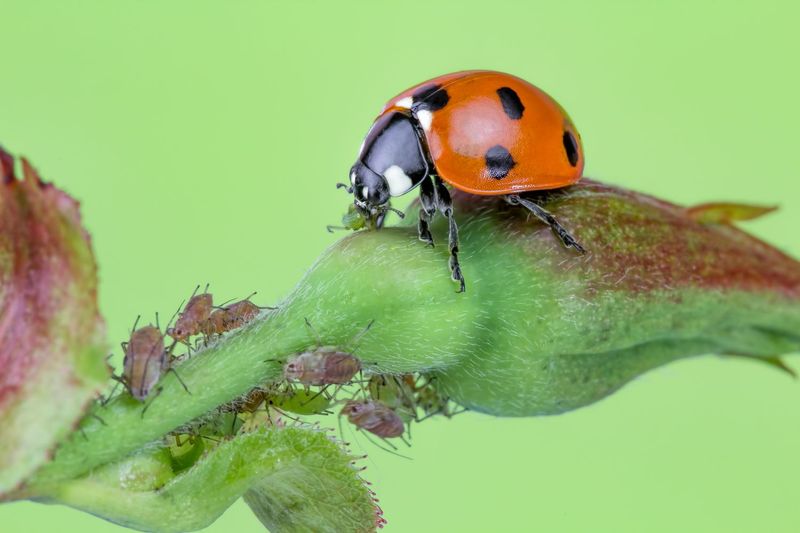
Ladybugs and lacewings are two of the most well-known aphid predators, and Georgia gardens can naturally attract both when the right conditions are present.
Adult lacewings and their larvae feed on aphids throughout the growing season, and ladybug larvae can consume a notable number of aphids before they reach adulthood.
Encouraging these insects to visit and stay in the garden is one of the more rewarding long-term strategies available to Georgia home gardeners.
Planting nectar-rich flowers nearby helps support adult beneficial insects that feed on pollen and nectar between aphid meals.
Dill, fennel, yarrow, cilantro that has bolted, and small-flowered plants like sweet alyssum are worth including in or near vegetable beds and herb gardens.
Reducing or eliminating broad-spectrum insecticide use in the yard is equally important, because many sprays harm beneficial insects along with pest species.
Purchased ladybugs released into the garden sometimes disperse quickly and may not stay in large numbers, so supporting naturally occurring populations tends to produce more consistent results over time.
Lacewing eggs and larvae can be purchased from garden suppliers and may establish more reliably under the right conditions.
Leaving some leaf litter and undisturbed garden edges in place gives beneficial insects shelter and overwintering habitat.
Georgia gardeners who take a patient approach and reduce chemical use often begin noticing more ladybugs, lacewings, and parasitic wasps working through their beds as the season moves forward.
5. Control Ants That Protect Aphids
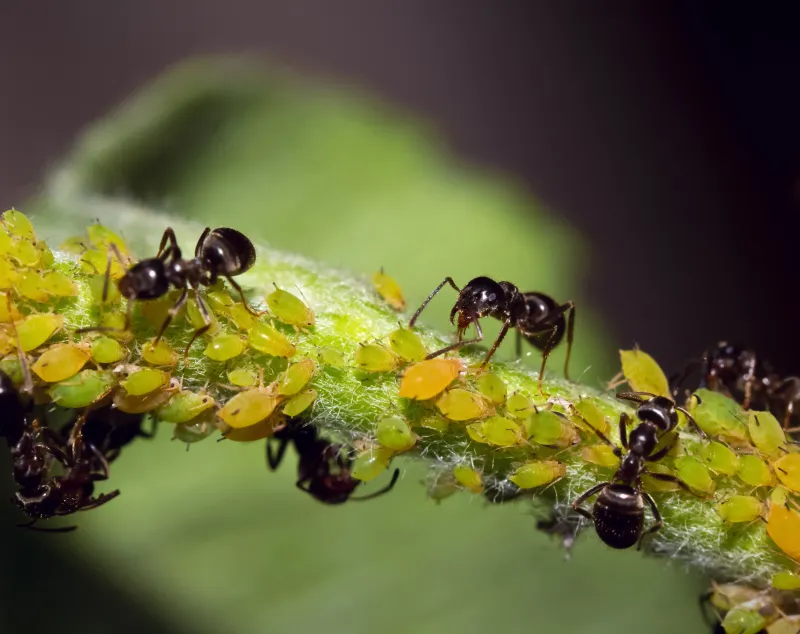
Ants and aphids have a well-documented relationship that Georgia gardeners sometimes overlook when trying to figure out why aphid populations keep rebounding.
Certain ant species actively protect aphid colonies from predators in exchange for honeydew, the sticky liquid aphids produce while feeding.
When ants are present and tending aphids, natural predators like ladybugs and lacewings have a harder time reaching the colony.
Watching for ant trails running up plant stems is a useful sign that this relationship may be happening in the garden. Ants moving steadily up and down a rose cane, tomato stem, or crape myrtle branch are often heading to an aphid colony above.
Addressing the ant activity can make a meaningful difference in how well other aphid control methods perform.
Sticky barriers applied to the base of plant stems or tree trunks can help prevent ants from climbing up to tend aphid colonies.
Products designed specifically for this purpose are available at most garden centers, and some gardeners use a band of horticultural tape coated with a sticky material.
Diatomaceous earth sprinkled around the base of plants may also discourage ant movement in some situations.
In Georgia, fire ants are a common presence in gardens and yards, and managing their activity near heavily aphid-prone plants can support the overall effectiveness of a gentle, layered aphid control approach.
Keeping ant activity in check is a practical step that complements other methods already in use.
6. Avoid Overfertilizing With Too Much Nitrogen
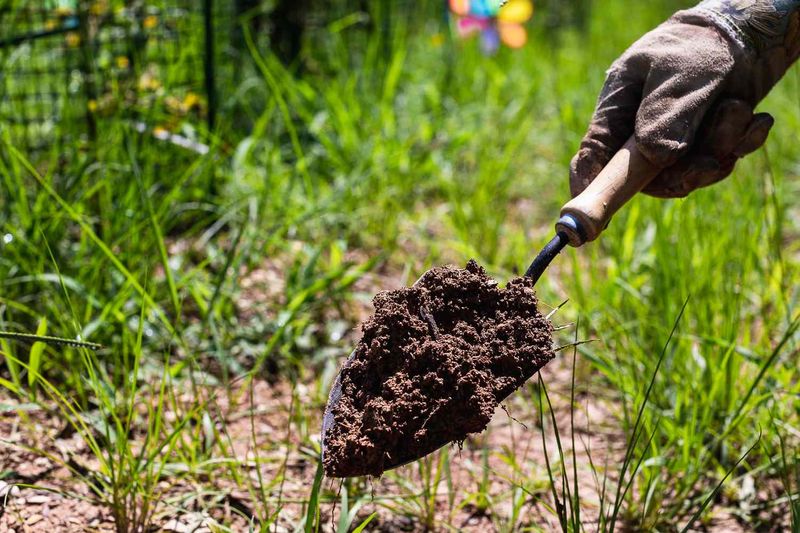
Lush, rapidly growing plants with deep green foliage can look healthy at first glance, but excessive nitrogen fertilization often creates exactly the kind of soft, tender growth that aphids find most appealing.
When plants push out a lot of new growth quickly, that tissue tends to be high in the amino acids aphids rely on, which can make heavily fertilized plants more attractive to aphid colonies than nearby plants receiving balanced nutrition.
Georgia vegetable gardens and flower beds often receive more fertilizer than necessary, particularly when gardeners are eager to push growth early in the season.
Slowing down nitrogen applications and shifting toward a more balanced fertilizer, or relying more on compost as a soil amendment, can help produce steady, moderate growth that is less susceptible to heavy aphid feeding.
Soil testing through a local extension office can help Georgia gardeners understand exactly what their soil needs rather than guessing.
Roses and annual vegetables like squash, peppers, and leafy greens are particularly prone to aphid pressure when growing in nitrogen-rich conditions.
Spacing out fertilizer applications and using slow-release formulas can reduce the cycle of rapid soft growth followed by aphid flare-ups.
Compost-amended beds tend to produce plants with more consistent, measured growth over the season.
Paying attention to fertilizer timing, especially during the spring months when aphid populations are building, gives Georgia gardeners a meaningful advantage in keeping pest pressure at a more manageable level without relying on sprays.
7. Use Insecticidal Soap With Careful Coverage
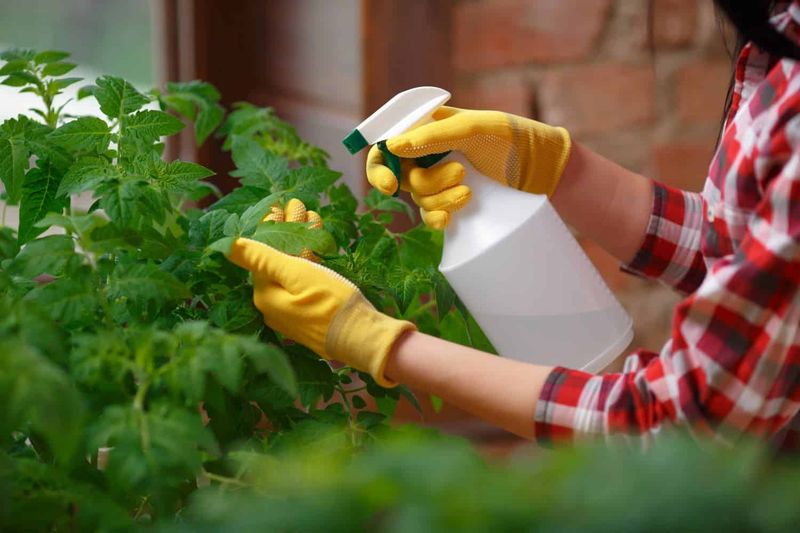
Insecticidal soap is one of the more accessible low-impact options for Georgia gardeners dealing with moderate to heavier aphid pressure.
It works by disrupting the outer coating of soft-bodied insects on contact, and it breaks down relatively quickly in the environment compared to many conventional pesticide options.
Because it only works on direct contact, thorough coverage of the plant is essential for it to be effective.
Spraying the undersides of leaves is especially important, since aphids tend to cluster there rather than on the upper leaf surface.
Missing those areas often means the spray does not reach the insects at all, which leads gardeners to assume the product is not working when the real issue is incomplete coverage.
A calm morning with moderate temperatures is a good time to apply, since heat and direct sun can increase the chance of leaf scorch, which is a concern during Georgia’s warm growing season.
Ready-to-use formulas are available at most garden centers, or gardeners can mix a diluted solution using a few drops of pure liquid castile soap in water. Avoid dish soaps that contain added degreasers or fragrances, since those can be harsher on plant tissue.
Repeat applications every five to seven days may be needed as new aphids hatch from eggs that were not reached in earlier treatments. Checking plants between applications helps gardeners track whether the population is declining or holding steady.
Insecticidal soap is generally considered safe around most beneficial insects once it has dried on the leaf surface.
8. Try Horticultural Oil Or Neem When Pressure Builds
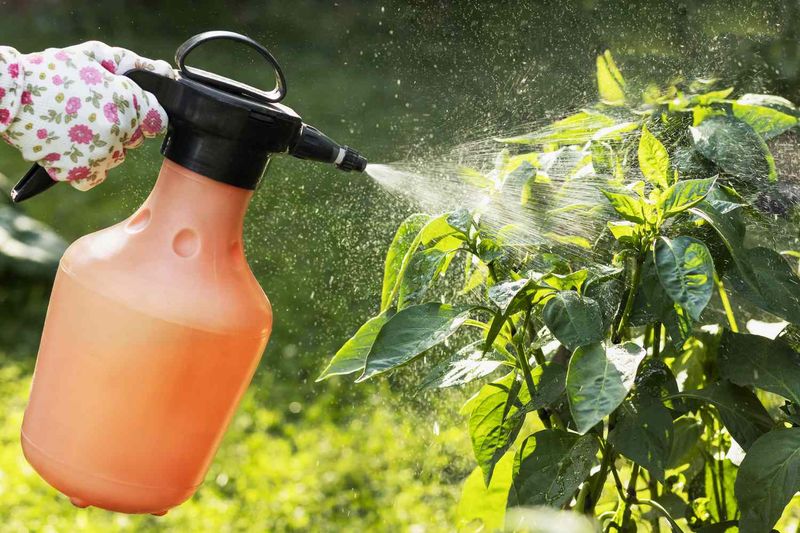
When aphid populations have grown beyond what water sprays and insecticidal soap can manage comfortably, horticultural oil or neem oil may be worth considering as the next step.
Both products work differently from contact-only insecticidal soap and can provide some residual effect on eggs and crawlers in addition to active aphids.
Neem oil, derived from the neem tree, also contains compounds that may disrupt the feeding and development of certain insects over time.
Coverage remains just as critical with these products as it is with insecticidal soap. Getting the spray onto the undersides of leaves, into stem junctions, and along tender growing tips gives the treatment the best chance of reaching the insects.
Horticultural oils should not be applied when temperatures are above roughly 90 degrees Fahrenheit, which is a genuine consideration during Georgia’s summer months when heat can become intense by late morning.
Neem oil has a noticeable smell that some gardeners find strong, and it can leave a temporary sheen on foliage. Mixing rates should follow label directions carefully, since too concentrated a solution can cause leaf damage on sensitive plants.
Herbs, young seedlings, and plants already under heat or drought stress may be more sensitive to oil-based sprays, so testing on a small section of the plant first is a reasonable precaution.
Georgia gardeners who rotate between water sprays, insecticidal soap, and occasional neem or horticultural oil applications tend to see more consistent results across the full growing season without escalating to stronger products.