This Is Why Your Florida Gardenias Turn Yellow When Summer Heat Arrives
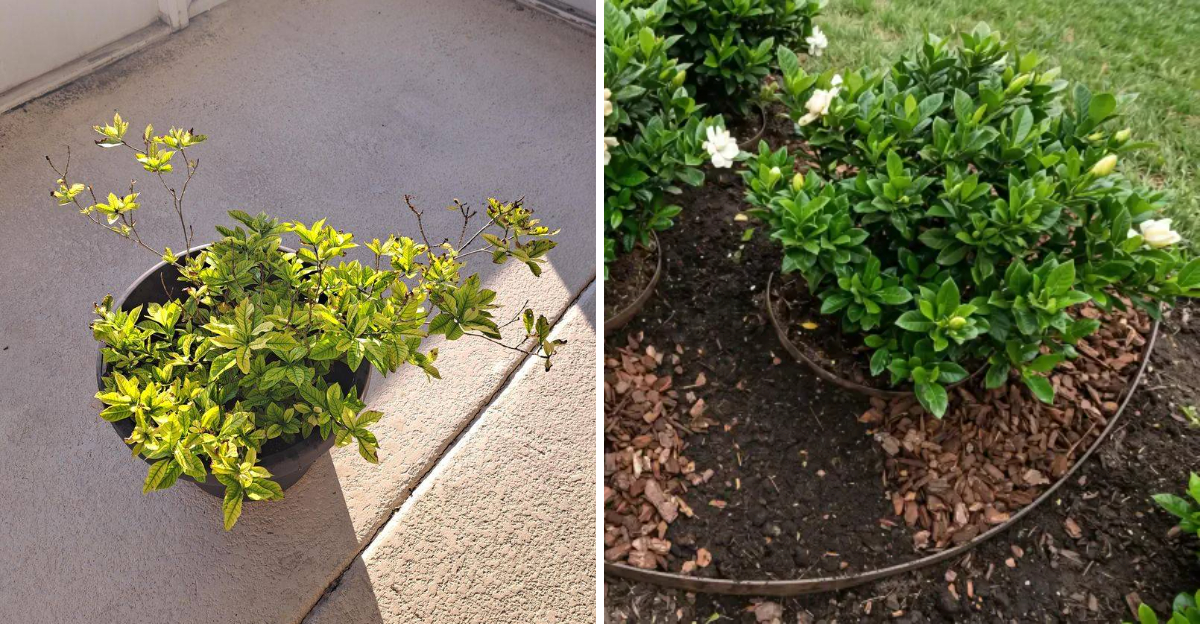
Gardenias have a reputation for being dramatic, and Florida summers give them plenty to be dramatic about. One week the leaves are a deep, glossy green and everything looks exactly right.
Then the heat settles in for real, and almost overnight the yellowing starts. A leaf here, a branch there, and suddenly a shrub that looked perfectly healthy is sending up distress signals from every direction.
Most gardeners immediately reach for a fertilizer or start adjusting their watering schedule. Sometimes that helps.
Often it doesn’t, because yellowing gardenia leaves in summer heat rarely have a single cause and almost never have an obvious one.
Florida’s combination of intense heat, high humidity, fluctuating rainfall, and naturally acidic but nutrient-tricky soil creates the perfect conditions for several different problems to show up wearing the exact same symptom.
Yellow leaves can mean half a dozen different things, and treating the wrong one wastes time the plant doesn’t really have. Getting to the actual cause makes all the difference.
1. Summer Heat Pushes Gardenias Past Their Comfort Zone
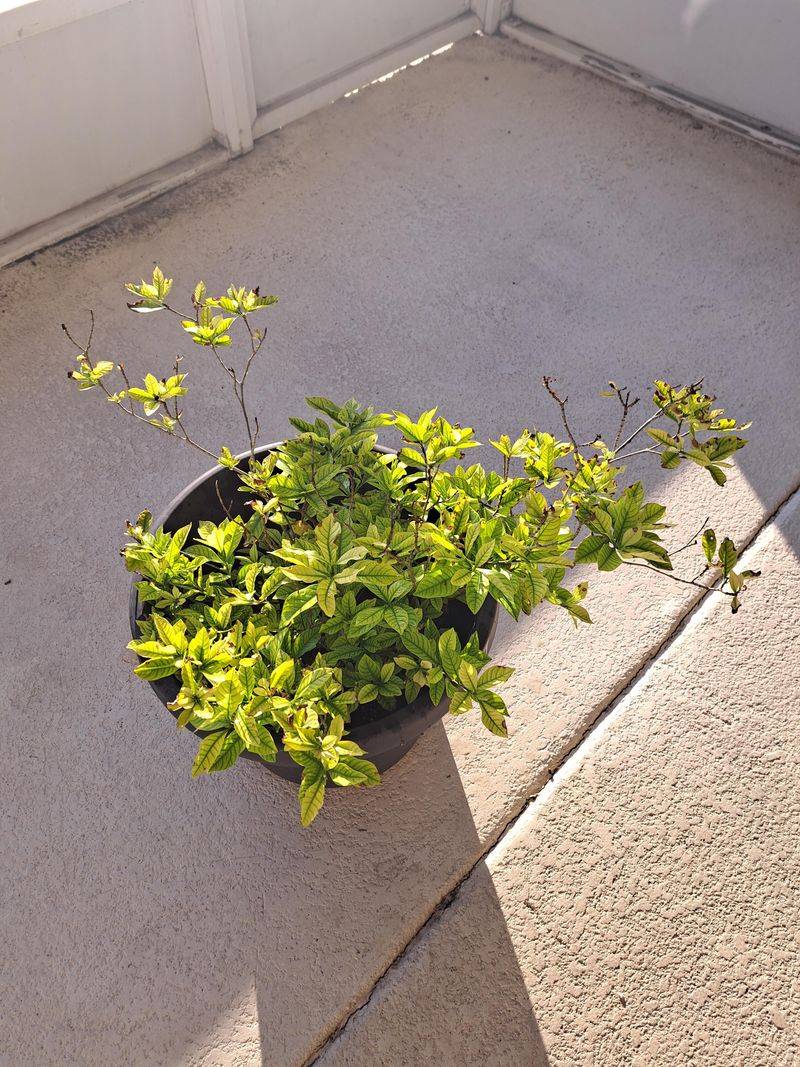
Gardenias look absolutely stunning in spring. The leaves are glossy, the blooms are opening, and everything seems right.
Then June arrives in Florida, and almost overnight, the story starts to change.
Gardenias prefer temperatures between 65 and 75 degrees Fahrenheit. Once summer pushes daytime highs into the upper 80s and 90s, the plant starts working much harder just to stay stable.
Warm nights make it worse because the plant never gets a real break to recover from the heat of the day.
Intense summer sun, especially in South Florida where heat builds for months without relief, raises the plant’s water demand significantly. Even small problems like slightly shallow watering or a missed irrigation cycle can show up fast as yellowing leaves.
In North Florida, the shift from mild spring weather into full summer heat can feel abrupt, and gardenias often show stress quickly after that transition.
Central Florida gardeners face afternoon thunderstorms that can fool you into thinking the plant has enough water when the roots may still be dry underneath.
According to UF/IFAS Extension, gardenias are sensitive to environmental stress and often respond visibly when conditions shift.
Yellowing during summer heat is frequently the plant signaling that something in its environment is off, not necessarily that it is beyond recovery.
2. Too Much Water Looks Like Too Little Water
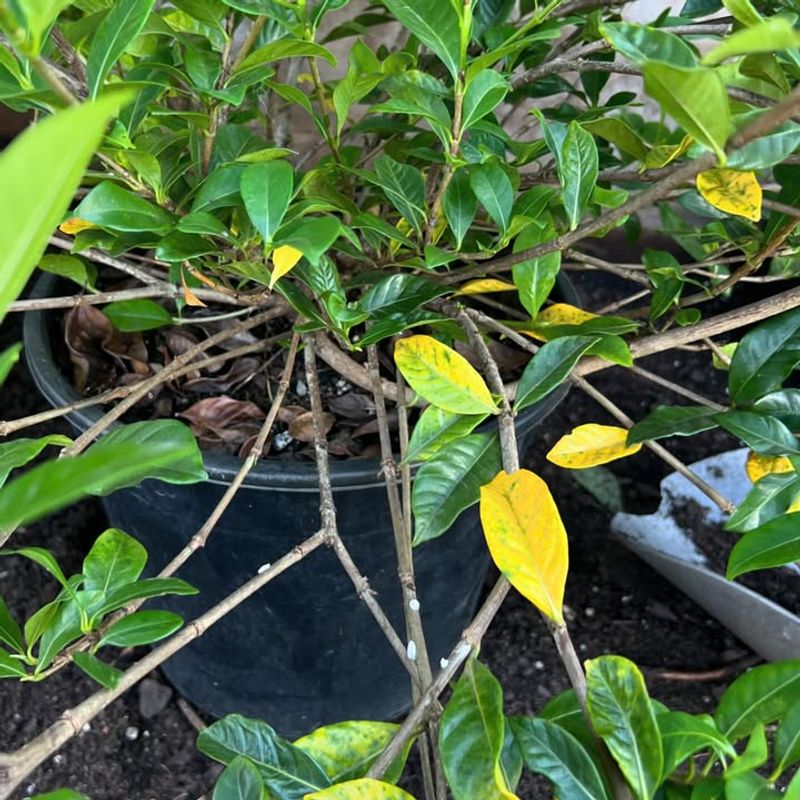
One of the most frustrating parts of summer gardenia care is that yellowing leaves can mean two completely opposite things.
Both underwatering and overwatering can produce the same visual clue, which makes it genuinely confusing to figure out what your plant actually needs.
Florida summers are unpredictable. One week might bring intense heat and dry spells that pull moisture out of sandy soil within a day or two.
The next week might deliver several inches of rain across just a few days. Gardenias sitting in low spots or areas with compacted soil can go from dry to waterlogged in a short time, and their roots feel that stress immediately.
Your Florida Garden Changes Every Week. Your Plan Should Too.
Gardening in Florida changes quickly throughout the season. Every Friday you’ll receive a simple weekly plan showing exactly what to plant, prune, fertilize, harvest, and protect so you never miss the right timing.
Before reaching for the hose, check the soil first. Push your finger or a wooden dowel about two inches into the ground near the root zone.
If the soil feels wet or muddy, hold off on watering. If it feels dry and crumbly, the plant likely needs a slow, deep drink rather than a quick surface splash.
UF/IFAS Extension notes that sandy Florida soils drain quickly, which can mean frequent watering is needed, but drainage problems in clay-heavy or compacted areas can flip that situation entirely.
Checking soil moisture before watering is one of the simplest and most effective habits a Florida gardener can build, especially through summer when conditions swing fast.
3. Heavy Rain Can Turn Roots Soggy
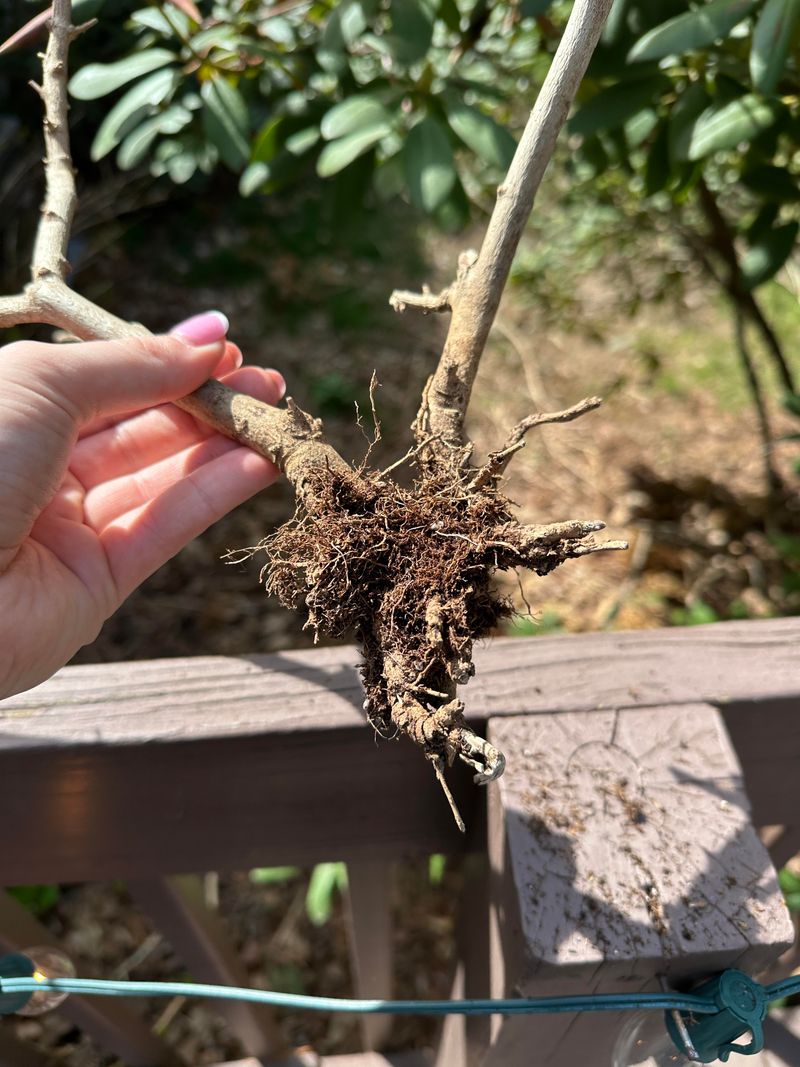
Florida summer downpours are legendary. A single afternoon storm can drop an inch or more of rain in under an hour, and when that happens repeatedly throughout the week, the soil around your gardenias may stay saturated far longer than the plant can tolerate.
Gardenias need consistent moisture, but they absolutely cannot sit in soggy, waterlogged soil for extended periods. When roots stay submerged in water, oxygen gets cut off and root function begins to break down.
The plant cannot absorb water or nutrients properly even though it is surrounded by moisture, which leads to yellowing leaves that can easily be mistaken for drought stress.
Low spots in the yard, compacted soil, and containers without proper drainage holes are all common culprits in Florida landscapes.
If your gardenia is planted where water tends to pool after a storm, moving it to a raised bed or a better-draining location may be the most effective long-term solution.
For containers, always make sure drainage holes are clear and not blocked by roots or debris.
After a rainy stretch, yellow leaves on your gardenia may be pointing to root stress rather than a lack of water.
UF/IFAS Extension recommends improving soil drainage before planting gardenias and avoiding areas where water stands for more than a couple of hours after rain.
Getting drainage right from the start saves a lot of frustration later.
4. Alkaline Soil Locks Up Key Nutrients
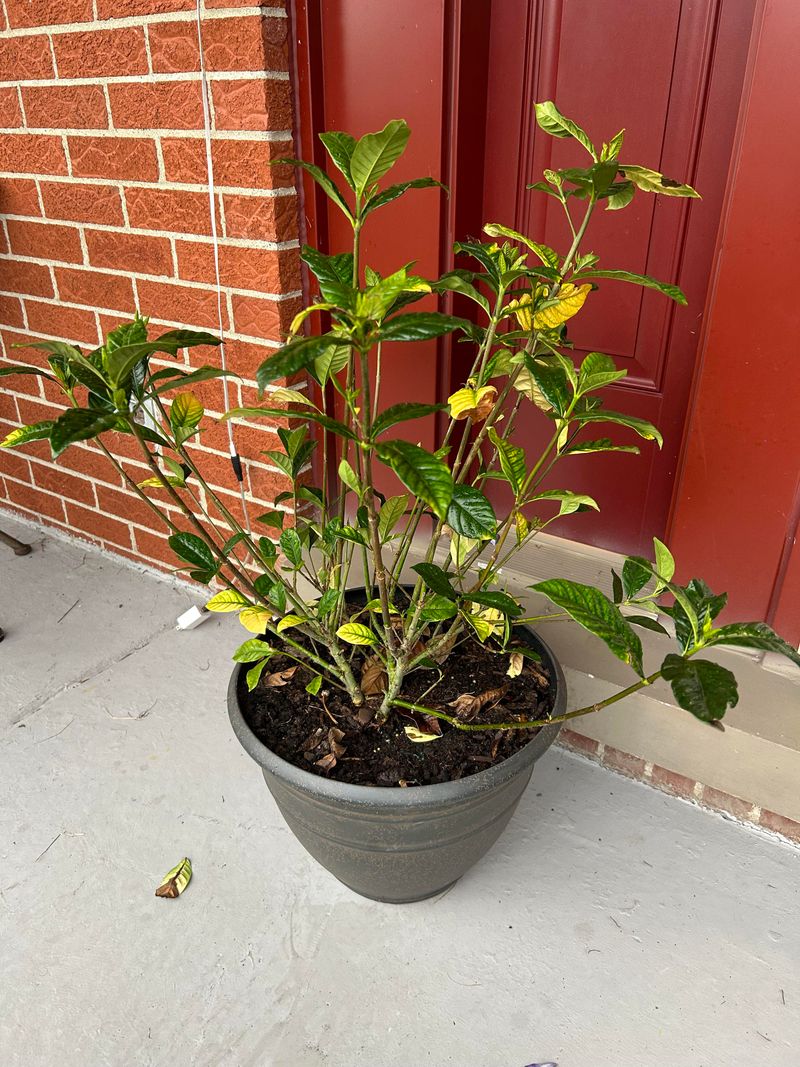
Gardenias are acid-loving plants, and they perform best when the soil pH sits between 5.0 and 6.5. Florida soils vary quite a bit across the state, but many areas, particularly in South Florida and along the coasts, tend toward alkalinity.
When soil pH climbs above 6.5 or higher, nutrients that gardenias need, especially iron and manganese, become chemically locked in the soil and unavailable to the plant’s roots.
Here is the tricky part: you can fertilize a gardenia all season long and still see yellow leaves if the soil pH is too high. The nutrients are technically present in the soil, but the plant simply cannot access them.
Alkaline irrigation water can also raise soil pH over time, which is something many Florida homeowners do not realize is happening until the plant starts showing visible stress.
Getting a soil test is one of the smartest steps you can take before trying to fix yellowing leaves. UF/IFAS Extension county offices offer soil testing, and several reputable soil labs can provide detailed results.
Once you know your soil pH, you can make targeted adjustments using sulfur or acidifying fertilizers labeled for acid-loving plants rather than guessing.
Skipping the soil test and just adding fertilizer is a common mistake. Without knowing the pH, you may be spending money on products that cannot help until the underlying chemistry is corrected first.
5. Yellow Leaves With Green Veins Point To Iron Trouble
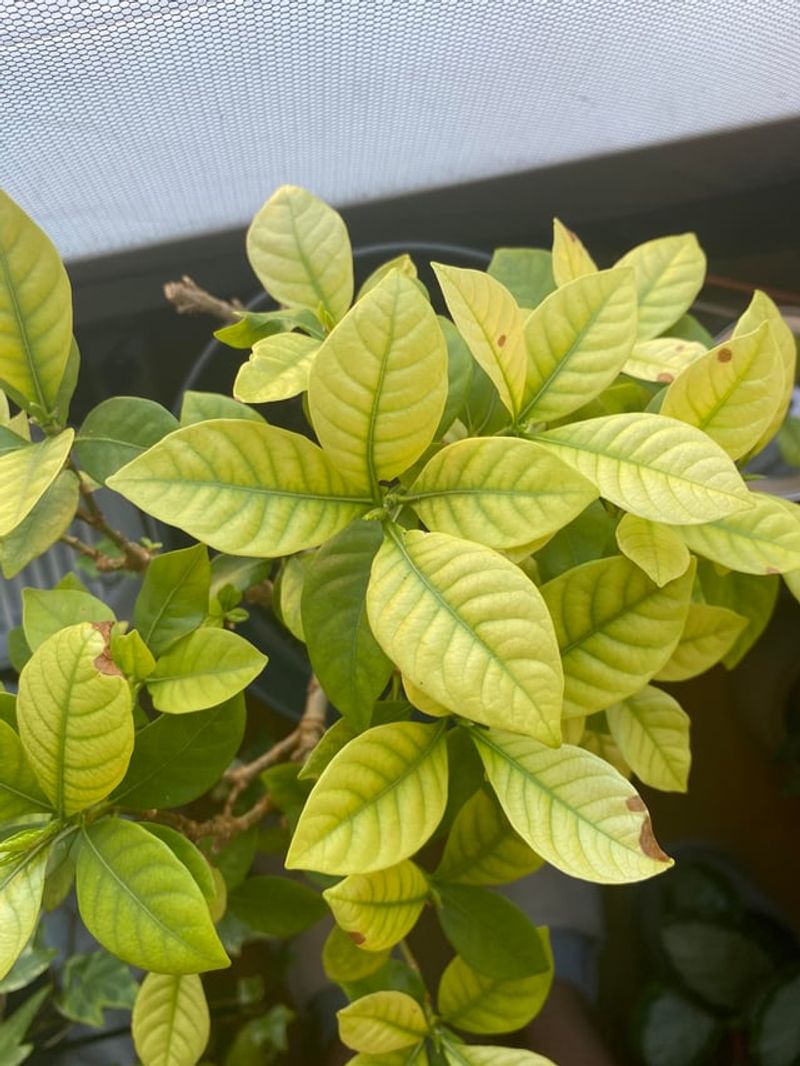
Spotting yellow leaves on a gardenia is alarming enough, but there is one specific pattern worth looking for closely.
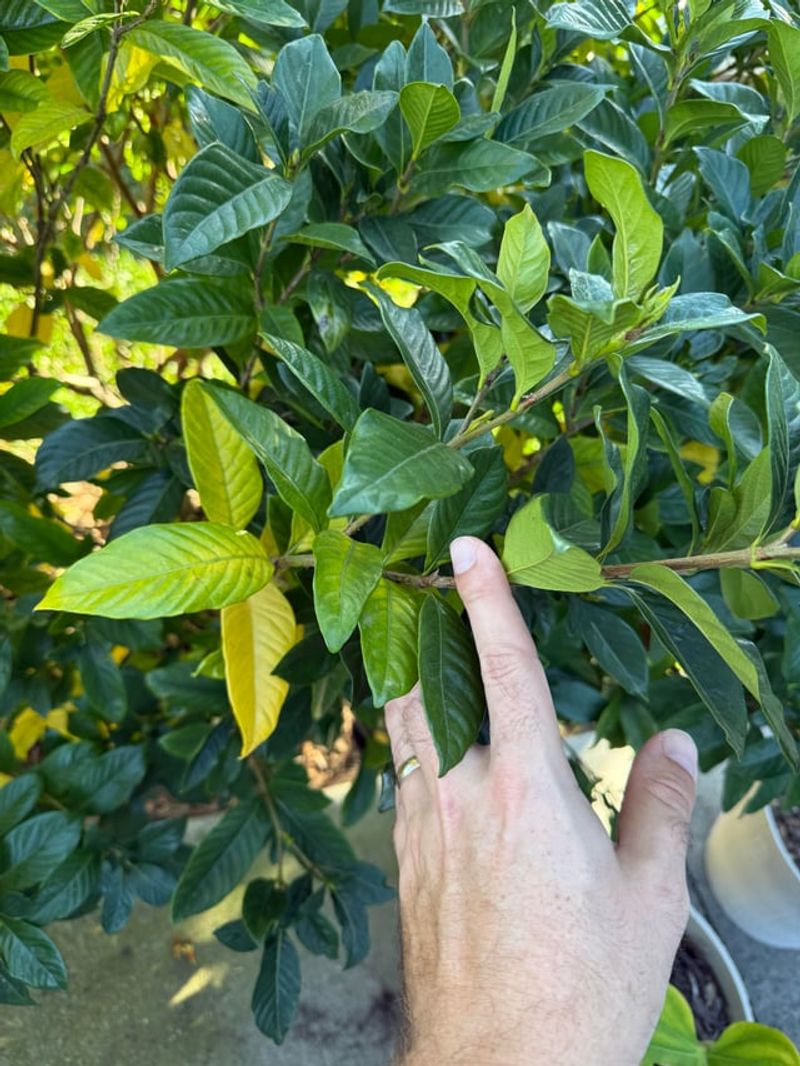
If the newer leaves near the tips of your gardenia’s branches are turning yellow while the veins running through those leaves stay green, that is a classic sign of iron chlorosis.
It is a distinct visual clue that sets this problem apart from general yellowing caused by overwatering or heat stress alone.
Iron chlorosis happens when a gardenia cannot absorb enough iron to produce chlorophyll, the green pigment that powers photosynthesis.
Newer growth shows the symptoms first because iron is not readily mobile inside the plant, so developing leaves cannot pull enough iron from older foliage when uptake is limited.
The cause is almost always tied to soil pH being too high, poor root health limiting nutrient uptake, or both working together at the same time.
Applying a foliar iron spray or soil drench with chelated iron can offer some temporary relief, but it rarely solves the problem permanently if the underlying pH or root issue stays unaddressed.
UF/IFAS Extension cautions against over-applying iron supplements without first testing soil and understanding root conditions.
Improving drainage, correcting soil pH, and giving roots time to recover are usually more effective long-term strategies than repeated product applications.
Iron chlorosis is a symptom pointing to a bigger picture, and reading that picture carefully leads to better results for your gardenia over the full growing season.
6. Warm Nights Bring More Pest Pressure
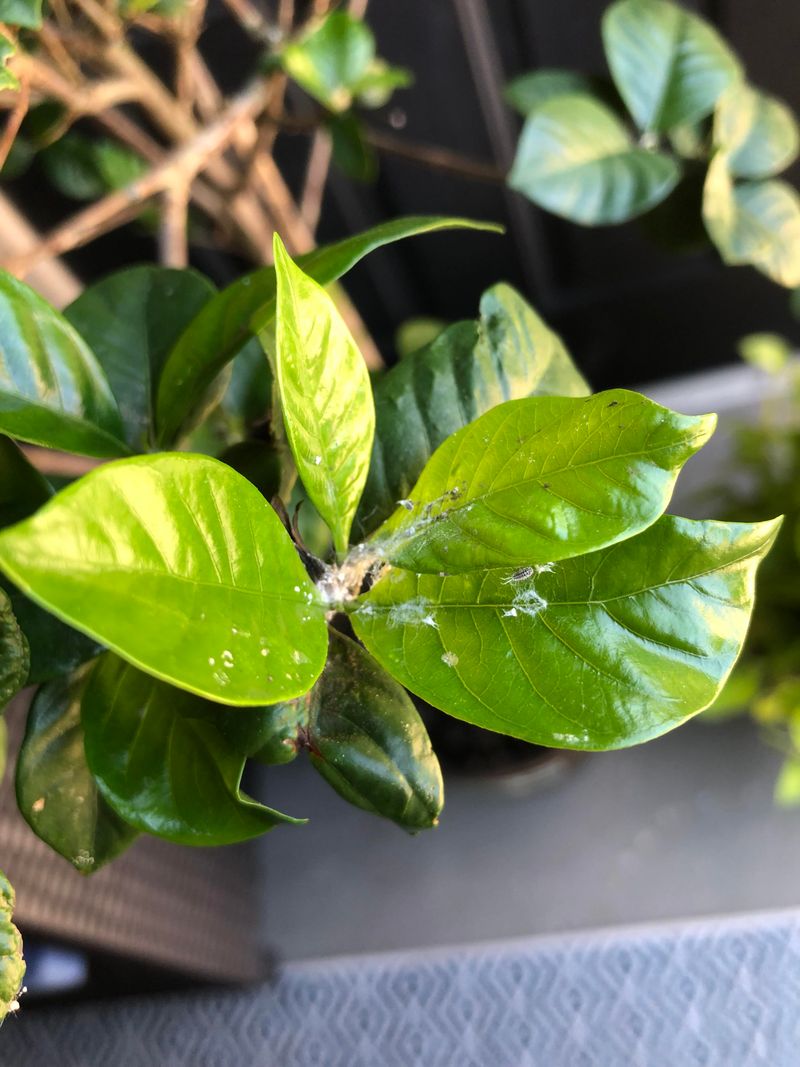
Flip a gardenia leaf over on a warm Florida summer evening and you might be surprised by what you find. Whiteflies, scale insects, aphids, and mealybugs all thrive in the warm, humid conditions that Florida summers deliver in abundance.
These pests do not just sit on the plant looking uninvited; they actively feed on plant sap, which weakens the gardenia and leads to yellowing, curling, or dropping leaves.
Whiteflies are particularly common on gardenias across Florida, especially in South Florida where the warm season stretches the longest. When populations build up, they produce a sticky substance called honeydew that coats leaves and stems.
That honeydew becomes a food source for sooty mold, a black fungal coating that blocks sunlight from reaching the leaf surface and makes the plant look even worse than it already does.
Checking leaf undersides and stems regularly through summer gives you a head start before populations explode. A strong spray of water can knock down small infestations on sturdy plants.
Insecticidal soap or horticultural oil labeled for ornamentals can be effective when used carefully according to label directions, but avoid applying oils during the hottest part of the day to prevent leaf burn.
UF/IFAS Extension recommends scouting plants regularly rather than spraying on a set schedule. Catching pest pressure early makes management far easier and reduces the overall stress your gardenia carries through the long summer season.
7. South Florida Has The Longest Stress Season
Florida is not one single gardening climate, and treating it that way leads to frustration fast. South Florida gardeners face the longest and most relentless stretch of heat, humidity, heavy rain, and pest pressure.
From roughly May through October, conditions stay intense with very little seasonal relief. Gardenias in Miami-Dade, Broward, and Palm Beach counties may deal with yellowing stress for months at a time rather than just a few weeks.
North Florida has a noticeably different pattern. Gardeners in Tallahassee, Gainesville, and Jacksonville often experience a sharper shift from comfortable spring weather into summer heat.
That abrupt change can trigger yellowing relatively quickly as the plant adjusts. The good news is that North Florida also gets more relief in the fall, which gives gardenias a longer recovery window before cooler weather sets in.
Central Florida sits in the middle, dealing with heat alongside unpredictable afternoon storms, sandy soils that drain fast, and irrigation habits that may not match what summer actually demands.
Gardenias in the Orlando area or along the I-4 corridor often need more consistent moisture monitoring because conditions can swing between dry and saturated within the same week.
UF/IFAS Extension encourages Florida gardeners to consult their local county Extension office for region-specific advice rather than following a single statewide care calendar.
Adjusting your approach based on where you live makes a real difference in how well your gardenias hold up through the summer months.
8. Mulch Helps Keep Roots Cooler
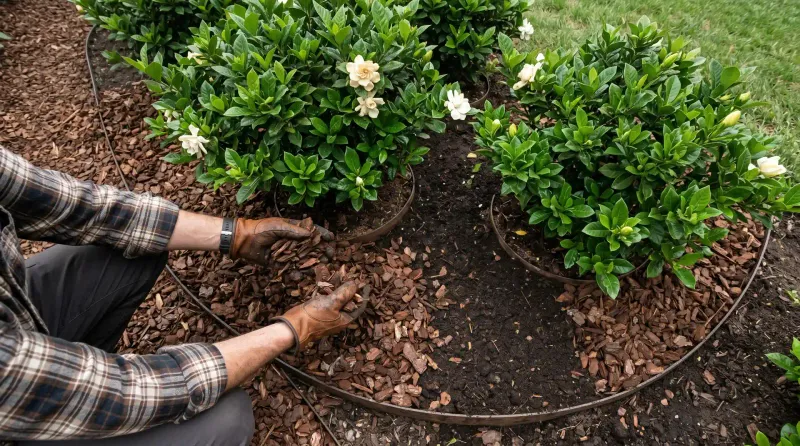
A layer of organic mulch around your gardenias might be the simplest and most rewarding summer care step you can take. Mulch acts as an insulating blanket over the soil, moderating temperature swings that shallow gardenia roots are especially sensitive to.
In Florida’s intense summer sun, bare soil can heat up dramatically, and those temperature extremes put real stress on root systems that are already working hard.
Pine bark, pine straw, and shredded wood mulch are all solid choices for Florida gardenias. Apply a layer two to three inches deep, spreading it out to the drip line of the plant where most of the feeder roots are located.
One important detail: keep mulch pulled back a few inches from the main trunk or stems. Mulch piled against the base can trap moisture and encourage fungal problems right where the plant is most vulnerable.
Beyond temperature regulation, mulch also slows moisture evaporation from the soil surface, which means you may not need to water as frequently during dry spells.
That is a meaningful benefit during a Florida summer when water management becomes a daily consideration.
Avoid piling on extra mulch as a panic response to yellowing leaves without first identifying the real cause. More mulch alone will not correct pH problems, pest infestations, or drainage issues.
Used correctly alongside proper watering and soil care, mulch is a reliable tool that supports gardenia health through even the longest and hottest Florida summers.