The Florida-Friendly Alternative To Boxwood That Won’t Fry In Summer Heat
Boxwood has been a go-to for tidy, formal hedging in American gardens for so long that most people never stop to question whether it belongs in their specific yard. In Florida, that question is worth asking.
Boxwood and Florida summers have a complicated relationship, and the plant usually comes out on the losing end. The heat, the humidity, the intense sun exposure, the conditions that define a Florida summer are genuinely tough on boxwood.
Root rot, leaf scorch, and a rotating cast of pest and fungal problems tend to follow, and maintaining that crisp, manicured look requires a level of intervention that most gardeners didn’t sign up for when they put the plants in the ground.
Dwarf Yaupon Holly fills that same role in a Florida landscape without any of that baggage.
Same structured form, same year-round green, same clean edges that hold their shape through the seasons.
1. Dwarf Yaupon Holly Is The Boxwood Swap Florida Needs
Florida gardeners have been searching for a reliable boxwood substitute for years, and dwarf yaupon holly checks nearly every box on that list.
Native to Florida and much of the southeastern United States, this compact evergreen shrub offers the tidy, formal appearance that makes boxwood so popular, but without the climate mismatch that causes problems in hot, humid yards.
According to UF/IFAS Extension, yaupon holly (Ilex vomitoria) is well adapted to Florida landscapes and performs reliably across much of the state.
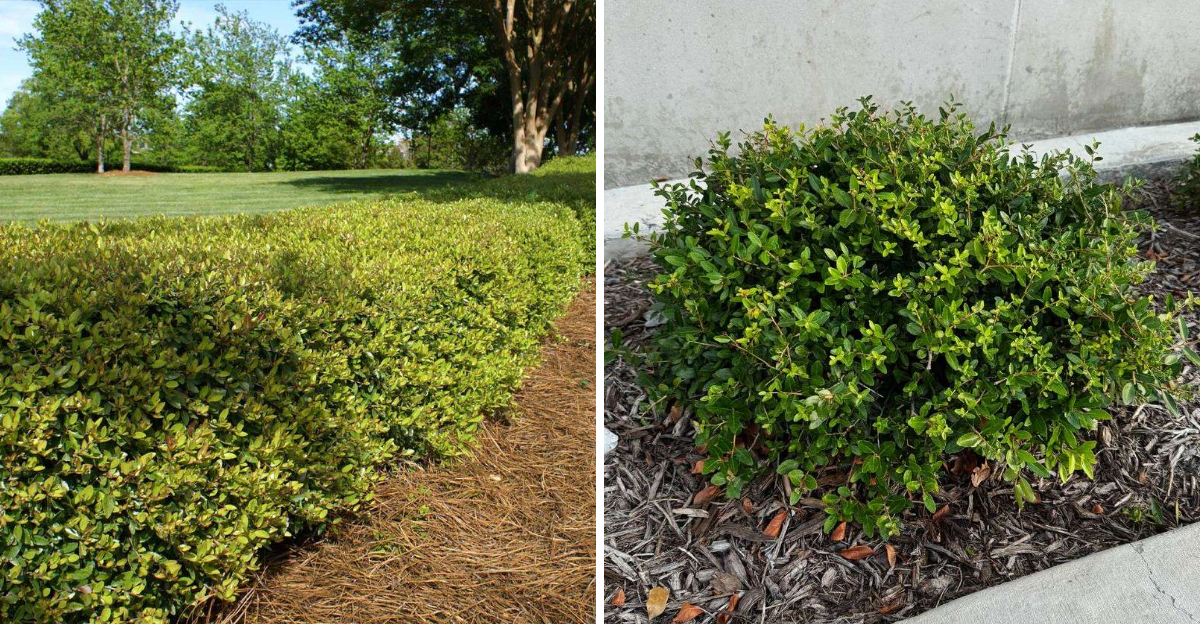
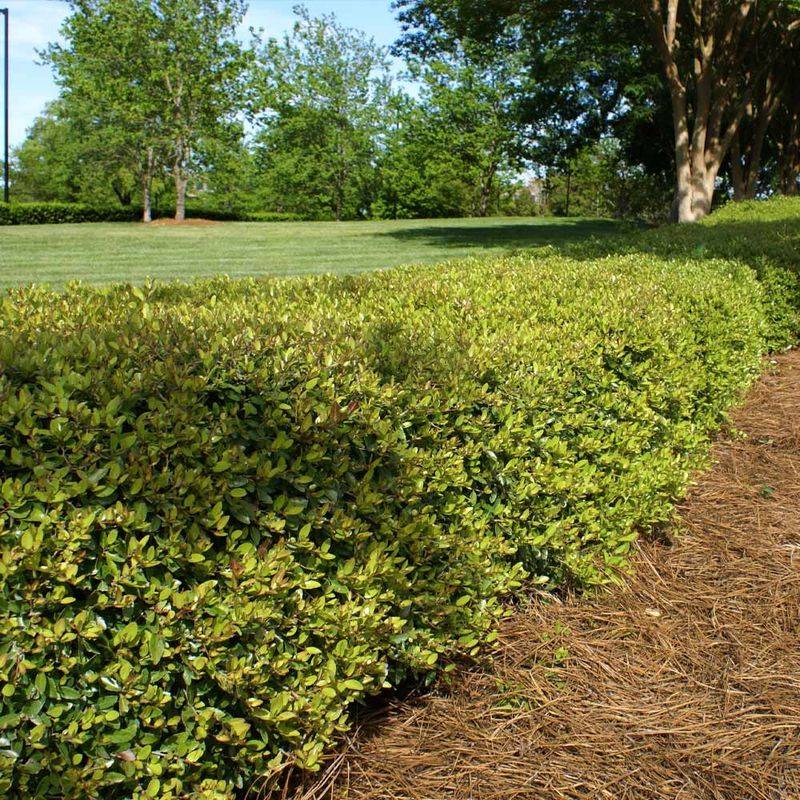
What makes dwarf yaupon holly such a smart swap is its combination of native toughness and design flexibility. It grows into a dense, rounded mound that holds its shape well without constant trimming.
Gardeners can use it as a low hedge along a walkway, a border in a formal garden bed, or a foundation plant beneath windows where a clean, low profile is needed.
Popular compact cultivars like Schillings Dwarf and Bordeaux are especially well suited for the boxwood-style look. Both stay relatively small and produce fine-textured evergreen foliage that looks polished in traditional, cottage, and Florida-friendly landscape designs.
Choosing a native shrub also means you are working with a plant that evolved alongside Florida’s climate rather than against it, which is a genuine advantage in a state where summer heat can last six months or more.
2. This Native Shrub Handles Heat Better Than Boxwood
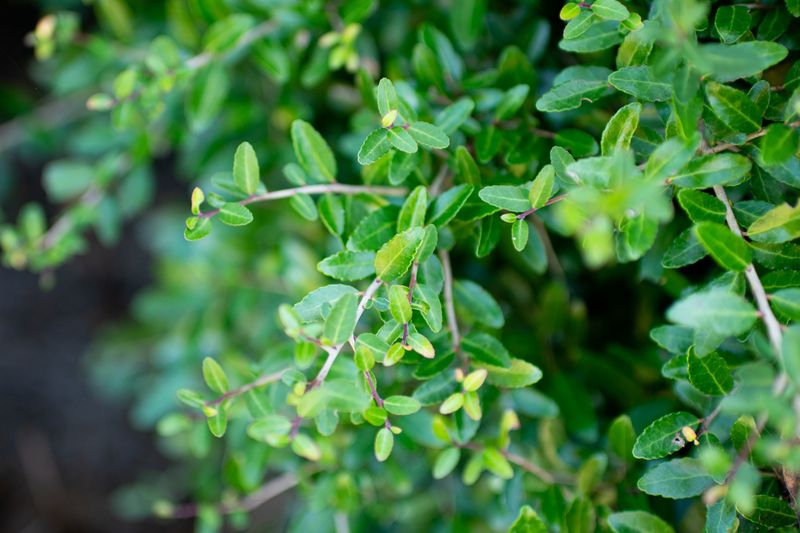
Summer in Florida is not just warm, it is relentlessly hot, sticky, and bright for months on end. Boxwood can struggle in these conditions, especially in full sun with high humidity and sandy soil that drains quickly.
Dwarf yaupon holly, by contrast, evolved in this environment and generally handles Florida summers with far less stress than many traditional boxwood varieties.
UF/IFAS Extension notes that yaupon holly is broadly adapted across Florida, from the Panhandle down through Central Florida and into South Florida landscapes.
Coastal gardeners dealing with salt air and sandy soil will find that yaupon holly tolerates those conditions reasonably well, making it a practical choice for both inland and coastal yards.
Your Florida Garden Changes Every Week. Your Plan Should Too.
Gardening in Florida changes quickly throughout the season. Every Friday you’ll receive a simple weekly plan showing exactly what to plant, prune, fertilize, harvest, and protect so you never miss the right timing.
In North Florida, where winters are cooler, it stays evergreen and bounces back from light freezes without much trouble.
The real difference between a plant that merely survives and one that truly fits a climate comes down to stress. A plant under constant heat stress loses its vigor, looks rough by midsummer, and needs extra care to stay presentable.
Dwarf yaupon holly, being native to the Southeast, does not carry that same burden.
It can handle full sun exposure, high humidity, and the kind of intense summer weather that Florida gardeners deal with every single year, which means less babysitting and more enjoying your yard.
3. Compact Growth Makes It Perfect For Low Hedges
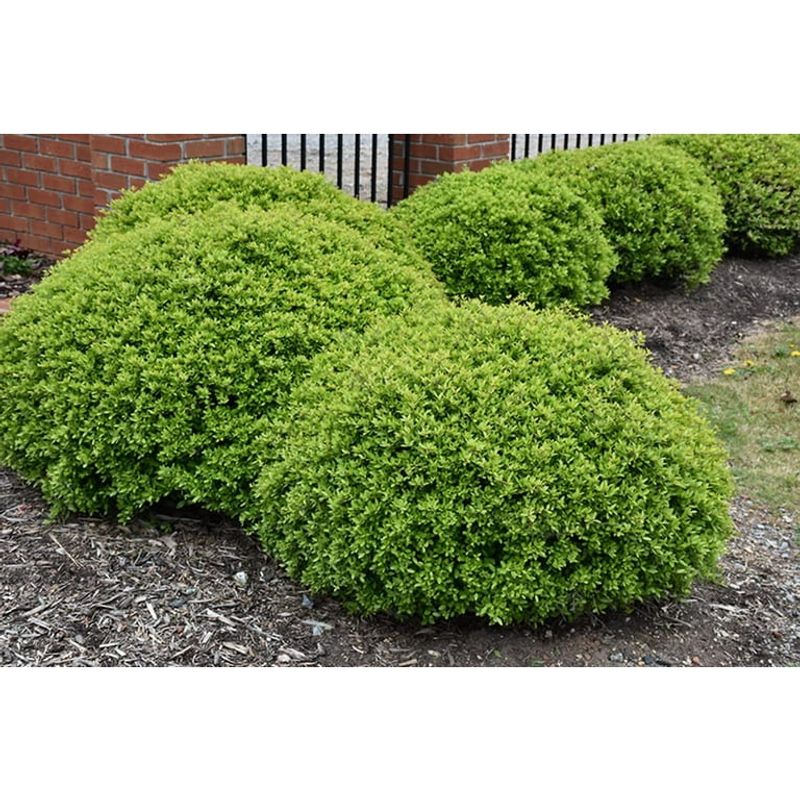
One of the main reasons gardeners reach for boxwood is its compact, controllable growth habit. Dwarf yaupon holly fills that same design role beautifully, especially when you choose the right cultivar.
Schillings Dwarf yaupon holly is compact compared with the straight species, but it can still reach about 4 to 7 feet tall and 6 to 10 feet wide, so it works best where there is room for a wider, mounded shrub or where occasional pruning is acceptable.
For a smaller boxwood-style hedge, Bordeaux yaupon holly is usually the better compact choice, reaching about 2 to 3 feet tall with a 3 to 5 foot spread.
Bordeaux yaupon holly is another compact cultivar worth knowing. It tends to stay similarly small and produces attractive dark green foliage with a slightly more mounded shape.
Both cultivars work well in formal garden designs where clean lines and consistent height matter, and they hold their shape reasonably well without needing constant aggressive trimming to stay in bounds.
Foundation planting is another area where compact dwarf yaupon holly really earns its place. Planted beneath windows or along the front of a home, these shrubs create a neat, finished look that stays proportional to the structure over time.
Unlike larger yaupon holly varieties that can grow eight feet tall or more, compact cultivars stay low enough to keep sightlines clear and maintenance manageable.
For Florida gardeners who want the classic, structured hedge look that boxwood delivers in cooler climates, dwarf yaupon holly in a compact form is a genuinely practical and attractive solution.
4. Small Leaves Give It A Classic Formal Look
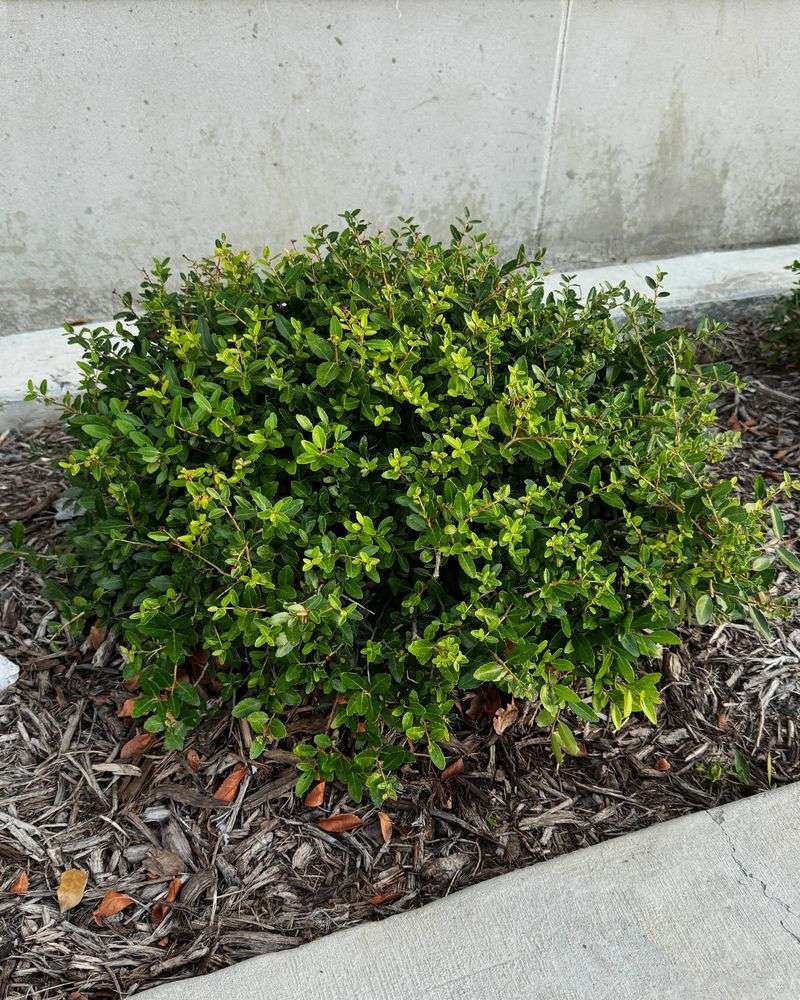
Boxwood has a reputation for looking elegant and refined, and a big part of that reputation comes from its small, densely packed leaves and fine-textured branching. Dwarf yaupon holly delivers a surprisingly similar visual effect.
The leaves are small, oval, and slightly glossy, growing close together on dense branches in a way that creates a full, polished appearance from a distance.
That fine texture is exactly what makes dwarf yaupon holly feel at home in formal landscape designs. Planted in a row along a garden path or used to frame a front entry, it creates clean lines and a structured look that reads as intentional and well-maintained.
It also works in cottage gardens and more relaxed Florida-friendly landscapes where the natural mounded shape fits right in without looking stiff or out of place.
Modern garden beds and contemporary Florida landscapes benefit from dwarf yaupon holly as well.
Its consistent evergreen color, which holds through heat and dry spells better than many alternatives, gives beds a reliable anchor point that does not fade or look patchy during the hottest months.
Gardeners who have tried other shrubs as boxwood substitutes and been disappointed by summer leaf drop or browning often find that dwarf yaupon holly stays looking tidy and green when other plants are clearly struggling with the Florida summer.
5. Pruning Keeps The Shape Clean And Tidy
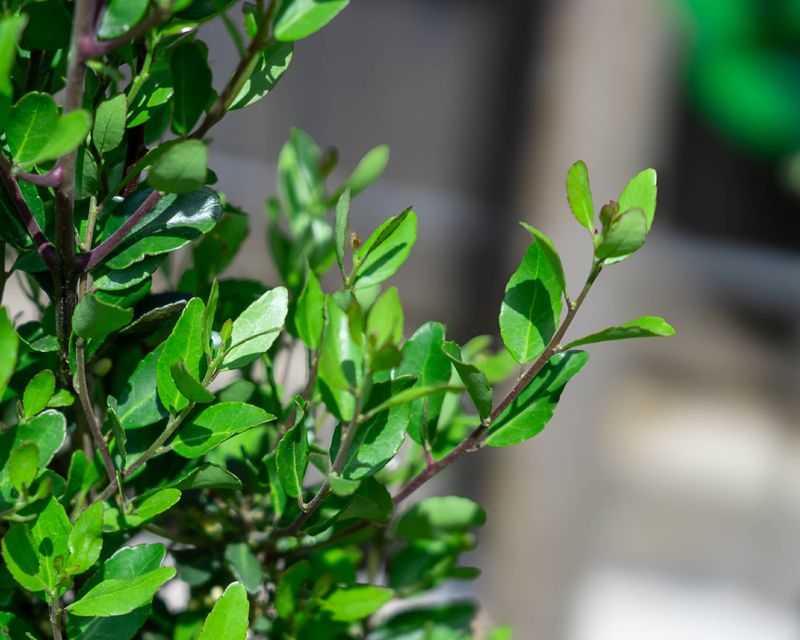
Keeping a hedge or border shrub looking sharp is one of those satisfying garden tasks, but nobody wants to spend every weekend with shears in hand trying to force a plant into shape.
Dwarf yaupon holly makes pruning relatively easy because its natural growth habit is already compact and tidy.
A light trim once or twice a year is usually enough to keep the shape clean and the edges crisp.
Avoid the temptation to over-shear. Cutting too aggressively or shearing too frequently can reduce the plant’s density over time and stress the shrub unnecessarily during hot weather.
Light selective pruning with hand pruners, rather than heavy mechanical shearing, helps maintain a more natural and healthy structure.
If you are pruning in Florida, late winter or early spring is generally a good time to tidy up before the main growing season begins, though light touch-up pruning can be done at other times of year as needed.
Good air circulation around the shrub also matters for long-term health. Pruning to open up the interior slightly, rather than just clipping the outer surface, helps air move through the plant and reduces conditions that favor fungal problems.
The natural mounded shape of dwarf yaupon holly actually works in its favor here, since it does not require constant intervention to look presentable. Let the plant do most of the work, and just clean up the edges when needed.
6. Florida Sun And Sandy Soil Are Not Dealbreakers
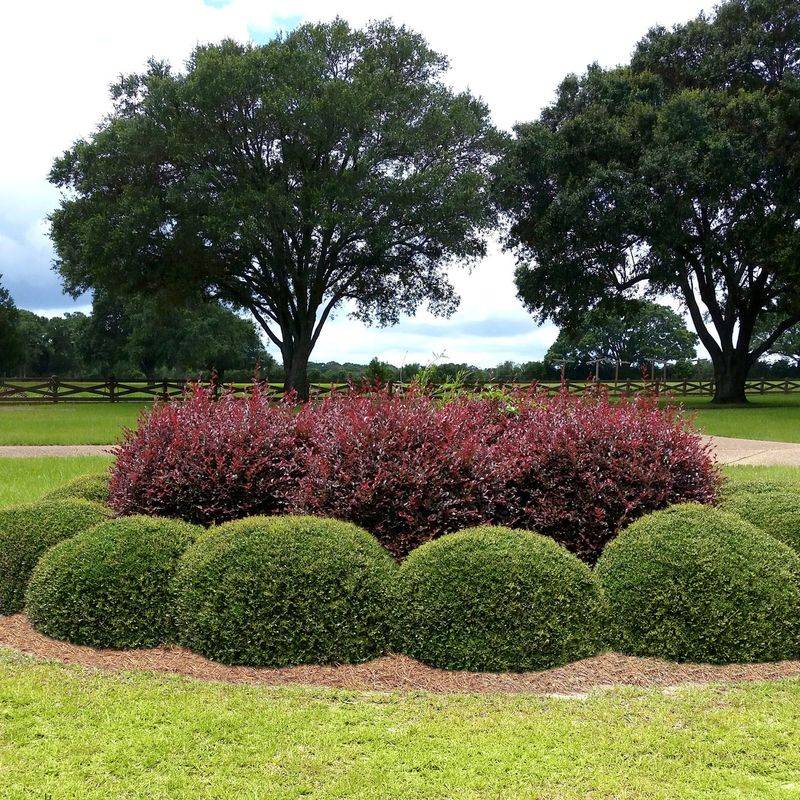
Sandy soil and blazing sun are two of the biggest challenges Florida gardeners face, and they are also two of the conditions that can push boxwood into serious decline.
Dwarf yaupon holly handles both reasonably well once it gets established, which makes it a much more practical choice for the typical Florida yard where sandy, fast-draining soil is the norm rather than the exception.
Establishment watering still matters. During the first growing season, and especially before intense summer heat arrives, newly planted dwarf yaupon holly needs consistent moisture to develop a strong root system.
UF/IFAS Extension recommends watering new shrubs regularly through the establishment period and tapering off as the plant settles in.
Once established, dwarf yaupon holly is notably more drought-tolerant and can handle periods of dry weather without looking completely defeated.
Planting depth and drainage deserve attention too. Planting too deep is a common mistake that can cause root problems regardless of how tough a plant is.
Set the root ball at or slightly above the surrounding soil level, especially in areas where drainage is slow.
Adding a two to three inch layer of mulch around the base helps retain moisture, moderate soil temperature, and reduce weed pressure without smothering the root zone.
Full sun is fine for dwarf yaupon holly, and part shade is also tolerated, giving gardeners flexibility in placement across different areas of the yard.
7. Wildlife Value Gives It An Extra Advantage
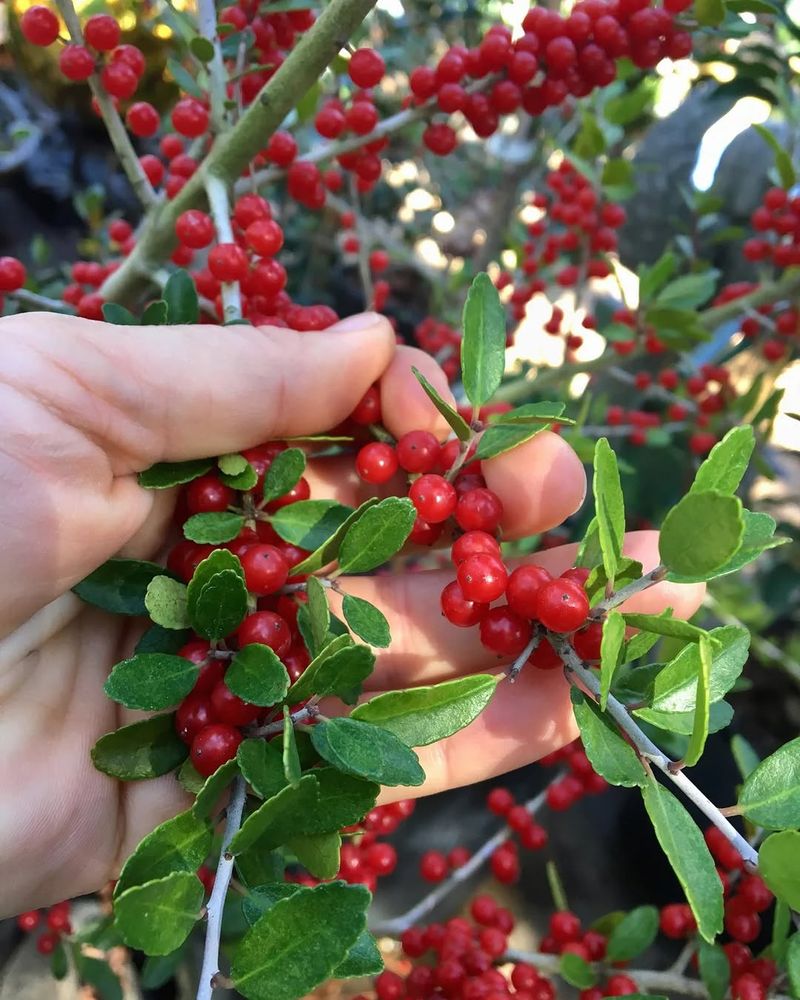
Choosing a native plant for your yard is about more than just toughness and good looks. Yaupon holly has real value for local wildlife, which gives it an extra edge over non-native alternatives like traditional boxwood.
Female yaupon holly plants can produce small, round berries that birds find attractive, particularly during fall and winter when other food sources become less abundant in Florida landscapes.
A quick note worth understanding: berries are more likely to appear when both male and female yaupon holly plants are present in or near the planting area.
Not every compact cultivar sold at garden centers will be labeled by sex, and not every planting will produce noticeable fruit.
If supporting birds is a priority for you, ask your local nursery about the sex of the plants you are buying and whether a pollinator is nearby or needed.
Beyond berries, native shrubs like yaupon holly tend to support local insects and other small creatures in ways that non-native plants often cannot.
The Florida Native Plant Society recognizes yaupon holly as a valuable native species that contributes to the broader health of Florida ecosystems.
Even in a tidy formal hedge setting, dwarf yaupon holly brings ecological benefits that a non-native alternative simply cannot replicate. For gardeners who want a yard that looks good and supports local wildlife, that combination is genuinely hard to beat.
8. Choose The Right Cultivar For Your Yard
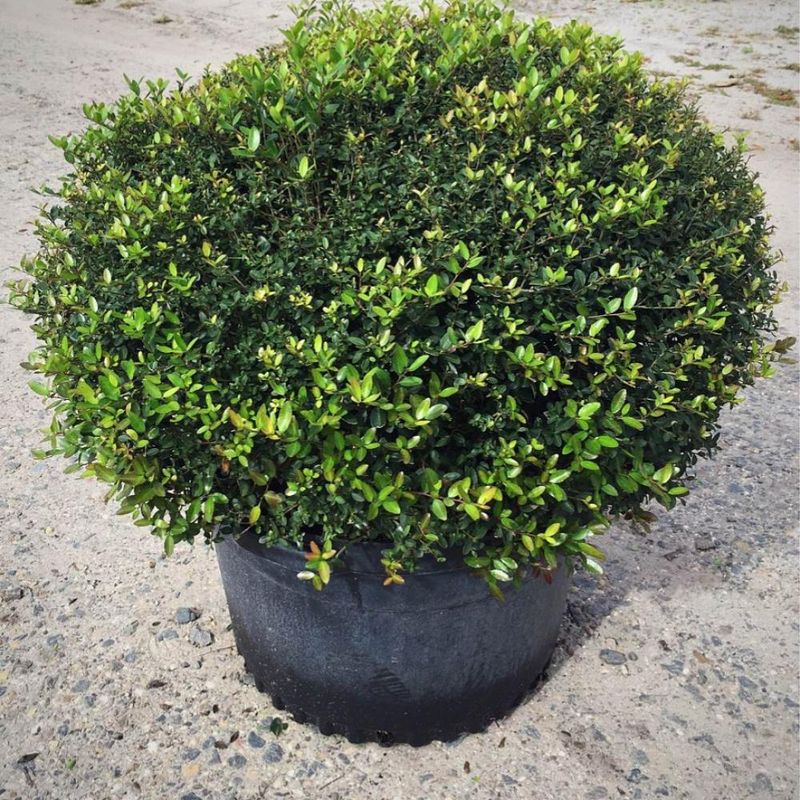
Not all yaupon hollies are created equal, and that matters a lot when you are shopping for a boxwood replacement. The species itself, Ilex vomitoria, can grow into a large multi-stemmed shrub or small tree reaching eight feet or more.
That is not what you want for a low hedge or a tidy foundation planting. Always check the label and choose a compact cultivar specifically selected for small, manageable size.
Schillings Dwarf yaupon holly is one of the most widely available compact forms and a reliable choice for Florida gardeners wanting a boxwood-style look. It stays dense, low, and tidy with minimal effort.
Bordeaux yaupon holly is another excellent compact option with attractive dark green foliage and a naturally mounded habit that works well in formal and informal settings alike. Both are worth looking for at Florida native plant nurseries and well-stocked garden centers.
Matching the cultivar to your specific space is the smartest move you can make before buying. Consider the mature size of the plant, the amount of sun the area receives, and how much maintenance you are realistically willing to do.
A plant that fits the space from the start will always look better and require less effort than one that needs constant cutting back to stay in bounds.
UF/IFAS Extension and local Florida Extension offices are good resources for cultivar recommendations tailored to your specific region of the state.