7 Plants You Shouldn’t Plant In Your West Texas Garden
West Texas is its own gardening world, and treating it like the rest of the state is one of the fastest ways to end up with a yard full of struggling, unhappy plants and a serious case of gardening frustration.
The elevation, the alkaline soil, the extreme temperature swings between day and night, and the dramatically lower humidity levels create conditions that are genuinely unlike anywhere else in Texas, let alone the broader country.
The problem is that most planting advice – whether it comes from general gardening guides, well-meaning neighbors who garden in Dallas or Houston, or nursery staff who aren’t familiar with West Texas specifics – doesn’t account for those differences.
Plants that perform beautifully in central or east Texas can fail completely in West Texas for reasons that aren’t immediately obvious until you’re already dealing with the aftermath of a bad planting decision.
Knowing what not to plant in West Texas is honestly just as valuable as knowing what thrives there.
1. Hydrangea
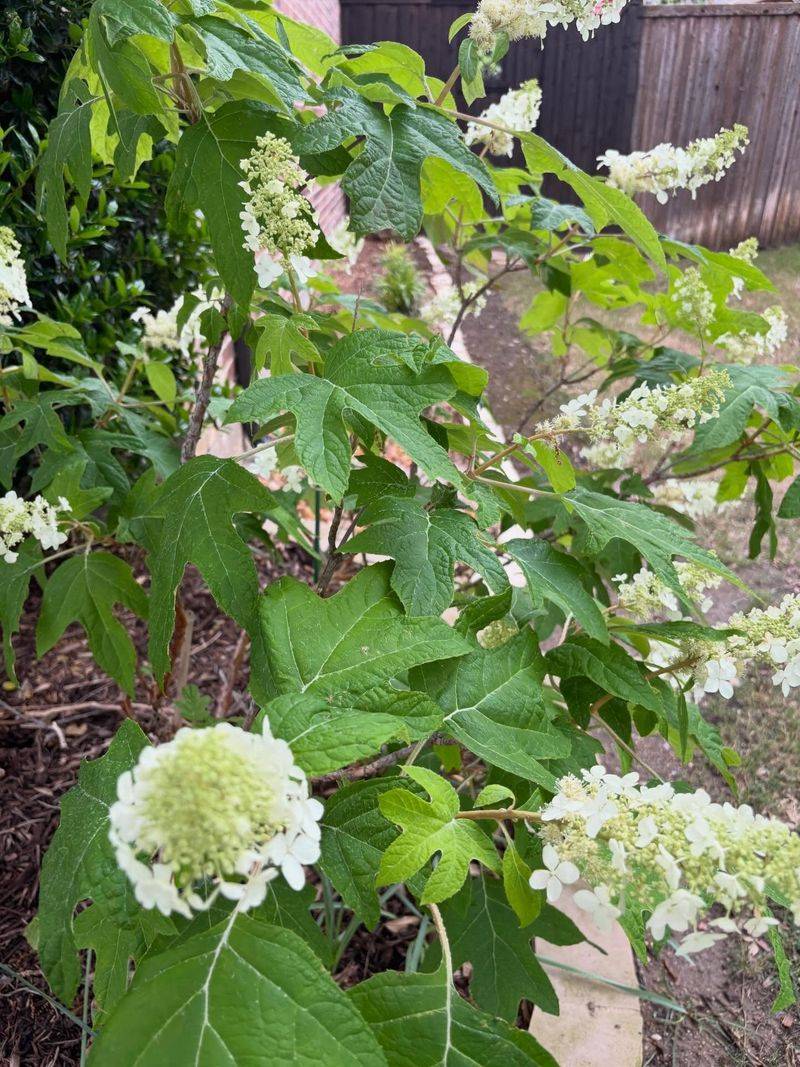
Hydrangeas are gorgeous. There is no denying that. Their big, fluffy blooms in shades of blue, pink, and white look stunning in garden photos and magazines. But if you live in West Texas, planting one is setting yourself up for disappointment.
Most hydrangeas need moist, well-draining, slightly acidic soil to truly thrive. West Texas soil is the opposite of that.
It is dry, rocky, and highly alkaline. Alkaline soil blocks hydrangeas from absorbing iron and other nutrients they need, causing their leaves to turn yellow in a condition called chlorosis.
Beyond the soil problem, West Texas summers are brutal. Hydrangeas prefer afternoon shade and consistent watering, but even with both, the dry desert air pulls moisture right out of the leaves faster than roots can replace it.
The result is wilted, burnt foliage that looks sad by midsummer. Hydrangeas also struggle with the region’s hot, drying winds. A single day of strong southwest winds in places like Midland or Odessa can set back weeks of careful watering.
Even the most heat-tolerant hydrangea varieties, like Annabelle or Endless Summer, tend to underperform significantly in this climate.
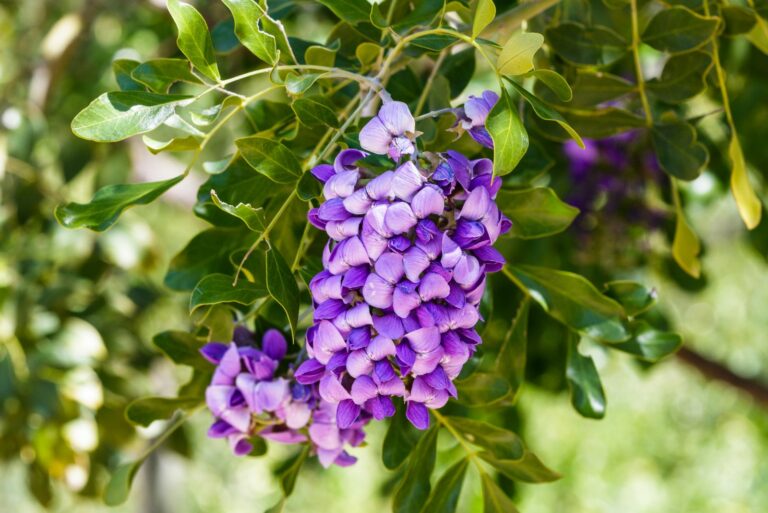
If you love big, showy blooms, consider planting desert willow or vitex instead. Both are adapted to West Texas conditions and produce beautiful flowers without the constant struggle.
Save the hydrangeas for a vacation photo somewhere else, because West Texas simply is not their home.
2. Impatiens
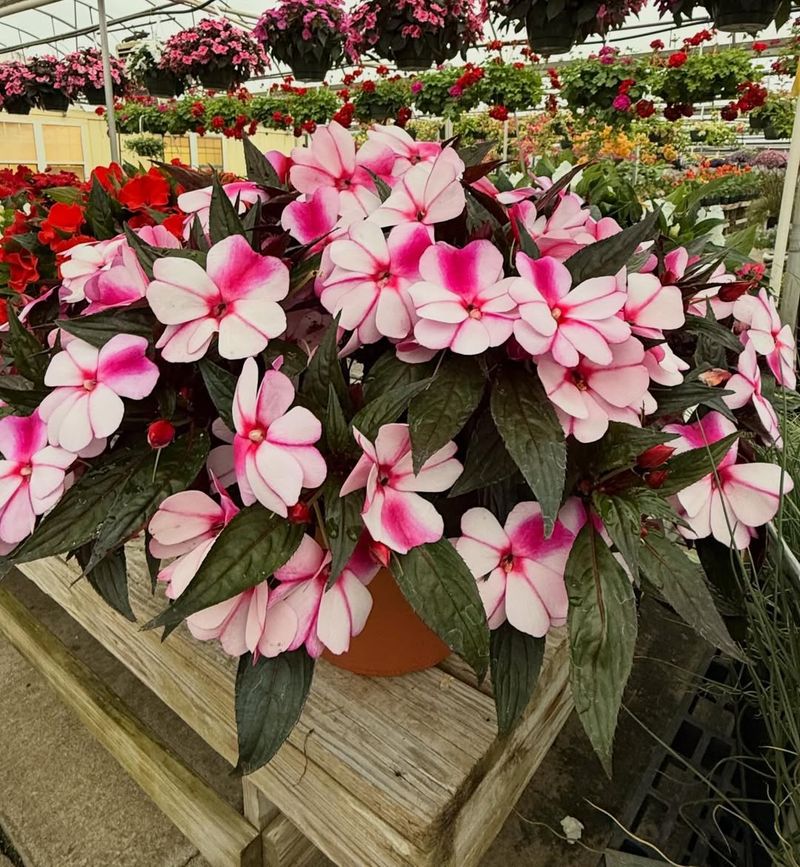
Walk into almost any garden center in the country during spring, and you will see impatiens everywhere. They are colorful, affordable, and easy to grow in many parts of the United States. Unfortunately, West Texas is not one of those parts.
Impatiens love humidity. They need consistent moisture in the air and in the soil to keep their stems firm and their blooms bright.
West Texas is one of the driest regions in the entire country. Relative humidity often drops below 20 percent during summer, and that kind of dry air is basically the opposite of what impatiens need to survive.
Your Texas Garden Changes Every Week. Your Plan Should Too.
Gardening in Texas changes quickly throughout the season. Every Friday you’ll receive a simple weekly plan showing exactly what to plant, prune, fertilize, harvest, and protect so you never miss the right timing.
Even if you water impatiens every single day, the dry desert air will pull moisture from their leaves faster than you can replace it. Their stems go limp, their flowers drop, and the whole plant looks stressed within days of a West Texas heat wave.
Temperatures regularly hitting 100 degrees or more in cities like Lubbock and Pecos make things even harder. There is also the issue of sunlight. Impatiens prefer shaded, cool spots.
Full West Texas sun, which is intense and relentless, scorches their delicate leaves quickly. Even in partial shade, the combination of heat and low humidity is usually too much for them to handle through a long summer.
Better alternatives for bright color in your West Texas garden include zinnias, portulaca, and lantana. These plants are tough, drought-tolerant, and actually enjoy the intense sunshine that West Texas provides so generously all season long.
3. Boston Fern
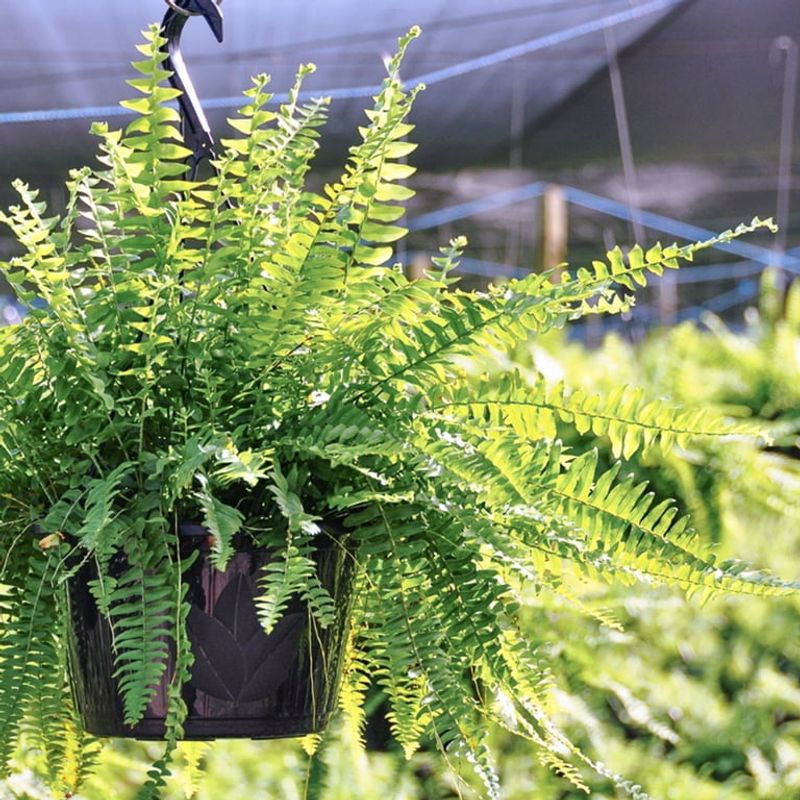
Boston ferns are lush, trailing, and undeniably beautiful. They are a classic choice for porches, patios, and indoor spaces across much of the South and Southeast.
But West Texas is a different world, and Boston ferns simply do not belong here. The biggest problem is humidity, or rather the complete lack of it. Boston ferns need high humidity to keep their fronds green and healthy.
In West Texas, the air is extremely dry almost year-round. Without enough moisture in the air, the tips of fern fronds turn brown and crispy almost immediately. No amount of misting will make up for the naturally dry desert atmosphere.
Outdoor conditions in West Texas make things even worse. The hot desert winds that sweep through areas like Odessa, Big Spring, and Fort Stockton are relentless during summer.
These drying winds pull moisture out of fern fronds at an alarming rate, leaving them looking brown and shriveled within just a few days of exposure.
Intense summer heat adds another layer of difficulty. Boston ferns prefer temperatures between 60 and 75 degrees Fahrenheit.
When West Texas temperatures regularly exceed 100 degrees, ferns suffer quickly and dramatically. Even keeping them in shade does not fully protect them from the heat radiating off the ground and surrounding structures.
If you want a lush, tropical look on your West Texas patio, try using native grasses or succulents in decorative pots instead. They bring texture and life to your outdoor space without the constant battle against the region’s harsh desert climate.
4. Japanese Maple
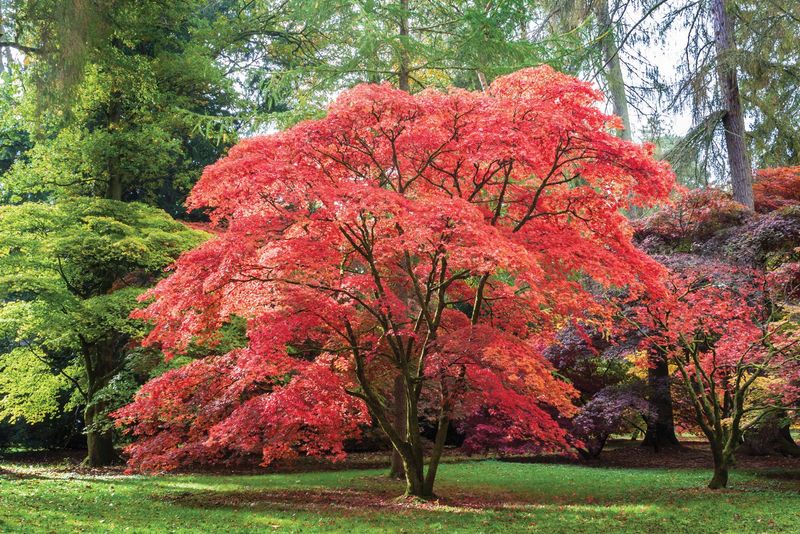
Few trees are as elegant as the Japanese maple. Their delicate, star-shaped leaves in shades of red, burgundy, and green make them a showstopper in gardens across the Pacific Northwest and the Eastern United States.
Gardeners in West Texas are often tempted to plant one, and it is easy to understand why. Sadly, Japanese maples are poorly suited for West Texas conditions. Their thin, papery leaves are incredibly sensitive to intense sunlight and heat.
When temperatures climb above 90 degrees, which happens regularly and often in West Texas, the leaf edges begin to scorch and turn brown. By midsummer, a Japanese maple in this region can look more like a crispy stick than a graceful tree.
Hot, dry winds make the situation even worse. West Texas is famous for its powerful wind gusts, especially in spring and early summer.
These winds strip moisture from leaves faster than roots can absorb water from the dry soil. Even well-watered Japanese maples struggle to keep up with the moisture demand during a West Texas wind event.
The alkaline soil common throughout the region also works against Japanese maples. They prefer slightly acidic, well-draining soil that is rich in organic matter.
West Texas soil tends to be the opposite, making nutrient absorption difficult and stunting the tree’s growth over time.
For a dramatic focal point in your West Texas yard, consider desert willow or Texas mountain laurel instead. Both are native or well-adapted trees that offer stunning seasonal beauty without the constant uphill battle against the local climate.
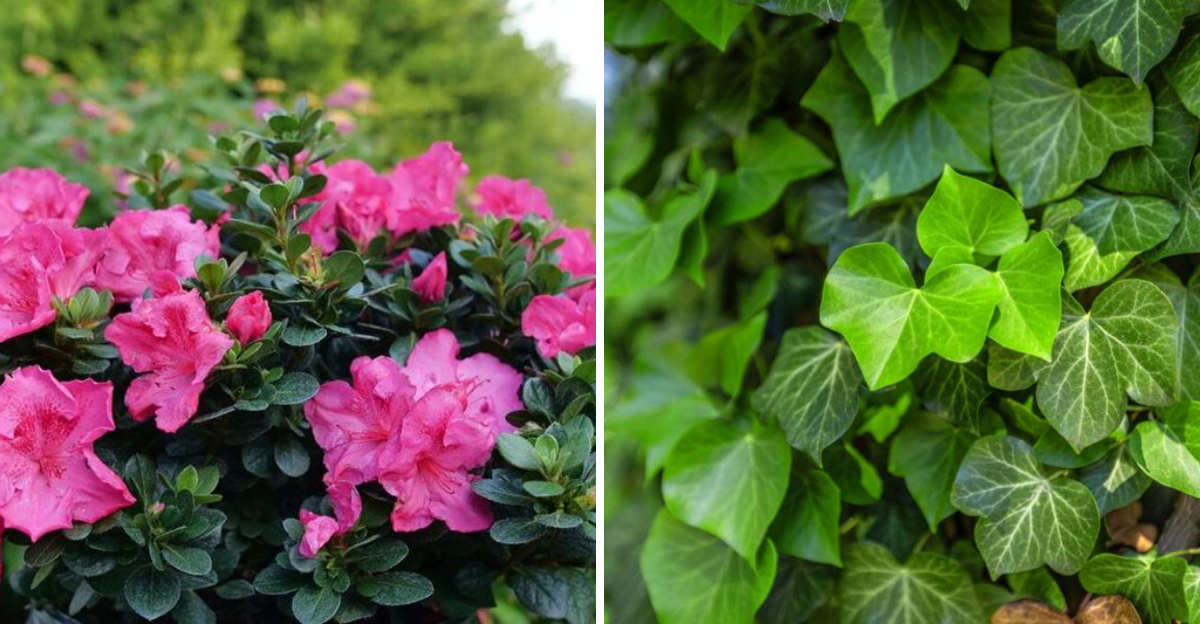
5. Azalea
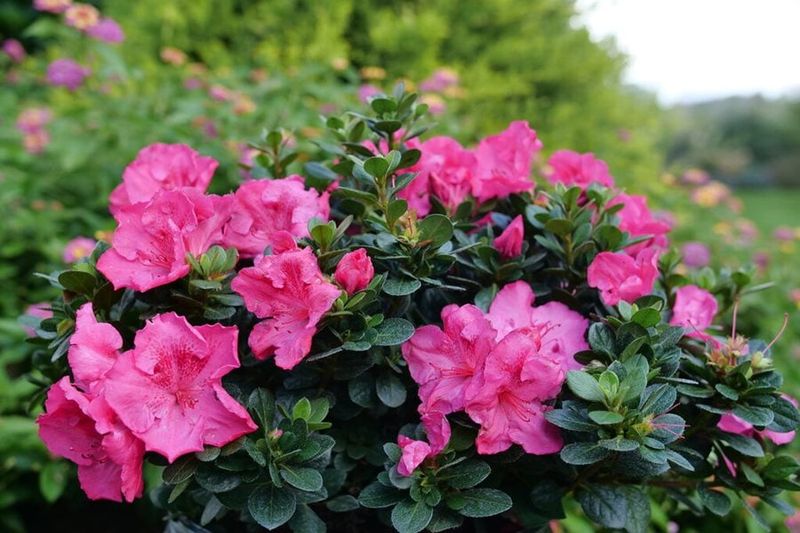
Azaleas are one of the most beloved flowering shrubs in American gardens. Their springtime blooms in shades of pink, red, white, and purple are absolutely breathtaking.
Drive through parts of East Texas or the Deep South in April, and azaleas are everywhere, putting on a spectacular show. West Texas, however, is a completely different story. Azaleas are acid-loving plants.
They need soil with a pH between 4.5 and 6.0 to absorb the nutrients they require for healthy growth and blooming. Most West Texas soil has a pH well above 7.0, sometimes reaching 8.0 or higher.
That level of alkalinity blocks azaleas from absorbing iron and manganese, leading to yellowing leaves and poor, sparse flowering.
You can try to amend the soil with sulfur or use acidifying fertilizers, but in West Texas, the naturally alkaline groundwater will quickly undo your efforts. Every time you water, you are essentially resetting the soil chemistry back toward alkaline.
It becomes a never-ending and exhausting cycle. Heat and low humidity add to the challenge. Azaleas prefer mild temperatures and moist air, conditions that West Texas rarely offers.
The intense summer sun in cities like Midland and San Angelo can scorch azalea leaves and cause flower buds to drop before they even open.
A much better choice for spring color in West Texas is the blackfoot daisy or autumn sage. Both are tough, adapted plants that thrive in alkaline soil and reward you with cheerful blooms without demanding conditions the region simply cannot provide.
6. English Ivy
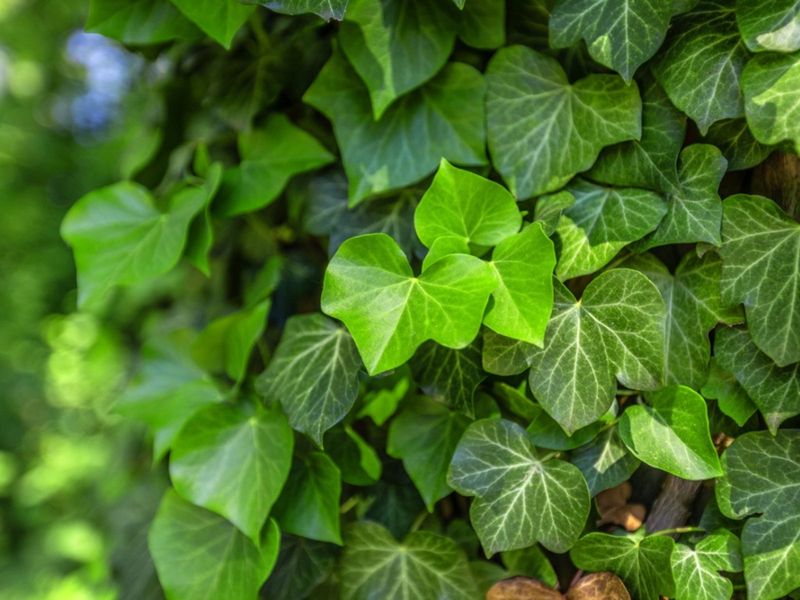
English ivy has a reputation as a tough, adaptable ground cover. It grows in deep shade, climbs walls, and spreads quickly to cover bare ground.
In cooler, moister climates, it is a popular landscaping choice. But West Texas is not the right place for it, and there are two very good reasons why.
First, English ivy struggles in extreme heat. West Texas summers are long, hot, and unrelenting.
Temperatures above 100 degrees Fahrenheit are common from June through August across much of the region. English ivy prefers cooler conditions and does not handle prolonged heat stress well.
Its leaves can scorch, dry out, and drop off during the hottest stretches of a West Texas summer.
Second, and perhaps more surprising, English ivy can actually become invasive in protected or irrigated landscape areas. If you plant it near a drip irrigation system or in a shaded courtyard that stays consistently moist, ivy can spread aggressively.
It climbs walls, gets into tree bark, and can crowd out other plants you actually want to keep around.
Managing invasive ivy in a West Texas landscape is a real headache. It requires frequent trimming and monitoring to prevent it from taking over.
For a region where water conservation is already a top priority, dedicating extra resources to controlling a struggling plant just does not make sense.
For ground cover in West Texas, prairie verbena, silver ponyfoot, or buffalo grass are far smarter choices. They are native or well-adapted, low-maintenance, and genuinely built for the harsh conditions that define this part of Texas.
7. Lawn Fescue
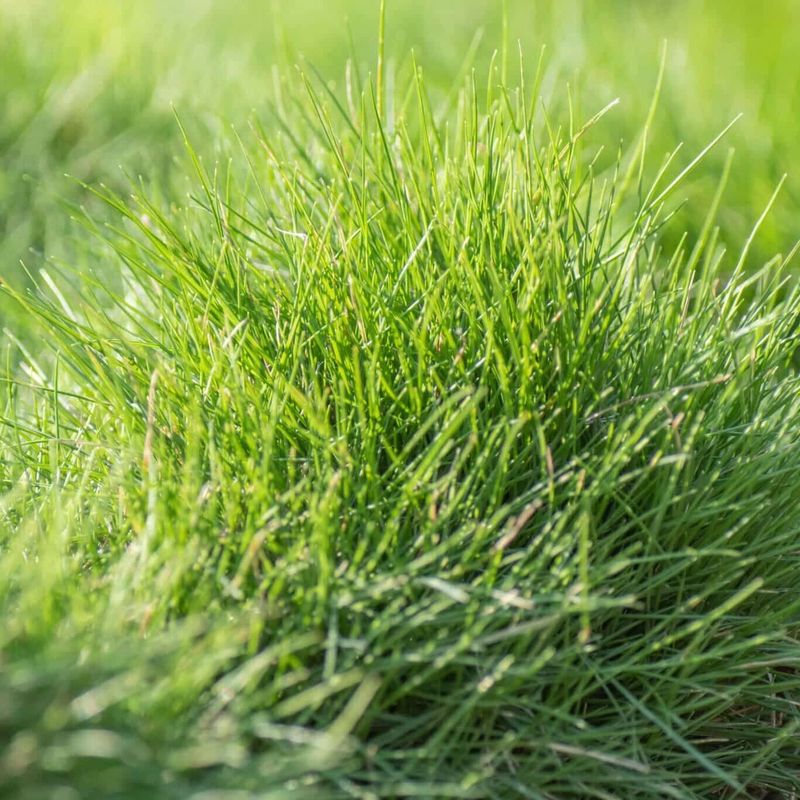
A lush, green fescue lawn looks amazing in gardening magazines and on home improvement shows. Fescue grass is popular in cooler, wetter parts of the country because it stays green through mild winters and grows thick with regular rainfall.
For West Texas homeowners dreaming of that same look, the reality is a tough one to accept.
Fescue grass is simply not built for the West Texas climate. It is a cool-season grass that thrives when temperatures stay between 60 and 75 degrees Fahrenheit.
West Texas summers regularly push temperatures above 100 degrees for weeks at a time. Under that kind of heat stress, fescue goes dormant, turns brown, and often does not recover without intensive watering and care.
Water use is the biggest issue. Fescue lawns require a lot of it, sometimes up to two inches per week during hot, dry weather.
In a region where water is already a precious and limited resource, maintaining a fescue lawn is not just difficult, it is genuinely unsustainable. Many West Texas cities have water restrictions during summer that make keeping fescue alive nearly impossible.
The cost adds up fast too. Between water bills, fertilizer, and reseeding after summer damage, a fescue lawn in West Texas can become a significant ongoing expense without ever truly looking the way you hoped it would.
Buffalo grass, bermuda grass, and blue grama are excellent alternatives. These grasses are naturally adapted to West Texas conditions, require far less water, and can handle the heat without turning into a patchy brown mess every July and August.