Creeping Thyme Lawn Vs Grass In Ohio And Whether It Is Worth The Switch

The idea of replacing Ohio lawn grass with creeping thyme sounds almost too good.
A low-growing, fragrant, drought-tolerant ground cover that rarely needs mowing, handles foot traffic reasonably well, and blooms from early summer into later summer depending on the species, cultivar, and site conditions.
On paper it reads like the answer to every Ohio homeowner’s lawn frustration. Reality, as Ohio gardeners tend to find out, is a bit more nuanced than that.
Creeping thyme has genuine strengths that make it a serious contender for certain Ohio yards. It also has real limitations that the enthusiastic gardening content online tends to gloss over pretty quickly.
Ohio’s freeze-thaw cycles, clay soil tendencies, and the sheer dominance of established turf grass all factor into how this switch actually plays out on the ground, not just in theory.
The gardeners who make this transition successfully tend to go in with a clear picture of both sides.
What creeping thyme genuinely delivers, where it earns its place, and where it falls short of the vision. That honest comparison is exactly what this breakdown covers.
1. Understand Why Creeping Thyme Is Getting So Much Attention
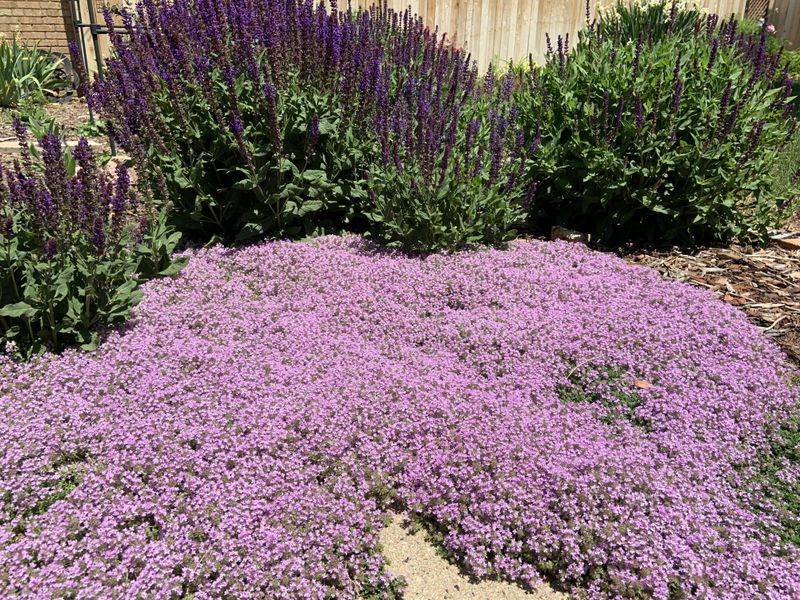
Scroll through any gardening group online and you will see the same photo over and over: a carpet of tiny pink-purple flowers spreading between stepping stones, bees hovering above it, and zero mowing equipment in sight.
Creeping thyme has earned that attention honestly.
It stays low, usually reaching only two to four inches tall, and blooms from early summer into later summer, depending on the species, cultivar, and site conditions.
The plant also releases a pleasant herby fragrance when brushed or lightly stepped on, which adds a sensory quality that no turfgrass can match.
The appeal makes complete sense for people who find traditional lawn care exhausting or expensive.
Mowing, fertilizing, and watering a full turfgrass lawn takes real time and money, and the results can feel underwhelming compared to a flowering groundcover that practically takes care of itself once established.
Creeping thyme thrives with very little fertilizer and handles dry stretches reasonably well after the roots settle in.
Popularity alone, however, does not make creeping thyme the right fit for every Ohio yard. Understanding what makes it appealing is the first step, but matching it to the actual conditions of your property is what determines whether it succeeds or disappoints.
2. Compare Thyme To Turf Before You Tear Out Grass

A lot of people picture creeping thyme as a straight swap for turfgrass, but the two plants handle real yard life very differently.
Turfgrass, especially varieties recommended for Ohio like tall fescue or Kentucky bluegrass, is built to recover from repeated foot traffic, pet activity, and hard use.
Kids running across it, dogs cutting corners, and regular mowing are all part of what turfgrass was bred to handle. Creeping thyme is not nearly as resilient under that kind of pressure.
Creeping thyme can tolerate light, occasional foot traffic, like a gentle walk-through or stepping across a garden path. Regular stomping, pet activity, and play areas will thin it out over time and leave bare patches that are slow to fill back in.
Your Ohio Garden Changes Every Week. Your Plan Should Too.
Gardening in Ohio changes quickly throughout the season. Every Friday you’ll receive a simple weekly plan showing exactly what to plant, prune, fertilize, harvest, and protect so you never miss the right timing.
Turfgrass rebounds from that kind of use much more reliably.
The comparison also comes down to establishment speed. Turfgrass from sod can create a usable lawn surface within weeks.
Creeping thyme planted from plugs or seed takes a full growing season or more before it fills in properly.
Think honestly about how your family uses the yard before deciding which plant belongs where, because the answer may be different for different sections of your property.
3. Remember That Creeping Thyme Is Not Native To Ohio
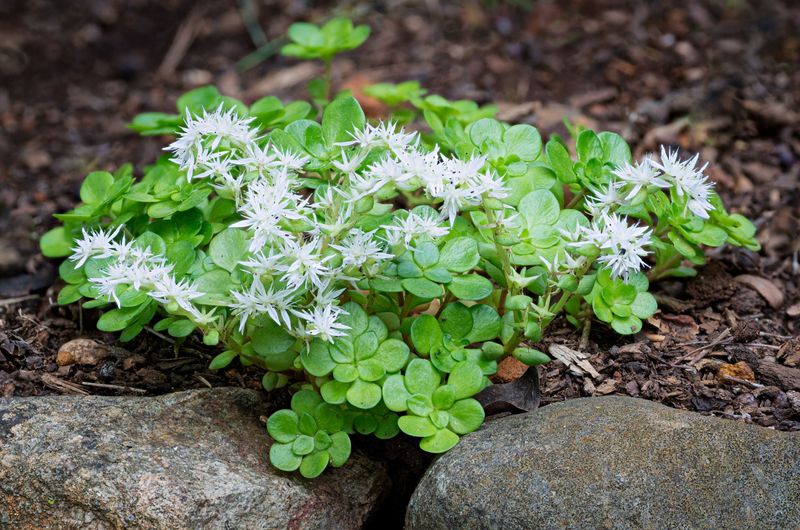
Creeping thyme originates from Europe and parts of Asia. That detail matters when you hear people describe it as a natural or eco-friendly lawn replacement, because non-native and native are not the same thing.
Ohio has its own rich plant community that evolved alongside local insects, birds, and soil organisms over thousands of years.
Creeping thyme did not grow up in that system, so the ecological relationships it forms here are shallower than those formed by plants that belong to this region.
To be fair, creeping thyme is not listed as a regulated invasive plant in Ohio. The Ohio Department of Agriculture maintains an invasive plant list, and creeping thyme does not appear on it.
It is not considered aggressive in the way that plants like garlic mustard or Japanese knotweed are. Gardeners can use it without the concern of spreading a harmful species into natural areas.
Still, non-native is not the same as neutral. Research from entomologist Doug Tallamy and others has shown that native plants support more native insects, especially specialist bees and caterpillars, than non-native plants do.
Creeping thyme offers some pollinator value during bloom time, but native groundcovers build those connections more deeply. Knowing this helps you make a more informed choice about where thyme fits in your overall yard plan.
4. Use Thyme Only Where The Site Conditions Fit
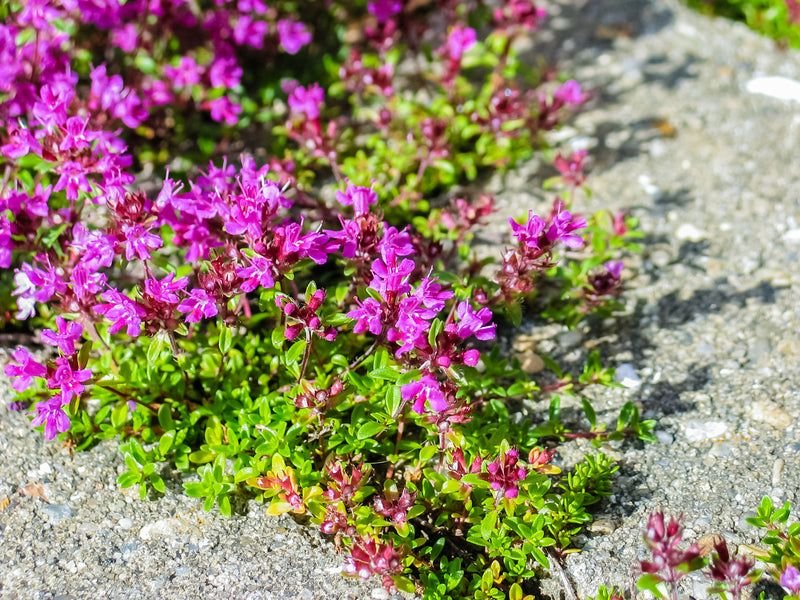
Matching a plant to the right spot is the single biggest factor in whether creeping thyme thrives or struggles in an Ohio yard. Full sun is the starting point.
Creeping thyme wants at least six hours of direct sunlight per day, and it performs best with even more. Lean, well-drained soil suits it far better than rich, heavily amended ground.
In fact, soil that is too fertile can cause it to grow lush and floppy rather than forming the tight, low mat that makes it attractive as a groundcover.
Good drainage is non-negotiable. Creeping thyme cannot sit in wet soil for extended periods without the roots suffering.
Sandy loam or gravelly soil drains well and tends to work in its favor. Sunny hillsides, rock gardens, dry borders along driveways, and the strips between pavers or stepping stones are often ideal placements.
Hellstrips, the narrow strips of lawn between a sidewalk and the street, can work in some Ohio situations where the soil is lean and dry and the area gets full sun.
However, road salt spray in northern Ohio winters and compacted, poorly drained hellstrip soil in many subdivisions can still make establishment difficult.
Always assess the actual site conditions before planting rather than assuming a location will work because it looks sunny from a distance.
5. Skip Thyme In Wet Clay Shade And Heavy Traffic Areas
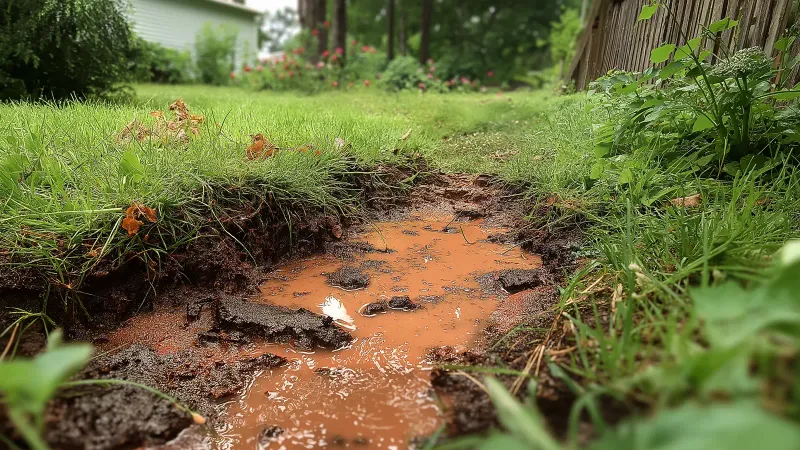
Ohio soils have a reputation for being heavy, and that reputation is well-earned. Much of central and northwestern Ohio sits on glacial lake bed deposits and dense clay that holds water long after a rainstorm.
Suburban subdivision lots often make the problem worse because construction compacts the soil, strips the topsoil, and leaves a layer of clay-heavy subsoil near the surface.
Creeping thyme planted into that kind of ground tends to struggle, especially if the area stays wet for days after rain.
Shade is another dealbreaker. Older Ohio neighborhoods with large mature trees, or any yard with significant tree canopy, may not have the sunlight creeping thyme needs to thrive.
Planting it under a maple or oak and hoping it will fill in usually leads to a patchy, thin planting that never looks right.
Heavy-use areas present a third problem. Dog runs, spots where children play regularly, paths between the driveway and the back door, and anywhere that sees constant foot traffic are better served by turfgrass or hardscaping.
Creeping thyme can handle a casual walk-through, but repeated pressure from pets, kids, or regular foot traffic will thin it out. Save thyme for the spots where conditions genuinely favor it rather than forcing it into every challenging corner of the yard.
6. Consider Native Groundcovers With Bigger Wildlife Benefits
Before settling on creeping thyme as a lawn alternative, it is worth stepping back and asking what you actually want from the change. If the goal is simply to reduce mowing in a low-traffic area, thyme can do that.
But if the goal includes supporting local pollinators, feeding wildlife, or building a more ecologically connected yard, native groundcovers bring more to the table.
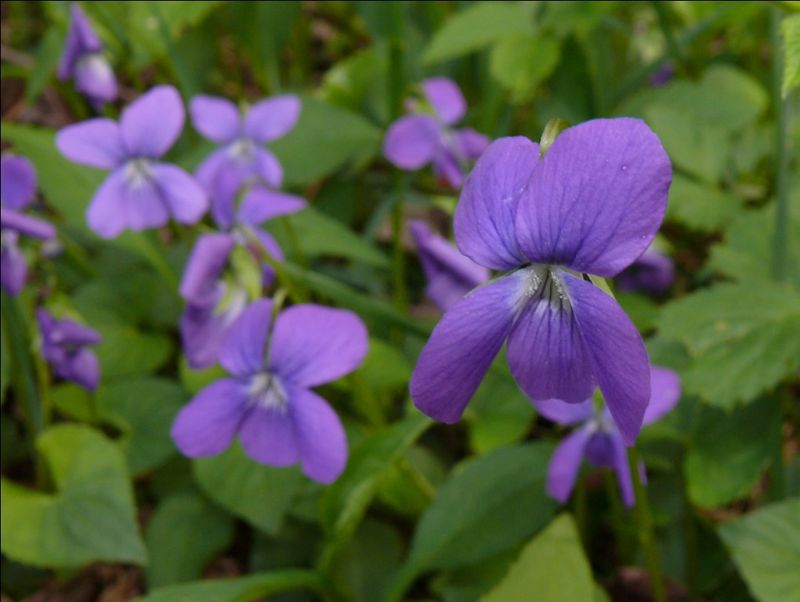
Native plants evolved alongside Ohio insects, birds, and soil organisms. Native violets, for example, are the sole host plant for several native fritillary butterfly caterpillars.
Wild ginger provides ground-level habitat and food web connections that a non-native groundcover cannot replicate. Pennsylvania sedge, native strawberry, and native sedge mixes can create a living, functional ground layer that does more than just look green.
This is not a judgment against creeping thyme. It is simply a recognition that if ecological value is a priority, the native options deliver more of it.
Ohio State University Extension and native plant organizations like the Ohio Native Plant Society point to native plantings as consistently stronger choices for supporting local wildlife.
Using creeping thyme in one section of a yard while establishing native plantings elsewhere is a reasonable middle ground.
The key is being clear about your goals and choosing plants that actually match them.
7. Try Pennsylvania Sedge For A Softer Lawn Like Look
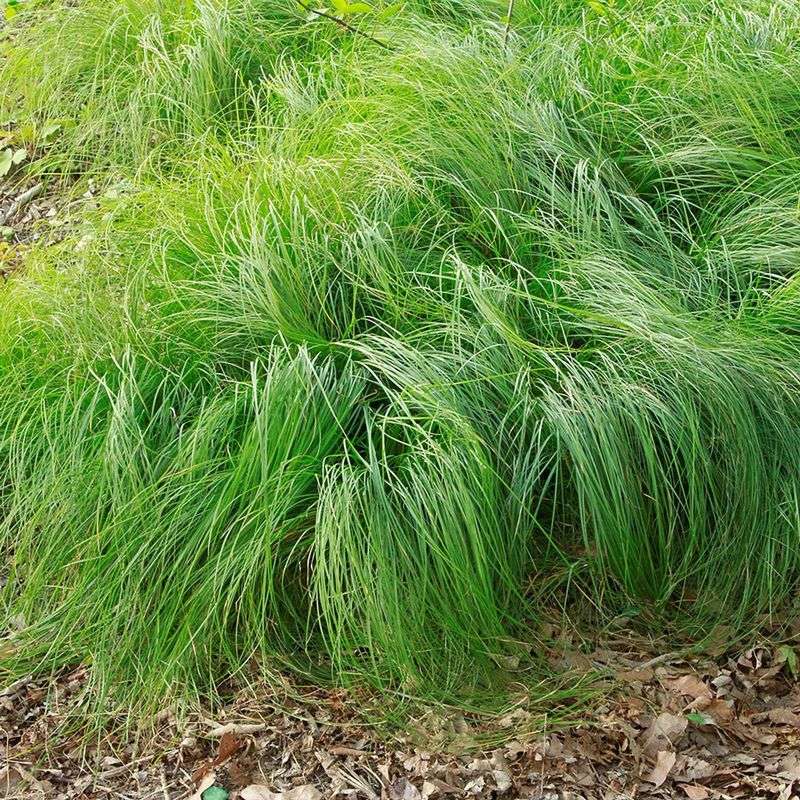
For Ohio homeowners who want a softer, more lawn-like look without the mowing demands of turfgrass, Pennsylvania sedge deserves serious consideration.
Carex pensylvanica is a native sedge that grows naturally in Ohio woodlands and forms a fine-textured, low-growing mat that reads as a lawn from a distance.
It works particularly well in part shade to dry shade conditions, which puts it in direct competition with situations where turfgrass often struggles under tree canopy.
Pennsylvania sedge stays low enough that many people mow it only once or twice a year, or skip mowing entirely in informal areas. It spreads slowly by rhizomes and can gradually fill in a shaded area over several seasons.
The look is softer and more naturalistic than a clipped turf lawn, which suits some yards better than others depending on neighborhood aesthetics and personal preference.
Weed management during establishment is the main challenge. Pennsylvania sedge grows slowly enough in its first year or two that weeds can easily outcompete it if the site is not properly prepared and maintained.
Starting with plugs spaced about six to twelve inches apart and keeping weeds down during establishment gives it the best chance to succeed. Paired with a rain garden edge or a native shrub border, it can create a genuinely attractive and low-maintenance planting for the right Ohio yard.
8. Plant Wild Strawberry Where You Want A Native Spreader
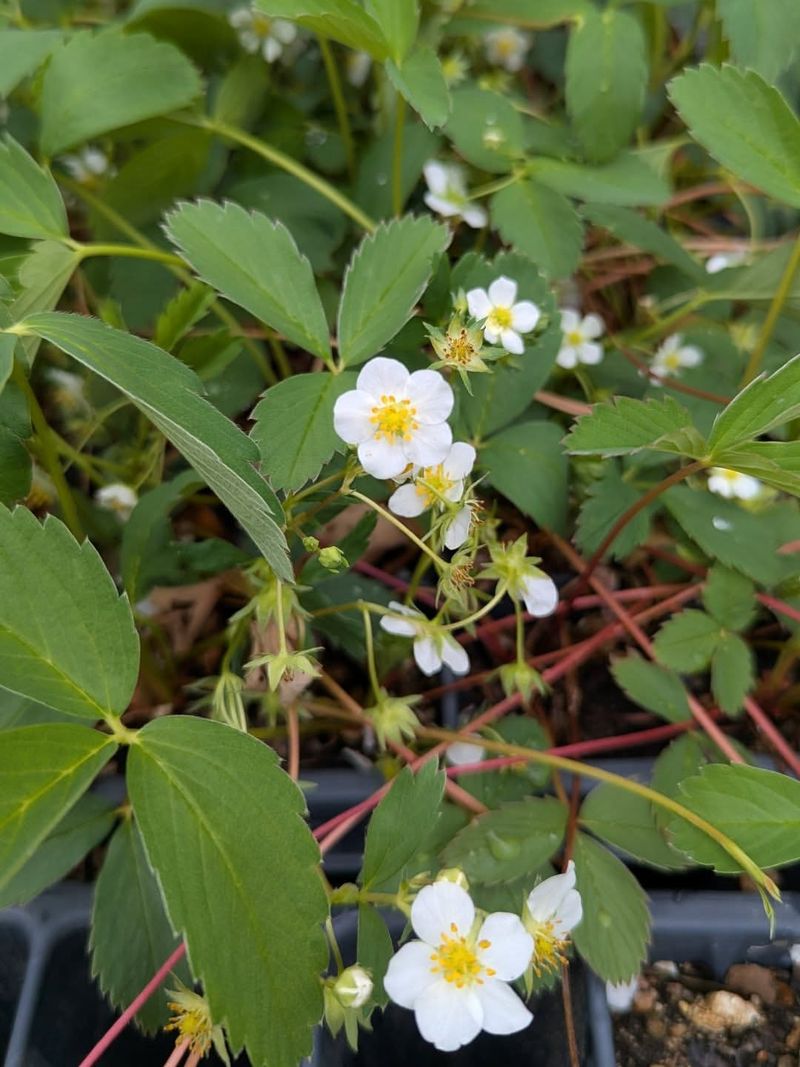
Few native groundcovers are as rewarding to watch as wild strawberry once it gets going.
Fragaria virginiana, the native wild strawberry found across Ohio, spreads by runners to form a low mat of three-leaflet foliage that stays green through much of the growing season.
The white flowers arrive in spring and attract native bees, and the small red fruits that follow feed birds and other wildlife. For a patch of yard that you want to convert to something functional and alive, wild strawberry delivers on multiple fronts.
Wild strawberry suits sunny to partly shaded areas and handles a range of Ohio soil conditions reasonably well. It is more adaptable than creeping thyme in terms of moisture tolerance, though it still prefers decent drainage.
Informal areas, pollinator-friendly edges along fences or garden beds, and spots where a relaxed, natural look fits the yard are all good candidates.
The spreading habit that makes wild strawberry useful also means it needs some management to keep it from moving into areas where you do not want it. Runners are easy to trim or pull, so containment is not difficult, but it is part of the maintenance picture.
Spacing plugs about twelve inches apart and keeping weeds down during the first season gives the planting a solid start. Expect a full season before coverage looks consistent.
9. Keep Turfgrass Where Your Yard Still Needs Durability
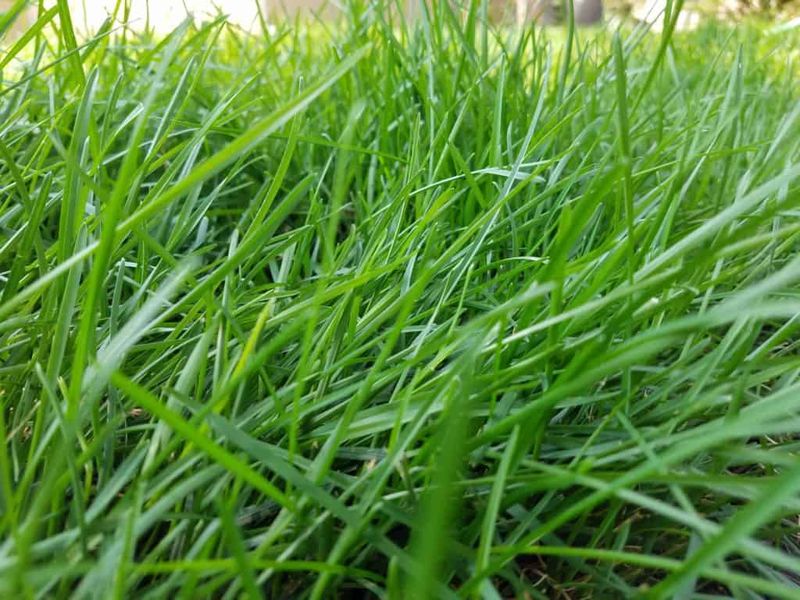
Turfgrass gets criticized a lot in modern gardening conversations, and some of that criticism is fair. A lawn that exists purely for appearances, gets soaked with fertilizer and pesticides, and never actually gets used is hard to defend ecologically.
But turfgrass is not automatically the wrong choice everywhere in every Ohio yard, and writing it off entirely misses the practical value it provides in the right places.
Where kids play, dogs run, guests gather, or people walk regularly, turfgrass holds up in ways that creeping thyme and most groundcovers simply cannot match.
Tall fescue, a common choice for Ohio lawns recommended by Ohio State University Extension, handles moderate to heavy foot traffic and recovers from wear reasonably well.
It also provides erosion control on slopes and fills in bare spots through natural growth and overseeding.
A smaller, healthier lawn that serves a real purpose is a better goal than eliminating all turfgrass at once.
Reduce the lawn where it is not needed, replace those areas with native beds, groundcovers, or low-maintenance plantings, and keep grass where the yard genuinely depends on it.
That kind of thoughtful reduction tends to produce better results than an all-or-nothing overhaul, especially in Ohio yards where conditions vary widely from one corner of the property to another.
10. Make The Switch In Patches Instead Of All At Once
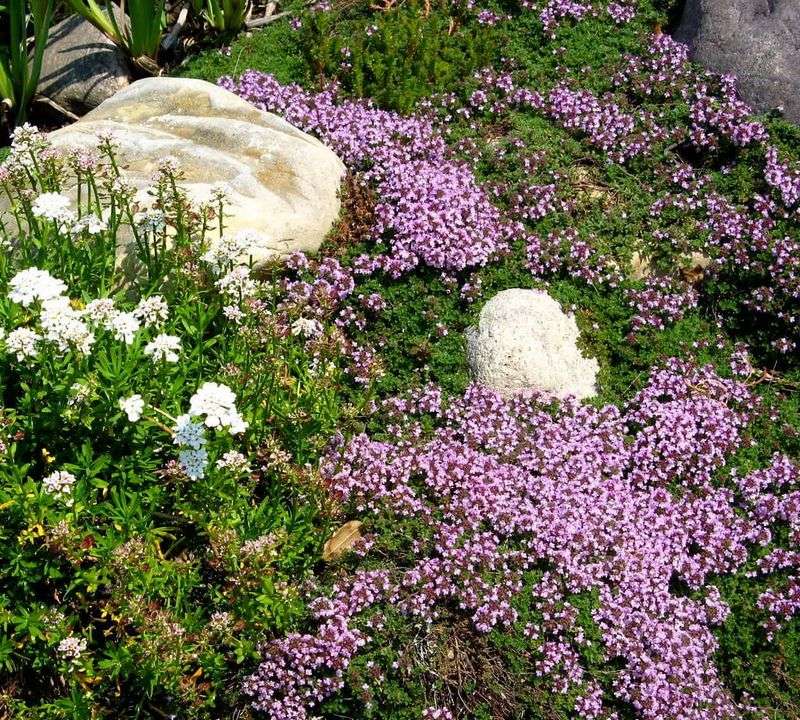
Starting small is the smartest move anyone can make when switching part of an Ohio lawn to a new groundcover.
Tearing out a large section of turfgrass and replacing it all at once with creeping thyme or any alternative is a high-risk approach, especially before you know how that plant handles your specific soil, drainage, and sun conditions.
A test patch in one sunny, dry border tells you far more than any article or video can.
Pick a section that already fits the conditions the plant needs. A dry, sunny strip along a driveway edge, a low-traffic corner that gets full sun, or a narrow border between a sidewalk and a garden bed are all reasonable starting points for creeping thyme.
For Pennsylvania sedge or wild strawberry, a partly shaded section under a tree or along a north-facing fence might be a better test spot.
Prepare the site before planting by removing existing weeds and grass thoroughly. Water the new planting consistently through its first summer, especially during dry stretches, because even drought-tolerant plants need moisture to establish roots.
Watch how the planting handles an Ohio winter and a full growing season before expanding. A patient, phased approach protects your investment and gives you real information about what works in your yard before you commit to a larger change.