8 Plants That Grow Surprisingly Well Along Georgia Driveways
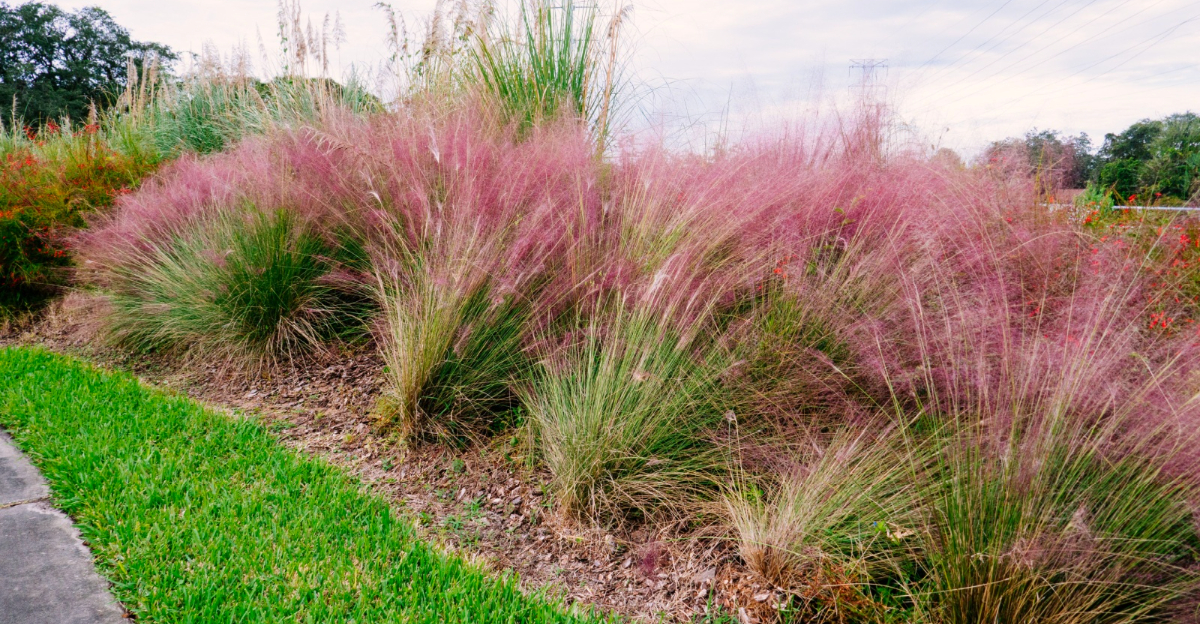
Nobody warns you about driveway edges when you buy a house in Georgia. You just eventually notice that sad strip of dirt running alongside the pavement, looking rough, dry, and completely uninviting.
And when you try to grow something there, well, good luck. Reflected heat from the pavement, full afternoon sun, compacted soil, and rain that runs straight off without soaking in make driveway borders one of the trickiest spots in any Georgia yard.
Plants that do beautifully in your backyard beds can really struggle here. But that doesn’t mean you’re out of options, not even close.
There are some seriously tough, great-looking plants that can handle Georgia driveway conditions without constant fussing, and once they settle in, that border can look like you planned it that way all along.
1. Adam’s Needle Yucca Adds Bold Driveway Structure
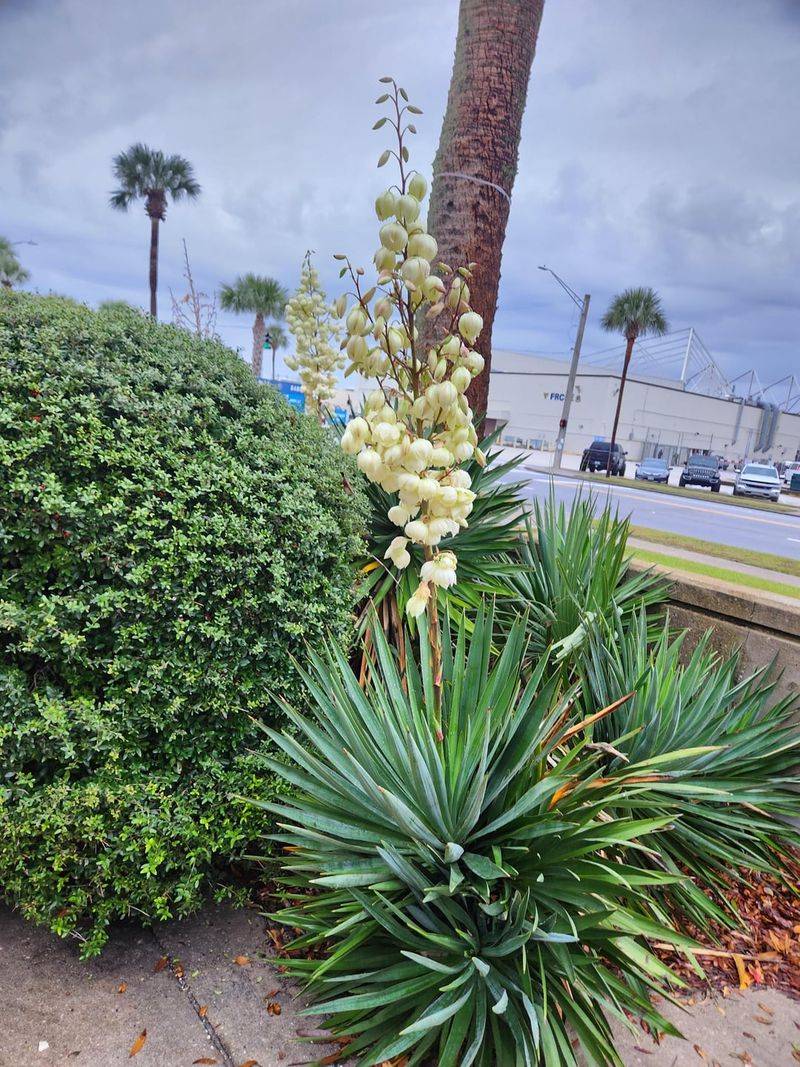
Hot pavement and reflected summer heat are no match for Adam’s Needle Yucca, a plant that practically thrives on neglect in Georgia landscapes.
With its rosette of stiff, sword-shaped leaves and dramatic cream-white flower spikes that can shoot up several feet tall, this plant makes a strong visual statement at a driveway edge without asking much in return.
The bold texture stands out against concrete or asphalt in a way that softer plants simply cannot match.
Adam’s Needle Yucca handles dry, sandy, or even poor soil with ease, making it well-suited for the compacted, low-nutrient strips that often border Georgia driveways.
Once established, it rarely needs supplemental watering, which is a real advantage during Georgia’s dry summer stretches.
The plant stays evergreen through winter, so it provides year-round structure even when the rest of the border goes dormant.
Spacing plants about three to four feet apart gives each rosette room to spread without crowding. Planting in groups of three near a mailbox or at the end of a driveway entrance creates a striking focal point.
Younger plants may take a season or two to fully settle in, so some establishment watering during the first summer helps. Removing spent flower stalks keeps the planting tidy and encourages the plant to direct energy back into its foliage through the growing season.
2. Little Bluestem Softens Hot Driveway Edges
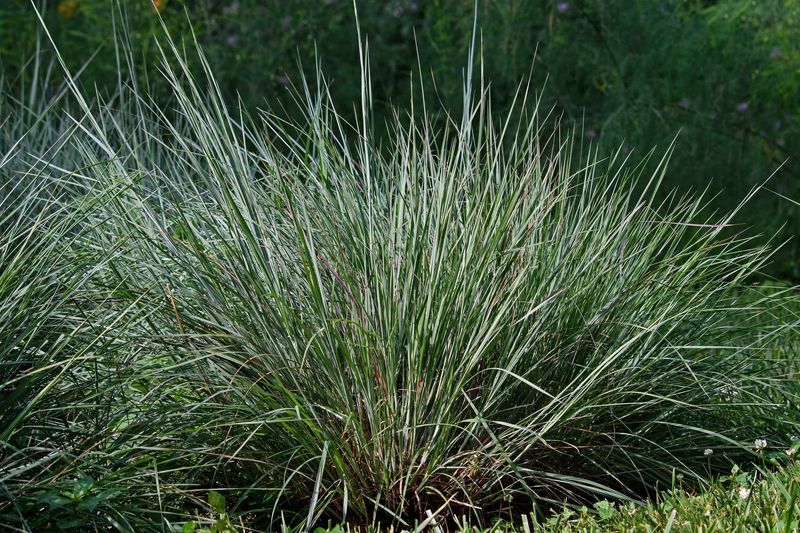
Few ornamental grasses bring as much seasonal change to a Georgia driveway border as Little Bluestem, a native grass that shifts from blue-green in summer to warm copper and rust tones in fall and winter.
That color progression gives a driveway edge visual interest across multiple seasons without requiring replanting or heavy maintenance.
The upright, airy clumps catch light beautifully in the afternoon sun, especially when planted in a row along a long driveway strip.
Little Bluestem is well-adapted to the heat, drought, and poor soils that are common along Georgia driveway edges. It grows best in full sun and actually tends to flop or look leggy if given too much shade or rich soil, so the lean conditions near pavement suit it quite well.
The grass reaches about two to four feet tall at maturity, providing enough height to add structure without blocking sightlines.
Your Georgia Garden Changes Every Week. Your Plan Should Too.
Gardening in Georgia changes quickly throughout the season. Every Friday you’ll receive a simple weekly plan showing exactly what to plant, prune, fertilize, harvest, and protect so you never miss the right timing.
Planting in groups or drifts rather than single specimens creates a more natural, cohesive look along a driveway border. Spacing plants about eighteen to twenty-four inches apart allows airflow and room to fill in over time.
Cutting clumps back to about four to six inches in late winter before new growth emerges keeps the planting fresh and tidy each spring.
Little Bluestem also attracts birds that feed on its seeds through the cooler months, adding a bit of wildlife activity to the front yard.
3. Pink Muhly Grass Brings Airy Fall Color
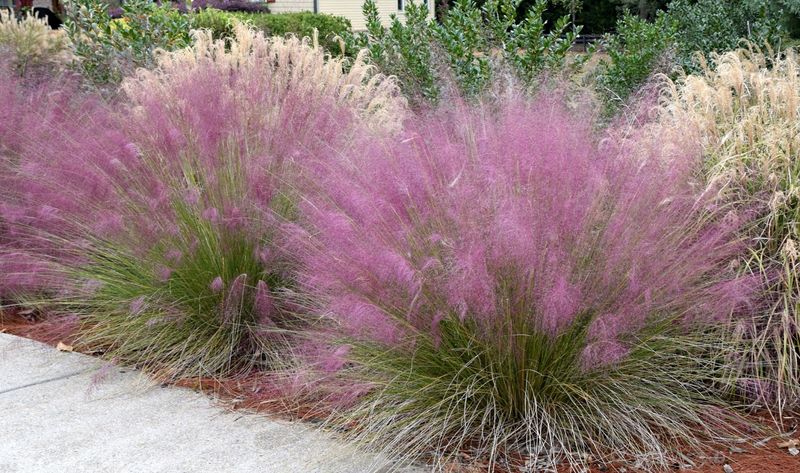
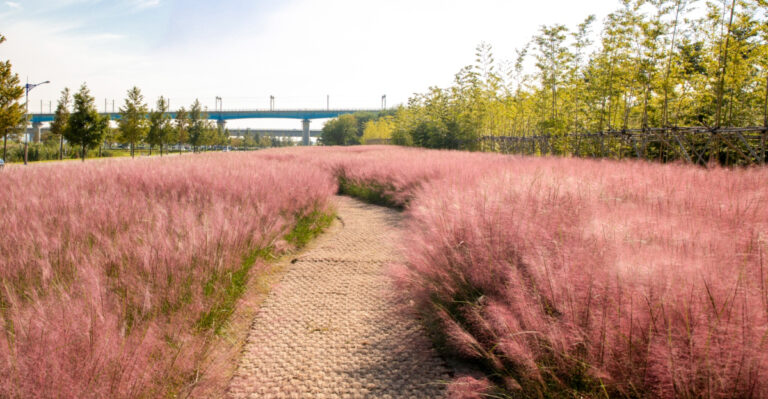
When October arrives in Georgia, few plants create a more eye-catching driveway display than Pink Muhly Grass in full bloom.
The plant sends up enormous, cloud-like plumes of pink to rosy-purple that seem to glow in the low fall light, transforming an otherwise plain driveway edge into something that neighbors stop to notice.
That seasonal drama is one of the main reasons this native grass has become so popular in Georgia front yard landscapes over the past decade.
Pink Muhly Grass tolerates heat, humidity, and dry conditions once it gets established, which usually takes one full growing season with some regular watering. After that, the plant is remarkably self-sufficient along a sunny driveway edge.
It grows in tidy clumps reaching about three feet tall and wide, making it easy to space and maintain without constant attention.
Full sun is important for the best bloom production, and driveway borders typically offer exactly that kind of exposure. Placing Pink Muhly Grass in groups of three or five creates a more impactful display than planting single specimens scattered along the border.
The foliage stays attractive even after the blooms fade, holding a warm tan color through winter before new green growth returns in spring.
Cutting the clumps back to a few inches in late winter is about the only maintenance task the plant needs to look its best year after year in Georgia landscapes.
4. Coreopsis Brightens Sunny Driveway Borders
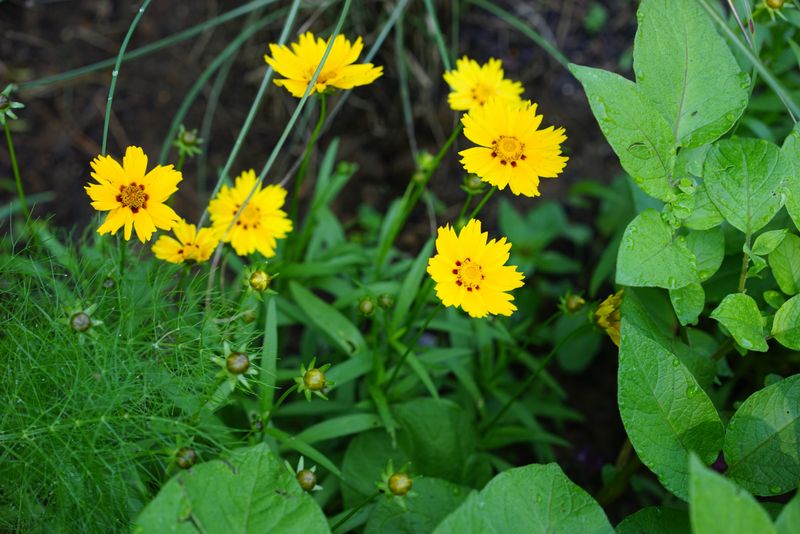
Georgia’s state wildflower earns its reputation along driveway edges where other plants struggle to keep up through the heat of summer.
Coreopsis produces cheerful yellow daisy-like blooms from late spring well into fall, covering the plant so thoroughly that the foliage nearly disappears beneath the flowers during peak bloom.
That long flowering season makes it one of the most rewarding choices for a Georgia driveway border that needs consistent color without constant replanting.
Several Coreopsis species are native to Georgia, and all of them share a tolerance for full sun, dry soil, and the kind of reflected heat that driveway edges produce in July and August.
The plants stay relatively compact, typically reaching one to two feet tall depending on the variety, which keeps them from overwhelming a narrow driveway strip.
Once established, Coreopsis asks for very little beyond occasional deadheading to encourage continued blooming.
Planting in clusters or sweeps along the driveway edge rather than in a single line creates a more natural, cottage-garden feel that works well in Georgia front yards.
Spacing plants about twelve to eighteen inches apart gives them room to spread slightly and fill in gaps over time.
A light trim after the main summer flush of blooms can encourage a fresh round of flowering before fall.
Coreopsis also attracts bees and butterflies, which adds a lively, pollinator-friendly dimension to an otherwise utilitarian driveway border throughout the warm season.
5. Butterfly Weed Adds Pollinator Color In Heat
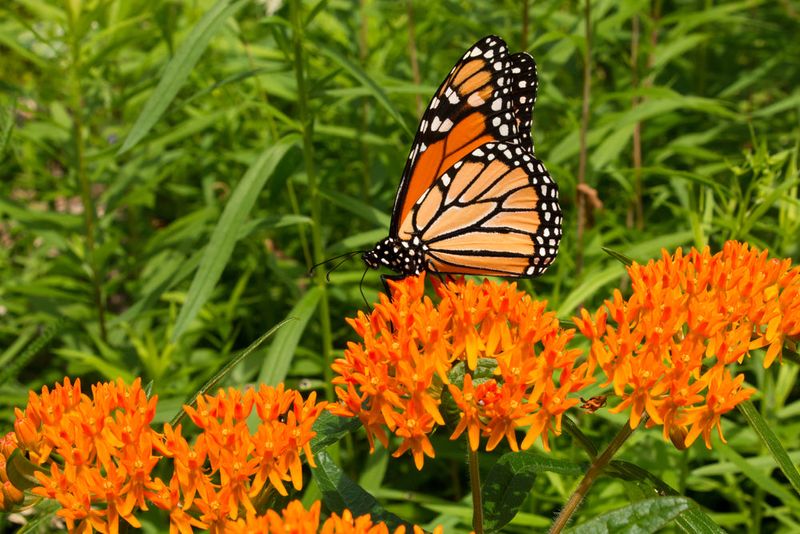
Vivid orange flower clusters in the middle of a Georgia summer heat wave might sound too good to be true, but Butterfly Weed delivers exactly that along driveway borders where other plants start to fade.
This native milkweed relative thrives in full sun and dry, well-drained soil, making the lean, hot conditions along a driveway edge nearly ideal for its growth.
The bold orange blooms appear from late spring through midsummer and draw in monarchs, swallowtails, and a wide range of native bees.
Unlike common milkweed, Butterfly Weed stays compact and upright, typically reaching one to two feet tall, which suits a driveway border where a tidy, low-maintenance appearance matters.
The plant has a deep taproot that helps it access moisture during dry spells, so once established it handles Georgia’s summer droughts without much assistance.
That taproot also means the plant prefers not to be moved once it settles in, so choosing a permanent spot from the start makes sense.
Grouping three or more plants together creates a more visible color impact along the driveway edge and gives visiting pollinators a larger foraging area.
Seedpods that form after flowering can be left on the plant through fall for visual interest and to allow natural reseeding into nearby spots.
Butterfly Weed emerges later in spring than many perennials, so marking its location avoids accidentally disturbing the crown before new growth appears. A sunny driveway edge in Georgia is genuinely one of the best situations for this plant to perform well.
6. Purple Coneflower Brings Blooms To Dry Edges
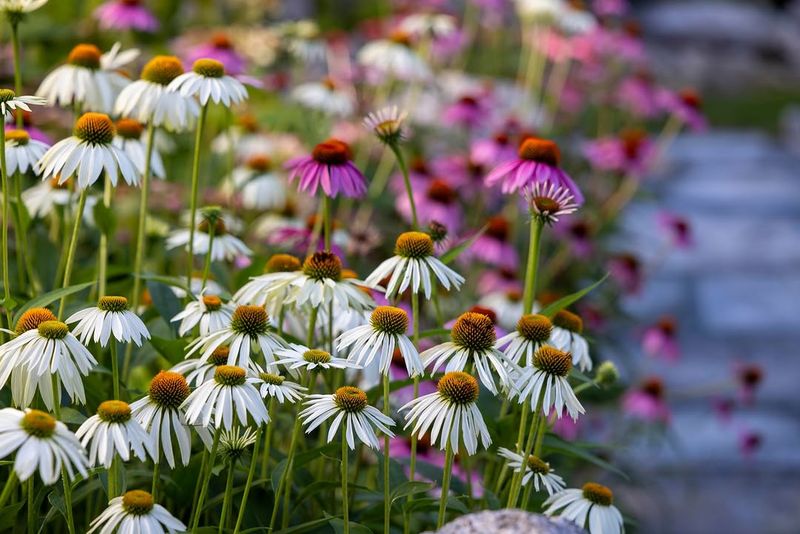
Sloped driveway beds that drain fast after rain and bake in full sun through Georgia summers are exactly where Purple Coneflower tends to feel at home.
This well-known native perennial produces cheerful pink-purple flowers with distinctive raised orange-brown centers from early summer through midsummer, and the spent seed heads that follow attract goldfinches and other small birds well into fall and winter.
That two-season appeal makes it a genuinely practical choice for a driveway border that needs to earn its space.
Purple Coneflower handles heat, humidity, and periodic drought once it roots in, and it tends to perform better in lean soils than in heavily amended garden beds.
The drier, less-fertile conditions near a Georgia driveway edge often suit it better than a pampered garden border would.
Plants typically reach two to four feet tall, providing enough height to add vertical interest without looking out of place in a low-maintenance front yard setting.
Spacing plants about eighteen to twenty-four inches apart allows good airflow, which helps reduce the chance of powdery mildew during humid Georgia summers. Planting in odd-numbered groupings creates a more natural look along the driveway edge.
Deadheading spent blooms encourages continued flowering through the season, though leaving some seed heads intact toward the end of summer benefits visiting birds.
New plants may take a full season to develop deep enough roots to handle summer dry spells confidently, so consistent watering during the first year helps them get established well.
7. Moss Phlox Forms Color Along Low Borders
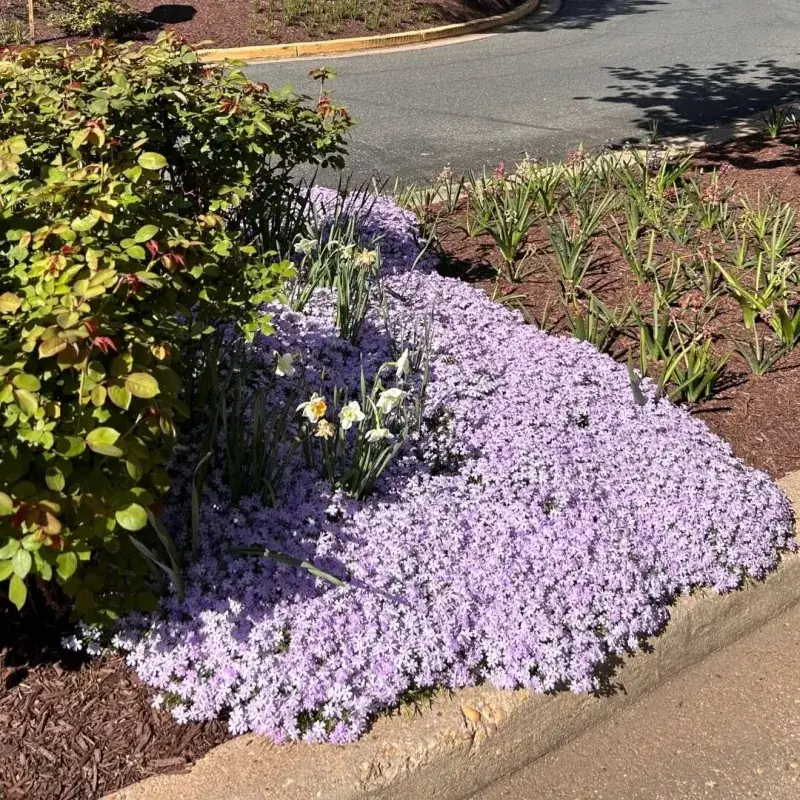
Early spring along a Georgia driveway edge can look bare and uninviting, but Moss Phlox changes that quickly by covering low border areas in a dense mat of small flowers that range from white to pink to lavender.
The bloom period typically falls between late winter and early spring, filling a gap when most other driveway plants are still waking up from dormancy.
That early seasonal color makes Moss Phlox especially valuable in Georgia front yards where year-round visual interest is a priority.
Moss Phlox grows as a low, creeping mat that stays close to the ground, usually reaching only four to six inches tall.
That low profile makes it well-suited for the front edge of a driveway border, where it can spill slightly over the pavement edge without creating a maintenance problem.
The evergreen foliage holds a fine, needle-like texture through the seasons, keeping the border looking tidy even when the plant is not in bloom.
Full sun and well-drained soil are the two main requirements, and the dry, fast-draining soil near a driveway edge tends to provide both. Moss Phlox does not handle standing water or heavy clay well, so raised or sloped driveway beds suit it best in Georgia.
Spacing plants about twelve to eighteen inches apart allows them to knit together into a solid mat over a season or two. A light shearing after the blooms fade helps the plant maintain a compact, dense shape through the rest of the growing season.
8. Glossy Abelia Adds Flowers Near Driveway Beds
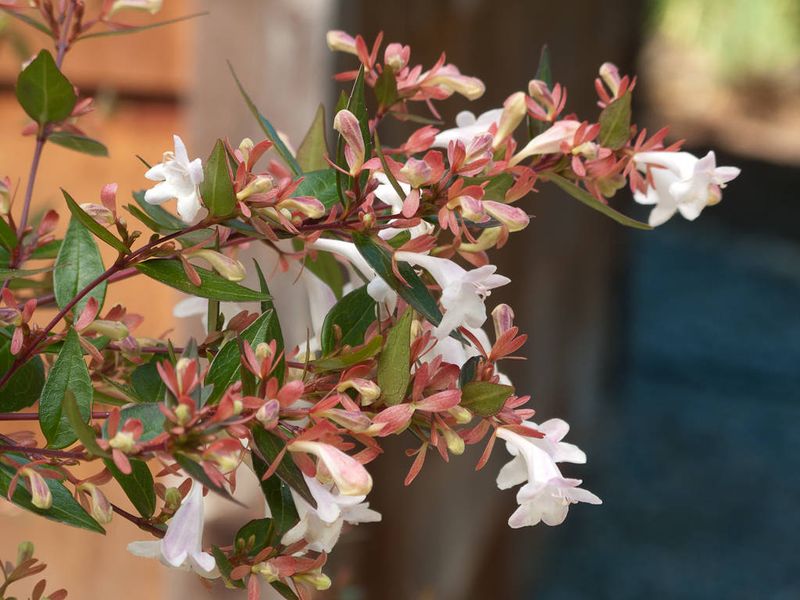
Arching branches covered in small, tubular pink-and-white flowers from late spring through frost make Glossy Abelia one of the longest-blooming shrubs available for Georgia driveway borders.
The plant’s glossy, semi-evergreen foliage takes on attractive bronze and reddish tones in fall, extending its visual appeal well beyond the blooming season.
For a driveway bed that needs a reliable flowering shrub without constant pruning or fussing, Glossy Abelia fits the bill in most Georgia landscapes.
Glossy Abelia handles full sun to partial shade, though more sun generally means more flowers, and driveway borders usually offer plenty of direct sunlight through the day.
The plant tolerates heat and moderate drought once established, and its tolerance for reflected heat from pavement makes it a practical choice for Georgia’s warm climate.
Mature plants typically reach four to six feet tall and wide, so spacing them at least four feet from the driveway edge keeps them from crowding the pavement as they fill in.
Smaller or compact varieties such as ‘Little Richard’ or ‘Kaleidoscope’ work especially well along narrower driveway strips where space is limited. Light pruning in late winter or early spring helps maintain a tidy shape and encourages vigorous new growth.
Glossy Abelia also attracts hummingbirds and butterflies throughout its long bloom season, adding movement and life to the driveway border from late spring all the way through the first cool nights of Georgia’s fall season.