Why Ohio Buckeye Trees May Show Lace Bug Damage Earlier Than Gardeners Expect
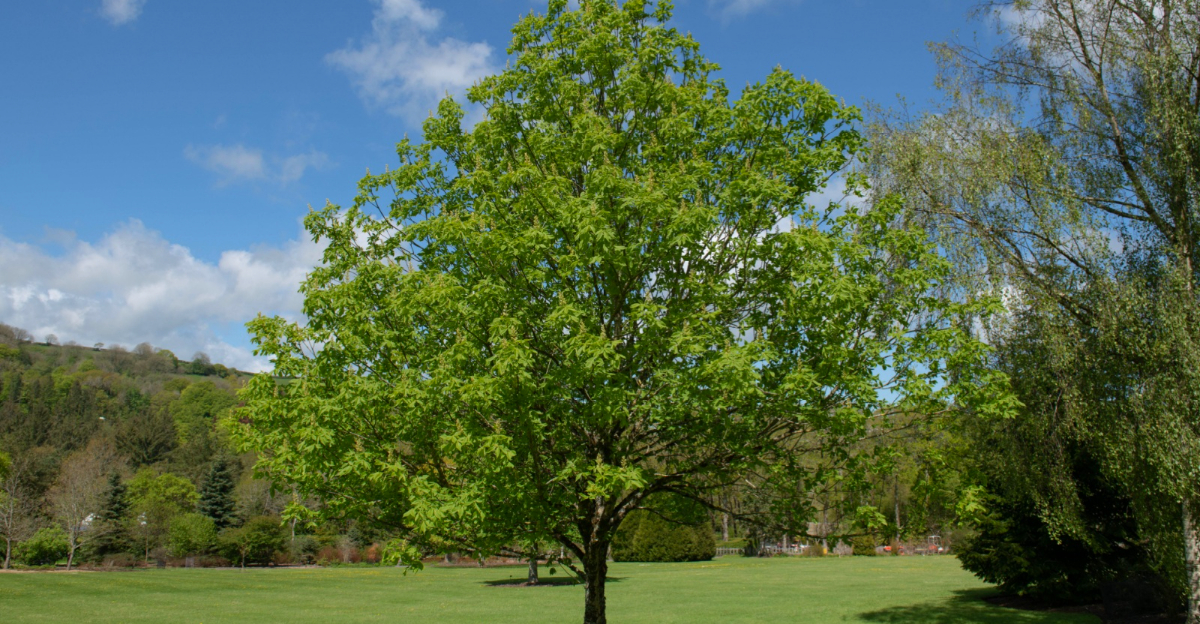
Ohio buckeye trees are basically the state’s unofficial mascot, popping up in backyards, parks, and along roadsides like they own the place.
And honestly? They kind of do.
Those bold fan-shaped leaves and showy spring blooms make them easy to love, which is exactly why it stings a little when the foliage starts looking pale, speckled, and washed out before summer even shows up to the party.
Here’s the thing most gardeners don’t realize: lace bugs have likely been feeding on those leaves for weeks before the damage becomes obvious.
Ohio’s warming spring temperatures are nudging these insects into action earlier each season, and because the early signs are so subtle, the whole situation can feel like it came out of nowhere.
Spoiler alert: it didn’t.
1. Lace Bugs Leave Speckled Damage On Buckeye Leaves
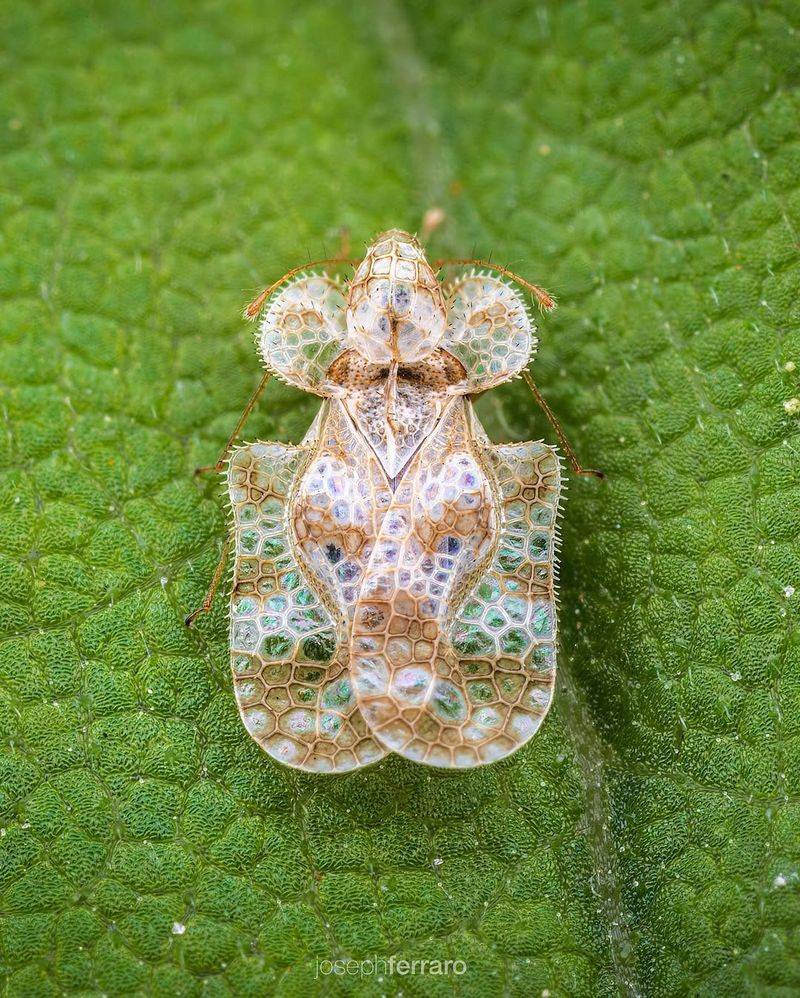
Speckled, washed-out foliage on a buckeye tree is one of the more puzzling sights an Ohio gardener can encounter in late spring or early summer. The damage has a very specific look that sets it apart from other leaf problems.
Each tiny feeding spot appears as a pale dot or fleck, and when hundreds of these dots cluster together, the whole leaf can take on a silvery or bleached appearance.
Lace bugs feed by piercing the leaf surface and drawing out the contents of individual plant cells. That feeding process removes the green pigment from small areas of the leaf, leaving behind those distinctive pale specks.
The upper surface of the leaf is where the damage shows up most clearly, even though the insects themselves tend to stay hidden on the underside.
Buckeye leaves are broad and relatively thin, which makes them especially good at showing feeding injury in a visible way. A moderately affected tree may look like its leaves are simply dusty or sun-bleached at first glance.
Gardeners who look more carefully, though, will notice the speckled pattern is consistent and widespread rather than random.
Catching this symptom early gives homeowners a better chance of understanding what is happening before the damage spreads across more of the canopy.
2. Early Spring Is The Best Time To Watch For Activity
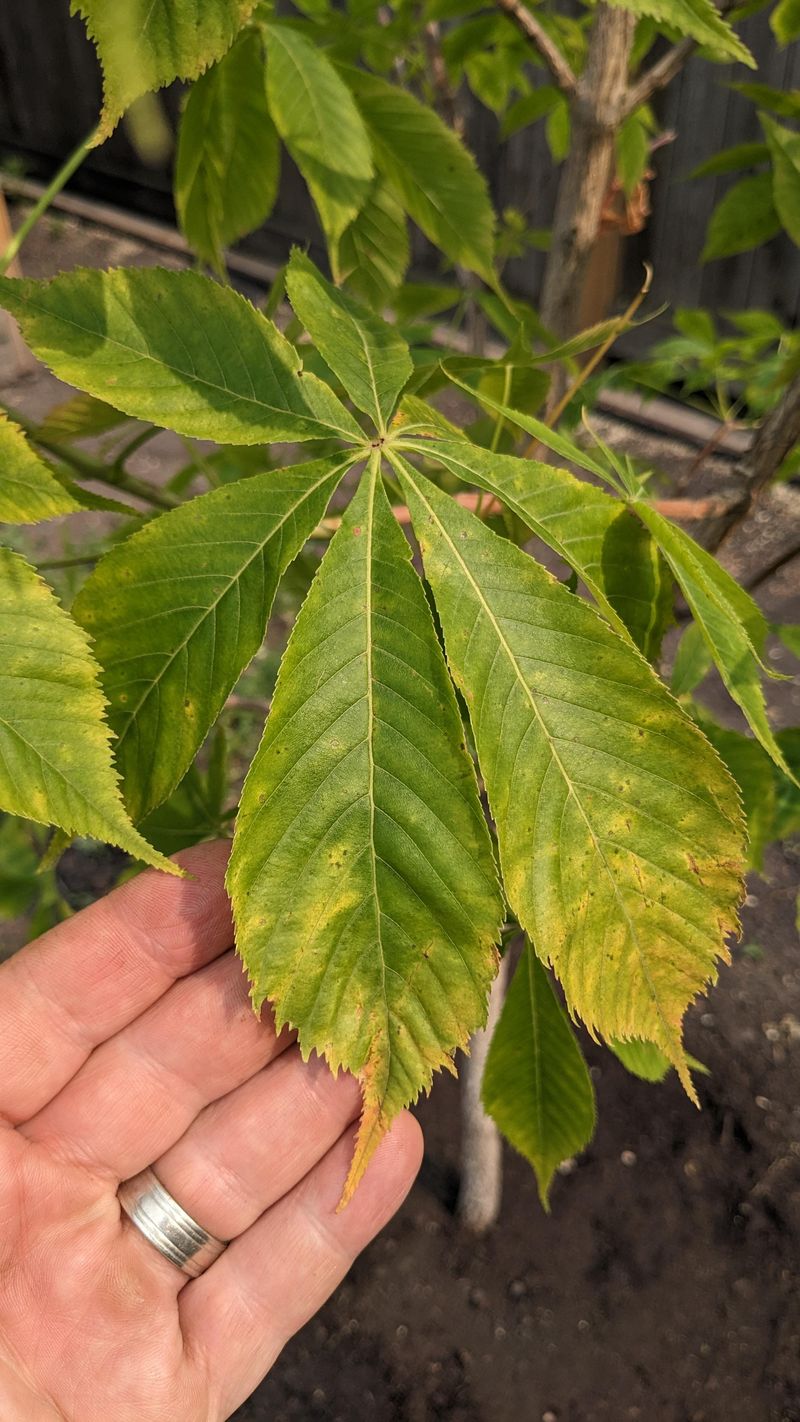
Fresh buckeye leaves are surprisingly vulnerable the moment they begin to open. Young foliage is tender, thin, and full of moisture, which makes it attractive to insects that are also just waking up and looking for a food source after winter.
In Ohio, that window of new leaf growth often lines up closely with the period when lace bug eggs are hatching.
Lace bug nymphs, which are the immature form of the insect, tend to be small and easy to overlook during their early life stages. They cluster on the undersides of leaves and begin feeding almost immediately.
Because they are so tiny at first, most gardeners do not notice them during the earliest part of the season when they are doing their initial feeding.
Keeping an eye on buckeye trees as their leaves emerge in April and May gives Ohio homeowners a meaningful head start.
Your Ohio Garden Changes Every Week. Your Plan Should Too.
Gardening in Ohio changes quickly throughout the season. Every Friday you’ll receive a simple weekly plan showing exactly what to plant, prune, fertilize, harvest, and protect so you never miss the right timing.
Walking the yard and flipping a few leaves to check the undersides takes only a couple of minutes and can reveal activity before it becomes widespread.
Early observation is one of the most practical tools a gardener has, and it costs nothing. The goal is not to panic at the first sign of an insect but to stay informed about what is happening in the landscape so that decisions can be made with good information.
3. Ohio Weather Can Speed Up Lace Bug Activity
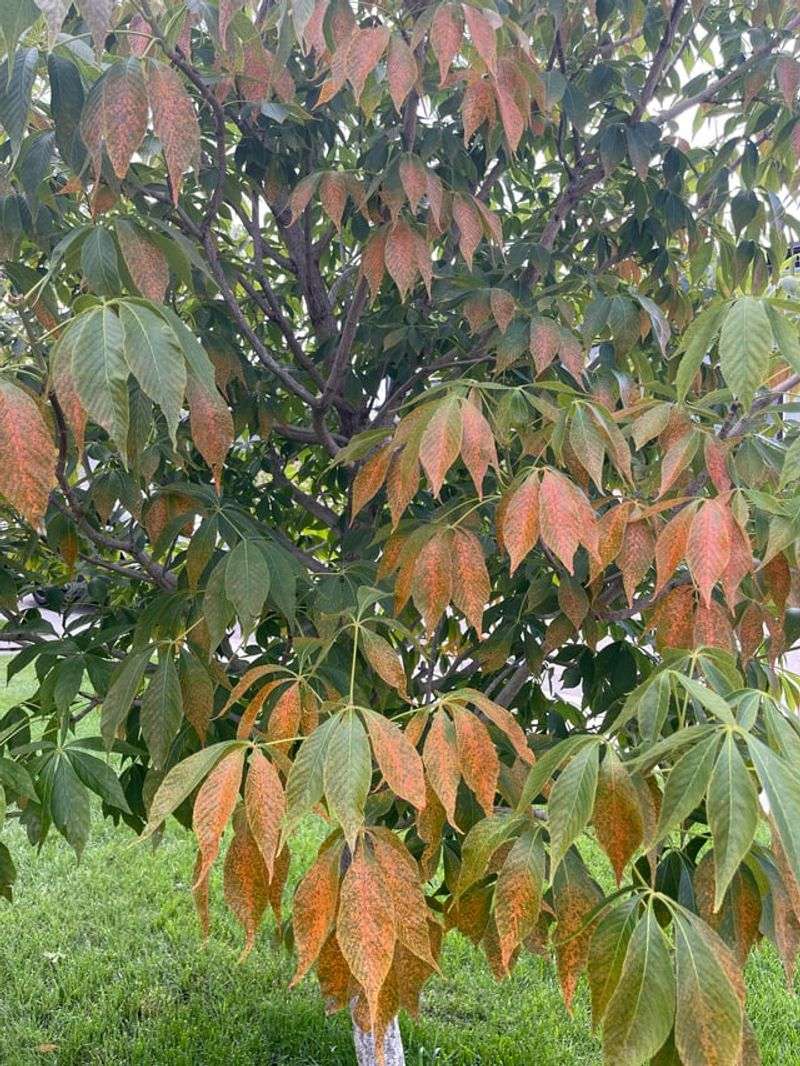
Warmer-than-average springs have become a noticeable trend in Ohio over recent years, and that shift in temperature has a real effect on insect activity. Lace bugs, like many small insects, are sensitive to warmth.
When spring temperatures climb earlier than usual, their development cycle can speed up, meaning eggs hatch sooner and feeding begins before many gardeners have even thought much about pest monitoring.
Ohio’s spring weather can be unpredictable, swinging from cool and rainy to warm and sunny within the same week. Those warm stretches, even brief ones, can give lace bug populations a boost and push activity forward in the season.
A string of mild days in late March or early April can be enough to get things moving faster than expected.
This kind of weather-driven acceleration is part of why damage can seem to show up suddenly. Gardeners who go by the calendar rather than by observation may feel caught off guard when they notice leaf symptoms in May that they would have expected to see in July.
Paying attention to temperature patterns each spring, rather than assuming the season will follow a typical schedule, helps set more realistic expectations.
Ohio gardeners who stay tuned to what the weather is doing have a better sense of when to start watching their buckeye trees more carefully.
4. Early Signs Are Easy To Miss
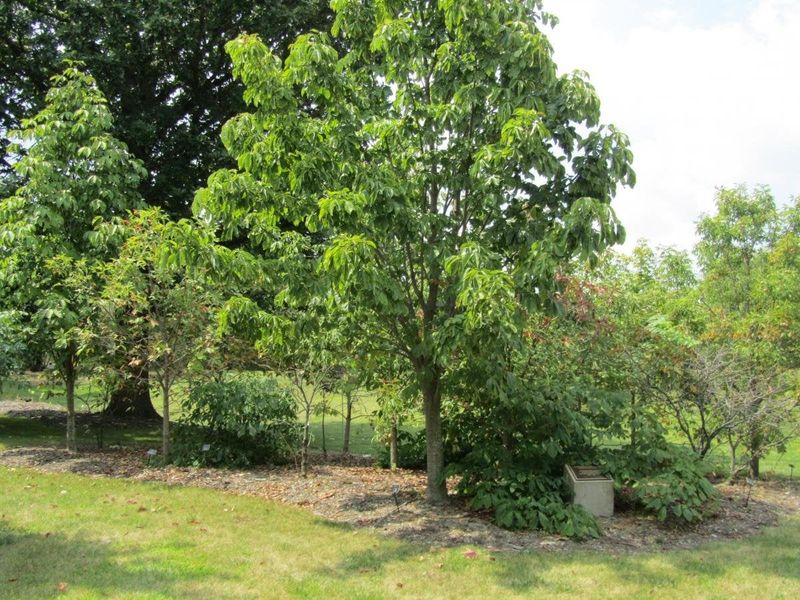
Most people notice lace bug damage only after it has already become fairly widespread. The earliest signs are subtle enough that they blend in with normal leaf variation, especially when a gardener is just doing a casual walk through the yard rather than actively looking for problems.
A single pale speck or two on a leaf does not raise much concern on its own.
The tricky part is that lace bugs tend to feed in groups, and their collective impact builds gradually. Early on, only a few leaves on one branch may show symptoms.
The rest of the tree can look perfectly healthy, which makes it easy to dismiss what is happening as minor or unrelated to insects. Some gardeners assume the pale spots are from water, sun, or a nutrient issue rather than from feeding damage.
Getting into the habit of flipping leaves and looking at the underside is the most reliable way to catch activity early.
The insects themselves, along with their dark waste deposits, are often visible on the leaf’s lower surface long before the upper surface shows obvious damage.
In Ohio, where spring can shift quickly from cool to warm, a two-week gap between yard checks can mean missing the earliest stage of activity entirely.
Building a simple routine of close observation during May and June makes a real difference in staying ahead of the problem.
5. Sun Exposure Can Make Damage Worse
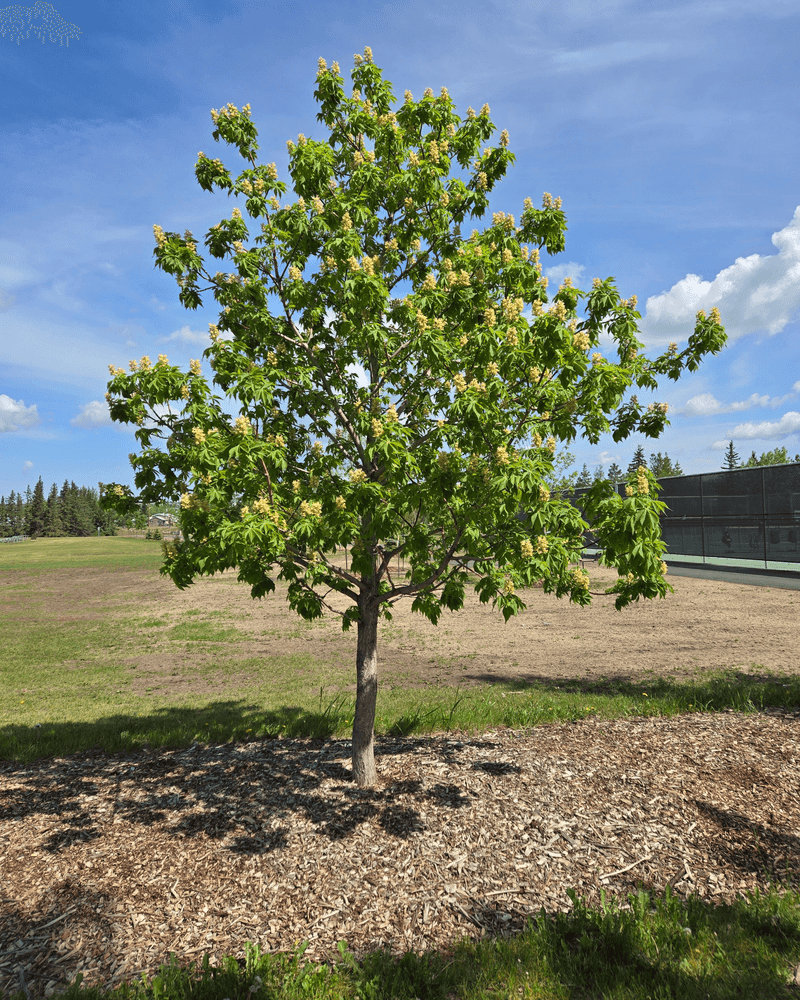
Where a buckeye tree is planted in the yard can influence how much lace bug pressure it faces. Trees growing in full sun tend to show more noticeable damage than those in shadier spots, and there are a few reasons why that pattern holds up in practice.
Lace bugs generally prefer warm, dry conditions, and leaves on the sunny side of a tree provide exactly that kind of environment.
Sun-exposed leaves heat up faster during the day and tend to dry out more quickly between rain events. That warm, dry microclimate on the leaf surface is well-suited to lace bug feeding and reproduction.
Populations can build faster on the sunnier portions of a tree’s canopy, which means the most visible damage often appears on branches facing south or west in Ohio landscapes.
Gardeners with buckeye trees in open, unshaded areas of the yard may want to start their seasonal monitoring on the sun-facing branches first. That is often where the earliest and heaviest feeding occurs.
Trees planted in part shade or near structures that provide afternoon relief may show less damage overall, though they are not immune to lace bug activity.
Understanding how sun exposure affects the distribution of damage helps gardeners know where to look and gives them a clearer picture of how the problem is progressing across different parts of the tree.
6. Multiple Generations Can Compound The Damage
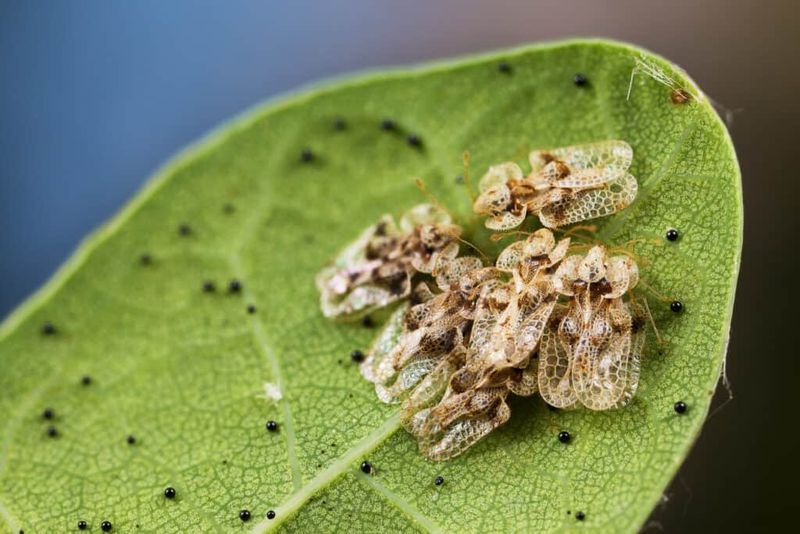
One lace bug generation feeding on buckeye leaves is noticeable, but it is the buildup across multiple generations in a single season that can really add up.
Lace bugs are capable of producing more than one generation per year in Ohio, which means that populations which start small in spring can grow considerably by midsummer if conditions stay favorable.
Each new generation adds more feeding insects to the tree, and the cumulative effect of that repeated feeding is what leaves buckeye foliage looking genuinely stressed by late summer.
Leaves that have been fed on repeatedly lose more and more of their green color, and the overall canopy can take on a tired, faded appearance well before autumn arrives.
Gardeners sometimes assume the tree is simply responding to summer heat or drought when the real driver is ongoing insect pressure.
Understanding that lace bug activity does not stop after the first round of feeding helps explain why damage can seem to escalate over the course of the growing season.
Checking trees in July and August, not just in spring, gives a more complete picture of what is happening.
In Ohio, where summers can bring stretches of warm, dry weather that favor insect reproduction, a population that seemed minor in May can look much more significant by the time August arrives.
Staying observant throughout the season is the most practical approach for home gardeners.
7. Buckeye Stress Can Be Blamed For The Wrong Cause
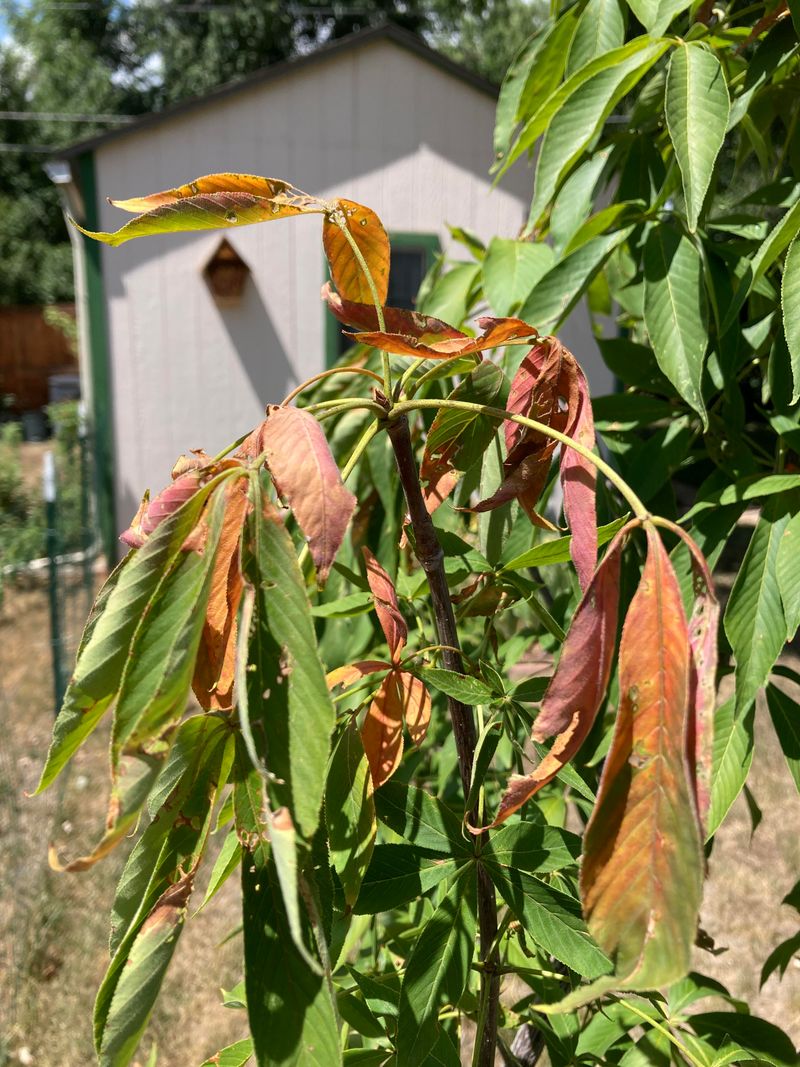
Pale, speckled buckeye leaves have a way of blending in with other common summer leaf problems, and that overlap can send gardeners in the wrong direction when trying to figure out what is going on.
Drought stress, for example, can cause buckeye leaves to look washed out and tired, especially during dry stretches in July and August.
Nutrient deficiencies can also cause discoloration that superficially resembles insect feeding damage.
When a gardener assumes the cause is drought or soil issues, they may water more frequently or apply fertilizer without actually addressing the real problem.
Meanwhile, the lace bug population continues to build on the leaf undersides, and the damage keeps worsening.
That cycle of misdiagnosis can delay useful action for several weeks or more.
Looking at the whole picture before drawing conclusions is a good habit to build. If the leaves show a consistent speckled pattern across many branches and the underside of the leaf has dark, varnish-like deposits along with small insects or shed skins, lace bugs are a strong candidate.
Drought stress alone does not produce that kind of debris on the leaf surface.
Ohio gardeners who take a few extra minutes to examine the underside of affected leaves are much more likely to identify the actual cause and respond in a way that makes sense for the tree’s situation.