These Are The Weirdest Bugs In Texas Gardens And Whether They Are Helping Or Harming Your Plants
Texas gardens have a bug situation, and we mean that in the most fascinating way possible.
The warm climate, long growing seasons, and layers of flowering plants create conditions that basically roll out a welcome mat for some of the most unusual, surprising, and occasionally nightmare-inducing insects you will ever come across.
Seriously, some of these things look like they were designed by someone with a very active imagination.
But here’s the thing: not every strange-looking bug in your garden is bad news.
Some of them are quietly doing your plants a huge favor while you weren’t looking. Others, not so much.
Knowing the difference between a helpful visitor and a genuinely problematic one can completely change how you approach your Texas garden, whether you’re growing vegetables, tending flower beds, or managing a patio full of containers.
1. Wheel Bugs Hunt Pests With A Fierce Look
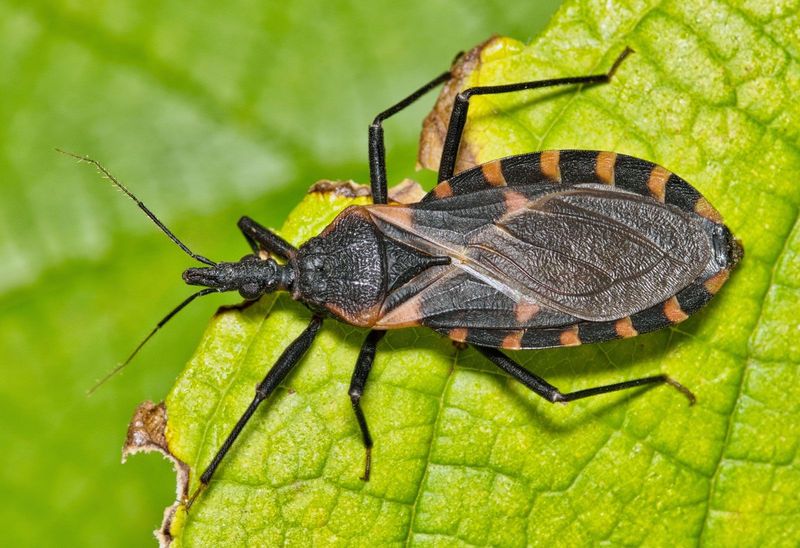
Spotting something that looks like a tiny armored dinosaur crawling through your flower bed can stop you in your tracks.
That strange, gear-shaped ridge along its back and its slow, deliberate movements make the wheel bug one of the most unusual insects a gardener is likely to encounter.
At about an inch to an inch and a half long, it is one of the largest assassin bugs in North America, and its appearance alone tends to make people back away slowly.
Despite the intimidating look, the wheel bug is actually a strong ally in the garden. It feeds on caterpillars, aphids, beetles, and other soft-bodied insects by using its curved beak to pierce prey and drain fluids.
This makes it a natural pest control agent that works quietly without any help from you. Wheel bugs tend to show up in Texas gardens from late spring through fall, especially in areas with dense shrubs, flowering plants, and tall ornamentals.
One thing worth knowing is that wheel bugs can deliver a painful bite if handled carelessly. They are not aggressive toward people, but picking one up is not a good idea.
The best approach is to simply leave them alone and let them do their work. Wheel bugs are slow-moving, solitary hunters, so you are unlikely to see large numbers of them at once.
If one shows up in your garden, consider it a sign that your landscape supports a healthy, active food web.
2. Ambush Bugs Hide In Blooms And Help Your Garden
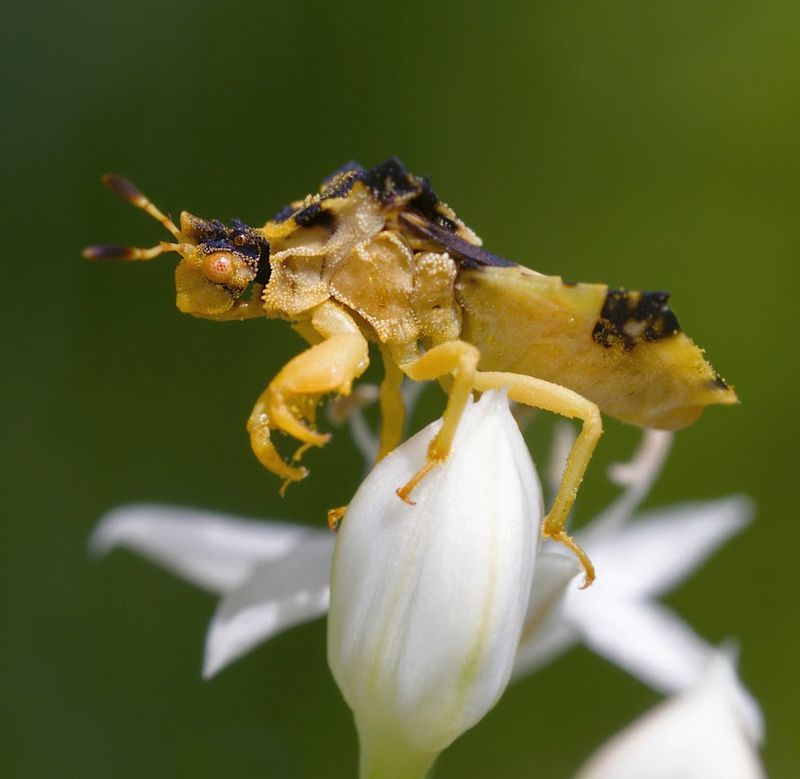
Tucked inside a sunflower or hidden among the petals of a coneflower, the ambush bug is easy to overlook until something moves.
These tiny insects, usually no more than half an inch long, have rough, jagged bodies that blend almost perfectly with the flowers they rest in.
Their camouflage is so effective that even experienced gardeners often miss them entirely while deadheading or watering plants in Texas landscapes.
Ambush bugs belong to the assassin bug family and are genuinely helpful in a garden setting.
They wait motionless inside flower heads for bees, flies, wasps, and other insects to land nearby, then strike with impressive speed using powerful front legs and a sharp beak.
Your Texas Garden Changes Every Week. Your Plan Should Too.
Gardening in Texas changes quickly throughout the season. Every Friday you’ll receive a simple weekly plan showing exactly what to plant, prune, fertilize, harvest, and protect so you never miss the right timing.
While it may seem a little unsettling that they sometimes catch beneficial pollinators, they also capture a wide range of pest insects, which helps keep garden populations in balance.
In Texas, ambush bugs are most active during the warmer months when flowering plants are at their peak. You are most likely to spot them on plants like goldenrod, wild ageratum, or native daisies.
Since they are so well camouflaged, a slow and careful look at flower heads is the best way to find them. There is no reason to remove them from your garden.
They require no management and cause no harm to plant tissue. Letting them stay means you have a free, low-effort pest management tool working quietly in your flower beds throughout the growing season.
3. Springtails Look Strange But Help The Soil
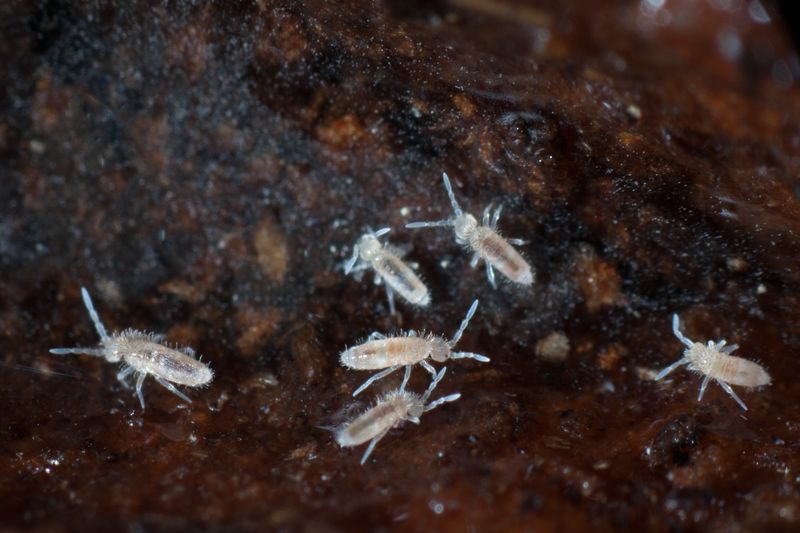
After a good rain, you might notice what looks like a tiny cloud of jumping specks rising from the mulch or soil in your Texas garden.
Those are springtails, and the sight of hundreds of them leaping in all directions at once can feel a little alarming at first glance.
These minuscule creatures, often less than a sixteenth of an inch long, get their name from a forked appendage under their abdomen that snaps against the ground and launches them into the air when they feel threatened.
Springtails are not insects in the traditional sense, but they are close relatives and extremely common in moist garden environments across Texas. They feed mainly on decaying plant material, fungi, algae, and bacteria in the soil.
This feeding activity helps break down organic matter and contributes to the nutrient cycling that keeps garden soil healthy and productive. In that sense, springtails are quiet but genuinely useful members of a functioning garden ecosystem.
Large numbers of springtails usually appear after heavy watering or rainfall because they thrive in moisture-rich conditions.
If you see them gathering around the base of a plant, it is worth checking whether the soil is staying too wet for too long, since overly damp conditions can sometimes lead to root issues unrelated to the springtails themselves.
The springtails are not harming your plants. Reducing excess moisture usually causes their numbers to drop naturally.
In healthy, well-drained garden beds, springtails are a welcome sign of active soil life.
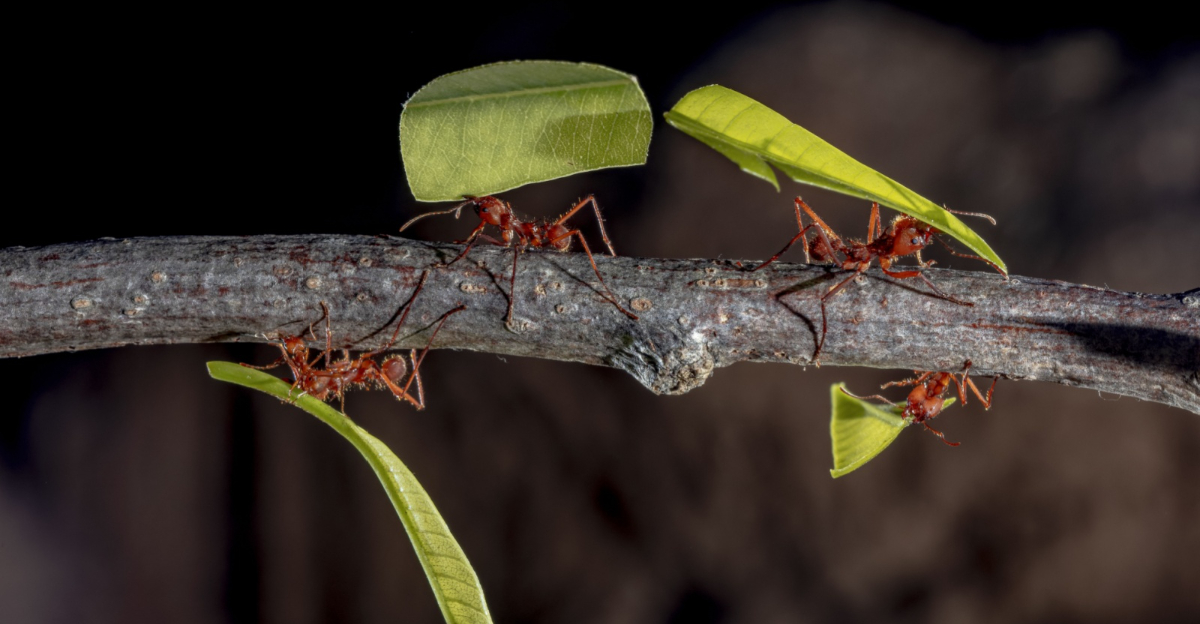
4. Texas Leafcutting Ants Can Damage Plants Fast
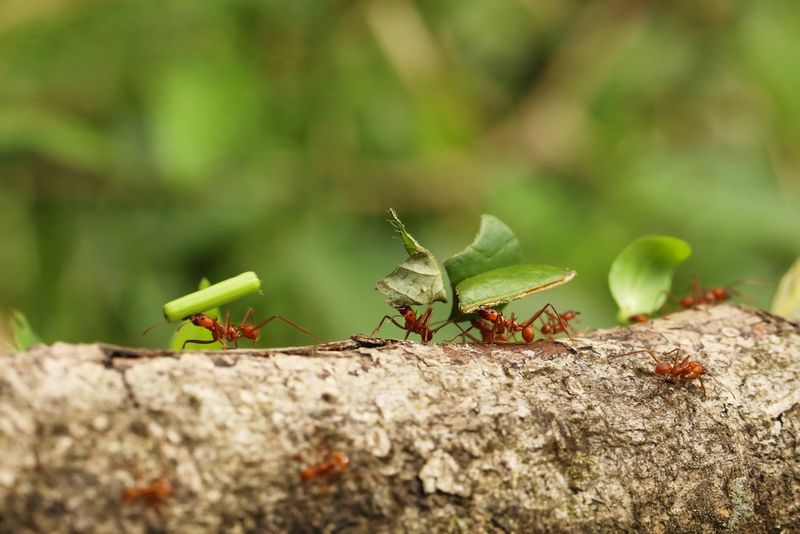
Walking out to your Texas garden in the morning to find a rose bush or tomato plant stripped of its leaves overnight is a jarring experience.
If you follow the trail of leaf fragments moving in a steady line across the yard, you will likely find leafcutting ants at work.
These reddish-brown ants, ranging from small workers to larger soldiers, are capable of removing large amounts of foliage from shrubs, vegetables, and ornamental plants in a surprisingly short amount of time.
Leafcutting ants do not actually eat the leaves they carry. Instead, they bring the cuttings underground to cultivate a fungus that the colony uses as its primary food source.
This relationship between ant and fungus has been going on for millions of years, and the colony can grow quite large beneath a Texas landscape. Mounds are sometimes visible as loose, crumbly soil with a wide foraging trail leading away from the nest.
In a home garden, leafcutting ants can cause noticeable stress to plants, especially young transplants or flowering shrubs that cannot afford to lose significant leaf coverage.
Management options include targeted baits designed specifically for leafcutting ants, which workers carry back to the colony.
Broad pesticide sprays tend to be less effective and can disrupt other beneficial insects in the garden. Catching the activity early gives you the best chance of protecting your plants before damage becomes more significant.
Leafcutting ants are one garden pest that responds well to prompt, focused action.
5. Mealybugs Look Harmless But Stress Your Plants
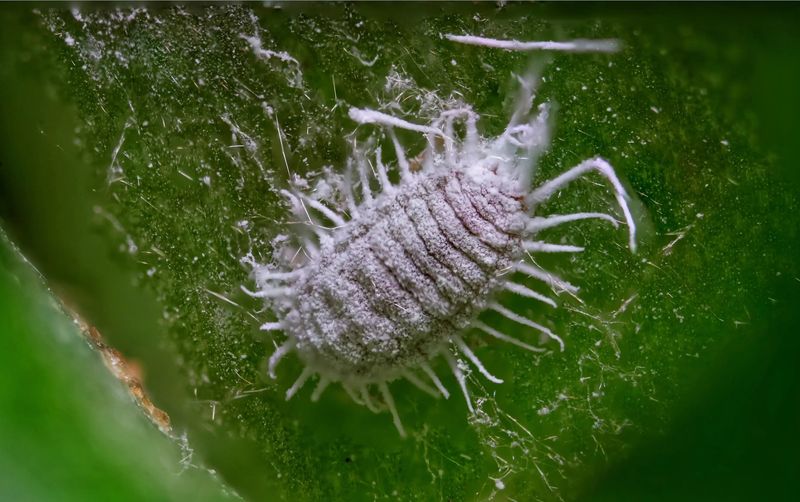
Fluffy white clusters that look almost like tiny tufts of cotton stuck to plant stems and leaf joints are a common sight in Texas gardens, especially on succulents, ornamentals, and potted patio plants.
Mealybugs have a waxy, powdery white coating that makes them look soft and almost decorative at first glance.
That appearance is misleading, because these small, slow-moving insects can cause real problems for plants over time if left unchecked.
Mealybugs feed by inserting a needle-like mouthpart into plant tissue and drawing out sap. This steady feeding weakens plants gradually, causing leaves to yellow, curl, or drop prematurely.
The insects also excrete a sticky substance called honeydew, which coats leaves and stems and encourages the growth of sooty mold.
That dark, dusty coating on leaves can reduce a plant’s ability to absorb sunlight effectively, adding another layer of stress on top of the feeding damage.
In Texas, mealybugs tend to be more problematic during warm months and in sheltered spots where air circulation is limited, such as crowded container plantings or densely mulched beds near walls or fences.
Natural predators like ladybugs and lacewings do help keep populations down in open garden settings.
For heavier infestations, a strong spray of water can dislodge many of them, and insecticidal soap applied directly to affected areas works well for more stubborn colonies.
Catching mealybug activity early makes management much more manageable before populations spread to neighboring plants in your Texas landscape.
6. Soldier Fly Larvae Look Weird But Help Break Down Waste
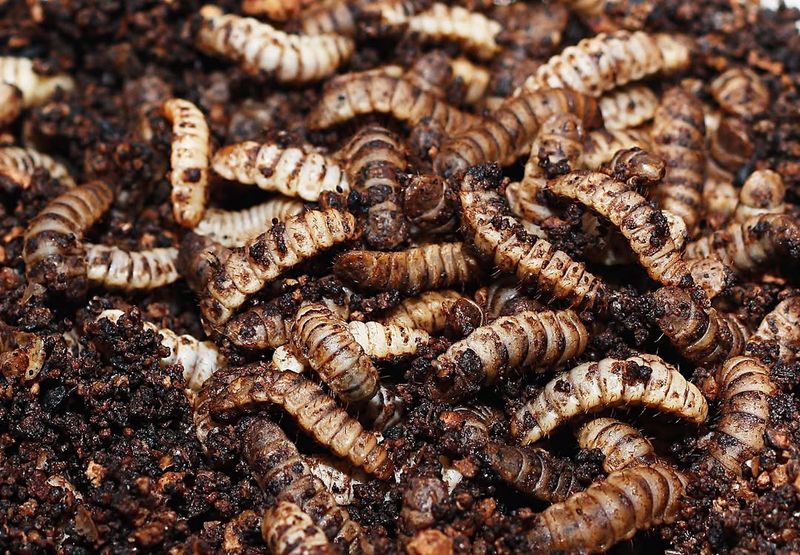
Reaching into a compost bin or turning over a thick layer of mulch in a garden and finding a mass of pale, chunky, wriggling grubs is the kind of moment that makes most people jump back.
Black soldier fly larvae have a look that is hard to describe as anything other than strange.
They are thick, segmented, cream to grayish in color, and can grow up to about three-quarters of an inch long. Their appearance alone tends to trigger an immediate urge to remove them.
Resisting that urge is actually the better choice. Black soldier fly larvae are exceptional decomposers that break down food scraps, plant material, and organic waste with remarkable efficiency.
In a compost pile or garden waste bin, they can process material much faster than traditional composting methods. As they feed, they also help aerate the pile and their castings add nutrients that eventually benefit garden soil.
Many Texas composters actively welcome them as a sign that their compost is working well.
Adult black soldier flies are dark, wasp-like in appearance, and are sometimes mistaken for a stinging insect, though they are entirely harmless to people and do not bite or sting.
They are not attracted to human food the way common houseflies are, and they tend to stay near compost or decaying organic matter rather than wandering into homes.
In a Texas garden setting, these larvae are among the most misunderstood creatures a gardener can encounter.
Leaving them in place is a low-effort way to support healthy, productive composting throughout the growing season.