Native Georgia Plants To Grow Instead Of English Ivy Along Fence Lines
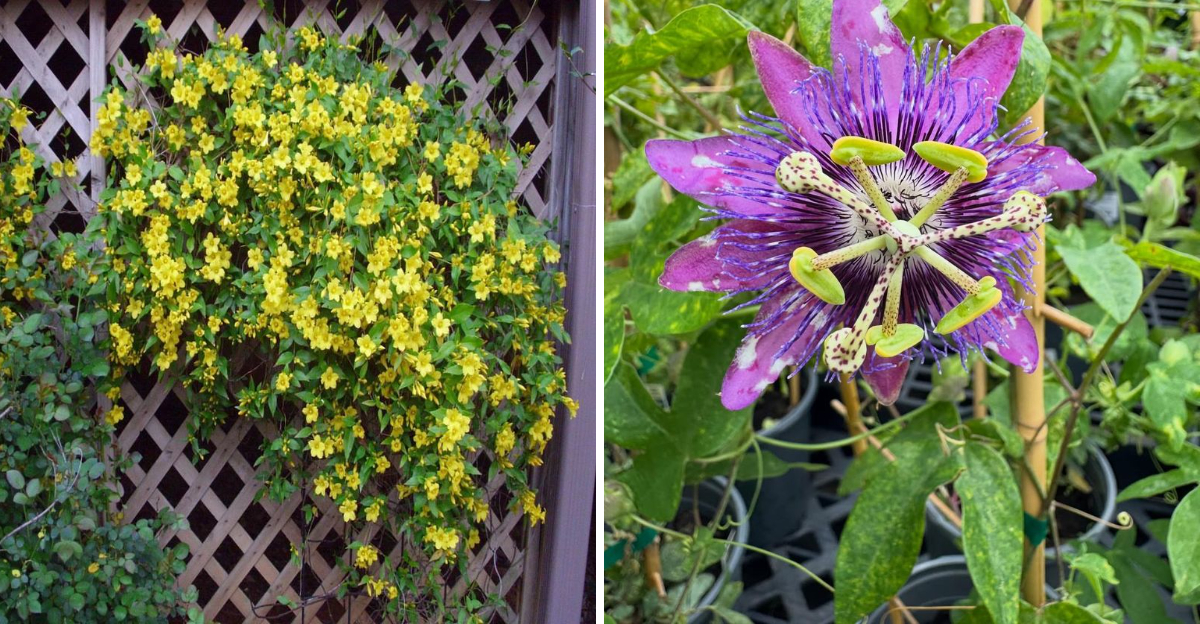
English ivy may look neat along a fence line at first, yet many Georgia homeowners eventually regret planting it.
Thick growth can spread far beyond the original area, climb into places it should not reach, and become difficult to control once it fully takes hold. Problems usually grow slowly until the vine starts overwhelming everything nearby.
Native plants often create a much better long term solution for fence lines in Georgia yards. Good alternatives can still provide dense coverage, softer greenery, seasonal color, and a more natural look without becoming such a headache to manage later on.
Some also support local wildlife far better than invasive ivy ever could.
Fence lines tend to look healthier and more balanced once native plants settle in naturally with Georgia conditions. Better choices can turn those overlooked edges of the yard into attractive spaces that feel easier to maintain through the seasons.
1. Virginia Creeper Covers Fence Lines With Fast Growing Foliage
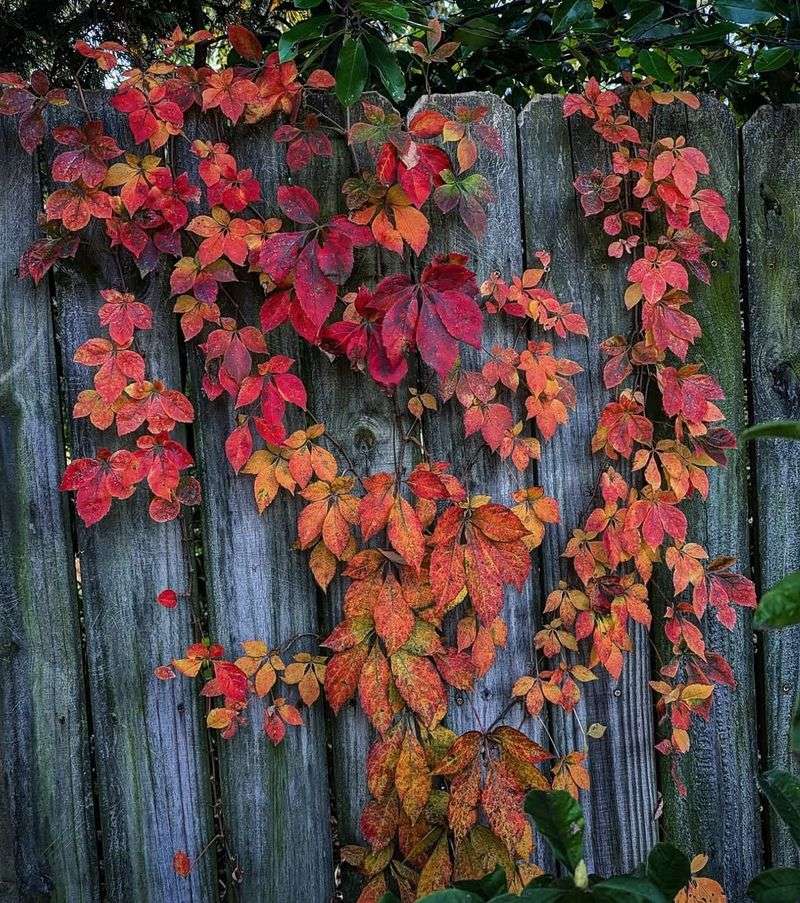
Few vines move as fast or look as good doing it as Virginia creeper. Along Georgia fence lines, this native powerhouse can cover ten feet or more in a single growing season, filling in gaps with dense, five-leaflet foliage that looks lush all summer long.
It clings to surfaces using small adhesive pads, so no tying or training is usually needed.
Come fall, the real show begins. Leaves shift from deep green to brilliant shades of red, orange, and burgundy, giving Georgia yards a dramatic seasonal display that English ivy simply cannot match.
Wildlife benefits too, since birds rely on the small dark berries as a food source during cooler months.
Growing Virginia creeper in Georgia is pretty straightforward. It tolerates full sun, partial shade, and even deep shade, which makes it flexible for fences that run in different directions.
Clay soil, sandy soil, dry patches, and moist spots are all manageable for this adaptable plant.
Pruning keeps it in check without much effort. A hard cutback in late winter or early spring encourages fresh, vigorous growth and prevents it from spreading beyond the fence.
It is native across much of the eastern United States, so it supports local insects and the broader Georgia ecosystem.
One heads-up worth mentioning: the berries are not safe for human consumption, so keep that in mind if small children play nearby. Overall, Virginia creeper is one of the most rewarding native choices available to Georgia gardeners working with fence lines.
2. Crossvine Produces Bright Blooms While Climbing Easily
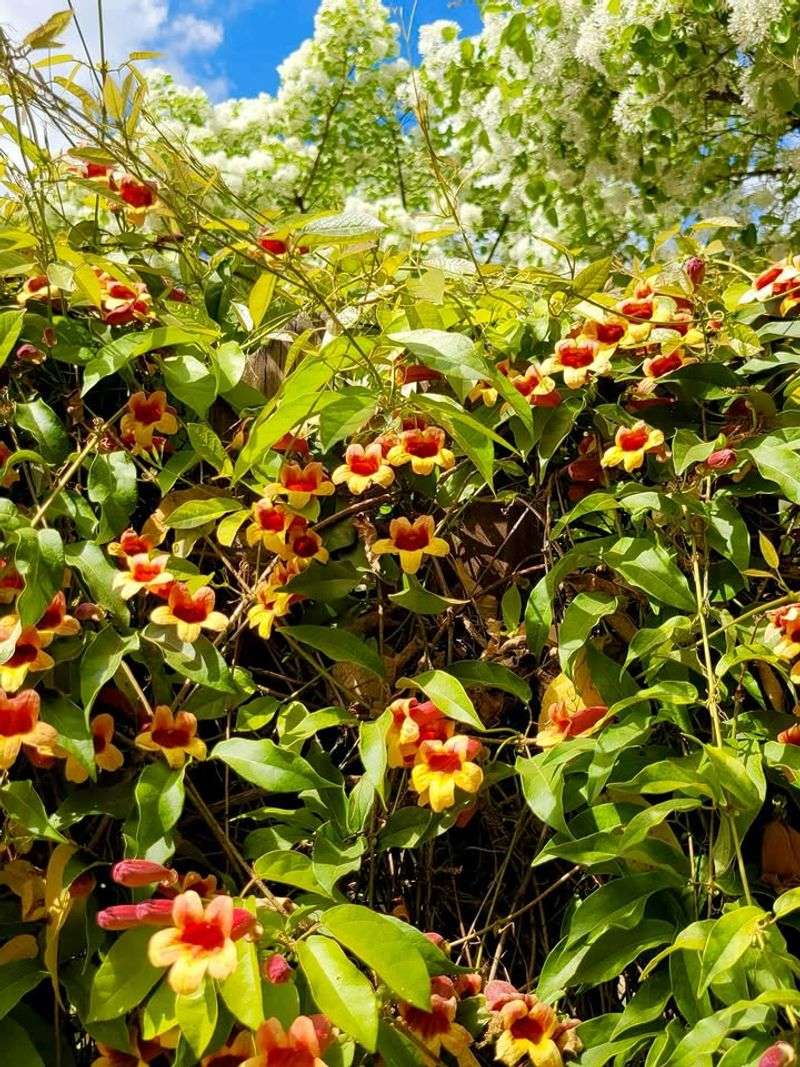
Crossvine earns its spot on any Georgia fence with a flower show that stops people in their tracks. In early spring, it erupts in clusters of tubular blooms in shades of orange, red, and yellow, often before most other plants have even leafed out.
That early color is a genuine gift after a long winter.
Named for the cross-shaped pattern visible when you cut through its stem, crossvine is a true Georgia native that clings to surfaces using tendrils and small adhesive discs.
It can reach thirty to fifty feet under ideal conditions, though regular pruning keeps it sized appropriately for most residential fence lines without much struggle.
Your Georgia Garden Changes Every Week. Your Plan Should Too.
Gardening in Georgia changes quickly throughout the season. Every Friday you’ll receive a simple weekly plan showing exactly what to plant, prune, fertilize, harvest, and protect so you never miss the right timing.
Ruby-throated hummingbirds absolutely love the blooms, and you will likely see them visiting repeatedly once the plant is established. Bees and butterflies also work the flowers, making crossvine a strong choice for anyone trying to support pollinators in a Georgia garden.
It performs best in full sun to partial shade and handles Georgia’s humid summers without complaint.
Established plants show solid drought tolerance, though some supplemental watering during the hottest stretches of a Georgia summer helps maintain healthy growth and consistent flowering.
Semi-evergreen in most parts of Georgia, crossvine holds its leaves through mild winters and drops them only during harder freezes. That semi-evergreen quality means fence coverage stays more consistent year-round compared to fully deciduous vines.
Plant it once, give it a season to settle in, and crossvine will reward you with years of reliable, colorful performance.
3. Carolina Jessamine Adds Yellow Flowers To Vertical Spaces
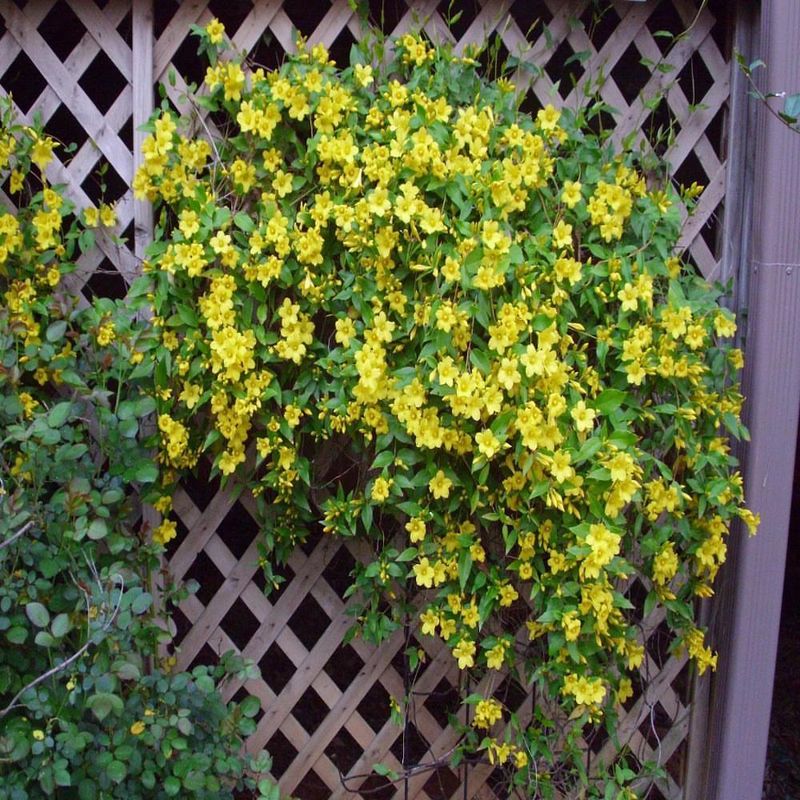
Carolina jessamine is the plant that reminds Georgia gardeners spring is actually coming. It blooms in late winter to early spring, often as early as February in warmer parts of the state, draping fences and trellises in cheerful yellow flowers before most other plants show any life at all.
That early bloom time alone makes it worth planting.
As Georgia’s state wildflower, Carolina jessamine carries a certain local pride with it. It twines naturally around fence posts, wire, and lattice without needing much guidance once it gets going.
Growth is moderately vigorous, typically reaching ten to twenty feet, which is manageable for most residential fence lines with occasional pruning.
Full sun brings the heaviest blooms, but Carolina jessamine also performs well in partial shade, which is useful for fences that run alongside trees or structures.
Once established, it handles Georgia’s summer heat and humidity without showing much stress, though young plants benefit from consistent watering during their first season.
A word of caution that responsible gardeners should know: all parts of the plant contain toxic compounds, so it should be planted thoughtfully in yards where pets or curious children spend time. That said, it has been grown safely in Georgia landscapes for generations and is widely recommended by native plant societies across the Southeast.
Fragrance is another strong selling point. On a warm Georgia afternoon, the sweet scent drifting off a fence covered in Carolina jessamine is genuinely hard to beat.
It is a classic native choice that delivers real visual impact with minimal fuss.
4. Muscadine Vine Creates Dense Native Fence Coverage
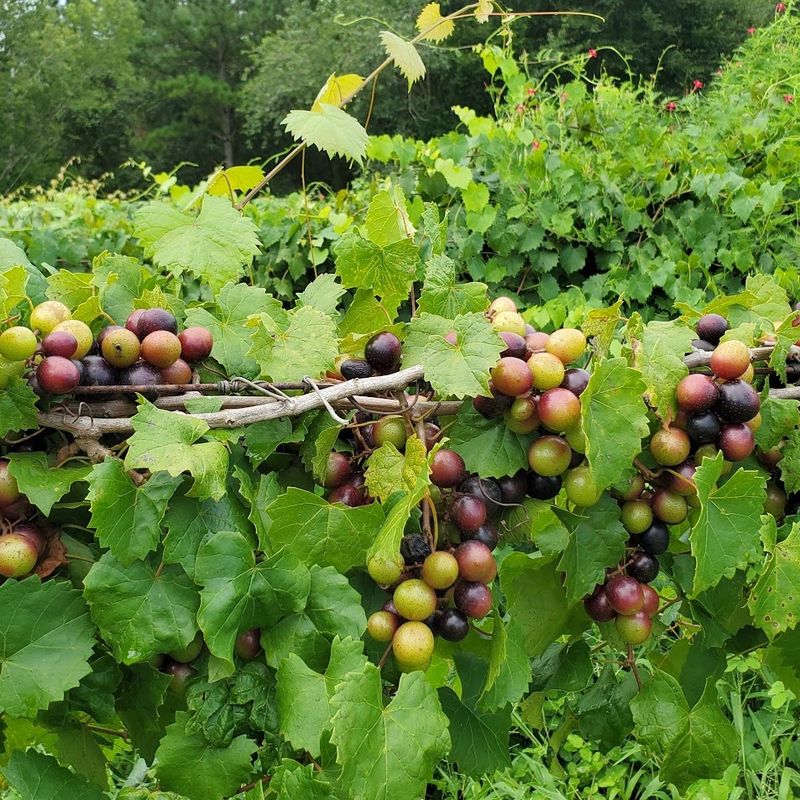
Muscadine vine is one of the most practical native plants Georgia gardeners can grow along a fence line.
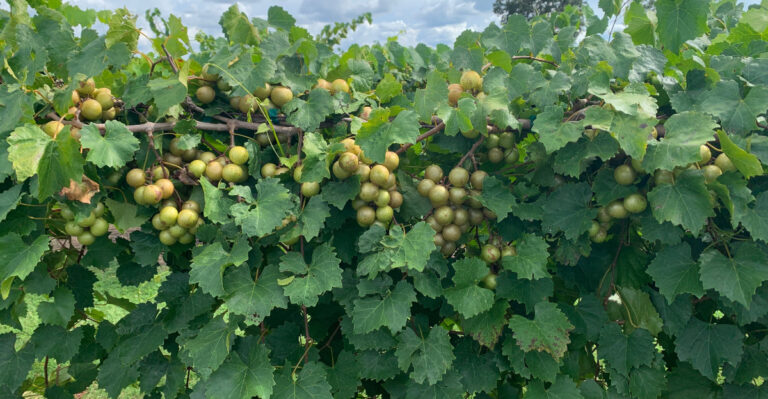
Native to the Southeast, this vigorous climbing vine fills space quickly with large green leaves, twisting tendrils, and dense seasonal coverage that softens chain link, wood fencing, and older property borders naturally.
Unlike English ivy, muscadine stays far easier to manage and does not aggressively smother trees or structures nearby.
Warm Georgia summers suit muscadine perfectly. Established vines handle heat, humidity, clay soil, sandy soil, and seasonal drought without much trouble once roots settle in properly.
Full sun produces the strongest growth and the heaviest fruit production, though vines still tolerate partial shade better than many fruiting plants.
One of the biggest advantages is the wildlife value. Birds, pollinators, box turtles, and other small animals all benefit from the flowers, foliage, and grapes throughout the growing season.
Gardeners benefit too since mature vines produce edible muscadine grapes that can be eaten fresh or used for jelly, juice, and homemade preserves.
Pruning once each winter keeps the vine fuller, healthier, and easier to control along fences. With strong growth, attractive foliage, native status, and reliable performance across Georgia, muscadine vine creates a much better long term fence cover than invasive English ivy ever could.
Thick summer foliage also creates extra backyard privacy without making the fence line look overly formal or artificial. During fall, leaves gradually turn yellow and bronze shades before dropping for winter, giving Georgia landscapes another season of natural color.
5. American Wisteria Creates Dense Coverage With Better Control
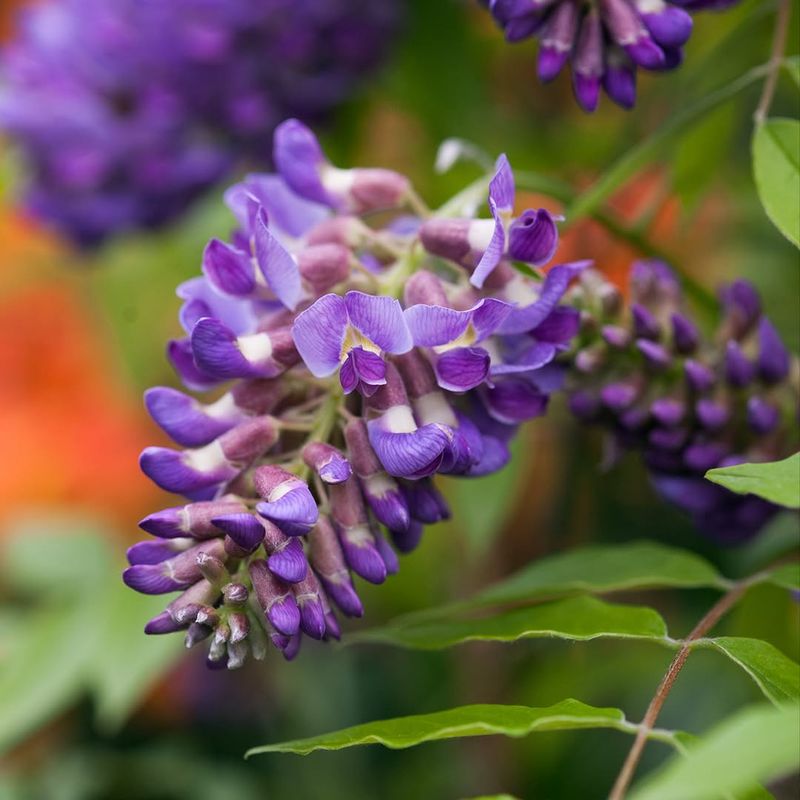
American wisteria gets unfairly overshadowed by its flashier Asian cousins, but Georgia gardeners who give it a chance quickly realize what they have been missing.
It produces beautiful cascading clusters of fragrant purple or white flowers in spring, sometimes with a lighter rebloom in summer, and it does all of this without the aggressive, uncontrollable spread that makes Chinese and Japanese wisteria such a problem across the Southeast.
Coverage along a Georgia fence line comes in reliably. American wisteria climbs by twining and can reach fifteen to thirty feet with support, which is enough to fill a long fence run over two or three growing seasons.
Structurally, it is strong enough to handle Georgia’s summer storms without pulling away from supports the way lighter vines sometimes do.
Pruning twice a year, once after the spring bloom and again in late summer, keeps American wisteria in good shape without requiring a major time commitment.
Skipping pruning for a season or two will not create a crisis, but consistent light trimming does encourage better flowering and tidier growth along the fence.
Full sun is strongly preferred for the best bloom production. Plants in heavy shade tend to produce fewer flowers, though the foliage remains attractive.
Georgia’s warm climate suits it well, and established plants show good drought tolerance once their root systems have had a full season to develop.
Native to the eastern United States, American wisteria supports local bee populations, particularly bumblebees that are strong enough to access the flowers. It is a genuinely beautiful, manageable alternative to both English ivy and invasive wisteria species.
6. Trumpet Honeysuckle Twines Naturally Along Fences And Trellises
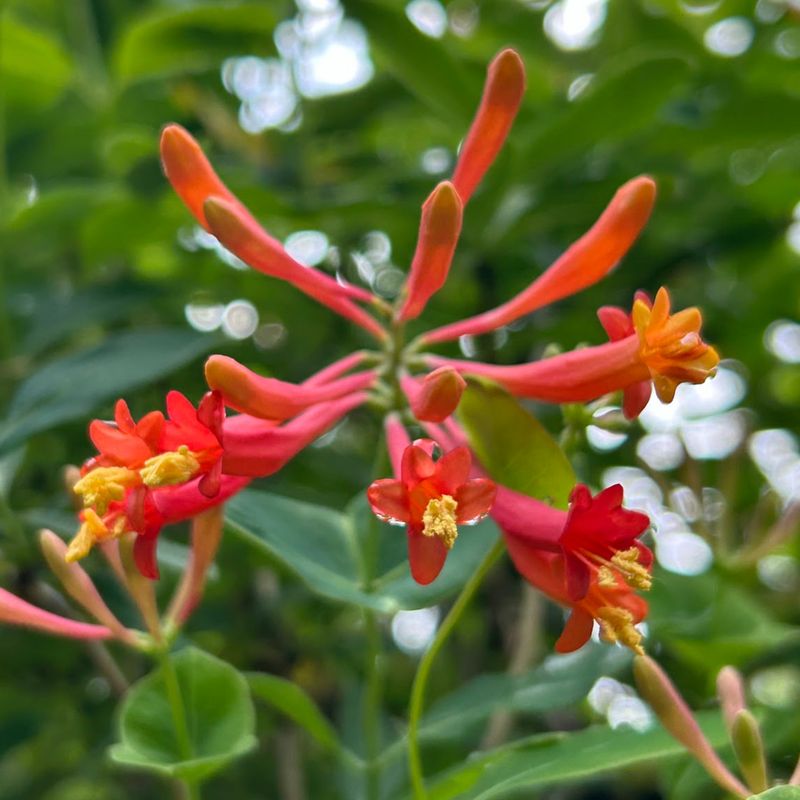
Trumpet honeysuckle and coral honeysuckle are closely related, and gardeners sometimes use the names interchangeably, but they are worth distinguishing.
Trumpet honeysuckle, Lonicera sempervirens, tends to produce slightly larger, more intensely colored flowers and often shows a longer bloom window that stretches from spring well into summer under good conditions in Georgia.
Watch it work on a chain-link or wooden fence and you will notice how naturally it moves. Stems twine around supports without any help, weaving through openings in fencing and anchoring themselves as they climb.
That self-sufficient quality makes it a practical choice for gardeners who want coverage without spending weekends training and tying vines.
Hummingbirds are wild about it. Across Georgia, ruby-throated hummingbirds key in on the red and orange blooms during both their spring arrival and late summer southward migration.
Planting trumpet honeysuckle near a fence where you can see it from a window or porch creates an easy, low-effort wildlife viewing spot.
In terms of soil needs, trumpet honeysuckle is not picky. Average garden soil with decent drainage works fine across most of Georgia.
Avoid consistently waterlogged spots, which can stress the roots over time, but otherwise this vine adapts to a wide range of conditions found throughout the state.
Semi-evergreen in the warmer parts of Georgia, it holds foliage through mild winters. In colder northern Georgia zones, expect some leaf drop during hard freezes, but the plant bounces back reliably in spring.
Compared to English ivy, trumpet honeysuckle offers seasonal interest, pollinator value, and none of the invasive spread.
7. Passionflower Vine Produces Exotic Looking Blooms Along Fences
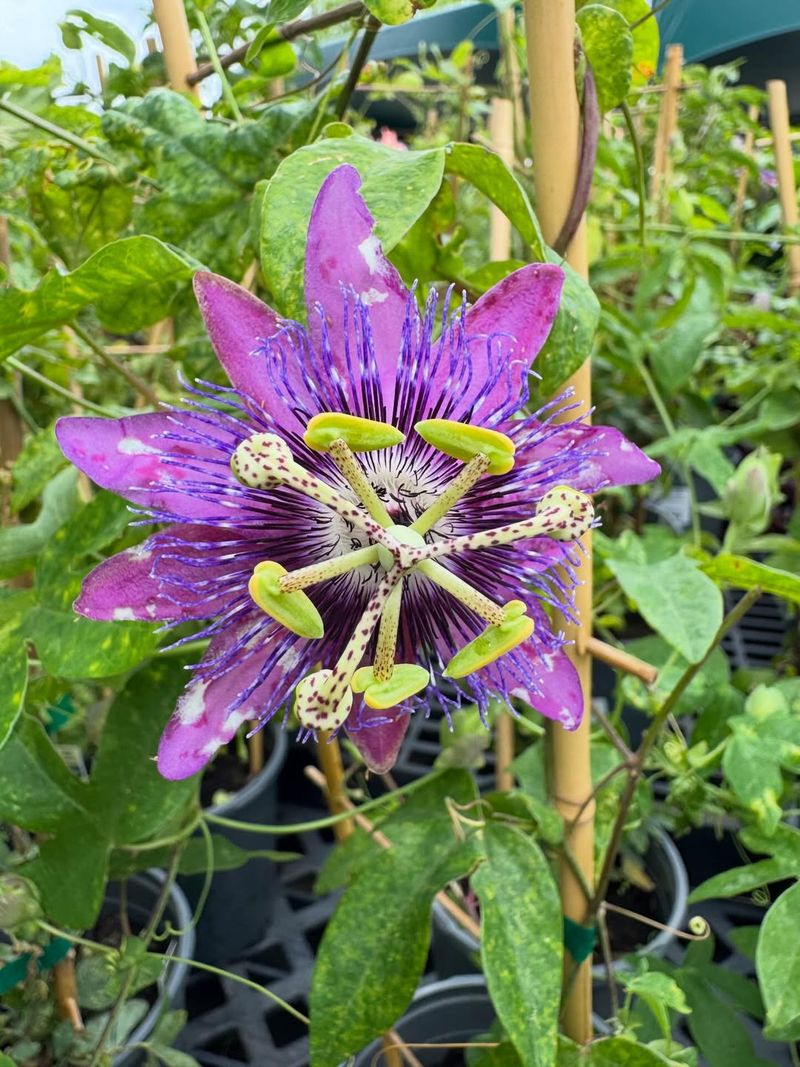
Nothing else in a Georgia garden looks quite like passionflower. The blooms are genuinely exotic, with layered rings of purple and white filaments surrounding a central structure that looks like it belongs in a tropical rainforest rather than a suburban backyard.
First-time visitors to a Georgia garden where passionflower is blooming almost always stop to look twice.
Beyond the visual drama, passionflower serves as the sole host plant for Gulf fritillary and zebra longwing butterfly caterpillars. Planting it along a fence line essentially sets up a butterfly nursery in your own yard.
Watching those caterpillars feed and eventually transform is one of the more rewarding experiences a Georgia gardener can have.
Growth is vigorous in Georgia’s warm climate. Passionflower spreads by underground runners and can pop up several feet from the original plant, so some management is needed to keep it contained to the fence line.
Pulling new shoots from unwanted areas a few times per season handles this without much effort.
Full sun to partial shade both work well, and established plants handle Georgia’s summer heat without needing much supplemental water once their root systems are in place.
Sandy soils along Georgia’s coast and clay-heavy soils in the Piedmont region are both manageable for this adaptable native vine.
Yellow egg-shaped fruits follow the flowers in late summer, and wildlife, including box turtles and various birds, will eat them readily. Passionflower brings more visual interest, more wildlife interaction, and more genuine local character to a Georgia fence line than English ivy ever could.
Its fast climbing habit also helps soften chain link and wooden fences quickly, which is one reason so many Georgia gardeners use it to create a more natural-looking privacy screen.