North Carolina Gardeners Are Getting More Melons By Avoiding These Mistakes In The Heat
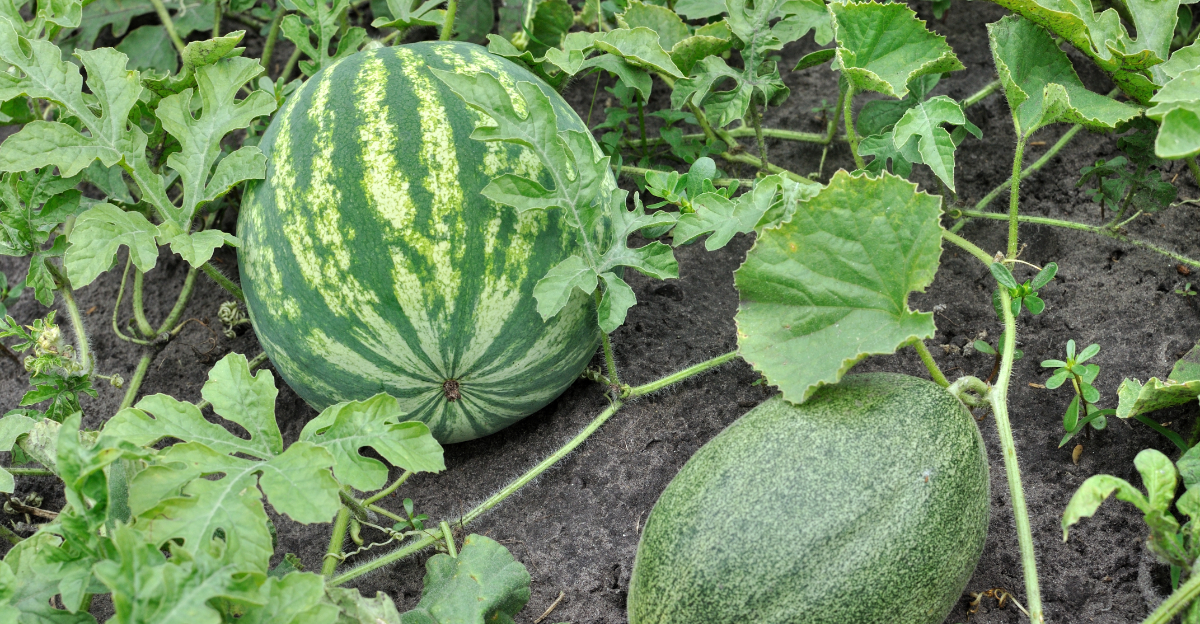
Growing melons in North Carolina feels like a gamble some summers. You plant them with high hopes, the vines take off, and then somewhere around mid-June the whole thing stalls.
Or worse, the fruit cracks, rots, or just never sweetens up. The heat gets blamed, but heat alone isn’t usually the problem.
Melons actually love warm weather. What they don’t love is inconsistent watering, poor vine management, and a few other common missteps that are easy to make when the season gets busy.
Growers who started fixing these mistakes are pulling in noticeably better harvests, and their gardens aren’t anything special. Same clay-heavy soil, same sticky Carolina humidity.
The difference is a handful of habits that change how the plant spends its energy during the hottest weeks of the year.
1. Letting The Soil Dry Out Between Waterings
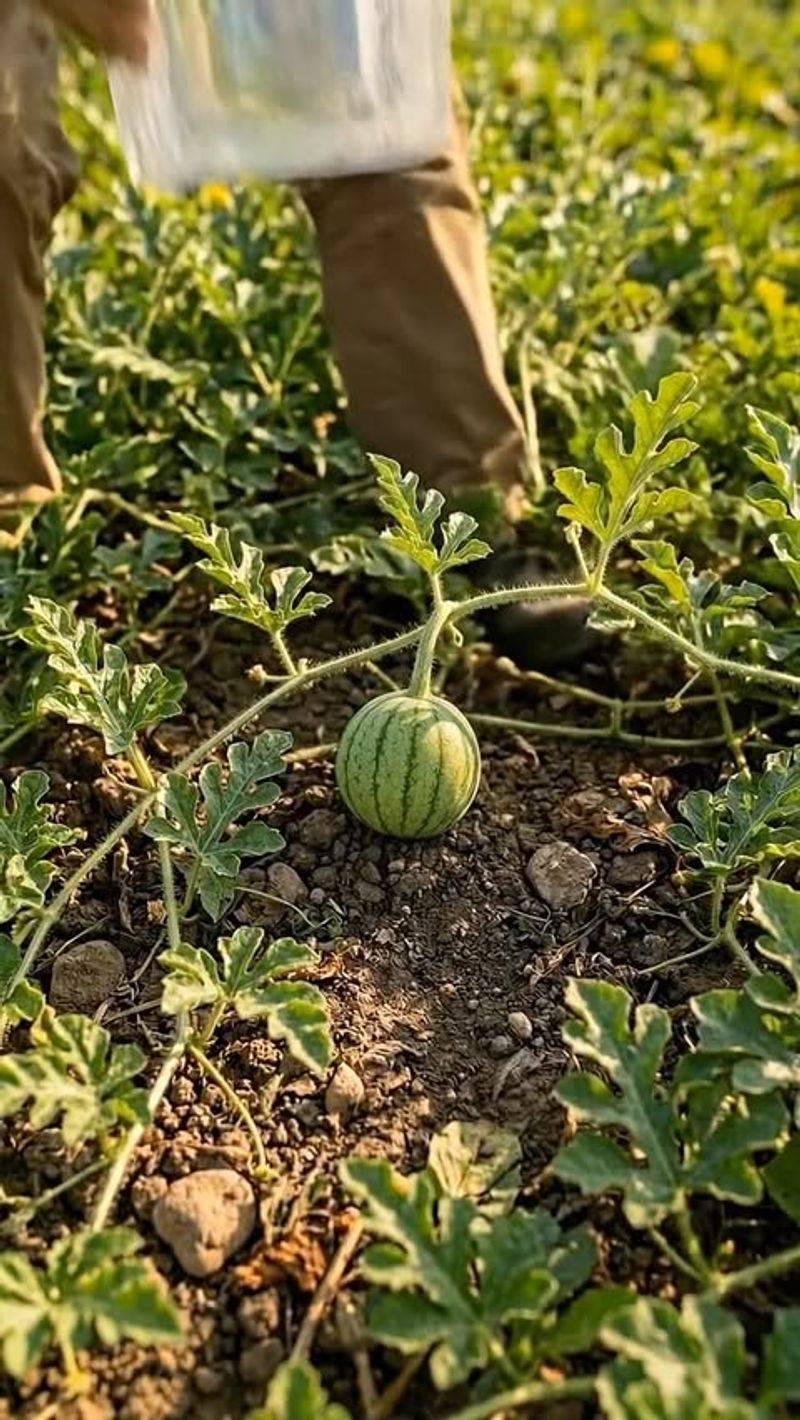
Melons are basically water storage units wrapped in a tough rind, so it makes perfect sense that they struggle hard when the soil around them goes bone dry. In North Carolina’s blazing July and August heat, soil moisture can vanish faster than you might expect.
Skipping even a couple of days without water during a heat wave can stress your plants at the worst possible time.
When melon plants get stressed from dry soil, they drop flowers, produce fewer fruits, and the ones that do form often crack or taste bland. Consistent soil moisture is what drives healthy vine growth and sweet fruit development.
The goal is to keep the top six to eight inches of soil evenly moist, not soggy, but never completely dry.
Check the soil every morning by pressing your finger about two inches deep. If it feels dry at that depth, it is time to water.
A soaker hose or drip irrigation system works beautifully here because it delivers water straight to the root zone without wasting a drop. Watering in the early morning also gives the soil time to absorb moisture before the afternoon heat arrives.
Staying consistent with your watering schedule is honestly one of the biggest differences between a disappointing melon harvest and a truly impressive one.
2. Watering Shallowly During Hot Weather
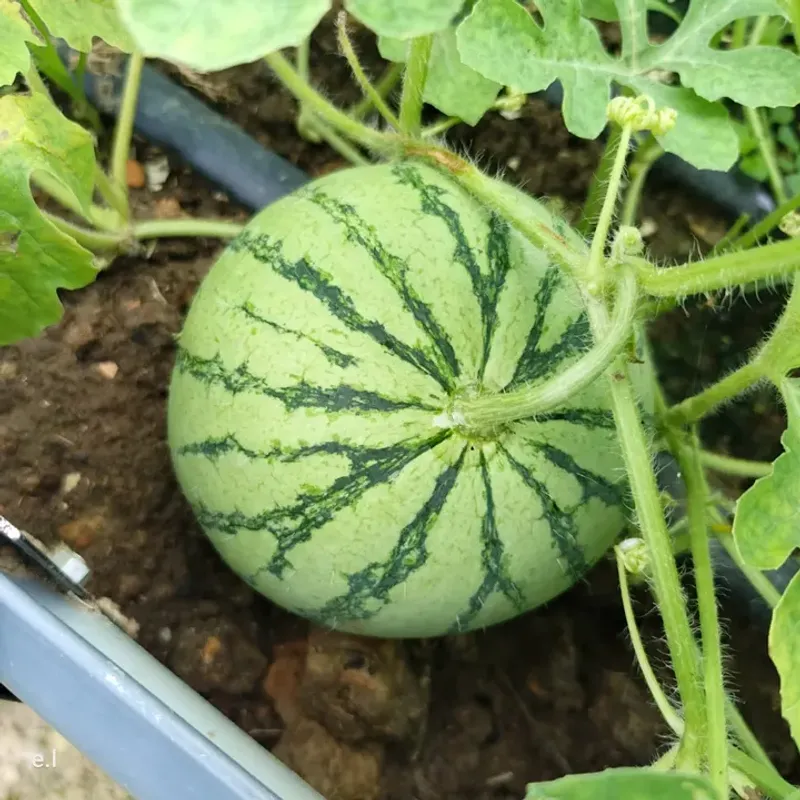
Here is something that surprises a lot of first-time melon growers: watering a little every day can actually cause more problems than watering deeply a few times a week. When you only wet the top inch or two of soil, roots have no reason to grow downward.
They stay close to the surface, and shallow roots are extremely vulnerable to heat stress.
Deep, thorough watering encourages roots to chase moisture down into the cooler layers of soil. Those deep roots act like anchors during dry spells, pulling up water and nutrients even when the surface bakes under the sun.
North Carolina summers are long and hot, so building a strong root system early in the season pays off enormously later on.
When you water, aim to soak the soil to a depth of at least eight to ten inches. You can check this by digging a small hole an hour after watering to see how far the moisture reached.
Your North Carolina Garden Changes Every Week. Your Plan Should Too.
Gardening in North Carolina changes quickly throughout the season. Every Friday you’ll receive a simple weekly plan showing exactly what to plant, prune, fertilize, harvest, and protect so you never miss the right timing.
Slow, steady watering using drip lines or a soaker hose accomplishes this far better than a quick spray from a garden hose. Give the soil time to absorb the water rather than letting it run off the surface.
Changing this one habit alone can visibly improve the size and sweetness of your melons within just a few weeks.
3. Skipping Mulch Around Melon Plants
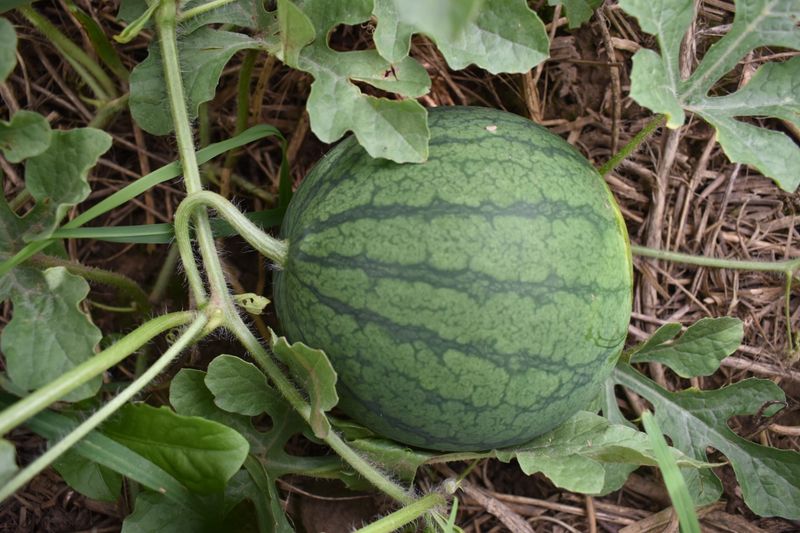
Mulch is one of the most underrated tools in any Southern gardener’s toolkit, and melon plants absolutely love it. A thick layer of straw, wood chips, or shredded leaves spread around the base of your vines does several helpful things at once.
It slows down soil moisture evaporation, keeps roots cooler, and even helps prevent certain soil-borne diseases from splashing up onto the leaves during rain.
Without mulch, North Carolina’s summer sun heats the bare soil to temperatures that can stress roots and accelerate water loss dramatically.
Studies from university extension programs consistently show that mulched vegetable gardens retain significantly more moisture than bare-soil plots.
That moisture savings translates directly into healthier vines and bigger harvests.
Apply a layer of straw or shredded mulch about three to four inches thick around each plant, keeping it a few inches away from the main stem to prevent rot. Refresh the mulch mid-season if it starts to thin out.
As an added bonus, mulch naturally suppresses weeds, which means less competition for water and nutrients. Many experienced North Carolina melon growers say that adding mulch was the single change that made the biggest difference in their summer garden.
It is simple, affordable, and genuinely effective in ways that are hard to overstate.
4. Crowding Melon Vines Too Closely
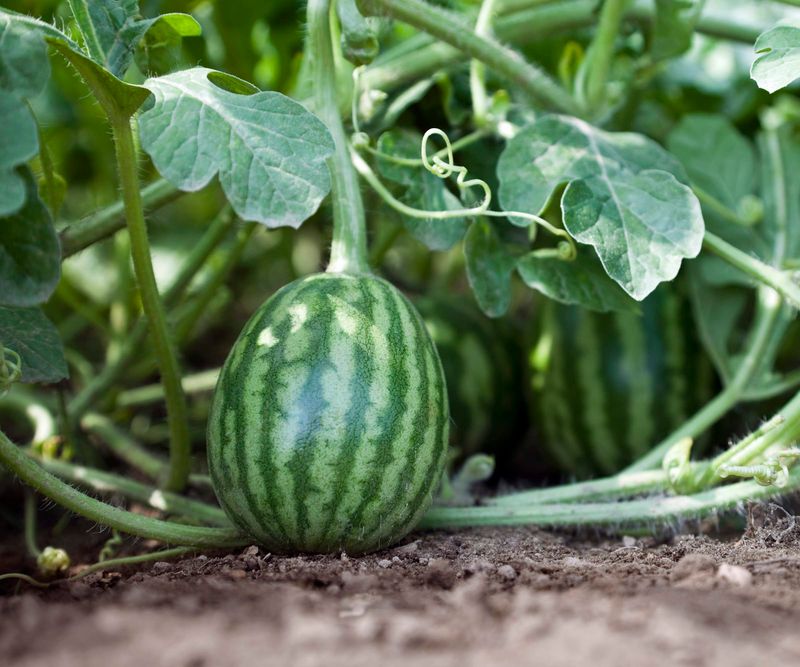
Melon vines are enthusiastic growers, and they need serious room to spread out comfortably. Planting them too close together is a mistake that creates a chain reaction of problems.
Poor airflow between crowded leaves traps humidity, and in North Carolina’s already muggy summers, that trapped moisture becomes a welcome mat for powdery mildew, downy mildew, and other fungal issues.
Beyond disease risk, crowded vines compete fiercely for water, nutrients, and sunlight. When plants are fighting each other for resources, the fruits they produce tend to be smaller and fewer in number.
Giving each vine the space it genuinely needs is one of the simplest ways to improve your overall harvest without spending a single extra dollar.
Most watermelon varieties need about six feet of spacing between plants, while cantaloupes and honeydew melons do well with three to four feet between each one.
If space is limited in your garden, try growing smaller bush-type melon varieties that naturally stay more compact.
You can also train vines vertically on a sturdy trellis, which keeps them off the ground and dramatically improves airflow. Pruning a few of the longer side shoots mid-season also helps open up the canopy.
A little planning at planting time saves a lot of frustration later when those vines really start running.
5. Overfertilizing With Nitrogen Late In The Season
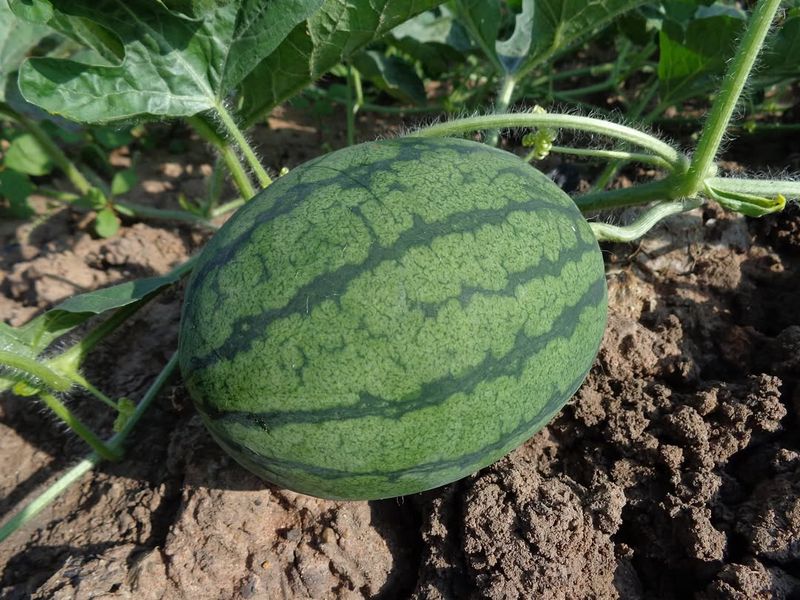
Nitrogen is fantastic for getting melon plants off to a strong, leafy start early in the season. The problem comes when gardeners keep pushing nitrogen-heavy fertilizers once the plants have started flowering and setting fruit.
Too much nitrogen at that stage sends the plant a very clear signal: grow more leaves, not more melons.
The result is a vine that looks impressively lush and green but produces surprisingly few fruits. Gardeners sometimes call this going vegetative, and it is a frustrating situation because the plants look healthy on the surface.
In reality, all that extra leafy growth is pulling energy away from the fruits you actually want to harvest.
Once your melon plants start flowering, switch from a high-nitrogen fertilizer to one with a higher phosphorus and potassium ratio. Something labeled for tomatoes or fruiting vegetables works well at this stage.
Phosphorus supports strong root development and flower production, while potassium improves fruit quality and helps plants handle heat stress more effectively. Always follow the label instructions and resist the urge to add extra, thinking more is better.
A soil test from your local North Carolina Cooperative Extension office is a great way to know exactly what your garden needs before you add anything at all. Feeding smarter, not heavier, is what gets you more melons.
6. Ignoring Pollinator Activity During Heat Waves
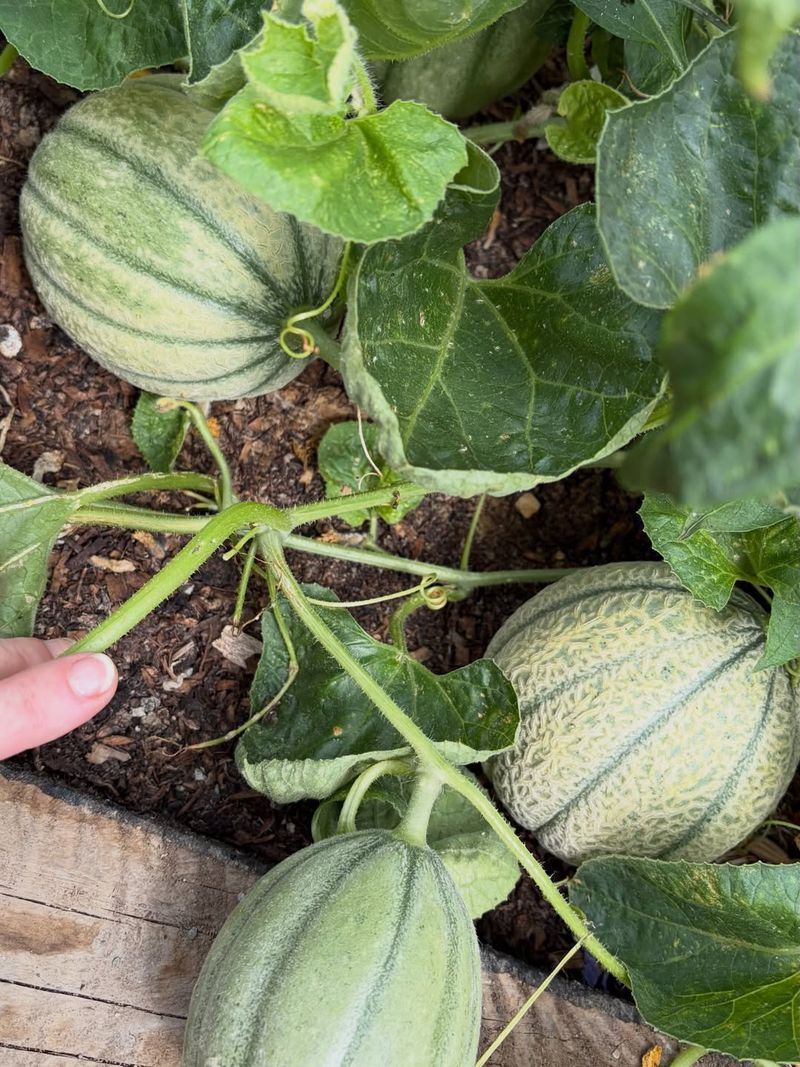
No pollinators means no melons, full stop. Bees and other beneficial insects are responsible for transferring pollen from male flowers to female flowers on your melon vines, and without that transfer, fruits simply will not form.
During intense heat waves, bees naturally reduce their activity during the hottest part of the day, which can create a real pollination gap in your garden.
Female melon flowers are only receptive for a very short window, often just one day. If bees are not active when those flowers open, you miss the opportunity entirely.
This is one reason why melon gardeners in North Carolina sometimes notice a frustrating wave of flowers that drop off without forming any fruit during the peak of summer heat.
You can help by hand-pollinating flowers during the cooler early morning hours using a small paintbrush or cotton swab.
Gently transfer pollen from a male flower, which has a straight stem, to the center of a female flower, which has a small swollen base that looks like a tiny melon.
Planting pollinator-friendly flowers like zinnias, basil, and marigolds nearby also brings more bees into your garden throughout the season.
Reducing or eliminating pesticide use during flowering time protects the beneficial insects you actually need. Supporting pollinators is supporting your harvest.
7. Leaving Fruits Directly On Wet Soil
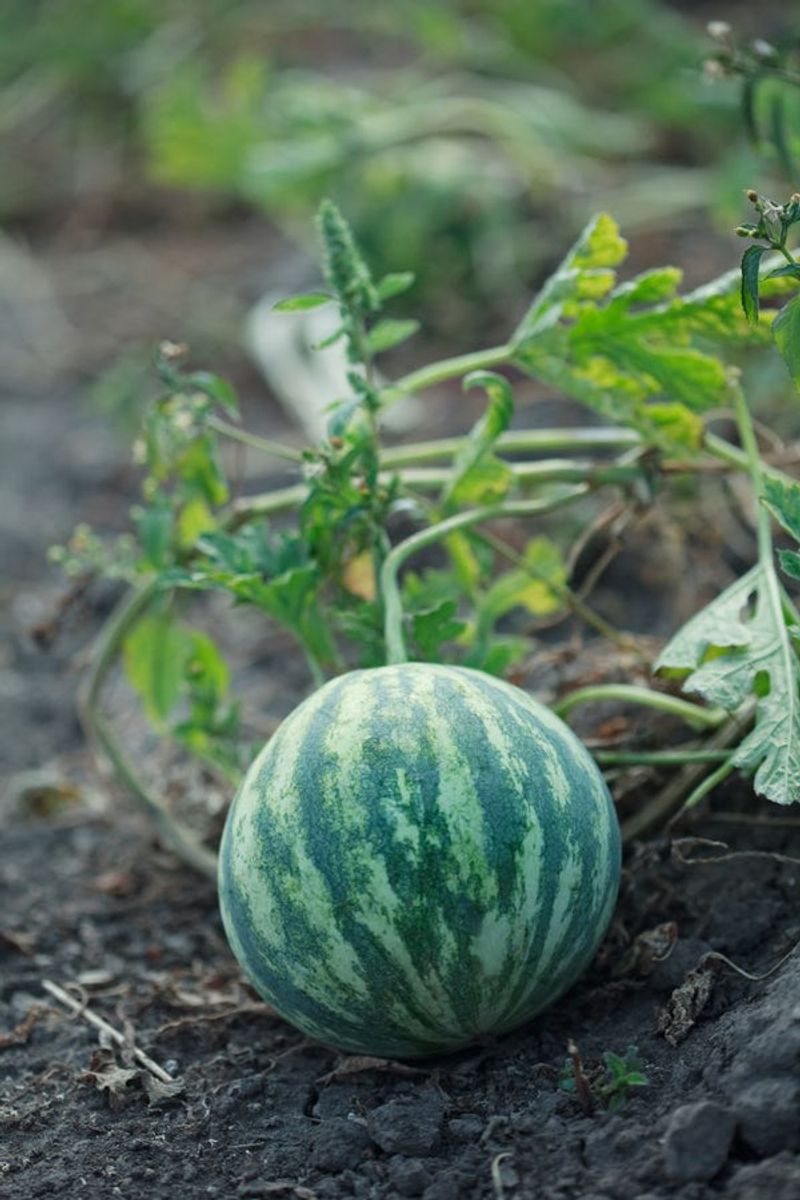
Ripe melons sitting directly on damp soil are in a vulnerable position.
North Carolina’s summer humidity combined with frequent afternoon thunderstorms creates consistently moist ground, and that moisture against the fruit’s skin can lead to rot, mold, and insect damage faster than most gardeners expect.
The bottom of the melon, which you cannot even see until you pick it up, is usually the first place trouble starts.
Experienced growers have a simple fix that costs almost nothing: slip a piece of cardboard, a folded piece of burlap, or a small wooden board under each developing melon.
This lifts the fruit just enough to allow air circulation underneath and breaks the direct contact with wet soil.
Some gardeners use old pantyhose tied to a trellis to suspend smaller melons off the ground entirely.
Straw mulch under the fruit also works well and has the added benefit of keeping the surrounding soil cooler and more evenly moist.
Check your fruits regularly throughout the season, especially after heavy rains, and replace any wet cardboard or soggy mulch underneath them.
A little attention to where your melons are resting can prevent a lot of late-season heartbreak when you get close to harvest and find a rotted spot on an otherwise beautiful fruit. Small habits like this add up to a noticeably better harvest.
8. Waiting Too Long To Harvest Ripe Melons
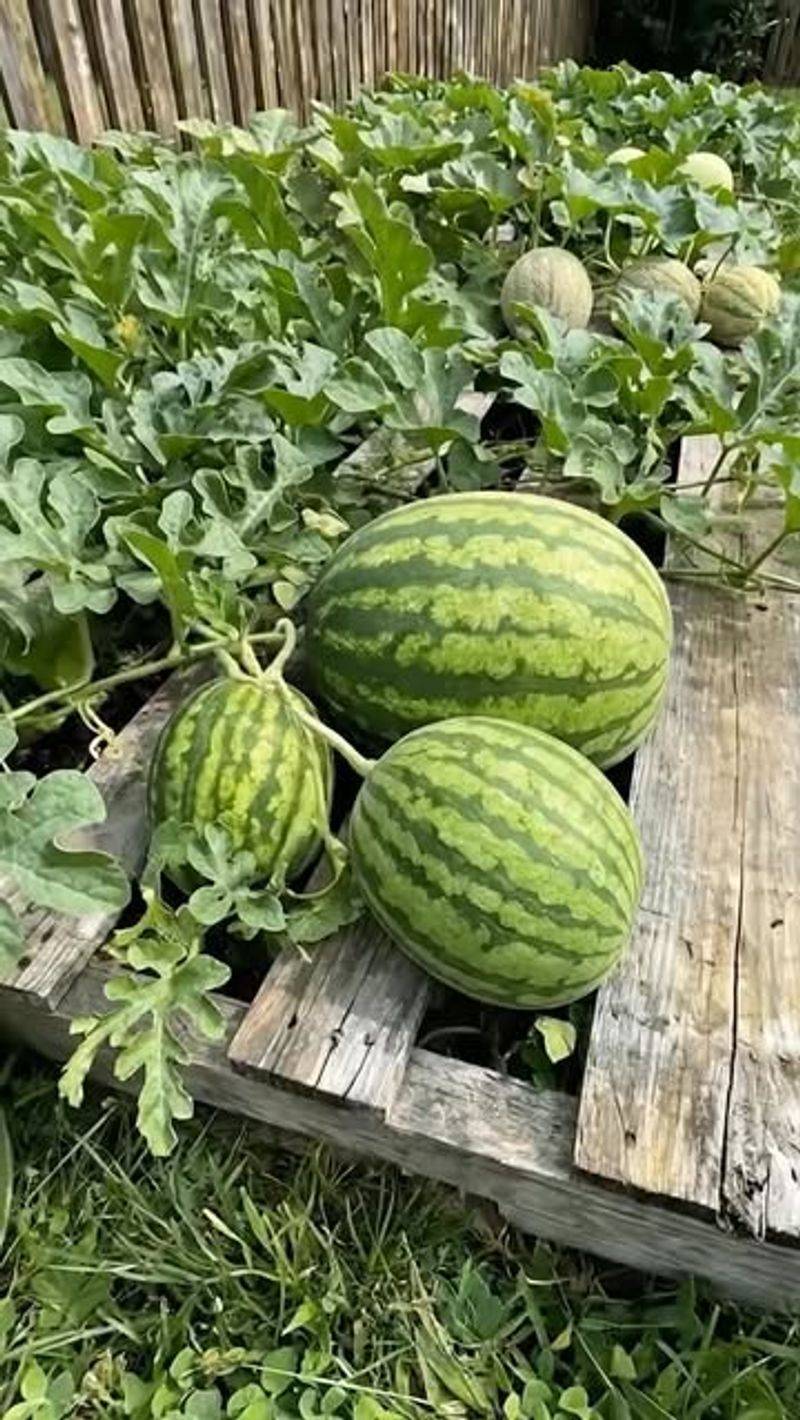
Timing the harvest is genuinely one of the trickiest parts of growing melons, and waiting just a few days too long can mean the difference between a perfectly sweet fruit and a mushy, overripe disappointment.
Melons do not ripen further once they are off the vine the way bananas or peaches do, so getting the timing right while they are still attached is everything.
For cantaloupes, look for the slip, which is the point where the stem separates easily from the fruit with just a gentle push. A ripe cantaloupe will also have a strong, sweet fragrance and a slightly yellowish skin under the netting.
Watermelons are trickier since they do not slip, but a few reliable signs include a yellowed ground spot where the melon rests on the soil, a dried and brown curly tendril nearest the fruit, and a dull rather than shiny skin surface.
Check your melons every day once they start looking close to ripe because summer heat accelerates the ripening process quickly. Harvest in the cool morning hours when possible and bring the fruit indoors or into the shade right away.
A properly timed harvest not only gives you the best flavor and texture but also encourages the vine to redirect energy toward any remaining developing fruits. Paying attention in those final days is absolutely worth it.