7 Smart Tips For Growing Beautiful Hollyhocks In Arizona
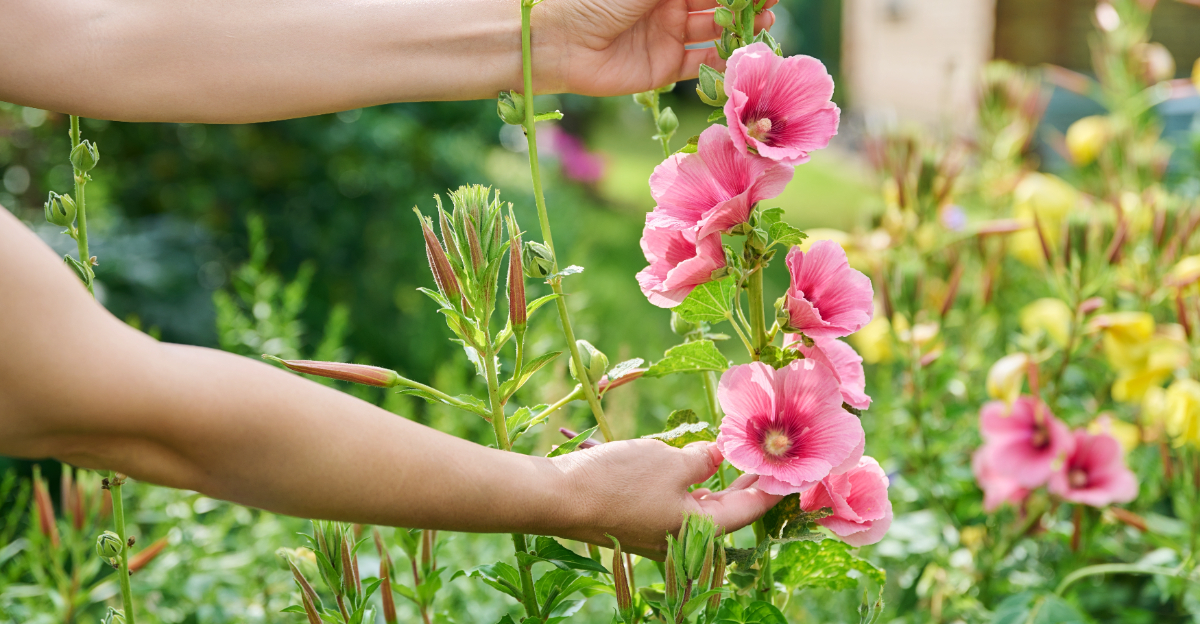
Tall hollyhocks instantly give Arizona gardens that old fashioned cottage garden look people stop and notice. Bright flowers stacked high above the leaves can make even simple garden beds feel dramatic once blooming begins.
Few flowers create that kind of height and color at the same time.
Healthy hollyhocks tend to stand out for weeks when they settle into the right spot. Full flower spikes, stronger stems, and richer color make a huge difference once plants start reaching their full size.
Good care early on usually decides how impressive those blooms look later.
Small adjustments during the growing season can completely change how hollyhocks perform in Arizona gardens. Better results often come from simple habits that help plants stay vigorous, colorful, and covered in blooms much longer.
1. Morning Sun Helps Hollyhocks Handle Heat Better
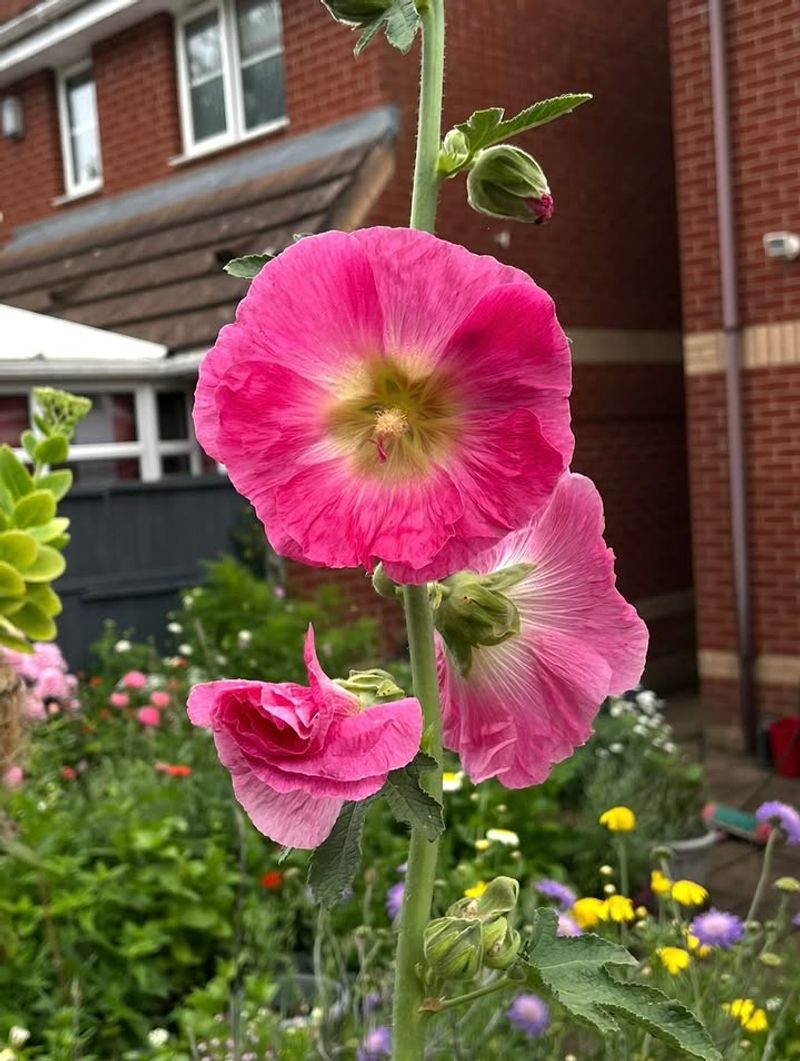
Sunlight placement is one of the most underrated decisions you will make when growing hollyhocks in Arizona. Planting them where they catch full morning sun but get some shade in the afternoon can genuinely change how well they perform through the hottest months.
Arizona summers are brutal, and even sun-loving plants can struggle when afternoon temperatures push past 110 degrees.
Morning sun gives hollyhocks the light they need to grow tall and bloom heavily without frying the leaves. East-facing beds or spots along the east side of a wall or fence are ideal for this reason.
Once the afternoon heat rolls in, that shade acts like a shield, keeping the foliage from scorching and the blooms from fading too fast.
A lot of Arizona gardeners learn this the hard way after watching perfectly healthy plants wilt and bleach out by midsummer. Adjusting where you plant makes a measurable difference without requiring any extra products or tools.
Just pay attention to how the sun moves across your yard and pick your spot accordingly.
2. Good Airflow Helps Prevent Common Hollyhock Problems
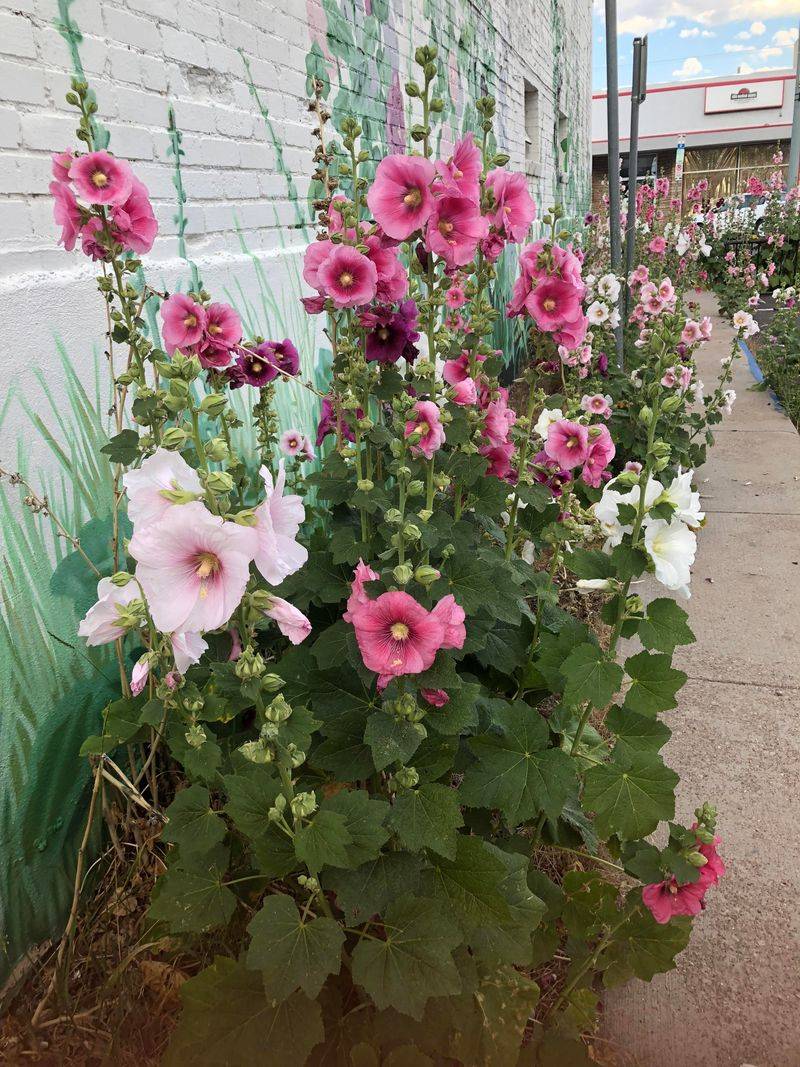
Rust fungus is the number one enemy of hollyhocks, and Arizona is not immune just because it is dry. Humid monsoon conditions between July and September create exactly the kind of environment where rust spores spread fast.
Planting hollyhocks too close together traps moisture around the foliage and gives fungal problems the perfect place to take hold.
Spacing plants at least 18 to 24 inches apart allows air to move freely through the stems and leaves. Good airflow helps foliage dry out faster after monsoon rain or irrigation, which cuts down on the conditions that encourage rust and other fungal issues.
It sounds simple, but this single decision can save you a lot of frustration later in the season.
Avoid planting hollyhocks right up against walls or dense shrubs where air circulation is limited. Even in dryer parts of Arizona like Tucson or Phoenix, that trapped moisture during monsoon season is enough to trigger rust outbreaks.
Open, breezy spots give your plants a much better chance of staying clean through summer.
3. Deep Watering Encourages Stronger Hollyhock Roots
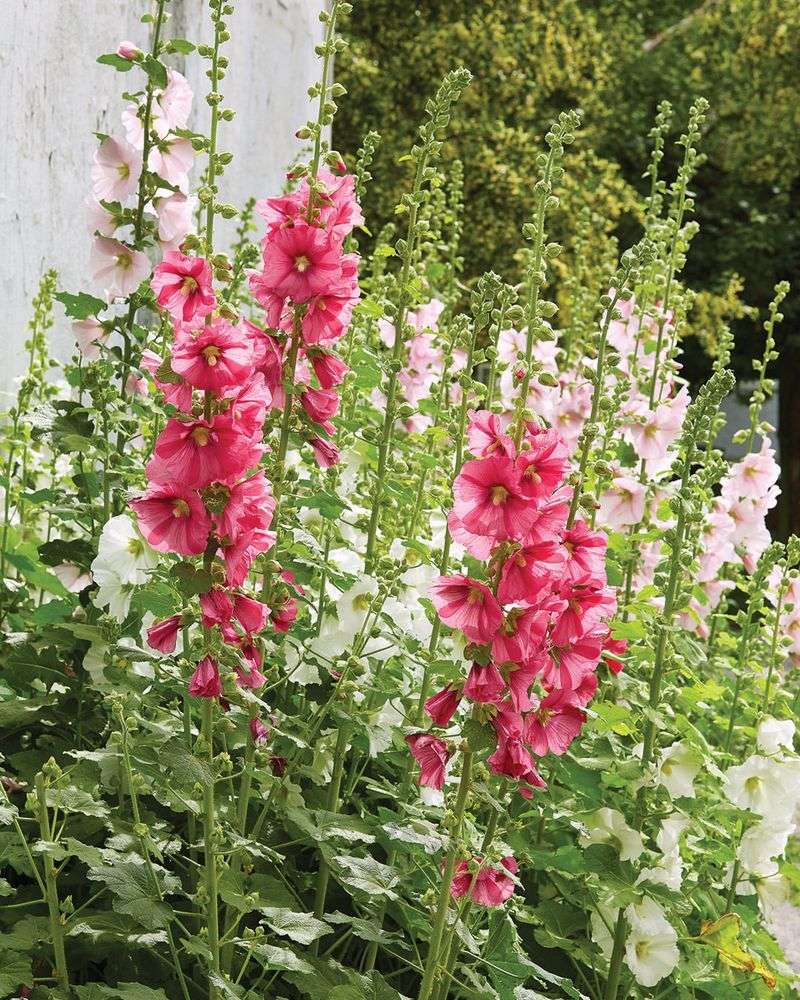
Shallow watering might keep plants alive short term, but it trains roots to stay near the surface where soil dries out fastest. In Arizona, that is a recipe for weak, stressed plants that struggle the moment temperatures spike.
Your Arizona Garden Changes Every Week. Your Plan Should Too.
Gardening in Arizona changes quickly throughout the season. Every Friday you’ll receive a simple weekly plan showing exactly what to plant, prune, fertilize, harvest, and protect so you never miss the right timing.
Deep watering encourages roots to push downward into cooler, more stable soil layers where moisture lasts longer between irrigation sessions.
Water slowly and thoroughly, letting the water soak at least 12 inches down into the soil. Drip irrigation works really well for hollyhocks because it delivers water directly to the root zone without splashing the leaves.
Wet foliage is one of the quickest ways to invite fungal problems, especially during Arizona monsoon season when humidity already spikes unexpectedly.
During the hottest stretches of summer, hollyhocks in the low desert may need watering every two to three days depending on soil type and mulch coverage.
Sandy soils drain fast and may require more frequent deep watering, while clay-heavy soils hold moisture longer but can compact and reduce oxygen to the roots.
Knowing your soil type helps you water smarter rather than just watering more.
Adding a two to three inch layer of organic mulch around the base of your hollyhocks helps retain soil moisture between waterings.
4. Tall Hollyhocks Often Need Support In Windy Weather
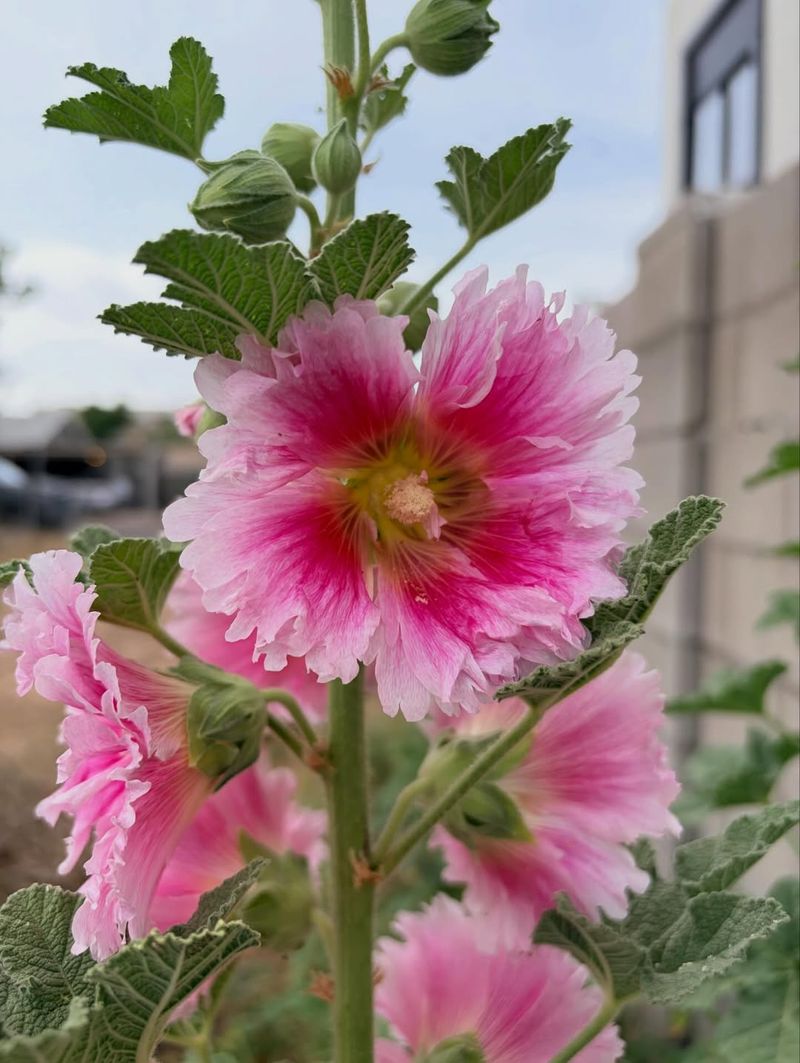
Hollyhocks can grow anywhere from four to eight feet tall depending on the variety, and that height comes with a real vulnerability to wind.
Arizona is no stranger to strong winds, especially during late spring dust storms and the dramatic gusts that roll in ahead of monsoon storms.
Without support, tall hollyhock stalks can snap or lean badly, which weakens the plant and ruins the look of your garden.
Bamboo stakes work well for supporting hollyhocks and are inexpensive enough to use throughout your whole planting area. Drive a stake into the ground about six inches from the main stem and tie the stalk loosely using soft garden twine or stretchy plant ties.
Avoid tying too tightly since the stem needs room to flex slightly in the wind without snapping against a rigid support.
Start staking when plants reach about two feet tall, well before they become top-heavy with blooms. Waiting until a plant is already leaning or damaged makes staking much less effective.
Getting ahead of the problem keeps your hollyhocks upright and looking their best through the windiest parts of the Arizona growing season.
Some gardeners in Arizona plant hollyhocks near a fence or wall specifically to provide natural wind protection without needing individual stakes.
5. Overcrowded Hollyhocks Become More Vulnerable To Rust
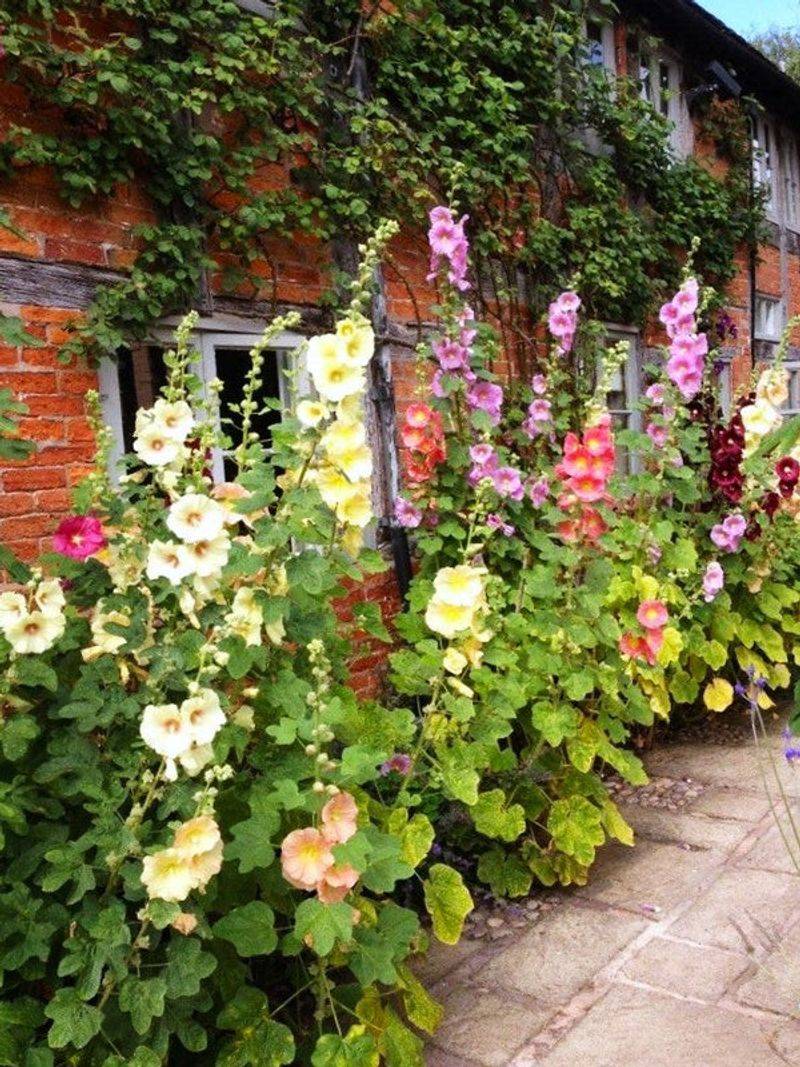
Rust does not show up randomly. It shows up when conditions are just right, and overcrowding is one of the fastest ways to create those conditions in your Arizona garden.
When hollyhocks are planted too close together, moisture gets trapped between stems, sunlight cannot reach the lower leaves, and spores have an easy time jumping from one plant to the next.
Rust appears as small orange or brownish-yellow powdery spots on the undersides of leaves, and once it takes hold it spreads quickly through a crowded planting. Affected leaves turn yellow, weaken, and drop off, which stresses the plant and reduces blooming.
Catching it early and thinning out your plants gives hollyhocks a real fighting chance before rust becomes a full-season problem.
Thin seedlings and transplants to a spacing of at least 18 inches, and resist the temptation to cram in extra plants just because you have them. More plants do not always mean more flowers, especially if they end up competing for light, water, and airflow.
Fewer, well-spaced plants almost always outperform a dense, crowded patch when it comes to bloom quality and overall plant health in Arizona conditions.
6. Rich Soil Helps Hollyhocks Produce More Flowers
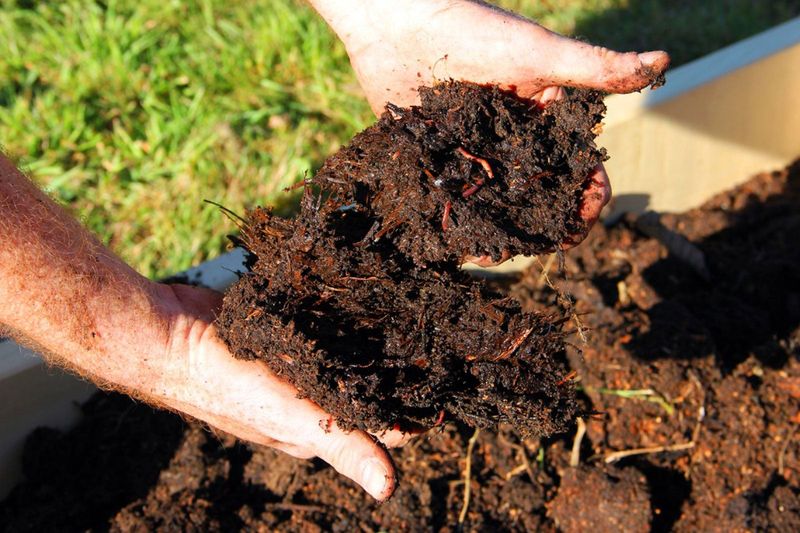
Arizona soil can be tough. Much of the state has alkaline, sandy, or caliche-heavy soil that does not naturally provide the nutrients hollyhocks need to bloom at their best.
Amending the soil before planting is one of the smartest investments you can make for a bigger, more colorful hollyhock display.
Working two to three inches of compost into the top 12 inches of soil improves both drainage and nutrient content at the same time. Compost also helps sandy Arizona soil hold moisture longer, which reduces how often you need to water.
Well-amended soil gives hollyhock roots a welcoming environment to spread out and establish quickly after transplanting or germination.
A balanced slow-release fertilizer worked into the soil at planting time can also make a noticeable difference in how many blooms you get.
Hollyhocks are heavy feeders compared to many drought-tolerant desert plants, so they appreciate a bit of extra nutrition during their active growing period.
A second light feeding when flower buds first appear can push bloom production even higher.
Avoid going overboard with high-nitrogen fertilizers since too much nitrogen pushes leafy green growth at the expense of flowers. Balance matters more than quantity when it comes to feeding hollyhocks in Arizona.
7. Spent Blooms Should Be Removed For Tidier Growth
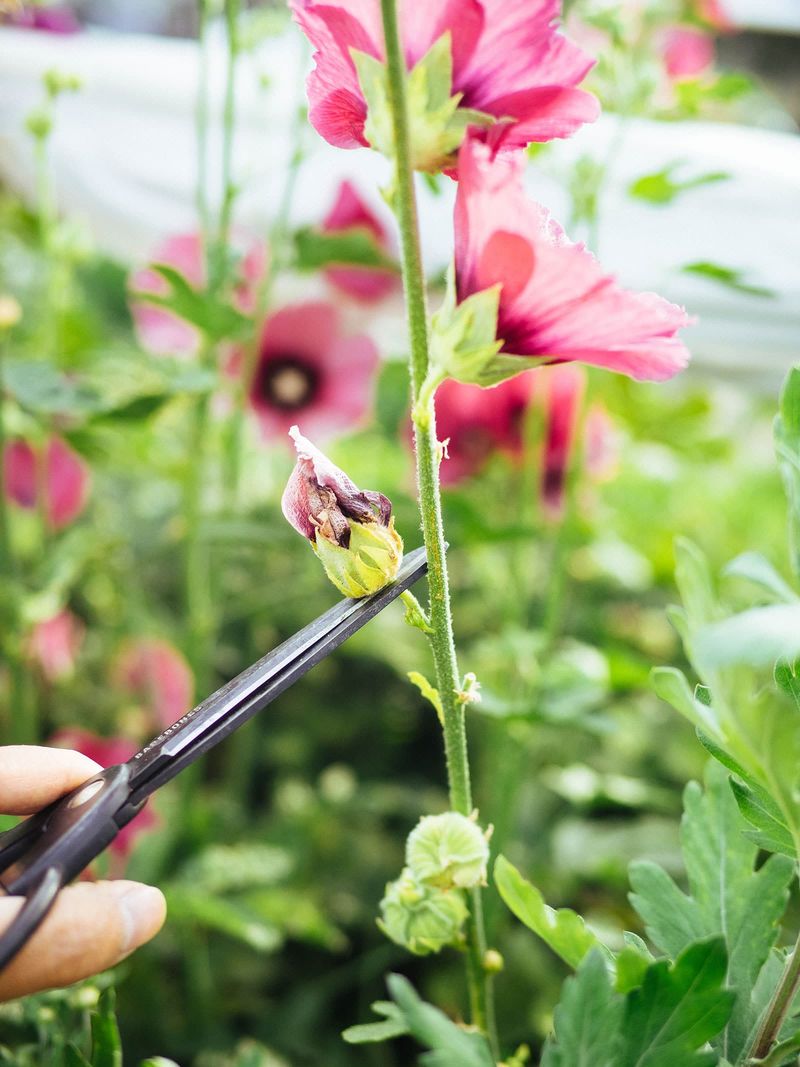
Deadheading might sound like extra work, but it pays off in a very visible way. Removing spent blooms from hollyhock stalks keeps the plant looking clean and tidy, and it encourages the plant to put energy into producing new flowers rather than forming seeds.
In Arizona, where the growing window can be cut short by intense summer heat, getting the most out of every week of blooming season really matters.
Hollyhocks bloom from the bottom of the stalk upward, so the lower flowers fade while the upper ones are still fresh. Snipping off the spent lower blooms as they fade keeps the stalk looking attractive and signals to the plant that its job is not done yet.
Sharp, clean scissors or pruning snips work best since they make a clean cut and reduce the risk of introducing disease into the cut stem.
If you want hollyhocks to come back on their own next year, leave a few of the last blooms on the plant to fully develop into seed pods.
Hollyhocks are biennials or short-lived perennials in many climates, but in Arizona they often behave more like annuals due to the extreme heat.
Letting some seeds mature and drop naturally gives you a better chance of seeing new plants emerge the following season without having to buy or start new seeds.