Plant These Purple Perennials In Arizona Once And Enjoy Them For Years
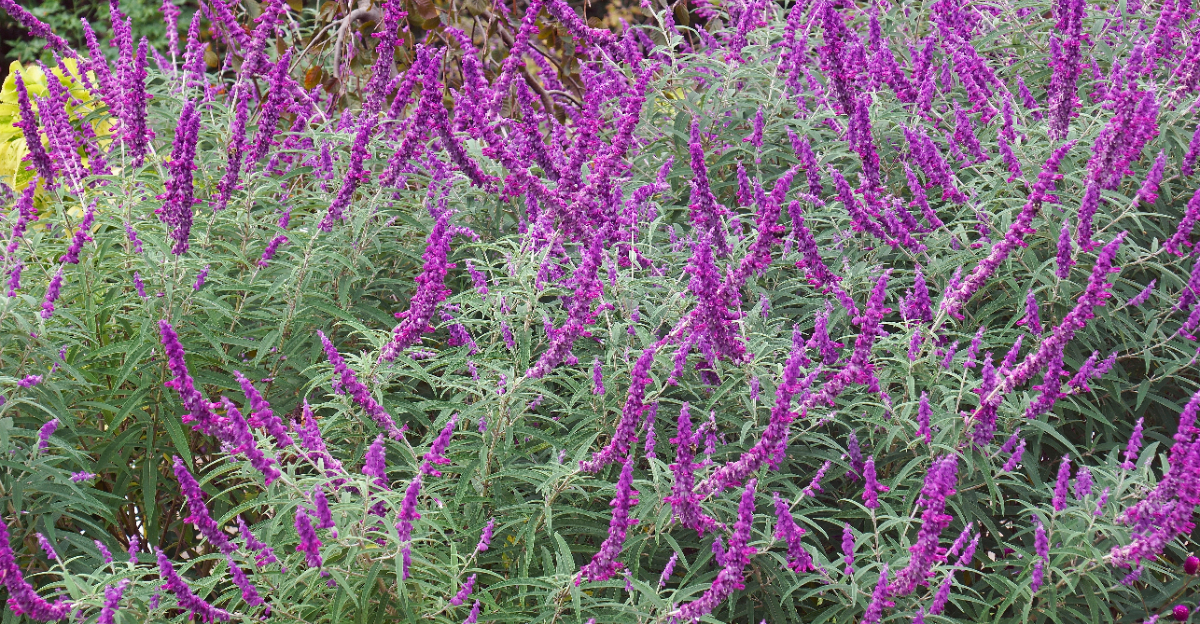
Purple flowers can completely transform an Arizona yard once the sunlight hits them during late spring and summer.
Deep violet shades, soft lavender tones, and bright purple blooms stand out beautifully against gravel landscapes, stone borders, and desert backdrops. Color like that instantly makes outdoor spaces feel more alive.
Perennials become even more rewarding because they return year after year without starting over from scratch each season.
Gardens slowly begin looking fuller, more established, and far less empty once reliable plants settle in and keep coming back stronger.
Arizona landscapes often need plants that handle tough conditions while still bringing strong color through the year.
Purple blooming perennials tend to create that balance perfectly, especially in yards that need lasting color without constant replanting or heavy maintenance.
1. Autumn Sage Produces Purple Blooms Through Warm Seasons
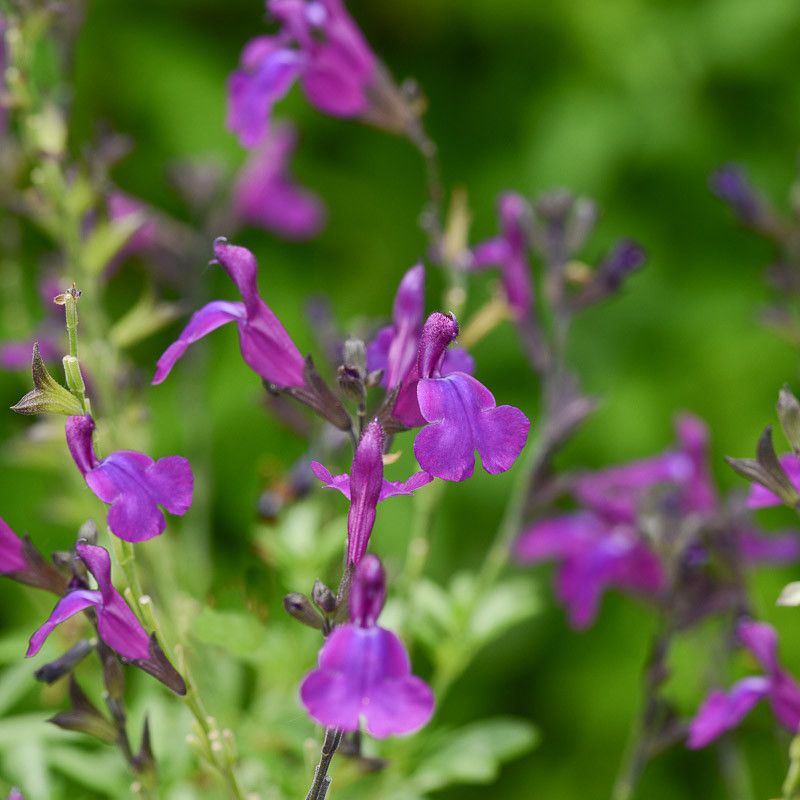
Few plants earn their keep in Arizona the way Autumn Sage does. Known botanically as Salvia greggii, this tough little shrub pushes out blooms from spring all the way through fall, and it barely asks for anything in return.
In Arizona’s low desert regions, that kind of staying power is genuinely rare.
Plant it in full sun and well-draining soil, and it will settle in fast. Once established, it handles heat and drought without much fuss.
Watering deeply once or twice a week during summer keeps it looking full and healthy, but you do not need to hover over it constantly.
Hummingbirds are wild about Autumn Sage, so expect some extra life in your yard when it is blooming. Purple varieties add a cool contrast to Arizona’s warm, earthy tones.
Heights typically stay between two and three feet, making it easy to tuck into borders or mix into larger plantings.
Cutting it back lightly after each bloom cycle encourages fresh new growth and more flowers. Over time, it fills in beautifully and creates a reliable splash of color that returns every warm season without any replanting.
For Arizona gardeners who want results with minimal effort, Autumn Sage is a genuinely solid investment.
Even during Arizona’s hottest stretches, established Autumn Sage usually keeps blooming when many other flowering plants begin to slow down or fade.
2. Mexican Bush Sage Stands Out With Velvety Purple Flowers
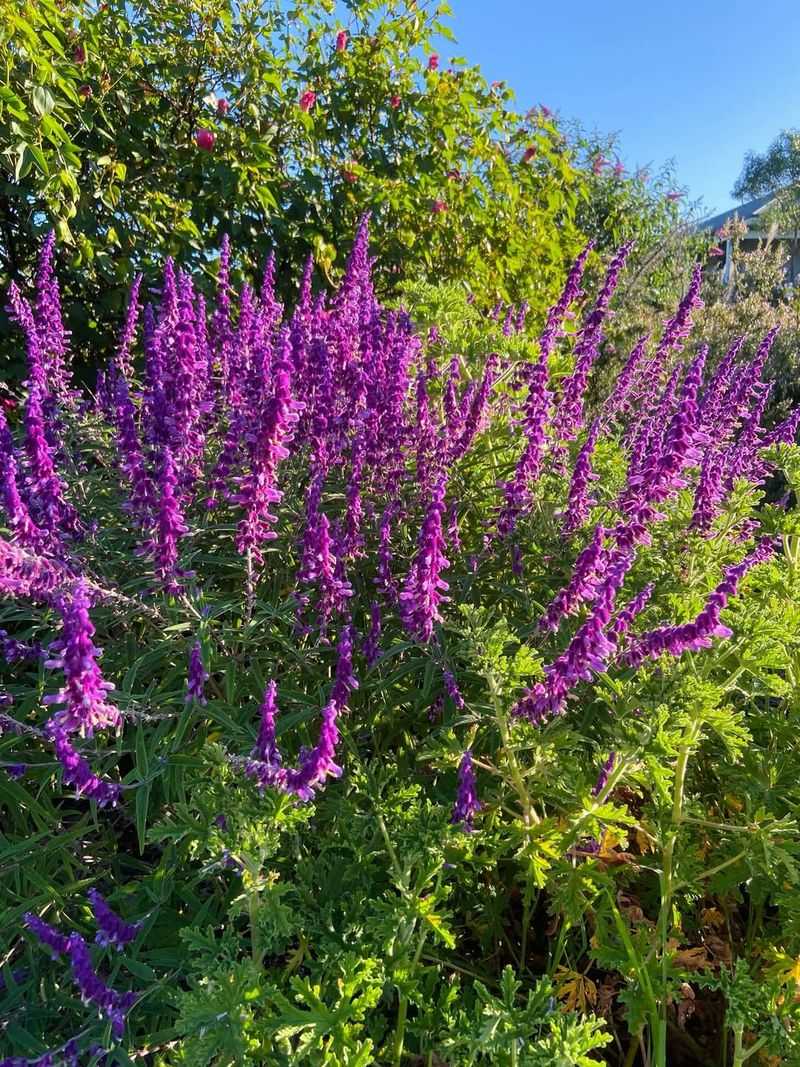
Walk past Mexican Bush Sage when it is in full bloom and it is almost impossible not to stop. Those long, arching spikes covered in soft, velvety purple flowers look almost too good to be real.
Salvia leucantha earns serious attention in any Arizona garden, especially in late summer and fall when most other plants are looking exhausted.
It thrives in full sun and tolerates Arizona’s intense heat without complaint. Established plants handle drought reasonably well, though a deep watering every week or so during the hottest months keeps the foliage looking lush.
Soil drainage matters here, so avoid spots where water tends to pool after monsoon rains.
Plants can reach three to four feet tall and spread just as wide, so give them room to grow. That size makes Mexican Bush Sage a natural choice as a background plant or a loose privacy screen along a fence line.
Your Arizona Garden Changes Every Week. Your Plan Should Too.
Gardening in Arizona changes quickly throughout the season. Every Friday you’ll receive a simple weekly plan showing exactly what to plant, prune, fertilize, harvest, and protect so you never miss the right timing.
Pairing it with golden-toned desert plants creates a striking color contrast.
Cut the whole plant back hard in late winter before new growth starts. It will bounce back quickly and look even fuller the following season.
Over several years in an Arizona yard, Mexican Bush Sage becomes a reliable anchor plant that delivers bold color right when the rest of the garden starts winding down for the year.
3. Purple Lantana Keeps Blooming Through Hot Weather
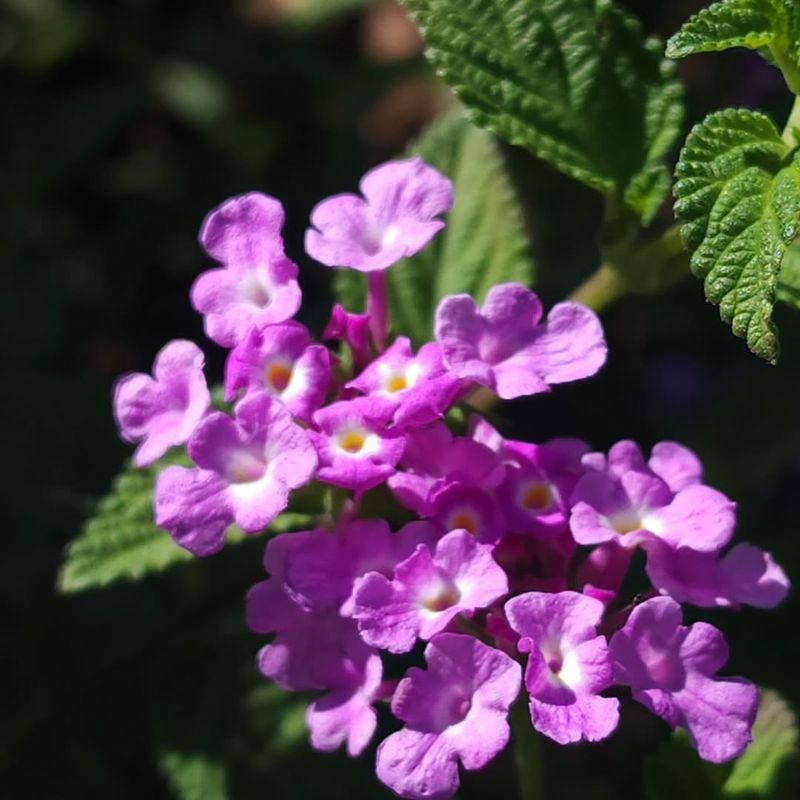
Extreme heat does not slow Purple Lantana down one bit. While other plants sulk through Arizona’s brutal midsummer temperatures, Lantana camara in purple varieties just keeps pushing out clusters of tiny, cheerful blooms.
It is one of the few plants that actually seems to prefer the heat rather than just survive it.
Full sun is non-negotiable for the best flowering. In partly shaded spots, it will still grow, but bloom production drops noticeably.
Sandy or gravelly, well-draining soil suits it well, which works perfectly across much of Arizona’s native landscape. Once roots are established, it needs very little supplemental water.
Butterflies absolutely love Lantana, and a blooming plant in an Arizona yard can attract several species at once. Purple varieties pair beautifully with the warm tones of desert rocks and adobe walls.
Plants typically spread two to four feet wide, so they work well as ground cover or spilling over a raised bed edge.
Trim it back in late winter to encourage dense, compact regrowth. Without occasional pruning, it can get leggy over time.
Lantana is toxic if ingested, so keep that in mind if pets or small children use the garden space regularly. Beyond that concern, it is one of the most rewarding, low-maintenance purple perennials available to Arizona gardeners who want consistent color through the hottest months.
4. Society Garlic Adds Purple Flowers Above Strappy Foliage
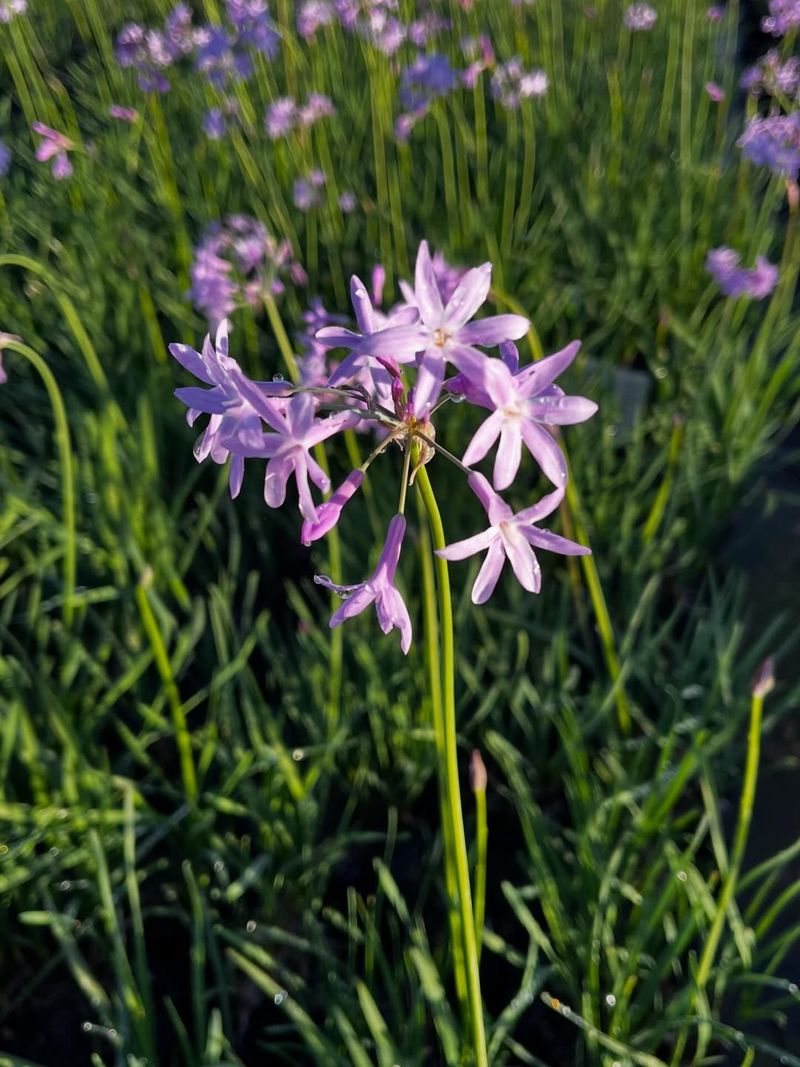
Society Garlic might have the most underrated combination of features in the Arizona perennial world. Tulbaghia violacea produces clusters of soft lavender-purple flowers on tall, slender stalks that rise well above its grassy, strappy foliage.
It looks delicate, but do not let that fool you. It is genuinely tough.
Named for the mild garlic scent its leaves release when brushed, Society Garlic works as both an ornamental and a practical border plant.
Deer and rabbits generally leave it alone, which is a real advantage in parts of Arizona where wildlife pressure on gardens can be significant.
That natural resistance means less frustration for gardeners.
It handles full sun to partial shade and is fairly drought tolerant once established, though regular watering during Arizona’s dry stretches keeps flowering consistent. Plants reach about one to two feet tall and spread gradually into attractive clumps over time.
Dividing those clumps every few years keeps them vigorous and gives you more plants to spread around the yard.
Blooming happens in waves from spring through fall, with the heaviest flushes appearing in warmer months. Remove spent flower stalks to encourage fresh rounds of blooms.
Society Garlic fits naturally along walkways, in rock gardens, or as a soft border edge around larger desert plants. Arizona gardeners looking for something that looks refined but behaves like a workhorse will find it genuinely satisfying year after year.
5. Purple Ruellia Produces Bright Purple Blooms In Heat
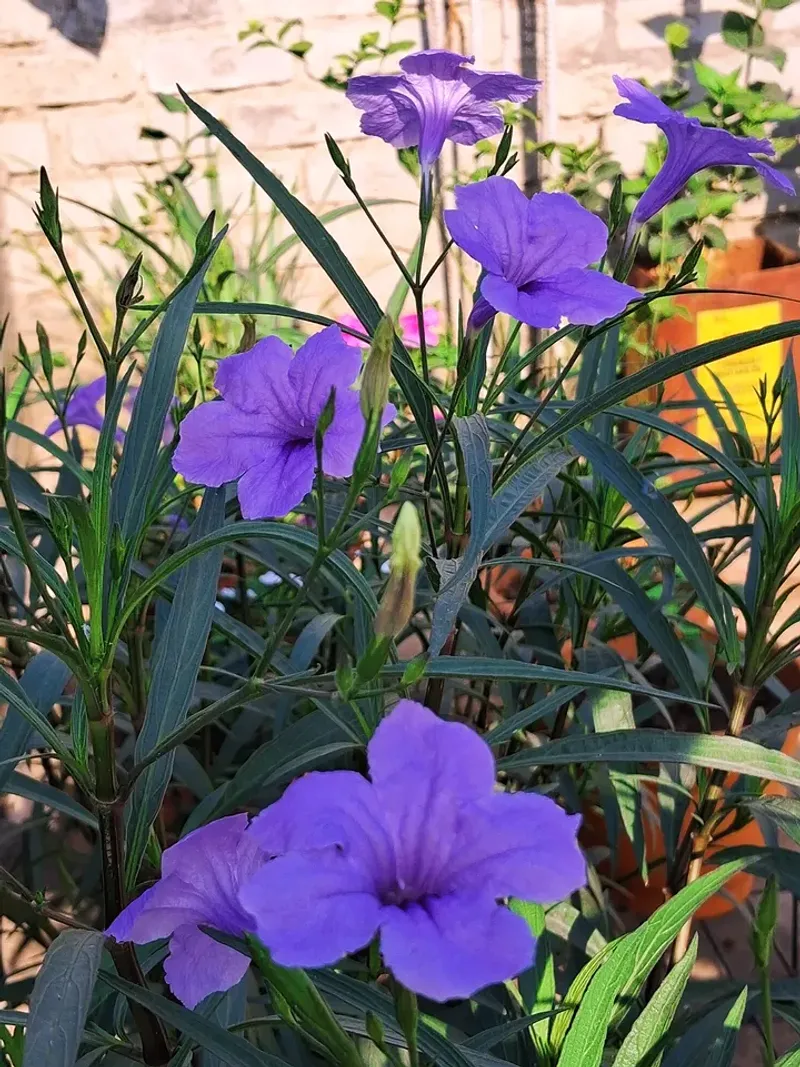
Ruellia brittoniana, commonly called Desert Petunia or Mexican Petunia, is basically built for Arizona summers.
Bright purple trumpet-shaped blooms open fresh every morning throughout the hottest months of the year, creating a reliable color show when most gardens are struggling to look presentable.
It is a genuinely impressive performer in tough conditions.
Plant it in full sun for maximum blooming, though it tolerates partial shade better than many desert perennials. It adapts to a range of soil types, including the rocky, alkaline ground common across much of Arizona.
Established plants are quite drought tolerant, but consistent moisture during summer encourages heavier flowering and keeps foliage from looking stressed.
One thing worth knowing upfront: Ruellia can spread aggressively in garden beds, especially near water sources. Choosing sterile or dwarf varieties reduces that tendency significantly.
Non-invasive cultivars like ‘Purple Showers’ give you all the color without the spreading problem, making them a much smarter pick for most Arizona landscapes.
Heights range from one foot for dwarf types to three feet or more for standard varieties. Cut plants back hard in late winter before new growth emerges.
Over several seasons, established clumps develop thick, woody bases that anchor the plant firmly through monsoon winds and heavy rains. Purple Ruellia brings a tropical energy to Arizona yards that feels almost out of place in the desert, and that contrast is exactly what makes it so appealing.
6. Trailing Verbena Spreads Purple Flowers Across Beds
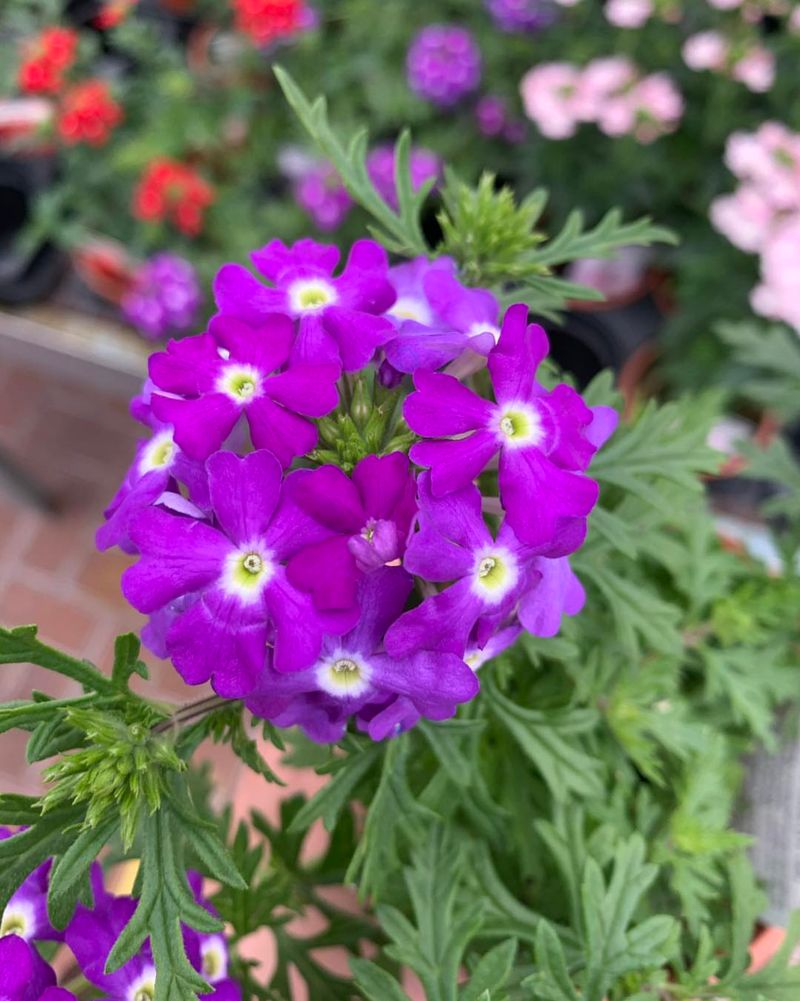
Ground-level color is something Arizona gardens often lack, and Trailing Verbena fills that gap better than almost anything else. Verbena canadensis and its hybrids spread low and wide, covering bare soil with a carpet of small but vivid purple flower clusters.
It looks intentional and polished without requiring much effort to maintain.
Full sun brings out the best flowering. In Arizona’s intense summer heat, a little afternoon shade can actually extend bloom time by reducing stress on the plant.
Well-draining soil is important since Trailing Verbena does not tolerate soggy roots, and Arizona’s monsoon season can create temporary waterlogging in low spots.
Water regularly through the hottest months to keep it looking full and blooming consistently. Once temperatures drop in fall, water needs decrease substantially.
Plants typically spread one to two feet wide and stay only six to twelve inches tall, making them excellent choices for edging paths, filling spaces between rocks, or spilling over retaining walls.
Shearing the plant back by about a third after each heavy bloom flush encourages dense regrowth and prevents it from getting sparse in the center. In the warmer parts of Arizona, Trailing Verbena often behaves as a true perennial, returning reliably each spring.
Cooler Arizona elevations may see it act more like an annual, but replanting is easy and affordable. Either way, the color payoff is absolutely worth the minimal effort involved.
7. Lavender Brings Soft Purple Color And Fragrance
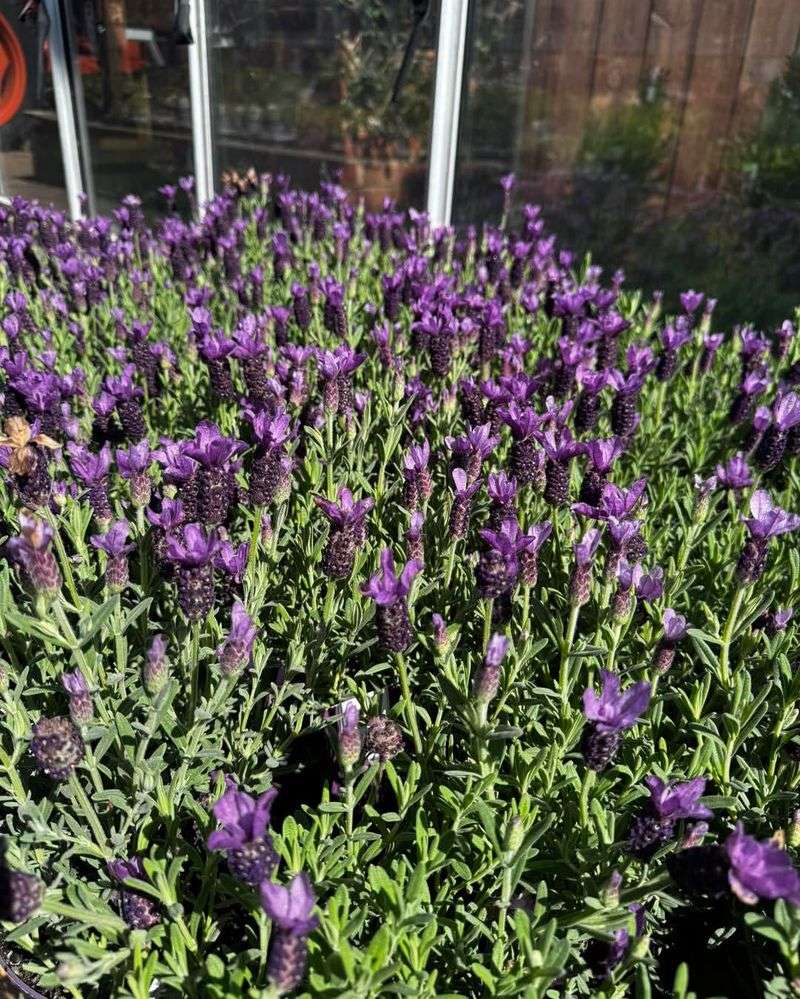
Lavender and Arizona are a better match than most people expect.
Spanish Lavender (Lavandula stoechas) and Goodwin Creek Grey Lavender handle Arizona’s heat better than English varieties, and both produce that signature soft purple color and unmistakable fragrance that makes lavender such a beloved garden plant across the world.
Drainage is the single most important factor for success. Lavender will not survive in heavy clay or soil that stays wet after rain.
Raised beds, rocky slopes, or amended sandy soil give it the conditions it needs to thrive. Full sun exposure is equally essential since shaded plants rarely bloom well and tend to get leggy fast.
Water young plants regularly until roots establish, then back off significantly. Overwatering is the most common reason lavender struggles in Arizona gardens.
Once settled in, it is surprisingly drought tolerant and can get by on minimal supplemental irrigation during cooler months. Summer watering every week or two during extreme heat keeps it stable.
Pruning after flowering prevents woody buildup and keeps the plant compact and productive for more years. Avoid cutting into old, woody stems since lavender does not regenerate from bare wood reliably.
Harvest flower spikes for drying, sachets, or culinary use if you want to make the most of what the plant produces. In the right Arizona spot, lavender can live and bloom beautifully for many years, filling the air around it with fragrance every time a breeze moves through.
8. Catmint Produces Purple Flower Spikes For Months
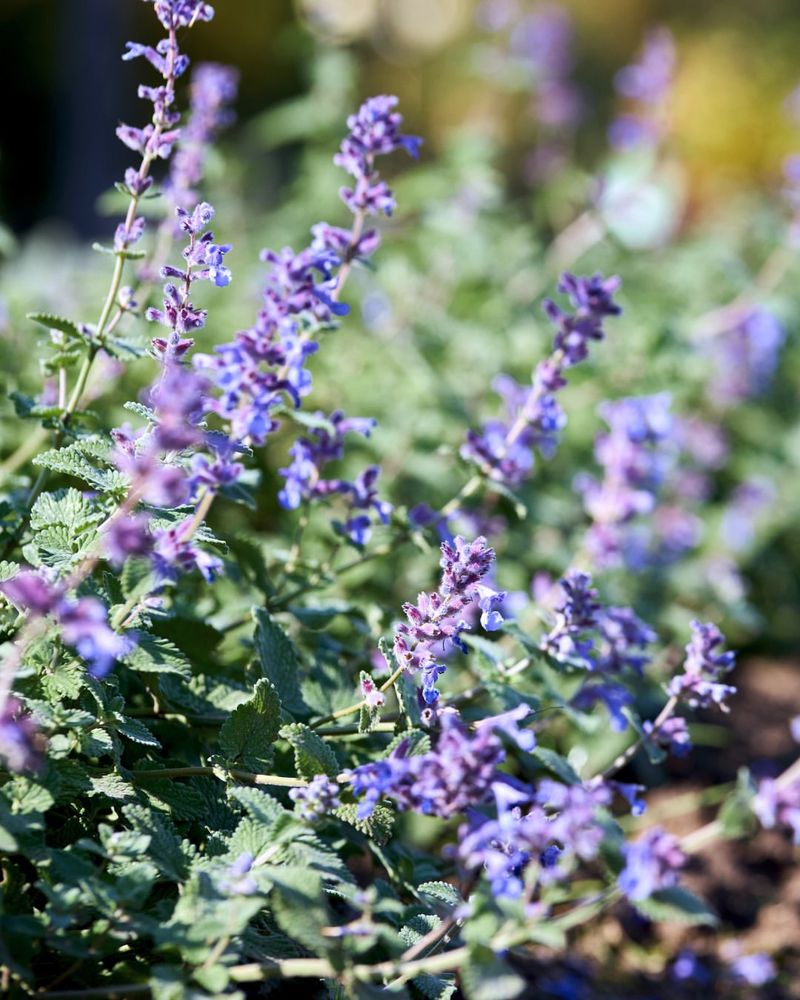
Catmint might be the most underappreciated perennial available to Arizona gardeners.
Nepeta x faassenii produces wave after wave of soft purple flower spikes over mounding grey-green foliage, and it does so for months at a stretch without demanding much attention.
It looks like it belongs in a magazine spread but behaves like a tough desert plant.
Full sun is ideal, though Catmint handles light afternoon shade in the hottest parts of Arizona without losing much flowering quality. It prefers well-draining soil and actually performs better in lean conditions than in rich, heavily amended beds.
Too much fertilizer pushes lush foliage at the expense of flowers, so hold back on feeding.
Water needs are low once established. During Arizona’s hottest stretches, watering once or twice a week is usually enough to keep plants looking healthy.
Avoid overhead watering when possible since wet foliage in humid monsoon conditions can encourage powdery mildew on some varieties.
After the first big bloom flush fades, shear the whole plant back by about half. New growth appears quickly, and a second heavy bloom wave follows within a few weeks.
Cats are famously attracted to Nepeta, so expect some curious visitors rolling around near your plants. Beyond that entertaining side effect, Catmint works beautifully as a border edge, a rock garden filler, or a soft contrast plant alongside bolder desert perennials.
Arizona’s dry climate actually suits it well, and established plants return reliably for many seasons.